

Vauxhall Insignia Oil Change: The Complete Guide for a Smoother, Healthier Engine

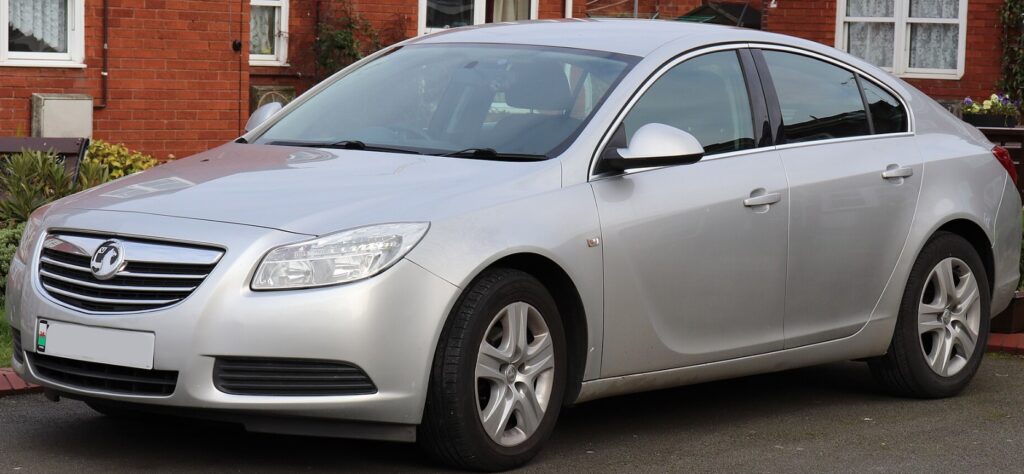
Changing the oil in a Vauxhall Insignia is one of those jobs that looks small on paper but does a huge amount of heavy lifting behind the scenes. Think of engine oil as the bloodstream of the car. It lubricates, cools, cleans, protects, and quietly keeps metal parts from chewing each other to pieces. When the oil is fresh, the engine feels calmer. When it is old, dirty, or too low, the car starts working harder than it should.
The Vauxhall Insignia is a popular family car, motorway cruiser, company car, and daily workhorse. Whether we are talking about a diesel Insignia 2.0 CDTi, a petrol turbo model, or a later Grand Sport version, regular oil changes are essential. Skip them for too long and the engine may reward us with rough running, noisy starts, turbo wear, DPF issues, timing chain stress, or expensive garage bills. Nobody wants that.
In this guide, we will walk through everything we need to know about a Vauxhall Insignia oil change: when to do it, what oil to use, how much oil it may need, what tools are required, how to change it safely, and what mistakes to avoid.
Content in this publication
- Why a Vauxhall Insignia Oil Change Matters
- How Often Should We Change the Oil in a Vauxhall Insignia?
- Signs Your Vauxhall Insignia Needs an Oil Change
- Choosing the Right Oil for a Vauxhall Insignia
- How Much Oil Does a Vauxhall Insignia Take?
- Tools Needed for a Vauxhall Insignia Oil Change
- Step-by-Step Vauxhall Insignia Oil Change
- How to Check the Oil Level Correctly
- Resetting the Oil Life or Service Light
- Diesel Vauxhall Insignia Oil Change Tips
- Petrol Vauxhall Insignia Oil Change Tips
- Common Oil Change Mistakes to Avoid
- DIY Oil Change vs Garage Oil Change
- How Much Does a Vauxhall Insignia Oil Change Cost?
- What to Do With Old Engine Oil
- Best Maintenance Habits After an Oil Change
- Vauxhall Insignia Oil Change Checklist
- Conclusion: Keep the Insignia Running Smoothly
- FAQs About Vauxhall Insignia Oil Change
Why a Vauxhall Insignia Oil Change Matters
An oil change is not just “routine maintenance.” It is engine protection in a bottle. Every time the engine runs, oil moves through narrow galleries, bearings, turbo components, camshafts, pistons, and other high-friction areas. Over time, that oil breaks down. Heat, soot, fuel dilution, moisture, and tiny metal particles all reduce its ability to protect the engine.
When we replace the oil and filter, we remove a large amount of contamination from the system. Fresh oil helps the engine spin more freely, reduces internal wear, supports fuel economy, and gives the turbocharger a better chance of living a long life.
Engine oil has several jobs happening at once:
- It lubricates moving metal parts.
- It helps carry heat away from hot areas.
- It suspends dirt and soot.
- It protects against corrosion.
- It supports hydraulic systems such as variable valve timing.
- It helps protect turbocharger bearings.
So, yes, oil is simple. But it is also doing a job as demanding as a goalkeeper, mechanic, cleaner, and bodyguard all rolled into one.
How Often Should We Change the Oil in a Vauxhall Insignia?
The safest answer is to follow the service schedule for the exact engine and model year. However, many owners prefer changing oil earlier than the maximum interval, especially on diesel engines, high-mileage cars, or vehicles used mainly for short journeys.
As a practical rule, many drivers aim for an oil change every 10,000 miles or 12 months, whichever comes first. For cars doing harsh driving, short trips, stop-start traffic, towing, or frequent cold starts, changing it even sooner can be smart.
Mileage-Based Oil Change Intervals
For a regularly driven Insignia, mileage is usually the easiest guide. If the car is mostly used on long motorway runs, oil tends to stay healthier for longer. If the car spends most of its life crawling through town traffic, the oil ages faster.
A motorway mile and a city mile are not equal. One is a steady jog. The other is a stressful gym session.
Time-Based Oil Change Intervals
Even if we do not drive many miles, oil should not sit forever. Moisture and fuel contamination can build up, especially if the engine rarely reaches full operating temperature. That is why a yearly oil change is still wise, even for low-mileage cars.
Signs Your Vauxhall Insignia Needs an Oil Change
Sometimes the car gives us clues before the service light appears. These signs do not always mean the oil is the only problem, but they are worth taking seriously.
Common Warning Signs
Look out for:
- Dark, gritty, or thick oil on the dipstick
- Engine sounding louder than usual
- Rough idle
- Oil smell inside or outside the car
- Oil pressure warning light
- Service vehicle soon message
- Poor fuel economy
- Sluggish acceleration
- Smoke from the exhaust
- Low oil level between services
If the oil pressure warning light comes on, stop safely and switch off the engine. That light is not a polite suggestion. It is more like the engine waving a red flag.
Choosing the Right Oil for a Vauxhall Insignia
This is where many owners get nervous, and understandably so. There are different Insignia engines, different production years, and different oil specifications. The right oil depends on the exact engine.
Many diesel Vauxhall Insignia models commonly use fully synthetic 5W-30 oil meeting dexos2 or ACEA C3 specifications. Some petrol engines, especially later turbo petrol units, may require dexos1 Gen 3 or another specific approval. That is why we should always confirm using the owner’s manual, service book, oil cap guidance, or a registration-based parts lookup.
What Does 5W-30 Mean?
The “5W” tells us how the oil behaves in cold conditions. The “30” tells us how it behaves when hot. A 5W-30 oil flows well during cold starts while still giving suitable protection when the engine is warm.
Cold-start protection matters because most engine wear happens when oil is still moving from the sump to the top of the engine. Good oil gets there quickly, like coffee arriving before a difficult morning meeting.
Dexos2, ACEA C3, and Why Specifications Matter
Oil specifications are not decoration on the bottle. They tell us whether the oil meets certain performance standards. Diesel Insignias with DPF systems often need low-SAPS oil, such as ACEA C3 or dexos2, to help protect emissions equipment.
Using the wrong oil can affect the DPF, turbo, timing chain, oil consumption, and long-term engine health. The bottle may say “premium,” but if it does not meet the required spec, it is not the right premium for our car.
How Much Oil Does a Vauxhall Insignia Take?
Oil capacity varies by engine. Some Insignia engines may take around 4 to 5 litres, while others may require more. The exact amount depends on engine size, generation, and whether the filter is changed at the same time.
A sensible approach is to buy slightly more oil than the expected capacity, then fill gradually. Add most of the required amount, wait, check the dipstick, and top up carefully. Overfilling is not harmless. Too much oil can create pressure, foaming, leaks, smoke, and even damage.
Why We Should Not Guess the Capacity
Guessing oil capacity is like seasoning soup with your eyes closed. It may work, but it can also go badly. Always check the manual, service data, or a trusted registration-based oil guide before starting.
Tools Needed for a Vauxhall Insignia Oil Change
Before getting under the car, prepare everything. A clean, organised setup makes the job safer and faster.
Basic Tool List
We may need:
- Correct engine oil
- New oil filter
- New sump plug washer or new drain plug if required
- Socket set or spanner
- Oil filter removal tool
- Drain pan
- Funnel
- Gloves
- Rags or paper towels
- Axle stands or ramps
- Torque wrench
- Jack
- Safety glasses
Safety Equipment Matters
Never rely on a jack alone. A jack lifts the car; axle stands support it. That difference matters. We should work on level ground, apply the handbrake, leave the car in gear or park, and use wheel chocks if available.
Step-by-Step Vauxhall Insignia Oil Change
Changing oil is straightforward if we move carefully. The steps below are general guidance, so we still need to confirm filter location, drain plug type, and oil capacity for the exact engine.
Step 1: Warm the Engine Slightly
Run the engine for a few minutes so the oil becomes warm, not boiling hot. Warm oil drains faster and carries more contaminants out with it. Do not burn yourself. Hot oil is not forgiving.
Step 2: Park Safely and Lift the Car
Park on level ground. Switch off the engine. Open the bonnet. Remove the oil filler cap to help the oil drain more smoothly. Lift the front of the car if needed and secure it with axle stands or use proper ramps.
Step 3: Remove the Undertray
Many Insignia models have an undertray beneath the engine. Remove the necessary screws or clips and place them somewhere safe. Do not scatter them across the driveway like breadcrumbs.
Step 4: Drain the Old Oil
Place the drain pan under the sump plug. Loosen the plug carefully and let the oil drain fully. This may take several minutes. Watch the flow and adjust the pan if needed.
Step 5: Replace the Oil Filter
Remove the old oil filter. Depending on the engine, it may be a cartridge-style filter or a spin-on type. Replace the sealing ring if supplied. Lightly lubricate the new seal with fresh oil before fitting.
Do not overtighten the filter housing. Plastic filter housings can crack if treated like a stubborn wheel nut.
Step 6: Refit the Drain Plug
Once the oil has drained, refit the sump plug with a new washer if required. Tighten it correctly. Too loose and it may leak. Too tight and we risk damaging the threads.
Step 7: Add Fresh Oil
Use a funnel and pour in the correct oil slowly. Add slightly less than the total expected capacity first. Wait a minute, check the dipstick, then top up in small amounts.
Step 8: Start the Engine and Check for Leaks
Start the engine and let it idle briefly. The oil pressure light should go out quickly. Look underneath for leaks around the drain plug and filter. Switch off the engine and wait a few minutes before checking the dipstick again.
Step 9: Refit the Undertray
If everything is dry and the oil level is correct, refit the undertray securely. Make sure no tools, rags, or caps are left in the engine bay.
How to Check the Oil Level Correctly
Checking oil sounds simple, but it is easy to get a false reading.
Best Method
Park on level ground. Switch off the engine and wait five to ten minutes. Pull the dipstick, wipe it clean, insert it fully, then pull it out again. The oil should sit between the minimum and maximum marks.
Do Not Overfill
If the oil is slightly below max, that is usually fine. We do not need to chase the top mark like it owes us money. Anywhere safely between minimum and maximum is generally acceptable.
Resetting the Oil Life or Service Light
After an oil change, many Insignia models require the service indicator or oil life monitor to be reset. The exact process depends on the year and dashboard setup.
General Reset Idea
Typically, the reset is done through the instrument cluster menu using steering wheel buttons or stalk controls. We may need to find the oil life screen, press and hold the confirmation button, and confirm the reset.
If the reset does not work, check the owner’s manual or use a diagnostic tool. Do not reset the light without actually changing the oil. That is like changing the date on expired milk.
Diesel Vauxhall Insignia Oil Change Tips
Diesel Insignias are popular, especially the 2.0 CDTi models. They can be strong engines when maintained properly, but they are sensitive to poor servicing.
DPF-Friendly Oil Is Important
Diesel particulate filters need the correct low-ash oil. Using the wrong oil may contribute to ash buildup over time. That does not mean one wrong top-up instantly ruins the DPF, but repeated use of incorrect oil is asking for trouble.
Short Trips Are Hard on Diesel Oil
Diesel engines used mainly for short journeys may suffer from fuel dilution and soot contamination. If the car rarely gets a proper motorway run, shorter oil change intervals are a smart idea.
Petrol Vauxhall Insignia Oil Change Tips
Petrol Insignias also need exact oil specifications. Turbocharged petrol engines can run hot, and the turbo depends heavily on clean oil.
Turbo Protection
After a hard drive, it can help to let the engine idle briefly before switching off. This gives oil a chance to stabilise around the turbo. Fresh oil is especially important because turbo bearings spin at incredible speeds.
Common Oil Change Mistakes to Avoid
An oil change is simple, but small mistakes can become expensive.
Mistake 1: Using the Wrong Oil
The cheapest bottle is not always the smartest bottle. Match the viscosity and specification.
Mistake 2: Forgetting the Filter
Changing oil without changing the filter is like taking a shower and putting dirty socks back on. The filter holds old contamination.
Mistake 3: Overfilling the Engine
Too much oil can cause smoke, leaks, and pressure problems. Fill slowly and check carefully.
Mistake 4: Reusing a Bad Washer
A tired washer can leak. A small washer is cheaper than a stained driveway and a low oil warning.
Mistake 5: Ignoring Leaks Afterward
Always check underneath after the first start and again after the first drive.
DIY Oil Change vs Garage Oil Change
Should we do it ourselves or pay a garage? Both options make sense depending on tools, confidence, and time.
DIY Benefits
Doing it ourselves can save money, teach us about the car, and give us control over the oil and filter used. It is also satisfying. There is something rewarding about finishing the job, wiping your hands, and knowing the engine is happier.
Garage Benefits
A garage is better if we lack tools, space, or confidence. A professional can also spot leaks, worn parts, damaged undertrays, and other issues while the car is lifted.
How Much Does a Vauxhall Insignia Oil Change Cost?
The cost depends on whether we choose DIY or a garage. DIY costs usually include oil, filter, washer, and maybe tools. A garage price includes labour, disposal, parts, VAT, and sometimes a service check.
Typical Cost Factors
The final price depends on:
- Oil brand and specification
- Oil quantity
- Filter type
- Labour rate
- Engine access
- Location
- Whether extra checks are included
Cheap oil changes can be tempting, but make sure the correct specification is used. Saving a small amount today can become a big bill later.
What to Do With Old Engine Oil
Used engine oil must be disposed of responsibly. Do not pour it down a drain, onto soil, or into household waste. Put it into a sealed container and take it to a recycling centre or an approved disposal point.
Oil is useful inside an engine. Outside an engine, it is pollution.
Best Maintenance Habits After an Oil Change
An oil change is a great start, but we should also build good habits.
Simple Habits That Help
- Check oil level every few weeks.
- Look for leaks under the car.
- Use the correct oil for top-ups.
- Keep service receipts.
- Change oil earlier if driving conditions are harsh.
- Listen for new engine noises.
- Do not ignore warning lights.
Good maintenance is not dramatic. It is boring, consistent, and powerful.
Vauxhall Insignia Oil Change Checklist
Before finishing, use this quick checklist:
- Correct oil specification confirmed
- Correct oil quantity checked
- New oil filter ready
- New washer or drain plug ready
- Car parked safely on level ground
- Old oil drained fully
- Filter replaced correctly
- Drain plug tightened properly
- Fresh oil added gradually
- Oil level checked
- Engine started and checked for leaks
- Service light reset if required
- Old oil disposed of safely
Conclusion: Keep the Insignia Running Smoothly
A Vauxhall Insignia oil change is one of the best things we can do to protect the engine. It is not glamorous. It will not make the car look shinier. But under the bonnet, it makes a real difference.
Fresh oil reduces wear, supports the turbo, protects internal components, helps fuel economy, and gives the engine a cleaner, easier life. Whether we do the job at home or book it with a trusted garage, the key is simple: use the correct oil, change the filter, avoid overfilling, and stick to sensible intervals.
The Insignia is built to cover miles comfortably. Give it clean oil on time, and it has a much better chance of staying smooth, strong, and reliable.
FAQs About Vauxhall Insignia Oil Change
1. What oil does a Vauxhall Insignia use?
Many diesel Vauxhall Insignia models commonly use fully synthetic 5W-30 oil meeting dexos2 or ACEA C3 specification. Some petrol engines require different approvals, such as dexos1 Gen 3. Always confirm by engine, year, and handbook.
2. How often should we change the oil in a Vauxhall Insignia?
A practical interval is often around every 10,000 miles or 12 months, especially for mixed driving. However, always follow the official schedule for the exact car. Short trips, towing, or heavy traffic may justify earlier changes.
3. Can we change Vauxhall Insignia oil at home?
Yes, if we have the correct tools, safe lifting equipment, the right oil, and basic mechanical confidence. If not, using a garage is safer and still worthwhile.
4. What happens if we put too much oil in a Vauxhall Insignia?
Overfilling can cause smoke, leaks, foaming, pressure issues, and potential engine or emissions-system problems. If the oil level is above maximum, drain or extract the excess before driving far.
5. Should we change the oil filter every time?
Yes. The oil filter traps dirt, soot, and particles. Reusing an old filter with fresh oil reduces the benefit of the service and may restrict oil flow.
If you want to know other articles similar to Vauxhall Insignia Oil Change: The Complete Guide for a Smoother, Healthier Engine you can visit the category Service and Parts.
MG HS Tyre Pressure Guide: Correct PSI and TPMS
Toyota Yaris Cross Dashboard Symbols

BMW 3 Series Warning Lights: The Complete Guide to Understanding Every Dashboard Symbol
Nissan Qashqai Fuel Tank Capacity: Complete Guide

Suzuki Swift Fuel Tank Capacity: Complete Guide

Mazda CX-5 Weight (2013–2026): Complete Guide in Pounds and KG
Leave a Reply
More content of your interest