

Vauxhall Insignia Losing Power: Causes, Symptoms, Diagnosis, and Fixes

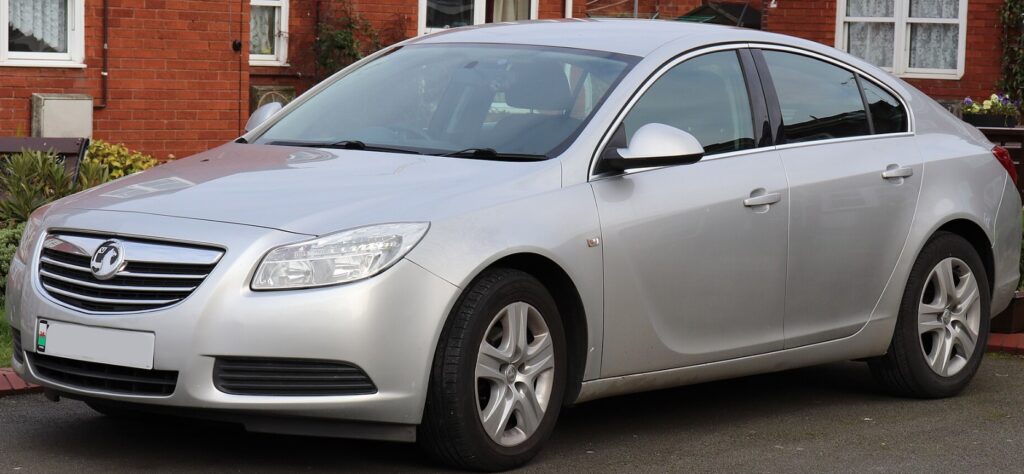
If your Vauxhall Insignia is losing power, you're not alone. Many owners have experienced sudden drops in acceleration, sluggish engine performance, or the car entering limp mode without much warning. Whether it happens while overtaking on the motorway or pulling away from traffic lights, a loss of power can be frustrating—and in some cases, dangerous.
The good news is that power loss is usually linked to a specific component or system that can be diagnosed and repaired. From turbocharger issues and clogged fuel filters to faulty sensors and blocked diesel particulate filters (DPFs), the list of potential causes is extensive but manageable.
In this guide, we'll explain the most common reasons why a Vauxhall Insignia loses power, how to identify the symptoms, what diagnostic tests should be carried out, repair costs you can expect, and practical tips to prevent the problem from happening again.
Content in this publication
- Why Is My Vauxhall Insignia Losing Power?
- Turbocharger Problems
- Blocked Diesel Particulate Filter (DPF)
- Faulty EGR Valve
- Fuel Delivery Problems
- Faulty Mass Air Flow (MAF) Sensor
- MAP Sensor Issues
- Air Intake Restrictions
- Intercooler Problems
- Injector Problems
- Glow Plug Issues (Diesel Models)
- Throttle Body Problems (Petrol Models)
- ECU and Sensor Faults
- Transmission Problems That Feel Like Power Loss
- Electrical Problems
- How to Diagnose Power Loss
- Typical Repair Costs
- How to Prevent Future Power Loss
- When Should You Stop Driving?
- Conclusion
Why Is My Vauxhall Insignia Losing Power?
Power loss occurs when the engine cannot produce the performance it was designed to deliver. Modern Insignias rely on dozens of sensors and electronic systems working together. If even one component fails, the engine control unit (ECU) may reduce power to protect the engine.
Common symptoms include:
- Slow acceleration
- Reduced engine responsiveness
- Difficulty climbing hills
- Limp mode activation
- Engine warning light
- Excessive smoke from the exhaust
- Increased fuel consumption
- Hesitation during acceleration
The exact cause depends on the engine type, mileage, maintenance history, and whether your Insignia is petrol or diesel.
Turbocharger Problems
Turbocharger failure is one of the leading causes of power loss, especially on the 2.0 CDTi diesel engine.
The turbo compresses incoming air, allowing the engine to generate significantly more power. When the turbo cannot build adequate boost pressure, acceleration becomes weak.
Typical turbo symptoms include:
- Whistling noises
- Lack of boost
- Black smoke
- Limp mode
- Oil consumption
- Poor acceleration
Turbo problems often originate from:
Low Oil Pressure
Insufficient lubrication damages the turbo bearings, causing shaft play and eventually complete failure.
Sticking Variable Vanes
Diesel soot can cause the variable geometry vanes inside the turbo to seize.
Boost Leaks
Split intercooler hoses or loose clamps allow boost pressure to escape before reaching the engine.
Blocked Diesel Particulate Filter (DPF)
Diesel Insignias frequently suffer from blocked DPFs, especially if they're mainly used for short urban journeys.
The DPF captures soot particles from the exhaust.
Eventually it becomes full and must regenerate by burning the soot away.
If regeneration repeatedly fails, you'll notice:
- Reduced acceleration
- Limp mode
- High fuel consumption
- Cooling fan running after shutdown
- DPF warning light
Ignoring a blocked DPF can eventually damage the turbo and EGR valve.
Faulty EGR Valve
The Exhaust Gas Recirculation (EGR) valve helps reduce emissions by recycling exhaust gases.
Unfortunately, it also collects carbon deposits over time.
A sticking EGR valve may cause:
- Flat acceleration
- Rough idle
- Engine hesitation
- Increased smoke
- Engine warning light
Cleaning the valve often restores normal performance, although heavily worn valves require replacement.
Fuel Delivery Problems
An engine cannot produce power without a consistent fuel supply.
Several fuel system components can cause power loss.
Blocked Fuel Filter
A dirty fuel filter restricts fuel flow.
Symptoms include:
- Hesitation
- Loss of power under load
- Difficult starting
- Poor fuel economy
Replacing the fuel filter is inexpensive and should be part of routine servicing.
Failing Fuel Pump
A weak fuel pump cannot maintain proper pressure.
Power loss often becomes noticeable:
- During hard acceleration
- At motorway speeds
- Under heavy engine load
Faulty Mass Air Flow (MAF) Sensor
The MAF sensor measures how much air enters the engine.
If it sends incorrect readings, the ECU delivers the wrong fuel mixture.
Common symptoms include:
- Hesitation
- Poor acceleration
- Rough idle
- Increased fuel consumption
- Check engine light
Sometimes cleaning the sensor fixes the issue, but replacement is often necessary.
MAP Sensor Issues
The Manifold Absolute Pressure (MAP) sensor measures intake pressure.
Carbon contamination can affect its accuracy.
A faulty MAP sensor can cause:
- Turbo underboost
- Sluggish performance
- Poor throttle response
- Limp mode
Fortunately, cleaning or replacing the MAP sensor is usually straightforward.
Air Intake Restrictions
An engine also needs unrestricted airflow.
Common airflow problems include:
Dirty Air Filter
A clogged filter limits incoming air.
Signs include:
- Reduced power
- Poor fuel economy
- Black smoke
Collapsed Intake Hose
Rubber intake pipes can collapse internally, restricting airflow only under acceleration.
These faults can be difficult to spot during a visual inspection.
Intercooler Problems
The intercooler cools compressed air from the turbo.
Leaks reduce boost pressure dramatically.
Look for:
- Oily residue around intercooler joints
- Hissing noises
- Reduced acceleration
- Turbo lag
Pressure testing the intercooler system quickly identifies leaks.
Injector Problems
Fuel injectors atomize fuel into the combustion chamber.
Dirty or worn injectors can create:
- Misfires
- Rough idle
- Reduced power
- White smoke
- Difficult cold starts
Professional injector testing may be required.
Glow Plug Issues (Diesel Models)
Although glow plugs mainly assist cold starting, multiple failed glow plugs can contribute to poor combustion during warm-up.
Symptoms include:
- Hard starting
- Rough running
- White smoke
- Temporary lack of power
Throttle Body Problems (Petrol Models)
Petrol Insignias use an electronically controlled throttle body.
Carbon buildup or electrical faults can cause:
- Delayed throttle response
- Hesitation
- Reduced acceleration
- Limp mode
Cleaning the throttle body often restores smooth performance.
ECU and Sensor Faults
Modern engines constantly monitor dozens of sensors.
Power loss may result from faulty readings from:
- Crankshaft sensor
- Camshaft sensor
- Oxygen sensor
- Boost pressure sensor
- Accelerator pedal position sensor
The ECU may intentionally reduce power to prevent engine damage.
Reading diagnostic trouble codes (DTCs) with an OBD-II scanner is the fastest way to identify sensor-related issues.
Transmission Problems That Feel Like Power Loss
Sometimes the engine isn't actually losing power.
Instead, the transmission may fail to transfer power efficiently.
Possible gearbox issues include:
- Worn clutch
- Torque converter faults
- Automatic gearbox slipping
- Low transmission fluid
Drivers often mistake these faults for engine problems.
Electrical Problems
Weak electrical systems can also reduce engine performance.
Potential causes include:
- Weak battery
- Faulty alternator
- Corroded ground connections
- Damaged wiring
Voltage fluctuations may interfere with sensor operation.
How to Diagnose Power Loss
Rather than replacing parts at random, follow a logical diagnostic process.
Step 1
Scan for fault codes.
Step 2
Inspect turbo hoses.
Step 3
Check air filter.
Step 4
Inspect the intercooler.
Step 5
Test fuel pressure.
Step 6
Check boost pressure.
Step 7
Inspect DPF loading.
Step 8
Test the EGR valve.
Following this sequence often identifies the root cause quickly.
Typical Repair Costs
Approximate UK repair costs include:
| Repair | Estimated Cost |
|---|---|
| Air filter | £20–£40 |
| Fuel filter | £40–£90 |
| MAF sensor | £100–£250 |
| MAP sensor | £70–£180 |
| EGR cleaning | £80–£150 |
| EGR replacement | £250–£500 |
| DPF cleaning | £200–£400 |
| Turbo replacement | £700–£1,500 |
| Fuel pump | £300–£700 |
| Injector replacement | £200–£400 each |
Prices vary depending on engine type and labour rates.
How to Prevent Future Power Loss
Good maintenance dramatically reduces the likelihood of performance issues.
Helpful habits include:
- Change engine oil on schedule.
- Replace filters regularly.
- Use high-quality fuel.
- Allow the turbo to cool after long journeys.
- Drive long enough for DPF regeneration.
- Fix warning lights promptly.
- Service the vehicle according to the manufacturer's schedule.
- Avoid ignoring small drivability issues.
Preventive maintenance is almost always cheaper than major engine repairs.
When Should You Stop Driving?
Stop driving immediately if you notice:
- Flashing engine warning light
- Heavy black or blue smoke
- Loud turbo noises
- Severe loss of power
- Engine knocking
- Overheating
Continuing to drive under these conditions can turn a minor repair into a complete engine or turbo replacement.
Conclusion
A Vauxhall Insignia losing power can stem from many different issues, but the most common culprits include turbocharger faults, blocked DPFs, dirty EGR valves, fuel delivery problems, faulty air sensors, and intake leaks. While the symptoms may feel similar, the underlying cause often varies depending on the engine type and maintenance history. The best approach is to begin with a diagnostic scan, inspect the air and fuel systems, and work methodically through the most likely faults instead of replacing parts blindly. With prompt diagnosis and regular servicing, most power loss problems can be resolved before they lead to expensive repairs, keeping your Insignia running smoothly and delivering the performance it was designed to provide.
If you want to know other articles similar to Vauxhall Insignia Losing Power: Causes, Symptoms, Diagnosis, and Fixes you can visit the category Common Problems.
Toyota Corolla Cross Issues: Common Problems and Fixes

MG HS Problems: Common Faults, Reliability and Years to Avoid (2019–2026)

Toyota Yaris Cross Battery Problems: Causes & Fixes

Volvo XC40 Sound Not Working? Complete Troubleshooting Guide

Mazda Diesel Engine Problems: Common Faults and Fixes
Volkswagen Key Not Detected or No Key Error: Causes and Fixes
Leave a Reply
More content of your interest