

Vauxhall Antara 2.2 CDTi Problems: Symptoms, Causes, and Fixes

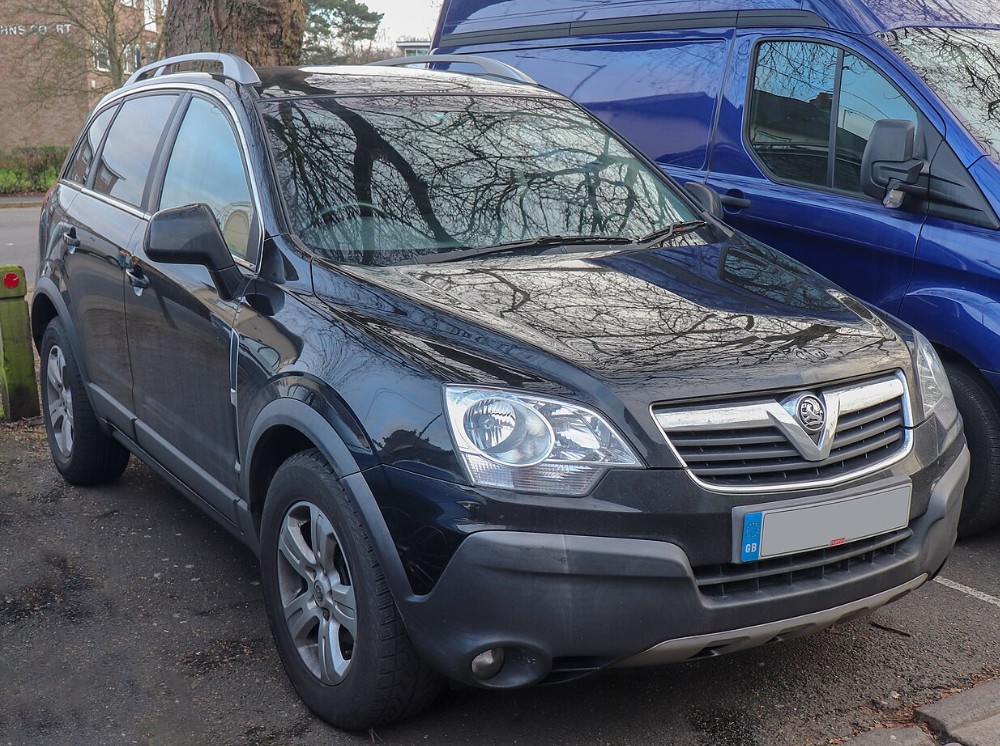
The Vauxhall Antara 2.2 CDTi can be a comfortable, capable, and surprisingly practical SUV. It offers strong diesel torque, available four-wheel drive, a roomy cabin, and enough towing ability to make it attractive to families, caravan owners, and drivers who need something more substantial than a hatchback.
However, age has begun to expose several weaknesses in the 2.2-litre diesel model. Some are ordinary wear-and-tear problems. Others can become expensive if we ignore their early warning signs.
Commonly discussed Vauxhall Antara 2.2 CDTi problems include diesel particulate filter blockages, timing-chain wear, EGR valve contamination, injector faults, turbocharger issues, oil leaks, transmission trouble, and four-wheel-drive system failures. That sounds alarming, but it does not mean every Antara will suffer every problem.
Condition, servicing, driving style, mileage, and previous repairs matter enormously. A well-maintained Antara that regularly completes longer journeys may behave very differently from one that has spent years making short urban trips.
In this guide, we will examine the most important faults, explain the symptoms, and look at what owners can do before a small warning becomes a wallet-emptying repair.
Content in this publication
- Is the Vauxhall Antara 2.2 CDTi Unreliable?
- 1. Diesel Particulate Filter Problems
- 2. Timing-Chain Rattle and Wear
- 3. EGR Valve and Intake Carbon Build-Up
- 4. Turbocharger and Boost Problems
- 5. Injector Faults and Rough Running
- 6. Glow-Plug and Cold-Starting Problems
- 7. Oil Leaks and Oil Dilution
- 8. Cooling-System and Thermostat Problems
- 9. Automatic Gearbox Problems
- 10. Manual Clutch and Dual-Mass Flywheel Wear
- 11. Four-Wheel-Drive System Faults
- 12. Suspension, Wheel-Bearing, and Steering Wear
- 13. ABS and Wheel-Speed Sensor Faults
- 14. Electrical and Battery-Voltage Problems
- 15. Black, Blue, or White Exhaust Smoke
- 16. Loss of Power and Limp Mode
- 17. Preventing Vauxhall Antara 2.2 CDTi Problems
- 18. What to Check Before Buying a Used Antara 2.2 CDTi
- 19. Is the Vauxhall Antara 2.2 CDTi Worth Buying?
- Conclusion
- Frequently Asked Questions
Is the Vauxhall Antara 2.2 CDTi Unreliable?
The Antara 2.2 CDTi is not automatically unreliable, but it is not a vehicle that responds well to neglected maintenance.
Its diesel engine relies on several interconnected emissions and air-management components. The EGR valve, DPF, turbocharger, intake system, sensors, and fuel-injection system all need to work together. A fault in one area can create symptoms somewhere else.
For example, a poorly functioning thermostat may prevent the engine from reaching its proper temperature. That can interrupt DPF regeneration. The increasingly blocked DPF then raises exhaust back pressure, affects performance, and places additional strain on the turbocharger.
It is a domino effect. One small tile falls, and several others begin wobbling.
The Antara’s substantial weight also places pressure on its clutch, gearbox, suspension, brakes, tyres, and four-wheel-drive components. Owners who tow heavy trailers or regularly drive on poor roads may experience wear sooner.
Reliability therefore depends less on the badge and more on the individual vehicle’s history.
What Usually Determines Reliability?
The most important factors include:
- Evidence of regular oil and filter changes
- Correct low-ash engine oil
- Frequent longer journeys
- Prompt investigation of warning lights
- Proper DPF regeneration
- Cooling-system maintenance
- Transmission-fluid servicing
- Four-wheel-drive system inspection
- Quality replacement parts
- Accurate electronic diagnosis
A thick folder of invoices is often more valuable than unusually low mileage.
1. Diesel Particulate Filter Problems
DPF trouble is one of the most familiar Vauxhall Antara 2.2 CDTi problems.
The diesel particulate filter captures soot before it exits the exhaust. Once enough soot accumulates, the vehicle increases exhaust temperature and burns the soot away through a process known as regeneration.
The system works reasonably well when the vehicle regularly travels at operating temperature. Trouble begins when journeys are too short, regeneration cycles are repeatedly interrupted, or another engine fault prevents regeneration from completing.
The Antara owner’s manual states that the diesel particulate filter warning illuminates when the filter becomes full.
Symptoms of a Blocked DPF
Watch for:
- An illuminated DPF warning light
- Reduced engine power
- Limp-home mode
- Poor throttle response
- Increased fuel consumption
- Frequent cooling-fan operation
- A hot or unusual exhaust smell
- Rising engine-oil level
- Engine-management warning light
- Regeneration attempts occurring repeatedly
A vehicle undergoing active regeneration may idle slightly differently, use more fuel, operate its cooling fans, and produce a hotter smell from underneath.
Those signs are not necessarily faults. They may simply mean regeneration is taking place.
The real problem arises when the process never finishes.
Why the DPF Keeps Blocking
Short journeys are an obvious cause, but they are not the only one.
A blocked DPF may result from:
- Faulty exhaust-temperature sensors
- Split DPF pressure-sensor hoses
- A failed differential-pressure sensor
- A sticking EGR valve
- Faulty glow plugs
- Low engine temperature
- Injector imbalance
- Turbocharger problems
- Excessive soot production
- Excessive ash accumulation
Soot can normally be burned during regeneration. Ash cannot. Once the filter contains too much non-combustible ash, cleaning or replacement may be required.
Can We Clear the DPF by Driving?
When the warning has only recently appeared and the vehicle is otherwise operating normally, an uninterrupted drive may allow regeneration to finish. Follow the exact procedure in the owner’s manual rather than using random speed or engine-revolution advice from the internet.
Do not continue attempting regeneration when:
- The oil level is above maximum
- The engine is overheating
- Several warning lights are illuminated
- The vehicle has entered severe limp mode
- There are abnormal mechanical noises
- The DPF warning continues flashing
- Diagnostic codes indicate a sensor or engine fault
Driving harder will not repair a failed sensor, defective injector, or ash-filled filter.
2. Timing-Chain Rattle and Wear
The 2.2 CDTi uses a timing-chain arrangement rather than a simple external timing belt. Chains are often described as lasting for the life of the engine, but that statement can be misleading.
The chain, guides, sprockets, and tensioners all experience wear. Oil quality, oil pressure, service intervals, mileage, and repeated cold starts influence how long the assembly lasts.
Reports involving the Antara’s 2.2 CDTi describe chain stretch and rattling, particularly during cold starts.
Early Timing-Chain Symptoms
Listen for:
- Metallic rattling immediately after startup
- Rattle lasting longer when the engine is cold
- Noise from the timing side of the engine
- Irregular idle
- Difficult starting
- Camshaft or crankshaft correlation codes
- Reduced performance
- Engine-management warning
A brief unfamiliar noise should not be dismissed merely because it disappears after one or two seconds. The oil-pressure-fed tensioner may temporarily lose control of a worn chain during startup.
That noise is the engine whispering before it begins shouting.
What Happens if the Chain Jumps?
If chain wear becomes severe, valve timing may shift. In the worst case, the chain can jump enough teeth for the pistons and valves to collide.
Possible consequences include:
- Bent valves
- Damaged pistons
- Broken rocker components
- Cylinder-head damage
- Complete engine failure
A timing-chain replacement is not cheap, but an engine rebuild is considerably worse.
Should the Timing Chain Be Replaced Preventively?
There is no universal mileage that perfectly predicts failure. Some parts suppliers list suggested intervals, but actual condition depends on the vehicle’s maintenance and use.
We should arrange an inspection when there is:
- Persistent startup rattle
- Unknown service history
- Poor oil-change history
- Camshaft timing fault codes
- Metal contamination in the oil
- Unexplained rough running
Replacing only one visible component may be false economy. A proper repair normally considers the chain, guides, tensioners, seals, and related sprockets.
3. EGR Valve and Intake Carbon Build-Up
The exhaust gas recirculation valve directs a controlled quantity of exhaust gas back into the intake. This reduces certain emissions, but it also introduces soot into the intake system.
Oil mist from the crankcase ventilation system mixes with the soot and creates thick, sticky deposits. Over time, the EGR valve may become restricted or stick partially open.
Symptoms of a Faulty EGR Valve
Typical symptoms include:
- Hesitation during acceleration
- Rough idle
- Stalling
- Flat performance at low engine speed
- Excessive black smoke
- Poor fuel economy
- Engine-management light
- Intermittent limp mode
- Jerking at a steady speed
An EGR valve stuck open can dilute the fresh intake air when the engine needs clean oxygen. It is like asking a runner to breathe through a smoky scarf.
An EGR valve stuck closed may trigger emissions-related fault codes and contribute to higher combustion temperatures.
Cleaning Versus Replacing the EGR Valve
Cleaning may work when contamination is the main issue and the electronic mechanism remains healthy.
Replacement may be more appropriate when:
- The actuator has failed
- The position sensor gives implausible readings
- The valve is mechanically damaged
- Cleaning provides only a temporary improvement
- The fault immediately returns after adaptation
The intake manifold and associated passages should also be inspected. Cleaning the valve while leaving a severely restricted intake may solve only half the problem.
4. Turbocharger and Boost Problems
The turbocharger gives the Antara its useful low-speed torque. When the boost system develops a fault, the heavy SUV can suddenly feel as though it is towing an invisible caravan.
Turbo-related complaints can include lag, loss of power, unusual noises, smoke, and oil consumption. However, we should not blame the turbo immediately.
A split intercooler hose can produce symptoms that feel remarkably similar to turbo failure.
Common Boost-System Faults
Possible causes include:
- Split boost hoses
- Loose hose clamps
- Intercooler leaks
- Vacuum leaks
- Faulty boost-control solenoid
- Sticking variable turbo vanes
- MAP or MAF sensor contamination
- Turbocharger bearing wear
- Restricted oil supply
- Excessive exhaust back pressure
Symptoms of Turbocharger Failure
Warning signs include:
- Whistling or siren-like noise
- Blue-grey exhaust smoke
- Heavy oil consumption
- Oil inside boost pipes
- Severe power loss
- Underboost or overboost codes
- Limp mode under acceleration
- Metallic contact noises
A light coating of oil inside intake hoses is not unusual on many turbo-diesel engines. Pools of oil, rapid oil loss, or dense blue smoke are different matters.
Why DPF Trouble Can Harm the Turbo
A severely restricted DPF increases exhaust back pressure. The turbocharger must operate in an unhealthy environment, while repeated failed regeneration may contaminate the engine oil with diesel fuel.
Thin, diluted oil protects bearings poorly.
That is why replacing a failed turbo without identifying the reason for failure can be an expensive loop. The new turbo may suffer the same fate.
5. Injector Faults and Rough Running
The common-rail fuel system depends on precise injection timing and quantity. Even a relatively small injector imbalance can make the engine idle roughly or produce smoke.
Possible injector-related symptoms include:
- Difficult cold starting
- Extended cranking
- Uneven idle
- Engine vibration
- Diesel knocking
- White, grey, or black smoke
- Loss of power
- Poor fuel economy
- Fuel smell
- Cylinder-balance fault codes
How Injectors Should Be Tested
Replacing injectors based only on a fault code can become costly.
A proper investigation may include:
- Injector correction-value analysis
- Leak-back testing
- Fuel-rail pressure checks
- Wiring and connector inspection
- Compression testing
- Fuel-filter examination
- Injector bench testing
Correction values can point us in the right direction, but they do not always prove that the injector itself is faulty. Low compression, air leaks, electrical faults, or fuel-pressure problems can influence the readings.
Do Replacement Injectors Need Coding?
Depending on the exact injection system and replacement procedure, injector calibration codes may need to be entered into the engine-control unit.
Incorrect coding can result in rough running, smoke, poor emissions, or misleading diagnostic results. A workshop should confirm the requirements for the specific engine code.
6. Glow-Plug and Cold-Starting Problems
Glow plugs help a diesel engine start cleanly when cold. One failed glow plug may produce only mild symptoms, while several failed plugs can make winter starting difficult.
The glow-plug control module, wiring, battery condition, starter performance, and fuel pressure also influence starting.
Common Cold-Start Symptoms
These may include:
- Extended cranking
- White smoke after startup
- Rough running for several seconds
- Glow-plug warning
- Engine-management light
- Battery draining quickly
- Misfiring when cold
A tired battery can imitate more complicated engine trouble. The starter may turn, but not fast enough to generate the compression and rail pressure required for a clean start.
Why Glow-Plug Faults Affect the DPF
Glow plugs are not used only during freezing starts on every modern diesel strategy. They can also support combustion and emissions control under certain conditions.
A glow-plug fault may therefore interfere with DPF regeneration. This is another example of one seemingly minor failure creating a larger emissions problem.
7. Oil Leaks and Oil Dilution
Oil leaks should never be dismissed as an unavoidable feature of an older diesel.
Possible leak areas include:
- Timing-cover seals
- Rocker or cam-cover area
- Turbocharger oil pipes
- Oil-filter housing
- Sump sealing surfaces
- Crankshaft seals
- Vacuum-pump area
Small leaks can coat other components, soften rubber hoses, attract road dirt, and make the true source difficult to identify.
Why the Oil Level May Rise
An increasing oil level can indicate diesel contamination. During unsuccessful DPF regeneration, additional fuel may pass into the sump.
Diluted oil may:
- Lose viscosity
- Reduce bearing protection
- Increase engine wear
- Damage the turbocharger
- Raise the risk of uncontrolled engine operation
Check the dipstick on level ground and investigate any unexplained rise above the maximum mark.
Never assume more oil means better lubrication.
8. Cooling-System and Thermostat Problems
A diesel engine that runs too cool may seem harmless. In reality, low operating temperature can increase fuel consumption, weaken cabin heating, and prevent effective DPF regeneration.
Possible causes include:
- Thermostat stuck open
- Faulty coolant-temperature sensor
- Low coolant
- Air trapped in the system
- Water-pump wear
- Radiator restriction
- Cooling-fan control faults
Signs the Thermostat May Be Faulty
Look for:
- Temperature gauge remaining unusually low
- Heater taking a long time to warm up
- Temperature falling during motorway driving
- Poor fuel economy
- Frequent DPF warnings
- Regeneration failing to complete
Live diagnostic data is more reliable than guessing from the dashboard gauge alone.
Overheating Must Be Treated Differently
If the temperature rises above normal, stop and investigate safely. Continued driving can damage the cylinder head, head gasket, turbocharger, and engine.
Never remove the coolant cap while the system is hot.
9. Automatic Gearbox Problems
Some Antara 2.2 CDTi models use an automatic transmission. When healthy, it suits the engine’s torque and relaxed character. When neglected, it may develop harsh shifting, delayed engagement, flaring, vibration, or limp mode.
Common Automatic Transmission Symptoms
These include:
- Delay when selecting Drive or Reverse
- Harsh changes
- Engine revs rising between gears
- Shuddering under light acceleration
- Transmission warning light
- Failure to select certain gears
- Fluid leaks
- Overheating smell
“Sealed for life” is a phrase worth treating cautiously. Transmission fluid operates in heat, carries friction material, and degrades with use.
A fluid change cannot repair worn internal components, but suitable preventive servicing may help reduce wear.
Why Diagnosis Matters Before a Fluid Change
Some owners assume fresh fluid will cure every shift problem. Others fear that changing fluid will instantly destroy the gearbox.
Reality is more nuanced.
Before servicing, a specialist should consider:
- Fluid condition
- Fluid level
- Stored fault codes
- Adaptation values
- Solenoid performance
- Torque-converter behaviour
- Mechanical wear
- Correct fluid specification
Using the wrong fluid can create new problems rather than solving old ones.
10. Manual Clutch and Dual-Mass Flywheel Wear
Manual versions can suffer clutch and dual-mass flywheel wear, particularly when used for towing, hill starts, heavy urban traffic, or frequent low-speed manoeuvring.
Clutch and Flywheel Warning Signs
Watch for:
- Clutch slipping under load
- High biting point
- Judder when pulling away
- Rattle at idle
- Vibration through the clutch pedal
- Difficulty selecting gears
- Noise that changes when the pedal is pressed
- Burning smell after hill starts
A worn dual-mass flywheel can create rattling and vibration, but engine mounts, gearbox bearings, and pulley systems may produce similar noises.
Accurate diagnosis matters because clutch replacement is labour-intensive.
11. Four-Wheel-Drive System Faults
Four-wheel-drive capability is one of the Antara’s major selling points, but the system adds complexity.
Potential trouble areas include:
- Transfer-case components
- Rear differential
- Coupling system
- Prop shaft
- Wheel-speed sensors
- Control modules
- Wiring and connectors
- Mismatched tyres
Why Matching Tyres Are Important
Four-wheel-drive systems dislike large differences in rolling circumference. Using tyres with different sizes, brands, wear levels, or pressures can make the system behave as though one axle is constantly travelling at a different speed.
That may create unnecessary stress.
Ideally, all four tyres should have:
- The correct size
- Similar tread depth
- Appropriate pressure
- Comparable construction
- Matching load and speed ratings
A cheap replacement tyre on one corner can become an expensive decision elsewhere.
Symptoms of AWD Trouble
Possible warning signs include:
- Four-wheel-drive warning light
- Traction warning
- Binding during tight turns
- Driveline vibration
- Clunking beneath the vehicle
- Rear wheels not engaging
- Whining from the transfer case
- Fluid leaks
Wheel-speed sensor faults can also disable or confuse ABS, traction control, and four-wheel-drive functions.
12. Suspension, Wheel-Bearing, and Steering Wear
The Antara is a heavy SUV, so suspension components work hard.
Common age-related wear may involve:
- Anti-roll-bar links
- Control-arm bushes
- Ball joints
- Shock absorbers
- Top mounts
- Wheel bearings
- Steering joints
- Coil springs
Noises We Should Not Ignore
Different noises can provide useful clues:
- Knocking over small bumps: links, bushes, or mounts
- Humming that rises with speed: wheel bearing or tyre wear
- Clicking on full steering lock: driveshaft joint
- Clunk when changing direction: driveline or mount movement
- Uneven tyre wear: alignment, bushes, or worn dampers
MOT data for the broader Antara model also commonly highlights wear-related areas such as brakes, suspension, tyres, lights, and emissions.
13. ABS and Wheel-Speed Sensor Faults
ABS sensors operate in a harsh location close to road water, dirt, salt, and vibration. Sensor failure, damaged wiring, and corroded connections can cause multiple warning lights.
Symptoms may include:
- ABS warning light
- Traction-control warning
- Hill-descent system fault
- AWD warning
- Cruise-control problems
- Intermittent speed readings
Replacing the sensor without checking the reluctor ring, wheel bearing, wiring, and connector can result in the warning returning.
Live wheel-speed data can show whether one wheel reports an implausible speed.
14. Electrical and Battery-Voltage Problems
Modern vehicles can behave strangely when system voltage falls.
A weak battery or charging problem may produce:
- Multiple warning lights
- Slow cranking
- Central-locking faults
- Infotainment resets
- Sensor communication errors
- Transmission warnings
- Starting problems
- Intermittent limp mode
Before replacing expensive modules, check:
- Battery resting voltage
- Voltage during cranking
- Alternator output
- Main earth connections
- Battery terminals
- Parasitic current draw
Low voltage is the automotive equivalent of a bad internet connection: every system may appear guilty even though the real problem is the supply.
15. Black, Blue, or White Exhaust Smoke
Smoke colour can guide diagnosis, but it should not be treated as proof.
Black Smoke
Black smoke usually indicates excessive fuel or insufficient air.
Possible causes include:
- Split boost hose
- EGR fault
- Restricted air filter
- MAF sensor problem
- Injector over-fuelling
- Turbo boost fault
- Intake restriction
- DPF or regeneration issue
Blue Smoke
Blue-grey smoke often suggests oil entering the combustion or exhaust system.
Possible causes include:
- Turbocharger seal failure
- Worn piston rings
- Valve-seal problems
- Excess oil
- Crankcase ventilation fault
- Oil pooled in intake pipes
White Smoke
White smoke may indicate:
- Unburned diesel during cold starting
- Glow-plug failure
- Injector fault
- Low compression
- Coolant entering a cylinder
- Incorrect timing
- Regeneration-related vapour
Persistent smoke accompanied by coolant loss, overheating, or heavy misfiring requires immediate investigation.
16. Loss of Power and Limp Mode
Limp mode protects the engine and transmission when the control unit detects a potentially damaging condition.
Common triggers include:
- DPF restriction
- Underboost
- Overboost
- EGR malfunction
- Fuel-pressure problems
- Sensor faults
- Injector imbalance
- Transmission errors
- Airflow discrepancies
Turning the ignition off may temporarily restore power, but it does not repair the fault.
The Right Diagnostic Order
A sensible process is:
- Read all stored and pending fault codes.
- Record freeze-frame data.
- Check battery and charging voltage.
- Inspect hoses, wiring, and fluid levels.
- Review live data under controlled conditions.
- Test the suspected system.
- Repair the root cause.
- Clear codes and confirm the repair.
A fault-code reader is a clue generator, not a crystal ball.
17. Preventing Vauxhall Antara 2.2 CDTi Problems
No maintenance routine can make an ageing vehicle immortal, but good habits can prevent many avoidable failures.
Use the Correct Engine Oil
The correct specification matters because the oil must protect the timing system and turbocharger while remaining compatible with the DPF.
Avoid choosing oil based only on viscosity. It must meet the required manufacturer specification.
Change Oil at Sensible Intervals
Long service intervals may be technically permitted under ideal conditions, but many older diesel SUVs no longer live ideal lives.
Short journeys, towing, stop-start traffic, repeated regeneration, and high mileage all place additional stress on the oil.
Allow Regeneration to Complete
When the vehicle shows signs of active regeneration and it is safe to continue driving, avoid switching the engine off immediately.
Repeatedly interrupting the process encourages soot accumulation and possible oil dilution.
Do Not Ignore Small Changes
Investigate:
- New rattles
- Slight coolant loss
- Rising oil level
- Increased fuel use
- Occasional hesitation
- Intermittent warning lights
- Longer starting time
- New exhaust smoke
Small changes often provide the cheapest opportunity to repair the vehicle.
18. What to Check Before Buying a Used Antara 2.2 CDTi
A careful inspection can save thousands of pounds.
Cold-Start Inspection
Ask the seller not to warm the engine before you arrive.
On startup, check for:
- Timing-chain rattle
- Excessive smoke
- Slow cranking
- Rough idle
- Warning lights
- Knocking noises
- Coolant pressure
- Oil or fuel leaks
A freshly washed engine bay may look attractive, but it can also hide leaks.
Test-Drive Inspection
During the drive, check:
- Smooth power delivery
- Turbo response
- Gear changes
- Clutch behaviour
- Steering vibration
- Suspension noises
- Braking stability
- Engine temperature
- Four-wheel-drive warnings
- Limp mode under acceleration
Use a mixture of low-speed driving, steady cruising, and moderate acceleration where legal and safe.
Diagnostic Scan
A pre-purchase scan can reveal:
- Recently cleared codes
- DPF soot loading
- DPF pressure readings
- Injector corrections
- Temperature irregularities
- Boost deviations
- Transmission faults
- ABS sensor faults
A dashboard without warning lights does not guarantee a fault-free vehicle.
19. Is the Vauxhall Antara 2.2 CDTi Worth Buying?
It can be, but only at the right price and in the right condition.
A good Antara offers:
- Strong diesel torque
- Comfortable motorway driving
- Useful towing capability
- Spacious seating
- Four-wheel-drive availability
- Competitive used prices
Its weaknesses include:
- Complex diesel emissions equipment
- Potential timing-chain expense
- High vehicle weight
- Fuel consumption that may disappoint
- Costly transmission or AWD repairs
- Limited tolerance for poor maintenance
The cheapest Antara advertised may become the most expensive one to own.
We would generally choose a vehicle with comprehensive service records, a clean cold start, correct tyres, stable temperatures, smooth gear changes, and evidence that emissions faults have been properly repaired rather than repeatedly erased.
Conclusion
The most important Vauxhall Antara 2.2 CDTi problems involve the DPF, EGR valve, timing chain, turbocharger, injectors, glow-plug system, drivetrain, and transmission. None should be diagnosed by guesswork.
Many symptoms overlap. Loss of power could come from the turbo, a split hose, a blocked DPF, a contaminated sensor, an EGR fault, or a fuel-pressure problem. Rough starting could involve glow plugs, injectors, battery voltage, compression, or rail pressure.
That complexity is why proper diagnostics matter so much.
A cared-for Antara can still deliver comfortable and capable service. A neglected example can behave like a leaking roof: one visible drip may conceal a much larger problem above the ceiling.
Listen to the engine when cold, monitor oil and coolant levels, complete suitable longer drives, use the correct fluids, and investigate warning lights early. Those simple habits will not eliminate every repair, but they can prevent many minor faults from growing into financial disasters.
Frequently Asked Questions
1. What is the most common Vauxhall Antara 2.2 CDTi problem?
DPF and emissions-system faults are among the most frequently discussed issues. Short journeys, failed regenerations, EGR contamination, faulty pressure sensors, glow-plug faults, and low engine temperature can all contribute to DPF warnings.
2. Does the Vauxhall Antara 2.2 CDTi have a timing belt or chain?
The 2.2 CDTi uses a timing-chain system. Although a chain can last a long time, its guides and tensioners can wear. A metallic rattle during cold startup should be inspected promptly.
3. Why does my Antara 2.2 CDTi keep going into limp mode?
Limp mode can be triggered by DPF restriction, turbo underboost or overboost, EGR faults, fuel-pressure problems, injector issues, airflow-sensor errors, or transmission faults. Reading the stored codes and live data is the best starting point.
4. Why is my Antara producing black smoke?
Black smoke usually points to excessive fuel or insufficient air. Common causes include a split boost hose, EGR trouble, injector over-fuelling, airflow-sensor faults, turbo problems, or intake restrictions. A diagnostic inspection is needed before replacing parts.
5. Is a high-mileage Vauxhall Antara 2.2 CDTi worth buying?
A high-mileage example can be worthwhile when it has strong service records and evidence of major maintenance. Condition and history matter more than mileage alone. Avoid vehicles with startup rattle, persistent smoke, transmission faults, rising oil levels, overheating, or unresolved warning lights.
If you want to know other articles similar to Vauxhall Antara 2.2 CDTi Problems: Symptoms, Causes, and Fixes you can visit the category Common Problems.
Kia Sorento Issues: Common Problems, Reliability and What to Watch For

Honda Passport Not Starting: Causes, Symptoms, and How to Fix It
Honda Passport Keyless Remote Battery Low: What It Means and How to Fix It

Nissan Rogue Apple CarPlay Not Working: Causes and Fixes
Nissan Rogue No Key Detected: Causes, Fixes, and What to Do
Nissan Rogue Engine Problems: Common Issues, Symptoms, Years and Solutions
Leave a Reply
More content of your interest