

Vauxhall Antara Handbrake Not Holding: Causes, Checks, and Repairs

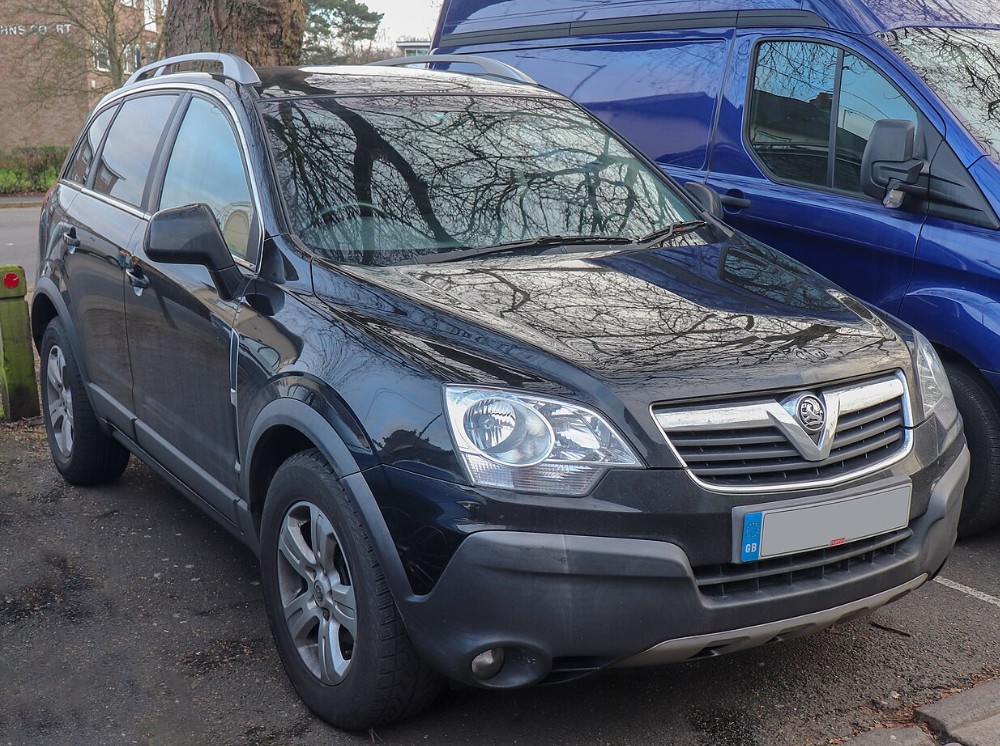
A Vauxhall Antara handbrake not holding is more than a minor annoyance. It can leave the vehicle creeping backwards on a hill, place excessive pressure on the transmission, and create a genuine safety risk when the SUV is parked.
The frustrating part is that the handbrake may still appear to work. The lever rises, resistance can be felt, and the warning light may illuminate normally. Yet the moment we park on a slope, the Antara starts moving as though the brake were barely applied.
Why does this happen?
The problem may be as simple as poor adjustment, but it can also involve stretched cables, worn parking-brake shoes, seized mechanisms, contaminated friction surfaces, or corrosion inside the rear brake assembly. On some vehicles, several small faults combine to create one weak handbrake.
In this guide, we will examine the most likely causes, explain how the system works, outline practical checks, and discuss what a proper repair may involve.
Content in this publication
- How the Vauxhall Antara Handbrake Works
- Common Symptoms of a Weak Antara Handbrake
- Why Is the Vauxhall Antara Handbrake Not Holding?
- 1. Incorrect Parking-Brake Shoe Adjustment
- 2. Stretched or Damaged Handbrake Cables
- 3. Worn Parking-Brake Shoes
- 4. Corrosion Inside the Rear Brake Assembly
- 5. Seized Shoe Adjuster
- 6. Glazed or Contaminated Friction Surfaces
- 7. Worn or Corroded Inner Drum Surface
- 8. Broken Springs or Retaining Hardware
- 9. Cable Equaliser Problems
- 10. Previous Incorrect Brake Work
- Does a High Handbrake Lever Mean the Cable Needs Tightening?
- Simple Checks We Can Perform Safely
- Testing the Handbrake on a Hill
- How a Mechanic Diagnoses the Problem
- How Is a Vauxhall Antara Handbrake Adjusted?
- When Adjustment Will Not Fix It
- Replacing the Parking-Brake Shoes
- Replacing the Handbrake Cable
- Handbrake Holds Forward but Not Backwards
- Handbrake Works When Cold but Fails Later
- Handbrake Sticks After Rain or Overnight
- Can a Weak Handbrake Cause an MOT Failure?
- Is It Safe to Drive With the Handbrake Not Holding?
- How Much Does an Antara Handbrake Repair Cost?
- How to Prevent Future Handbrake Problems
- Mistakes to Avoid When Repairing the Handbrake
- A Practical Diagnostic Order
- Conclusion
- Frequently Asked Questions
- 1. Why does my Vauxhall Antara handbrake pull up but not hold?
- 2. Can I fix a weak Antara handbrake by tightening the cable?
- 3. Are the rear brake pads responsible for the handbrake?
- 4. Why does one rear wheel get hot after using the handbrake?
- 5. Should I replace both parking-brake cables together?
How the Vauxhall Antara Handbrake Works
Before looking for faults, it helps to understand what happens when we pull the handbrake lever.
The Antara uses a mechanically operated parking-brake system. Pulling the lever tensions one or more cables running beneath the vehicle. These cables activate the parking-brake mechanism at the rear wheels.
On many versions, the parking brake operates small brake shoes located inside the drum-shaped centre of the rear brake discs. This arrangement is often called a drum-in-disc parking brake.
The main rear brake pads slow the vehicle during normal driving. The smaller internal shoes hold the vehicle stationary when the handbrake is applied.
That distinction matters. A mechanic can replace the rear pads and discs, yet the handbrake may remain weak because its separate shoes or internal hardware were not inspected.
The Main Parts of the Parking-Brake System
The system generally includes:
- The handbrake lever
- The lever ratchet mechanism
- The front and rear parking-brake cables
- Cable equaliser or balance mechanism
- Internal parking-brake shoes
- Shoe adjusters
- Return springs
- Operating levers
- Rear disc inner drums
- Mounting clips and retaining hardware
A weakness in any of these parts can reduce holding force.
Why the Lever Can Feel Normal
The lever’s resistance does not prove that the rear brakes are gripping properly.
A tight-feeling lever may simply mean that:
- The cable has reached the end of its travel
- One side is seized
- The shoes are badly adjusted
- The lever is pulling against corrosion
- A cable outer casing has collapsed
- The internal mechanism is moving without producing enough friction
It is rather like pulling hard on a locked door handle. Resistance is present, but the door is not necessarily doing what we expect.
Common Symptoms of a Weak Antara Handbrake
The clearest symptom is vehicle movement after the handbrake has been applied. However, other clues may appear before the brake stops holding completely.
Typical warning signs include:
- The vehicle rolls on a moderate incline
- The lever travels unusually high
- The lever feels loose or light
- The handbrake works better after several pulls
- One rear wheel holds more strongly than the other
- The vehicle shifts when moved from the brake pedal to the handbrake
- A scraping sound comes from a rear wheel
- The handbrake sticks after being released
- The rear brakes smell hot
- The lever feels tight but provides little holding force
- The handbrake performance changes after wet weather
- The vehicle fails a parking-brake efficiency test
The exact behaviour can help narrow down the cause.
Why Is the Vauxhall Antara Handbrake Not Holding?
Several faults can produce the same basic symptom. We should avoid assuming that tightening the cable will solve every case.
1. Incorrect Parking-Brake Shoe Adjustment
Poor adjustment is one of the most common reasons for a weak parking brake.
The shoes need to sit close to the inner surface of the rear disc drum. They should not drag heavily, but the clearance must be small enough for them to make firm contact when the lever is pulled.
As the shoes wear, the gap increases. The cable must then travel farther before the shoes touch the drum.
Eventually, we may notice:
- Excessive lever travel
- Weak performance on hills
- A handbrake that improves when pulled repeatedly
- Uneven holding between the rear wheels
Why Cable Adjustment Alone May Not Work
Tightening the cable can reduce lever travel, but it does not always correct excessive clearance at the shoes.
If the shoes remain too far from the drum, an over-tightened cable may cause other problems:
- The brakes may drag
- One side may engage before the other
- The lever may feel firm without producing balanced braking
- The shoes may overheat
- The cable may remain under constant tension
The correct approach is usually to inspect and adjust the parking-brake shoes first, then set the cable if necessary.
2. Stretched or Damaged Handbrake Cables
Parking-brake cables live beneath the vehicle, where they face water, road salt, dirt, temperature changes, and constant movement.
Over time, a cable can stretch, corrode, fray, or seize inside its outer casing.
A stretched cable reduces the amount of force transferred from the lever to the brakes. A seized cable may prevent one wheel from applying or releasing correctly.
Common signs include:
- High lever travel
- Uneven braking
- One cable moving while the other remains still
- A handbrake that does not release fully
- A hot rear wheel after driving
- Cracked or damaged cable coverings
- Visible corrosion around cable ends
Cable Stretch Versus Cable Seizure
These faults can feel very different.
A stretched cable often produces a loose lever with excessive travel. A seized cable may produce a surprisingly firm lever, because the lever is pulling against resistance rather than operating the shoes correctly.
If only one rear cable is seized, the functioning side may do nearly all the work. The vehicle might hold on a gentle slope but fail on a steeper one.
3. Worn Parking-Brake Shoes
The internal parking-brake shoes are designed mainly to hold a stationary vehicle. Under normal conditions, they can last a long time.
However, they can wear prematurely if:
- The handbrake is left partially applied
- The shoes drag because of poor adjustment
- The vehicle is driven before the brake fully releases
- The friction material separates from the shoe
- The internal mechanism sticks
- The brake is repeatedly used to slow a moving vehicle
Worn shoes cannot create enough friction against the inner drum.
Can the Friction Material Detach?
Yes. Age, heat, corrosion, and adhesive failure can sometimes cause the friction lining to crack or separate from the metal shoe.
When this occurs, the handbrake may stop holding suddenly. Loose material can also create scraping, grinding, or rattling noises inside the rear disc.
A detached lining requires replacement. Adjustment cannot restore a damaged shoe.
4. Corrosion Inside the Rear Brake Assembly
The hidden parking-brake mechanism can corrode even when the visible rear discs and pads appear acceptable.
Moisture can reach the internal drum area. Vehicles used infrequently, parked outside, or driven on salted roads may be particularly vulnerable.
Corrosion can affect:
- Shoe contact surfaces
- Adjuster threads
- Return springs
- Operating levers
- Backplates
- Retaining clips
- The inner drum surface
A lightly corroded mechanism may become stiff. Severe corrosion can prevent the shoes from moving evenly or returning after release.
5. Seized Shoe Adjuster
The adjuster controls the resting position of the parking-brake shoes.
If its threads seize, the shoes cannot be set close enough to the drum. The cable then takes up too much movement before braking begins.
A seized adjuster may be freed and cleaned if it remains in good condition. Heavily corroded or damaged parts should be replaced.
Applying excessive force to a fragile adjuster is risky. Corroded components can snap, leaving the brake assembly unusable until replacement parts are fitted.
6. Glazed or Contaminated Friction Surfaces
The parking-brake shoes rely on friction. Oil, grease, brake fluid, heavy rust, or overheating can reduce that friction dramatically.
Glazing happens when the shoe surface becomes smooth and hardened. Instead of gripping the drum, it slides against it.
Possible causes include:
- Driving with the handbrake partly applied
- Excessive cable tension
- Incorrect shoe adjustment
- Heat from a seized mechanism
- Contamination during previous repair work
Minor surface glazing may sometimes be addressed during servicing, but contaminated or badly damaged shoes generally need replacement.
7. Worn or Corroded Inner Drum Surface
The inside of the rear disc acts as a braking drum for the parking-brake shoes.
This surface can become:
- Rusty
- Scored
- Uneven
- Oversized through wear
- Contaminated
- Damaged by detached friction material
Even new shoes may struggle to hold against a badly deteriorated drum surface.
This is why replacing only the handbrake shoes may not always solve the problem. The rear discs must also be inspected internally.
8. Broken Springs or Retaining Hardware
The parking-brake shoes depend on springs and clips to remain correctly positioned.
A broken spring can allow a shoe to move, tilt, drag, or fail to contact the drum properly. A missing retaining clip may cause similar trouble.
Loose hardware can create:
- Metallic rattling
- Scraping sounds
- Intermittent handbrake performance
- Sudden loss of holding power
- Damage to the inner drum
Hardware is inexpensive compared with the labour required to reopen the assembly. For that reason, replacing tired springs and clips during a shoe replacement is often sensible.
9. Cable Equaliser Problems
The handbrake should apply force to both rear wheels as evenly as possible.
An equaliser or balancing mechanism divides the pull between the cables. If it is corroded, misaligned, damaged, or incorrectly adjusted, one side may receive more force than the other.
This can produce misleading symptoms. The handbrake may feel strong because one wheel is locked firmly, while the other provides almost no assistance.
Balanced braking matters not only for holding performance but also for inspection-test results.
10. Previous Incorrect Brake Work
A handbrake problem sometimes begins after rear brake repairs.
Possible workshop errors include:
- Shoes installed incorrectly
- Springs fitted in the wrong position
- Adjusters left loose
- Cables over-tightened
- Lubricant placed on friction surfaces
- Old damaged hardware reused
- Internal drum wear ignored
- Shoe bedding procedure skipped
- Only one side repaired
If the handbrake became weak immediately after rear disc, pad, bearing, or hub work, the recent repair deserves close attention.
Does a High Handbrake Lever Mean the Cable Needs Tightening?
Not always.
A high lever is evidence of excessive movement somewhere in the system. It does not identify the exact location.
The extra travel may come from:
- Poorly adjusted shoes
- Worn shoes
- Stretched cables
- Loose cable mountings
- Excessive drum clearance
- Incorrect assembly
- A failing lever mechanism
Blindly tightening the cable can hide the symptom without correcting the fault.
How Many Clicks Should the Lever Have?
There is no useful universal number that applies to every vehicle condition and repair history.
What matters most is that:
- The lever engages progressively
- Both rear brakes apply evenly
- The vehicle remains secure on a suitable incline
- The brakes release fully
- The rear wheels do not drag when the lever is down
A lever with very few clicks is not automatically better. If the cable is too tight, the parking brakes may remain partially engaged.
Simple Checks We Can Perform Safely
Basic observations can help us describe the fault accurately. They should not replace professional inspection where safety is uncertain.
Check the Vehicle on Level Ground
On flat ground:
- Keep the foot brake applied.
- Pull the handbrake firmly.
- Select neutral while maintaining control.
- Slowly reduce pressure on the foot brake.
- Observe whether the vehicle remains stationary.
Do not perform this test near traffic, people, walls, or steep drops.
Observe Lever Travel
Notice whether the lever:
- Rises much higher than before
- Feels loose for the first few clicks
- Becomes tight abruptly
- Feels rough or notchy
- Fails to remain locked
- Drops slightly after being applied
A lever that will not remain in position may have a ratchet or release-button problem rather than a rear-brake fault.
Listen for Rear-Wheel Noises
After applying and releasing the handbrake, listen for:
- Scraping
- Metallic clicking
- Spring-like noises
- Grinding
- A delayed release
- Movement from only one side
Noise does not provide a complete diagnosis, but it can reveal internal damage or sticking components.
Check for Heat After a Short Drive
A dragging parking brake can make one rear wheel hotter than the other.
After a short, gentle drive without heavy braking, abnormal heat or a burning smell may suggest that one side is not releasing.
Do not touch brake discs or metal wheel components directly. They can become hot enough to cause burns.
Look Beneath the Vehicle
Without crawling under an unsupported vehicle, we may be able to spot:
- Hanging cables
- Damaged cable sheaths
- Severe corrosion
- Disconnected brackets
- Cables touching the exhaust
- Uneven cable routing
Never work beneath a vehicle supported only by a jack.
Testing the Handbrake on a Hill
A steep road is not the place to discover that a parking brake has failed.
When testing is necessary, use a mild, controlled incline in a safe area. Keep the foot brake applied until we are confident that the handbrake is supporting the vehicle.
For a manual Antara, leaving the gearbox in an appropriate gear provides additional protection when parked. For an automatic, selecting Park engages the transmission’s parking mechanism.
Neither method repairs the handbrake. They are backup measures, not substitutes for a functional parking brake.
Parking Direction Matters
When parked on a slope, turning the front wheels appropriately can reduce the chance of the vehicle rolling into traffic if both the parking brake and transmission restraint fail.
Local driving guidance should be followed, but the main principle is simple: position the wheels so that uncontrolled movement would be stopped by the kerb rather than directed into the road.
How a Mechanic Diagnoses the Problem
A proper diagnosis usually involves more than pulling the lever and counting clicks.
The technician may:
- Check lever operation.
- Inspect visible cable sections.
- Raise the vehicle securely.
- Compare rear-wheel resistance.
- Check cable movement on both sides.
- Remove the rear wheels.
- Remove or inspect the rear brake discs.
- Examine the parking-brake shoes and hardware.
- Check the adjusters.
- Inspect the internal drum surfaces.
- Reassemble and adjust both sides.
- Set the cable tension correctly.
- Test brake balance and holding force.
This process separates a simple adjustment issue from worn or damaged components.
How Is a Vauxhall Antara Handbrake Adjusted?
The precise procedure can vary with model year, drivetrain, and brake configuration. In broad terms, the shoes are adjusted at the rear wheels before final cable tension is set.
General Adjustment Principle
The technician typically adjusts each shoe assembly until the inner drum begins to resist rotation. The adjuster is then backed off sufficiently to allow the wheel to rotate without excessive drag.
After both sides are set evenly, the cable may be adjusted so the lever has suitable travel and applies balanced force.
Why Both Sides Must Be Adjusted
Adjusting only the weakest side can create imbalance.
Both rear assemblies should be inspected because one may be worn, seized, contaminated, or assembled differently from the other. A parking brake is a paired system. Treating one wheel while ignoring the other is like tightening only one lace on a pair of boots.
Can We Adjust It at Home?
An experienced home mechanic with secure lifting equipment, suitable tools, technical information, and brake-system knowledge may be able to inspect and adjust the mechanism.
However, the job can become complicated when:
- The rear discs are seized to the hubs
- The shoes catch on a worn drum lip
- Internal components are heavily corroded
- Springs break during removal
- Adjusters are seized
- Cable movement is uneven
- Replacement parts do not match the existing assembly
Because the parking brake is safety-critical, uncertain work should be handed to a qualified technician.
When Adjustment Will Not Fix It
Adjustment cannot restore components that are physically damaged.
Replacement or further repair is likely when:
- Shoe linings are worn out
- Friction material has detached
- Cables are stretched beyond adjustment
- Cables are seized or frayed
- Springs are broken
- Adjusters are damaged
- Backplates are severely corroded
- Inner drum surfaces are badly scored
- Operating levers are seized
- The handbrake lever ratchet is faulty
A temporary improvement after adjustment does not guarantee that the underlying problem has been solved.
Replacing the Parking-Brake Shoes
Shoe replacement generally requires removal of the rear brake discs so the internal mechanism can be accessed.
The job may involve:
- Releasing cable tension
- Removing the rear caliper
- Supporting the caliper safely
- Removing the caliper carrier where required
- Removing the rear disc
- Photographing the old hardware layout
- Replacing shoes and fitting components
- Cleaning contact points
- Lubricating only approved metal contact areas
- Adjusting the shoes
- Reassembling the brakes
- Checking cable balance
- Testing operation
Brake friction surfaces must remain free of grease and oil.
Should the Hardware Be Replaced Too?
Replacing old springs, clips, and retainers is often worthwhile, especially when corrosion is visible.
Reusing weakened hardware can lead to another failure even when new shoes are installed.
Should Both Sides Be Replaced?
Parking-brake shoes should normally be replaced as an axle set. Fitting new shoes on one side and leaving worn shoes on the other may produce uneven holding force.
Replacing the Handbrake Cable
A cable should be replaced when it is seized, badly corroded, frayed, damaged, or stretched beyond practical adjustment.
The task can be awkward because cables may pass:
- Through underbody clips
- Around heat shields
- Near exhaust components
- Through brackets exposed to corrosion
- Into tight body openings
Old fasteners and clips may break during removal. This can turn an apparently simple cable replacement into a longer repair.
Is Lubricating the Cable Enough?
External lubrication may temporarily improve movement at an exposed joint, but it cannot reliably restore a sealed cable that is corroded internally.
Forcing lubricant into a damaged cable can mask the problem briefly while leaving the internal strands weakened.
A safety-critical cable that does not move freely should normally be replaced rather than persuaded into temporary cooperation.
Handbrake Holds Forward but Not Backwards
Sometimes the vehicle appears secure when facing one direction on a slope but slips when facing the opposite direction.
This may indicate:
- Uneven shoe adjustment
- Poor contact between the shoes and drum
- Incorrect shoe installation
- A damaged leading or trailing shoe
- Drum wear
- Contamination
- Mechanism movement within the assembly
Drum-style brakes can react differently depending on the direction of rotation. A noticeable difference deserves inspection rather than being dismissed as normal.
Handbrake Works When Cold but Fails Later
Temperature-related changes may point toward:
- Glazed friction material
- Expanding components
- Cable movement changing with heat
- Contaminated shoes
- Dragging brakes
- Incorrect clearance
- Distorted or damaged parts
A brake that changes significantly between cold and hot conditions is not operating consistently enough to be trusted.
Handbrake Sticks After Rain or Overnight
Moisture can create a temporary bond between the shoes and a rusty inner drum.
A light sticking sensation after wet weather can occur on many vehicles, but repeated or severe sticking may suggest:
- Corroded inner drums
- Poorly returning shoes
- Weak springs
- Seized cables
- Excessively tight adjustment
- Water entering a damaged cable casing
If the brake releases with a loud bang or the vehicle struggles to move, the system should be inspected.
Can a Weak Handbrake Cause an MOT Failure?
In the UK, parking-brake performance forms part of the MOT inspection. A vehicle may fail if the handbrake provides insufficient efficiency, has excessive imbalance, does not operate correctly, or contains insecure or damaged components.
A brake that barely holds on a driveway may perform even worse during a measured test.
Rather than tightening the cable immediately before the MOT and hoping for the best, it is wiser to inspect the complete system. An over-tightened brake may drag, overheat, or still fail because the underlying imbalance remains.
Is It Safe to Drive With the Handbrake Not Holding?
The vehicle may still have normal service-brake performance, but a failed parking brake creates several risks.
It can:
- Allow the vehicle to roll when parked
- Place extra load on the transmission
- Make hill starts more difficult
- Create danger during loading or unloading
- Leave the vehicle insecure during maintenance
- Cause an inspection failure
- Hide a dragging or damaged rear-brake mechanism
The safest response is to arrange inspection promptly.
Temporary Parking Precautions
Until the repair is completed:
- Avoid steep parking locations
- Use level ground where possible
- Apply the foot brake firmly before selecting a gear or Park
- Leave a manual vehicle in the appropriate gear
- Use Park on an automatic
- Turn the wheels toward a kerb where appropriate
- Consider suitable wheel chocks on private property
- Never rely on passengers or objects to stop the vehicle
These precautions reduce risk but do not make the defective handbrake acceptable.
How Much Does an Antara Handbrake Repair Cost?
The final cost depends on the actual fault, labour rates, part quality, corrosion, and whether additional rear-brake components require replacement.
A basic adjustment is usually the least expensive outcome. Cable replacement costs more because of parts and underbody labour. Shoe replacement may become more involved if the rear discs are difficult to remove or the internal hardware is damaged.
Costs rise when the job also requires:
- Rear brake discs
- Parking-brake shoes
- Complete fitting kits
- Multiple cables
- Backplates
- Seized fastener removal
- Caliper or carrier work
- Hub or bearing removal
- Additional corrosion repair
The most useful quotation is one based on physical inspection rather than an assumed cable adjustment.
How to Prevent Future Handbrake Problems
We cannot eliminate wear, but a few habits can reduce the chance of another failure.
Use the Handbrake Regularly
Regular movement helps prevent cables and mechanisms from remaining static for long periods.
A handbrake that is rarely used may appear preserved, yet corrosion can quietly stiffen the components.
Do Not Drive With It Partially Applied
Even slight dragging can generate enough heat to glaze the shoes and damage the internal drum.
If the vehicle feels sluggish or a rear wheel smells hot, stop safely and investigate.
Have the Internal System Inspected During Rear-Brake Work
When rear discs are removed, it is an ideal opportunity to examine:
- Shoe thickness
- Springs
- Adjusters
- Cable operation
- Drum condition
- Backplate corrosion
This can identify problems before the handbrake fails completely.
Avoid Over-Tightening
A handbrake lever does not need to feel like a gym machine.
Correct performance comes from balanced, properly adjusted shoes and freely moving cables—not brute-force cable tension.
Address Water and Corrosion Damage Early
Cracked cable sheaths, missing clips, damaged protective covers, and heavy underbody corrosion should not be ignored.
Small defects allow moisture to reach parts that are difficult and expensive to replace later.
Mistakes to Avoid When Repairing the Handbrake
Several shortcuts can create more trouble than they solve.
Avoid:
- Tightening the cable before inspecting the shoes
- Adjusting only one rear wheel
- Reusing broken or badly corroded springs
- Applying grease to friction surfaces
- Letting a caliper hang from its brake hose
- Working beneath a vehicle supported only by a jack
- Assuming new rear pads will improve the handbrake
- Ignoring a damaged inner drum
- Fitting mismatched parts
- Testing the repair for the first time on a steep hill
- Continuing to drive with a hot rear wheel
- Treating lever-click count as the only measure of success
A strong repair addresses the reason the brake became weak, not merely the visible symptom.
A Practical Diagnostic Order
When a Vauxhall Antara handbrake is not holding, this sequence helps prevent wasted work:
- Confirm whether the lever locks correctly.
- Observe lever travel and feel.
- Inspect visible cable condition.
- Compare rear-wheel braking on both sides.
- Check whether either brake drags after release.
- Inspect cable movement.
- Remove the rear discs if necessary.
- Examine shoes, springs, adjusters, and levers.
- Inspect the internal drum surfaces.
- Replace damaged components.
- Adjust the shoes individually.
- Set cable tension.
- Confirm full release.
- Test balanced holding force.
- Recheck after a short controlled drive.
This method follows the mechanical chain from the driver’s hand to the rear wheels.
Conclusion
A Vauxhall Antara handbrake not holding can result from poor adjustment, stretched cables, seized mechanisms, worn shoes, broken hardware, corroded inner drums, or a combination of several faults.
Although tightening the cable may seem like the obvious answer, it is not always the correct one. The parking-brake shoes need the correct clearance, both rear wheels must apply evenly, and every moving component must operate freely.
The smartest approach is systematic: inspect the lever, cables, internal shoes, adjusters, springs, and drum surfaces before deciding what to replace. Once repaired, the system should hold securely, release completely, and work consistently in both directions.
A dependable handbrake is easy to ignore when it works. When it does not, however, it deserves immediate attention. After all, an SUV should remain exactly where we park it—not begin an unscheduled journey down the hill.
Frequently Asked Questions
1. Why does my Vauxhall Antara handbrake pull up but not hold?
The lever may be taking up slack without forcing the parking-brake shoes firmly against the internal drums. Common causes include poor shoe adjustment, stretched cables, worn shoes, seized adjusters, or uneven cable operation.
2. Can I fix a weak Antara handbrake by tightening the cable?
Cable adjustment may help when the cables and rear mechanisms are in good condition. However, the shoes should normally be inspected and adjusted first. Tightening the cable alone can cause dragging brakes or hide worn components.
3. Are the rear brake pads responsible for the handbrake?
Usually, the Antara’s parking brake uses separate internal shoes inside the rear disc centres. Replacing the visible rear pads may therefore have little or no effect on handbrake performance.
4. Why does one rear wheel get hot after using the handbrake?
A hot rear wheel may indicate a seized cable, sticking shoe mechanism, incorrect adjustment, broken spring, or another brake fault that prevents full release. The vehicle should be inspected before continued driving.
5. Should I replace both parking-brake cables together?
Not always, but both cables should be inspected carefully. If they are the same age and one has failed because of corrosion or internal wear, replacing both may prevent another repair soon afterward.
If you want to know other articles similar to Vauxhall Antara Handbrake Not Holding: Causes, Checks, and Repairs you can visit the category Common Problems.
Toyota Corolla Cross Issues: Common Problems and Fixes

MG HS Problems: Common Faults, Reliability and Years to Avoid (2019–2026)

Toyota Yaris Cross Battery Problems: Causes & Fixes

Volvo XC40 Sound Not Working? Complete Troubleshooting Guide

Mazda Diesel Engine Problems: Common Faults and Fixes
Volkswagen Key Not Detected or No Key Error: Causes and Fixes
Leave a Reply
More content of your interest