

Citroen C1 Tyre Size: The Complete Friendly Guide for Everyday Drivers

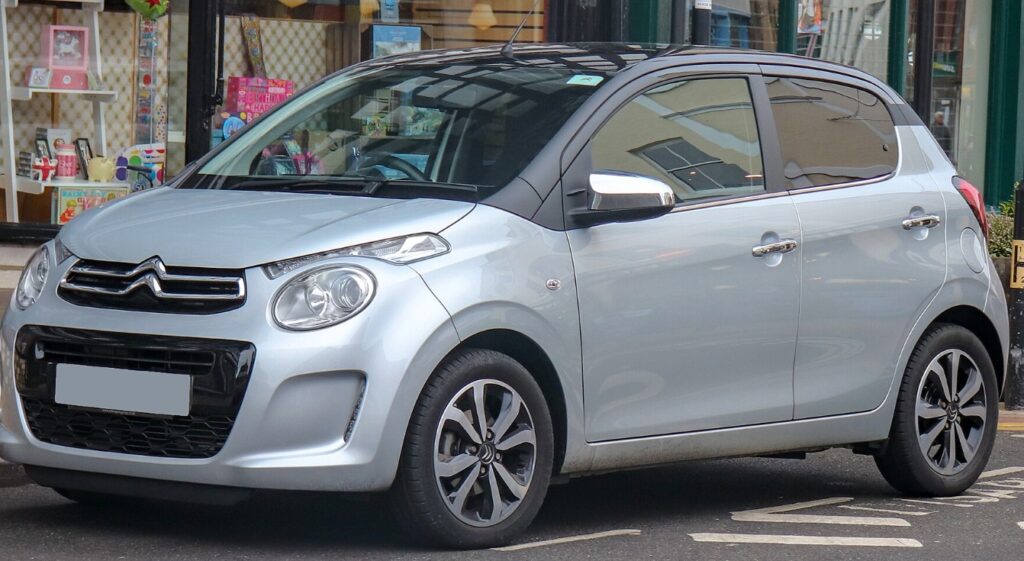
The Citroen C1 tyre size may look like a tiny detail, but it has a surprisingly big effect on how this little city car feels, grips, brakes, steers, and sips fuel. We tend to think tyres are just round black things we replace when the tread gets low, but on a compact car like the C1, the right tyre size is like the right pair of shoes. Too big, too narrow, too soft, or too mismatched, and the whole walk feels wrong.
The Citroen C1 has always been a cheerful, lightweight city car. It is small, easy to park, affordable to run, and perfect for people who want simple motoring without drama. But because it has been sold across different years, trims, and wheel options, not every C1 wears the exact same tyre size. Some versions commonly use 155/65 R14, while later or higher-trim models may use sizes such as 165/65 R14 or 165/60 R15. Popular tyre-size listings for the C1 commonly include 155/65 R14, 165/65 R14, and 165/60 R15, while later C1 models from 2014 to 2022 are frequently associated with 165/60 R15 fitments.
So, what should we actually fit? That is where this guide comes in. We are going to break down the Citroen C1 tyre size in plain English, without turning it into a mechanic’s textbook. We will explain what the numbers mean, how to check your correct size, what happens if you change size, and how to choose tyres that suit city driving, motorway trips, rain, winter, and budget-conscious ownership.
Content in this publication
- Why Citroen C1 Tyre Size Matters More Than We Think
- Common Citroen C1 Tyre Sizes at a Glance
- What Does Citroen C1 Tyre Size Actually Mean?
- First-Generation Citroen C1 Tyre Size
- Second-Generation Citroen C1 Tyre Size
- Citroen C1 Tyre Pressure and Size Connection
- Can We Fit a Different Tyre Size on a Citroen C1?
- Citroen C1 Tyre Load Rating Explained
- Citroen C1 Speed Rating Explained
- Best Tyres for Citroen C1 City Driving
- Best Tyres for Citroen C1 Motorway Driving
- Summer, Winter, or All-Season Tyres for a Citroen C1
- Budget vs Premium Tyres for Citroen C1
- How to Read the Tyre Sidewall on a Citroen C1
- Citroen C1 Tyre Size and Fuel Economy
- Citroen C1 Tyre Size and Ride Comfort
- Citroen C1 Tyre Size and Handling
- How Often Should Citroen C1 Tyres Be Replaced?
- Common Citroen C1 Tyre Problems
- Should We Replace Two or Four Tyres on a Citroen C1?
- Citroen C1 Spare Wheel and Emergency Tyre Considerations
- How to Buy the Right Citroen C1 Tyres Online
- Citroen C1 Tyre Size Mistakes to Avoid
- Citroen C1 Tyre Size Quick Reference
- Final Thoughts: Getting Citroen C1 Tyre Size Right
- FAQs About Citroen C1 Tyre Size
Why Citroen C1 Tyre Size Matters More Than We Think
A tyre is not just a rubber hoop. It is the only part of the car that touches the road. Four small contact patches carry the entire vehicle, deal with potholes, manage braking, absorb corners, and keep us safe when the sky opens and the road turns shiny.
On a Citroen C1, tyre size matters because the car is light. A small change in tyre width, sidewall height, or wheel diameter can make the steering feel sharper, the ride feel firmer, or the fuel economy shift slightly. The C1 does not hide changes as well as a large SUV might. It reacts quickly, like a small boat on choppy water.
Choosing the right tyre size helps preserve:
- Accurate speedometer readings
- Proper braking performance
- Good fuel economy
- Comfortable ride quality
- Correct handling balance
- Legal and insurance compliance
- Even tyre wear
In other words, the correct Citroen C1 tyre size keeps the car behaving the way Citroen intended.
Common Citroen C1 Tyre Sizes at a Glance
Before we go deeper, let us keep things simple. These are the tyre sizes most commonly associated with the Citroen C1:
| Citroen C1 Era / Fitment Type | Common Tyre Size | Typical Load/Speed Rating | Notes |
|---|---|---|---|
| Early C1 models | 155/65 R14 | 75T | Common on many first-generation versions |
| Some 14-inch wheel versions | 165/65 R14 | Usually varies by tyre | Often listed among popular C1 sizes |
| Later / 15-inch wheel versions | 165/60 R15 | 77H or 81H depending on year/spec | Common on many 2014–2022 C1 models |
For example, some tyre-pressure data lists 2005–2006 C1 models with 155/65 R14 75T, while later 2014–2022 C1 data frequently shows 165/60 R15 in different load ratings depending on year.
The Safe Rule Before Buying
Never buy tyres only because an online article says they fit. We should always check the tyre size printed on the sidewall of the current tyre, then compare it with the vehicle handbook, door sticker, fuel flap label, or registration-based tyre lookup. Many tyre retailers and manufacturer pages also remind drivers to check the handbook for the exact specification.
What Does Citroen C1 Tyre Size Actually Mean?
Let us use 165/60 R15 as an example.
It looks technical, but it is actually easy once we split it apart:
165: Tyre Width
The first number is the tyre width in millimetres. So 165 means the tyre is approximately 165 mm wide.
A wider tyre can offer a slightly bigger road contact patch, but wider is not automatically better. On a small city car, too much width can increase rolling resistance, affect steering feel, and make the car less efficient.
60: Aspect Ratio
The second number is the sidewall height as a percentage of the tyre width. In 165/60 R15, the sidewall height is 60% of 165 mm.
A lower number usually means a shorter sidewall and a firmer ride. A higher number generally gives more cushioning. Think of the sidewall as the tyre’s built-in pillow.
R: Radial Construction
The R means radial. Almost all modern passenger car tyres use radial construction.
15: Wheel Diameter
The final number is the wheel diameter in inches. A R15 tyre fits a 15-inch wheel. A R14 tyre fits a 14-inch wheel.
This part is non-negotiable. A 15-inch tyre cannot go on a 14-inch wheel, just like a size 10 shoe cannot properly fit a size 8 foot.
First-Generation Citroen C1 Tyre Size
The first-generation Citroen C1, sold from the mid-2000s into the early 2010s, is commonly associated with 155/65 R14 tyres. This size suits the car’s lightweight body and simple city-car personality. It keeps costs low, ride comfort decent, and steering light.
The 155/65 R14 75T size appears in several tyre-pressure references for early C1 model years, including 2005 and 2006 listings.
Why 155/65 R14 Works Well
This size is narrow enough to keep rolling resistance down and comfortable enough for rough urban roads. It also helps the C1 feel easygoing at low speeds, which is exactly what we want from a small city car.
With 14-inch wheels, replacement tyres are often affordable too. That matters because the C1 is a budget-friendly car, and nobody buys one hoping for luxury-car tyre bills.
Second-Generation Citroen C1 Tyre Size
The second-generation Citroen C1, introduced from 2014, often appears with 165/60 R15 tyres, particularly on versions with 15-inch wheels. Wheel-size references list 165/60 R15 for the 2014–2022 Citroen C1 AB40 generation, including 1.0 VTi and 1.2 VTi variants.
This tyre gives the C1 a slightly more planted stance compared with the older narrow 14-inch setup. The car can feel a little sharper, a bit more modern, and slightly more confident on bends.
What About 165/65 R14?
The size 165/65 R14 is also commonly listed among popular Citroen C1 tyre sizes. Some C1 handbook information also references 165/65 R14 and 165/60 R15 in the context of compatible equipment such as snow chains.
That does not mean every C1 can freely swap between them without checking. Wheel size, trim, homologation, and clearance still matter.
Citroen C1 Tyre Pressure and Size Connection
Tyre size and tyre pressure go hand in hand. A correct-size tyre inflated incorrectly can still feel wrong. Too soft, and the car becomes sluggish, wears the edges, and uses more fuel. Too hard, and the ride gets skittish, like a shopping trolley over broken pavement.
Several C1 tyre-pressure references commonly show pressures around 32 PSI / 2.2 bar for many C1 sizes, while some later 2021–2022 references show about 33 PSI / 2.3 bar for 165/60 R15 81H tyres.
Best Practice for Pressure
We should check tyre pressure:
- When tyres are cold
- At least once a month
- Before a long motorway journey
- After a big temperature change
- Whenever the car feels heavy, noisy, or unstable
The most reliable pressure recommendation is the one on the car’s own label or handbook, because trim and load conditions can change the exact value.
Can We Fit a Different Tyre Size on a Citroen C1?
Technically, sometimes yes. Practically, we should be careful.
A different tyre size can affect the rolling diameter. That means the wheel may rotate more or fewer times per mile than the car expects. If the difference is too large, the speedometer, ABS, traction systems, ride height, and insurance validity can become awkward topics.
Changing from 155/65 R14 to 165/65 R14, for example, is not the same as changing brands in the same size. It changes the width and overall diameter. Changing from 165/65 R14 to 165/60 R15 also involves wheel diameter and tyre profile differences.
When a Size Change May Be Reasonable
A size change may be reasonable when:
- The alternative size is approved for your exact C1 model
- The wheel size matches
- The load and speed ratings are suitable
- The rolling circumference remains within acceptable tolerance
- The tyres do not rub on suspension, arches, or liners
- Your insurer is informed if required
When We Should Avoid It
We should avoid changing tyre size just because a deal looks tempting. Cheap tyres in the wrong size are not a bargain; they are a headache wearing tread.
You may be interested in reading Citroen C1 Warning Lights: What Every Driver Should Know
Citroen C1 Tyre Load Rating Explained
In 155/65 R14 75T, the number 75 is the load index. It tells us how much weight the tyre can carry. The C1 is light, but that does not mean load rating is optional.
If the original tyre has a 75 load index, we should not fit a tyre with a lower rating unless the manufacturer clearly permits it. Higher is usually acceptable, but it can sometimes make the ride feel firmer depending on tyre construction.
For later models, listings may show 165/60 R15 77H or 165/60 R15 81H, depending on year and specification. That is why matching the full code matters, not just the size.
Citroen C1 Speed Rating Explained
The letter at the end is the speed rating. In common C1 fitments:
- T generally appears on some 14-inch fitments
- H often appears on some 15-inch fitments
We do not buy a Citroen C1 to chase supercars, but speed rating still matters. It is part of the approved tyre specification. A tyre with the correct size but the wrong rating may not be ideal, especially for insurance, safety, or inspection standards.
Best Tyres for Citroen C1 City Driving
The C1 lives happily in town. It squeezes through traffic, slips into parking spaces, and handles daily errands like a small backpack with wheels. For city driving, we should focus on comfort, wet grip, and durability.
What to Look For
Good city tyres for a Citroen C1 should offer:
- Strong wet braking
- Low road noise
- Good pothole resistance
- Predictable steering
- Long tread life
- Affordable replacement cost
In city use, we probably do not need ultra-sporty tyres. We need tyres that deal with drains, painted lines, puddles, speed bumps, and impatient traffic.
Best Tyres for Citroen C1 Motorway Driving
Although the C1 is a city car, many owners use it on motorways. It can do the job, but tyre choice becomes more important at higher speeds.
A stable motorway tyre should feel calm, not twitchy. It should track straight, resist aquaplaning, and avoid excessive noise. On a small car, tyre roar can become tiring because there is less sound insulation than in larger vehicles.
Motorway-Friendly Features
For motorway use, choose tyres with:
- Good wet grip rating
- Strong straight-line stability
- Low noise rating
- Reliable braking reviews
- Correct speed rating
A cheap unknown tyre might be fine at 20 mph through town, but at 70 mph in heavy rain, we want something we can trust.
Summer, Winter, or All-Season Tyres for a Citroen C1
This depends on climate. In mild areas, summer tyres are common. In colder places, winter tyres can transform confidence. All-season tyres sit in the middle, like a practical jacket that works for many days but is not perfect for every storm.
Summer Tyres
Summer tyres are a good choice if we mostly drive in warmer conditions. They usually offer good dry handling, efficient rolling resistance, and solid wet braking when temperatures are moderate.
Winter Tyres
Winter tyres help in cold, icy, snowy, or slushy conditions. If we live somewhere with regular freezing weather, they are worth considering. A light car like the C1 can benefit from the extra bite.
All-Season Tyres
All-season tyres are a sensible compromise for drivers who want one set year-round. They can be especially attractive for C1 owners who do not drive aggressively and want convenience over maximum seasonal performance.
Here is the honest truth: the Citroen C1 is affordable to run, so it is tempting to choose the cheapest tyre available. We get it. But tyres are not where we want to gamble blindly.
That does not mean we must buy the most expensive premium tyre every time. It means we should buy a tyre with proven wet grip, decent durability, and the correct specification.
Budget Tyres
Budget tyres can make sense if:
- The car does low mileage
- Driving is mostly urban
- The tyre has acceptable safety ratings
- The brand has decent reviews
- Wet grip is not poor
Mid-Range Tyres
For many C1 owners, mid-range tyres are the sweet spot. They offer a sensible balance between cost and confidence.
Premium tyres are ideal if we drive often, use motorways, face heavy rain, or simply want the best braking and refinement available.
How to Read the Tyre Sidewall on a Citroen C1
Checking your tyre size takes less than a minute. Walk to the car, crouch down, and look at the sidewall. You should see something like:
155/65 R14 75T
or
165/60 R15 77H
Write it down exactly. Do not guess. Do not round it. Do not assume the front and rear are the same until you check both. On the C1, they usually are the same, but checking costs nothing.
What to Record
When replacing tyres, record:
- Width
- Aspect ratio
- Construction type
- Wheel diameter
- Load index
- Speed rating
- Brand and model
- Date code
- Tyre pressure label value
That small note can save a lot of confusion later.
Citroen C1 Tyre Size and Fuel Economy
The C1 is known for being cheap to run, and tyres play their part. Narrower, efficient tyres can help reduce rolling resistance. But tyre pressure matters too. Underinflated tyres drag like shoes in mud.
If we fit a tyre with poor rolling-resistance performance, fuel economy can suffer. Maybe not dramatically, but enough to notice over months of commuting.
Fuel-Saving Tyre Habits
To protect fuel economy:
- Keep pressures correct
- Avoid oversized tyres
- Choose efficient tyre models
- Rotate tyres if appropriate
- Keep wheel alignment healthy
- Remove unnecessary weight from the car
The tyre is not the whole fuel-economy story, but it is one of the easiest parts to control.
Citroen C1 Tyre Size and Ride Comfort
A C1 with 14-inch wheels and taller sidewalls may feel a little softer over broken roads. A C1 with 15-inch wheels and lower-profile tyres may feel sharper but firmer.
Neither is automatically better. It depends what we value.
If we drive over potholes, rough city streets, and speed bumps every day, comfort matters. If we prefer a slightly more modern look and crisp steering, 15-inch wheels may feel nicer.
The trick is not to chase style so hard that the ride becomes unpleasant. A tiny car with harsh tyres can feel like a drum on wheels.
You may be interested in readingCitroen C1 Warning Lights: What Every Driver Should KnowYou may be interested in reading
Citroen C1 Clutch Replacement: The Complete Practical GuideCitroen C1 Tyre Size and Handling
The Citroen C1 is not a sports car, but it is nimble. The right tyre size keeps that playful, easy handling intact.
A slightly wider tyre can add a sense of grip, but only if the tyre is suitable and correctly fitted. Too much change can make steering heavier or reduce the car’s natural lightness.
For most owners, the best handling upgrade is not changing size. It is fitting good-quality tyres in the correct size and keeping them properly inflated.
How Often Should Citroen C1 Tyres Be Replaced?
Tyres should be replaced when tread depth is too low, when damage appears, or when age becomes a concern. Legal tread limits vary by country, but we should not wait until tyres are bald before acting. Wet braking gets worse as tread disappears.
Signs Your C1 Needs New Tyres
Look for:
- Low tread depth
- Cracks in the sidewall
- Bulges or lumps
- Uneven wear
- Vibration at speed
- Slow pressure loss
- Tyres older than recommended safe service life
- Poor wet grip
If the tyre looks tired, it probably is.
Common Citroen C1 Tyre Problems
Small cars often suffer from city-life tyre damage. Kerbs, potholes, speed bumps, and tight parking spaces all take their toll.
Uneven Front Tyre Wear
Front tyres often wear faster because they handle steering, braking, and power delivery. On a front-wheel-drive city car, that is normal.
Sidewall Scuffs
Parking close to kerbs can scrape the sidewall. Light marks may be cosmetic, but deep cuts are dangerous.
Slow Punctures
A nail, corroded rim, or faulty valve can cause slow pressure loss. If one tyre keeps dropping pressure, do not ignore it.
Vibration
Vibration can come from wheel imbalance, tyre damage, or alignment issues. It is the car’s way of tapping us on the shoulder.
Should We Replace Two or Four Tyres on a Citroen C1?
If only two tyres are worn, replacing two can be acceptable, provided the remaining tyres are safe and compatible. Many tyre professionals recommend placing the better tyres on the rear axle for stability, especially in wet conditions.
However, if all four tyres are old, mismatched, cracked, or unevenly worn, replacing all four is cleaner and safer.
Avoid Mixing Too Much
Try not to mix:
- Different sizes
- Different load ratings
- Different speed ratings
- Very different tread patterns
- Summer and winter tyres on the same axle
A car handles best when its tyres work as a team.
Citroen C1 Spare Wheel and Emergency Tyre Considerations
Some C1 models may have a spare wheel, while others may use a tyre repair kit depending on year and specification. If your car has a spare, check its size and pressure too. A flat spare is like an umbrella with holes: comforting until you need it.
Emergency Kit Checklist
Keep these in mind:
- Check spare tyre pressure
- Know where the locking wheel nut key is
- Inspect tyre sealant expiry date
- Carry a tyre inflator if possible
- Learn the jack points before an emergency
Tyre trouble always feels worse in the rain, in the dark, or when we are already late.
How to Buy the Right Citroen C1 Tyres Online
Buying tyres online is convenient, but we should move carefully. Entering the registration number can help, but databases are not perfect. The current tyre sidewall and handbook should still be checked.
Before Ordering, Confirm
Make sure the tyre matches:
- Your exact tyre size
- Wheel diameter
- Load index
- Speed rating
- Seasonal type
- Budget
- Driving style
- Fitting availability
If a tyre website shows several options, do not panic. It usually means the C1 had different wheels depending on year and trim.
Citroen C1 Tyre Size Mistakes to Avoid
Let us save ourselves from common errors.
Mistake 1: Buying by Model Name Only
“Citroen C1 tyre” is not enough. A 2008 C1 and a 2018 C1 may not use the same tyre size.
Mistake 2: Ignoring Load and Speed Ratings
The size is only part of the code. 75T, 77H, or 81H matter too.
Mistake 3: Mixing Random Sizes
Do not mix tyre sizes unless the manufacturer specifically designed the car that way. The C1 is not a performance car with staggered tyres.
Mistake 4: Forgetting Pressure After Fitting
New tyres still need correct pressure. Always check after fitting.
Mistake 5: Choosing Looks Over Practicality
Bigger wheels can look good, but city cars need comfort, affordability, and easy handling. Do not ruin the C1’s charm by turning it into a stiff little skateboard.
Citroen C1 Tyre Size Quick Reference
Here is a simple summary:
| Need | Best Action |
| Find your exact size | Check tyre sidewall and handbook |
| Common early size | 155/65 R14 |
| Common later 15-inch size | 165/60 R15 |
| Other commonly listed size | 165/65 R14 |
| Best for comfort | Correct-size tyres with healthy sidewalls |
| Best for economy | Correct pressure and efficient tyre model |
| Best for wet safety | Tyres with strong wet-grip performance |
| Biggest mistake | Buying by car model only |
Final Thoughts: Getting Citroen C1 Tyre Size Right
The Citroen C1 tyre size is not something we need to overcomplicate, but we should not treat it casually either. This small car depends on its tyres more than we might expect. The right size keeps it light, safe, efficient, and easy to live with. The wrong size can make it feel clumsy, noisy, uncomfortable, or even unsafe.
For many early models, 155/65 R14 is a common fitment. For many later models, especially with 15-inch wheels, 165/60 R15 is commonly seen. 165/65 R14 also appears as a popular C1 tyre size, depending on wheel and specification. But the golden rule remains simple: check your own car before buying.
Think of it this way. The Citroen C1 is like a small, reliable pair of trainers. Give it the right soles, keep them pumped up, and it will happily jog through city streets, supermarket runs, rainy commutes, and weekend detours without making a fuss.
FAQs About Citroen C1 Tyre Size
What is the most common Citroen C1 tyre size?
The most common Citroen C1 tyre sizes include 155/65 R14, 165/65 R14, and 165/60 R15. The correct one depends on your model year, trim, and wheel size.
Can I fit 165/60 R15 tyres on any Citroen C1?
No, not automatically. 165/60 R15 tyres are commonly associated with later C1 models using 15-inch wheels, but you must confirm that your specific car has the correct wheels and approved fitment.
What tyre size does an older Citroen C1 use?
Many older Citroen C1 models commonly use 155/65 R14 75T tyres. Still, always check the sidewall, handbook, or vehicle label before ordering.
Does tyre size affect Citroen C1 fuel economy?
Yes, it can. Tyre width, rolling resistance, pressure, and weight all affect fuel economy. Correct-size tyres with proper pressure usually help the C1 stay efficient.
Where can I find my Citroen C1 tyre size?
You can find it printed on the tyre sidewall. You may also find recommended size and pressure details in the owner’s handbook, door sticker, fuel flap label, or a registration-based tyre database.
You may be interested in readingCitroen C1 Warning Lights: What Every Driver Should KnowYou may be interested in reading
Citroen C1 Clutch Replacement: The Complete Practical GuideYou may be interested in reading
Citroen C1 Boot Space: A Real-World Guide to This Tiny City Car’s Practical SideIf you want to know other articles similar to Citroen C1 Tyre Size: The Complete Friendly Guide for Everyday Drivers you can visit the category Service and Parts.
Audi A4 Fuel Tank Capacity: Complete Guide by Generation
Audi A4 Towing Capacity: Complete Guide for Safe Towing
Audi A4 Service Reset: Complete Guide for Every Generation
Audi A4 Weight: Complete Guide by Model, Generation, and Drivetrain
Audi A4 Tyre Size: Complete Fitment and Buying Guide

Hyundai Palisade Tyre Size: Complete Wheel and Tyre Guide
Leave a Reply
More content of your interest