
Citroen C1 Fuel Consumption: The Real-World Guide to MPG, Costs, and Smarter Driving

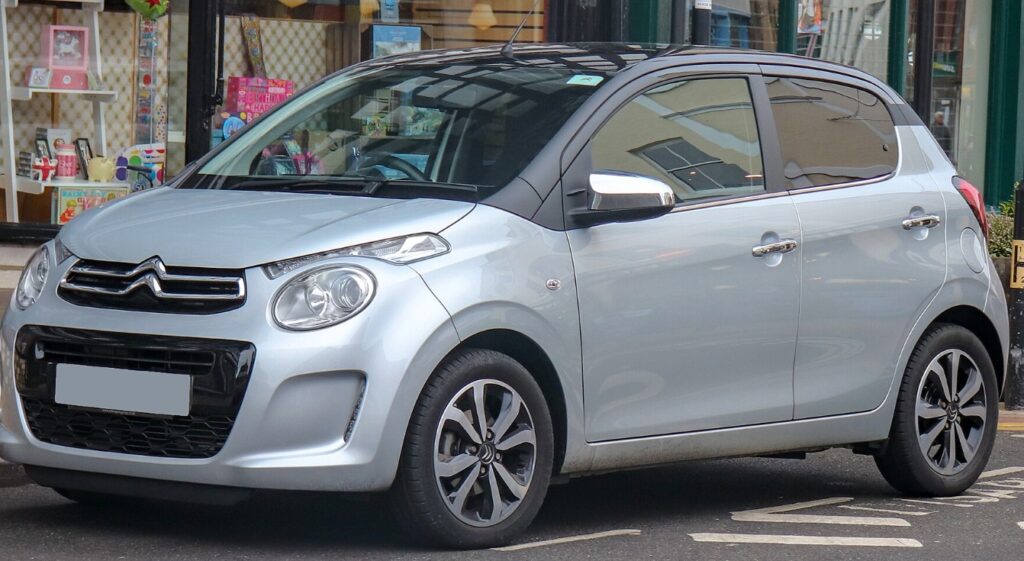
The Citroen C1 has always been the kind of small car that makes fuel stations feel less scary. It is tiny, light, cheerful, and built for drivers who want a car that sips fuel rather than gulps it like a thirsty SUV after a desert crossing. When we talk about Citroen C1 fuel consumption, we are really talking about one of the biggest reasons people buy this city car in the first place: low running costs.
But here is the thing. Official MPG figures are useful, yes, but they do not always tell the full story. Real life has traffic lights, cold mornings, motorway hills, underinflated tyres, roof boxes, short trips, and drivers who accelerate like they are late for a wedding. So, in this guide, we are going to unpack the Citroen C1’s fuel economy in a practical, human way.
We will look at official MPG, real-world MPG, fuel tank range, city driving, motorway driving, petrol engine differences, automatic versus manual economy, and simple tricks to squeeze more miles from every litre.
Content in this publication
- Citroen C1 Fuel Consumption at a Glance
- Why the Citroen C1 Is So Economical
- Official Citroen C1 Fuel Consumption Figures
- Real-World Citroen C1 MPG
- Citroen C1 1.0 Fuel Consumption
- Citroen C1 1.2 PureTech Fuel Consumption
- Citroen C1 Automatic Fuel Consumption
- Citroen C1 Fuel Tank Capacity and Range
- Citroen C1 City Fuel Consumption
- Citroen C1 Motorway Fuel Consumption
- Citroen C1 Fuel Consumption by Generation
- What Affects Citroen C1 Fuel Consumption?
- How to Get Better MPG from a Citroen C1
- Citroen C1 Fuel Consumption Compared with Rivals
- Is the Citroen C1 Cheap to Run?
- Common Reasons for Poor Citroen C1 MPG
- Best Citroen C1 Version for Fuel Economy
- Citroen C1 Fuel Consumption in Litres per 100 km
- Is the Citroen C1 Good for Long Trips?
- Buying a Used Citroen C1 for Fuel Economy
- Final Thoughts: Is Citroen C1 Fuel Consumption Really That Good?
- FAQs About Citroen C1 Fuel Consumption
Citroen C1 Fuel Consumption at a Glance
The Citroen C1 is one of those cars where fuel economy is not just a feature; it is part of the personality. Depending on the year, engine, gearbox, and testing cycle, official figures can sit impressively high. For example, later 1.0 VTi 72 models show WLTP combined figures around 54.8 to 58.9 mpg, while real-world owner-reported economy often averages close to 50 mpg.
That means the C1 is genuinely cheap to run, especially if most of your driving is urban, suburban, or light commuting. It is not a luxury cruiser, and it was never meant to be. Think of it more like a bicycle with doors, heating, airbags, and a tiny petrol engine. It gets the job done without making a dramatic entrance.
Typical Citroen C1 MPG Figures
Here is a simple overview:
- 1.0 petrol official economy: often around 55–70 mpg depending on version and test cycle
- 1.0 petrol real-world economy: commonly around 45–55 mpg
- 1.2 PureTech real-world economy: often around 45–52 mpg
- Fuel tank size: around 35 litres on many models
- Best use case: city driving, commuting, short-to-medium trips
- Worst use case: fast motorway driving with heavy loads
Honest John’s real MPG data lists the 2014–2022 Citroen C1 range at an average of about 50.5 mpg, while the 1.0 VTi specifically averages about 50.9 mpg from submitted real-world figures.
Why the Citroen C1 Is So Economical
The C1 is economical because it follows a beautifully simple formula: small engine, low weight, compact body, and modest power. It does not try to be everything to everyone. It knows its role.
A heavy car needs more energy to move. A powerful engine usually burns more fuel. A wide, tall body creates more drag. The Citroen C1 avoids most of that. It is light on its feet, like a terrier compared with a Labrador.
Lightweight Design Makes a Big Difference
Many Citroen C1 models weigh well under a tonne. That matters. Every time we pull away from traffic lights, climb a hill, or accelerate onto a faster road, the engine has less mass to move. Less mass means less effort. Less effort means less fuel.
Small Petrol Engines Keep Costs Down
The most common Citroen C1 engine is the 1.0-litre three-cylinder petrol. It is not a powerhouse, but that is the point. It is built for efficiency, simplicity, and low running costs.
Earlier versions used a 1.0i petrol engine, while later models used the 1.0 VTi. Some second-generation models also came with a punchier 1.2 PureTech petrol engine. The 1.2 feels livelier, especially outside town, but the 1.0 is usually the better pick if fuel economy is your top priority.
Official Citroen C1 Fuel Consumption Figures
Official fuel consumption figures vary depending on generation, engine, gearbox, wheel size, trim, and whether the car was tested under older NEDC rules or newer WLTP rules.
For the 2014-onward Citroen C1 1.0 VTi, Auto Express lists WLTP combined MPG figures from 54.8 mpg to 58.9 mpg, with high-speed cycle figures from 64.7 mpg to 68.3 mpg and extra-high-speed figures from 47.7 mpg to 52.2 mpg.
Older NEDC figures can look more optimistic. For example, some 1.0 stop-start versions were quoted as high as 74.3 mpg on the combined cycle, while standard 1.0 versions were quoted around 68.9 mpg.
NEDC vs WLTP: Why the Numbers Changed
If you are comparing Citroen C1 models online, you may notice fuel economy figures that do not seem to agree. One listing says 68 mpg. Another says 55 mpg. Another owner says they get 48 mpg.
That does not necessarily mean anyone is wrong.
Older cars were often tested under the NEDC system, which tended to produce more optimistic figures. Newer WLTP testing is generally closer to real driving, though still not perfect. So when we see lower official MPG on later models, it does not always mean the car became thirstier. It often means the test became tougher.
Real-World Citroen C1 MPG
Real-world fuel economy is where things get interesting. On paper, a Citroen C1 can look like a fuel-saving wizard. In real life, it is still economical, but the exact MPG depends heavily on how and where we drive.
Honest John’s real MPG data shows the 2014–2022 Citroen C1 averaging roughly 50.5 mpg across the range, while the 1.0 VTi averages about 50.9 mpg. The same source shows real-world results for the 1.0 VTi ranging from 39.0 to 63.8 mpg, which tells us driving style and conditions make a huge difference.
What MPG Should We Realistically Expect?
For most drivers, a sensible expectation looks like this:
- City driving: 40–50 mpg
- Mixed driving: 48–55 mpg
- Gentle country-road driving: 55–60 mpg
- Fast motorway driving: 42–50 mpg
- Short cold trips: sometimes below 40 mpg
That range is normal. A C1 driven gently on warm roads can feel incredibly frugal. The same car used only for two-mile winter trips may look surprisingly average.
Citroen C1 1.0 Fuel Consumption
The 1.0-litre petrol engine is the heart of the Citroen C1 story. It is the version most buyers search for, and it is usually the best choice for low fuel costs.
Citroen C1 1.0 VTi MPG
The later 1.0 VTi engine is especially efficient. Official WLTP combined economy for some 1.0 VTi 72 versions sits between 54.8 and 58.9 mpg, while real-world data suggests an average just over 50 mpg.
That makes it ideal for:
- New drivers
- Students
- City commuters
- Delivery-style short urban journeys
- Second-car households
- Anyone tired of watching fuel prices climb
The 1.0 engine does not offer thrilling acceleration, but it rewards patience. Keep it smooth, avoid harsh revving, and it will usually return excellent economy.
Is the 1.0 Citroen C1 Good on Fuel?
Yes, very good. In fact, fuel economy is one of the strongest reasons to buy a used Citroen C1. It may not feel fast, but it is cheap, simple, and cheerful. For many drivers, that is the magic formula.
Citroen C1 1.2 PureTech Fuel Consumption
The 1.2 PureTech engine gives the C1 more punch. It feels more relaxed on faster roads and less strained when carrying passengers. However, it may use slightly more fuel than the 1.0, especially in town.
Honest John’s real MPG data for the 2014–2022 Citroen C1 1.2 shows an average of about 50.6 mpg, with real-world submissions ranging from 38.0 to 61.0 mpg.
1.0 vs 1.2: Which Is Better for Fuel Economy?
If we care only about fuel economy, the 1.0 usually wins. If we want a little more flexibility, the 1.2 can make sense.
The 1.0 is like a careful saver who counts every coin. The 1.2 is still sensible, but it is more willing to spend a little extra for comfort and confidence.
Who Should Choose the 1.2?
The 1.2 may suit us better if we:
- Drive on A-roads or motorways often
- Carry passengers regularly
- Prefer stronger acceleration
- Dislike changing gears too often
- Want a small car that feels less breathless
For pure city use, though, the 1.0 is hard to beat.
Citroen C1 Automatic Fuel Consumption
Some Citroen C1 models came with an automated manual gearbox rather than a traditional torque-converter automatic. These versions are convenient in traffic, but they can feel jerky compared with modern automatics.
Does the Automatic Use More Fuel?
In many small cars, automatic or automated manual versions can be slightly less efficient depending on driving conditions. With the C1, the difference is not always huge, but manual models are often preferred by drivers chasing the best MPG.
The automatic-style gearbox may be easier in stop-start traffic, but the manual gives us more direct control. If we shift smoothly and avoid over-revving, the manual can be more economical.
Citroen C1 Fuel Tank Capacity and Range
Many Citroen C1 models have a fuel tank capacity of around 35 litres. Auto-Data lists a 35-litre fuel tank for a 2008 Citroen C1 1.0i, and this figure is commonly associated with the model range.
How Far Can a Citroen C1 Go on a Full Tank?
Let us keep it practical.
If the car averages:
- 40 mpg: around 300 miles
- 50 mpg: around 385 miles
- 60 mpg: around 460 miles
These are estimates, not promises. Real range depends on traffic, road speed, weather, tyre condition, fuel quality, and driving style.
Why the Range Can Change So Much
A full tank in a Citroen C1 can feel surprisingly long-lasting when driving gently. But use the car for repeated cold starts, heavy acceleration, and motorway speeds, and the needle drops faster.
Fuel economy is like a savings account. Small habits compound. Smooth driving adds miles. Aggressive driving spends them.
Citroen C1 City Fuel Consumption
The Citroen C1 was born for the city. Narrow streets, tight parking spaces, short errands, school runs, and daily commutes are exactly where it shines.
Why the C1 Works So Well in Town
Its small size helps reduce wasted energy. You are not dragging around a large body, oversized tyres, or a heavy engine. In traffic, the C1 feels light and easy.
However, city driving is not always efficient. Stop-start traffic can hurt MPG because the engine repeatedly pulls the car from a standstill. Cold starts are also fuel-hungry.
How to Improve City MPG
To improve Citroen C1 fuel consumption in town, we can:
- Accelerate gently from traffic lights
- Look ahead and avoid unnecessary braking
- Keep tyres properly inflated
- Avoid carrying heavy items in the boot
- Use air conditioning sensibly
- Combine short errands into one trip
- Service the car on time
These simple habits can make a noticeable difference.
Citroen C1 Motorway Fuel Consumption
The Citroen C1 can handle motorway driving, but it is not where the car is most comfortable. The small engine has to work harder at higher speeds, especially on hills or when overtaking.
What MPG Does a C1 Get on the Motorway?
At steady moderate speeds, the C1 can still be economical. But at 70 mph, fuel consumption can rise because the little engine is spinning faster and fighting aerodynamic drag. Later WLTP extra-high-speed figures for some 1.0 VTi models sit around 47.7 to 52.2 mpg, which gives a useful clue about faster-road economy.
Best Motorway Driving Tips
For better motorway MPG:
- Keep a steady speed
- Avoid harsh acceleration
- Use the highest suitable gear
- Do not overload the car
- Remove roof bars when not needed
- Keep windows closed at higher speeds
- Maintain proper tyre pressure
A Citroen C1 at 60–65 mph will usually feel more economical than one pushed hard at 70 mph or above.
Citroen C1 Fuel Consumption by Generation
The Citroen C1 was sold across two main generations. Both were built around the same idea: affordable city motoring.
First-Generation Citroen C1 Fuel Economy
The first-generation C1 was sold from the mid-2000s and shared much with the Peugeot 107 and Toyota Aygo. Petrol models were known for excellent economy, and some diesel versions also existed in certain markets.
Auto-Data lists a 2008 Citroen C1 1.0i with urban fuel consumption around 5.5 l/100 km, extra-urban around 3.9 l/100 km, and combined around 4.5 l/100 km.
Second-Generation Citroen C1 Fuel Economy
The second-generation model, sold from 2014 to 2022, improved refinement while keeping running costs low. Auto-Data lists a 2014 Citroen C1 1.0 VTi with combined consumption around 4.1 l/100 km, equal to about 68.9 UK mpg under that listed test data.
Later WLTP figures are more conservative, but still strong.
What Affects Citroen C1 Fuel Consumption?
Even the most economical car can become thirsty if neglected. Fuel consumption is not fixed. It moves up and down based on real conditions.
Driving Style
This is the big one. Fast acceleration, late braking, and high-speed cruising all burn more fuel. Smooth driving is not just calmer; it is cheaper.
Tyre Pressure
Low tyre pressure increases rolling resistance. That means the engine works harder. Check pressures regularly, especially before long journeys.
Servicing
Old spark plugs, dirty air filters, poor oil, and worn components can all reduce efficiency. A well-serviced C1 is usually a more economical C1.
Journey Length
Short trips hurt MPG because the engine runs rich when cold. If we only drive one or two miles at a time, we may never see the best fuel economy.
Weight
The C1 is light, but filling it with tools, bags, sports gear, or unnecessary clutter makes it heavier. More weight means more fuel.
Weather
Cold weather reduces MPG. Engines take longer to warm up, tyres create more resistance, and heaters, demisters, and lights all add load.
How to Get Better MPG from a Citroen C1
Improving Citroen C1 fuel consumption does not require magic. It is mostly about small habits repeated consistently.
Practical Fuel-Saving Checklist
Use this simple checklist:
- Check tyre pressures every two weeks.
- Remove unnecessary boot weight.
- Avoid aggressive acceleration.
- Change gear smoothly and early.
- Keep the engine serviced.
- Avoid long idling.
- Plan routes to avoid heavy traffic.
- Use air conditioning only when needed.
- Keep speed steady on faster roads.
- Use quality engine oil of the correct grade.
These habits may sound basic, but they work. Fuel economy is rarely improved by one dramatic action. It is improved by a hundred tiny decisions.
Citroen C1 Fuel Consumption Compared with Rivals
The Citroen C1 competes with cars like the Toyota Aygo, Peugeot 108, Hyundai i10, Kia Picanto, Volkswagen up!, and Fiat 500.
Is the C1 More Economical Than Similar Cars?
Generally, yes, it is right among the best petrol city cars for fuel economy. Since the C1 shares its platform with the Toyota Aygo and Peugeot 108 in later years, fuel economy is naturally similar between them.
Honest John’s real MPG comparison lists the 2014–2022 Citroen C1 at an average of 50.5 mpg, close to small rivals such as the Vauxhall Viva and ahead of some larger superminis in real-world economy.
C1 vs Aygo vs Peugeot 108
These three cars are mechanical cousins. If fuel economy is your main concern, condition, service history, tyre choice, and driving style may matter more than the badge on the bonnet.
Is the Citroen C1 Cheap to Run?
Yes. Fuel economy is only one part of the story, but the C1 is generally cheap to run in several ways.
Running Cost Advantages
The Citroen C1 usually offers:
- Low fuel costs
- Affordable tyres
- Low insurance groups on many versions
- Simple petrol engines
- Low road tax on many older models
- Easy city parking
- Good used-market availability
It is the kind of car that makes sense when we want transportation without financial drama.
Common Reasons for Poor Citroen C1 MPG
If your Citroen C1 is suddenly using more fuel than normal, do not panic. There are several possible causes.
Mechanical Causes
Poor MPG may come from:
- Low tyre pressure
- Binding brakes
- Dirty air filter
- Worn spark plugs
- Faulty oxygen sensor
- Incorrect oil
- Poor wheel alignment
- Engine running too cold
- Old fuel or poor-quality petrol
Driving and Usage Causes
Sometimes the car is fine, but the usage pattern is harsh. Short winter trips, heavy traffic, steep roads, and lots of idling can all drag MPG down.
When Should We Investigate?
If fuel economy drops suddenly and stays low, it is worth checking. A C1 that normally gets 50 mpg but suddenly gets 35 mpg may have an issue, especially if there are warning lights, rough running, petrol smells, or poor acceleration.
Best Citroen C1 Version for Fuel Economy
For most buyers, the best fuel-saving version is a well-maintained 1.0 petrol manual.
Why the 1.0 Manual Makes Sense
It is simple, efficient, easy to maintain, and widely available. It may not win drag races, but it wins the quiet financial race we actually care about: lower running costs month after month.
Should We Avoid the 1.2?
Not necessarily. The 1.2 can still be economical and more enjoyable to drive. But if our main goal is maximum MPG, the 1.0 is usually the safer bet.
Citroen C1 Fuel Consumption in Litres per 100 km
Many drivers search for MPG, but others prefer litres per 100 km. Lower numbers are better.
Typical official figures for the C1 can fall around 4.1 to 5.5 l/100 km, depending on engine, generation, and test cycle. For example, Auto-Data lists a 2014 1.0 VTi at 4.1 l/100 km combined, while a 2008 1.0i is listed at 4.5 l/100 km combined.
Quick MPG to L/100 km Guide
Approximate conversions:
- 40 mpg: about 7.1 l/100 km
- 50 mpg: about 5.6 l/100 km
- 60 mpg: about 4.7 l/100 km
- 70 mpg: about 4.0 l/100 km
So if your C1 is doing around 5.0–5.8 l/100 km in mixed use, that is generally pretty healthy.
Is the Citroen C1 Good for Long Trips?
The C1 can do long trips, but we need to be honest. It is a city car, not a grand tourer.
Long-Distance Fuel Economy
On longer journeys at steady speeds, the C1 can be impressively economical. But if we sit at high motorway speeds for hours, the small engine works harder. That can increase fuel consumption and cabin noise.
Comfort vs Economy
The C1 is best when we drive it with its nature, not against it. Keep speeds sensible, pack light, and accept that overtaking needs planning. Do that, and it can be a surprisingly capable little travel companion.
Buying a Used Citroen C1 for Fuel Economy
If we are buying a used Citroen C1 mainly for low fuel consumption, condition matters more than shiny paint.
What to Check Before Buying
Before buying, check:
- Full service history
- Smooth idle
- No engine warning lights
- Correct tyre sizes
- Even tyre wear
- Clutch condition
- Brake drag
- Exhaust condition
- MOT history
- Realistic seller MPG claims
A neglected C1 may still be cheap to buy, but poor maintenance can eat into fuel savings.
Mileage Is Not Everything
A higher-mileage C1 with careful servicing may be better than a low-mileage one used only for short cold trips. Look at the whole story, not just the odometer.
Final Thoughts: Is Citroen C1 Fuel Consumption Really That Good?
Yes, the Citroen C1 is genuinely good on fuel. Its official figures are strong, its real-world MPG is respectable, and its simple design makes it one of the most sensible small used cars for low running costs.
The key is expectation. If we expect 70 mpg every day in traffic, we may be disappointed. If we expect around 45–55 mpg in normal use, we are much closer to reality. Drive gently, maintain it properly, keep the tyres inflated, and the C1 can reward us with the kind of fuel economy that makes every petrol stop feel less painful.
In a world where cars keep getting bigger, heavier, and more complicated, the Citroen C1 feels refreshingly honest. It is not pretending to be a luxury car. It is not trying to tow a caravan or dominate the motorway. It simply says, “Let’s get there cheaply.” And honestly, there is something wonderful about that.
FAQs About Citroen C1 Fuel Consumption
1. What is the average fuel consumption of a Citroen C1?
Most drivers can expect around 45–55 mpg in real-world mixed driving. Honest John’s real MPG data lists the 2014–2022 Citroen C1 range at around 50.5 mpg on average.
2. Is the Citroen C1 1.0 good on fuel?
Yes, the 1.0 petrol is one of the most economical Citroen C1 engines. Later 1.0 VTi models have WLTP combined figures around 54.8–58.9 mpg, depending on specification.
3. How far can a Citroen C1 go on a full tank?
With a 35-litre tank and average economy around 50 mpg, a Citroen C1 can travel roughly 350–390 miles on a full tank, depending on driving conditions.
4. Why is my Citroen C1 using too much fuel?
Common causes include low tyre pressure, short cold trips, dirty filters, worn spark plugs, binding brakes, poor wheel alignment, heavy loads, or aggressive driving.
5. Which Citroen C1 engine has the best fuel economy?
The 1.0 petrol manual is usually the best choice for fuel economy. The 1.2 PureTech offers more power, but the 1.0 is generally the more frugal option.
If you want to know other articles similar to Citroen C1 Fuel Consumption: The Real-World Guide to MPG, Costs, and Smarter Driving you can visit the category Driving.
Kia Sorento Fuel Economy: MPG, Hybrid, and Plug-In Hybrid Explained
BYD Shark 6 Fuel Consumption: Real-World Economy, Range and What to Expect
Vauxhall Agila MPG: Real-World Fuel Economy and Engine Guide

Honda Passport MPG: Real-World Fuel Economy, Ratings, and What to Expect

Nissan Rogue Fuel Economy: MPG, Range, Costs, and Real-World Efficiency
BYD Shark 6 Long Range Fuel Tank: Is the 120L Upgrade Worth It?
Leave a Reply
More content of your interest