

Vauxhall Antara Fuel Consumption: MPG, Costs and Real-World Economy

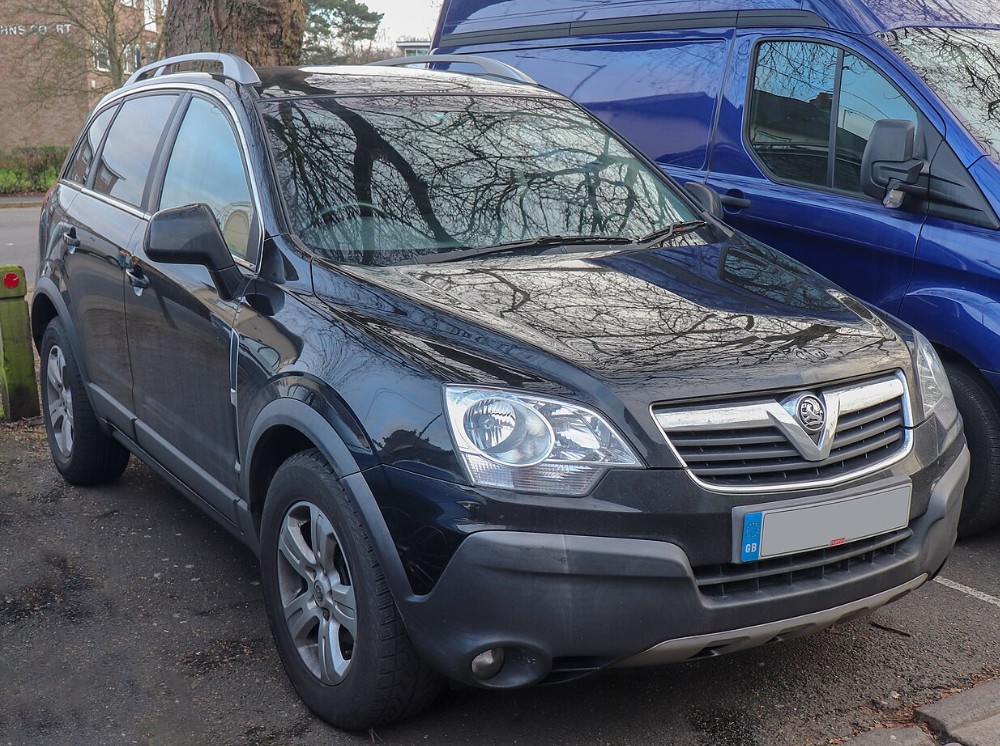
The Vauxhall Antara is a solid, comfortable SUV with plenty of road presence, a practical cabin and enough muscle for family journeys, motorway trips and light towing. However, fuel economy is rarely the Antara’s strongest selling point.
This is not a lightweight crossover that sips fuel through a straw. It is a substantial SUV with relatively large engines, a high body, considerable weight and, on many versions, four-wheel drive. In other words, it moves through the air more like a wardrobe than an arrow.
That does not automatically make the Antara a bad used-car choice. Prices can be attractive, diesel engines provide useful torque, and the vehicle can deliver reasonable motorway economy when driven carefully. We simply need to approach its fuel-consumption figures with realistic expectations.
In this guide, we examine official Vauxhall Antara MPG figures, likely real-world consumption, differences between petrol and diesel engines, manual and automatic gearboxes, two-wheel and four-wheel drive, running costs and practical ways to improve efficiency.
Content in this publication
- What Is the Average Vauxhall Antara Fuel Consumption?
- Vauxhall Antara MPG by Engine
- Vauxhall Antara Official MPG Comparison
- Why Is Real Vauxhall Antara MPG Lower Than Advertised?
- Diesel Versus Petrol Antara Fuel Economy
- Manual Versus Automatic Vauxhall Antara MPG
- Two-Wheel Drive Versus Four-Wheel Drive Consumption
- Vauxhall Antara Fuel Tank Capacity and Driving Range
- How Much Does It Cost to Fuel a Vauxhall Antara?
- Why Is My Vauxhall Antara Using Too Much Fuel?
- How Tyre Pressure Affects Antara Fuel Consumption
- Does Motorway Speed Make a Big Difference?
- Vauxhall Antara Fuel Consumption When Towing
- How Cold Weather Changes Antara MPG
- How to Improve Vauxhall Antara Fuel Economy
- How to Calculate Vauxhall Antara MPG Correctly
- Is the Vauxhall Antara Economical for an SUV?
- Which Vauxhall Antara Is Best for Fuel Economy?
- What MPG Should a Healthy Antara Achieve?
- Final Thoughts on Vauxhall Antara Fuel Consumption
- Frequently Asked Questions
What Is the Average Vauxhall Antara Fuel Consumption?
Depending on the engine, gearbox, model year and drivetrain, official combined Vauxhall Antara fuel economy generally sits between approximately 29 and 44 UK mpg.
Real-world consumption is often lower.
As a practical overview, many drivers can expect figures within these broad ranges:
- 2.0 CDTi diesel manual: around 30–37 mpg in mixed use
- 2.0 CDTi diesel automatic: around 26–33 mpg
- 2.2 CDTi diesel manual: around 32–40 mpg
- 2.2 CDTi diesel automatic: around 28–35 mpg
- 2.4 petrol: around 22–30 mpg
- 3.2 V6 petrol: around 17–24 mpg
These are not guarantees. A healthy diesel cruising gently along an open motorway may outperform them, while a petrol automatic used for short urban journeys may struggle to reach the lower end.
The Antara’s official figures were largely recorded under the older NEDC testing system. That procedure often produced numbers that were difficult to reproduce in ordinary driving, especially in heavy SUVs.
For example, owner-submitted data for the 2.2 CDTi 4x4 shows an average of about 30.9 mpg, compared with an official NEDC figure of 42.2 mpg. That works out at roughly 73% of the advertised result.
Vauxhall Antara MPG by Engine
The Antara was sold with several petrol and diesel engines during its production life. The exact line-up changed over time, so checking the registration year, power output, gearbox and drivetrain is essential before comparing figures.
Vauxhall Antara 2.0 CDTi Fuel Consumption
Early diesel models commonly used the 2.0-litre CDTi engine, available in different power outputs and with manual or automatic transmissions.
A 150 hp 2.0 CDTi manual 4x4 carried an official combined figure of approximately 7.6 litres per 100 kilometres, equal to roughly 37.2 UK mpg.
The automatic version was thirstier. Published figures for the 150 hp 2.0 CDTi automatic include:
- Urban: approximately 25.9 UK mpg
- Extra-urban: approximately 38.7 UK mpg
- Combined: approximately 32.8 UK mpg
That gap matters. Automatic gearboxes of this era were not designed primarily for maximum efficiency. They often held lower gears for longer and introduced additional mechanical losses.
Real-World 2.0 CDTi MPG
In mixed driving, we would regard the following as believable:
- Manual: 30–36 mpg
- Automatic: 26–32 mpg
- Motorway cruise: potentially 36–42 mpg
- Heavy town driving: sometimes below 25 mpg
Owner-reported data collected for related Opel Antara versions suggests that a 2.0 CDTi manual may consume around 20% more fuel than its claimed figure, while an automatic can use roughly 26% more.
Condition is crucial. A neglected engine, blocked air filter, sticking brake calliper or diesel particulate filter problem can make an already thirsty SUV noticeably worse.
Vauxhall Antara 2.2 CDTi Fuel Consumption
The later 2.2 CDTi is usually the engine most buyers associate with the facelifted Antara. It offers stronger performance and, in some configurations, better official economy than the older 2.0 diesel.
Versions included front-wheel-drive and four-wheel-drive models, manual and automatic gearboxes, and different power outputs.
Some of the most economical variants were officially rated at around 44 mpg combined, while four-wheel-drive automatic models were generally less efficient.
A 184 hp 2.2 CDTi 4x4 automatic, for example, has a published combined figure of approximately 36.2 UK mpg, or 7.8 litres per 100 kilometres.
Meanwhile, published data for a 184 hp manual 4x4 version includes approximately:
- Urban: 33 UK mpg
- Open road: 50 UK mpg
- Combined: 43 UK mpg
Those numbers look appealing on paper. In daily life, however, achieving 43 mpg consistently may require warm weather, long journeys, moderate speeds and a remarkably gentle right foot.
Real-World 2.2 CDTi MPG
For most drivers, a sensible expectation is:
- Manual front-wheel drive: 35–42 mpg
- Manual four-wheel drive: 32–39 mpg
- Automatic four-wheel drive: 28–35 mpg
- Motorway driving: 36–43 mpg
- Urban driving: 24–31 mpg
The difference between 30 mpg and 40 mpg may not sound dramatic at first. Over thousands of miles, however, it can turn into hundreds of pounds in additional fuel.
Vauxhall Antara 2.4 Petrol Fuel Consumption
The 2.4-litre petrol engine can suit drivers who cover low annual mileage, avoid diesel emissions-system concerns and prefer smoother, quieter short-distance operation.
The trade-off is fuel consumption.
An early 2.4 petrol 4x4 had a published combined figure of approximately 29.4 UK mpg, with urban consumption close to 21.2 mpg and extra-urban economy near 38.7 mpg.
The facelifted 167 hp 2.4 petrol improved slightly, with some versions officially rated at approximately 32.1 UK mpg combined, equivalent to 8.8 litres per 100 kilometres.
In real use, we would expect:
- Urban journeys: 18–24 mpg
- Mixed driving: 23–29 mpg
- Gentle motorway driving: 29–34 mpg
- Short winter journeys: potentially below 20 mpg
The petrol engine may be mechanically simpler in certain respects, but it asks for frequent visits to the filling station. Around town, the fuel gauge can seem to descend with the enthusiasm of a lift in a skyscraper.
Vauxhall Antara 3.2 V6 Fuel Consumption
The 3.2-litre V6 petrol is the rare, powerful and particularly thirsty member of the Antara family.
Official combined consumption has been quoted at approximately 11.6 litres per 100 kilometres, equal to roughly 24 UK mpg. Real-world data indicates that consumption can rise to around 14 litres per 100 kilometres, or approximately 20 UK mpg.
Expect approximately:
- Town driving: 15–19 mpg
- Mixed driving: 18–23 mpg
- Motorway driving: 24–29 mpg
The V6 can feel smooth and effortless, but it is not the sensible choice for anyone whose main concern is saving fuel.
Vauxhall Antara Official MPG Comparison
The following table provides a general comparison. Exact values vary by model year and specification.
| Engine and drivetrain | Approximate official combined MPG | Likely real-world MPG |
|---|---|---|
| 2.0 CDTi manual 4x4 | 37 mpg | 30–36 mpg |
| 2.0 CDTi automatic 4x4 | 33 mpg | 26–32 mpg |
| 2.2 CDTi manual | 42–44 mpg | 34–41 mpg |
| 2.2 CDTi automatic 4x4 | 35–36 mpg | 28–35 mpg |
| 2.4 petrol | 29–32 mpg | 22–29 mpg |
| 3.2 V6 petrol automatic | Around 24 mpg | 17–23 mpg |
We should treat this table as a planning guide rather than a promise. Wheel size, trim level, tyres, vehicle condition and driving pattern can all move the result.
Why Is Real Vauxhall Antara MPG Lower Than Advertised?
Official laboratory figures create a standardised way to compare vehicles, but they do not perfectly recreate daily life.
The Antara is particularly sensitive to the difference because it combines several fuel-hungry characteristics:
- High kerb weight
- Upright SUV body
- Large frontal area
- Wide tyres
- Four-wheel-drive hardware
- Older automatic transmission technology
- Relatively large-capacity engines
A laboratory test cannot fully represent hills, cold starts, traffic jams, roof boxes, strong winds, passengers, worn components or a driver who treats every green light like the start of a rally stage.
The Older NEDC Testing Cycle
Most Antara models were tested using NEDC rather than the newer WLTP procedure.
NEDC results were useful for comparing one new car against another under controlled conditions. They were less successful at predicting exactly what an owner would achieve.
That is why an Antara advertised at more than 40 mpg may return closer to 30–35 mpg in mixed driving without necessarily having a fault.
Diesel Versus Petrol Antara Fuel Economy
For high-mileage drivers, the diesel Antara is usually the obvious winner.
A 2.2 CDTi can potentially achieve 8–15 mpg more than a 2.4 petrol, particularly on longer journeys. Diesel engines also produce useful low-speed torque, meaning they do not need to be revved as hard when accelerating or climbing hills.
However, the cheapest fuel bill does not always create the lowest total ownership cost.
When the Diesel Makes Sense
A diesel Antara is best suited to drivers who:
- Cover regular motorway or A-road mileage
- Travel more than roughly 8,000–10,000 miles annually
- Frequently carry passengers or luggage
- Tow trailers or caravans
- Allow the engine to reach full operating temperature
When the Petrol May Be Better
A petrol Antara can be more appropriate when:
- Annual mileage is low
- Most journeys are short
- The vehicle is used only occasionally
- The buyer wants to avoid potential DPF trouble
- Fuel economy is less important than mechanical simplicity
A diesel may save money at the pump but lose that advantage if repeated short trips contribute to DPF, EGR or intake-system problems.
Manual Versus Automatic Vauxhall Antara MPG
Manual Antaras generally use less fuel than automatic models.
The difference varies, but it may be around 3–6 mpg in comparable versions. During urban driving, the gap can grow because the automatic gearbox may remain in lower gears and the torque converter creates additional losses.
An automatic still has advantages. It can be more comfortable in traffic, easier when towing and better suited to drivers who prefer relaxed progress. Yet convenience comes with a fuel penalty.
How to Drive the Automatic More Efficiently
To improve automatic Antara economy:
- Accelerate smoothly rather than suddenly
- Allow the gearbox to shift early
- Avoid repeatedly pressing and releasing the throttle
- Use cruise control selectively on level roads
- Reduce speed before hills rather than braking heavily on them
- Avoid unnecessary kick-down
The goal is to keep the vehicle flowing. Every aggressive acceleration asks the engine to move nearly two tonnes of SUV, and that request is rarely cheap.
Two-Wheel Drive Versus Four-Wheel Drive Consumption
Front-wheel-drive Antaras are generally more economical than four-wheel-drive versions.
Four-wheel drive adds components, friction and weight. Even when the system sends most power to the front wheels during ordinary driving, the additional hardware still has to travel with the vehicle.
Depending on configuration, the penalty may be modest or several miles per gallon.
For drivers who rarely encounter snow, mud, steep fields or difficult towing conditions, a front-wheel-drive model may be the smarter economy choice. For drivers who genuinely need extra traction, the additional consumption may be worthwhile.
Vauxhall Antara Fuel Tank Capacity and Driving Range
Many Antara versions use a fuel tank of approximately 65 litres, equal to around 14.3 UK gallons.
Theoretical range can be calculated as follows:
UK gallons in the tank × achieved MPG = approximate range
At 30 mpg:
14.3 × 30 = 429 miles
At 35 mpg:
14.3 × 35 = 501 miles
At 40 mpg:
14.3 × 40 = 572 miles
We should never plan to use every drop. A sensible real-world range before refuelling might be:
- Petrol models: 300–390 miles
- Diesel automatic models: 360–450 miles
- Economical diesel manuals: 430–520 miles
Traffic, temperature and towing can reduce these figures substantially.
How Much Does It Cost to Fuel a Vauxhall Antara?
Fuel cost depends on the price per litre, annual mileage and achieved consumption.
Suppose diesel costs £1.50 per litre and the Antara averages 32 mpg.
At 10,000 miles per year, the vehicle would use approximately 1,420 litres, costing around £2,130 annually.
At 38 mpg, annual use falls to approximately 1,196 litres, costing about £1,794.
That six-mpg improvement saves roughly £336 per year.
Now consider a petrol Antara averaging 24 mpg with petrol at £1.45 per litre. Over 10,000 miles, it would consume roughly 1,895 litres and cost approximately £2,748.
Fuel prices change, so owners should recalculate using current local rates. The comparison still shows why the engine and gearbox choice matters so much.
Why Is My Vauxhall Antara Using Too Much Fuel?
A sudden or unexplained fall in MPG deserves attention. Consumption may worsen gradually as parts age, making the change easy to overlook.
Common causes include:
- Low tyre pressure
- Incorrect wheel alignment
- Binding brakes
- Dirty air filter
- Faulty thermostat
- Worn or incorrect engine oil
- Dirty mass airflow sensor
- EGR valve problems
- DPF regeneration
- Faulty oxygen sensor on petrol models
- Leaking injectors
- Poor-quality fuel
- Excessive idling
- Heavy roof accessories
A Faulty Thermostat
A thermostat stuck open may prevent the engine from reaching its ideal operating temperature.
The engine-management system may respond as though the vehicle is still warming up, increasing fuel use. A temperature gauge that remains unusually low during a long journey can provide an early clue.
DPF Regeneration
Diesel particulate filter regeneration temporarily increases fuel consumption. During regeneration, the engine introduces additional fuel to raise exhaust temperature and burn accumulated soot.
Signs can include:
- Higher idle speed
- Cooling fan operating
- Hot smell
- Reduced stop-start activity
- Temporarily poor MPG
Frequent regeneration may suggest that journeys are too short or that another engine fault is producing excessive soot.
Binding Brakes
A sticking brake calliper makes the engine work against constant resistance.
After a short drive, one wheel may feel hotter than the others. This problem should be inspected promptly because it affects safety, fuel consumption and brake wear.
Do Not Touch a Hot Brake Disc
Brake components can become extremely hot. Compare heat cautiously near the wheels without placing your hand directly on the disc or calliper.
How Tyre Pressure Affects Antara Fuel Consumption
Underinflated tyres increase rolling resistance. The engine must then work harder just to keep the vehicle moving.
Because the Antara is heavy, incorrect tyre pressure can have a noticeable effect. Check pressures when the tyres are cold and use the specification shown on the vehicle’s pressure label or in its handbook.
Do not inflate tyres to the maximum number printed on the tyre sidewall. That figure is not the normal operating recommendation for the vehicle.
Also consider tyre type. Aggressive all-terrain tread, budget tyres with high rolling resistance and oversized wheels can all reduce MPG.
Does Motorway Speed Make a Big Difference?
Yes. The Antara’s tall body pushes a large amount of air, and aerodynamic drag rises sharply with speed.
A diesel Antara that returns 39 mpg at a steady 60–65 mph may drop toward the low 30s at 75–80 mph. Add a roof box, headwind and full passenger load, and the difference can become even larger.
Reducing motorway speed slightly is one of the easiest ways to improve consumption without modifying the vehicle.
The journey may take a few minutes longer, but the fuel gauge will fall more slowly.
Vauxhall Antara Fuel Consumption When Towing
Towing increases consumption because the engine must move additional weight and overcome extra aerodynamic drag.
A caravan is particularly demanding. Its broad front acts like a sail being pushed through the air.
Fuel economy may fall by 20–40%, depending on:
- Trailer weight
- Shape and height
- Road gradient
- Wind direction
- Vehicle speed
- Gearbox type
- Tyre pressure
- Driving style
A 2.2 CDTi that normally delivers 34 mpg might return around 22–28 mpg while towing a large caravan.
The diesel’s torque makes it the more suitable engine, but towing economy will never match unloaded cruising.
How Cold Weather Changes Antara MPG
Winter fuel economy is usually lower because:
- The engine takes longer to warm
- Cold oil creates more resistance
- Tyre pressure falls
- Heated windows and seats add electrical load
- Diesel regeneration may become more frequent
- Traffic conditions may worsen
- Winter fuel blends can contain less energy
Short journeys suffer most. A five-mile trip may end before the engine reaches efficient operating temperature.
A seasonal drop of several mpg does not automatically indicate a mechanical problem. A dramatic or permanent reduction still deserves investigation.
How to Improve Vauxhall Antara Fuel Economy
We cannot transform an Antara into a supermini, but we can reduce unnecessary waste.
1. Maintain Correct Tyre Pressure
Check the tyres at least monthly and before long journeys.
2. Remove Unnecessary Weight
Tools, boxes and forgotten luggage add weight every time the vehicle moves.
3. Remove Roof Bars When Unused
Roof bars and boxes disturb airflow even when they are not carrying anything.
4. Accelerate Progressively
Use the engine’s torque instead of pressing the accelerator deeply.
5. Anticipate Traffic
Lift off early and preserve momentum rather than accelerating toward a red light.
6. Service the Vehicle Properly
Use the correct oil grade, replace clogged filters and investigate warning lights.
7. Limit Short Journeys
Combine errands so the engine completes fewer cold starts.
8. Reduce Motorway Speed
A small speed reduction can produce a meaningful MPG improvement.
9. Avoid Excessive Idling
Idling delivers zero miles per gallon.
10. Measure Consumption Manually
Dashboard displays can be optimistic. A brim-to-brim calculation provides a more reliable result.
How to Calculate Vauxhall Antara MPG Correctly
Follow this method:
- Fill the tank completely.
- Reset the trip computer.
- Drive normally.
- Refill the tank to the same level.
- Record the litres added and miles travelled.
- Convert litres to UK gallons by dividing by 4.546.
- Divide the miles travelled by the gallons used.
For example:
- Distance: 350 miles
- Fuel added: 50 litres
- 50 ÷ 4.546 = 11 UK gallons
- 350 ÷ 11 = 31.8 mpg
Repeat this over several tanks. One result can be distorted by pump angle, traffic, weather or incomplete filling.
Is the Vauxhall Antara Economical for an SUV?
By modern standards, no. Compared with newer diesel crossovers, hybrids and lighter family SUVs, the Antara is relatively thirsty.
Compared with other large, older four-wheel-drive vehicles, its diesel economy is not disastrous. A carefully driven 2.2 CDTi manual returning high-30s MPG can remain perfectly usable.
The key is purchase price. Antaras are often cheaper than more fashionable rivals. A lower initial cost may compensate for higher fuel bills, particularly for drivers covering modest annual mileage.
We should compare the complete financial picture:
- Purchase price
- Fuel
- Vehicle tax
- Insurance
- Servicing
- Repairs
- Depreciation
A car returning 45 mpg is not automatically cheaper if it costs several thousand pounds more to buy.
Which Vauxhall Antara Is Best for Fuel Economy?
The most economical choice is generally a later 2.2 CDTi manual, particularly in front-wheel-drive form.
It combines stronger performance with better official economy than many earlier versions. A manual four-wheel-drive model can also be reasonable for drivers who need added traction.
The least economical choices are the petrol automatic versions, especially the 3.2 V6.
For balanced ownership, we would rank the main options as follows:
- 2.2 CDTi manual front-wheel drive
- 2.2 CDTi manual four-wheel drive
- 2.0 CDTi manual four-wheel drive
- 2.2 CDTi automatic
- 2.4 petrol
- 3.2 V6 petrol
Condition should take priority over specification. A well-maintained automatic can be a better purchase than an abused manual with warning lights and incomplete servicing.
What MPG Should a Healthy Antara Achieve?
A healthy vehicle driven in mixed conditions should generally achieve:
- 2.0 diesel manual: around 30–36 mpg
- 2.0 diesel automatic: around 26–32 mpg
- 2.2 diesel manual: around 34–40 mpg
- 2.2 diesel automatic: around 28–35 mpg
- 2.4 petrol: around 22–29 mpg
- 3.2 petrol: around 17–23 mpg
Consistently falling far below these ranges may justify diagnostic work, especially when accompanied by smoke, poor performance, rough running, slow warm-up or warning lights.
Final Thoughts on Vauxhall Antara Fuel Consumption
The Vauxhall Antara is not an economy champion, and pretending otherwise would be like calling hiking boots ballet shoes. It is a heavy, upright SUV built during an era when fuel efficiency was improving but had not yet reached today’s standards.
The diesel manuals offer the best results. A well-maintained 2.2 CDTi can return respectable high-30s MPG during longer journeys, while automatic, four-wheel-drive and petrol versions use considerably more.
Official figures provide a useful comparison, but real-world expectations should be lower. Around 30–35 mpg is normal for many diesel Antaras, while petrol models may live in the low-to-mid 20s.
Before purchasing one, identify the exact engine and gearbox, calculate fuel costs using your annual mileage and inspect the vehicle carefully. Once owned, correct tyre pressure, steady motorway speeds, preventative maintenance and fewer cold starts can make a worthwhile difference.
The Antara may never sip fuel delicately, but with the right version and sensible driving, it does not have to drink like a leaking tap either.
Frequently Asked Questions
1. What is the average MPG of a Vauxhall Antara?
Most diesel Vauxhall Antaras achieve approximately 28–40 mpg in real-world driving. Petrol versions commonly return around 18–29 mpg, depending on the engine, gearbox and journey type.
2. Why is my Vauxhall Antara only getting 25 mpg?
An automatic diesel used mainly for short urban journeys may return around 25 mpg without having a serious fault. However, low tyre pressure, DPF regeneration, a faulty thermostat, binding brakes or airflow-sensor problems can also increase consumption.
3. Which Vauxhall Antara engine is most economical?
The later 2.2 CDTi manual is generally the most economical option, especially with front-wheel drive. Some versions were officially rated above 40 mpg, although real-world results are normally lower.
4. How many miles can a Vauxhall Antara travel on one tank?
With a tank capacity of approximately 65 litres, typical range may be 300–390 miles for petrol models and 360–520 miles for diesels. Actual range depends on achieved MPG and driving conditions.
5. Is the Vauxhall Antara expensive to run?
It can be. Fuel consumption, vehicle tax and potential diesel-system repairs may be higher than on a smaller crossover. However, affordable used prices can offset some of those costs for low-mileage owners.
If you want to know other articles similar to Vauxhall Antara Fuel Consumption: MPG, Costs and Real-World Economy you can visit the category Driving.
Mazda CX-5 Real-World MPG: What Drivers Actually Get
Mazda CX-5 0-60: Acceleration Times by Year and Engine
MG HS Fuel Consumption: Complete MPG Guide
Can Nissan Rogue Pull a Boat? Complete Towing Guide
Can Nissan Rogue Be Flat Towed? Complete Towing Guide
Are Nissan Rogue Good on Gas? MPG, Fuel Economy, and Real-World Costs
Leave a Reply
More content of your interest