

Vauxhall Antara Common Problems: A Complete Owner’s Guide

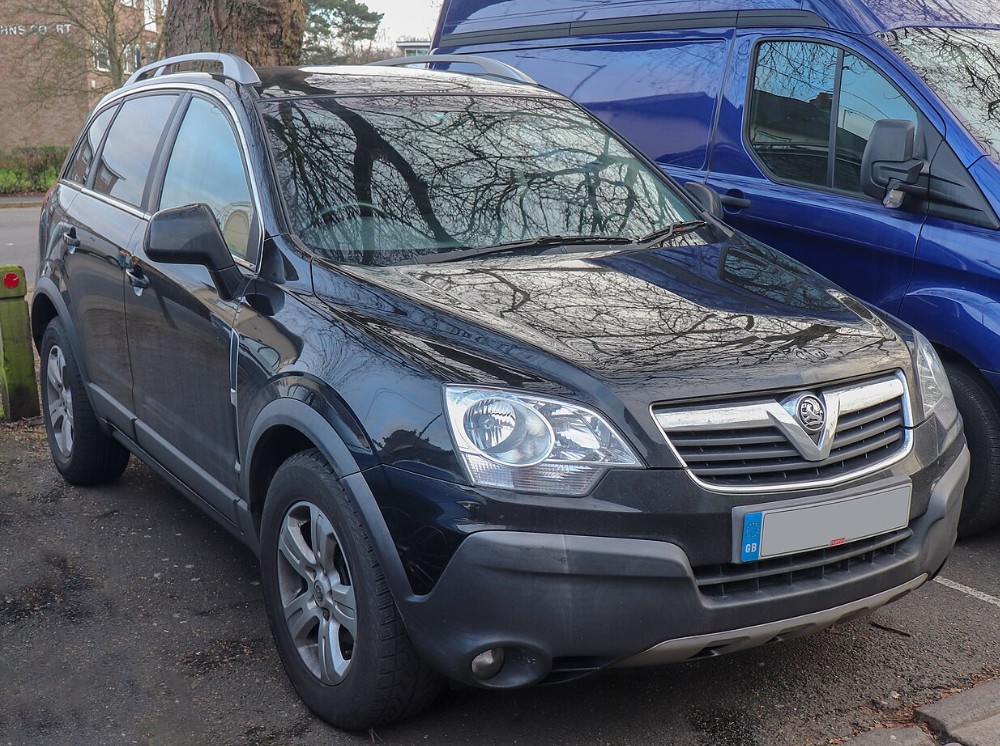
The Vauxhall Antara can look like a tempting used SUV. It has a strong road presence, a roomy cabin, available four-wheel drive, and prices that often seem surprisingly affordable. On paper, it offers plenty of car for the money.
However, low purchase prices can hide expensive mechanical risks.
The Antara is now an ageing vehicle, and many examples have covered substantial mileage. As a result, prospective buyers frequently search for Vauxhall Antara common problems before committing their money. That is a wise move because some faults are relatively minor, while others—particularly automatic gearbox, diesel-emissions, and timing-chain problems—can turn a bargain SUV into a financial sinkhole.
That does not mean every Antara is unreliable. A well-maintained example with a strong service history may still deliver years of practical family transport. The key is knowing what to inspect, which warning signs matter, and when it is safer to walk away.
In this guide, we examine the most frequently discussed Vauxhall Antara faults, their symptoms, possible causes, maintenance considerations, and the checks we should perform before buying one.
Content in this publication
- Is the Vauxhall Antara Reliable?
- The Most Common Vauxhall Antara Problems at a Glance
- Vauxhall Antara Automatic Gearbox Problems
- Manual Gearbox, Clutch, and Flywheel Problems
- Diesel Particulate Filter Problems
- EGR Valve Problems
- Timing-Chain Wear and Rattling
- Turbocharger and Boost Problems
- Fuel-System and Starting Problems
- Four-Wheel-Drive System Problems
- Suspension Knocks and Worn Components
- Wheel-Bearing and Drivetrain Noise
- Brake and Handbrake Problems
- Electrical Faults and Warning Lights
- Alternator and Charging-System Trouble
- Air-Conditioning Problems
- Water Leaks and Interior Damp
- Exhaust, Emissions, and Sensor Faults
- Cooling-System Problems
- Rust and Corrosion Checks
- Vauxhall Antara Recall Checks
- Which Vauxhall Antara Problems Are Most Expensive?
- How to Inspect a Used Vauxhall Antara
- How to Reduce the Risk of Antara Problems
- Should You Buy a Vauxhall Antara?
- Final Thoughts on Vauxhall Antara Common Problems
- Frequently Asked Questions
Is the Vauxhall Antara Reliable?
The Antara’s reliability record is mixed rather than universally poor. Some owners cover high mileages without catastrophic trouble, while others encounter a string of diesel, electrical, suspension, or transmission faults.
Its reliability usually depends on four major factors:
- The engine and gearbox combination
- The vehicle’s maintenance history
- Whether it has mainly completed short or long journeys
- How quickly previous owners addressed warning lights and unusual noises
Diesel Antaras that regularly travelled long motorway distances may have fewer diesel particulate filter difficulties than vehicles used primarily for short urban trips. Similarly, an automatic model with evidence of sensible transmission servicing is generally more reassuring than one described as having a “sealed-for-life” gearbox with no documented fluid maintenance.
UK MOT-related data also indicates that lighting, suspension, brakes, and emissions are recurring areas of concern as these vehicles age. One published Antara-focused analysis listed lighting and signalling defects, suspension faults, brake problems, and emissions failures among the leading MOT-failure categories.
In other words, the Antara is not necessarily a bad vehicle, but it is not one we should purchase casually.
The Most Common Vauxhall Antara Problems at a Glance
The issues most often associated with used Vauxhall Antara models include:
- Automatic gearbox slipping or failure
- Diesel particulate filter blockage
- Timing-chain wear or tensioner trouble
- EGR valve contamination
- Turbocharger and boost problems
- Clutch and dual-mass flywheel wear
- Four-wheel-drive system faults
- Suspension knocks and worn components
- Brake wear and handbrake difficulties
- Electrical warning lights
- Battery and charging problems
- Starting difficulties
- Steering and wheel-bearing noise
- Air-conditioning faults
- Water leaks and interior damp
- Corrosion underneath the vehicle
Some of these issues overlap. For example, a blocked DPF may be the result of an underlying EGR, injector, boost, thermostat, or sensor fault rather than the DPF itself being the original problem.
That is why replacing parts without a proper diagnosis can become like throwing darts in the dark.
Vauxhall Antara Automatic Gearbox Problems
Why the Automatic Transmission Deserves Attention
Automatic transmission failure is among the most expensive potential Antara problems. Symptoms can begin subtly and worsen gradually, giving owners time to convince themselves that the behaviour is “normal.”
It rarely is.
Specialist repair reports describe weaknesses involving internal clutch drums, with metallic debris potentially contaminating the valve body and transmission solenoids. Reported symptoms include loss of reverse, slipping between gears, and poor gear engagement.
Common Automatic Gearbox Symptoms
During a test drive, watch for:
- Delayed engagement when selecting Drive or Reverse
- A heavy thump when changing gear
- Engine revs rising without matching acceleration
- Slipping during uphill acceleration
- Jerking between lower gears
- Failure to select reverse
- Getting stuck in one gear
- Transmission warning messages
- Limp-home mode
- Whining, grinding, or rattling noises
- Problems that appear only after the gearbox becomes warm
A transmission that behaves properly when cold but begins slipping after 30 or 40 minutes may still have a serious internal or hydraulic fault.
Can an Automatic Gearbox Fluid Change Help?
Fresh fluid may improve shift quality when the transmission is fundamentally healthy but operating with degraded oil. It cannot rebuild worn clutch packs, repair damaged drums, or remove extensive internal wear.
We should also be cautious with cars that suddenly receive a gearbox-fluid change immediately before being advertised. Sometimes that is responsible maintenance. Sometimes it is an attempt to disguise symptoms temporarily.
Before purchasing an automatic Antara, a diagnostic scan and extended test drive are worth far more than a freshly polished dashboard.
Manual Gearbox, Clutch, and Flywheel Problems
Manual Antaras avoid some automatic transmission risks, but they bring their own concerns. Clutch wear, hydraulic faults, gearbox stiffness, and dual-mass flywheel deterioration can all appear on higher-mileage diesel vehicles.
Signs of Clutch Wear
Look for:
- The clutch biting unusually high
- Engine revs increasing without strong acceleration
- A burning smell after hill starts
- Difficulty selecting first or reverse
- Judder when moving away
- A heavy or inconsistent clutch pedal
- Fluid loss around clutch hydraulic components
A simple test involves accelerating firmly in a high gear at relatively low engine speed. If the revs climb rapidly but the vehicle does not accelerate proportionally, the clutch may be slipping.
Dual-Mass Flywheel Symptoms
The dual-mass flywheel helps smooth diesel-engine vibration. Once worn, it may produce:
- Rattling at idle
- Vibration through the clutch pedal
- Clunking when switching the engine off
- Shuddering when pulling away
- Metallic noises when engaging or releasing the clutch
Replacing the clutch and flywheel together can be expensive because labour accounts for a substantial part of the job. A cheap Antara with a noisy flywheel can therefore become less of a bargain than it first appears.
Diesel Particulate Filter Problems
Why the Antara DPF Becomes Blocked
The diesel particulate filter captures soot from the exhaust. Once the soot load reaches a certain point, the vehicle attempts to burn it away through regeneration.
Regeneration needs the right operating conditions. Antaras used mainly for short, slow journeys may not maintain sufficient exhaust temperature for long enough. Over time, soot accumulates, regeneration attempts fail, and the vehicle may display an engine or DPF warning.
Owner reports and repair discussions frequently mention blocked or non-regenerating DPF systems on diesel Antaras.
Common DPF Warning Signs
Symptoms may include:
- A DPF or engine-management warning light
- Reduced engine power
- Limp mode
- Increased fuel consumption
- Frequent cooling-fan operation
- A hot or burning smell
- Higher idle speed
- Rising engine-oil level
- Excessive exhaust smoke
- Regeneration attempts occurring repeatedly
The rising oil level deserves particular attention. During repeated failed regenerations, extra fuel may enter the cylinders and dilute the engine oil. Diluted oil loses some of its ability to protect bearings, chains, and turbocharger components.
Do Not Assume a Motorway Drive Will Fix Everything
A sustained drive can help complete an ordinary regeneration when the filter is only moderately loaded and no other fault is present.
It is not a universal cure.
If the vehicle has a failed pressure sensor, damaged temperature sensor, faulty thermostat, contaminated EGR valve, injector issue, boost leak, or heavily blocked filter, driving faster may not solve the underlying cause.
A diagnostic tool should be used to check soot loading, regeneration history, sensor readings, and stored fault codes before expensive parts are replaced.
EGR Valve Problems
The exhaust gas recirculation valve redirects a controlled amount of exhaust gas back into the intake to reduce certain emissions. Over time, soot and oily vapour can create thick deposits around the valve and intake system.
Symptoms of a Dirty or Faulty EGR Valve
We may notice:
- Hesitation during acceleration
- Rough idling
- Reduced power
- Black exhaust smoke
- Poor fuel economy
- Engine warning lights
- Stalling
- Uneven low-speed driving
- DPF regeneration trouble
A contaminated EGR system can behave like a blocked artery. The engine may still run, but airflow and combustion become increasingly compromised.
Cleaning can help when deposits are the primary issue and the electronic actuator remains functional. Replacement may be necessary when the motor, position sensor, or valve mechanism has failed.
Timing-Chain Wear and Rattling
The 2.2 CDTi uses a timing chain rather than a conventional scheduled timing belt. Drivers sometimes assume a chain will last forever. Unfortunately, timing chains, guides, and tensioners still wear.
Specialist fault databases and used-car reports associate some 2.2 CDTi Antaras with premature chain wear or tensioner trouble, frequently identified by rattling noises.
Timing-Chain Warning Signs
Pay attention to:
- Rattling during a cold start
- Metallic noise from the timing-chain area
- A rattle lasting several seconds after startup
- Poor running
- Engine-management lights
- Camshaft and crankshaft correlation codes
- Difficult starting
- Metal particles in the oil
Why Ignoring Chain Noise Is Dangerous
A worn chain may stretch or jump timing. If valve timing moves far enough, internal engine damage may occur.
The tricky part is distinguishing chain noise from injector clatter, auxiliary-belt noise, worn pulleys, or ordinary diesel combustion sounds. We should therefore have any suspicious cold-start rattle assessed by a technician familiar with the engine.
Always insist on starting a prospective purchase from completely cold. A seller who warms the vehicle before our arrival may be hiding more than a chilly cabin.
Turbocharger and Boost Problems
The Antara’s diesel engines depend on forced induction to move a relatively heavy SUV with reasonable urgency. Any loss of boost can make the vehicle feel flat, smoky, or reluctant.
Published fault summaries for the Opel/Vauxhall Antara family mention turbo lag, jerkiness, increased oil consumption, and loss of power among reported diesel-engine concerns.
These include:
- Weak acceleration
- Limp mode under load
- Whistling or siren-like noises
- Blue or black smoke
- Oil consumption
- Oil around boost hoses
- Intermittent power loss
- Underboost or overboost fault codes
However, we should not condemn the turbo immediately. Similar symptoms may result from:
- Split intercooler hoses
- Loose hose clips
- Vacuum leaks
- A faulty boost-control solenoid
- A sticking turbo actuator
- Contaminated airflow sensors
- EGR problems
- DPF restriction
A proper boost-pressure test can prevent unnecessary replacement of a perfectly serviceable turbocharger.
Fuel-System and Starting Problems
Some Antaras develop hard starting, particularly when cold or after sitting overnight.
Possible causes include:
- A weak battery
- Slow starter-motor operation
- Glow-plug failure
- Glow-plug control-module faults
- Fuel-pressure problems
- Injector leak-back
- Air entering the fuel system
- Crankshaft or camshaft sensor trouble
- Contaminated fuel filters
- Poor electrical connections
High-Pressure Fuel Symptoms
If the engine cranks but struggles to fire, diagnostic equipment should be used to check whether adequate rail pressure builds during cranking.
Warning signs may include:
- Long cranking times
- Cutting out under load
- Hesitation
- Low fuel-pressure codes
- Limp mode
- Failure to restart when hot
Replacing injectors or fuel pumps based on guesswork can become extremely expensive. A leak-back test, pressure reading, battery test, and fault-code scan should come first.
Four-Wheel-Drive System Problems
Not every Antara is four-wheel drive, so buyers should first confirm the exact specification. On equipped models, the system normally operates without demanding much driver involvement.
Problems may involve the coupling system, sensors, wiring, transfer components, differential units, or tyres.
Signs of AWD Trouble
Watch for:
- A four-wheel-drive warning light
- Front-wheel spin with no apparent rear assistance
- Binding or juddering during tight turns
- Humming from the rear
- Oil leaks around drivetrain components
- Vibration under acceleration
- Clunking when taking up drive
Matching Tyres Matter
Four-wheel-drive vehicles can be sensitive to tyre circumference differences. Using tyres with significantly different tread depths, sizes, or inflation pressures may place extra strain on drivetrain components.
Ideally, all four tyres should match in size and have similar tread depth. A vehicle wearing one new tyre, two half-worn tyres, and one tyre from another manufacturer may be signalling a history of budget maintenance.
Suspension Knocks and Worn Components
The Antara is a heavy SUV, so its suspension carries a demanding workload. Age, potholes, kerbs, speed bumps, and worn bushes gradually create noise and looseness.
Suspension defects also appear prominently in published Antara MOT-failure data.
Frequently Worn Suspension Parts
Potential wear areas include:
- Anti-roll-bar links
- Control-arm bushes
- Ball joints
- Shock absorbers
- Springs
- Top mounts
- Wheel bearings
- Rear suspension bushes
Symptoms During a Test Drive
Listen and feel for:
- Knocking over broken surfaces
- Creaking at low speeds
- Wandering on the motorway
- Uneven tyre wear
- Excessive body movement
- A bouncing sensation
- Steering-wheel vibration
- Pulling under braking
A single worn drop link is not necessarily alarming. Multiple knocks, poor tyre wear, and vague handling suggest broader neglect.
Wheel-Bearing and Drivetrain Noise
A humming or droning noise that grows louder with road speed may indicate wheel-bearing wear. The sound can sometimes change as we gently steer left or right because vehicle weight transfers across the bearings.
Nevertheless, road noise can also come from:
- Aggressively worn tyres
- Uneven tyre tread
- Differential wear
- Propshaft components
- Brake drag
- Damaged driveshaft joints
The Antara is not the quietest SUV in its class, but a healthy one should not sound like an aircraft preparing for take-off.
Brake and Handbrake Problems
Because the Antara is relatively heavy, brakes may wear more quickly when the vehicle is used for towing, urban driving, or steep terrain.
Brake-related faults also rank among the more commonly reported MOT-failure areas for the model.
Common Brake Symptoms
Check for:
- Steering-wheel vibration while braking
- Grinding noises
- A soft brake pedal
- Pulling to one side
- Hot wheels after driving
- A handbrake that does not hold
- Brake warning lights
- Uneven disc wear
- Corroded brake pipes
A hot wheel may indicate a sticking brake caliper. Left unresolved, it can damage the disc, pads, tyre, wheel bearing, and fuel economy.
Electrical Faults and Warning Lights
Electrical issues can range from minor inconveniences to faults that prevent the vehicle from starting.
Possible complaints include:
- Intermittent dashboard warnings
- Central-locking problems
- Parking-sensor failure
- Electric-window faults
- Heated-seat problems
- Faulty exterior lights
- Unreliable switches
- Battery drain
- Infotainment problems
- Sensor-related engine lights
Start With the Battery
A weak battery can cause a surprising collection of warning messages. Modern control modules need stable voltage, and low voltage may create seemingly unrelated errors across several systems.
Before replacing sensors and modules, test:
- Battery condition
- Charging voltage
- Battery terminals
- Main earth connections
- Relevant fuses
- Stored diagnostic codes
A battery nearing the end of its life can make a car behave as though it is possessed.
Alternator and Charging-System Trouble
A failing alternator may produce:
- A battery warning light
- Dim headlights
- Slow window operation
- Intermittent dashboard warnings
- Heavy steering on some systems
- A flat battery
- Engine stalling
- A whining noise
Charging voltage should be tested under different loads. Merely fitting a new battery without checking the alternator can leave us stranded again a few days later.
Air-Conditioning Problems
Air-conditioning failure is common in older vehicles generally, and the Antara is no exception.
Potential causes include:
- Low refrigerant
- Condenser leaks
- Compressor failure
- Pressure-sensor faults
- Damaged pipe seals
- Electrical problems
- Blower-motor resistor failure
A quick refrigerant refill may restore cooling temporarily, but refrigerant does not disappear without a reason. A system that loses pressure repeatedly needs leak detection rather than another blind recharge.
Water Leaks and Interior Damp
Inspect the carpets, spare-wheel area, boot trim, headlining, and lower door edges for signs of moisture.
Possible clues include:
- A musty smell
- Misted windows
- Damp carpets
- Mould around seals
- Water in the boot
- Corroded electrical connectors
- Staining around the headlining
Water may enter through damaged door seals, blocked drainage paths, body seams, roof fittings, or the tailgate area.
Interior damp is more than a cosmetic problem. Moisture can attack wiring and electronic modules, producing electrical issues that appear months after the original leak began.
Exhaust, Emissions, and Sensor Faults
The Antara’s emissions system includes several components that must work together correctly. A single inaccurate sensor may interrupt regeneration, alter fuelling, or trigger limp mode.
Potential problem areas include:
- Exhaust-temperature sensors
- DPF pressure sensors
- Oxygen sensors
- EGR components
- Airflow sensors
- Boost-pressure sensors
- Leaking exhaust joints
When an engine warning light appears, reading the fault code is only the first step. A code identifies the system that noticed the abnormality, not always the component that caused it.
For example, an underboost code does not automatically prove the turbocharger has failed. It may simply mean the expected pressure was not achieved.
Cooling-System Problems
Cooling-system neglect can lead to overheating and severe engine damage.
Check for:
- Coolant loss
- Expansion-tank staining
- Cracked hoses
- Radiator leaks
- Thermostat problems
- Water-pump noise
- Cooling-fan faults
- Heater performance that changes unexpectedly
Thermostat Faults Can Affect the DPF
A thermostat stuck open may prevent the engine from reaching proper operating temperature. That can increase fuel use and interfere with DPF regeneration.
During a test drive, the temperature reading should rise normally and remain stable. An engine that stays unusually cool should not be dismissed as “just how diesels are.”
Rust and Corrosion Checks
The Antara’s body may look presentable while corrosion develops underneath.
Inspect:
- Front and rear subframes
- Suspension mounting points
- Brake pipes
- Fuel lines
- Exhaust brackets
- Sills
- Wheel arches
- The spare-wheel well
- Areas hidden by plastic trim
Surface rust is common on older vehicles. Structural corrosion, heavily scaled subframes, or corroded brake pipes require closer attention.
An independent inspection on a lift is one of the smartest purchases we can make before buying an older SUV.
Vauxhall Antara Recall Checks
Recall status should be checked using the vehicle’s registration or VIN. UK government services allow owners and buyers to check for outstanding safety recalls and inspect MOT history.
Third-party recall databases list multiple safety campaigns affecting Antara vehicles, but the exact applicability depends on production date and VIN.
A completed recall is not a red flag. An outstanding recall simply means we should arrange the required work. The important point is to verify rather than assume.
Which Vauxhall Antara Problems Are Most Expensive?
The largest potential bills usually involve:
- Automatic gearbox repair or replacement
- Timing-chain failure with engine damage
- Turbocharger replacement
- Injector or high-pressure fuel-system work
- DPF replacement
- Clutch and dual-mass flywheel replacement
- Four-wheel-drive system repairs
- Severe corrosion
- Major electrical-module problems
Automatic transmission replacement is frequently identified as one of the most financially significant Antara repairs.
This is why we should not spend our entire budget on the purchase price. Keeping a repair reserve is sensible, particularly for an older diesel SUV.
How to Inspect a Used Vauxhall Antara
Before Starting the Engine
Check:
- The MOT history
- Outstanding recalls
- Service invoices
- Oil-change intervals
- Matching tyres
- Coolant level
- Oil level
- Fluid leaks
- Corrosion underneath
- Damp carpets
- Warning lights during ignition-on
During a Cold Start
Listen for:
- Timing-chain rattle
- Excessive cranking
- Injector knocking
- Belt or pulley noises
- Uneven idling
- Heavy smoke
During the Test Drive
Test:
- Full-throttle acceleration
- Low-speed gear changes
- Reverse engagement
- Tight turns
- Braking from different speeds
- Motorway cruising
- Four-wheel-drive warnings
- Air conditioning
- Electrical accessories
After the Drive
Recheck:
- Oil or coolant leaks
- Unusual smells
- Cooling-fan behaviour
- Smoke
- Hot wheels
- Gearbox operation when warm
- New warning lights
A five-minute drive around the dealership is not enough. Some gearbox, DPF, and cooling-system faults only reveal themselves once the vehicle is hot.
How to Reduce the Risk of Antara Problems
No maintenance plan can eliminate every possibility, but we can reduce risk by:
- Changing engine oil at sensible intervals
- Using oil with the correct specification
- Monitoring the oil level for diesel dilution
- Allowing DPF regenerations to finish
- Avoiding endless short journeys
- Replacing fuel and air filters on time
- Investigating warning lights promptly
- Checking transmission-fluid condition
- Keeping all four tyres correctly matched
- Washing road salt from underneath
- Repairing coolant leaks immediately
- Using quality replacement components
Preventive maintenance is rarely glamorous. It is more like brushing our teeth: easy to ignore today, painfully expensive to neglect for years.
Should You Buy a Vauxhall Antara?
A Vauxhall Antara may suit drivers who want:
- An affordable used SUV
- A spacious cabin
- A comfortable driving position
- Diesel pulling power
- Four-wheel-drive availability
- Towing capability, subject to the exact model limits
However, we should avoid buying one simply because it is cheaper than rival SUVs.
The ideal example would have:
- A complete and believable service history
- No timing-chain rattle
- Smooth gearbox operation
- No active warning lights
- Healthy DPF data
- Matching quality tyres
- A dry interior
- Minimal underside corrosion
- Evidence of careful ownership
The worst example is one with multiple dashboard lights, vague service history, mismatched tyres, gearbox hesitation, heavy smoke, and a seller insisting that every issue is “just a sensor.”
One fault may be manageable. Five unexplained faults usually indicate a pattern.
Final Thoughts on Vauxhall Antara Common Problems
The Vauxhall Antara is not automatically a vehicle to avoid. It can offer space, comfort, road presence, and useful diesel performance for relatively little money.
Nevertheless, its low market value means major repairs can quickly exceed a large proportion of the car’s worth. Automatic gearbox faults, DPF blockage, timing-chain wear, EGR contamination, clutch and flywheel deterioration, suspension wear, electrical issues, and four-wheel-drive trouble deserve careful investigation.
The safest approach is simple: buy on condition and history, not on appearance or mileage alone.
A clean exterior cannot tell us whether the gearbox is full of debris. A low odometer reading cannot prove the DPF has enjoyed suitable journeys. A new MOT cannot guarantee that the timing chain is healthy.
We should start the engine cold, drive the vehicle long enough to warm the transmission fully, scan every control module, inspect the underside, and verify the paperwork.
A good Antara can be a practical companion. A neglected one can consume money like a thirsty engine consumes fuel.
Frequently Asked Questions
1. What is the most serious Vauxhall Antara problem?
Automatic gearbox failure is among the most serious concerns because repairs can be costly. Timing-chain failure can also become severe if the chain jumps and causes internal engine damage.
2. Does the Vauxhall Antara have DPF problems?
Diesel models can experience DPF blockage, especially when used mainly for short journeys. However, repeated blockage may also indicate an EGR, sensor, thermostat, injector, or boost-system fault.
3. How can we tell whether an Antara timing chain is worn?
A metallic rattle during a cold start is a common warning sign. Diagnostic correlation codes, poor starting, or abnormal engine noise may also appear. Any suspicious rattle should be professionally inspected.
4. Are manual Vauxhall Antaras more reliable than automatics?
Manual models avoid some of the automatic gearbox’s costly internal faults, but clutch, hydraulic, gearbox, and dual-mass flywheel problems remain possible. Condition and maintenance history matter more than gearbox type alone.
5. Is a used Vauxhall Antara worth buying?
It can be worthwhile when the price reflects its age and the vehicle has a strong service history, smooth drivetrain, healthy emissions system, and clean inspection. We should avoid poorly documented examples with warning lights, transmission symptoms, smoke, or significant corrosion.
If you want to know other articles similar to Vauxhall Antara Common Problems: A Complete Owner’s Guide you can visit the category Common Problems.
Volvo XC40 Sound Not Working? Complete Troubleshooting Guide

Mazda Diesel Engine Problems: Common Faults and Fixes
Volkswagen Key Not Detected or No Key Error: Causes and Fixes

Volvo S90 Common Problems: Reliability & Repair Guide
Volvo S90 No Sound: Causes, Fixes and Solutions

Nissan Rogue Smells Like Gas: Causes and Fixes
Leave a Reply
More content of your interest