

What Coolant for Vauxhall Insignia? The Complete Guide for Choosing, Topping Up, and Avoiding Costly Mistakes

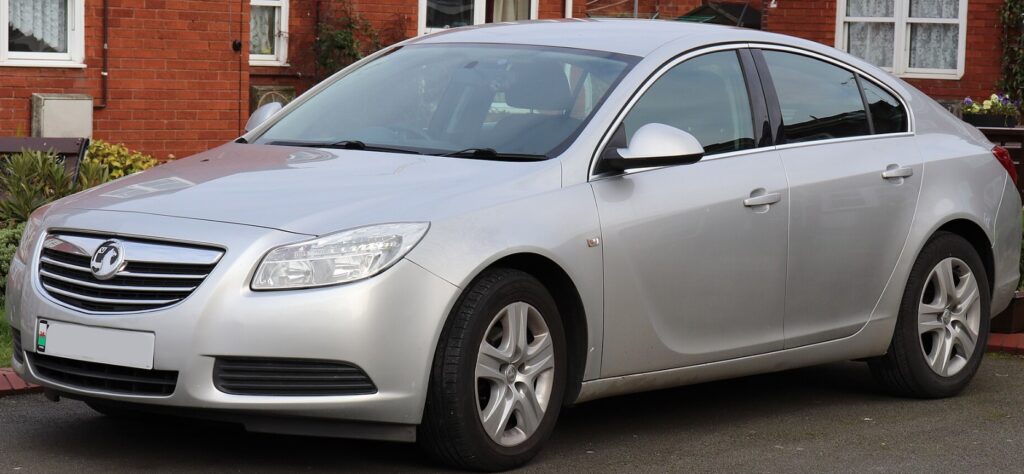
Choosing the right coolant for a Vauxhall Insignia sounds simple, doesn’t it? You pop the bonnet, see the coolant reservoir, buy something colourful from the shelf, pour it in, and carry on with life. Easy.
Well, not quite.
Coolant is one of those quiet heroes under the bonnet. It doesn’t shout like a noisy exhaust, flash like a dashboard warning light, or demand attention like a flat tyre. But when coolant is wrong, low, mixed badly, or ignored for too long, the engine can become a very expensive kettle.
So, what coolant for Vauxhall Insignia should we actually use? In most cases, a Vauxhall Insignia requires a long-life OAT coolant, commonly associated with GM/Vauxhall/Opel DEX-COOL-type antifreeze. Many Insignia models use orange, red, or pink long-life coolant, but colour alone is not enough. The specification matters more than the shade in the bottle.
Let’s walk through it properly, without making it feel like a chemistry lesson in a cold garage.
Content in this publication
- Understanding Coolant in a Vauxhall Insignia
- What Coolant Does a Vauxhall Insignia Need?
- Is Vauxhall Insignia Coolant Orange, Red, or Pink?
- What Is OAT Coolant?
- What Is DEX-COOL Coolant?
- Ready-Mixed vs Concentrated Coolant
- Can We Top Up a Vauxhall Insignia with Water?
- Where Does Coolant Go in a Vauxhall Insignia?
- How to Check Coolant Level on a Vauxhall Insignia
- Why Is My Vauxhall Insignia Losing Coolant?
- Can We Mix Coolants in a Vauxhall Insignia?
- How Much Coolant Does a Vauxhall Insignia Take?
- When Should Vauxhall Insignia Coolant Be Changed?
- Vauxhall Insignia Coolant Warning Light: What It Means
- Can Low Coolant Affect the Heater?
- Can Wrong Coolant Cause Overheating?
- Best Coolant for Vauxhall Insignia: What to Look For
- Coolant for Vauxhall Insignia Diesel Models
- Coolant for Vauxhall Insignia Petrol Models
- Should We Use Tap Water with Coolant Concentrate?
- How to Top Up Vauxhall Insignia Coolant Safely
- What If the Coolant Level Drops Again?
- Common Mistakes Owners Make with Vauxhall Insignia Coolant
- Vauxhall Insignia Coolant Quick Reference Guide
- Final Thoughts: Choosing the Right Coolant for a Vauxhall Insignia
- FAQs About What Coolant for Vauxhall Insignia
Understanding Coolant in a Vauxhall Insignia
Coolant is not just “water with colour.” It is a carefully blended fluid designed to regulate engine temperature, protect against freezing, prevent boiling, and reduce corrosion inside the cooling system.
In a Vauxhall Insignia, the cooling system has to deal with a lot. Whether we’re talking about a diesel Insignia 2.0 CDTi, a petrol turbo model, or a newer Insignia B, the engine produces serious heat. The coolant carries that heat away from the engine and sends it through the radiator, where it can cool down before circulating again.
Think of coolant as the engine’s bloodstream. If it is healthy, clean, and flowing correctly, everything works smoothly. If it is contaminated, weak, or missing, problems can spread fast.
Why Coolant Choice Matters
Using the wrong coolant can lead to:
- Internal corrosion
- Blocked radiator passages
- Water pump wear
- Heater problems
- Overheating
- Head gasket failure
- Sludge inside the expansion tank
- Poor winter freeze protection
That is why we should not treat coolant like screen wash. Screen wash is forgiving. Coolant is not.
What Coolant Does a Vauxhall Insignia Need?
For most Vauxhall Insignia models, the recommended coolant type is a long-life OAT antifreeze/coolant suitable for GM, Vauxhall, or Opel vehicles. This is often sold as DEX-COOL-compatible coolant.
The safest wording to look for on the bottle is something like:
- Suitable for Vauxhall/Opel vehicles
- Meets GM coolant requirements
- DEX-COOL compatible
- Long-life OAT antifreeze
- Ethylene glycol-based coolant
- Silicate-free organic acid technology
The exact coolant requirement may vary slightly depending on model year, engine, and market, so checking the owner’s manual or using the vehicle registration lookup at a reputable parts supplier is always wise.
The Simple Answer
If we want the simplest possible answer:
For a Vauxhall Insignia, use a high-quality long-life OAT coolant that is approved or listed as suitable for GM/Vauxhall/Opel applications, commonly DEX-COOL-type coolant.
That is the practical answer most owners need.
The Better Answer
The better answer is this:
Use the coolant specification recommended for your exact Insignia model, not just any coolant with a similar colour. If the current coolant is orange, red, or pink, do not assume every orange, red, or pink coolant is automatically safe. Match the specification first.
Coolant colour can be useful as a clue, but it is not a rulebook.
Is Vauxhall Insignia Coolant Orange, Red, or Pink?
Many Vauxhall Insignia models use orange, red, or pink long-life coolant. This often leads people to ask, “Can I just buy red antifreeze?” Not exactly.
Coolant colours are not fully standardised across brands. One manufacturer’s red coolant may not be chemically identical to another manufacturer’s red coolant. Some coolants are OAT, some are HOAT, some are silicated, and some are universal blends.
That means we should avoid shopping by colour alone.
Colour Helps, But Specification Wins
Here’s the golden rule:
Coolant colour helps identify what may already be in the system, but the coolant specification decides whether it belongs in the engine.
It is a bit like choosing oil. We would not buy engine oil just because the bottle is gold or black. We look for viscosity and approval. Coolant deserves the same respect.
What Is OAT Coolant?
OAT stands for Organic Acid Technology. It is a long-life coolant formula designed to protect modern cooling systems from corrosion without relying on older-style silicate-heavy additive packages.
Many GM, Vauxhall, and Opel vehicles have used OAT-style coolants for years. These coolants are often associated with long service intervals and are commonly sold as DEX-COOL-type antifreeze.
Why OAT Coolant Is Popular
OAT coolant is popular because it can offer:
- Long service life
- Good aluminium protection
- Reduced scale formation
- Compatibility with many modern engines
- Better corrosion resistance over time
Modern engines often use aluminium components, plastic tanks, rubber hoses, and mixed-metal cooling systems. The coolant has to protect all of these without becoming aggressive or unstable.
What Is DEX-COOL Coolant?
DEX-COOL is a GM-style long-life coolant technology commonly linked with orange OAT antifreeze. In everyday garage language, many people use “DEX-COOL” to describe the type of coolant often required by GM-related vehicles, including many Vauxhall and Opel models.
For a Vauxhall Insignia, a DEX-COOL-compatible coolant is usually the safe direction, provided it is listed as suitable for the exact vehicle.
Is DEX-COOL the Same as Any Orange Coolant?
No. This is where many owners get caught.
All DEX-COOL may be orange, but not all orange coolant is necessarily DEX-COOL-compatible. Some coolants have different inhibitor packages, and mixing incompatible coolant types can create sludge or reduce corrosion protection.
When in doubt, buy coolant that clearly says it is suitable for GM, Vauxhall, Opel, or DEX-COOL applications.
Ready-Mixed vs Concentrated Coolant
When buying coolant for a Vauxhall Insignia, we usually see two main options: ready-mixed coolant and concentrated antifreeze.
Ready-Mixed Coolant
Ready-mixed coolant is already diluted with water, usually at a 50/50 ratio. That means it can be poured straight into the expansion tank.
It is the easiest option for topping up.
Benefits include:
- No mixing required
- Lower risk of wrong dilution
- Convenient for emergency top-ups
- Ideal for most DIY owners
If we are topping up a small amount, ready-mixed coolant is usually the neatest solution.
Concentrated Antifreeze
Concentrated antifreeze must be mixed with deionised or distilled water before use. It should not normally be poured in neat unless the instructions specifically say so for a particular correction.
Benefits include:
- Better value for larger jobs
- Useful when flushing the system
- Allows custom freeze protection
- Suitable for full coolant changes
For most normal climates, a 50/50 mix of antifreeze concentrate and water is commonly used. That gives a good balance of freeze protection, boiling protection, and corrosion resistance.
Can We Top Up a Vauxhall Insignia with Water?
In an emergency, yes, we can top up with clean water to get home or reach a garage. But water should not be treated as a proper coolant replacement.
Water alone does not provide corrosion protection. It also freezes more easily and boils more easily than correct coolant mix.
If we top up with water in an emergency, we should later correct the coolant strength as soon as possible.
Emergency Water Top-Up Rules
If the coolant warning light comes on and no correct coolant is available:
- Let the engine cool fully.
- Do not open the cap while the system is hot.
- Add clean water only if needed.
- Drive gently and monitor temperature.
- Replace or rebalance the coolant mixture soon.
Water is a short-term rescue, not a long-term plan.
Where Does Coolant Go in a Vauxhall Insignia?
Coolant goes into the coolant expansion tank, also called the coolant reservoir. This is usually a translucent plastic tank under the bonnet with minimum and maximum level markings.
Do not pour coolant into the windscreen washer bottle, brake fluid reservoir, or oil filler. It sounds obvious, but mistakes happen, especially when someone is rushing.
How to Identify the Coolant Tank
The coolant tank normally has:
- A pressure cap
- MIN and MAX markings
- Coloured coolant visible inside
- Warning symbols about hot pressure
The cap may have a warning symbol because the cooling system becomes pressurised when hot. Opening it while hot can release steam and boiling coolant, which is dangerous.
How to Check Coolant Level on a Vauxhall Insignia
Checking coolant level is easy, but we need to do it safely.
Step-by-Step Coolant Check
- Park the car on level ground.
- Let the engine cool completely.
- Open the bonnet.
- Locate the coolant expansion tank.
- Check whether the coolant level sits between MIN and MAX.
- If low, top up with the correct coolant.
- Refit the cap securely.
The key point is checking it cold. Coolant expands when hot, so a hot reading can be misleading.
How Often Should We Check It?
A quick coolant check once a month is sensible. We should also check before long trips, before winter, and after any overheating warning.
Coolant does not normally disappear quickly. If we keep needing to top it up, something is wrong.
Why Is My Vauxhall Insignia Losing Coolant?
A Vauxhall Insignia that keeps losing coolant may have a leak, pressure issue, or internal engine problem. Small coolant loss can turn into a big repair if ignored.
Common Causes of Coolant Loss
Possible causes include:
- Leaking radiator
- Split coolant hose
- Loose hose clamp
- Faulty expansion tank cap
- Cracked expansion tank
- Water pump leak
- Thermostat housing leak
- Heater matrix leak
- EGR cooler leak on some diesel models
- Head gasket failure
Some leaks are obvious. Others hide like a fox in long grass.
Signs of a Coolant Leak
Look for:
- Sweet smell after driving
- Wet patches under the car
- Pink/orange crust around hoses
- Steam from the engine bay
- Coolant warning message
- Heater blowing cold air
- Engine temperature rising
- White smoke from exhaust
- Milky residue under oil cap
If coolant loss is repeated, topping up is not enough. We need to find the cause.
Can We Mix Coolants in a Vauxhall Insignia?
Ideally, no. We should avoid mixing coolant types unless the product clearly states compatibility.
Mixing different coolant technologies can reduce protection or create deposits. Sometimes nothing dramatic happens immediately, but the long-term result can still be poor.
What If We Do Not Know What Coolant Is Already Inside?
If the coolant history is unknown, the best option is usually a full drain and refill with the correct coolant.
That gives us a clean starting point.
A full flush may be useful if:
- The coolant looks rusty
- The expansion tank has sludge
- Different coolants were mixed
- The car was filled with water
- The heater is weak
- The coolant is overdue
- The car has unknown service history
How Much Coolant Does a Vauxhall Insignia Take?
Coolant capacity depends on engine type, model year, gearbox, radiator size, and whether the system is fully drained. A petrol Insignia and a diesel Insignia may not take exactly the same amount.
For a small top-up, we only add enough to bring the level between MIN and MAX. For a full coolant change, we should check the vehicle data, owner’s manual, workshop manual, or parts system.
Do Not Overfill the Tank
More coolant is not better. The expansion tank needs space because coolant expands as it heats.
Overfilling can cause coolant to escape through the overflow, making it look like the car has a leak when it may simply have been filled too high.
When Should Vauxhall Insignia Coolant Be Changed?
Long-life coolant lasts a long time, but not forever. Over time, corrosion inhibitors become weaker. The coolant may still look colourful, but its protection can fade.
The correct interval depends on the model and coolant type. Some long-life coolants are designed for extended service, but we should follow the service schedule for the exact vehicle.
When to Replace Coolant Early
Replace coolant sooner if:
- It looks brown or rusty
- It contains oil contamination
- It has floating particles
- It smells burnt
- The car has overheated
- The cooling system was repaired
- The wrong coolant was added
- The service history is unknown
Fresh coolant is cheap compared with a damaged engine.
Vauxhall Insignia Coolant Warning Light: What It Means
A coolant warning light or message should never be ignored. It may mean the coolant level is low, the engine is overheating, or the system has a sensor issue.
What to Do If the Coolant Warning Appears
If a coolant warning appears:
- Pull over safely if temperature rises.
- Turn off the engine.
- Let the car cool.
- Check coolant level when safe.
- Look for obvious leaks.
- Top up only if needed.
- Do not continue driving if it overheats again.
Driving an overheating Insignia can turn a simple leak into a head gasket repair. That is like ignoring a dripping tap until the kitchen ceiling falls in.
Can Low Coolant Affect the Heater?
Yes. Low coolant can cause the cabin heater to blow cold or inconsistent air. The heater matrix relies on hot coolant flowing through it. If the coolant level is low, air pockets can form, and the heater may stop working properly.
Heater Symptoms Linked to Coolant Problems
We may notice:
- Heater blowing cold at idle
- Heat only when driving fast
- Gurgling behind the dashboard
- Temperature gauge fluctuating
- Coolant level dropping
If the heater suddenly stops working and the coolant is low, do not just blame the climate control. Check the cooling system first.
Can Wrong Coolant Cause Overheating?
Wrong coolant can contribute to overheating, especially if it causes sludge, corrosion, poor flow, or radiator blockage. However, overheating can also come from a faulty thermostat, weak water pump, blocked radiator, airlock, cooling fan issue, or head gasket problem.
The coolant is one piece of the puzzle, but it is an important one.
Warning Signs After Adding Wrong Coolant
Watch for:
- Thick residue in expansion tank
- Brown or muddy coolant
- Rising temperature gauge
- Poor heater performance
- Repeated coolant loss
- Unusual pressure in hoses
If the coolant looks like a bad milkshake, stop guessing and get the system inspected.
Best Coolant for Vauxhall Insignia: What to Look For
The best coolant is not always the most expensive bottle on the shelf. It is the one that matches the required specification.
Buying Checklist
Before buying coolant for a Vauxhall Insignia, check that the product:
- Is suitable for Vauxhall/Opel/GM vehicles
- Is long-life OAT coolant
- Is DEX-COOL compatible where required
- Offers aluminium engine protection
- Is suitable for mixed-metal cooling systems
- Is either ready-mixed or correctly diluted
- Comes from a reputable brand
- Matches the owner’s manual specification
Avoid mystery coolant with vague claims. “Universal” can be fine if it clearly states compatibility, but we should still read the label carefully.
Coolant for Vauxhall Insignia Diesel Models
Diesel Insignia models, especially common 2.0 CDTi versions, still need correct long-life coolant. Diesel engines can generate heavy thermal loads, and some have additional cooling demands around EGR systems and turbochargers.
For diesel models, using the correct coolant is especially important because cooling system problems can affect more than just the radiator.
Diesel-Specific Things to Watch
On diesel Insignias, coolant loss may sometimes be linked to:
- EGR cooler issues
- Water pump leaks
- Thermostat housing leaks
- Radiator leaks
- Heater matrix problems
- Head gasket concerns
If a diesel Insignia loses coolant but no external leak is visible, it deserves a proper pressure test.
Coolant for Vauxhall Insignia Petrol Models
Petrol Insignia engines also need the correct OAT coolant. Turbocharged petrol engines produce plenty of heat, especially after motorway driving, hill climbing, or stop-start traffic.
The coolant helps manage engine temperature and protects the turbo-related cooling areas where applicable.
Petrol Model Advice
For petrol models:
- Use correct long-life OAT coolant
- Do not mix unknown antifreeze types
- Keep the level between MIN and MAX
- Investigate repeated coolant loss
- Replace old coolant on schedule
Petrol engines may be quieter about problems at first, but overheating can still cause serious damage.
Should We Use Tap Water with Coolant Concentrate?
It is better to use deionised or distilled water when mixing coolant concentrate. Tap water can contain minerals that may contribute to scale inside the cooling system.
A little emergency tap water is not the end of the world, but for proper mixing, deionised water is the smarter choice.
Best Practice Mixing Ratio
A common coolant mix is:
- 50% antifreeze concentrate
- 50% deionised water
This provides a balanced mix for freeze protection, boiling resistance, and corrosion protection.
Always follow the coolant bottle instructions.
How to Top Up Vauxhall Insignia Coolant Safely
Topping up coolant is simple, but safety matters.
Safe Top-Up Method
- Park on level ground.
- Let the engine cool completely.
- Open the bonnet.
- Slowly loosen the coolant cap only when cold.
- Add correct coolant to between MIN and MAX.
- Refit the cap firmly.
- Start the engine and monitor the warning light.
- Recheck level after the next drive when cold.
Do not open a hot coolant cap. Hot pressurised coolant can burn skin badly.
What If the Coolant Level Drops Again?
If the level drops again after topping up, there is likely a leak or internal issue. Coolant is not meant to be consumed like fuel.
Next Steps
If coolant keeps dropping:
- Check under the car after parking
- Inspect hoses and radiator edges
- Look around the expansion tank
- Check for damp carpets inside
- Watch for white exhaust smoke
- Book a cooling system pressure test
- Avoid long journeys until fixed
A pressure test can often reveal leaks that are invisible when the engine is cold.
Common Mistakes Owners Make with Vauxhall Insignia Coolant
Coolant mistakes are easy to make because the bottles look similar and advice online can be messy.
Mistakes to Avoid
Avoid these:
- Buying coolant by colour only
- Mixing unknown coolant types
- Using water as a permanent solution
- Overfilling the expansion tank
- Ignoring repeated coolant loss
- Opening the cap when hot
- Using old coolant from an unlabelled bottle
- Assuming all “universal” coolant is suitable
- Delaying repairs after overheating
Cooling systems reward patience and punish shortcuts.
Vauxhall Insignia Coolant Quick Reference Guide
Here is a practical summary:
Recommended Coolant Type
Use long-life OAT coolant suitable for GM/Vauxhall/Opel applications, commonly DEX-COOL-compatible.
Common Coolant Colour
Often orange, red, or pink, depending on brand and what is already in the system.
Best Top-Up Option
Ready-mixed compatible coolant is easiest for small top-ups.
Best Full Change Option
Correct concentrate mixed with deionised water, or a full ready-mixed coolant refill.
Avoid
Avoid mixing coolant types, using plain water long-term, or choosing coolant only by colour.
Final Thoughts: Choosing the Right Coolant for a Vauxhall Insignia
So, what coolant for Vauxhall Insignia should we use? The practical answer is a long-life OAT coolant suitable for GM/Vauxhall/Opel vehicles, commonly DEX-COOL-compatible. That is the lane we want to stay in.
But the clever answer is even better: match the coolant to the official specification for your exact engine and model year. Coolant colour can guide us, but specification should lead the way.
The Vauxhall Insignia is a comfortable, capable car, but like every modern vehicle, it depends on the right fluids. Coolant may not be glamorous, but it protects the engine every mile we drive. Treat it properly, and it quietly does its job. Ignore it, mix it badly, or let it run low, and it can become the beginning of a very expensive story.
When in doubt, check the manual, buy a reputable compatible coolant, and never ignore coolant loss. A few minutes under the bonnet can save us from a repair bill that hits like a brick through a window.
FAQs About What Coolant for Vauxhall Insignia
1. What coolant should I use in a Vauxhall Insignia?
Most Vauxhall Insignia models require a long-life OAT coolant suitable for GM, Vauxhall, or Opel vehicles. Many suitable products are DEX-COOL-compatible. Always check the owner’s manual or product compatibility for your exact model.
2. Can I use red coolant in my Vauxhall Insignia?
You can use red coolant only if it meets the correct specification. Do not choose coolant by colour alone. Red, orange, and pink coolants can have different formulas, so always check that it is suitable for GM/Vauxhall/Opel applications.
3. Can I mix coolant types in my Vauxhall Insignia?
It is best not to mix coolant types. Mixing incompatible coolants can reduce protection or create sludge. If you do not know what coolant is already in the car, consider a full drain and refill with the correct coolant.
4. Why does my Vauxhall Insignia keep losing coolant?
Repeated coolant loss may be caused by a leaking hose, radiator, expansion tank, water pump, thermostat housing, heater matrix, EGR cooler, or head gasket issue. If the level keeps dropping, the cooling system should be inspected.
5. Can I drive my Vauxhall Insignia with low coolant?
Driving with low coolant is risky. It can cause overheating and serious engine damage. If the warning light appears, stop safely, let the engine cool, check the level, and top up with correct coolant if needed. If it keeps dropping, do not ignore it.
If you want to know other articles similar to What Coolant for Vauxhall Insignia? The Complete Guide for Choosing, Topping Up, and Avoiding Costly Mistakes you can visit the category Service and Parts.
Volvo S90 Engine Oil: Type, Capacity & Change Guide
Volvo S90 Boot Space: Size, Capacity and Practicality
SEO Title: Volvo S90 Oil Capacity: Complete Guide by Engine

Kia Sorento Oil Type: Complete Guide by Year & Engine
Kia Sorento Engine Capacity: Complete Guide by Year
Peugeot 308 Clutch Replacement Cost: Complete UK Guide for 2026
Leave a Reply
More content of your interest