
Kia Rio vs Picanto: Which Small Kia Makes More Sense?

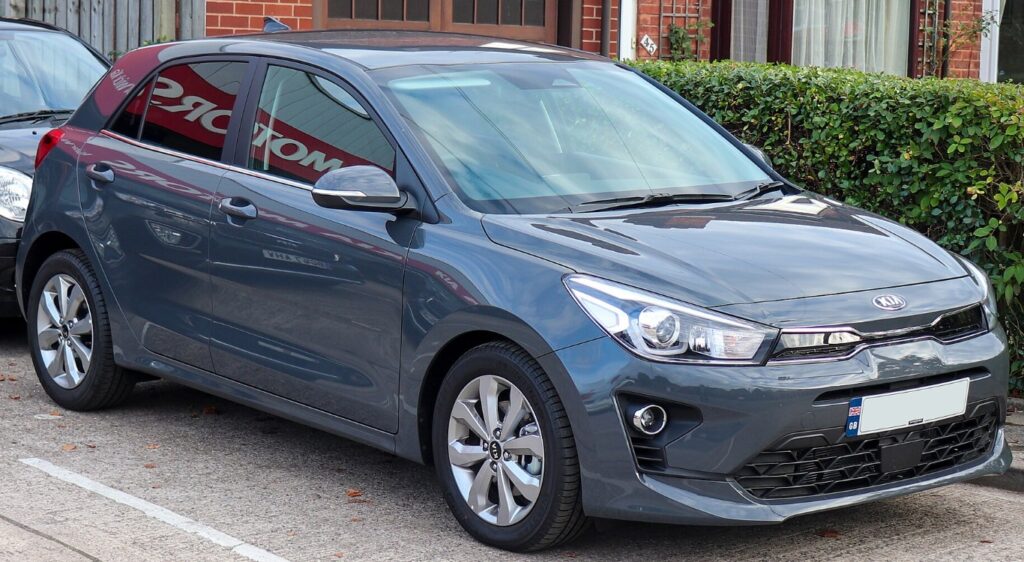
When we compare the Kia Rio vs Picanto, we are not just comparing two small cars with the same badge on the bonnet. We are comparing two different ways of living with a car. The Rio feels like the small hatchback that wants to grow up a little. The Picanto, meanwhile, is the cheeky city car that knows exactly what it is and does not pretend to be anything else.
And honestly, that is what makes this comparison interesting.
Both cars appeal to drivers who want something affordable, easy to run, simple to park, and friendly enough for daily life. But they do not serve the exact same person. The Kia Rio is more spacious, more mature, and better suited to longer drives. The Kia Picanto is smaller, lighter, more urban, and easier to squeeze into tight city spaces. One feels like a compact all-rounder. The other feels like a smart little pocket tool.
So, which one should we choose? Let’s break it down properly.
Content in this publication
- Kia Rio vs Picanto: Quick Comparison
- What Is the Kia Rio?
- What Is the Kia Picanto?
- Kia Rio vs Picanto Size: The First Big Difference
- Kia Rio vs Picanto Design: Mature vs Playful
- Interior Quality: Which Cabin Feels Better?
- Passenger Space: Can Adults Fit Comfortably?
- Boot Space: Kia Rio vs Picanto Cargo Room
- Driving Experience: Which One Feels Better on the Road?
- Engine Performance: Is the Rio More Powerful?
- Fuel Economy: Which One Is Cheaper to Run?
- Comfort: Which Kia Is Easier to Live With?
- Technology and Infotainment
- Safety: Kia Rio vs Picanto
- Reliability: Are Both Cars Dependable?
- Maintenance Costs: Which One Is Cheaper?
- Kia Rio vs Picanto for First-Time Drivers
- Kia Rio vs Picanto for Families
- Kia Rio vs Picanto for City Driving
- Kia Rio vs Picanto for Long Drives
- Used Kia Rio vs New Kia Picanto
- Resale Value: Which One Holds Up Better?
- Kia Rio vs Picanto: Pros and Cons
- Which Car Should We Buy?
- Final Verdict: Kia Rio vs Picanto
- FAQs About Kia Rio vs Picanto
Kia Rio vs Picanto: Quick Comparison
Before we dive deep, let’s put the two cars side by side.
| Category | Kia Rio | Kia Picanto |
|---|---|---|
| Car type | Supermini / subcompact hatchback | City car |
| Best for | Small families, commuters, longer trips | City drivers, first-time buyers, short trips |
| Boot space | Around 325 litres | Around 255 litres |
| Driving feel | More stable and grown-up | Lighter and easier in traffic |
| Parking ease | Good | Excellent |
| Rear seat space | Better | More limited |
| Running costs | Low | Very low |
| New availability | Discontinued in some markets | Still sold new in several markets |
| Personality | Practical and sensible | Compact and playful |
The Rio is the better “one car for everything” option. The Picanto is the better “city life made easy” option.
What Is the Kia Rio?
The Kia Rio is a small hatchback that sits above the Picanto in size. It has traditionally competed with cars like the Ford Fiesta, Hyundai i20, Toyota Yaris, Renault Clio, and Volkswagen Polo.
The Rio’s appeal is simple: it gives us small-car running costs without feeling too tiny. It has enough cabin space for daily family use, enough boot space for shopping or weekend bags, and enough comfort for motorway driving. It is not flashy, but it is useful. Think of it like a reliable backpack: not glamorous, but always there when we need it.
In many markets, the Rio has now shifted more toward the used-car conversation because Kia has moved attention toward crossovers, electrified models, and newer compact alternatives. That means the Rio can be attractive if we are shopping used and want strong value.
What Is the Kia Picanto?
The Kia Picanto is Kia’s smallest mainstream car. It is a proper city car designed for narrow streets, supermarket car parks, school runs, short commutes, and drivers who do not want a car that feels bigger than their life.
It competes with cars like the Hyundai i10, Toyota Aygo X, Fiat 500, Volkswagen Up, and Suzuki Celerio in different markets. The Picanto is not trying to be a long-distance cruiser. It is trying to make everyday driving simple.
Its biggest strengths are compact dimensions, low running costs, good visibility, and surprisingly modern equipment for its size. In newer versions, features like touchscreen infotainment, smartphone connectivity, reversing camera systems, lane assistance, and safety tech make it feel much less basic than old city cars used to feel.
Kia Rio vs Picanto Size: The First Big Difference
Size is where this comparison really begins.
The Kia Rio is larger than the Picanto. That means it offers more room for passengers, more boot capacity, and a more planted feel on faster roads. The Picanto is shorter and narrower, which makes it easier to park and easier to manage in crowded streets.
If we drive mostly in tight urban areas, the Picanto feels like a fish in water. It slips through gaps, parks with less drama, and never feels like a burden. If we regularly carry passengers or luggage, the Rio starts to make more sense.
Why Size Matters in Real Life
It is easy to look at dimensions and think, “A few centimetres cannot matter that much.” But in daily driving, they do.
A smaller car helps when:
- We park on narrow streets.
- We drive in heavy city traffic.
- We have a small garage.
- We are a new driver building confidence.
- Fuel and maintenance costs are top priorities.
A larger small car helps when:
- We carry adults in the back.
- We travel on highways or motorways.
- We need more boot space.
- We want a calmer ride.
- We use one car for many different jobs.
The Picanto wins the city game. The Rio wins the versatility game.
Kia Rio vs Picanto Design: Mature vs Playful
The Kia Rio looks more grown-up. It has the proportions of a regular hatchback, with a longer body, wider stance, and more substantial road presence. It does not scream for attention. Instead, it gives off a practical, sensible, everyday vibe.
The Picanto is more playful. Because it is smaller, it has a cheekier shape. Higher trims, especially GT-Line-style versions in some markets, can look surprisingly sporty. It is the kind of car that can wear bright colors well without looking silly.
Which One Looks Better?
That depends on what we like.
If we want a car that looks more mature, the Rio is probably more appealing. If we want something fun, youthful, and easygoing, the Picanto has more charm.
The Rio dresses like it has an office job. The Picanto dresses like it is going out for coffee on a Saturday morning.
Interior Quality: Which Cabin Feels Better?
Inside, the Kia Rio generally feels like the more substantial car. There is more space across the cabin, the driving position feels more relaxed, and the dashboard layout usually feels closer to a traditional family hatchback.
The Picanto is smaller, so naturally, it feels narrower. But modern Picanto models do a good job of avoiding that “cheap little car” feeling. The cabin is simple, but it can still feel smart, especially with newer infotainment and better trim options.
Rio Interior Strengths
The Kia Rio usually gives us:
- More shoulder room.
- Better rear passenger space.
- A more relaxed driving position.
- A bigger boot.
- A more stable feel at higher speeds.
Picanto Interior Strengths
The Kia Picanto usually gives us:
- Easier visibility.
- Simple controls.
- A compact dashboard.
- Smart use of space.
- A cheerful city-car atmosphere.
The Rio feels more grown-up. The Picanto feels more efficient.
Passenger Space: Can Adults Fit Comfortably?
This is one of the most important parts of the Kia Rio vs Picanto debate.
The Rio is better for passengers. Adults can fit more comfortably in the back, and the cabin feels less cramped on longer journeys. It is still a small car, of course, but it gives us more breathing room.
The Picanto can carry four adults for short trips, but it is not ideal if rear passengers are a regular part of our life. Kids will be fine. Adults can manage. Tall adults may complain. That is just the reality of a city car.
Best Choice for Families
If we have small children, both cars can work. But if we need rear seats often, the Rio is the safer bet. It has more flexibility and feels less like we are asking a tiny car to do a big-car job.
For a single driver, couple, student, or city commuter, the Picanto makes more sense.
Boot Space: Kia Rio vs Picanto Cargo Room
The Kia Rio has a clear advantage in boot space. Official Kia UK specification data listed the Rio hatchback with 325 litres of luggage capacity with the rear seats upright. The Picanto specification lists 255 litres with the rear seats upright in the referenced official data. That difference matters when we are loading groceries, backpacks, a folded stroller, sports gear, or weekend luggage.
The Picanto’s boot is useful for a city car, but it is still a city-car boot. It handles daily errands well, but it can feel limited if we regularly travel with luggage.
Which Boot Is Better for Daily Life?
The Rio is better if we need:
- Weekly grocery shopping space.
- Weekend trip luggage room.
- Family gear.
- More flexible cargo capacity.
- A car that can handle occasional longer journeys.
The Picanto is fine if we mainly carry:
- Small shopping bags.
- A gym bag.
- A backpack.
- A laptop bag.
- Light everyday cargo.
The Rio gives us more “just in case” space. The Picanto gives us “just enough” space.
Driving Experience: Which One Feels Better on the Road?
The Rio feels more stable and more composed. On faster roads, it has the advantage because it is larger and heavier. It does not feel like a big car, but it does feel more settled than the Picanto.
You may be interested in reading Kia Rio vs Ford Fiesta: Which Small Car Makes More Sense?
The Picanto feels lighter and more agile around town. It is easy to turn, easy to place, and easy to control at low speeds. In city traffic, that lightness becomes a gift.
City Driving
In the city, the Picanto shines. It feels made for stop-start traffic, quick parking, and narrow lanes. It is the kind of car that makes urban driving feel less stressful.
The Rio is still easy to drive in town, but it does not feel quite as tiny or nimble.
Highway Driving
On highways or motorways, the Rio is more comfortable. It feels more confident at higher speeds, and the larger cabin makes longer trips less tiring.
The Picanto can handle faster roads, but it is not where it feels happiest. Push it into long motorway use every day, and we may start wishing for the Rio.
Engine Performance: Is the Rio More Powerful?
Generally, yes. The Kia Rio has usually offered stronger engine options than the Picanto, depending on market and model year. The Picanto focuses more on economy and simplicity, while the Rio is better suited to mixed driving.
That does not mean the Picanto is bad. Around town, we do not need huge power. In fact, a small engine can feel perfectly fine when the car itself is light. But when we add passengers, luggage, hills, or motorway speeds, the Rio’s extra muscle becomes noticeable.
Which One Is Faster?
The Rio is usually quicker and more relaxed when accelerating. The Picanto is more modest, especially with smaller naturally aspirated engines.
If we want a car that can overtake with less effort, choose the Rio. If we just need easy urban movement, the Picanto is enough.
Fuel Economy: Which One Is Cheaper to Run?
Both cars are economical, but the Picanto often has the edge in low-speed city driving because it is smaller and lighter. The Rio can still be very efficient, especially with the right engine, but it has more weight to move.
However, fuel economy depends heavily on engine, gearbox, driving style, traffic, tyres, maintenance, and road conditions. A carefully driven Rio can be cheaper to run than a badly driven Picanto.
Running Cost Reality
The Picanto usually wins for:
- Fuel use in city driving.
- Tyre costs.
- Parking convenience.
- Insurance in many cases.
- Low-cost urban ownership.
The Rio may be better value if:
- Used prices are attractive.
- We need one car for everything.
- We do more highway driving.
- We want more space without jumping to an SUV.
The Picanto is cheaper to live with. The Rio may be better value overall.
Comfort: Which Kia Is Easier to Live With?
Comfort is not only about soft seats. It is about how tired we feel after driving.
The Rio is more comfortable for longer journeys because it gives us more space, better stability, and a more substantial ride. It feels less busy on uneven roads and less exposed at higher speeds.
The Picanto is comfortable enough for its size, but city cars naturally have limits. On rough roads, it may feel more bouncy. On long trips, the smaller cabin and shorter wheelbase can make it feel less relaxed.
Daily Comfort Winner
For short city journeys, the Picanto is perfectly comfortable.
For mixed driving, longer commutes, or family use, the Rio wins.
Technology and Infotainment
Modern Picanto models have become surprisingly well-equipped. Depending on trim and market, we can find features like an 8-inch touchscreen, Apple CarPlay, Android Auto, Bluetooth, USB connections, a driver display screen, and Kia Connect services.
The Rio, depending on model year and trim, can also offer useful infotainment and convenience features. But because many Rio models are now used-car choices in several markets, equipment depends heavily on the exact year and version.
Tech Buying Tip
When comparing a used Rio with a newer Picanto, do not assume the Rio has better equipment just because it is larger. A newer Picanto may have more modern tech than an older Rio.
Check for:
- Apple CarPlay and Android Auto.
- Reversing camera.
- Parking sensors.
- Cruise control.
- Bluetooth.
- USB-C or USB ports.
- Touchscreen size.
- Driver assistance systems.
Small cars have changed. A new city car can feel more modern than an older supermini.
Safety: Kia Rio vs Picanto
Safety depends on model year, market, trim, and equipment. The Rio’s larger size gives it a natural advantage in some real-world situations, but the Picanto can offer modern safety systems on newer versions.
Newer Picanto equipment can include features such as lane keep assist, lane follow assist, reversing camera systems, rear parking sensors, intelligent speed limit assist, forward collision-avoidance assist, and other driver assistance features depending on trim and region.
The Rio may have strong basic safety credentials too, but used versions vary. Some older models may lack newer active safety technology.
Safety Advice
When buying either car, we should check the exact car, not just the name.
Look for:
- Number of airbags.
- Electronic stability control.
- Autonomous emergency braking.
- Lane assistance.
- Blind-spot assistance.
- Reversing camera.
- Parking sensors.
- Tyre pressure monitoring.
- ISOFIX points.
The best safety choice may be a newer Picanto over an older Rio, or a well-equipped Rio over a basic Picanto.
Reliability: Are Both Cars Dependable?
Kia has built a strong reputation for reliability and long warranties in many markets. Both the Rio and Picanto are generally known as sensible, durable small cars when maintained properly.
The Rio’s advantage is that it may feel more robust for regular longer-distance use. The Picanto’s advantage is mechanical simplicity and low-cost maintenance.
Common Ownership Checks
Before buying, especially used, check:
- Full service history.
- Clutch condition on manual cars.
- Gearbox smoothness.
- Suspension noises.
- Brake wear.
- Tyre condition.
- Warning lights.
- Air conditioning.
- Infotainment functions.
- Accident history.
A cheap small car is only cheap if it has been cared for. A neglected bargain can become an expensive headache wearing a friendly smile.
Maintenance Costs: Which One Is Cheaper?
The Picanto will usually be cheaper to maintain. It tends to use smaller tyres, smaller brakes, and smaller engines. Insurance may also be lower, depending on driver profile and market.
The Rio is still affordable, but it may cost slightly more for tyres, servicing, and certain parts. That is normal because it is a bigger car.
Picanto Maintenance Advantages
The Picanto is attractive for drivers who want:
- Low tyre costs.
- Low fuel bills.
- Simple servicing.
- Easy parking.
- Lower urban ownership costs.
Rio Maintenance Advantages
The Rio is attractive for drivers who want:
- Better practicality.
- More comfort.
- More space.
- Better long-distance usability.
- Strong used-car value.
The Picanto saves money. The Rio gives more car.
Kia Rio vs Picanto for First-Time Drivers
For first-time drivers, the Picanto is probably the easier choice. It is smaller, easier to park, and less intimidating. It also encourages confidence because the driver can understand the car’s corners quickly.
You may be interested in readingKia Rio vs Ford Fiesta: Which Small Car Makes More Sense?You may be interested in reading
Kia Rio vs Skoda Fabia: Which Small Hatchback Makes More Sense?The Rio is still a good first car, especially for someone who needs more space or expects to drive on faster roads regularly. But for pure beginner friendliness, the Picanto wins.
Best First Car Choice
Choose the Picanto if we want:
- Easy parking.
- Simple controls.
- Low running costs.
- City-friendly size.
- Less stress behind the wheel.
Choose the Rio if we want:
- More room.
- More road confidence.
- Better long-trip comfort.
- A car we can keep longer as needs grow.
Kia Rio vs Picanto for Families
For families, the Rio is the better choice. It has more passenger room, more boot space, and better flexibility. If we have children, shopping, school bags, and weekend plans, the Rio simply gives us more breathing room.
The Picanto can work for a small family in the city, especially as a second car. But as the main family vehicle, it may feel tight.
Family Verdict
The Rio is better as a primary small family car.
The Picanto is better as a second household car or urban runabout.
Kia Rio vs Picanto for City Driving
This is Picanto territory.
The Picanto is easier to park, easier to thread through traffic, and easier to drive in crowded areas. It feels light on its feet, like a little scooter with doors and air conditioning.
The Rio is still compact, but the Picanto has the urban edge.
City Winner
The Picanto wins if our life includes:
- Tight parking.
- Narrow streets.
- Short commutes.
- Heavy traffic.
- Low-speed driving.
- Small garages.
It is hard to beat a city car in the city. That is its home ground.
Kia Rio vs Picanto for Long Drives
The Rio wins here.
Long drives expose the Picanto’s limitations. It can do the job, but the Rio does it with less effort. The larger cabin, stronger road presence, and better cargo space make the Rio more suitable for weekend trips and regular highway use.
Long-Distance Winner
Choose the Rio if we regularly drive:
- On motorways.
- Between cities.
- With passengers.
- With luggage.
- At higher speeds.
The Rio feels like it has taken a deeper breath. The Picanto feels like it is trying harder.
Used Kia Rio vs New Kia Picanto
This is one of the most realistic buying decisions today.
In some markets, we may be choosing between a used Kia Rio and a new or nearly new Kia Picanto. That changes the comparison.
A used Rio may give us more car for the money. More space, more power, more comfort. But it may also come with mileage, wear, older tech, and less remaining warranty.
A new Picanto gives us freshness, modern safety features, updated infotainment, and stronger peace of mind. But it is smaller and less versatile.
Used Rio Makes Sense If
- We need more space.
- We do longer trips.
- We find a clean example.
- The price is attractive.
- Service history is complete.
- We do not mind older tech.
New Picanto Makes Sense If
- We want warranty coverage.
- We mostly drive in town.
- We want modern features.
- We prefer low ownership costs.
- We do not need much rear-seat space.
- We want an easy first car.
This is not just a car comparison. It is a lifestyle comparison.
Resale Value: Which One Holds Up Better?
Resale value depends on market demand, condition, mileage, fuel type, trim, and availability.
The Picanto may remain attractive because affordable city cars are becoming less common in some regions. When small, cheap new cars disappear, clean used examples can become surprisingly desirable.
The Rio may also hold value well if buyers want a practical small hatchback and cannot find many good alternatives. However, discontinued models can be a double-edged sword. Some buyers like them for value; others worry about future support or prefer newer models.
Resale Buying Tip
The best resale choice is usually:
- A popular color.
- Good service history.
- Sensible mileage.
- No accident record.
- Desirable trim.
- Clean interior.
- Good tyres.
- Working tech.
Condition beats badge. Always.
Kia Rio vs Picanto: Pros and Cons
Kia Rio Pros
- More spacious cabin.
- Bigger boot.
- Better for longer drives.
- More stable on highways.
- Better for small families.
- More mature driving feel.
- Strong used-car value.
Kia Rio Cons
- Less easy to park than Picanto.
- May not be available new in some markets.
- Older used examples vary in equipment.
- Slightly higher running costs.
- Less playful in the city.
Kia Picanto Pros
- Excellent city car.
- Very easy to park.
- Low running costs.
- Modern tech on newer models.
- Great for first-time drivers.
- Fun, compact personality.
- Still available new in several markets.
Kia Picanto Cons
- Smaller boot.
- Less rear-seat space.
- Not as relaxed on highways.
- Limited for family use.
- Less powerful engine options.
Which Car Should We Buy?
The simplest answer is this:
Buy the Kia Rio if we need more space, better comfort, and a car that can handle city driving, commuting, shopping, family duties, and longer trips without feeling stretched.
Buy the Kia Picanto if we mostly drive in the city, want the lowest running costs, need easy parking, and prefer a newer small car with modern features.
The Rio is the better all-rounder. The Picanto is the better city specialist.
Best Choice by Driver Type
| Driver Type | Better Choice |
| First-time driver | Kia Picanto |
| Small family | Kia Rio |
| City commuter | Kia Picanto |
| Highway commuter | Kia Rio |
| Budget buyer | Depends on used prices |
| New-car buyer | Kia Picanto |
| Used-car buyer | Kia Rio |
| Student | Kia Picanto |
| Couple with occasional trips | Kia Rio |
| Second household car | Kia Picanto |
Final Verdict: Kia Rio vs Picanto
The Kia Rio vs Picanto comparison comes down to one big question: do we want more car, or do we want less hassle?
The Kia Rio gives us more space, more comfort, more luggage room, and a more confident feel outside the city. It is the better choice if we need one small car to do almost everything. It feels practical, sensible, and grown-up.
The Kia Picanto gives us lower costs, easier parking, newer availability, and a wonderfully simple city-driving experience. It is the better choice if we want a small car that makes urban life easier instead of more complicated.
So, which one wins?
For all-round practicality, the Kia Rio wins.
For city driving and low-cost ownership, the Kia Picanto wins.
Our honest pick? If we can only have one car and need flexibility, we would lean toward the Rio. But if our life is mostly urban and we want something easy, affordable, and cheerful, the Picanto is a little gem.
FAQs About Kia Rio vs Picanto
Is the Kia Rio bigger than the Kia Picanto?
Yes, the Kia Rio is bigger than the Kia Picanto. It offers more passenger space, more boot capacity, and a more stable feel on faster roads. The Picanto is smaller and easier to park, making it better suited to city driving.
Which is better, Kia Rio or Picanto?
The Kia Rio is better if we need more space, comfort, and practicality. The Kia Picanto is better if we want lower running costs, easier parking, and a compact car for city use. The better choice depends on how and where we drive.
Is the Kia Picanto good for long drives?
The Kia Picanto can handle long drives, but it is not its strongest area. It is mainly designed for city and short-distance driving. For regular highway trips, the Kia Rio is usually more comfortable and relaxed.
You may be interested in readingKia Rio vs Ford Fiesta: Which Small Car Makes More Sense?You may be interested in reading
Kia Rio vs Skoda Fabia: Which Small Hatchback Makes More Sense?You may be interested in reading
Kia Rio vs VW Polo: Which Small Hatchback Makes More Sense?Is the Kia Rio good as a family car?
Yes, the Kia Rio can work well as a small family car. It has more rear-seat space and a larger boot than the Picanto, making it more practical for school runs, shopping, and weekend use.
Which is cheaper to run, Kia Rio or Picanto?
The Kia Picanto is usually cheaper to run because it is smaller, lighter, and often uses smaller tyres and simpler engines. However, actual costs depend on fuel prices, insurance, maintenance history, driving style, and the specific model.
If you want to know other articles similar to Kia Rio vs Picanto: Which Small Kia Makes More Sense? you can visit the category Models.
Kia Rio vs Toyota Yaris: Which Small Car Makes More Sense?
Kia Rio vs Hyundai i20: Which Small Hatchback Makes More Sense?
Kia Rio or Similar UK: The Smart Buyer’s Guide to Small Cars That Still Make Sense
Kia Rio vs Hyundai i10: Which Small Car Makes More Sense?
Kia Rio vs Renault Clio: Which Small Hatchback Makes More Sense?
Kia Rio vs VW Polo: Which Small Hatchback Makes More Sense?
Leave a Reply
More content of your interest