
Kia Rio vs Hyundai i20: Which Small Hatchback Makes More Sense?

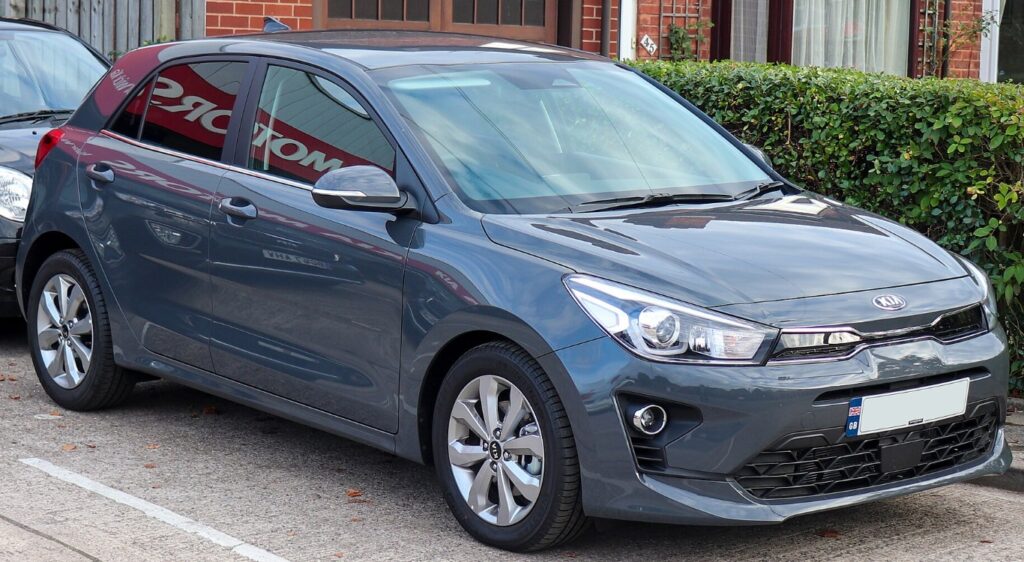
When we compare the Kia Rio vs Hyundai i20, we are not just putting two small hatchbacks side by side. We are comparing two close Korean rivals built for people who want sensible running costs, easy parking, decent comfort, and enough personality to avoid feeling like they bought an appliance on wheels.
But here is the interesting twist: the Hyundai i20 feels like the more modern and expressive option, while the Kia Rio has become more of a practical used-car favorite in many markets. That changes the conversation. This is not only about which car looks better on paper. It is about which one fits real life better today.
So, let’s grab the keys, open the doors, check the boot, poke the dashboard buttons, and see where each car shines.
Content in this publication
- Kia Rio vs Hyundai i20: Quick Overview
- Design Comparison: Calm Rio or Bold i20?
- Interior Quality and Cabin Feel
- Space and Practicality
- Dimensions: Which Car Is Easier to Park?
- Engine Options and Performance
- Fuel Economy and Running Costs
- Reliability: Which One Feels Safer Long-Term?
- Safety and Driver Assistance
- Technology and Infotainment
- Driving Experience in the City
- Highway Comfort and Longer Trips
- Kia Rio vs Hyundai i20 for Families
- Kia Rio vs Hyundai i20 for First-Time Drivers
- Used Kia Rio vs Used Hyundai i20
- Ownership Experience
- Resale Value and Market Appeal
- Kia Rio vs Hyundai i20: Pros and Cons
- Head-to-Head Comparison Table
- Which Car Should We Choose?
- Final Verdict: Kia Rio vs Hyundai i20
- FAQs About Kia Rio vs Hyundai i20
Kia Rio vs Hyundai i20: Quick Overview
The Kia Rio is the more traditional choice. It has always been the kind of hatchback that says, “I’m here to do the job properly.” It is simple, reliable-feeling, affordable to run, and refreshingly easy to understand. No drama. No unnecessary theatre.
The Hyundai i20, meanwhile, feels like the more modern sibling. It leans harder into design, technology, comfort, and safety features. The i20 often feels sharper, fresher, and more confident, especially in newer versions.
In simple terms:
- Choose the Kia Rio if we want value, simplicity, and a strong used-car option.
- Choose the Hyundai i20 if we want newer tech, sharper styling, and a more current small hatchback experience.
Design Comparison: Calm Rio or Bold i20?
Kia Rio Exterior Styling
The Kia Rio has never tried to be outrageous. It looks neat, tidy, and quietly confident. Think of it like a clean white shirt: not loud, not risky, but always acceptable.
Its front end is compact, its lines are simple, and its proportions are easy on the eye. It is not the kind of car that makes people stop mid-coffee and stare, but that is part of the appeal. The Rio is for buyers who prefer understated style over visual fireworks.
On the used market, this helps. A Rio from a few years ago can still look fresh because it was never overdesigned in the first place.
Hyundai i20 Exterior Styling
The Hyundai i20 takes a bolder route. It has sharper creases, a wider-looking stance, and a more aggressive face. Compared with the Rio, the i20 feels like it spent more time in the gym and bought better sneakers.
The i20’s design is one of its strongest selling points. It feels less “budget hatchback” and more “small car with attitude.” That matters because small cars are often emotional purchases too. We still want something that makes us smile when we walk toward it in a parking lot.
Design Verdict
The Kia Rio is cleaner and more conservative. The Hyundai i20 is more expressive and modern. If we want timeless simplicity, Rio works. If we want a car that looks newer and sharper, i20 wins.
Interior Quality and Cabin Feel
Kia Rio Interior
Inside, the Kia Rio keeps things simple. The dashboard layout is usually logical, the controls are easy to find, and visibility is good. It does not feel like a spaceship, and honestly, that can be a good thing.
The Rio’s cabin is practical rather than flashy. Materials are typically hard-wearing, which matters if the car will be used for commuting, school runs, city errands, and weekend shopping. This is the kind of interior that says, “Use me. I can take it.”
Older Rio models may feel less digital than newer rivals, but many buyers will appreciate that. Sometimes, having normal buttons is better than tapping through menus while trying to change the fan speed.
Hyundai i20 Interior
The Hyundai i20 feels more modern, especially in newer versions. The dashboard design is more sculpted, the infotainment experience is usually stronger, and the overall cabin has a more youthful tone.
Depending on trim and market, the i20 may offer features like larger screens, digital displays, wireless phone functions, connected tech, and advanced driver assistance equipment.
The result is a cabin that feels more up-to-date. It is the kind of small car interior that tries to make us forget we are driving something compact.
Interior Verdict
The Rio is simple, durable, and easy to live with. The i20 feels newer, more stylish, and more tech-friendly. For cabin experience, the i20 has the edge.
Space and Practicality
Passenger Space
Both cars are small hatchbacks, so we should not expect limousine levels of legroom. Still, they are more practical than their compact size suggests.
The Kia Rio works well for front passengers and occasional rear passengers. Adults can fit in the back, but tall passengers may prefer shorter trips. The Hyundai i20 feels slightly more grown-up in terms of width and cabin packaging, especially in newer versions.
Boot Space
Boot space matters more than we admit. Groceries, backpacks, sports gear, airport bags — life always finds a way to fill a hatchback.
The Kia Rio usually offers a practical boot for everyday errands. The Hyundai i20 often has a small advantage in luggage capacity, depending on the market and model year. That difference may not sound dramatic, but when we are loading shopping bags, a stroller, or a weekend suitcase, every litre helps.
Practicality Verdict
Both cars are practical enough for daily life. The Hyundai i20 feels slightly more spacious and often has a small boot-space advantage. The Kia Rio remains very usable, especially as a city hatchback.
Dimensions: Which Car Is Easier to Park?
The Kia Rio is compact and easy to handle in tight spaces. It feels natural in the city, especially when parking on narrow streets or squeezing through busy traffic.
The Hyundai i20 is also city-friendly, but it usually feels a bit wider and more planted. That gives it a more confident stance on the road, although the Rio can feel slightly easier in very tight spaces.
What does that mean in plain English? Both are easy to park, but the Rio may feel slightly simpler in older urban areas, while the i20 may feel more stable and mature.
Engine Options and Performance
Kia Rio Performance Feel
The Kia Rio is not a hot hatch, and it never pretends to be. Its engines are usually tuned for economy, smooth city driving, and low running costs.
Around town, the Rio feels light and manageable. It is easy to drive, easy to place, and easy to trust. On highways, it can cruise comfortably, but we should not expect explosive overtaking power. It is more “steady jog” than “sprint finish.”
This is perfect for drivers who value predictability. The Rio does not shout. It just gets on with the job.
Hyundai i20 Performance Feel
The Hyundai i20 feels more sophisticated in newer versions. Engine choices vary by market, but the i20 often offers petrol engines designed to balance efficiency and everyday usability.
You may be interested in reading Kia Rio vs Toyota Yaris: Which Small Car Makes More Sense?
The i20’s biggest advantage is not necessarily raw power. It is the way the car feels more modern and refined. Steering, ride quality, cabin insulation, and technology can make it feel like a classier daily driver.
Performance Verdict
The Kia Rio is easy, calm, and efficient. The Hyundai i20 feels more modern and polished. For basic driving, both work well. For a fresher driving experience, the i20 takes the lead.
Fuel Economy and Running Costs
Small hatchbacks live or die by running costs. If they drink fuel like a large SUV, something has gone terribly wrong.
The Rio generally offers good fuel economy, affordable servicing, and sensible tyre sizes. It is also often attractive as a used buy because purchase prices can be lower than newer rivals.
The i20 is also efficient, especially in petrol form. It may cost more to buy in newer versions, but it can reward us with more features, better safety kit, and a more current ownership experience.
Cost Factors to Consider
When comparing the Kia Rio vs Hyundai i20, look beyond fuel economy. Consider:
- Insurance cost
- Service intervals
- Parts availability
- Tyre size and tyre price
- Warranty status
- Resale value
- Whether the car is still sold new in your market
- Mileage and service history on used examples
Running Cost Verdict
The Kia Rio may be the cheaper used-car buy. The Hyundai i20 may cost more upfront but can feel more complete and modern. For pure budget value, Rio is strong. For value plus features, i20 is stronger.
Reliability: Which One Feels Safer Long-Term?
Kia and Hyundai both have strong reputations for building dependable mainstream cars. Since the brands share engineering knowledge within the same wider automotive group, both vehicles benefit from similar thinking: practical engines, sensible packaging, and broad parts support.
The Kia Rio’s simplicity can be a reliability advantage. Fewer complex features can mean fewer things to go wrong. For used buyers, that is comforting.
The Hyundai i20, especially newer versions, may include more technology. That adds convenience, but it also means more systems to check before buying used. Still, the i20 remains a sensible, mainstream hatchback rather than a fragile luxury gadget.
Used-Car Reliability Checklist
Before buying either car, we should check:
- Full service history
- Engine noise at cold start
- Smooth gearbox operation
- Warning lights on the dashboard
- Air conditioning performance
- Clutch feel on manual models
- Suspension knocks over bumps
- Tyre wear pattern
- Accident repair signs
- Infotainment and camera functions
Reliability Verdict
The Kia Rio may appeal more to buyers who want mechanical simplicity. The Hyundai i20 should still be reliable, but newer trims may bring more electronics to inspect.
Safety and Driver Assistance
Safety is one area where newer cars often pull ahead quickly. The Hyundai i20 benefits from being a more current model in several markets, so it often has access to newer safety and driver assistance systems.
The Kia Rio can still offer good basic safety equipment, but older used examples may lack the latest driver assistance systems. Depending on year and trim, some Rio models may have fewer advanced features than newer i20 versions.
Features Worth Looking For
When shopping, check for:
- Autonomous emergency braking
- Lane keeping assistance
- Blind-spot monitoring
- Rear parking camera
- Parking sensors
- Cruise control
- Stability control
- Multiple airbags
- ISOFIX child-seat points
Safety Verdict
A newer Hyundai i20 will usually have the advantage in safety technology. The Kia Rio is still a sensible car, but trim and model year matter a lot.
Technology and Infotainment
The Kia Rio’s infotainment setup is straightforward. In many versions, it offers smartphone connectivity, simple menus, and physical controls. It may not feel cutting-edge, but it is easy to use.
The Hyundai i20 often feels more advanced. Newer models lean into larger screens, cleaner graphics, connected features, and a more digital cabin atmosphere. For buyers who live through Apple CarPlay, Android Auto, Bluetooth, navigation, and charging ports, the i20 is likely more satisfying.
Why Tech Matters in a Small Car
Technology is not just about showing off. In daily driving, it affects:
- Navigation convenience
- Music and podcast use
- Parking confidence
- Phone charging
- Safety alerts
- Cabin comfort
- Resale appeal
Technology Verdict
The Hyundai i20 wins on tech, especially in newer trims. The Kia Rio is better for drivers who prefer simple, no-nonsense controls.
Driving Experience in the City
City driving is where both cars feel at home. They are compact, light, and easy to park. But they have slightly different personalities.
The Kia Rio feels relaxed and predictable. It does not ask much from the driver. It is the kind of car we can drive half-awake on a Monday morning commute and still feel in control.
The Hyundai i20 feels a little more modern and composed. It may feel wider, but it also feels more planted. In traffic, its technology and comfort features can make daily driving less tiring.
City Driving Verdict
For tight streets and budget-friendly commuting, the Rio is excellent. For a more modern urban experience, the i20 feels better.
Highway Comfort and Longer Trips
Small hatchbacks are not usually bought for cross-country adventures, but that does not mean they cannot handle longer journeys.
The Kia Rio can cruise comfortably enough, although engine noise and road noise may become more noticeable at higher speeds depending on model year and tyre choice. It is fine for weekend trips, but it feels like a small car.
The Hyundai i20 feels more mature on longer journeys. Its wider body and newer platform feel can give it more confidence on faster roads. It is still a supermini, but it does a better impression of a larger car.
Highway Verdict
The Hyundai i20 is the better long-distance companion. The Kia Rio is capable, but the i20 feels more refined.
Kia Rio vs Hyundai i20 for Families
Small families often look at cars like these because they are affordable, efficient, and practical enough without being bulky.
The Kia Rio works well for couples, singles, and small families with young children. The boot is usable, the rear seats are acceptable, and the car is easy to manage.
The Hyundai i20 is slightly more family-friendly thanks to its newer interior, safety features, and practical boot. It feels like the better choice if we regularly carry children, school bags, and shopping at the same time.
You may be interested in readingKia Rio vs Toyota Yaris: Which Small Car Makes More Sense?You may be interested in reading
 Hyundai i40 vs Peugeot 508: Which Used Car Is Better?
Family-Friendly Winner
The Hyundai i20 wins for small-family use. The Kia Rio is still good, but the i20 feels more rounded.
Kia Rio vs Hyundai i20 for First-Time Drivers
First-time drivers need a car that is easy to control, affordable to insure, not too intimidating, and cheap to repair.
The Kia Rio is a brilliant first-car candidate on the used market. It is simple, manageable, and usually inexpensive compared with newer models.
The Hyundai i20 is also excellent, but newer examples may cost more. However, the i20’s safety features and modern tech can make it more appealing to younger drivers.
First-Car Verdict
For a strict budget, choose the Kia Rio. For better tech and safety, choose the Hyundai i20.
Used Kia Rio vs Used Hyundai i20
This is where the comparison gets really interesting. Since the Rio is no longer available new in some markets, many buyers will compare a used Kia Rio against a used or nearly new Hyundai i20.
A used Kia Rio can be a hidden gem. It may offer strong value, good reliability, and low running costs. But condition matters more than badge. A well-maintained Rio is better than a neglected i20.
A used Hyundai i20 may cost more, especially if it is newer or better equipped. But it may also hold value better if demand is strong and the model remains current.
Used Buying Tips
When comparing used examples, prioritize:
- Service history
- Mileage
- Accident history
- Tyre and brake condition
- Ownership history
- Warranty remaining
- Trim level
- Safety features
- Test-drive feel
- Total purchase cost
Used-Car Verdict
The Kia Rio is the smarter bargain. The Hyundai i20 is the smarter modern purchase.
Ownership Experience
The Kia Rio ownership experience is refreshingly simple. It is the kind of car that quietly becomes part of your routine. You fuel it, service it, park it, and move on with life.
The Hyundai i20 feels a little more premium in daily use. It has more design flair, more tech appeal, and a stronger sense of being current. It may make ownership feel more enjoyable, especially if we spend lots of time behind the wheel.
Ownership Verdict
The Rio is easier to own cheaply. The i20 is nicer to live with daily.
Resale Value and Market Appeal
The Hyundai i20 may have the advantage in markets where it is still sold new and supported by strong demand. Current model visibility helps resale confidence.
The Kia Rio can still hold value well if it has low mileage, good history, and desirable trim. However, discontinued models can sometimes soften in value, depending on local market demand and parts perception.
Resale Verdict
The Hyundai i20 likely has stronger modern market appeal. The Kia Rio remains attractive if bought at the right price.
Kia Rio vs Hyundai i20: Pros and Cons
Kia Rio Pros
- Usually strong used-car value
- Simple to drive
- Sensible running costs
- Easy to park
- Practical enough for daily use
- Conservative design ages well
- Good choice for first-time drivers
Kia Rio Cons
- Less modern than the i20
- Fewer advanced safety features in older models
- Not as stylish inside
- May no longer be sold new in some markets
- Rear-seat space is only average
Hyundai i20 Pros
- More modern design
- Better technology
- Stronger safety feature availability
- Practical boot
- More refined driving feel
- Better current-market appeal
- More stylish cabin
Hyundai i20 Cons
- Can cost more to buy
- More electronics to inspect used
- Wider body may feel slightly less narrow-city friendly
- Some trims offer much better value than others
Head-to-Head Comparison Table
| Category | Kia Rio | Hyundai i20 | Winner |
|---|---|---|---|
| Styling | Simple and conservative | Bold and modern | Hyundai i20 |
| Interior | Practical and durable | More stylish and tech-focused | Hyundai i20 |
| Boot space | Practical | Often slightly larger | Hyundai i20 |
| City driving | Very easy | Easy and more refined | Tie |
| Highway comfort | Acceptable | More mature | Hyundai i20 |
| Used value | Strong | Good but pricier | Kia Rio |
| Safety tech | Depends heavily on year | Stronger in newer models | Hyundai i20 |
| First car appeal | Excellent budget choice | Better modern choice | Tie |
| Family use | Good | Better | Hyundai i20 |
| Overall value | Great used value | Better all-rounder | Hyundai i20 |
Which Car Should We Choose?
Choose the Kia Rio if we want a budget-friendly used hatchback that is simple, reliable-feeling, and easy to live with. It is especially appealing for first-time drivers, commuters, and anyone who wants a car that does not overcomplicate life.
Choose the Hyundai i20 if we want a more modern hatchback with sharper styling, better technology, stronger safety features, and a more refined driving experience. It feels like the more complete car today.
Our Practical Recommendation
If both cars are the same age, mileage, condition, and price, we would choose the Hyundai i20.
But if the Kia Rio is significantly cheaper and has a clean service history, it can be the smarter buy. Sometimes the best car is not the fanciest one. Sometimes it is the one that leaves more money in our pocket and still does everything we need.
Final Verdict: Kia Rio vs Hyundai i20
The Kia Rio vs Hyundai i20 comparison comes down to value versus modernity.
The Kia Rio is the humble, dependable choice. It is like a good pair of jeans: simple, useful, and always ready. It may not dazzle us with screens or sharp styling, but it makes a strong case as an affordable used hatchback.
The Hyundai i20 is the more polished contender. It looks fresher, feels more advanced, and offers better technology and safety potential. It is the car we would recommend to most buyers who want a small hatchback that still feels current.
So, which one wins?
Overall, the Hyundai i20 is the better all-round car. But the Kia Rio remains a very smart choice if price, condition, and reliability matter more than the latest features.
In the end, the right answer depends on our budget. If we are shopping with the head, the Rio makes sense. If we are shopping with both head and heart, the i20 pulls ahead.
FAQs About Kia Rio vs Hyundai i20
1. Is the Kia Rio better than the Hyundai i20?
The Kia Rio can be better if we want a cheaper used car with simple running costs. However, the Hyundai i20 is generally the better all-rounder because it feels newer, has stronger technology, and offers more modern safety features.
2. Which is more reliable, Kia Rio or Hyundai i20?
Both cars have good reliability potential when properly maintained. The Kia Rio may appeal to buyers who prefer simpler engineering, while the Hyundai i20 offers a more modern package. Service history matters more than the badge.
3. Is the Hyundai i20 more spacious than the Kia Rio?
The Hyundai i20 usually feels slightly more spacious and practical, especially in newer versions. The Kia Rio is still usable, but the i20 often feels more family-friendly.
4. Is the Kia Rio still worth buying used?
Yes, the Kia Rio can be a great used buy if it has been well maintained. It is affordable, easy to drive, and practical enough for daily use. Just check service records, mileage, tyres, brakes, and any warning lights before buying.
5. Which car is better for first-time drivers?
The Kia Rio is excellent for first-time drivers on a budget. The Hyundai i20 is better for drivers who want newer safety features, sharper styling, and better infotainment. Both are good, but the best choice depends on price and condition.
You may be interested in readingKia Rio vs Toyota Yaris: Which Small Car Makes More Sense?You may be interested in reading
Hyundai i40 vs Peugeot 508: Which Used Car Is Better?You may be interested in reading
Hyundai i40 vs i30: Which Hyundai Is Right for You?If you want to know other articles similar to Kia Rio vs Hyundai i20: Which Small Hatchback Makes More Sense? you can visit the category Models.
Nissan Rogue Dark Armor vs Platinum: Which Trim Is Better?

Kia Sorento Models: Complete Guide to Trims, Engines and Versions
BYD Shark 6 vs Ranger vs HiLux: Which Ute Makes the Most Sense in 2026?
BYD Shark 6 vs MG U9: Which Ute Makes More Sense in 2026?
BYD Shark 6 vs Ford Ranger Raptor: Which Performance Ute Is Better in 2026?
BYD Shark 6 vs Kia Tasman: Which Ute Is Better?
Leave a Reply
More content of your interest