

Kia Rio vs Hyundai i10: Which Small Car Makes More Sense?

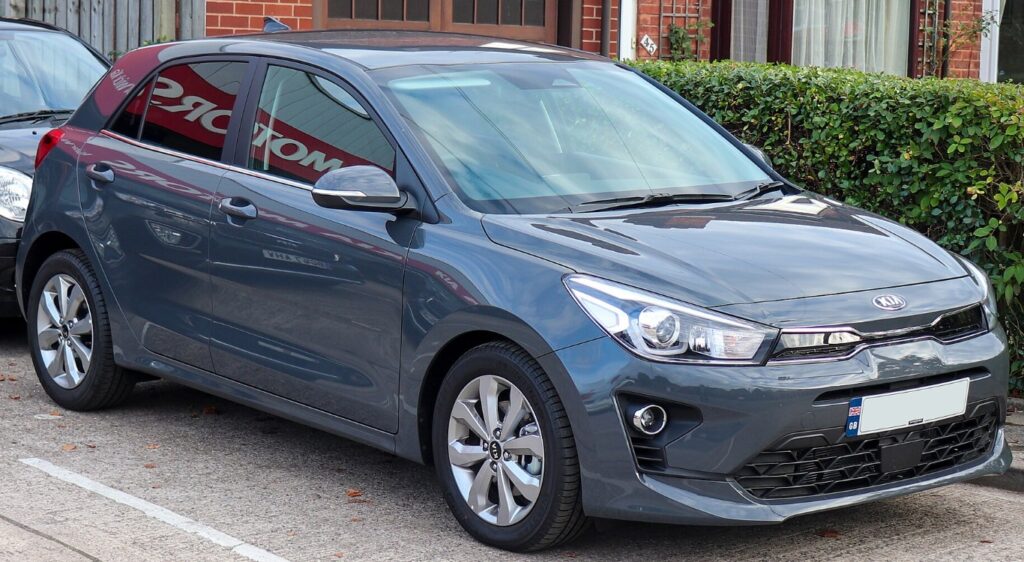
When we compare the Kia Rio vs Hyundai i10, we are not just lining up two small cars and asking, “Which one is cheaper?” That would be too easy. What we are really doing is comparing two different ideas of budget-friendly driving.
The Kia Rio feels like the more grown-up choice. It is a small hatchback, yes, but it carries itself like a proper supermini. It gives us more space, more road confidence, and a slightly more mature driving feel. The Hyundai i10, on the other hand, is the cheeky city specialist. It is smaller, lighter, easier to park, and perfectly happy dancing through narrow streets like a scooter with doors.
So, which one should we choose?
Well, that depends on our lifestyle. Are we mostly driving in the city? Do we need rear-seat space? Are we buying used? Do we care more about comfort, fuel economy, insurance, boot space, or long-term value? The answer changes depending on what we expect from a small car.
Let’s break it down properly.
Content in this publication
- Kia Rio vs Hyundai i10: Quick Overview
- Kia Rio vs Hyundai i10 Size Comparison
- Kia Rio vs Hyundai i10 Boot Space
- Kia Rio vs Hyundai i10 Engine Options
- Kia Rio vs Hyundai i10 Fuel Economy
- Kia Rio vs Hyundai i10 Driving Experience
- Kia Rio vs Hyundai i10 Comfort
- Kia Rio vs Hyundai i10 Interior Quality
- Kia Rio vs Hyundai i10 Reliability
- Kia Rio vs Hyundai i10 Maintenance Costs
- Kia Rio vs Hyundai i10 Insurance Costs
- Kia Rio vs Hyundai i10 Safety
- Kia Rio vs Hyundai i10 for Families
- Kia Rio vs Hyundai i10 for City Driving
- Kia Rio vs Hyundai i10 for Long Drives
- Kia Rio vs Hyundai i10 Used Car Buying Guide
- Kia Rio vs Hyundai i10 Resale Value
- Kia Rio vs Hyundai i10 Styling
- Kia Rio vs Hyundai i10: Pros and Cons
- Kia Rio vs Hyundai i10: Which One Should We Buy?
- Kia Rio vs Hyundai i10 Final Verdict
- FAQs About Kia Rio vs Hyundai i10
Kia Rio vs Hyundai i10: Quick Overview
The Kia Rio sits above city cars and competes more directly with models like the Ford Fiesta, Renault Clio, Toyota Yaris, and Volkswagen Polo. Depending on market and model year, the Rio has been sold as a hatchback or sedan, though the hatchback is the version most people compare with the Hyundai i10.
The Hyundai i10 is smaller. It belongs to the city car class, sitting alongside cars like the Kia Picanto, Toyota Aygo, Volkswagen up!, Fiat Panda, and Suzuki Celerio. Hyundai designed it for urban life first, with low running costs and easy maneuverability at the heart of its appeal.
Here is the simplest way to see the difference:
- Kia Rio: better if we want more space, more comfort, and more versatility.
- Hyundai i10: better if we want easy parking, city economy, and simple ownership.
The Rio is like a compact backpack that can handle a weekend trip. The i10 is more like a clever crossbody bag: small, light, and surprisingly useful, but not built to carry everything.
Kia Rio vs Hyundai i10 Size Comparison
Size is one of the biggest differences in this comparison. The Kia Rio is the larger car, and we feel that almost immediately when we step inside.
The Rio gives us more cabin width, more rear-seat room, and usually a bigger luggage area. The Hyundai i10 is compact and intentionally so. It is made to squeeze into tight spaces, make U-turns easily, and remove stress from city driving.
Exterior Dimensions: Bigger Rio, Easier i10
The Kia Rio’s larger body gives it a more planted feel on faster roads. It looks and feels more like a “main car” for someone who might do city driving during the week and longer journeys on weekends.
The Hyundai i10 is easier to manage in dense traffic. It feels light, short, and friendly. For drivers who hate parking, the i10 can feel like a gift.
Interior Space: The Rio Feels More Adult
Inside, the Rio has the advantage. Adults fit more comfortably in the back, and the cabin generally feels less narrow. The i10 can carry four adults for short trips, but it is happiest with one or two people most of the time.
For families, commuters with passengers, or anyone who often carries friends, the Rio is the stronger pick.
Kia Rio vs Hyundai i10 Boot Space
Boot space matters more than we think. Groceries, school bags, gym bags, airport luggage, baby gear, work tools — small cars can become frustrating if the cargo area is too tight.
The Kia Rio typically offers more luggage capacity than the Hyundai i10. For example, some Rio hatchback versions list around 17.4 cubic feet of cargo space with the rear seats up, while the Hyundai i10 is generally smaller and more city-focused.
Which One Carries More?
The Rio wins here.
It is better for:
- Weekly shopping
- Small family duties
- Weekend bags
- Airport runs
- Carrying folded strollers
- Road trips with luggage
The i10 can still be practical, but we need to pack smarter. It is fine for groceries and daily errands, yet it starts to feel limited when we add suitcases or bulky items.
Boot Practicality Verdict
If we only need a car for city errands, the i10’s boot is acceptable. But if we want one small car to do a bit of everything, the Kia Rio’s extra cargo room makes life easier.
Kia Rio vs Hyundai i10 Engine Options
Both cars focus on efficiency rather than raw speed. Nobody buys a Kia Rio or Hyundai i10 expecting sports-car drama. These cars are about sensible motoring, low fuel bills, and easy maintenance.
That said, the Rio usually feels more capable on open roads because it often comes with stronger engine options than the i10.
Kia Rio Engines
Depending on market and year, the Rio has been offered with small petrol engines, including 1.0-liter turbocharged units and naturally aspirated options. Some markets also received diesel versions in older generations.
The Rio’s engines generally feel more relaxed at higher speeds than the i10’s smaller units.
Hyundai i10 Engines
The Hyundai i10 usually uses compact petrol engines, commonly around 1.0 or 1.2 liters, depending on the version and country. The 1.0-liter engine is ideal for city driving. The 1.2-liter engine feels a bit more flexible if we often carry passengers or drive outside town.
Engine Verdict
For city use, the i10 is perfectly adequate. For mixed driving, the Rio feels stronger and less strained.
Kia Rio vs Hyundai i10 Fuel Economy
Fuel economy is one reason both cars make sense. They are light, modestly powered, and designed to keep running costs under control.
The Hyundai i10 may have an advantage in heavy city use because of its smaller size and lighter weight. It is the kind of car that sips fuel gently if we drive calmly.
The Kia Rio can still be very economical, especially with efficient petrol engines, but it may consume slightly more in stop-start traffic because it is bigger.
Real-World Fuel Economy
In real life, fuel economy depends on:
- Traffic conditions
- Tire pressure
- Driving style
- Engine size
- Transmission type
- Maintenance history
- Air conditioning use
- City vs highway driving
If we drive mostly in Bogotá-style traffic, London-style streets, or any dense urban area, the i10 makes a lot of sense. If our driving includes highways, hills, or longer routes, the Rio may feel more comfortable and efficient at steady speeds.
Kia Rio vs Hyundai i10 Driving Experience
This is where the two cars feel clearly different.
The Hyundai i10 is light and nimble. It is easy to steer, easy to place on the road, and easy to park. It makes city driving less tiring. It is not exciting in a sporty way, but it has a cheerful personality.
The Kia Rio feels more settled. It is not a luxury car, but it has more weight, more stability, and more confidence at speed.
In the City
The i10 wins in the city.
You may be interested in reading Kia Rio or Similar UK: The Smart Buyer’s Guide to Small Cars That Still Make Sense
It is easier to:
- Park
- Turn around
- Navigate narrow streets
- Drive in tight traffic
- Judge in small spaces
The Rio is still easy to drive, but it feels larger.
On the Highway
The Rio wins on the highway.
It feels more stable, quieter, and more comfortable when speeds rise. The i10 can handle highway trips, but we notice more engine noise, wind noise, and road noise.
Kia Rio vs Hyundai i10 Comfort
Comfort is not only about soft seats. It is about how tired we feel after driving.
The Rio generally feels more comfortable over longer distances. Its larger size gives it a more stable ride, and passengers usually have more room to stretch.
The Hyundai i10 is comfortable enough for city trips, school runs, and short commutes. But on rough roads or long journeys, it can feel more basic.
Seat Comfort
The Rio’s seats are usually better suited to longer drives. The i10’s seats are simple and upright, which works well in town but may feel less supportive after an hour or two.
Ride Quality
The i10 is light, so it can bounce more over rough surfaces. The Rio feels more composed, especially when carrying passengers.
Kia Rio vs Hyundai i10 Interior Quality
Neither car is pretending to be premium, and that is fine. We do not need soft-touch luxury everywhere in a budget-friendly small car. What we need is durability, smart design, and controls that make sense.
The Rio’s cabin usually feels more substantial. It has a broader dashboard, more storage, and a slightly more mature layout.
The i10 feels simpler, but modern versions are surprisingly well designed. Hyundai has done a good job making the i10 feel cheerful instead of cheap.
Technology and Infotainment
Depending on trim and model year, both cars may offer:
- Touchscreen infotainment
- Bluetooth
- USB ports
- Apple CarPlay
- Android Auto
- Rear parking camera
- Steering wheel controls
- Cruise control
- Lane safety features
Higher trims make a big difference. A well-equipped i10 can feel more modern than a low-spec Rio, so we should always compare trim level, not just model name.
Kia Rio vs Hyundai i10 Reliability
Both Kia and Hyundai have strong reputations for building dependable small cars. Since the two brands are closely related under the Hyundai Motor Group, they often share engineering philosophies, suppliers, and technology.
The good news? Both cars can be reliable if maintained correctly.
Common Reliability Factors
When buying used, we should check:
- Service history
- Oil change records
- Clutch condition
- Gearbox behavior
- Suspension noises
- Brake wear
- Tire condition
- Warning lights
- Accident history
- Signs of poor maintenance
The Rio may cost slightly more to maintain because it is larger and may use bigger tires or more expensive parts depending on version. The i10 is usually very affordable to run.
Kia Rio vs Hyundai i10 Maintenance Costs
The Hyundai i10 is usually cheaper to maintain. Its smaller tires, smaller engine, and city-car simplicity work in its favor.
The Kia Rio is still inexpensive compared with larger cars, but parts and servicing may cost a little more than the i10.
Which Is Cheaper to Own?
The i10 generally wins for:
- Fuel costs
- Tires
- Insurance
- City parking
- Basic servicing
- Low-speed urban use
The Rio may offer better value if we need more space and comfort. Paying slightly more can be worth it if the car does more jobs.
Kia Rio vs Hyundai i10 Insurance Costs
Insurance varies by country, driver age, driving record, trim, engine, and local market. But generally, the Hyundai i10 is likely to be cheaper to insure because it is smaller, less powerful, and positioned as a city car.
The Kia Rio may still be affordable, but it often sits in a higher insurance category than the i10.
Best Choice for New Drivers
For new drivers, students, or anyone looking for the lowest possible ownership costs, the Hyundai i10 is usually the safer bet.
It is easier to handle, cheaper to run, and less intimidating.
Kia Rio vs Hyundai i10 Safety
Modern small cars are far safer than small cars from 15 or 20 years ago. Still, size matters. The Kia Rio’s larger structure can give it a more secure feel, especially on faster roads.
The Hyundai i10 may include impressive safety equipment in newer versions, but it remains a very small car.
Safety Features to Look For
When shopping, look for:
- Electronic stability control
- Multiple airbags
- Lane keeping assist
- Forward collision warning
- Autonomous emergency braking
- Rear parking sensors
- Reversing camera
- Tire pressure monitoring
- ISOFIX child seat points
A newer, well-equipped i10 can be safer than an older basic Rio. Again, exact year and trim matter.
Kia Rio vs Hyundai i10 for Families
If we are buying a small family car, the Kia Rio is the stronger option. It gives us more rear-seat space, more boot capacity, and better comfort for mixed driving.
The Hyundai i10 can work for a small family in the city, especially if children are young and journeys are short. But it becomes less ideal when we add child seats, bags, strollers, and weekend luggage.
Family Verdict
Choose the Rio if the car needs to handle:
- School runs
- Family shopping
- Longer weekend drives
- Rear passengers often
- Child seats
- Luggage
Choose the i10 if family use is occasional and mostly urban.
Kia Rio vs Hyundai i10 for City Driving
The Hyundai i10 was born for the city. This is its home turf.
It is small enough to park easily, light enough to drive without stress, and economical enough to make daily use feel painless. In crowded areas, the i10 feels like a shortcut on wheels.
You may be interested in readingKia Rio or Similar UK: The Smart Buyer’s Guide to Small Cars That Still Make SenseYou may be interested in reading
Kia Rio vs Hyundai i20: Which Small Hatchback Makes More Sense?The Kia Rio is still good in the city, but it is not quite as effortless. It needs more parking space and feels wider in tight lanes.
City Driving Winner
The Hyundai i10 wins.
It is simply better suited to urban driving. If most of our life happens within city limits, the i10 makes a strong case.
Kia Rio vs Hyundai i10 for Long Drives
The Kia Rio wins this round. It feels more stable, more spacious, and more relaxed on long journeys.
The Hyundai i10 can travel long distances, but it is not where it shines. On highways, we may notice more noise and less overtaking confidence.
Long-Distance Winner
The Kia Rio is the better all-rounder.
It is the car we would rather take on a weekend road trip.
Kia Rio vs Hyundai i10 Used Car Buying Guide
Both cars are popular used buys, but we need to be careful. Small cars often live hard lives. They may be used by new drivers, city commuters, delivery drivers, or families who treat them like little workhorses.
What to Check Before Buying a Kia Rio
Before buying a used Rio, check:
- Full service history
- Smooth gear changes
- Suspension knocks
- Brake condition
- Engine warning lights
- Clutch bite point
- Tire wear
- Air conditioning
- Infotainment system
- Evidence of accident repairs
What to Check Before Buying a Hyundai i10
Before buying a used i10, check:
- City parking dents
- Clutch wear
- Steering feel
- Suspension noise
- Service records
- Engine idle quality
- Brake wear
- Interior condition
- Tire condition
- Warning lights
Because the i10 is often used in towns, look closely for bumper scuffs, wheel damage, and clutch wear from stop-start driving.
Kia Rio vs Hyundai i10 Resale Value
Both cars can hold value well if they are clean, serviced, and reasonably low mileage.
The Hyundai i10 often appeals to first-time buyers, city drivers, and people looking for cheap transport. That keeps demand healthy.
The Kia Rio appeals to buyers who want a small car but do not want something too tiny. However, availability and resale value may depend heavily on market, especially because the Rio has been discontinued in some regions, including reports of withdrawal from key markets in recent years.
Which Holds Value Better?
The i10 may be easier to sell in markets where city cars are popular. The Rio may hold value better where buyers want practical used hatchbacks with more room.
Condition matters more than badge here.
Kia Rio vs Hyundai i10 Styling
Styling is subjective, but the two cars send different messages.
The Kia Rio looks more mature. It has a sharper, longer, more conventional hatchback shape. It does not scream for attention, but it looks balanced.
The Hyundai i10 looks friendlier and more compact. Newer versions have become bolder, especially in sportier trims, but the i10 still has that small-city-car charm.
Which Looks Better?
If we want something grown-up, choose the Rio.
If we want something cute, compact, and cheerful, choose the i10.
Kia Rio vs Hyundai i10: Pros and Cons
Kia Rio Pros
- More interior space
- Bigger boot
- Better for highways
- More comfortable on longer trips
- More mature driving feel
- Better family practicality
- Feels like a larger car
Kia Rio Cons
- Usually more expensive to buy
- May cost more to insure
- Less agile in tight city spaces
- Slightly higher running costs
- Availability depends on market
Hyundai i10 Pros
- Excellent city car
- Easy to park
- Low running costs
- Usually cheaper to insure
- Simple to drive
- Great for new drivers
- Surprisingly practical for its size
Hyundai i10 Cons
- Smaller boot
- Less rear-seat space
- Less comfortable on highways
- More basic feel
- Not ideal for frequent long trips
Kia Rio vs Hyundai i10: Which One Should We Buy?
Here is the honest answer: the Kia Rio is the better all-round car, but the Hyundai i10 is the better city car.
That sounds simple, but it is the heart of the comparison.
The Rio makes more sense if we need one car to handle everything. It can commute, carry passengers, take luggage, and manage longer journeys without feeling out of its depth.
The i10 makes more sense if we mostly drive alone or with one passenger, live in a busy city, and want the lowest-stress ownership experience possible.
Buy the Kia Rio If...
We should choose the Kia Rio if:
- We need more space
- We drive on highways
- We carry passengers often
- We want a bigger boot
- We need a small family car
- We prefer a more stable ride
- We want one car for mixed use
Buy the Hyundai i10 If...
We should choose the Hyundai i10 if:
- We mostly drive in the city
- We want easy parking
- We need low running costs
- We are a new driver
- We rarely carry lots of luggage
- We want a simple, efficient car
- We prefer compact dimensions
Kia Rio vs Hyundai i10 Final Verdict
The Kia Rio vs Hyundai i10 debate comes down to one question: do we want more car, or do we want less hassle?
The Kia Rio gives us more of everything: more room, more boot space, more comfort, and more confidence outside the city. It is the better choice for drivers who want a small car that does not feel too small.
The Hyundai i10 gives us simplicity. It is easy, affordable, and wonderfully practical in urban life. It is not trying to be a long-distance cruiser or a family hatchback. It knows exactly what it is — and that is part of its charm.
So, if we want the smarter all-rounder, we pick the Kia Rio.
If we want the easier city companion, we pick the Hyundai i10.
Either way, we are looking at two small cars that prove sensible does not have to mean boring. Sometimes the best car is not the biggest, fastest, or flashiest. Sometimes it is the one that fits our life like a favorite jacket: comfortable, familiar, and always ready to go.
FAQs About Kia Rio vs Hyundai i10
Is the Kia Rio bigger than the Hyundai i10?
Yes. The Kia Rio is bigger than the Hyundai i10. It offers more cabin space, more rear-seat comfort, and a larger boot, making it better for families and longer journeys.
Is the Hyundai i10 cheaper to run than the Kia Rio?
In most cases, yes. The Hyundai i10 is smaller and lighter, so it usually has lower fuel, tire, insurance, and maintenance costs.
Which is better for new drivers, Kia Rio or Hyundai i10?
The Hyundai i10 is usually better for new drivers because it is easier to park, cheaper to insure, and less intimidating in city traffic.
You may be interested in readingKia Rio or Similar UK: The Smart Buyer’s Guide to Small Cars That Still Make SenseYou may be interested in reading
Kia Rio vs Hyundai i20: Which Small Hatchback Makes More Sense?You may be interested in reading
Kia Rio vs Toyota Yaris: Which Small Car Makes More Sense?Which is better for long journeys, Kia Rio or Hyundai i10?
The Kia Rio is better for long journeys. It feels more stable at speed, has more space, and offers better comfort for passengers and luggage.
Which should we buy: Kia Rio or Hyundai i10?
Buy the Kia Rio if we need space, comfort, and all-round practicality. Buy the Hyundai i10 if we want a compact, affordable, easy-to-drive city car.
If you want to know other articles similar to Kia Rio vs Hyundai i10: Which Small Car Makes More Sense? you can visit the category Models.
Volkswagen T-Cross vs Volkswagen T-Roc: Which Is Better?
Hyundai Tucson Weight: Complete Guide to Curb, Gross, and Payload Specs

Honda Passport vs Toyota 4Runner: Which SUV Is Better?
Honda Passport vs Ford Bronco: Which SUV Is Better?
Honda Passport vs Ford Explorer: Which SUV Is Better?
Honda Passport or Pilot: Which SUV Is Better?
Leave a Reply
More content of your interest