
Hyundai i40 Reliability: Common Problems, Lifespan, and Buying Advice

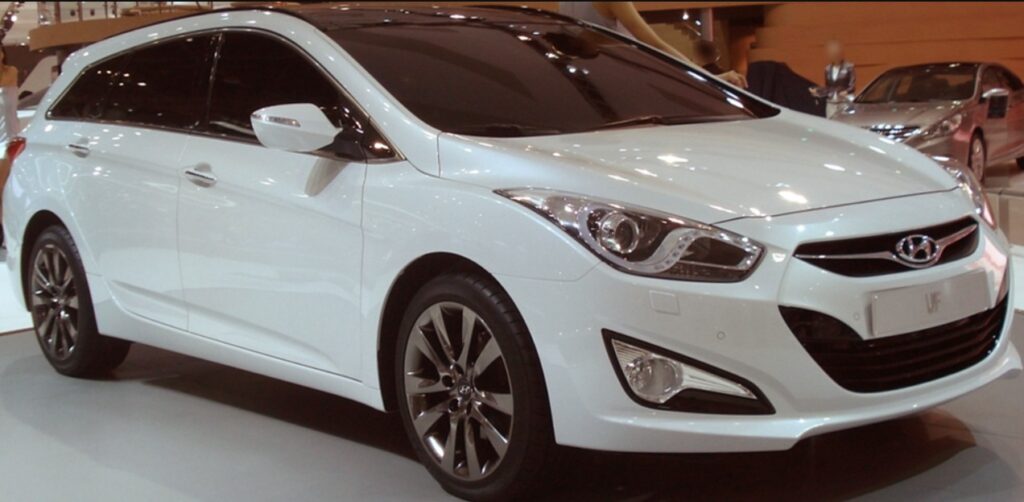
The Hyundai i40 has always felt like the sensible person at a noisy party. It does not shout for attention, wear an expensive badge, or promise sports-car excitement. Instead, it offers generous equipment, a spacious cabin, useful cargo capacity, and relatively affordable ownership.
But is the Hyundai i40 reliable?
Generally, yes. A properly maintained Hyundai i40 can be a dependable family car, motorway cruiser, or business vehicle. Its engines are capable of covering high mileages, the interior usually withstands daily use well, and major mechanical failures are not inevitable.
However, reliability depends heavily on the engine, transmission, driving pattern, and maintenance history. Diesel particulate filter problems, clutch wear, dual-clutch transmission hesitation, electronic parking brake faults, and suspension noises can turn a neglected example into an expensive headache.
Think of the i40 as a sturdy pair of walking boots. It may not look glamorous beside premium alternatives, but a good pair can travel a very long way. Buy a worn-out example, though, and every step becomes uncomfortable.
This guide examines Hyundai i40 reliability in detail, including common problems, engine durability, transmission concerns, ownership costs, expected lifespan, and the checks we should complete before buying one.
Content in this publication
- Hyundai i40 Reliability Overview
- Hyundai i40 Engine Reliability
- Hyundai i40 Turbo Reliability
- Hyundai i40 Transmission Reliability
- Hyundai i40 Electrical Problems
- Electronic Parking Brake Problems
- Suspension and Steering Reliability
- Interior Quality and Durability
- Bodywork and Rust Resistance
- Hyundai i40 Recall History
- How Long Does a Hyundai i40 Last?
- Hyundai i40 Maintenance Costs
- Best Hyundai i40 Engine for Reliability
- Hyundai i40 Years to Consider
- Used Hyundai i40 Buying Checklist
- Hyundai i40 Reliability Compared With Rivals
- Is the Hyundai i40 Expensive to Repair?
- Is the Hyundai i40 a Good Used Car?
- Final Hyundai i40 Reliability Verdict
- Frequently Asked Questions
Hyundai i40 Reliability Overview
The Hyundai i40 was developed primarily for Europe and entered production in 2011. It was offered as a four-door saloon and a five-door estate, commonly called the i40 Tourer. Production continued until 2019, although availability varied by market.
Throughout its life, the i40 competed with family cars such as the:
- Ford Mondeo
- Volkswagen Passat
- Toyota Avensis
- Vauxhall Insignia
- Mazda6
- Peugeot 508
- Škoda Superb
The Hyundai lacked the polished image of some European rivals, but it compensated with strong standard equipment and an attractive warranty when new.
Its overall reliability reputation is reasonably positive. The fundamental engine and chassis components can be durable, particularly when servicing has been completed correctly. A 100,000-kilometre endurance test of a diesel i40 found the engine, clutch, and gearbox in generally good condition, although the test car experienced smaller electrical and parking-sensor issues.
That result describes the i40 rather well. The mechanical core can be solid, while irritating peripheral faults may occasionally appear around it.
Is the Hyundai i40 a Reliable Car?
For most owners, the Hyundai i40 is a reliable used car when three conditions are met:
- It has a complete maintenance history.
- Its engine matches the previous owner’s driving pattern.
- Warning signs have not been ignored.
The diesel versions are particularly well suited to long motorway journeys. They may become less dependable when used almost exclusively for short urban trips because the emissions system needs sustained heat to function properly.
Petrol versions avoid some diesel-specific complications, although they are less common in several European markets and may consume more fuel.
We should not judge an i40 only by its mileage. A motorway-driven car with 120,000 miles and excellent maintenance may be a safer purchase than a 60,000-mile diesel that has spent its life completing cold, two-mile journeys.
Our General Reliability Verdict
We would describe Hyundai i40 reliability as good rather than exceptional.
It is not completely trouble-free, but neither is it a fragile car waiting to empty our bank account. Most serious problems provide warning signs, and many expensive failures can be prevented through correct servicing and sensible use.
The safest examples tend to have:
- Documented annual servicing
- Regular motorway use
- Smooth clutch or transmission operation
- No dashboard warnings
- Matching quality tyres
- Clean engine oil
- Evidence of recall completion
- Owners who repaired faults promptly
Hyundai i40 Engine Reliability
Engine reliability is one of the biggest factors in the ownership experience. Depending on the market and model year, the i40 was offered with petrol and diesel engines, including 1.6-litre and 2.0-litre petrol units, the widely used 1.7 CRDi diesel, and a later 1.6 CRDi diesel. Transmission choices included six-speed manuals, conventional automatics, and seven-speed dual-clutch units.
The 1.7 CRDi became especially common in Europe because it combined useful torque with respectable fuel economy. It is often the engine shoppers encounter first when browsing used i40 listings.
Hyundai i40 1.7 CRDi Reliability
The 1.7 CRDi can be a durable engine. With regular oil changes and appropriate driving, it may cover substantial distances without requiring major internal work.
Its strongest qualities include:
- Good motorway efficiency
- Adequate low-speed torque
- Strong long-distance potential
- Broad parts availability
- Familiarity among independent Hyundai specialists
Nevertheless, the engine is surrounded by modern diesel components that require attention. The diesel particulate filter, exhaust gas recirculation system, turbocharger, injectors, and associated sensors can create problems as the vehicle ages.
The engine itself may be healthy while an emissions component causes poor performance or a warning light. That distinction matters because owners sometimes describe every diesel-related fault as an “engine failure,” even when the core engine remains mechanically sound.
Diesel Particulate Filter Problems
The diesel particulate filter, commonly shortened to DPF, captures soot from the exhaust. It periodically raises its temperature to burn that soot away through a process called regeneration.
Long journeys help this process happen. Repeated short trips interrupt it.
Signs of a struggling DPF may include:
- A DPF or engine warning light
- Frequent cooling-fan operation
- Increased fuel consumption
- Reduced power
- High idle speed
- A hot or unusual exhaust smell
- The engine entering limp mode
A warning light should not be ignored. Continuing to drive with an overloaded filter can transform a manageable regeneration issue into a blocked DPF requiring professional cleaning or replacement.
Before buying a diesel i40, we should ask how it was used. “One careful owner who only drove to the shops” may sound reassuring, but for a diesel emissions system, that lifestyle can be the exact opposite of ideal.
EGR Valve and Intake Contamination
The exhaust gas recirculation valve redirects a controlled amount of exhaust gas into the intake system to reduce certain emissions. Over time, soot and oily vapour can create deposits.
Symptoms may include uneven acceleration, hesitation, rough running, reduced power, excessive smoke, or an engine warning light.
Cleaning may solve an early problem. A badly worn or electronically failed valve may require replacement.
Regular longer journeys and correct engine oil will not make the system immortal, but they can help reduce unnecessary contamination.
Hyundai i40 Petrol Engine Reliability
Petrol-powered Hyundai i40 models are less common in some used-car markets, but they can suit drivers who cover lower annual mileages or mostly complete short trips.
The major advantage is simplicity around the exhaust system. Petrol models do not carry the same traditional diesel DPF, EGR, and diesel-injector concerns found on the older CRDi versions.
Potential disadvantages include:
- Higher fuel consumption
- Less low-speed torque
- Reduced availability on the used market
- Fewer local specialists familiar with uncommon variants
- Possible carbon accumulation on direct-injection engines
A petrol i40 can be the more logical choice for city driving. Paying slightly more for fuel may still cost less than repairing a neglected diesel emissions system.
Hyundai i40 Turbo Reliability
A turbocharger can last for a very long time, but it depends on clean oil flowing at the correct pressure. Delayed oil changes, incorrect lubricant, low oil levels, and repeated hard driving from cold can shorten turbo life.
Possible turbocharger warning signs include:
- Whistling or siren-like noises
- Blue or grey exhaust smoke
- Sudden loss of power
- Increased oil consumption
- Oil around intake pipes
- Underboost or overboost fault codes
Not every whistle signals turbo failure. A split boost hose or loose connection can produce similar symptoms and cost much less to repair.
That is why professional diagnosis matters. Replacing a turbocharger without checking the oil supply, intake system, and boost pipework is like replacing a roof tile while ignoring the tree that keeps falling on it.
How to Protect the Turbo
We can improve turbo longevity by:
- Using the manufacturer-approved oil grade
- Checking the oil level regularly
- Avoiding hard acceleration immediately after a cold start
- Following sensible service intervals
- Investigating oil leaks quickly
- Allowing the engine to settle after sustained heavy driving
- Replacing contaminated filters on schedule
The turbo does not need to be treated like delicate glass. It simply needs clean lubrication and a little mechanical sympathy.
Hyundai i40 Transmission Reliability
The i40 used different transmissions across its production life. Reliability therefore depends on whether the vehicle has a manual gearbox, conventional automatic, or dual-clutch transmission.
Manual Gearbox Reliability
The manual gearbox is generally a straightforward choice. The gearbox itself can be long-lasting, but the clutch and dual-mass flywheel are wear items.
Warning signs include:
- Clutch slipping under acceleration
- Judder when moving away
- A high biting point
- Difficulty selecting gears
- Vibration at idle
- Rattling when starting or stopping the engine
- A heavy or inconsistent clutch pedal
Some owners have reported clutch judder and oil-seal-related issues, although owner reports do not prove that every i40 will experience the same fault.
A clutch that feels acceptable during gentle driving may slip under load. During a test drive, we should accelerate firmly in a higher gear at low-to-medium engine speed. If the engine speed rises without a corresponding increase in road speed, the clutch may be worn.
Dual-Mass Flywheel Wear
The dual-mass flywheel helps absorb diesel vibration before it reaches the gearbox. It improves refinement, but replacement can be expensive.
Wear may create knocking, rattling, excessive vibration, or an unpleasant shudder when the engine starts and stops.
You may be interested in reading Hyundai i40 Wheel Size: Complete Fitment and Upgrade Guide
Because the clutch and flywheel require similar labour to access, they are often replaced together. Buyers should include that potential cost when considering a high-mileage manual diesel.
Automatic Transmission Reliability
Earlier automatic i40 models may use a conventional torque-converter transmission. These units can operate smoothly and reliably when serviced, although some manufacturers historically described transmission fluid as lasting for the vehicle’s lifetime.
In the real world, fluid ages.
A neglected automatic may show:
- Delayed engagement
- Harsh gear changes
- Flared engine speed between shifts
- Shudder under light acceleration
- Transmission warning messages
- Fluid leaks
We should look for evidence of transmission maintenance, particularly on an older or high-mileage vehicle.
Fresh fluid cannot repair worn internal components, but timely fluid replacement may reduce premature wear.
Seven-Speed DCT Reliability
Later examples could be fitted with Hyundai’s seven-speed dual-clutch transmission. The 2016 UK brochure, for example, listed a 141 PS diesel with a seven-speed DCT.
A DCT operates differently from a traditional automatic. It uses clutches to engage gears, so a little hesitation at parking speeds may be characteristic rather than evidence of failure.
However, excessive judder, repeated overheating warnings, severe hesitation, or harsh engagement deserves investigation.
During a test drive, check:
- Cold-start operation
- Stop-and-go traffic behaviour
- Hill starts
- Reverse engagement
- Low-speed manoeuvring
- Full-throttle acceleration
- Gear changes after the car is fully warm
A transmission that behaves smoothly on an empty road may reveal weaknesses after repeated low-speed starts.
Hyundai i40 Electrical Problems
Electrical issues are among the more frequently discussed i40 complaints. They are often annoying rather than catastrophic, but several small faults can become tiring.
Owner feedback has included reports involving electrical equipment, while long-term testing has also identified failures involving navigation equipment and parking assistance.
Potential trouble areas include:
- Parking sensors
- Infotainment systems
- Reversing cameras
- Electric seat functions
- Keyless entry
- Window switches
- Tailgate releases
- Dashboard warning lights
- Electronic parking brakes
Before purchasing, we should press every button. That may sound excessive, but electrical diagnosis becomes expensive when multiple modules, wiring connections, and sensors are involved.
A weak 12-volt battery can cause misleading electronic symptoms. Modern cars dislike unstable voltage, and the i40 is no exception.
Low battery voltage may trigger:
- Start-stop system faults
- Parking-brake warnings
- Steering warnings
- Keyless-entry problems
- Slow cranking
- Flickering displays
- Random dashboard messages
Before assuming that several control modules have failed at once, we should test the battery and charging system.
A simple battery problem can wear a very convincing electronic disguise.
Electronic Parking Brake Problems
Many i40 models use an electronic parking brake. It offers convenience and frees space around the centre console, but it introduces motors, switches, wiring, and control logic where a simple handbrake lever once lived.
Possible symptoms include:
- The brake failing to release
- The brake failing to apply
- A warning message
- Unusual rear-wheel noises
- The switch working intermittently
- The car remaining stuck after a weak battery
Some faults originate from the switch or battery voltage. Others involve rear calipers, actuators, or wiring.
During inspection, apply and release the brake several times. Confirm that warning lamps behave normally and that neither rear wheel remains hot after driving.
Suspension and Steering Reliability
The Hyundai i40 prioritises comfort and motorway stability rather than sharp, sports-car responses. As mileage increases, suspension wear can introduce knocks and vague handling.
Common wear items may include:
- Anti-roll-bar links
- Suspension bushes
- Ball joints
- Wheel bearings
- Shock absorbers
- Top mounts
- Track-rod ends
A knocking sound does not automatically mean the suspension is collapsing. Small links or worn bushes may produce surprisingly dramatic noises.
Still, we should investigate any sound rather than accept the seller’s favourite phrase: “They all do that.”
Tyre Wear and Wheel Alignment
Uneven tyre wear may reveal:
- Incorrect wheel alignment
- Worn suspension components
- Previous impact damage
- Poor tyre maintenance
- Mismatched tyre quality
Higher-spec models were available with larger wheels, and used-car guidance has specifically advised checking larger alloy wheels for kerb damage.
Large wheels can sharpen the car’s appearance, but they usually bring more expensive tyres and less protection from potholes.
Interior Quality and Durability
The i40 cabin was well equipped for its price, but some examples develop squeaks, rattles, or visible wear. Used-car reviews have advised listening for interior noises on rough roads and inspecting the cabin plastics carefully.
Likely wear areas include:
- Driver’s seat bolsters
- Steering-wheel trim
- Gear-lever surfaces
- Door handles
- Centre-console switches
- Load-area trim in estate models
- Parcel-shelf components
Interior rattles rarely stop the vehicle from reaching its destination, but they influence perceived quality. A silent cabin makes a ten-year-old car feel younger; a dashboard orchestra makes it feel ready for retirement.
Air-Conditioning Reliability
Check that the climate-control system produces properly cold air. Weak cooling may result from low refrigerant, a leaking condenser, a faulty pressure sensor, or compressor trouble.
We should also test every fan speed and air-distribution mode.
A seller may say the system “only needs a recharge.” Sometimes that is true. Sometimes the gas escaped because a component is leaking. A recharge without diagnosis can become an annual ritual.
Bodywork and Rust Resistance
Severe structural corrosion is not usually the first concern associated with the i40, but age, climate, road salt, and accident repairs all matter.
Inspect:
- Door bottoms
- Wheel arches
- Tailgate edges
- The underside
- Suspension mounting points
- Brake pipes
- Subframes
- Areas around repaired body panels
A long-term test found a small corrosion spot on the test vehicle’s tailgate, illustrating that localised rust can occur even when the broader structure remains sound.
Estate models deserve extra attention around the tailgate, rear seals, and luggage area. Damp carpets may point to a leaking seal, blocked drain, or poorly completed body repair.
Hyundai i40 Recall History
Recall coverage varies by country, manufacturing period, engine, and specification. We should never assume that every vehicle is affected—or that an unaffected-looking vehicle has completed all required work.
For example, an Irish recall notice published in 2018 covered certain i40 models with a potentially faulty ignition-lock switch. A separate Irish safety notice later included certain i40 vehicles in a campaign involving possible interruption to engine oil supply and reduced brake-booster assistance.
The correct approach is to check the individual registration or vehicle identification number through Hyundai or the relevant national recall database. Hyundai UK provides a registration- and VIN-based recall checker.
Recall work is normally more important than a generic list found online because the VIN identifies the exact vehicle.
How Long Does a Hyundai i40 Last?
A well-maintained Hyundai i40 can potentially exceed 150,000 miles, and some examples may travel beyond 200,000 miles. No universal mileage limit exists, though.
Lifespan depends on:
- Service frequency
- Oil quality
- Driving conditions
- Cooling-system maintenance
- Transmission care
- Rust exposure
- Previous accident damage
- The speed at which emerging faults are repaired
Mileage is only one chapter of the story.
A taxi or motorway vehicle may accumulate miles quickly while spending most of its life at operating temperature. That can be easier on the engine than years of short, cold journeys.
Can a Hyundai i40 Reach 200,000 Miles?
Yes, reaching 200,000 miles is possible, particularly for a diesel used on longer journeys. But we should not confuse possibility with certainty.
By that mileage, the original vehicle may have required replacement of several wear-related parts, such as:
You may be interested in readingHyundai i40 Wheel Size: Complete Fitment and Upgrade GuideYou may be interested in reading
 Toyota Corolla AE86 Engine Swap – The Ultimate Guide
- Clutch components
- Suspension bushes
- Wheel bearings
- Alternator
- Starter motor
- EGR components
- DPF
- Turbocharger hoses
- Air-conditioning parts
A high-mileage vehicle can still be reliable after these repairs. Reliability does not mean every component lasts forever. It means the car remains economically and mechanically manageable over time.
Hyundai i40 Maintenance Costs
The i40 is generally more affordable to maintain than an equivalent premium-brand saloon or estate. Routine parts are widely available, and many independent garages can service the vehicle.
Nevertheless, modern diesel components can be expensive.
Potential higher-cost repairs include:
- DPF replacement
- Turbocharger replacement
- Diesel injector replacement
- Clutch and flywheel replacement
- DCT repairs
- Electronic parking-brake components
- Air-conditioning compressor replacement
- Infotainment-unit replacement
The best financial protection is not the cheapest purchase price. It is a strong service history and a professional inspection.
A neglected bargain can consume its discount before the first winter arrives.
Recommended Maintenance Habits
To support long-term reliability, we should:
- Change the engine oil on time or slightly early
- Use oil matching the required specification
- Check fluid levels monthly
- Avoid repeated interrupted DPF regenerations
- Repair warning lights promptly
- Maintain the battery and charging system
- Inspect tyres for uneven wear
- Service the transmission appropriately
- Keep drainage channels clear
- Use quality replacement filters and parts
An annual inspection by a Hyundai specialist can also identify developing problems before they become roadside emergencies.
Best Hyundai i40 Engine for Reliability
There is no single perfect engine for every driver.
Best for Long Motorway Journeys
The 1.7 CRDi manual is an appealing choice for drivers covering high annual mileage. It offers respectable economy, useful torque, and strong long-distance ability.
Its reliability depends on appropriate diesel use and consistent maintenance.
Best for Short Urban Driving
A petrol engine may be safer for drivers completing mostly short journeys. Fuel consumption may be higher, but avoiding diesel emissions complications can outweigh that disadvantage.
Best for Simplicity
A manual transmission is mechanically simpler than a dual-clutch gearbox, although eventual clutch and flywheel wear must be considered.
The best combination is therefore not determined solely by reputation. It depends on how we plan to use the car.
Hyundai i40 Years to Consider
Later cars benefit from styling, equipment, engine, and transmission updates, but newer does not automatically mean more reliable.
A carefully maintained early car can be better than a neglected facelift model.
Rather than choosing only by registration year, prioritise:
- Service history
- Current mechanical condition
- Recall status
- Driving history
- Transmission behaviour
- Evidence of quality repairs
- Independent inspection results
The individual car matters more than the brochure year.
Are Early Hyundai i40 Models Reliable?
Early examples can still be dependable, but age-related deterioration becomes increasingly relevant.
Rubber bushes harden. Batteries fail. Air-conditioning seals leak. Electrical connectors corrode. Previous repairs accumulate.
An early i40 with a transparent history may remain a sensible purchase. An early example with missing invoices, several warning lights, and four different tyre brands should send us walking in the opposite direction.
Used Hyundai i40 Buying Checklist
Before buying, complete the following checks.
Engine Checks
- Start the engine from cold.
- Listen for prolonged rattling or knocking.
- Check for excessive smoke.
- Inspect for oil and coolant leaks.
- Confirm that warning lights switch off.
- Test acceleration through several gears.
- Look for evidence of regular oil changes.
Diesel-System Checks
- Ask about typical journey length.
- Check for DPF warnings.
- Look for limp-mode symptoms.
- Confirm smooth acceleration.
- Ask whether the DPF, EGR valve, turbo, or injectors have been repaired.
- Scan the vehicle for stored fault codes.
Transmission Checks
- Test clutch bite and slipping.
- Listen for flywheel rattles.
- Check every gear.
- Test reverse engagement.
- Drive the automatic or DCT from cold and warm.
- Perform low-speed manoeuvres.
- Watch for transmission warnings.
Electrical Checks
- Operate every window.
- Test both keys.
- Check the infotainment system.
- Test navigation and Bluetooth.
- Use the reversing camera.
- Trigger the parking sensors.
- Apply the electronic parking brake.
- Test heated and electric seats where fitted.
Body and Suspension Checks
- Inspect tyre wear.
- Look beneath the vehicle.
- Check alloy wheels for damage.
- Listen for suspension knocks.
- Test for steering vibration.
- Check the luggage area for dampness.
- Compare panel gaps and paint shades.
Do Not Skip a Diagnostic Scan
A diagnostic scan can reveal stored or recently cleared faults. It is not a magic truth machine, but it adds useful information.
A seller who refuses a reasonable inspection may already be answering our question.
Hyundai i40 Reliability Compared With Rivals
The i40 sits in an interesting position. It generally offers more equipment for the money than many mainstream rivals, while its used prices can remain attractive.
Compared with a Toyota Avensis, the Hyundai may have a less bulletproof reputation, particularly around diesel emissions hardware and smaller electronic faults.
Compared with a Volkswagen Passat, the i40 may feel less premium, but it can avoid some of the financial risk associated with complicated high-specification German models.
Compared with a Ford Mondeo, the Hyundai offers a similarly practical family-car formula, although the Ford may deliver sharper handling.
Compared with a Vauxhall Insignia, the i40 can be just as affordable, and choosing between them often comes down to condition rather than badge.
The i40’s real advantage is value. We can often buy a spacious, well-equipped example for less than a fashionable SUV of similar age.
Is the Hyundai i40 Expensive to Repair?
Routine work is usually reasonably priced. Filters, brake components, suspension links, and standard service items should not be unusually expensive.
Costs rise when faults involve:
- Diesel emissions systems
- Turbochargers
- Dual-mass flywheels
- DCT components
- Electronic parking brakes
- Factory infotainment systems
This pattern is not unique to Hyundai. Most modern diesel family cars contain similar technology.
The i40 is inexpensive when maintained and potentially expensive when problems are allowed to overlap. One warning light is a repair. Five ignored warning lights are a project.
Is the Hyundai i40 a Good Used Car?
Yes, the Hyundai i40 can be a very good used car.
It makes particular sense for buyers who want:
- A roomy cabin
- A practical estate option
- Comfortable motorway performance
- Generous equipment
- Affordable used prices
- A less obvious alternative to popular rivals
It makes less sense for someone who wants a small city car, sharp sports handling, or the prestige of a premium badge.
Diesel models are also a poor match for drivers who rarely leave town.
The i40 rewards practical thinking. It is not a vehicle we buy to impress strangers at a petrol station. We buy it because it carries people, luggage, and daily responsibilities without demanding centre stage.
Final Hyundai i40 Reliability Verdict
The Hyundai i40 is a generally dependable family car with a durable mechanical foundation, useful practicality, and manageable ownership costs.
Its strongest versions can cover high mileages, particularly when used for regular long-distance driving. The 1.7 CRDi engine is capable, economical, and widely available, but it needs correct oil, uninterrupted regeneration opportunities, and prompt attention to emissions-related warnings.
The manual gearbox is relatively simple, although clutch and dual-mass flywheel wear must be considered. Conventional automatics require smooth operation and evidence of care, while DCT-equipped cars deserve a thorough low-speed test.
Electrical equipment, parking sensors, infotainment functions, electronic parking brakes, interior rattles, and suspension wear are also worth checking.
Would we buy one?
Yes—but we would buy the history, not merely the car.
A clean i40 with documented servicing, healthy transmission behaviour, no active warning lights, and evidence of sensible use can be an excellent value purchase. A suspiciously cheap example with an unknown past may become a rolling collection of overdue maintenance.
Choose patiently, inspect carefully, and the Hyundai i40 can remain the calm, dependable workhorse it was designed to be.
Frequently Asked Questions
1. Is the Hyundai i40 1.7 CRDi reliable?
The 1.7 CRDi is generally reliable when maintained correctly and used regularly for longer journeys. Common concerns involve the DPF, EGR valve, turbo system, clutch, and dual-mass flywheel rather than inevitable internal engine failure. A complete service history is essential.
2. What are the most common Hyundai i40 problems?
Frequently discussed problems include DPF blockage, EGR contamination, clutch judder, flywheel wear, suspension knocks, parking-sensor faults, electronic parking-brake issues, weak batteries, infotainment faults, and interior rattles. The exact risk depends on the engine, transmission, mileage, and maintenance record.
3. How many miles can a Hyundai i40 last?
A well-maintained Hyundai i40 can exceed 150,000 miles, while carefully serviced long-distance examples may reach 200,000 miles or more. Longevity depends on oil changes, driving conditions, rust protection, transmission care, and timely repairs.
You may be interested in readingHyundai i40 Wheel Size: Complete Fitment and Upgrade GuideYou may be interested in reading
Toyota Corolla AE86 Engine Swap – The Ultimate GuideYou may be interested in reading
 Does the Toyota Camry Have CVT Transmission?
4. Is a petrol or diesel Hyundai i40 more reliable?
Petrol models are often better for short journeys because they avoid many traditional diesel emissions-system concerns. Diesel models can be extremely durable and economical when driven over longer distances. The most reliable option is the one that suits the owner’s actual driving pattern.
5. Is a high-mileage Hyundai i40 worth buying?
A high-mileage i40 may be worth buying when it has a complete history, smooth engine and transmission performance, no serious corrosion, and evidence that major wear items have been addressed. Condition and maintenance are more important than mileage alone.
If you want to know other articles similar to Hyundai i40 Reliability: Common Problems, Lifespan, and Buying Advice you can visit the category Blog.
Which Kia Rio Engine Is Best? A Smart Buyer’s Guide
Kia Rio Reliability: A Real-World Guide for Smart Buyers
Kia Rio Insurance Group UK: What We Should Know Before Buying or Insuring One

Is the Citroën C1 a Good First Car? The Honest, Real-World Answer
Is Citroën C1 Reliable? The Real-World Truth You Need to Know
Citroen C1 Good Car: Is This Tiny City Car Still Worth Buying?
Leave a Reply
More content of your interest