
Vauxhall Meriva Problems: Common Faults, Symptoms and Fixes

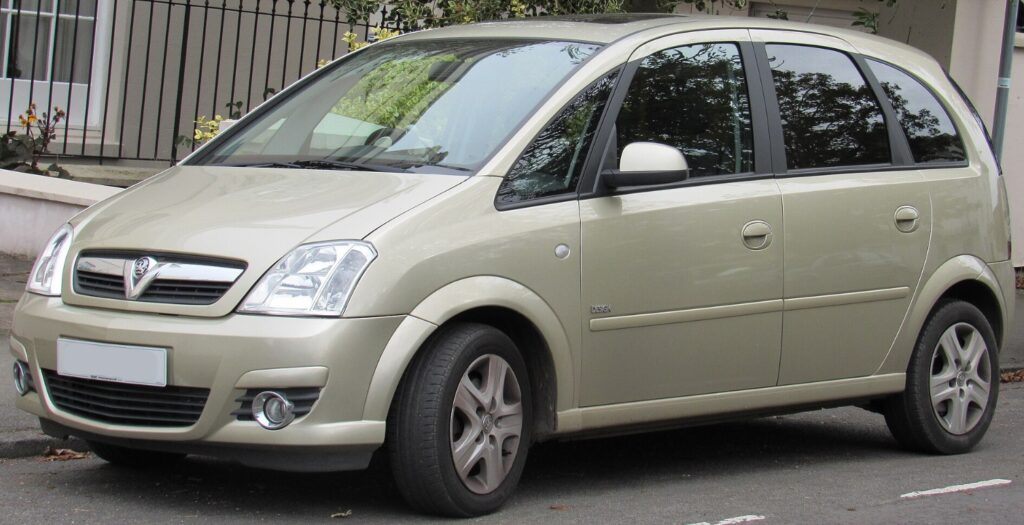
The Vauxhall Meriva has always been a slightly unusual family car. It combines compact exterior dimensions with a surprisingly flexible cabin, raised seating and, on the second-generation model, those distinctive rear-hinged back doors. For school runs, shopping trips and everyday commuting, it can feel like a little Swiss Army knife on wheels.
However, no used car is flawless, and the Meriva has developed a reputation for several recurring mechanical and electrical issues. Some are little more than irritating dashboard messages. Others, such as power-steering failure, gearbox wear or cooling-system trouble, can leave a much larger hole in our wallet.
The important point is that not every Meriva will experience every fault. Reliability depends heavily on the engine, model year, mileage, maintenance record and how the car has been driven. A well-serviced petrol Meriva used for sensible journeys may provide years of dependable transport. A neglected diesel used only for short urban trips can become a collection of warning lights on four wheels.
In this guide, we examine the most common Vauxhall Meriva problems, the warning signs to watch for, the models that may be more vulnerable and the steps we can take before buying or repairing one.
Content in this publication
- Are Vauxhall Merivas Reliable?
- The Most Common Vauxhall Meriva Problems
- Vauxhall Meriva Power-Steering Problems
- Manual Gearbox Problems and Bearing Noise
- Diesel Particulate Filter Problems
- Timing-Chain and Timing-Belt Problems
- Vauxhall Meriva Cooling-System Problems
- Turbocharger and Loss-of-Power Problems
- EGR Valve Problems on Diesel Merivas
- Clutch and Dual-Mass Flywheel Wear
- Electronic Parking-Brake Problems
- FlexDoor and Central-Locking Problems
- Electrical Problems and Random Warning Codes
- Battery and Stop-Start Problems
- Fuel-Gauge and Instrument-Cluster Faults
- Air-Conditioning and Heater Problems
- Suspension Knocks and Steering Wear
- Vauxhall Meriva Recall Problems
- Vauxhall Meriva A Problems
- Vauxhall Meriva B Problems
- Which Vauxhall Meriva Engine Is Best?
- Vauxhall Meriva Problems to Check Before Buying
- How Much Do Vauxhall Meriva Problems Cost to Repair?
- Can Regular Maintenance Prevent Meriva Problems?
- Should You Buy a Used Vauxhall Meriva?
- Conclusion: Understanding Vauxhall Meriva Problems
- Frequently Asked Questions
Are Vauxhall Merivas Reliable?
The Vauxhall Meriva offers mixed reliability rather than universally poor reliability. Plenty of owners cover high mileages without dramatic failures, especially when routine servicing has been taken seriously. Nevertheless, owner reports frequently mention gearbox noise, diesel particulate filter trouble, coolant loss, inaccurate fuel readings and miscellaneous electrical faults.
We should also separate the two main generations because they are not identical beneath the skin:
- Meriva A: Built from 2003 to 2010
- Meriva B: Built from 2010 to 2017
The earlier Meriva A is mechanically simpler in several respects, but age-related wear is now a significant concern. The Meriva B feels more modern and refined, although its additional electronics, turbocharged engines and emissions equipment create more potential failure points.
Reliability is therefore less about asking, “Is the Meriva good or bad?” and more about asking, “Which Meriva, with which engine, maintained by whom?”
The Most Common Vauxhall Meriva Problems
Problems reported across the Meriva range commonly involve:
- Electric power-steering faults
- Manual gearbox bearing wear
- Diesel particulate filter blockages
- Timing-chain or timing-belt concerns
- Cooling-system leaks and coolant loss
- Turbocharger and boost-control faults
- Electronic parking-brake problems
- Central locking and FlexDoor sensor issues
- Engine warning lights and fault codes
- Clutch and dual-mass flywheel wear
- Air-conditioning failure
- Suspension knocks and worn bushes
- Faulty fuel-level readings
- Battery and stop-start system problems
- Recall-related safety components
That looks like a frightening list, but context matters. A suspension bush is a normal wear item. A gearbox rebuild is not. Our job is to distinguish the small rain clouds from the approaching storm.
Vauxhall Meriva Power-Steering Problems
Why Does the EPS Warning Light Appear?
Electric power-steering trouble is one of the better-known issues associated with some older Merivas, particularly the first-generation car. Drivers may notice the EPS warning light, suddenly heavy steering or assistance that disappears intermittently.
The steering can feel normal when the engine starts and then become heavy after a few minutes. In other cases, switching the ignition off and restarting the car temporarily restores assistance. That does not mean the problem has repaired itself. It is more like silencing a smoke alarm without checking where the smoke came from.
Potential causes include:
- A failing electric steering motor
- Torque-sensor faults
- Steering-column control-unit failure
- Poor electrical connections
- Weak battery voltage
- Charging-system problems
Because the system depends on stable electrical power, the battery and alternator should be tested before expensive steering parts are replaced.
Is It Safe to Drive With Heavy Steering?
The mechanical steering connection usually remains, but considerably more effort may be required to turn the wheel, particularly at low speeds. Sudden loss of assistance during a roundabout or parking manoeuvre can be alarming and potentially dangerous.
We should avoid treating an intermittent EPS warning as a harmless personality trait. A professional diagnostic scan and steering-system inspection are the sensible next steps.
Manual Gearbox Problems and Bearing Noise
The M32 Gearbox Concern
Some Meriva B versions can suffer from manual gearbox bearing wear, often associated with the six-speed M32 transmission used across several Vauxhall models. The problem may begin with a faint whining noise and gradually become loud enough to resemble a distant siren.
Typical symptoms include:
- Whining in fifth or sixth gear
- A gear lever that moves under acceleration
- Rumbling or grinding sounds
- Difficulty selecting gears
- Transmission oil leaks
- Increasing noise as road speed rises
Owner reports have described expensive gearbox repairs on diesel Merivas, including 1.7 CDTi models.
What Causes Meriva Gearbox Failure?
Bearing wear can allow excessive movement inside the gearbox. If the fault is ignored, damage may spread from bearings to gears, shafts and the casing itself.
Low or degraded gearbox oil can accelerate wear, although simply adding fresh oil will not magically restore an already damaged bearing. Once the transmission begins singing its unhappy song, early specialist attention is usually cheaper than waiting for the grand finale.
How to Check the Gearbox During a Test Drive
Drive the car through every gear and listen at different speeds. Sixth gear is particularly important on a six-speed model. Accelerate and then lift off the throttle while watching the gear lever. Excessive movement, whining or a noticeable change in noise deserves investigation.
Do not let a seller dismiss obvious gearbox noise as something “all diesels do.” Engines can sound agricultural; healthy gearboxes should not sound like coffee grinders.
Diesel Particulate Filter Problems
Why the Meriva DPF Becomes Blocked
Diesel Merivas can experience diesel particulate filter problems, especially when they spend most of their lives making short journeys. A DPF needs sufficient exhaust temperature to burn accumulated soot during regeneration.
If the engine is repeatedly switched off before regeneration finishes, soot continues to build. Eventually, the dashboard may display a warning, performance may decrease and the engine may enter limp mode.
Common symptoms include:
- DPF or engine warning lights
- Reduced acceleration
- Higher fuel consumption
- Cooling fan running after shutdown
- Increased idle speed
- A hot or unusual exhaust smell
- Frequent regeneration attempts
A documented owner case involving a 1.7 CDTi described DPF blockage shortly after purchase, illustrating how quickly an unsuitable driving pattern or poor servicing can reveal itself.
Can a Blocked DPF Be Cleaned?
A partially loaded filter may recover through a successful regeneration, provided there are no underlying sensor, injector or exhaust-temperature faults. A workshop may carry out a forced regeneration after confirming that conditions are safe.
A heavily contaminated filter may require professional off-car cleaning or replacement. We should not assume that motorway driving cures every DPF problem. If the filter is critically blocked or the engine oil has been contaminated by failed regeneration attempts, forcing the car down the motorway can make matters worse.
How to Prevent DPF Trouble
A diesel Meriva benefits from regular longer journeys in which the engine reaches full operating temperature. Correct low-ash engine oil is also essential.
Drivers who mainly travel two or three miles at a time may be better served by a petrol Meriva. Buying a diesel exclusively because its advertised fuel economy looks attractive can be false economy when the car never gets the conditions it needs.
Timing-Chain and Timing-Belt Problems
Not every Meriva engine uses the same camshaft-drive system. Some engines use a timing belt, while others use a timing chain. We should confirm the exact engine code rather than relying only on registration year or engine capacity.
Timing-Chain Rattle on Petrol Engines
Some turbocharged petrol versions may develop timing-chain wear. A worn chain, tensioner or guide can produce a metallic rattle, especially during a cold start.
Warning signs can include:
- Rattling for several seconds after startup
- Persistent metallic noise
- Poor running
- Engine warning light
- Camshaft and crankshaft correlation codes
- Difficulty starting
A chain is often described as lasting the life of the engine, but that phrase should not be interpreted as a lifetime guarantee. Oil quality, oil-change frequency, tensioner condition and engine design all affect chain life.
Timing-Belt Replacement
Belt-driven engines require replacement according to the appropriate time-and-mileage schedule. The water pump and tensioners are often renewed at the same time where appropriate.
If there is no proof that the belt has been changed, we should budget for the work rather than trusting a seller’s memory. A stamped service book, dated invoice and clearly recorded mileage are much more reassuring than “my mechanic said it looked fine.”
Why Oil Maintenance Matters
Old, incorrect or low engine oil can impair hydraulic tensioners and accelerate internal wear. Checking the oil level once every few weeks is a simple habit that can prevent a very expensive chain of events—quite literally.
Vauxhall Meriva Cooling-System Problems
Coolant loss should never be ignored. Some owners report coolant dropping without an obvious puddle, overheating, damaged hoses, thermostat-housing leaks or water-pump trouble. One owner review described severe and continuing coolant loss after an engine replacement, showing why the source must be properly diagnosed instead of repeatedly topping up the reservoir.
Potential leak points include:
- Expansion tank or cap
- Radiator
- Coolant hoses
- Thermostat housing
- Water pump
- Heater matrix
- Turbo cooling pipes
- Cylinder-head gasket
Symptoms of a Cooling-System Fault
Watch for:
You may be interested in reading Vauxhall Meriva Boot Won’t Open: Causes, Fixes, and Emergency Access
- Coolant warning messages
- Temperature rising above normal
- Heater suddenly blowing cold air
- Sweet-smelling vapour
- Damp carpets
- White exhaust smoke
- Bubbles in the expansion tank
- Creamy residue beneath the oil cap
- Frequent need to add coolant
Some condensation under the oil cap can occur on cars used for short journeys, particularly in cold weather. It does not automatically confirm head-gasket failure. We need the complete picture, including coolant pressure tests, combustion-gas tests and engine behaviour.
What to Do if the Meriva Overheats
Stop safely and switch off the engine. Continuing to drive an overheating car can turn a modest leak into warped cylinder-head damage.
Never remove the coolant cap while the system is hot. Pressurised coolant can escape violently and cause serious burns.
Turbocharger and Loss-of-Power Problems
Turbocharged petrol and diesel Merivas may suffer from loss of boost, hesitation or limp mode. The turbo itself is not always responsible. A split hose worth comparatively little can imitate a turbo failure costing considerably more.
Possible causes include:
- Split intercooler or boost hoses
- Sticking turbo actuator
- Vacuum leaks
- Faulty boost-pressure sensor
- Carbon buildup
- Exhaust gas recirculation valve problems
- Oil starvation
- Worn turbo bearings
Signs of Turbo Trouble
Look for blue smoke, excessive whistling, poor acceleration, engine warning lights and oily boost pipes. A light oil film inside the intake system can be normal, but pools of oil demand attention.
Before authorising turbo replacement, ask whether the boost system has been smoke-tested and whether live diagnostic data has been checked. Replacing parts without testing is like throwing darts in a dark room.
EGR Valve Problems on Diesel Merivas
The exhaust gas recirculation valve redirects a controlled amount of exhaust gas into the intake to reduce emissions. Over time, soot and oily vapour can create sticky deposits.
A contaminated or failed EGR valve may cause:
- Rough idle
- Hesitation
- Black smoke
- Poor fuel economy
- Engine warning light
- Limp mode
- Stalling
Cleaning may help if the valve is merely contaminated and mechanically sound. An electronically failed or badly worn valve normally requires replacement.
EGR, DPF and intake faults often interact. Replacing one component without investigating the rest of the system can result in the warning light returning before the invoice has even cooled.
Clutch and Dual-Mass Flywheel Wear
A manual Meriva’s clutch is a wear item, but its lifespan varies enormously. Urban driving, hill starts, towing, resting a foot on the pedal and holding the car on the clutch all accelerate wear.
Symptoms of clutch trouble include:
- Engine speed rising without matching acceleration
- High biting point
- Judder when moving away
- Difficulty selecting first or reverse
- Burning smell
- Heavy or inconsistent pedal
- Fluid leakage around the hydraulic system
Diesel models may use a dual-mass flywheel. A worn flywheel can produce rattling, vibration or knocking when the engine starts and stops.
Because gearbox removal involves substantial labour, garages often assess the clutch, release bearing and flywheel together. Replacing only one badly worn component may save money today and repeat the labour bill tomorrow.
Electronic Parking-Brake Problems
Some Meriva B models use an electronic parking brake. It is convenient when working, but troublesome when sensors, switches, wiring or actuators begin misbehaving.
Possible symptoms include:
- Parking-brake warning message
- Brake refusing to release
- Brake failing to apply
- Warning light flashing
- Intermittent operation
- Problems after battery failure
Low battery voltage can trigger apparently unrelated electronic faults, including parking-brake warnings. Battery testing should therefore form part of diagnosis.
However, we should never assume a brake warning is “just the battery.” The physical rear brakes, cables or actuators may be sticking and need immediate inspection.
FlexDoor and Central-Locking Problems
The Meriva B’s rear-hinged doors are one of its defining features. They create a wide opening and make loading children easier, but their locking and safety systems depend on sensors, wiring and electronic control.
Reported symptoms can include:
- Door-open warnings when the door is closed
- Central locking failing on one door
- Rear doors refusing to unlock
- Interior lights remaining on
- Alarm activating unexpectedly
- Door handles or switches working intermittently
Wiring can fatigue where it repeatedly bends between the body and door. Dirty or misaligned contacts may also create intermittent warnings.
Why Door Faults Matter
A door warning is not merely a nuisance when children regularly travel in the back. We should confirm that every door locks, unlocks and remains securely latched.
Test the doors several times during a used-car inspection. Do not perform only one polite demonstration while the seller holds the key. Try the remote, interior switch and individual handles.
Electrical Problems and Random Warning Codes
The Meriva can display warning codes or messages for lighting, doors, tyre-pressure monitoring, parking sensors and other systems. Some are caused by a failed bulb or sensor; others arise from low voltage.
A weak battery may produce a Christmas tree of dashboard warnings, especially during cold starts. Modern control modules become unreliable when voltage falls below their expected range.
Before replacing multiple components, a technician should check:
- Battery condition
- Charging voltage
- Ground connections
- Main fuses
- Stored diagnostic codes
- Wiring integrity
- Communication between modules
Deleting fault codes without repairing the cause is not a solution. It is the automotive equivalent of sweeping broken glass beneath the carpet.
Battery and Stop-Start Problems
Stop-start-equipped Merivas require the correct battery technology and battery specification. Installing an unsuitable conventional battery may lead to repeated stop-start failure, short battery life and electrical warnings.
The stop-start system may also remain inactive when:
- The engine is cold
- The battery charge is low
- Electrical demand is high
- Air conditioning is working hard
- A regeneration is taking place
- The driver’s door or seat belt status is unsuitable
- The system detects a stored fault
Therefore, stop-start not operating does not always mean something is broken. Persistent failure combined with slow cranking or warning messages deserves further testing.
Fuel-Gauge and Instrument-Cluster Faults
Some owners have reported inaccurate fuel-level readings, including a gauge that suggests the tank is empty despite fuel remaining.
The problem may involve:
- Fuel-level sender
- Wiring
- Instrument-cluster software
- Poor electrical connection
- Tank contamination affecting sender movement
Until the fault is repaired, relying on mileage since the last fill-up is safer than trusting an unpredictable gauge. Still, this is only a temporary strategy. Running a diesel out of fuel can create additional priming and fuel-system complications.
Air-Conditioning and Heater Problems
A Meriva’s air conditioning may gradually lose cooling performance because of refrigerant leakage, condenser damage or compressor failure.
Common symptoms include:
- Air no longer becoming cold
- Clicking or grinding from the compressor
- Cooling that works intermittently
- Unpleasant smells
- Weak airflow
- Windows that demist slowly
Weak airflow can point towards a blocked cabin filter, blower-motor fault or resistor problem. A heater that remains cold despite a warm engine may indicate low coolant, an airlock, thermostat trouble or heater-matrix blockage.
Simply regassing the system every year without finding the leak is not a repair. Refrigerant does not normally disappear in large quantities without a reason.
Suspension Knocks and Steering Wear
As Merivas age, suspension wear becomes increasingly common. Rough roads, speed bumps and the weight of a family car all take their toll.
Likely wear points include:
- Anti-roll-bar links
- Suspension bushes
- Top mounts
- Coil springs
- Wheel bearings
- Track-rod ends
- Shock absorbers
A clunk over small bumps often points towards links or bushes, although diagnosis should be based on inspection rather than sound alone.
You may be interested in readingVauxhall Meriva Boot Won’t Open: Causes, Fixes, and Emergency AccessYou may be interested in reading
Vauxhall Meriva Red Warning Light Door With Key: Meaning, Causes, and FixesBroken coil springs deserve particular attention. Inspect both sides because the lower part of a spring can snap and remain difficult to see while the car is on the ground.
Vauxhall Meriva Recall Problems
Recalls are different from ordinary reliability faults because they relate to identified safety or regulatory concerns affecting specific production ranges. Meriva recall campaigns have included issues involving seat-belt pretensioners, wiring, airbags and emissions. Haynes notes recalls concerning seat-belt pretensioners and wiring that could chafe against the transmission.
Certain vehicles may also fall within Takata airbag campaigns. Vauxhall warns that affected inflators can deteriorate and, in extreme cases, rupture dangerously when the airbag deploys.
A European campaign also concerned excessive nitrogen-oxide emissions on certain Meriva B vehicles manufactured between April 2013 and March 2017.
How to Check for an Outstanding Recall
Use the registration-based UK government recall service or Vauxhall’s VIN checker. Recall work is generally completed free of charge by an authorised repairer.
A clean MOT history does not prove that every recall has been completed. MOT testing and manufacturer recall campaigns are separate matters.
Vauxhall Meriva A Problems
The first-generation Meriva is now an older car, so condition often matters more than specification.
Common areas to inspect include:
- Electric power steering
- Corroded or damaged wiring
- Worn suspension
- Cooling-system leaks
- Ignition-coil faults on petrol engines
- EGR and diesel intake contamination
- Clutch wear
- Central-locking problems
- Timing-belt history
A cheap Meriva A may still be a sensible runabout, but buying solely on price can be risky. When a car’s market value becomes low, previous owners may postpone maintenance because individual repairs feel disproportionately expensive.
Vauxhall Meriva B Problems
The second-generation model is roomier, safer-feeling and more refined, but it adds more technology.
Important checks include:
- Six-speed manual gearbox noise
- DPF condition on diesel engines
- Turbo and boost faults
- Timing-chain noise on relevant petrol engines
- Electronic parking-brake operation
- FlexDoor locks and sensors
- Battery and stop-start performance
- Coolant loss
- Recall completion
- Warning codes and dashboard messages
A Meriva B with full service history, quiet transmission and no unresolved warnings is far more attractive than a low-mileage example that has made nothing but short journeys.
Which Vauxhall Meriva Engine Is Best?
There is no perfect engine for every buyer.
Petrol Engines
Petrol versions are generally better suited to low annual mileage and urban use. They avoid diesel DPF concerns, although turbocharged versions introduce additional components and possible timing-chain or boost issues.
A naturally aspirated petrol engine may feel less energetic, especially when fully loaded, but simplicity can be valuable in an older used car.
Diesel Engines
Diesels make sense for drivers completing frequent longer journeys. Their torque suits motorway travel and carrying passengers, but they bring DPF, EGR, turbo and potentially dual-mass flywheel costs.
Buying a diesel Meriva for repeated short school runs is like buying hiking boots to walk across the living room. The equipment is capable, but the use pattern does not suit it.
Vauxhall Meriva Problems to Check Before Buying
Exterior and Interior Inspection
Before starting the engine, check:
- Uneven panel gaps
- Signs of accident repair
- Tyre condition and matching brands
- Broken springs
- Fluid levels
- Oil leaks
- Coolant colour and level
- Door operation
- Damp carpets
- Dashboard warning lights
Turn the ignition on and confirm that warning lamps illuminate, then go out after startup. A warning light that never illuminates may have been disabled or concealed.
Cold-Start Test
Ask to see the car with the engine completely cold. A pre-warmed engine can hide timing-chain rattle, difficult starting, smoke and rough idle.
Listen for metallic rattles, squealing belts, knocking and irregular idle. Watch the exhaust, but remember that light water vapour on a cold morning can be normal.
Road-Test Checklist
During the drive:
- Use every gear.
- Test the clutch under load.
- Listen for gearbox whine.
- Check steering assistance.
- Drive over uneven roads.
- Test the brakes firmly and safely.
- Verify that the temperature remains stable.
- Operate the air conditioning.
- Check every electric window and lock.
- Look for warning messages after the drive.
A ten-minute loop around the block is rarely enough. The car should reach normal operating temperature.
Diagnostic Scan and Professional Inspection
A basic diagnostic scan can reveal stored or pending codes even when no dashboard light is visible. However, codes are clues rather than final diagnoses.
For an unfamiliar vehicle, a professional pre-purchase inspection may be one of the cheapest things we buy. Spending a modest amount before purchase can prevent us from inheriting somebody else’s expensive problem.
How Much Do Vauxhall Meriva Problems Cost to Repair?
Repair prices vary according to location, engine, parts quality and whether we use a main dealer, independent garage or specialist.
Minor repairs may involve:
- Bulbs
- Sensors
- Battery replacement
- Anti-roll-bar links
- Door wiring repairs
- Cabin filters
More expensive jobs may include:
- Gearbox rebuilding
- Turbo replacement
- DPF replacement
- Timing-chain work
- Clutch and dual-mass flywheel replacement
- Power-steering components
- Cylinder-head or engine repairs
We should request an itemised quotation and ask what testing supports the diagnosis. A costly component should not be replaced merely because it appears in the fault-code description.
Can Regular Maintenance Prevent Meriva Problems?
Maintenance cannot eliminate every design weakness, but it dramatically improves the odds.
Good habits include:
- Changing oil at sensible intervals
- Using the correct oil specification
- Checking coolant and oil levels regularly
- Investigating noises early
- Allowing diesel regeneration to complete
- Replacing timing belts on schedule
- Testing the battery before winter
- Keeping drainage channels clear
- Repairing warning lights promptly
- Checking for outstanding recalls
Service intervals should be treated as maximum limits, not targets to exceed. Older engines often benefit from more attentive oil maintenance, particularly when used for short journeys.
Should You Buy a Used Vauxhall Meriva?
A used Meriva can still make sense. It is practical, easy to access and often competitively priced. The cabin flexibility is genuinely useful, and the raised driving position appeals to buyers who do not want a large SUV.
However, we should buy based on evidence rather than optimism. A complete service record, quiet gearbox, healthy cooling system and clean diagnostic scan matter more than shiny paint or unusually low mileage.
The safest purchase is rarely the cheapest advertisement. A suspiciously inexpensive Meriva with several warning lights can quickly become the most expensive version on the market.
Conclusion: Understanding Vauxhall Meriva Problems
The most important Vauxhall Meriva problems involve power steering, gearbox bearings, diesel emissions equipment, timing components, coolant leaks and electrical systems. Yet the Meriva should not automatically be dismissed as unreliable.
Many faults can be detected before purchase through a cold start, thorough road test, diagnostic scan and service-history review. Others can be controlled through correct maintenance and a driving pattern suited to the chosen engine.
Think of the Meriva as a practical family tool rather than an indestructible appliance. Look after it, listen when it begins whispering and fix small issues before they start shouting. A carefully chosen example can remain affordable and useful; a neglected one can drain money with the enthusiasm of a leaking bath.
Frequently Asked Questions
What is the most common Vauxhall Meriva problem?
There is no single fault affecting every model, but commonly discussed issues include electric power-steering failure on older cars, manual gearbox bearing noise, DPF blockage on diesels and electrical warning messages. The most likely problem depends on the generation, engine and transmission.
Is the Vauxhall Meriva expensive to repair?
Routine suspension, brake and servicing work is usually manageable. Costs rise sharply when the car needs a gearbox rebuild, turbocharger, DPF, power-steering assembly, timing-chain repair or clutch and dual-mass flywheel. A pre-purchase inspection can reduce the chance of inheriting these expenses.
Why does my Vauxhall Meriva keep showing warning codes?
Warning codes can indicate failed bulbs, door sensors, tyre-pressure issues, emissions faults or low battery voltage. The exact meaning varies by code and model year. Read the owner’s manual and scan the relevant control modules instead of replacing parts based only on the dashboard number.
You may be interested in readingVauxhall Meriva Boot Won’t Open: Causes, Fixes, and Emergency AccessYou may be interested in reading
Vauxhall Meriva Red Warning Light Door With Key: Meaning, Causes, and FixesYou may be interested in reading
 How to Fix Fiat 500 Clutch Problems: Symptoms and Solutions
Are petrol or diesel Vauxhall Merivas more reliable?
Petrol models are often better for short journeys because they avoid DPF regeneration issues. Diesels can work well for frequent longer trips but have more complex emissions equipment. Reliability depends more on maintenance and usage than fuel type alone.
What should I check before buying a Vauxhall Meriva?
Check the service history, timing-belt or chain condition, coolant level, gearbox noise, steering assistance, clutch, door locks, electronic parking brake and dashboard warnings. Start the engine from cold, complete a long road test, scan for stored codes and verify outstanding recalls using the registration or VIN.
If you want to know other articles similar to Vauxhall Meriva Problems: Common Faults, Symptoms and Fixes you can visit the category Common Problems.
Vauxhall Meriva Red Warning Light Door With Key: Meaning, Causes, and Fixes
Vauxhall Meriva Boot Won’t Open: Causes, Fixes, and Emergency Access

Hyundai i40 Heater Not Working: Causes, Diagnosis, and Fixes
Hyundai i40 Common Problems: Complete Owner’s Guide
Hyundai i40 Automatic Gearbox Problems: Symptoms, Causes, and Repair Advice
Kia Rio Not Starting: Causes, Fixes, and Smart Troubleshooting Guide
Leave a Reply
More content of your interest