

Vauxhall Meriva Engine Management Light: Causes, Checks, and Fixes

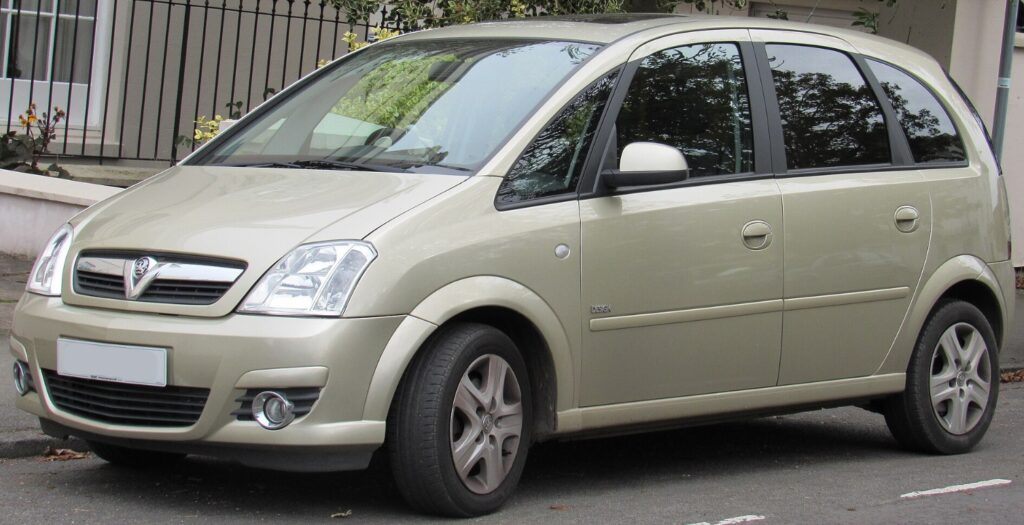
The Vauxhall Meriva engine management light can appear without warning, turning an ordinary drive into a guessing game. One minute, the car feels perfectly normal. The next, a yellow engine-shaped symbol is glowing on the dashboard like a tiny mechanical distress signal.
Should we stop immediately? Can we continue driving? Is the engine about to fail, or is the car simply complaining about a loose sensor connection?
The honest answer is that the engine management light can represent anything from a minor emissions fault to a serious misfire capable of damaging the catalytic converter. The light itself does not identify the failed component. Instead, it tells us that the engine control system has detected readings or operating conditions outside its expected range.
That sounds broad because it is broad. The Meriva’s engine computer monitors fuel delivery, ignition, exhaust emissions, airflow, temperature, turbocharger performance, and numerous electrical signals. When something does not add up, it stores a diagnostic trouble code and switches on the warning light.
In this guide, we will examine what the light means, the difference between a steady and flashing warning, the most common causes, the symptoms to watch for, and the practical steps we can take before replacing parts.
Content in this publication
- What Does the Vauxhall Meriva Engine Management Light Mean?
- Is the Engine Management Light Always Serious?
- Steady vs Flashing Engine Management Light
- Why Has the Vauxhall Meriva Engine Management Light Come On?
- Common Causes of the Vauxhall Meriva Engine Management Light
- 1. Faulty Ignition Coil
- 2. Worn or Contaminated Spark Plugs
- 3. Oxygen Sensor Failure
- 4. Mass Airflow Sensor Problems
- 5. EGR Valve Faults
- 6. Diesel Particulate Filter Problems
- 7. Turbocharger or Boost Pressure Fault
- 8. Throttle Body Contamination or Failure
- 9. Vacuum Leak or Split Intake Hose
- 10. Camshaft or Crankshaft Sensor Fault
- 11. Coolant Temperature Sensor Issue
- 12. Fuel Pressure or Injector Problems
- 13. Catalytic Converter Efficiency Fault
- What Is Limp Mode?
- Can We Drive With the Vauxhall Meriva Engine Management Light On?
- How to Diagnose the Engine Management Light
- Can We Reset the Vauxhall Meriva Engine Management Light?
- Why Did the Light Go Off by Itself?
- Can a Weak Battery Trigger the Engine Management Light?
- Engine Management Light After Refuelling
- Petrol vs Diesel Meriva Warning-Light Causes
- How Much Does It Cost to Fix?
- How to Prevent the Engine Management Light Returning
- Common Diagnostic Mistakes to Avoid
- A Practical Vauxhall Meriva Engine Light Checklist
- Final Thoughts
- Frequently Asked Questions
- 1. Can I drive my Vauxhall Meriva with the engine management light on?
- 2. Why is my Vauxhall Meriva engine management light flashing?
- 3. Will the engine management light reset itself?
- 4. Can a blocked DPF cause the engine management light?
- 5. Does disconnecting the battery clear the engine management light?
What Does the Vauxhall Meriva Engine Management Light Mean?
The engine management light, sometimes called the check engine light, malfunction indicator lamp, or emissions warning light, is connected to the Meriva’s electronic engine control system.
The engine control unit, commonly known as the ECU, receives information from sensors positioned throughout the vehicle. These sensors monitor conditions such as:
- Air entering the engine
- Exhaust oxygen levels
- Engine temperature
- Crankshaft and camshaft position
- Throttle position
- Fuel pressure
- Turbocharger boost
- Exhaust gas recirculation
- Diesel particulate filter performance
The ECU constantly compares these readings with programmed values. When one or more readings become implausible, inconsistent, or excessive, it stores a fault code.
The warning light is therefore more like an alarm bell than a diagnosis. It tells us that a fault exists, but it does not tell us exactly which part needs replacing.
Is the Engine Management Light Always Serious?
Not every engine management light signals immediate engine failure. Some faults are relatively minor, especially when the car starts normally, drives smoothly, and shows no loss of power.
However, we should never ignore the light indefinitely.
A small fault can develop into a larger one. A weak ignition coil may begin as an occasional misfire before causing poor fuel economy, difficult starting, and catalytic converter damage. A faulty oxygen sensor may allow the engine to run too rich, wasting fuel and contaminating the exhaust system.
The seriousness depends on three main factors:
- Whether the warning light is steady or flashing
- Whether the vehicle has entered reduced-power mode
- Whether other symptoms are present
Steady vs Flashing Engine Management Light
The behaviour of the warning light matters enormously.
Steady Yellow Engine Management Light
A steady yellow or amber engine light usually means the ECU has detected a fault that requires investigation but may not demand an immediate stop.
The car may still drive normally. In other cases, we may notice:
- Reduced acceleration
- Higher fuel consumption
- Rough idling
- Difficult starting
- Increased exhaust smoke
- Hesitation under load
- Limited turbo performance
If the light remains steady and the engine feels normal, we can usually drive cautiously for a short distance to a safe location or workshop. We should avoid hard acceleration, high engine speeds, towing, and long journeys until the fault has been diagnosed.
Flashing Engine Management Light
A flashing engine management light is more urgent. It commonly indicates an active misfire severe enough to risk overheating or damaging the catalytic converter.
Unburned fuel can enter the exhaust system, where it burns inside the catalytic converter. The converter may then become dangerously hot, melt internally, or lose its ability to control emissions.
If the light flashes while driving, we should:
- Reduce speed immediately
- Avoid heavy acceleration
- Move to a safe location
- Switch off the engine
- Arrange professional diagnosis or recovery
Continuing to drive with a flashing light can transform a manageable ignition fault into an expensive exhaust repair.
Why Has the Vauxhall Meriva Engine Management Light Come On?
There is no single cause. The Meriva was sold with several petrol and diesel engines, and each version has its own common failure patterns.
Still, certain faults appear more frequently than others.
Common Causes of the Vauxhall Meriva Engine Management Light
1. Faulty Ignition Coil
Petrol Meriva engines rely on ignition coils to create the high voltage needed to fire the spark plugs. When a coil becomes weak or fails, one or more cylinders may misfire.
Typical symptoms include:
- Shaking at idle
- Poor acceleration
- Engine hesitation
- Flashing engine light
- Increased fuel consumption
- Petrol smell from the exhaust
- Difficulty starting
An ignition coil may fail suddenly, but it can also deteriorate gradually. Heat, age, oil contamination, moisture, and worn spark plugs can all place additional strain on the coil.
Can We Drive With a Faulty Ignition Coil?
We should avoid driving further than necessary. A persistent misfire sends unburned fuel into the exhaust and can damage the catalytic converter.
Replacing a coil is often relatively straightforward, but diagnosing the correct cylinder matters. Guessing and replacing random components can become more expensive than a proper scan.
2. Worn or Contaminated Spark Plugs
Spark plugs are small, but they perform one of the engine’s most important jobs. They ignite the compressed air-fuel mixture inside each cylinder.
As plugs wear, the electrode gap may increase. Deposits can also build up, weakening the spark. The result may be an intermittent misfire, especially during acceleration or when the engine is under load.
Worn plugs can produce:
- Rough running
- Sluggish acceleration
- Poor cold starting
- Increased fuel use
- Misfire fault codes
- A steady or flashing engine light
Using the correct plug type and replacement interval is essential. Installing unsuitable plugs can create new running problems rather than solving the original one.
3. Oxygen Sensor Failure
The oxygen sensors measure the amount of oxygen in the exhaust gases. The ECU uses this information to adjust the air-fuel mixture and monitor catalytic converter efficiency.
A slow, contaminated, or failed oxygen sensor may cause:
- Higher fuel consumption
- Uneven idling
- Poor throttle response
- Increased emissions
- Failed emissions testing
- Strong exhaust smell
The engine may appear to run normally even when an oxygen sensor fault is present. That makes the warning easy to ignore, but prolonged rich running can damage the catalytic converter.
4. Mass Airflow Sensor Problems
The mass airflow sensor measures the quantity of air entering the engine. If it becomes dirty or sends inaccurate readings, the ECU may calculate the wrong amount of fuel.
Symptoms can include:
- Hesitation
- Flat acceleration
- Stalling
- Rough idle
- Reduced fuel economy
- Black exhaust smoke
- Limp mode
Air filter contamination, intake leaks, wiring damage, and inappropriate cleaning products can all affect the sensor.
We should not assume every airflow-related fault means the sensor itself has failed. A split intake hose or vacuum leak can produce similar readings.
5. EGR Valve Faults
The exhaust gas recirculation valve redirects a controlled amount of exhaust gas back into the engine to reduce combustion temperatures and nitrogen oxide emissions.
On diesel Merivas, carbon and soot can gradually restrict the valve. It may become stuck open, stuck closed, or slow to respond.
Common symptoms include:
- Loss of power
- Rough idling
- Hesitation
- Black smoke
- Poor fuel economy
- Engine management light
- Reduced-power mode
A stuck-open EGR valve may allow too much exhaust gas into the engine at idle, causing rough running or stalling. A stuck-closed valve may increase emissions and trigger an airflow-related fault.
Cleaning may help when contamination is moderate, but a worn actuator or damaged internal mechanism generally requires replacement.
6. Diesel Particulate Filter Problems
Diesel Meriva models may use a diesel particulate filter, or DPF, to capture soot from the exhaust.
The filter periodically cleans itself through regeneration. During this process, exhaust temperature rises and burns accumulated soot into a smaller amount of ash.
Problems occur when the vehicle regularly completes only short, low-speed journeys. The engine may not reach the conditions required for regeneration, causing soot to build up faster than it can be burned away.
Signs of a DPF problem may include:
- Engine management light
- DPF warning light
- Reduced performance
- Increased fuel consumption
- Cooling fan running frequently
- High idle speed
- Strong hot smell
- Limp mode
Can a Motorway Drive Clear the Light?
Sometimes a suitable sustained drive can help the vehicle complete an interrupted regeneration. However, it is not a universal cure.
We should not attempt a regeneration drive if:
- The oil level is above maximum
- The engine is overheating
- The warning light is flashing
- The car is running badly
- A red warning light is displayed
- The DPF is severely blocked
A diagnostic scan can reveal the calculated soot load, exhaust temperature data, pressure readings, and regeneration history.
7. Turbocharger or Boost Pressure Fault
Turbocharged Meriva engines depend on a sealed intake system and accurate boost control.
A boost fault does not always mean the turbocharger itself has failed. The real cause may be:
- A split intercooler hose
- Loose pipe connection
- Vacuum leak
- Faulty boost pressure sensor
- Sticking turbo actuator
- Damaged control solenoid
- Carbon buildup
- Worn turbocharger bearings
Typical symptoms include weak acceleration, whistling noises, smoke, limp mode, and an engine light that appears during harder acceleration.
Replacing the turbo before checking the hoses, sensors, vacuum system, and actuator is like replacing an entire roof because one tile is loose.
8. Throttle Body Contamination or Failure
The throttle body controls airflow into many petrol engines. Deposits can accumulate around the throttle plate, particularly after years of urban driving.
A dirty or faulty throttle body may cause:
- Unstable idle
- Delayed throttle response
- Stalling
- Reduced engine power
- Difficult starting
- Throttle position fault codes
Cleaning can sometimes restore normal operation, although electronic throttle bodies require care. Forcing the plate or using aggressive chemicals can damage delicate components.
Some vehicles may also require a throttle adaptation or relearn procedure after cleaning or replacement.
9. Vacuum Leak or Split Intake Hose
The engine expects all incoming air to pass through the correct measuring points. When extra air enters through a cracked hose, loose clamp, damaged gasket, or vacuum line, the fuel calculations become inaccurate.
A vacuum leak may cause:
- High or unstable idle
- Lean mixture codes
- Hesitation
- Whistling noises
- Difficult starting
- Poor low-speed performance
Small leaks can be surprisingly difficult to spot. Rubber hoses may look normal from above while splitting underneath where they bend.
10. Camshaft or Crankshaft Sensor Fault
The crankshaft and camshaft sensors help the ECU determine engine speed and timing position.
When one of these sensors fails, the engine may:
- Cut out unexpectedly
- Crank without starting
- Take longer to start
- Lose power
- Run intermittently
- Illuminate the engine management light
Heat-related sensor faults can be particularly frustrating. The engine may start normally when cold, stop after warming up, and restart only after cooling down.
11. Coolant Temperature Sensor Issue
The coolant temperature sensor tells the ECU whether the engine is cold, warming up, or fully hot. This information affects fuel mixture, idle speed, cooling fan operation, and emissions control.
An inaccurate sensor can cause:
- Poor cold starting
- Excessive fuel consumption
- Cooling fan running constantly
- Incorrect temperature gauge readings
- Rich exhaust smell
- Rough idle
Before replacing the sensor, we should inspect the wiring and connector. Corrosion or damaged terminals can create the same symptoms as a failed component.
12. Fuel Pressure or Injector Problems
Modern engines require precise fuel pressure and accurate injector operation.
Low pressure, excessive pressure, leaking injectors, blocked injectors, or electrical injector faults can all trigger the engine light.
Possible symptoms include:
- Long cranking
- Poor acceleration
- Misfiring
- Knocking or rattling
- Smoke from the exhaust
- Fuel smell
- Stalling
- Limp mode
Diesel injector diagnosis often requires leak-off testing, correction-value analysis, and fuel pressure checks. Simply adding injector cleaner may not solve a mechanical or electrical failure.
13. Catalytic Converter Efficiency Fault
The catalytic converter reduces harmful exhaust gases. The ECU compares readings from oxygen sensors before and after the converter to judge whether it is working efficiently.
A catalyst-efficiency code may be caused by:
- A worn catalytic converter
- Repeated misfires
- Oil burning
- Rich fuel mixture
- Exhaust leak
- Faulty oxygen sensor
Replacing the converter without correcting the condition that damaged it can lead to another failure.
What Is Limp Mode?
Limp mode is a protective operating strategy. When the ECU detects a fault that could affect engine safety, emissions, or turbocharger control, it may deliberately restrict performance.
The car may feel as though someone has tied an invisible anchor to the rear bumper.
We may notice:
- Limited acceleration
- Reduced turbo boost
- Restricted engine speed
- Automatic transmission staying in one gear
- A “service vehicle soon” message
- Engine management light
Limp mode does not necessarily mean the engine is permanently damaged. It means the control system has reduced performance to prevent the fault from becoming worse.
Restarting the engine may temporarily restore power, but this does not repair the underlying problem.
Can We Drive With the Vauxhall Meriva Engine Management Light On?
The answer depends on the warning behaviour and the way the car is running.
Driving May Be Reasonable for a Short Distance When:
- The light is steady
- The engine sounds normal
- There is no smoke
- The temperature remains normal
- There are no red warning lights
- Acceleration is still predictable
- The vehicle is not shaking or misfiring
Even then, we should drive gently and arrange a diagnostic scan promptly.
Stop Driving When:
- The light is flashing
- The engine is shaking heavily
- There is severe power loss
- The temperature is rising
- Thick smoke appears
- Oil pressure warning is displayed
- The engine makes knocking or metallic noises
- Fuel or burning smells are present
- The vehicle stalls repeatedly
Safety comes first. A warning light is cheaper than an engine, turbocharger, catalytic converter, or roadside accident.
How to Diagnose the Engine Management Light
Step 1: Observe the Symptoms
Before touching anything, we should pay attention to what the car is doing.
Ask:
- Did the light appear during acceleration?
- Did it appear after refuelling?
- Is the engine cold or hot?
- Does the car shake at idle?
- Has fuel economy changed?
- Is there smoke?
- Has the vehicle lost turbo power?
- Does the light disappear after restarting?
These details can make diagnosis faster and more accurate.
Step 2: Check Fluid Levels
With the vehicle parked safely and the engine cool, inspect:
- Engine oil level
- Coolant level
- Brake fluid level
- Visible leaks
Low oil or coolant may not always cause the engine management light directly, but they can indicate a more serious mechanical issue.
Never open a pressurised coolant cap while the engine is hot.
Step 3: Inspect Hoses and Connectors
Look for obvious faults around the engine bay:
- Loose electrical plugs
- Damaged wiring
- Split air hoses
- Disconnected vacuum lines
- Oil contamination
- Broken clips
- Loose intake clamps
A five-minute visual inspection can occasionally reveal the problem before any parts are purchased.
Step 4: Scan the Diagnostic Codes
An OBD-II scanner connects to the vehicle’s diagnostic port and reads stored fault codes.
Common code families include:
- P0100–P0199: Air and fuel measurement
- P0200–P0299: Injector and fuel system faults
- P0300–P0399: Misfires and ignition faults
- P0400–P0499: Emissions-control faults
- P0500–P0599: Speed, idle, and control-system faults
- P2000 and above: Manufacturer-specific or advanced emissions faults
A code gives us direction, but it should not be treated as a parts-shopping list.
For example, an oxygen sensor code may be caused by a vacuum leak, exhaust leak, wiring fault, fuel-pressure problem, or the sensor itself.
Why Live Data Matters
A capable diagnostic tool can display live readings such as:
- Coolant temperature
- Airflow
- Fuel trims
- Oxygen sensor activity
- Boost pressure
- Fuel pressure
- DPF pressure
- EGR command and position
- Misfire counts
These values help us understand whether the problem is electrical, mechanical, or related to airflow and combustion.
Step 5: Test Before Replacing Parts
Good diagnosis follows evidence.
Depending on the code, testing may involve:
- Checking wiring continuity
- Measuring voltage
- Smoke-testing the intake system
- Inspecting spark plugs
- Swapping ignition coils between cylinders
- Testing fuel pressure
- Examining injector correction values
- Checking exhaust back pressure
- Testing sensor response
Replacing the most obvious component without testing is tempting, but it can turn a simple fault into an expensive guessing contest.
Can We Reset the Vauxhall Meriva Engine Management Light?
Yes, a diagnostic scanner can clear stored fault codes and switch off the warning light. Disconnecting the battery may also erase certain codes on some models, although it can reset other settings and is not a reliable diagnostic method.
The important point is this: clearing the code does not repair the fault.
If the problem remains, the light will return after the ECU performs its checks again. It may return immediately, after several starts, or during a particular driving condition.
When Is It Appropriate to Clear the Light?
Clearing the light makes sense after:
- The fault has been diagnosed
- The repair has been completed
- Wiring or connectors have been repaired
- A damaged component has been replaced
- The system needs to be retested
After clearing the codes, we should drive the vehicle through normal operating conditions and rescan it to confirm that the fault does not return.
Why Did the Light Go Off by Itself?
An intermittent fault may stop occurring, allowing the ECU to switch off the warning light after several successful driving cycles.
However, the fault code may remain stored as historic or pending information.
Possible intermittent causes include:
- Loose connectors
- Moisture in electrical plugs
- Heat-sensitive sensors
- Temporary low voltage
- Occasional misfire
- Sticking EGR valve
- Small boost leak
- Interrupted DPF regeneration
A light that disappears is good news, but it is not proof that the problem has permanently vanished.
Can a Weak Battery Trigger the Engine Management Light?
Yes. Low system voltage can create confusing or unrelated fault codes.
Modern vehicles depend on stable electrical power. During starting, a weak battery may allow voltage to drop low enough to disrupt sensor signals or control modules.
Battery-related symptoms may include:
- Slow cranking
- Multiple warning lights
- Random fault messages
- Stop-start system unavailable
- Electrical systems behaving strangely
- Warning lights disappearing after charging
We should test battery condition, charging voltage, and terminal connections before chasing multiple apparently unrelated electrical faults.
Engine Management Light After Refuelling
If the warning appears soon after refuelling, the timing may be coincidental, but several possibilities should be considered:
- Poor-quality or contaminated fuel
- Incorrect fuel
- Loose fuel cap on applicable models
- Fuel-vapour system fault
- Water contamination in diesel
- Fuel-pressure issue
If the wrong fuel has been added, do not start the engine. Starting circulates the fuel through the system and can greatly increase repair costs.
Petrol vs Diesel Meriva Warning-Light Causes
Common Petrol Engine Causes
Petrol versions are more likely to experience issues involving:
- Ignition coils
- Spark plugs
- Oxygen sensors
- Throttle bodies
- Vacuum leaks
- Catalytic converters
- Camshaft or crankshaft sensors
Common Diesel Engine Causes
Diesel versions frequently develop faults involving:
- EGR valves
- DPF blockage
- Turbo boost control
- Injector performance
- Fuel pressure
- Glow plug systems
- Intake contamination
- Exhaust pressure sensors
This does not mean every petrol or diesel Meriva will experience these problems. It simply gives us a sensible starting point.
How Much Does It Cost to Fix?
Repair cost depends entirely on the underlying fault.
A loose hose, damaged connector, or worn spark plug may be relatively inexpensive. Injector, turbocharger, DPF, catalytic converter, or internal engine repairs can cost considerably more.
The total usually includes:
- Diagnostic time
- Replacement parts
- Labour
- Software adaptation or coding
- Additional damaged components
- Road testing
Paying for proper diagnosis may feel frustrating when we simply want the light switched off. Yet accurate testing often saves money by preventing unnecessary part replacement.
How to Prevent the Engine Management Light Returning
We cannot prevent every sensor or electronic component from failing, but good maintenance reduces the risk.
Follow the Correct Service Schedule
Regular servicing helps protect the engine, turbocharger, emissions equipment, and fuel system.
Important items include:
- Correct engine oil
- Oil filter
- Air filter
- Fuel filter
- Spark plugs
- Coolant
- Timing-belt or timing-chain inspections where applicable
Use the Correct Oil
The wrong oil viscosity or specification can affect turbocharger lubrication, emissions systems, and DPF regeneration.
On diesel models, unsuitable oil may leave excessive ash in the DPF. Ash does not burn away during regeneration, so it gradually reduces the filter’s capacity.
Avoid Endless Short Trips
Short journeys are difficult for diesel emissions systems. The engine may not reach full temperature, and DPF regeneration may repeatedly fail to complete.
A regular longer drive can help the engine and exhaust system reach stable operating temperatures.
Respond to Early Symptoms
Do not wait for the dashboard light if the car has already begun showing signs of trouble.
Investigate:
- New vibrations
- Hard starting
- Unusual smoke
- Loss of power
- Rising fuel consumption
- Whistling noises
- Unstable idle
- Frequent cooling-fan operation
Cars often whisper before they shout.
Common Diagnostic Mistakes to Avoid
Replacing Parts Based Only on the Code Name
A fault code identifies the system or signal that has detected a problem. It does not always identify the failed part.
Ignoring Wiring and Connectors
Sensors depend on clean electrical connections. Broken wires, corrosion, poor grounds, and loose terminals can imitate component failure.
Clearing Codes Before Recording Them
We should save all stored, pending, and historic codes before clearing anything. Freeze-frame data may show engine speed, temperature, load, and other conditions present when the fault occurred.
Continuing to Drive With a Flashing Light
This can cause catalytic converter damage and may leave the vehicle stranded.
Buying the Cheapest Sensor Available
Low-quality sensors may produce inaccurate signals, fit poorly, or fail quickly. With critical electronic components, correct specification and reputable quality matter.
A Practical Vauxhall Meriva Engine Light Checklist
When the warning appears, follow this simple order:
- Check whether the light is steady or flashing.
- Listen for knocking, misfiring, or unusual mechanical noise.
- Check for smoke, fuel smells, or overheating.
- Stop immediately if the light is flashing or the engine runs badly.
- Inspect oil and coolant levels when safe.
- Check visible hoses, wiring, and connectors.
- Read the diagnostic trouble codes.
- Record freeze-frame and live data.
- Test the suspected system.
- Repair the confirmed fault.
- Clear the codes.
- Road-test and scan the car again.
This method keeps the diagnosis logical. It replaces panic with a process.
Final Thoughts
The Vauxhall Meriva engine management light should be treated as information rather than an instant verdict. Sometimes the cause is small: a worn spark plug, loose hose, weak battery, or contaminated sensor. At other times, the light warns of a serious misfire, DPF restriction, fuel-pressure problem, or turbocharger fault.
The most important distinction is whether the light remains steady or flashes. A steady light usually allows cautious, limited driving if the engine feels normal. A flashing light demands immediate attention because continued driving may damage the catalytic converter or worsen the original fault.
We should also resist the urge to replace parts based solely on a diagnostic code. Codes point us toward the affected system, but proper testing confirms the real cause. The smartest repair is not the fastest guess. It is the one supported by evidence.
When we listen to the symptoms, scan the codes, inspect the basics, and test before buying parts, the engine management light becomes far less mysterious. It stops being a glowing symbol of panic and becomes what it was designed to be: an early warning that helps us protect the car.
Frequently Asked Questions
1. Can I drive my Vauxhall Meriva with the engine management light on?
You can usually drive a short distance cautiously when the light is steady and the engine runs normally. Stop driving if the light flashes, the engine misfires, power drops severely, smoke appears, or the temperature rises.
2. Why is my Vauxhall Meriva engine management light flashing?
A flashing light commonly indicates a serious active misfire. Unburned fuel may enter the exhaust and overheat the catalytic converter. Reduce speed, stop safely, switch off the engine, and arrange diagnosis.
3. Will the engine management light reset itself?
It may switch off after several successful driving cycles if an intermittent fault does not return. However, the code may remain stored in the ECU, and the underlying problem may still require investigation.
4. Can a blocked DPF cause the engine management light?
Yes. A restricted DPF, failed pressure sensor, interrupted regeneration, or exhaust-temperature fault can trigger the engine light and reduced-power mode on diesel Meriva models.
5. Does disconnecting the battery clear the engine management light?
Disconnecting the battery may erase some temporary codes, but it does not fix the cause. It can also reset vehicle settings. A diagnostic scanner is a safer and more informative way to read and clear fault codes.
If you want to know other articles similar to Vauxhall Meriva Engine Management Light: Causes, Checks, and Fixes you can visit the category Service and Parts.
MG HS Tyre Pressure Guide: Correct PSI and TPMS

Toyota Yaris Cross Dashboard Symbols

BMW 3 Series Warning Lights: The Complete Guide to Understanding Every Dashboard Symbol

Nissan Qashqai Fuel Tank Capacity: Complete Guide

Suzuki Swift Fuel Tank Capacity: Complete Guide

Mazda CX-5 Weight (2013–2026): Complete Guide in Pounds and KG
Leave a Reply
More content of your interest