

Vauxhall Meriva Red Warning Light Door With Key: Meaning, Causes, and Fixes

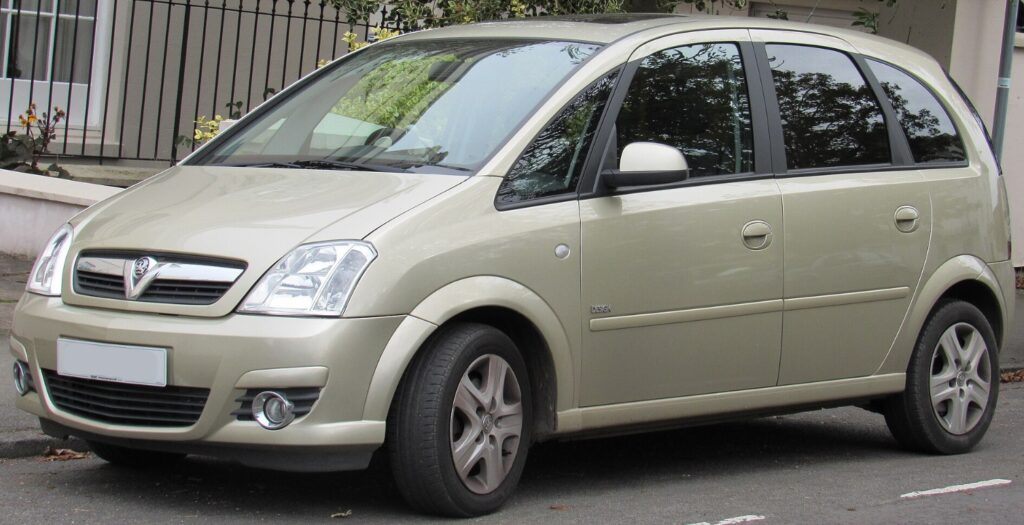
A Vauxhall Meriva red warning light showing a door with a key can be surprisingly confusing. At first glance, we might assume the car has stopped recognising the ignition key, the immobiliser has failed, or somebody has activated the security system. In many cases, however, this particular symbol points to something quite different.
On the Vauxhall Meriva B, especially models fitted with rear-hinged FlexDoors, the red door-and-key-style symbol is commonly associated with a fault in the automatic rear-door locking system. It may appear together with a warning chime, flashing rear-door LEDs, unusual locking behaviour, or doors that repeatedly lock and unlock.
This is not merely a decorative dashboard complaint. The warning may mean that the vehicle cannot confirm that one or both rear doors are properly secured against being opened from inside while the car is moving.
The good news? The fault is often linked to a door-lock actuator, microswitch, electrical connector, or wiring problem rather than a catastrophic vehicle failure. Even so, we should treat it seriously until the rear doors have been checked.
Let us unravel the symbol, examine the likely causes, and work through the safest troubleshooting process.
Content in this publication
- What Does the Vauxhall Meriva Door With Key Warning Light Mean?
- Is It an Immobiliser or Ignition-Key Warning?
- Which Vauxhall Meriva Models Are Most Affected?
- Why the Warning Light Is Red
- What Should We Do Immediately?
- How to Activate the Rear Child Locks
- Common Causes of the Red Door With Key Warning Light
- 1. Faulty Rear-Door Lock Actuator
- 2. Worn or Sticking Microswitch
- 3. Damaged Wiring in the Door Loom
- 4. Corroded or Loose Electrical Connector
- 5. Door Misalignment
- 6. Low Vehicle-Battery Voltage
- 7. Blown Fuse or Poor Fuse Contact
- 8. Body Control Module or Communication Fault
- 9. Aftermarket Stereo or Electrical Modification
- Symptoms That Often Appear With the Warning
- Can We Continue Driving?
- How a Workshop Diagnoses the Fault
- Can We Reset the Warning Light at Home?
- Could the Key-Fob Battery Cause the Warning?
- Typical Repair Costs
- DIY Checks We Can Perform Safely
- Mistakes to Avoid
- How to Prevent Future Rear-Door Lock Problems
- Difference Between a Door-Ajar Warning and the Door-Key Symbol
- Does Activating the Child Locks Fix the Problem?
- When the Warning Points to a More Serious Electrical Problem
- Final Thoughts
- Frequently Asked Questions
What Does the Vauxhall Meriva Door With Key Warning Light Mean?
The red symbol normally indicates a problem with the Meriva’s automatic rear-door locking feature.
When the system operates correctly, the vehicle automatically locks after pulling away. On the Meriva B, the rear doors also use sensors and locking mechanisms designed to prevent them from being opened incorrectly while the vehicle is moving.
If the control module cannot confirm that the rear doors are safely locked, it illuminates the warning indicator and may sound a continuous or repeated chime.
Vauxhall’s owner’s manual explains that, when an automatic-locking system fault occurs, the relevant indicator illuminates and a warning chime sounds because the rear doors may not be secured against opening. The manual advises stopping immediately, operating the mechanical child locks in both rear doors, checking that the doors cannot be opened from inside, and consulting a workshop.
In other words, the symbol is best interpreted as:
The car has detected, or believes it has detected, a fault in the rear-door security or automatic locking system.
It does not always mean that a door is physically open. Instead, the vehicle may be receiving an incorrect or missing signal from one of the locking components.
Is It an Immobiliser or Ignition-Key Warning?
Usually, no.
The design of the symbol leads many drivers down the wrong path. Because it resembles a door, vehicle, key, or lock, it is easy to assume that the immobiliser cannot recognise the transponder inside the ignition key.
An immobiliser fault is more likely when:
- The engine cranks but refuses to start
- The engine starts and immediately cuts out
- A car-and-padlock or car-and-spanner symbol flashes
- The warning appears immediately after trying a spare or replacement key
- Diagnostic codes refer to key authentication or immobiliser communication
By contrast, the Meriva rear-door locking warning is more commonly accompanied by:
- A loud or repetitive warning chime
- A red door-and-key-shaped icon
- Rear doors locking and unlocking unexpectedly
- Green lights near the rear interior handles behaving strangely
- A warning that appears while driving
- One rear door failing to report its correct locked position
- The alarm stopping after activating the mechanical child locks
The distinction matters. Replacing the key-fob battery will not repair a faulty door-lock microswitch, just as changing a light bulb will not repair a leaking tap.
Which Vauxhall Meriva Models Are Most Affected?
The warning is particularly relevant to the Vauxhall Meriva B, produced during the 2010s and recognised by its distinctive rear-hinged FlexDoors.
These rear doors open in the opposite direction from conventional doors. The design improves access to the rear seats, especially when fitting child seats or helping passengers enter the vehicle. However, it also relies on an automatic locking and monitoring system to ensure the doors remain safely secured while driving.
The earlier Meriva A has a different body design and may use different dashboard symbols and locking arrangements. Therefore, advice for a Meriva B should not automatically be applied to every Meriva generation.
Before ordering parts, check:
- The model year
- Whether the car is a Meriva A or Meriva B
- The exact appearance of the symbol
- Whether a warning message appears in the information display
- Whether the warning is accompanied by beeping
- Whether the rear doors behave abnormally
The owner’s handbook supplied with the exact model remains the best reference because equipment and warning indicators can vary by year and specification.
Why the Warning Light Is Red
Dashboard colours are not chosen at random. They work rather like traffic lights:
- Green or blue generally indicates that a feature is operating
- Amber or yellow usually signals a fault requiring attention
- Red normally identifies an urgent safety issue or condition requiring prompt action
The red Meriva door-lock warning does not necessarily mean the engine is about to fail. Its urgency relates to passenger safety. The vehicle cannot confidently verify that the rear doors are protected against opening.
That is why we should not simply silence the chime, cover the warning lamp, or continue driving for weeks without investigation.
What Should We Do Immediately?
If the red door-with-key warning appears while driving, remain calm and follow a safe sequence.
Immediate Safety Steps
- Reduce speed smoothly.
- Pull over somewhere safe.
- Apply the parking brake.
- Ask rear passengers not to touch the door handles.
- Switch off the engine when safe.
- Check that all doors are fully closed.
- Activate the mechanical child locks on both rear doors.
- Test the rear interior handles before continuing.
- Arrange a diagnostic inspection.
According to the Meriva manual, if the child locks are already activated, they should be deactivated and then activated again. Once both mechanical child locks are correctly engaged, the green LEDs should go out and the warning chime may stop. The doors should then be tested from inside before the vehicle is driven again.
Do Not Test the Door While Moving
Never ask a passenger to pull an interior door handle while the car is in motion. Even at a low speed, an unexpected opening could cause injury or a collision.
Any handle test should be performed while the vehicle is stationary, parked securely, and away from traffic.
How to Activate the Rear Child Locks
The Meriva B’s mechanical child locks are located on the rear doors.
Open each rear door and inspect the edge of the door near the latch mechanism. We should see a small slot or switch that can be turned with the ignition key or a suitable flat-bladed tool.
The exact orientation can vary, so follow the markings beside the switch or consult the handbook.
The general procedure is:
- Park the vehicle safely.
- Switch off the ignition.
- Open the first rear door.
- Locate the child-lock slot near the latch.
- Turn it into the locked position.
- Repeat the process on the other rear door.
- Close both doors firmly.
- From inside, check that neither rear door opens using its interior handle.
Activating the mechanical child locks is a safety measure, not a complete repair. It may stop the warning chime because it provides a physical layer of protection, but the underlying electrical or mechanical fault may remain.
Common Causes of the Red Door With Key Warning Light
The warning can be triggered by several faults. Some are simple; others require electrical diagnosis.
1. Faulty Rear-Door Lock Actuator
The lock actuator is one of the most common suspects.
An actuator is an electrically operated mechanism that locks or unlocks the door when commanded by the vehicle. Inside it, small switches report the lock’s position to the control module.
The door might appear to lock normally, yet the actuator may fail to send the correct confirmation signal. The control module then behaves like a security guard who has heard the door close but cannot see whether the bolt entered the frame.
Symptoms may include:
- Intermittent warning lights
- Repeated locking and unlocking
- A rear door that responds more slowly than the others
- Central locking that works only occasionally
- Warning chimes after setting off
- A warning that changes when the door is opened or slammed
The actuator may need replacement, although wiring and connectors should be tested first.
2. Worn or Sticking Microswitch
Small microswitches inside the latch assembly tell the car whether the door is open, closed, locked, or released.
Over time, a switch can wear, stick, become contaminated, or fail electrically. Because the component is usually integrated into the latch, replacing only the tiny switch may not be practical during a standard workshop repair.
A microswitch fault often creates inconsistent symptoms. The warning may disappear on a warm afternoon but return on a cold morning. It may vanish after opening and closing the door, only to reappear over the next pothole.
Intermittent behaviour does not mean the fault has healed. It usually means the electrical signal is hovering between reliable and unreliable.
3. Damaged Wiring in the Door Loom
Every time a door opens, the wiring harness between the body and door flexes. After thousands of cycles, individual wires may crack internally or break near the hinge area.
The outside insulation can still look healthy while the copper strands inside are damaged.
Possible signs include:
- The warning changes when the door moves
- Electric windows work intermittently
- Central locking fails on one door
- Speakers cut in and out
- The fault is worse when the door is fully open
- Several electrical functions on the same door fail together
A technician may perform a continuity test while gently moving the harness. This can reveal an internal break that a visual inspection misses.
4. Corroded or Loose Electrical Connector
Moisture, dirt, vibration, or a poorly seated plug can interrupt communication between the door lock and the vehicle’s body-control electronics.
Connector problems are especially worth considering if:
- The fault began after bodywork
- A door was recently replaced
- Water has entered the door
- The battery was disconnected
- Interior trim was removed
- An aftermarket electrical accessory was installed
Cleaning and correctly securing a connector may solve the problem, but terminals that have become loose or corroded may need repair.
5. Door Misalignment
A door can look closed without sitting perfectly against the latch.
Misalignment may follow:
- A minor collision
- Excessive pressure on an open door
- Worn hinges
- Loose striker bolts
- Previous body repair
- Repeatedly slamming the door
- A door seal that has shifted
If the latch does not reach its expected position, the lock sensor may report an insecure condition.
Look for uneven panel gaps, unusual closing effort, rattling, wind noise, or a door that sits slightly proud of the bodywork. Avoid adjusting the striker casually; small movements can affect sealing, alignment, and safe latching.
6. Low Vehicle-Battery Voltage
A weak main battery can produce strange electrical symptoms. Modern control units need stable voltage, and a battery approaching the end of its life may cause inconsistent warning lights, slow actuators, or communication errors.
Battery voltage becomes a stronger suspect when:
- The engine cranks slowly
- Several unrelated warnings appear together
- The fault started after the car was parked for weeks
- The weather has turned cold
- Interior lights dim noticeably during starting
- Stop-start has stopped operating
- The battery is several years old
Nevertheless, we should not assume that every door warning is caused by the battery. Test the battery and charging system rather than replacing parts by guesswork.
7. Blown Fuse or Poor Fuse Contact
A failed fuse may disable a locking circuit completely, while a loose or oxidised fuse contact can cause intermittent operation.
Check the fuse information for the specific model year because fuse positions can differ. Never replace a fuse with one of a higher amperage. A fuse is not an obstacle to overcome; it is a protective device.
If a replacement fuse blows again, there is likely a short circuit or overloaded component requiring professional diagnosis.
8. Body Control Module or Communication Fault
The body control module coordinates systems such as central locking, interior lighting, alarms, and door-status signals.
Module failure is possible, but it should not be the first assumption. In many cases, the module is simply responding to a faulty signal from a switch, actuator, or wire.
Before replacing or programming an expensive control unit, a technician should verify:
- Power supply
- Grounds
- Network communication
- Door-lock signals
- Connector integrity
- Relevant diagnostic trouble codes
- Previous electrical modifications
Replacing the control module without testing the simpler components can become an expensive game of darts played in the dark.
9. Aftermarket Stereo or Electrical Modification
The warning may appear after fitting a radio, alarm, tracker, dash camera, or other electrical accessory.
An installer may accidentally:
- Disturb a shared power supply
- Damage a wire
- Blow a fuse
- Create a poor ground
- Connect to the wrong circuit
- Interfere with control-module communication
If the problem began immediately after electrical work, return to the installation before replacing door hardware. Timing is not proof, but it is an important clue.
Symptoms That Often Appear With the Warning
The dashboard icon rarely tells the whole story. Additional symptoms help us narrow the diagnosis.
Continuous Warning Chime
A continuous or repeated chime strongly supports an automatic rear-door locking fault. The car is trying to attract attention because it cannot confirm safe rear-door operation.
Activating both mechanical child locks may silence the chime, but the warning indicator can remain illuminated until the fault is repaired or the control unit receives a valid signal.
Door Locks Cycling Repeatedly
A door that locks and unlocks by itself may have:
- An unstable microswitch signal
- A damaged actuator
- Broken wiring
- A weak electrical connection
- A control-module communication problem
Repeated cycling can eventually wear the actuator or drain the battery, so it should not be ignored.
One Green Rear-Door LED Behaves Differently
The green indicators near the rear interior handles can provide useful clues. If one light stays on, flashes, or behaves differently from the opposite side, the fault may be associated with that particular door.
However, the LED is a clue rather than a definitive diagnosis. A scan tool and electrical testing are still preferable.
The Light Appears Only Over Bumps
A warning triggered by bumps or door movement often points toward:
- Loose connectors
- Partly broken wires
- Worn latch switches
- Door misalignment
- Internal actuator damage
Vibration momentarily opens or closes the faulty circuit, producing a warning that seems to have a mind of its own.
The Warning Appears in Cold or Wet Weather
Temperature and moisture can affect electrical resistance, lubrication, seals, and mechanical movement.
A marginal microswitch may work in dry weather but stick when cold. A damaged connector may behave normally until moisture enters. A stiff latch may fail to reach its full travel on a freezing morning.
Weather-related symptoms are valuable evidence. Tell the technician when and under what conditions the warning appears.
Can We Continue Driving?
Driving should be approached cautiously.
The warning does not necessarily indicate a problem with the engine, brakes, or steering. However, it may mean the rear-door safety system cannot guarantee that the doors are secured against opening.
Before moving the vehicle:
- Activate both mechanical child locks
- Confirm the rear doors cannot open from inside
- Make sure every door closes and latches correctly
- Keep passengers away from the rear handles
- Drive directly to a suitable workshop
- Avoid carrying children in the rear until the issue is understood
Stop driving and arrange recovery when:
- A door will not remain securely latched
- A rear door can open unexpectedly
- The locks cycle continuously
- Wiring becomes hot
- A burning smell develops
- The battery rapidly discharges
- Multiple electrical systems fail
- The warning is accompanied by another serious red light
Safety takes priority over convenience. A workshop visit is cheaper than discovering the true severity of the fault at motorway speed.
How a Workshop Diagnoses the Fault
Good diagnosis follows evidence rather than guesses.
Step 1: Read Diagnostic Trouble Codes
A professional scan tool can access the body-control and door-locking systems. A basic engine-code reader may not be sufficient because many inexpensive readers communicate only with the engine control module.
The scan should look for codes relating to:
- Rear-door lock status
- Door-latch switches
- Automatic locking
- Body control
- Communication errors
- Low voltage
- Open or short circuits
A code identifies the system that noticed the problem, not always the exact failed component.
Step 2: Compare Live Data
Live data lets the technician watch what the module believes each door is doing.
For example, the display might show:
- Left rear door: closed
- Right rear door: open
- Left lock: secured
- Right lock: unknown
If the physical door is closed but the computer reports it as open, the technician can focus on that latch, actuator, connector, or wiring circuit.
Step 3: Operate Each Door and Lock
The technician may repeatedly open, close, lock, and unlock each rear door while monitoring the live values.
This helps identify intermittent signals and differences between the two sides.
Step 4: Inspect the Wiring
The flexible loom and connector should be checked for:
- Broken conductors
- Pinched wiring
- Corrosion
- Pulled terminals
- Previous repairs
- Water damage
- Excessive resistance
A multimeter can test continuity, voltage, and ground quality.
Step 5: Test or Substitute the Latch Assembly
When power, ground, and wiring are correct but the position signal remains wrong, the latch or actuator assembly becomes the leading suspect.
The exact repair depends on whether individual components are available or the complete assembly must be replaced.
Can We Reset the Warning Light at Home?
There is no reliable universal reset that permanently repairs this warning.
Some owners find that the warning temporarily disappears after:
- Switching the ignition off and on
- Locking and unlocking the car
- Opening and closing every door
- Activating both mechanical child locks
- Disconnecting and reconnecting the battery
- Clearing stored fault codes
These actions may reset the control unit or temporarily restore a weak connection. They do not repair a worn switch, broken wire, or failing actuator.
Why Battery Disconnection Is Not the Best First Step
Disconnecting the battery can erase temporary faults, but it may also:
- Reset the clock and saved settings
- Require window reinitialisation
- Affect radio settings
- Remove useful diagnostic information
- Temporarily hide the fault
- Create additional low-voltage codes
A diagnostic scan before disconnecting the battery preserves valuable evidence.
Could the Key-Fob Battery Cause the Warning?
A weak remote-control battery usually causes symptoms such as:
- Reduced operating range
- The car failing to lock remotely
- Intermittent button response
- A key-battery warning message
- The need to press buttons several times
It is less likely to cause the Meriva’s rear-door automatic-locking warning.
Replacing the key-fob battery is inexpensive and sensible when remote operation is poor, but we should not expect it to repair a door actuator or latch sensor.
Many Meriva remote keys use a CR2032 battery, although the correct type should be confirmed before purchase. After replacement, some keys may need synchronisation according to the handbook procedure. The Meriva manual describes unlocking the driver’s door with the key and switching on the ignition as part of remote-control synchronisation.
Typical Repair Costs
Repair prices vary according to location, labour rates, model year, and the exact failed component.
A simple fuse or connector repair may cost relatively little. Replacing a rear-door latch or actuator can cost considerably more because the interior trim must be removed and the component may be sold as a complete assembly.
Possible cost categories include:
- Diagnostic scan
- Wiring repair
- Connector or terminal repair
- Door alignment
- Latch or actuator replacement
- Body-control module testing
- Module programming
- Battery replacement
The cheapest estimate is not always the best choice. A proper diagnosis can prevent us from replacing a perfectly good actuator when the real fault is a £2 section of damaged wiring.
Ask the workshop:
- Which trouble codes were found?
- Which door is affected?
- Was the wiring tested?
- Does live data confirm the faulty signal?
- Is the replacement part new, used, or refurbished?
- Will the repair include a warranty?
- Does the component need programming?
DIY Checks We Can Perform Safely
Without dismantling the car, we can collect useful information.
Simple Inspection Checklist
- Confirm every door is fully closed
- Check whether one door needs excessive force
- Test central locking from the remote and dashboard switch
- Observe the green rear-door LEDs
- Listen for a weak or slow actuator
- Check whether the fault changes when opening each door
- Inspect visible wiring boots for damage
- Note whether the warning is weather-related
- Test the main vehicle battery
- Record any warning messages
- Scan body-control modules with a compatible tool
Do not probe wires with random metal objects, bypass safety circuits, or force door mechanisms. Modern body electronics can be damaged by short circuits or incorrect voltage.
Mistakes to Avoid
Ignoring the Warning Because the Doors Look Closed
A door can appear closed while the control system cannot verify its locked state. The warning concerns what the vehicle knows, not merely what we see.
Assuming the Ignition Key Is Faulty
The shape of the icon is misleading. Compare the warning with the symptoms before buying a new key or paying for immobiliser programming.
Replacing Both Door Locks Immediately
One faulty wire can mimic an actuator failure. Scan and test the system before replacing expensive parts.
Using the Child Locks as a Permanent Repair
Mechanical child locks improve safety, but they do not restore the automatic locking system or repair the electrical fault.
Clearing Codes Without Recording Them
Once cleared, an intermittent code may not return during the workshop visit. Photograph or write down every code first.
Fitting a Larger Fuse
A larger fuse can allow wiring to overheat instead of interrupting the circuit. Always use the specified amperage.
How to Prevent Future Rear-Door Lock Problems
Not every fault is preventable, but careful ownership can reduce the risk.
- Avoid slamming the rear doors
- Keep drain holes clear
- Repair damaged door seals
- Investigate water inside the cabin
- Do not pull wiring when removing trim
- Use competent installers for electrical accessories
- Maintain a healthy vehicle battery
- Lubricate only the approved mechanical points
- Address intermittent locking before total failure
- Avoid pressure-washing directly into door gaps and connectors
The first intermittent warning is often the car whispering before it starts shouting. Early diagnosis usually gives us more repair options.
Difference Between a Door-Ajar Warning and the Door-Key Symbol
A standard door-ajar warning usually means one of the doors or the tailgate is physically open.
The Meriva red door-key warning is more specific. It generally relates to the automatic locking or security status of the rear doors rather than simply reporting an open door.
A door-ajar warning may disappear when the door is closed firmly. The automatic-locking fault may remain even when all doors look perfectly shut.
This distinction helps avoid repeatedly slamming the doors in frustration. If closing them again does not clear the warning, the next step is diagnosis rather than greater force.
Does Activating the Child Locks Fix the Problem?
It can stop the warning chime, but it does not necessarily fix the electrical fault.
The mechanical child locks prevent the rear doors from being opened using the interior handles. This reduces the immediate risk when the automatic system cannot confirm that the doors are secured.
Think of it as fastening a secondary latch after an electronic lock has become unreliable. We have improved safety, but the faulty electronic lock still needs attention.
After activating the child locks:
- Verify both rear interior handles are disabled.
- Confirm the doors remain securely latched.
- Arrange a diagnostic inspection.
- Warn passengers not to operate the doors.
- Avoid treating the temporary measure as a permanent solution.
When the Warning Points to a More Serious Electrical Problem
A single rear-door warning usually leads us toward the latch, actuator, or wiring. However, broader symptoms may indicate a larger electrical issue.
Seek urgent professional help when the warning appears with:
- Rapidly flashing dashboard lights
- Instrument-panel resets
- Central locking operating continuously
- A battery that goes flat overnight
- Burning smells
- Melted fuses
- Water beneath the carpets
- Multiple control modules reporting communication faults
- Electric windows, lights, and locks failing together
These symptoms may involve damaged wiring, water intrusion, charging-system trouble, or a body-control fault.
Final Thoughts
The Vauxhall Meriva red warning light door with key is commonly misunderstood because the symbol looks as though it belongs to the ignition key or immobiliser. On the Meriva B, however, it usually warns of a problem with the automatic rear-door locking system.
The car may be unable to verify that one or both rear doors are secured against opening. Common causes include a faulty latch microswitch, rear-door lock actuator, damaged wiring loom, corroded connector, door misalignment, low battery voltage, or a control-system fault.
When the light appears, we should stop safely, keep passengers away from the rear handles, activate the mechanical child locks on both rear doors, and confirm that the doors cannot be opened from inside. That procedure improves immediate safety, but it does not replace proper diagnosis.
A body-system scan, live-data inspection, and wiring test are usually the quickest route to an accurate repair. Guessing at keys, batteries, actuators, and control modules can turn a manageable fault into an expensive parts-swapping exercise.
Treat the symbol like a smoke alarm: it may be triggered by a small problem, but we should still discover what caused it before assuming everything is safe.
Frequently Asked Questions
1. What does the red door with key light mean on a Vauxhall Meriva?
On many Meriva B models, it indicates a fault in the automatic rear-door locking system. The vehicle may be unable to confirm that the rear doors are secured against opening while driving. It can appear with a warning chime or unusual locking behaviour.
2. Can I drive with the Meriva door-key warning light on?
Stop safely first and activate the mechanical child locks on both rear doors. Confirm that neither rear door opens from inside. Driving directly to a workshop may then be possible, provided the doors latch securely and no other serious symptoms are present. Arrange recovery if a door will not remain closed or the electrical system behaves unpredictably.
3. Will replacing the key-fob battery clear the warning?
Usually not. A weak key-fob battery mainly affects remote locking range and button operation. The red door-key warning is more often related to a rear-door lock actuator, latch switch, wiring connection, or automatic locking fault.
4. Why does the warning beep continuously?
The chime is intended to alert us that the rear doors may not be protected against opening. Activating both mechanical child locks may stop the sound, but the underlying fault should still be scanned and repaired.
5. What is the most common repair for this warning?
There is no single repair for every Meriva. Common solutions include replacing a faulty rear-door latch or actuator, repairing broken wiring in the door loom, cleaning electrical connectors, correcting door alignment, or repairing a low-voltage problem. Diagnostic codes and live data should identify which side and circuit require attention.
If you want to know other articles similar to Vauxhall Meriva Red Warning Light Door With Key: Meaning, Causes, and Fixes you can visit the category Common Problems.
Toyota Hilux Issues: Common Problems, Causes and What to Check

Subaru XV Not Starting: Causes, Diagnosis, and Fixes

BMW M2 Issues: Common Problems, Reliability and What Owners Should Know
Subaru XV Issues: Common Problems, Reliability and What Owners Should Know
Subaru XV Hybrid Problems: What Owners Should Know

Mazda CX-9 Air Conditioning Problems: Causes, Fixes, and Troubleshooting
Leave a Reply
More content of your interest