
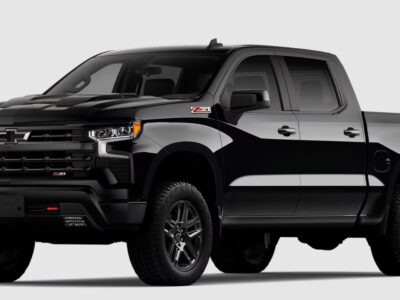
GMC Sierra Maintenance Schedule Canada: Complete Service Guide

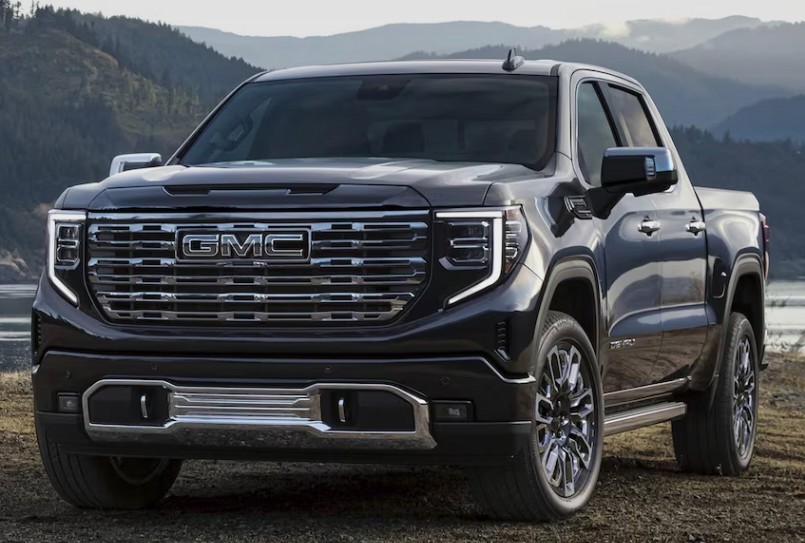
A GMC Sierra can haul a trailer through the Rockies, crawl across a muddy worksite, or cruise down a salted Ontario highway without breaking a sweat. Still, even the toughest truck needs regular attention. Skip enough maintenance, and that dependable pickup can begin behaving like a tired work boot: still usable, but no longer comfortable, efficient, or trustworthy.
Following the correct GMC Sierra maintenance schedule in Canada helps us protect the engine, transmission, four-wheel-drive system, brakes, suspension, and electrical components. It also gives us a better chance of catching small problems before they turn into repair bills with an extra zero attached.
Canadian Sierra owners face conditions that are often harder on vehicles than the phrase “normal driving” suggests. Freezing starts, short winter journeys, road salt, gravel, towing, steep grades, dust, and extreme temperature swings all affect how quickly fluids and components wear.
This guide provides a practical maintenance timeline for GMC Sierra 1500, 2500HD, and 3500HD trucks. Because exact requirements vary by model year, engine, transmission, drivetrain, and equipment, we should always compare this general guide with the owner’s manual for the specific truck. GMC Canada provides year- and model-specific manuals through its official manuals portal.
Content in this publication
- Why the GMC Sierra Maintenance Schedule Matters
- Understanding Normal and Severe Driving Conditions
- GMC Sierra Maintenance Schedule at a Glance
- Monthly GMC Sierra Maintenance Checks
- Engine Oil and Oil Filter Schedule
- Tire Rotation and Wheel Inspection
- Brake Inspection Schedule
- Engine Air Filter Maintenance
- Cabin Air Filter Replacement
- Battery and Charging-System Maintenance
- Transmission Fluid and Filter Service
- Transfer-Case Fluid on Four-Wheel-Drive Sierras
- Front and Rear Differential Maintenance
- Cooling-System Maintenance
- Spark-Plug Maintenance for Gasoline Engines
- Diesel-Specific Sierra Maintenance
- Seasonal GMC Sierra Maintenance in Canada
- Fall: Prepare Before the Freeze
- Winter: Fight Salt and Moisture
- Spring: Inspect Winter Damage
- Summer: Prepare for Towing and Heat
- Mileage-Based Sierra Maintenance Timeline
- Snowplow and Commercial-Use Maintenance
- Common Maintenance Mistakes to Avoid
- How to Build a Personal Sierra Maintenance Record
- Dealer Service Versus Independent Repair Shops
- Final Thoughts on GMC Sierra Maintenance in Canada
- Frequently Asked Questions
- 1. How often should a GMC Sierra be serviced in Canada?
- 2. Should I change GMC Sierra oil every 8,000 kilometres?
- 3. When should GMC Sierra transmission fluid be changed?
- 4. Does a GMC Sierra need different maintenance during winter?
- 5. Is the maintenance schedule the same for Sierra 1500 and Sierra HD?
Why the GMC Sierra Maintenance Schedule Matters
Maintenance is not simply about avoiding a breakdown on a cold Monday morning. It affects nearly every part of the ownership experience.
A well-maintained Sierra generally delivers:
- More consistent fuel economy
- Smoother transmission operation
- Better cold-weather starting
- Longer brake and tire life
- More dependable towing performance
- Lower long-term repair risk
- Stronger resale value
- Better protection of warranty coverage
Think of maintenance as a series of small deposits into the truck’s reliability account. An oil change, tire rotation, or fluid inspection may seem ordinary today, but those modest actions can prevent expensive withdrawals later.
Ignoring maintenance can also create a domino effect. A worn tire places extra stress on steering and suspension parts. Low fluid may overheat a differential. A neglected battery can strain the starting and charging system. One weak link begins pulling on the rest of the chain.
Understanding Normal and Severe Driving Conditions
Vehicle maintenance schedules often separate driving into normal and severe operating conditions. This distinction matters because many Canadian Sierra owners unknowingly fall into the severe-use category.
What Counts as Normal Driving?
Normal service generally means the truck spends much of its time travelling longer distances at steady speeds under moderate temperatures, with limited towing, idling, dust, or stop-and-go traffic.
That sounds pleasant, but how many Canadian trucks truly live that life?
What Counts as Severe Driving in Canada?
Your Sierra may require more frequent attention when regularly exposed to:
- Repeated short journeys in freezing weather
- Heavy stop-and-go traffic
- Long periods of idling
- Trailer towing
- Snowplowing
- Commercial or fleet use
- Gravel, mud, or dusty roads
- Mountain driving
- Heavy payloads
- Frequent off-road use
- Extreme cold or summer heat
- Salt-covered winter roads
A five-kilometre winter commute can be harder on engine oil than a longer highway trip. The engine may barely reach full operating temperature before being shut down, allowing moisture and fuel contamination to remain in the oil.
Should Canadian Owners Follow Severe-Service Intervals?
For many owners, yes—or at least a schedule that leans toward the cautious side.
We do not need to replace every component prematurely. However, inspecting fluids and wear items more frequently makes sense when the truck tows, plows, idles, or regularly faces harsh winters.
GMC Sierra Maintenance Schedule at a Glance
The following table gives us a practical overview. It is not a substitute for the exact schedule in the truck’s manual.
| Interval | Typical Maintenance Tasks |
|---|---|
| Monthly | Check tires, lights, fluid levels, leaks, and washer fluid |
| At every oil change | Replace engine oil and filter, rotate tires, inspect brakes and fluids |
| Every 12 months | Change oil if not already required, inspect battery, steering, suspension, and exhaust |
| Around 36,000 km | Inspect or replace cabin air filter, inspect engine air filter and brakes |
| Around 72,000 km | More detailed inspection of driveline, cooling system, belts, hoses, and fluids |
| Around 100,000–120,000 km | Consider transmission, transfer-case, and differential service based on use |
| Around 150,000 km | Major inspection; spark plugs or coolant may become due on certain models |
| Beyond 160,000 km | Repeat scheduled services and monitor age-related wear closely |
Intervals vary substantially across Sierra generations. Some maintenance is controlled by electronic monitoring rather than a fixed kilometre number, while other items have specific time or distance limits.
Monthly GMC Sierra Maintenance Checks
We do not need a lift, a diagnostic computer, or a toolbox large enough to impress the neighbours. A basic monthly inspection can be completed in a few minutes.
Check Tire Pressure
Measure tire pressure when the tires are cold and compare it with the specification on the driver-side door-jamb label.
Do not rely solely on the maximum pressure printed on the tire sidewall. That figure is not necessarily the correct operating pressure for the truck.
Cold Canadian weather causes tire pressure to fall. A tire that appeared properly inflated in September may trigger a warning after the first deep freeze.
Check:
- All four road tires
- The spare tire
- Signs of cracking or bulges
- Uneven tread wear
- Embedded screws or stones
Inspect Fluid Levels
Depending on the model, inspect the following where owner access is provided:
- Engine oil
- Engine coolant
- Brake fluid
- Windshield-washer fluid
- Diesel exhaust fluid on diesel models
- Power-steering fluid on older hydraulic systems
Modern trucks do not always provide a traditional dipstick for every fluid. Never open a pressurized cooling system while the engine is hot.
Look Under the Truck
A few drops of clear water from air-conditioning operation may be normal. Coloured, oily, or sweet-smelling fluid deserves attention.
Look for fresh spots beneath:
- The engine
- The transmission
- The transfer case
- Front and rear differentials
- Radiator and coolant hoses
- Brake lines
Test Exterior Lights
Confirm that the headlights, brake lights, turn signals, reverse lights, licence-plate lights, fog lamps, and trailer connectors work correctly.
Winter grime can cover a light even when the bulb itself works.
Engine Oil and Oil Filter Schedule
Oil service is the heartbeat of the Sierra maintenance plan.
Modern GMC Sierra trucks use an Engine Oil Life System that estimates oil condition according to factors such as engine operation, temperature, mileage, and driving patterns. It is more intelligent than a simple distance counter, but it still requires the owner to respond when service is due.
GMC advises changing the oil and filter when the “Change Engine Oil Soon” message appears. GMC also states that the service should be completed promptly and that oil and filter replacement is required at least once per year, even when the monitoring system has not requested it. The oil-life system must then be reset.
How Often Should We Change Sierra Oil in Canada?
Follow the oil-life monitor first, unless the model-specific manual provides a different requirement.
As a practical rule:
- Change the oil when the oil-life system requests it
- Never exceed the time limit in the owner’s manual
- Change it at least once every 12 months
- Check the level between services
- Service sooner when the oil level falls, contamination is suspected, or severe use justifies it
Some owners prefer a conservative kilometre-based routine, particularly for older trucks, frequent towing, prolonged idling, or repeated winter trips. That may be reasonable, but the proper interval and oil specification must still come from the manual.
Use the Correct Oil Specification
Viscosity alone does not tell the whole story. The oil must meet the specification required for the engine.
Gasoline, light-duty diesel, and heavy-duty Duramax engines may require different products. Using an unsuitable oil can affect cold-start protection, emissions equipment, lubrication, and warranty compliance.
Tire Rotation and Wheel Inspection
Tire rotation helps all four tires wear more evenly. This is particularly important on a pickup because rear-wheel torque, payload, towing, alignment, and four-wheel-drive use can produce different wear patterns.
A practical approach is to rotate the tires at each scheduled oil service unless the manual, tire design, or wheel configuration calls for another pattern.
During rotation, inspect:
- Tread depth
- Shoulder wear
- Cupping or scalloping
- Sidewall damage
- Wheel damage
- Lug-nut condition
- Hub and bearing play
- Spare-tire condition
Special Note for Sierra HD Trucks
Some Sierra 2500HD and 3500HD configurations use different front and rear tire sizes, dual rear wheels, or application-specific rotation patterns. Do not assume the standard cross-rotation pattern applies.
Brake Inspection Schedule
Canadian winters can be brutal on braking systems. Moisture, grit, and road salt attack exposed metal surfaces, while stop-and-go driving and towing increase heat and wear.
Inspect the brakes at every tire rotation or regular service visit.
The inspection should cover:
You may be interested in reading How to Clean and Maintain the Fiat Doblo’s EGR Valve
- Brake-pad thickness
- Rotor surface and thickness
- Calipers and slide pins
- Brake hoses and steel lines
- Parking-brake operation
- Warning lights
- Fluid level and condition
Signs the Brakes Need Earlier Attention
Do not wait for the next scheduled service when the truck develops:
- Grinding or squealing
- Steering-wheel vibration while braking
- A soft or sinking pedal
- Pulling to one side
- Longer stopping distances
- A burning smell
- Brake or ABS warning lights
Towing Changes the Brake Picture
A trailer adds heat and load, even when equipped with its own brakes. Regular towing may justify more frequent truck-brake inspections and testing of the trailer-brake controller, wiring, breakaway system, and connectors.
Engine Air Filter Maintenance
The engine air filter prevents dust, grit, and other contamination from entering the intake system.
There is no perfect Canada-wide replacement interval because a Sierra driven through rural Saskatchewan dust experiences a different life from one used mainly on paved streets in Vancouver.
Inspect the filter regularly and replace it according to the manual, filter monitor where equipped, or actual condition.
Replace it sooner when:
- Driving frequently on gravel roads
- Operating around construction sites
- Using the truck off-road
- The filter is visibly dirty or damaged
- Airflow restriction is indicated
- Rodents have contaminated the airbox
Holding a filter toward the sun is not always a reliable test. A filter can appear reasonably clean while fine dust has already loaded the material.
Cabin Air Filter Replacement
The cabin air filter cleans air entering the passenger compartment. When clogged, it can reduce heating and air-conditioning airflow, encourage unpleasant smells, and make the blower work harder.
Canadian conditions introduce pollen, wildfire smoke, dust, leaves, and winter road debris. Inspecting the cabin filter approximately once a year is sensible, with earlier replacement in dirty environments.
Signs of a restricted filter include:
- Weak airflow from the vents
- Dust entering the cabin
- Musty smells
- Increased window fogging
- Unusual blower noise
Not every older Sierra uses the same cabin-filter arrangement, so check the specific model year before buying parts.
Battery and Charging-System Maintenance
Cold weather exposes weak batteries with almost theatrical timing. The truck may start perfectly in autumn and then barely crank on the first morning at –20°C.
Inspect the battery at least annually and before winter.
Look for:
- Corrosion on the terminals
- Loose connections
- Swollen or cracked casing
- Slow cranking
- Flickering electronics
- Charging-system warnings
- A battery approaching the end of its expected service life
Why Short Winter Trips Hurt Batteries
Starting the engine consumes substantial electrical energy. A short drive may not give the charging system enough time to restore that energy, especially when the heated seats, defroster, blower, lights, and rear-window heater are operating.
If the truck sits for extended periods, an appropriate battery maintainer may help, provided it is installed and used according to its instructions.
Transmission Fluid and Filter Service
Transmission maintenance is one of the most misunderstood areas of pickup ownership.
Some owners assume the fluid lasts forever. Others change it constantly. The sensible position sits between those extremes: use the model-specific maintenance schedule and adjust for severe duty.
Transmission fluid works under greater stress during:
- Trailer towing
- Snowplowing
- Heavy hauling
- Stop-and-go traffic
- Mountain driving
- Extended idling
- Frequent low-speed manoeuvring
- High ambient temperatures
When Should Sierra Transmission Fluid Be Changed?
There is no universal interval covering every Sierra transmission and model year. Some schedules distinguish between normal and severe service, while transmission designs and fluid specifications have changed across generations.
The correct approach is to:
- Identify the model year and transmission.
- Review the owner’s manual.
- Determine whether the truck meets severe-use criteria.
- Inspect for leaks and operating symptoms.
- Use only the specified transmission fluid.
- Follow the required filling and level-check procedure.
Do not treat a transmission flush as an automatic cure for rough shifting. Diagnosis should come first, particularly when the truck already slips, shudders, overheats, or stores fault codes.
Transfer-Case Fluid on Four-Wheel-Drive Sierras
The transfer case distributes power within the four-wheel-drive system. It may spend much of the year working quietly in the background, but winter roads, towing, off-roading, and frequent four-wheel-drive engagement add stress.
Inspect the transfer case for leaks during routine services. Fluid replacement may be recommended at a specified interval or earlier under severe use.
Use the precise fluid required by the model. Transfer-case fluids are not universally interchangeable.
Symptoms that deserve inspection include:
- Difficulty shifting between drive modes
- Grinding or whining
- Binding during turns
- Fluid leaks
- Four-wheel-drive warnings
- Unexpected disengagement
Front and Rear Differential Maintenance
Differentials allow the wheels to rotate at different speeds while transmitting power. On a truck used for towing or hauling, they handle tremendous loads.
GMC’s general service guidance recommends inspection of the differential and, on four-wheel-drive vehicles, the transfer case as mileage rises, with fluid service performed when recommended. Exact timing should come from the owner’s manual.
When Differential Fluid Works Hardest
More frequent checks are wise when the Sierra:
- Tows heavy trailers
- Carries maximum payloads
- Launches or retrieves boats
- Drives through deep water
- Operates off-road
- Plows snow
- Works in mountainous areas
After water crossings or suspected contamination, inspect the fluid rather than simply waiting for the next interval. Water and gear oil make poor roommates.
Cooling-System Maintenance
The cooling system protects the engine from overheating in summer and freezing in winter. It also supports cabin heating and, on many trucks, helps manage temperatures for other components.
Inspect:
- Coolant level
- Radiator condition
- Reservoir and cap
- Upper and lower hoses
- Heater hoses
- Water-pump area
- Belt condition
- Signs of dried coolant residue
- Cooling fans
When Should Sierra Coolant Be Replaced?
Coolant intervals vary by year and engine. Many modern trucks use extended-life coolant, but “extended life” does not mean “lifetime.”
Age matters even when annual mileage is low. Coolant additives gradually lose their ability to protect metal, seals, and internal passages.
Never mix coolant types simply because their colours look similar. Use the specification listed in the manual.
Spark-Plug Maintenance for Gasoline Engines
Spark plugs gradually wear as kilometres accumulate. Worn plugs can contribute to hard starting, reduced efficiency, hesitation, misfires, and added strain on ignition components.
Replacement intervals differ among engines and model years. Some plugs are designed for long service, but operating conditions and engine problems can shorten their life.
When replacing plugs:
- Use the correct plug type
- Confirm the required gap
- Work on a cool engine
- Follow torque specifications
- Inspect ignition coils and boots
- Investigate oil or fuel deposits
A misfire should not automatically be blamed on spark plugs. Fuel delivery, compression, wiring, injectors, sensors, and ignition coils can produce similar symptoms.
Diesel-Specific Sierra Maintenance
Duramax-powered Sierra trucks require additional attention. Diesel maintenance is not merely gasoline maintenance with a different oil bottle.
Diesel Fuel Filter
The fuel filter protects sensitive high-pressure fuel-system components. Replace it according to the vehicle’s monitoring system or specified schedule.
Water or contamination in diesel fuel can cause expensive damage, so warnings should never be ignored.
Diesel Exhaust Fluid
Diesel exhaust fluid, commonly called DEF, supports the emissions-control system. Keep the level above the point at which warnings or operating restrictions occur.
You may be interested in readingHow to Clean and Maintain the Fiat Doblo’s EGR ValveYou may be interested in reading
 Preventing Fuel Pump Failures in Your Fiat Doblo
Use fresh fluid that meets the required standard. Avoid getting dirt, fuel, coolant, or water into the DEF tank.
Diesel Particulate Filter Operation
Diesel particulate filter regeneration may occur automatically while driving. Repeated short trips and prolonged low-load operation can make regeneration more difficult.
Follow dashboard messages rather than shutting the truck down repeatedly during a requested cleaning process. Persistent warnings require diagnosis.
Heavy-Duty Diesel Considerations
Sierra HD diesels used for commercial towing, long idling, snowplowing, or heavy hauling may require closer monitoring of:
- Fuel-filter life
- Engine hours
- Cooling-system condition
- Transmission temperature
- Differential fluid
- Air-filter restriction
- Exhaust-system warnings
Seasonal GMC Sierra Maintenance in Canada
Canadian ownership is easier when we organize maintenance around the seasons instead of waiting for warning lights.
Fall: Prepare Before the Freeze
Before winter:
- Test the battery
- Check coolant freeze protection
- Install suitable winter tires where required or appropriate
- Inspect brakes
- Replace weak wiper blades
- Fill with winter-rated washer fluid
- Lubricate locks, hinges, and weather seals where approved
- Check the heater and defroster
- Inspect four-wheel-drive operation
- Prepare an emergency kit
A truck that is “almost ready” for winter is not ready. Cold weather has a talent for finding whatever we postponed.
Winter: Fight Salt and Moisture
During winter:
- Wash salt from the body and undercarriage
- Clean cameras, lamps, and sensors
- Keep the fuel level reasonably high
- Monitor tire pressure
- Remove ice from wheel wells
- Check for packed snow around suspension and exhaust areas
- Avoid aggressive acceleration before fluids warm
Do not use four-wheel drive as permission to ignore stopping distance. It can improve traction while accelerating, but it does not cancel physics when braking.
Spring: Inspect Winter Damage
When temperatures rise:
- Wash the underbody thoroughly
- Inspect brake lines and suspension parts
- Check for pothole-related alignment damage
- Examine wheels and tires
- Inspect paint chips before rust spreads
- Check wipers and washer nozzles
- Look for fluid leaks revealed by warmer weather
Summer: Prepare for Towing and Heat
Before towing season:
- Inspect trailer wiring and brakes
- Check cooling-system condition
- Verify tire pressures on truck and trailer
- Inspect the spare tires
- Check transmission and differential leaks
- Confirm hitch and safety-chain condition
- Test the trailer-brake controller
- Review payload and towing limits
Mileage-Based Sierra Maintenance Timeline
The following kilometre guide is a practical planning tool rather than a universal factory schedule.
Every 8,000 to 12,000 Kilometres
Depending on the oil-life monitor and operating conditions:
- Change engine oil and filter when requested
- Rotate tires
- Inspect tire wear and pressure
- Inspect brakes
- Check fluid levels
- Check for leaks
- Inspect steering and suspension
- Examine wiper blades
- Reset the oil-life monitor after service
Around 24,000 to 36,000 Kilometres
In addition to routine service:
- Inspect the engine air filter
- Inspect or replace the cabin air filter
- Test the battery
- Inspect belts and hoses
- Check exhaust components
- Inspect driveline boots and seals
- Examine trailer equipment if used
Around 48,000 to 72,000 Kilometres
Add more detailed attention to:
- Brake condition
- Cooling-system components
- Transmission-fluid condition where service procedures allow
- Transfer-case operation
- Differential leaks
- Wheel bearings
- Suspension joints
- Spark-plug condition if symptoms exist
- Diesel fuel-filter status
Around 80,000 to 120,000 Kilometres
Depending on the manual and usage:
- Service transmission fluid and filter when due
- Service transfer-case fluid when due
- Replace differential fluid when required
- Inspect cooling-system performance
- Inspect ignition components
- Examine engine and transmission mounts
- Check driveshaft joints
- Perform a detailed brake-line inspection
Around 150,000 Kilometres and Beyond
Potential major maintenance may include:
- Spark-plug replacement on applicable gasoline engines
- Coolant replacement
- Belt replacement
- Driveline fluid services
- Detailed suspension inspection
- Wheel-bearing evaluation
- Fuel-system service where specified
- Emissions-system inspection
- Repetition of earlier scheduled items
At higher mileage, age becomes as important as the odometer. Rubber seals, hoses, connectors, wiring, and corrosion-prone components may deteriorate even when the truck travels relatively little.
Snowplow and Commercial-Use Maintenance
A Sierra used for snowplowing lives a hard life. It spends hours moving slowly, shifting repeatedly, idling, carrying front-end weight, and pushing against heavy resistance.
Inspect more frequently:
- Front suspension
- Wheel bearings
- Steering components
- Transmission temperature and fluid
- Cooling system
- Battery and alternator
- Front differential
- Transfer case
- Brakes
- Frame and plow mounting points
Commercial owners should also track engine hours. A truck may show modest kilometres while accumulating substantial running time.
Common Maintenance Mistakes to Avoid
Even careful owners can fall into familiar traps.
Waiting Only for Warning Lights
A warning light usually indicates that a condition already exists. Maintenance aims to act before the truck needs to ask for help.
Using the Wrong Fluid
“Close enough” is risky with engine oil, coolant, transmission fluid, transfer-case fluid, differential lubricant, brake fluid, and DEF.
Specifications matter.
Ignoring Time-Based Maintenance
A low-mileage truck still ages. Oil absorbs moisture, brake components corrode, coolant degrades, batteries weaken, and tires crack.
Forgetting the Spare Tire
The spare often becomes invisible until an emergency. Check its pressure, condition, mounting mechanism, and access tools.
Assuming Every Sierra Uses the Same Schedule
A Sierra 1500 gasoline truck, a 3.0-litre Duramax, and a Sierra 3500HD used for commercial towing do not have identical requirements.
How to Build a Personal Sierra Maintenance Record
Keep a simple digital or paper record containing:
- Date of service
- Odometer reading
- Engine hours if relevant
- Work completed
- Fluids and specifications used
- Part numbers
- Tire tread measurements
- Brake-pad measurements
- Technician recommendations
- Receipts and warranty documents
A maintenance record helps us identify patterns. It also makes the truck more attractive to a future buyer because it replaces vague claims with evidence.
Dealer Service Versus Independent Repair Shops
A GMC dealership offers access to factory procedures, recall information, specialized diagnostic equipment, and technicians familiar with current models.
A qualified independent shop may offer competitive pricing and strong personal service, especially for routine maintenance and older trucks.
The real question is not simply “dealer or independent?” It is whether the provider:
- Uses correct parts and fluids
- Follows factory procedures
- Documents the work
- Understands the specific engine and drivetrain
- Has appropriate diagnostic equipment
- Communicates findings clearly
Owners can also complete basic tasks themselves, but safety, warranty documentation, fluid disposal, and correct procedures remain important.
Final Thoughts on GMC Sierra Maintenance in Canada
The best GMC Sierra maintenance schedule Canada owners can follow is not a single rigid chart copied across every model. It is a combination of the factory schedule, the oil-life system, seasonal inspections, and honest consideration of how the truck is actually used.
A Sierra that tows through British Columbia, plows snow in Quebec, idles on an Alberta worksite, or completes short winter trips in Ontario needs more attention than one cruising gently along open highways.
We should follow the specific owner’s manual, respond quickly to dashboard messages, inspect the truck at every oil service, and shorten intervals when severe conditions justify it. That approach is neither excessive nor complicated. It is simply how we keep a capable truck capable.
Routine maintenance may feel like background noise when everything works. Yet that is precisely the point. The best service schedule is the one that keeps breakdowns, warning lights, and expensive surprises out of the main story.
Frequently Asked Questions
1. How often should a GMC Sierra be serviced in Canada?
Service timing depends on the model year, engine, drivetrain, oil-life monitor, and operating conditions. At minimum, inspect the truck regularly and arrange service whenever the oil-life system or owner’s manual requires it. Engine oil and filter should also be changed at least annually when that requirement applies.
2. Should I change GMC Sierra oil every 8,000 kilometres?
Not every Sierra requires a fixed 8,000-kilometre interval. Modern trucks generally use an oil-life monitoring system. However, towing, idling, short winter trips, older engines, or severe service may support a more conservative interval. Follow the model-specific manual and use the required oil.
3. When should GMC Sierra transmission fluid be changed?
The interval varies by year, transmission, and use. Severe operation such as towing, plowing, heavy hauling, or mountain driving may require earlier service than normal highway use. Consult the maintenance schedule for the specific vehicle identification and transmission.
4. Does a GMC Sierra need different maintenance during winter?
Yes. Winter maintenance should place extra attention on the battery, tire pressure, winter tires, coolant protection, washer fluid, brakes, four-wheel drive, wipers, underbody washing, lighting, and corrosion prevention.
5. Is the maintenance schedule the same for Sierra 1500 and Sierra HD?
No. Although many routine inspections are similar, Sierra 1500, 2500HD, and 3500HD models can use different engines, transmissions, axles, cooling systems, tires, and service intervals. Diesel, dual-rear-wheel, towing, and commercial configurations also have additional requirements.
You may be interested in readingHow to Clean and Maintain the Fiat Doblo’s EGR ValveYou may be interested in reading
Preventing Fuel Pump Failures in Your Fiat DobloYou may be interested in reading
 Preventing Engine Overheating in Your Fiat Panda
If you want to know other articles similar to GMC Sierra Maintenance Schedule Canada: Complete Service Guide you can visit the category Maintenance.
Chevrolet Silverado Maintenance Schedule: Complete Owner’s Guide

Dacia Jogger Service Intervals: Complete Maintenance Guide

How Often Does a Citroën C1 Need Servicing? A Clear Owner’s Guide

Are BMW 4 Series Expensive to Maintain? The Complete Ownership Cost Guide
BMW 4 Series Service Intervals UK: Complete Maintenance Guide for Long-Term Reliability

Are Porsche Cayenne Expensive to Maintain? The Real Cost of Ownership Explained
Leave a Reply
More content of your interest