

Nissan Note Reliability: A Complete Ownership Guide

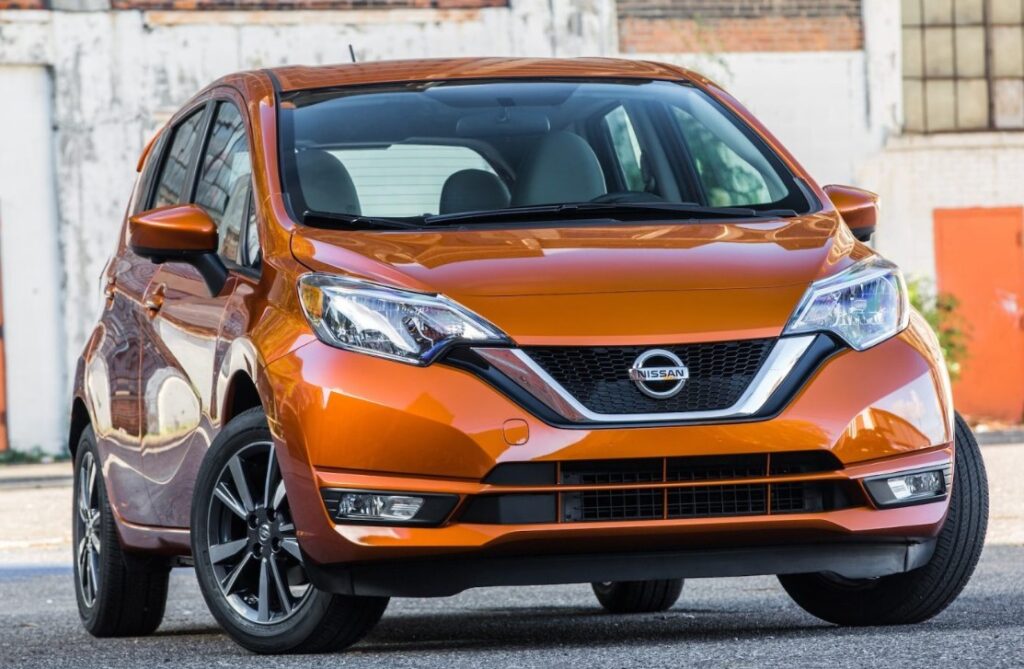
The Nissan Note has always followed a simple recipe: offer plenty of cabin space, keep running costs reasonable, and squeeze everything into a body that is easy to park. It is not a glamorous sports car or a rugged off-roader. Instead, it is the sort of vehicle that quietly gets on with daily life—school runs, shopping trips, commutes, airport pickups, and weekend errands.
But is the Nissan Note reliable?
Generally, yes. A properly maintained Nissan Note can be a dependable and economical small car. Its engines are usually straightforward, parts are widely available in many markets, and routine maintenance is rarely complicated. However, reliability varies considerably depending on the generation, engine, transmission, previous ownership, and local market.
Some versions are pleasantly simple. Others use continuously variable transmissions, supercharged engines, hybrid components, or Nissan’s e-POWER system. Those technologies can make the Note smoother and more efficient, but they also introduce additional parts that must be inspected carefully.
Think of the Nissan Note like a practical pair of everyday shoes. Buy the right size, look after them, and they can serve you for years. Buy a neglected pair with hidden damage, and every step may become annoying.
In this guide, we will examine Nissan Note reliability across its generations, identify the most common problems, discuss engines and transmissions, and explain what buyers should check before handing over their money.
Content in this publication
- Is the Nissan Note a Reliable Car?
- Nissan Note Reliability by Generation
- First-Generation Nissan Note Reliability
- Second-Generation Nissan Note Reliability
- Third-Generation Nissan Note Reliability
- Nissan Note Engine Reliability
- Nissan Note Transmission Reliability
- Manual Gearbox Reliability
- Nissan Note e-POWER Reliability
- Common Nissan Note Problems
- How Many Miles Can a Nissan Note Last?
- How to Make a Nissan Note Last Longer
- Is the Nissan Note Expensive to Maintain?
- Nissan Note Reliability Compared With Rivals
- Best Nissan Note Version for Reliability
- Used Nissan Note Reliability Checklist
- Red Flags When Buying a Nissan Note
- So, Is the Nissan Note Reliable Enough to Buy?
- Conclusion: Nissan Note Reliability in Perspective
- Frequently Asked Questions
Is the Nissan Note a Reliable Car?
The Nissan Note is generally considered a reliable small hatchback or compact MPV, particularly when equipped with a conventional petrol engine and manual transmission. Many examples remain on the road after years of family use, commuting, and urban driving.
Its strongest reliability qualities include:
- Relatively simple petrol engines
- Affordable routine servicing
- Good parts availability
- Practical interior construction
- Modest tyre and brake costs
- Strong fuel economy
- Generally durable suspension components
That does not mean every Nissan Note is trouble-free. Automatic transmission problems, electrical faults, worn suspension parts, neglected servicing, and age-related corrosion can affect certain vehicles.
Reliability also depends on how we define it. A car may start every morning but still need frequent minor repairs. Another may require almost nothing for years before suffering one expensive transmission failure. The Nissan Note tends to sit somewhere in the middle: usually dependable, occasionally irritating, and highly sensitive to maintenance history.
Reliability Depends on the Exact Version
“Nissan Note” describes several different vehicles sold across multiple generations and countries. A first-generation petrol Note with a manual gearbox is mechanically very different from a newer Japanese-market e-POWER model.
The most important variables are:
- Model year
- Engine type
- Transmission
- Country of origin
- Mileage
- Service history
- Driving environment
A low-mileage car is not automatically better. A regularly serviced Note with 100,000 miles may be safer than a 45,000-mile example that has spent years making short journeys with missed oil changes.
Why Market Differences Matter
Equipment and powertrains vary between the UK, Europe, Japan, Australia, New Zealand, Africa, Asia, and other import markets. For example, Japanese imports may have engine and transmission combinations that were never officially offered in Europe.
Imported cars can still be excellent purchases, but we should confirm:
- Whether local mechanics understand the model
- Whether diagnostic equipment is compatible
- Whether replacement parts are readily available
- Whether the service records can be verified
- Whether the displayed mileage is properly documented
Nissan Note Reliability by Generation
The Note has evolved from a simple small family car into a more technologically advanced electrified hatchback. Each generation has its own personality and reliability profile.
First-Generation Nissan Note Reliability
The first-generation Nissan Note, commonly associated with the E11 model code, is one of the simplest versions. It was designed as a compact but spacious family vehicle and was sold with several petrol and diesel engines.
These cars are now older, so their reliability is often determined more by condition than by original design. Rubber seals harden, suspension bushes wear, batteries weaken, and exhaust systems corrode. That is normal ageing rather than evidence that the entire model is unreliable.
First-Generation Strengths
Well-maintained first-generation cars can be durable because they avoid much of the complexity found in newer vehicles. Manual petrol models are often particularly appealing to buyers seeking basic, affordable transport.
Common strengths include:
- Straightforward mechanical design
- Good access to routine service items
- Durable petrol engines
- Affordable used parts
- Practical and hard-wearing interiors
- Simple manual transmissions
The interior may not feel luxurious, but that can work in its favour. There are fewer delicate surfaces and complicated electronic features waiting to misbehave.
First-Generation Weaknesses
Age-related wear is the main concern. Buyers should pay close attention to:
- Front suspension knocking
- Worn wheel bearings
- Weak batteries
- Corroded exhaust components
- Air-conditioning faults
- Sticky door locks
- Boot-release problems
- Water leaks
- Rust underneath the vehicle
- Clutch wear on manual cars
A cheap first-generation Note can be good value, but only when its purchase price leaves room for repairs. Buying the cheapest example available is often like choosing the lowest-priced umbrella during a storm—it may work, but we should not be surprised if something leaks.
Second-Generation Nissan Note Reliability
The second-generation Note, often known by the E12 model code, introduced more modern styling, improved efficiency, additional electronics, and a broader selection of powertrains.
This generation can still be reliable, but choosing the correct specification becomes more important. Manual petrol models remain relatively straightforward, while CVT, supercharged, diesel, and e-POWER variants require more careful assessment.
What Improved on the Second Generation?
Compared with the earlier car, the second-generation Note offered:
- Better fuel economy
- More modern safety equipment
- Improved infotainment
- Lighter construction
- Newer engine technology
- Greater availability of automatic versions
- More advanced driver-assistance features
The downside is predictable: more technology creates more opportunities for sensors, displays, cameras, switches, and control modules to develop faults.
Is the Second-Generation Note Dependable?
Yes, provided it has been serviced correctly. The petrol engines can cover substantial distances, but oil quality and correct maintenance intervals matter. CVT-equipped cars need smooth operation and evidence of proper transmission care.
Japanese-import e-POWER versions deserve their own inspection routine because they combine a petrol engine, electric motor, high-voltage battery, inverter, and electronic control systems.
Third-Generation Nissan Note Reliability
The third-generation Note became more closely focused on electrified driving, particularly through Nissan’s e-POWER technology. In an e-POWER vehicle, the wheels are driven by an electric motor, while the petrol engine mainly acts as a generator.
This arrangement gives the car smooth acceleration and an electric-vehicle-like driving experience without requiring regular plug-in charging.
Does More Technology Mean Lower Reliability?
Not necessarily. Electric motors have fewer moving parts than traditional combustion drivetrains, and the petrol engine does not always experience the same load patterns as an engine directly driving the wheels.
However, the vehicle relies heavily on:
- Battery-management software
- Power electronics
- Cooling systems
- Inverters
- Sensors
- High-voltage wiring
- Specialist diagnostic equipment
The third-generation Note may prove reliable, but repair costs can be higher when electrified components fail. Availability of qualified technicians is also important, especially in markets where the car was imported privately rather than sold officially.
Nissan Note Engine Reliability
The engine is the heart of any conventional Note, and most Nissan Note petrol engines have a reasonable reputation when serviced properly. Serious internal engine failure is not usually the first concern. Neglected maintenance is the real enemy.
Petrol Engine Reliability
Naturally aspirated petrol engines are usually the safest choice for buyers prioritising simplicity. They may not feel especially fast, particularly when the vehicle is fully loaded, but they are generally easy to understand and maintain.
Potential petrol-engine issues can include:
- Ignition-coil failure
- Worn spark plugs
- Dirty throttle bodies
- Oxygen-sensor faults
- Oil leaks
- Timing-chain noise
- High oil consumption
- Cooling-system leaks
- Engine-mount wear
Many of these problems begin with small symptoms. A slight hesitation, faint rattle, or unstable idle can be the car whispering before it starts shouting.
Timing-Chain Concerns
Some Nissan Note engines use timing chains rather than rubber timing belts. A chain is often described as lasting the life of the engine, but that phrase can be misleading.
Timing chains depend on clean engine oil and sufficient oil pressure. Extended oil-change intervals, low oil levels, or incorrect oil viscosity can accelerate wear.
Warning signs may include:
- Rattling during a cold start
- Engine-management warning lights
- Poor acceleration
- Rough running
- Camshaft or crankshaft correlation fault codes
A timing-chain replacement can be expensive because of the labour involved. We should investigate persistent rattling rather than assuming it is normal.
Supercharged Engine Reliability
Some versions of the Nissan Note use a small supercharged petrol engine. The supercharger improves performance while allowing the engine to remain compact and efficient.
These engines can be reliable, but they require disciplined maintenance. Additional intake components, drive systems, sensors, and control mechanisms make them more complex than a basic naturally aspirated engine.
Before buying, we should look for:
- Smooth acceleration
- No unusual whining or grinding
- Consistent power delivery
- Clean engine oil
- No warning lights
- Documented servicing
- No signs of overheating
A supercharged Note that has been neglected may become expensive. One that has received correct oil and timely servicing can remain an efficient and enjoyable daily car.
Diesel Engine Reliability
Diesel versions can deliver strong fuel economy, especially for drivers covering longer distances. They are less suitable for owners who mainly make short urban journeys.
You may be interested in reading Vauxhall Adam Insurance UK: Costs, Groups and Savings
Repeated short trips may contribute to:
- Diesel particulate filter blockage
- Exhaust-gas recirculation contamination
- Turbocharger wear
- Injector problems
- Intake deposits
- Starting difficulties
A diesel Note should reach full operating temperature regularly. Using one exclusively for five-minute trips is like keeping a marathon runner locked in a tiny room—it never gets to perform the job it was designed to do.
Who Should Buy a Diesel Note?
A diesel may suit drivers who:
- Travel long distances regularly
- Use motorways or highways
- Need strong low-speed torque
- Can document previous servicing
- Understand diesel-emissions systems
Urban drivers may be better served by a petrol or e-POWER version.
Nissan Note Transmission Reliability
Transmission choice has a major effect on overall reliability. A healthy engine paired with a neglected transmission can still produce an enormous repair bill.
Manual Gearbox Reliability
The manual gearbox is generally the simplest and lowest-risk option. The transmission itself is usually durable, although wear can occur in the clutch, release bearing, linkage, and synchronisers.
During a test drive, check for:
- A high clutch biting point
- Clutch slipping under acceleration
- Difficulty selecting gears
- Crunching during changes
- Vibration when moving away
- Whining at road speed
- Excessive movement in the gear lever
A clutch is a wear item, so replacement does not automatically make the car unreliable. However, the cost should be reflected in the purchase price.
CVT Reliability
The continuously variable transmission is one of the most important areas to inspect on an automatic Nissan Note. A CVT does not change gears in the same way as a traditional automatic. Instead, it continuously adjusts its operating ratio.
A healthy CVT should feel smooth. Engine speed may rise during acceleration, but the car should not judder, hesitate, surge unpredictably, or produce loud mechanical noises.
Potential warning signs include:
- Shuddering when pulling away
- Delayed engagement
- Engine revs rising without matching acceleration
- Whining noises
- Overheating warnings
- Jerky low-speed behaviour
- Transmission fault lights
- A burnt smell from the fluid
CVT Fluid Maintenance Matters
CVT fluid is not ordinary automatic-transmission fluid. It has specific friction and cooling properties. Using the wrong fluid or ignoring maintenance can shorten transmission life.
When considering a used automatic Note, we should ask for evidence of:
- Correct CVT fluid
- Fluid-change history
- Professional servicing
- Previous transmission repairs
- Diagnostic scans
- Recall or campaign work, where applicable
“No record” should not automatically be interpreted as “no problem.” It usually means uncertainty—and uncertainty deserves a lower purchase price.
Nissan Note e-POWER Reliability
Nissan’s e-POWER system is one of the Note’s most interesting technologies. The petrol engine generates electricity, while an electric motor drives the wheels.
This can reduce the mechanical stress associated with a conventional gearbox because there is no traditional multi-speed transmission transferring engine power directly to the road.
Advantages of the e-POWER System
Potential reliability and ownership benefits include:
- Smooth electric-motor acceleration
- Fewer conventional gearbox components
- Efficient urban operation
- Regenerative braking
- Reduced engine operation in some conditions
- No need for routine external charging
The driving experience is quiet and responsive, especially in stop-and-go traffic.
Potential e-POWER Concerns
The system introduces components not found in a basic petrol Note:
- High-voltage battery
- Electric traction motor
- Inverter
- DC-to-DC converter
- Battery cooling equipment
- Regenerative braking controls
- High-voltage cables
These parts do not automatically fail early, but diagnosis and repair may require specialist knowledge.
Checking an Imported e-POWER Note
Before buying an imported e-POWER model, we should confirm:
- Battery health can be tested locally.
- Replacement components are available.
- A specialist workshop understands the system.
- The dashboard displays no hybrid-system warnings.
- The vehicle charges its traction battery normally.
- Acceleration is smooth and consistent.
- Cooling fans and vents are clean.
- Import and mileage records are complete.
A low purchase price is not a bargain when the nearest qualified technician is hundreds of miles away.
Common Nissan Note Problems
Most Nissan Note problems are manageable when identified early. The following areas deserve attention across different generations.
Suspension Knocks and Rattles
Front suspension noises are relatively common on older small cars, including the Note. Worn anti-roll-bar links, bushes, top mounts, ball joints, or shock absorbers may cause knocking over uneven roads.
These repairs are usually not catastrophic, but several worn components can add up.
Listen for:
- Knocking over speed bumps
- Clunking while steering
- Excessive bouncing
- Uneven tyre wear
- Steering that feels vague
Electrical Problems
Electrical faults may affect:
- Central locking
- Electric windows
- Boot switches
- Keyless-entry systems
- Parking cameras
- Dashboard displays
- Infotainment units
- Interior lights
A weak 12-volt battery can also create several misleading warning messages. Before assuming multiple electronic systems have failed, testing the battery and charging system is a sensible first step.
Boot Lock and Door-Handle Faults
The Nissan Note’s practical boot is one of its best features, but the release switch, wiring, latch, or central-locking actuator may fail.
A boot that will not open could be caused by something as simple as a damaged switch or weak battery. It could also involve broken wiring near the tailgate hinge.
Check every door, handle, key, remote function, and lock before purchasing.
Air-Conditioning Problems
Air-conditioning faults become more common as vehicles age. Causes can include:
- Low refrigerant
- Compressor failure
- Condenser damage
- Blower-motor faults
- Resistor failure
- Leaking seals
- Faulty pressure sensors
“Just needs a recharge” is a phrase we should treat cautiously. Refrigerant does not normally disappear without a reason. If the system is empty, there may be a leak.
Wheel-Bearing Noise
A worn wheel bearing may create a humming or growling sound that becomes louder with speed. The noise can change while turning because the vehicle’s weight shifts from one side to the other.
Wheel-bearing replacement is normally straightforward, but ignoring the problem can affect safety and tyre wear.
Exhaust and Corrosion Issues
Older Nissan Notes may develop corrosion around exhaust sections, mounting points, brake pipes, suspension components, and the underside of the body.
Climate makes a major difference. Cars used near the coast or on salted winter roads may deteriorate faster than those kept in dry regions.
Surface rust is not always serious. Structural corrosion is another matter. A professional inspection is wise when the underside looks heavily corroded.
How Many Miles Can a Nissan Note Last?
A well-maintained Nissan Note can potentially exceed 150,000 miles, and some examples may travel significantly farther. There is no universal expiration mileage.
Longevity depends on:
- Oil-change frequency
- Cooling-system maintenance
- Transmission care
- Driving style
- Climate
- Road conditions
- Accident history
- Quality of replacement parts
- Whether warning signs were addressed promptly
Mileage tells us how far the car has travelled. Service history tells us how it travelled.
A 120,000-mile motorway car may have experienced fewer cold starts, potholes, clutch movements, and low-speed impacts than a 60,000-mile city car.
High Mileage Is Not Always Bad
High mileage becomes less frightening when the vehicle has:
- Consistent service records
- Clean fluids
- Smooth engine performance
- A quiet transmission
- No structural corrosion
- Matching tyres
- No persistent warning lights
- Evidence of responsible ownership
Conversely, extremely low mileage on an older car can create its own problems. Long periods of inactivity may cause battery failure, brake corrosion, hardened seals, stale fuel, and perished tyres.
How to Make a Nissan Note Last Longer
Reliability is not only something we buy. It is something we maintain.
Follow a Sensible Maintenance Routine
Essential maintenance includes:
- Change the engine oil and filter on time.
- Check oil levels between services.
- Use the correct oil specification.
- Replace spark plugs when required.
- Maintain coolant condition and level.
- Inspect drive belts and hoses.
- Service the CVT with the correct fluid.
- Replace air and cabin filters.
- Check brakes and suspension regularly.
- Keep battery terminals clean.
- Investigate warning lights promptly.
Do Not Ignore Small Changes
Pay attention when the car begins to behave differently.
You may be interested in readingVauxhall Adam Insurance UK: Costs, Groups and SavingsYou may be interested in reading
Vauxhall Adam Touch Screen Not Working: Causes, Fixes, and Troubleshooting GuideA new vibration, smell, sound, hesitation, or dashboard light is information. Cars rarely wake up one morning and decide to fail without giving any warning. The clues may be quiet, but they are often there.
Let the Engine Warm Naturally
We do not need to leave a modern engine idling for a long time. Start the vehicle, allow a few seconds for the oil to circulate, and drive gently until it reaches operating temperature.
Avoid heavy acceleration immediately after a cold start. Oil flows differently when cold, and engine components have not yet expanded to their normal operating clearances.
Protect the CVT
For CVT-equipped Notes:
- Avoid aggressive launches.
- Do not shift between drive and reverse while moving.
- Use the correct transmission fluid.
- Address overheating warnings immediately.
- Avoid excessive loads beyond the vehicle’s limits.
- Have unusual noises diagnosed early.
A CVT rewards smooth driving. Treating it like a racing gearbox is a quick way to turn convenience into expense.
Is the Nissan Note Expensive to Maintain?
Routine Nissan Note maintenance is usually affordable compared with larger SUVs, premium cars, and complex performance vehicles.
Common service items such as filters, brake pads, tyres, bulbs, and spark plugs are typically modestly priced. The Note also uses relatively small tyres, helping keep replacement costs under control.
The expensive risks are more likely to involve:
- CVT replacement
- Major timing-chain work
- Turbocharger or diesel-system repairs
- Air-conditioning compressor failure
- Hybrid or e-POWER electronics
- Severe corrosion
- Accident-related electronic faults
The best strategy is not simply to buy the cheapest car. It is to buy the best-maintained car within the budget.
Nissan Note Reliability Compared With Rivals
The Nissan Note competes with practical small cars such as the Honda Jazz, Toyota Yaris, Ford Fiesta, Kia Rio, Hyundai i20, Renault Modus, Vauxhall Meriva, and various compact MPVs.
Nissan Note vs Honda Jazz Reliability
The Honda Jazz is often admired for its interior flexibility and durable petrol engines. It may have a stronger overall reputation for long-term reliability, but clean examples can command higher prices.
The Nissan Note may offer better value, especially when buyers need space but cannot justify the Jazz’s asking price. CVT condition remains important on both vehicles.
Nissan Note vs Toyota Yaris Reliability
The Toyota Yaris is known for dependable petrol and hybrid powertrains. It may be the safer choice for buyers who place reliability above cabin space.
The Note often feels roomier and more practical. Choosing between them may come down to whether we value a stronger reliability reputation or greater interior flexibility.
Nissan Note vs Ford Fiesta Reliability
The Ford Fiesta can provide sharper handling and a more engaging drive. However, certain engine and automatic-transmission combinations require careful research.
The Note is less exciting but often more practical. It feels like a small room on wheels, while the Fiesta feels more like a conventional hatchback.
Nissan Note vs Kia Rio and Hyundai i20
The Kia Rio and Hyundai i20 are strong alternatives, particularly newer models with documented warranties and service histories.
The Note may offer more flexible passenger space, but the Korean rivals can feel more modern and may be easier to support in markets where Nissan Note imports are uncommon.
Best Nissan Note Version for Reliability
For buyers seeking the lowest mechanical risk, a naturally aspirated petrol engine with a manual gearbox is often the most reassuring combination.
It avoids:
- Diesel emissions equipment
- CVT complexity
- Supercharger components
- High-voltage hybrid systems
That does not make every manual petrol Note reliable, nor does it make every CVT or e-POWER version risky. Condition and maintenance remain more important than a badge on the tailgate.
Who Should Choose a Manual Petrol Note?
It suits drivers who want:
- Simple maintenance
- Low repair risk
- Affordable ownership
- Mostly urban or mixed driving
- Easy access to local mechanics
Who Should Choose an e-POWER Note?
It may suit drivers who want:
- Smooth urban performance
- Strong fuel efficiency
- An electric-like driving feel
- Modern technology
- Access to specialist servicing
Who Should Choose a Diesel Note?
It suits drivers covering regular long-distance journeys, provided the vehicle’s emissions systems and service history are healthy.
Used Nissan Note Reliability Checklist
Before buying, inspect the vehicle slowly. A shiny body and freshly cleaned interior can distract us from important mechanical clues.
Exterior and Body Inspection
Check:
- Panel gaps and paint consistency
- Signs of previous accidents
- Rust around wheel arches and underneath
- Headlamp condensation
- Windscreen chips
- Door and boot operation
- Tyre condition and matching brands
Engine-Bay Inspection
Look for:
- Oil leaks
- Low coolant
- Contaminated fluids
- Cracked hoses
- Corroded battery terminals
- Poor-quality wiring repairs
- Excessive engine movement
- Signs of recent cleaning hiding leaks
Test-Drive Inspection
During the drive, assess:
- Cold-start behaviour
- Idle quality
- Acceleration
- Steering alignment
- Brake performance
- Suspension noise
- Clutch operation
- CVT smoothness
- Dashboard warnings
- Air-conditioning performance
Always Start the Car Cold
A warm engine can hide difficult starting, smoke, timing-chain noise, and unstable idling. Ask the seller not to start the vehicle before the viewing.
Place a hand near the bonnet before starting. If the engine is already warm without a convincing explanation, remain cautious.
Diagnostic and Professional Checks
A pre-purchase inspection can reveal:
- Stored fault codes
- Previous warning-light resets
- Battery-health issues
- Suspension wear
- Fluid leaks
- Corrosion
- Accident repairs
- Transmission concerns
Skipping an inspection to save a small amount can be false economy. One hidden transmission fault can cost far more than several professional checks.
Red Flags When Buying a Nissan Note
Walk away or seek specialist advice when you notice:
- Persistent CVT shuddering
- Loud timing-chain rattling
- Overheating
- Heavy smoke
- Milky oil
- Missing service history
- Structural rust
- Multiple dashboard warnings
- Inconsistent mileage records
- Strong burning smells
- Poor-quality electrical modifications
- Hybrid-system warnings
- A seller refusing an independent inspection
Not every imperfection means the car is bad. Used vehicles have scratches, worn trim, and small noises. The goal is to distinguish harmless age from expensive neglect.
So, Is the Nissan Note Reliable Enough to Buy?
Yes, the Nissan Note can be a reliable and sensible used car. It offers a rare combination of compact exterior dimensions, generous passenger space, economical engines, and manageable maintenance costs.
The safest purchases are usually vehicles with complete service records, smooth engines, quiet suspension, healthy electrical systems, and transmissions that operate without hesitation or shuddering.
Older manual petrol versions offer simplicity. Diesel models work best for longer journeys. CVT versions require strong maintenance evidence. e-POWER models can provide efficient and refined driving, but buyers must consider battery health, specialist support, and parts availability.
Ultimately, the Nissan Note is not a car we should purchase blindly. It rewards careful selection. Find one that has been respected, and it can become the quiet household workhorse that starts every morning and asks for very little attention.
Choose a neglected example because it looks cheap, and the savings may disappear faster than fuel on a steep hill.
Conclusion: Nissan Note Reliability in Perspective
Nissan Note reliability is generally good, but it cannot be reduced to a simple yes-or-no verdict. The model covers several generations, multiple engines, manual and CVT transmissions, diesel technology, supercharged petrol units, and e-POWER drivetrains.
Naturally aspirated petrol models with manual gearboxes tend to offer the simplest ownership experience. CVT cars can also be dependable when serviced correctly, but transmission history is essential. Diesel models need regular longer journeys, while e-POWER versions require access to technicians who understand electrified Nissan systems.
Age, care, and previous ownership matter more than mileage alone. A clean service file is often more valuable than polished paintwork. Listen to the car, inspect it carefully, scan it for faults, and never assume a suspicious noise will repair itself.
The Nissan Note may not turn heads like an exotic machine, but reliability is rarely about drama. Sometimes the best car is simply the one waiting outside, ready to start, carry everything we need, and complete another ordinary journey without complaint.
Frequently Asked Questions
1. Is the Nissan Note reliable for daily driving?
Yes. A properly maintained Nissan Note is generally reliable for commuting, school runs, shopping, and other daily journeys. Petrol manual models are usually the simplest, while CVT and e-POWER versions require more specialised checks.
2. What is the most reliable Nissan Note engine?
A naturally aspirated petrol engine is often considered the lowest-risk choice because it has fewer complex components than diesel, supercharged, or electrified alternatives. Service history remains more important than engine type alone.
3. Are Nissan Note CVT gearboxes reliable?
They can be reliable when operated correctly and serviced with the specified CVT fluid. Shuddering, delayed engagement, whining, or slipping sensations are warning signs that should be professionally investigated.
4. How long does a Nissan Note usually last?
A well-maintained Nissan Note can exceed 150,000 miles, with some examples travelling farther. Oil changes, transmission care, corrosion prevention, driving conditions, and prompt repairs have a major effect on its lifespan.
You may be interested in readingVauxhall Adam Insurance UK: Costs, Groups and SavingsYou may be interested in reading
Vauxhall Adam Touch Screen Not Working: Causes, Fixes, and Troubleshooting GuideYou may be interested in reading
 Toyota Corolla AE86 Engine Swap – The Ultimate Guide
5. Is a used Nissan Note worth buying?
Yes, especially for buyers seeking a spacious, fuel-efficient, and affordable small car. The best examples have complete service records, no major warning lights, smooth transmission operation, and little structural corrosion.
If you want to know other articles similar to Nissan Note Reliability: A Complete Ownership Guide you can visit the category Blog.
Vauxhall Adam Insurance UK: Costs, Groups and Savings
Is the Nissan Note a Good Car? Complete Buyer’s Guide
Chevrolet Silverado Years to Avoid: A Used-Truck Buyer’s Guide
Chevrolet Silverado Reliability: A Complete Owner’s Guide
GMC Sierra Reliability: A Complete Buyer’s Guide
Nissan Note Insurance Group: An International Guide
Leave a Reply
More content of your interest