
Ford Ranger 90000 km Service Price: Complete Cost Guide

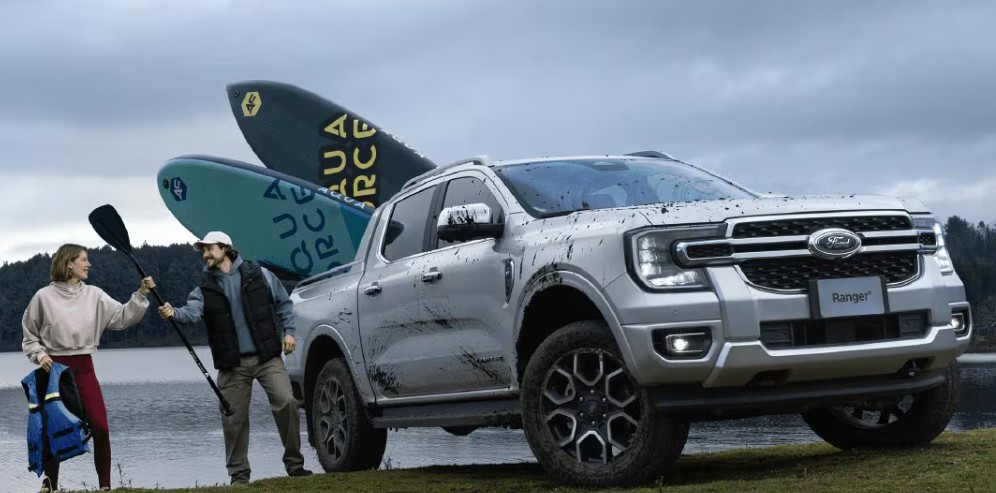
Reaching 90,000 km in a Ford Ranger feels a little like reaching base camp on a long expedition. The ute has already hauled loads, swallowed motorway miles, crawled over rough tracks, and probably collected a few scratches along the way. It is far from finished, but this is the moment when careful maintenance matters more than ever.
So, what is the Ford Ranger 90000 km service price?
As a broad guide, we can expect a standard 90,000 km Ranger service to cost approximately AUD $500 to $900 in Australia or NZD $650 to $1,000 in New Zealand. An independent workshop may quote near the bottom of those ranges, while a Ford dealership, major diesel service, or appointment involving additional repairs may push the bill above $1,200.
Recent Australian workshop examples have shown prices of roughly AUD $492 to $682 for a Ranger 90,000 km logbook service, although the precise figure depends on the model, engine, location, required filters, and added work. Ford also operates online service price calculators in Australia and New Zealand, allowing owners to obtain a vehicle-specific estimate using their registration details or VIN.
The important detail is that 90,000 km does not represent one universal service package. A 2.0-litre Bi-Turbo Ranger may need different fluids, filters, labour time, and inspection procedures from a 3.2-litre five-cylinder model or a petrol-powered Ranger Raptor.
Let us unpack the likely costs, inclusions, hidden extras, and decisions involved before we hand over the keys.
Content in this publication
- How Much Does a Ford Ranger 90000 km Service Cost?
- Is 90,000 km a Major Service for the Ford Ranger?
- What Is Included in a Ford Ranger 90000 km Service?
- Brake Inspection at 90,000 km
- Tyres, Wheel Alignment, and Rotation
- Suspension and Steering Checks
- Transmission and Driveline Inspection
- Cooling-System Inspection
- Battery and Electrical-System Test
- Dealer Versus Independent Workshop
- What Can Increase the Ford Ranger 90000 km Service Price?
- How Much Should We Budget for the Appointment?
- How to Avoid an Unexpected Service Bill
- Can We Perform the Service Ourselves?
- Is the 90000 km Service Worth Paying For?
- Ford Ranger 90000 km Service Checklist
- When Should We Book the Service?
- Final Thoughts on the Ford Ranger 90000 km Service Price
- Frequently Asked Questions
How Much Does a Ford Ranger 90000 km Service Cost?
The price normally falls into one of three broad bands:
| Service provider | Typical Australian price | Typical New Zealand price |
|---|---|---|
| Independent workshop | AUD $450–$700 | NZD $550–$850 |
| Ford dealership | AUD $600–$950 | NZD $700–$1,050 |
| Major service with repairs | AUD $900–$1,500+ | NZD $1,000–$1,700+ |
These figures are reasonable budgeting ranges rather than fixed quotes. Labour rates, taxes, engine choice, model year, location, parts quality, and vehicle condition can all move the final number.
Ford’s Australian and New Zealand service calculators remain the best starting point for an official dealer estimate because the result is tied to the exact vehicle rather than a generic Ranger model. Ford Australia states that calculator quotes are valid for 30 days at participating dealers.
Why Can Two Quotes Be Hundreds of Dollars Apart?
One workshop may describe the appointment as a standard logbook service. Another may call it a major diesel service and include more filters, diagnostic checks, fluid testing, tyre rotation, and road testing.
Neither quote is automatically wrong. They may simply cover different work.
Before comparing prices, we should ask each workshop for an itemised quote showing:
- Engine oil specification and quantity
- Oil-filter replacement
- Fuel-filter replacement
- Air-filter replacement
- Cabin-filter replacement
- Brake-fluid replacement or testing
- Labour hours
- Diagnostic scan charges
- Environmental or workshop fees
- Tax
- Any optional maintenance items
Comparing only the total is like comparing two restaurant bills without checking what was ordered.
Is 90,000 km a Major Service for the Ford Ranger?
For many Ranger versions, the 90,000 km appointment is more substantial than a basic oil change. However, whether it is officially classed as a “major service” depends on the model year, engine, country, and maintenance schedule.
Australian Rangers are commonly serviced every 15,000 km or 12 months, whichever comes first. That makes 90,000 km the sixth scheduled service in a typical 15,000 km cycle.
At this point, the workshop may replace several filters that are not changed at every visit. It will also inspect components that have accumulated meaningful wear, including brakes, tyres, suspension joints, drive belts, hoses, steering parts, and driveline seals.
The Vehicle’s Age Matters Too
Mileage is only half the story.
A Ranger may reach 90,000 km in three years through constant motorway driving. Another may take six or seven years to cover the same distance while regularly towing, idling, making short trips, or driving on dusty rural roads.
Age-sensitive items can include:
- Brake fluid
- Coolant
- Rubber hoses
- Drive belts
- Battery
- Wiper blades
- Suspension bushes
- Air-conditioning components
- Tyres
That is why the correct maintenance point is normally based on distance or time, whichever arrives first.
What Is Included in a Ford Ranger 90000 km Service?
The exact checklist varies, but a complete appointment should combine routine replacements with a detailed inspection.
A typical service may include:
- Engine oil replacement
- New engine oil filter
- Fuel-system inspection
- Fuel-filter replacement where scheduled
- Engine air-filter inspection or replacement
- Cabin or pollen-filter replacement
- Brake inspection
- Tyre inspection and pressure adjustment
- Battery test
- Cooling-system inspection
- Steering and suspension inspection
- Driveline and underbody inspection
- Diagnostic scan
- Fluid-level checks
- Service-light reset
- Road test
Ford maintenance information for some Ranger markets lists engine oil, the oil filter, fuel filter, air filter, and pollen filter among scheduled replacement items, although the intervals differ by engine and region.
Engine Oil and Oil Filter
This is the beating heart of the appointment.
The engine oil lubricates moving parts, controls contamination, reduces heat, and helps protect turbocharger components. Diesel Rangers can require a substantial quantity of oil, particularly the older 3.2-litre engine, so oil volume alone can make the service more expensive than servicing a small hatchback.
The workshop should use oil that meets Ford’s required specification. Choosing oil solely because it has the right viscosity on the bottle is not enough. The formal manufacturer specification matters, especially for turbocharged diesel engines and vehicles equipped with diesel particulate filters.
Why Cheap Oil Can Become Expensive
Saving a small amount on unsuitable oil may increase sludge, turbocharger wear, emissions-system problems, or premature engine damage.
That does not mean we must automatically buy the most expensive bottle on the shelf. It means the oil must be the correct grade, specification, and quality.
Fuel-Filter Replacement
The fuel filter is particularly important on diesel Rangers.
Modern common-rail diesel injection systems operate at extremely high pressure and depend on clean fuel. Water, dirt, or contamination can damage injectors and high-pressure fuel-system components. Those repairs can cost thousands, turning a neglected filter into a very expensive gamble.
Some 90,000 km schedules include a fuel-filter change, while others may place it at a different distance. We should confirm the interval for the exact model rather than assuming every Ranger follows the same timetable.
Engine Air Filter
The air filter protects the engine from dust and debris. It matters everywhere, but it becomes critical when the Ranger regularly travels on gravel, construction sites, farms, or dry off-road tracks.
A dirty filter can restrict airflow, affect fuel consumption, reduce performance, and increase turbocharger strain.
Ford schedules in some markets specify an air-filter change every 30,000 km, meaning the 90,000 km service naturally becomes a replacement point.
Cabin or Pollen Filter
The cabin filter prevents dust, pollen, and debris from entering through the ventilation system.
It may not keep the engine alive, but it affects airflow, demisting performance, air-conditioning efficiency, and cabin comfort. A badly blocked filter can make the fan sound busy while barely moving any air—rather like running on a treadmill without going anywhere.
Brake Inspection at 90,000 km
At 90,000 km, brake condition deserves more than a quick glance through the wheel spokes.
The technician should inspect:
- Front and rear brake-pad thickness
- Brake discs or rotors
- Brake hoses and metal lines
- Calipers
- Parking brake
- Brake-fluid level
- Brake-fluid condition
- Warning lights
- Abnormal noises or vibration
Will Brake Pads Be Included in the Quoted Price?
Usually not.
A scheduled-service quote normally includes inspecting the brakes, but replacement pads, rotors, calipers, or fluid may be charged separately unless explicitly listed.
Possible additional costs can include:
| Brake work | Approximate Australian cost |
| Brake-fluid replacement | AUD $100–$180 |
| Front brake pads | AUD $250–$500 |
| Rear brake pads or shoes | AUD $250–$550 |
| Front pads and rotors | AUD $600–$1,100 |
| Major brake overhaul | AUD $1,000+ |
Prices vary considerably by model, workshop, and parts brand.
Signs the Ranger May Need Brake Work
We should mention any of these symptoms when booking:
- Steering-wheel vibration under braking
- Scraping or grinding
- High-pitched squealing
- Soft brake pedal
- Vehicle pulling to one side
- Longer stopping distance
- Brake warning light
- Pulsation through the pedal
Waiting for the brakes to “sort themselves out” rarely ends well.
Tyres, Wheel Alignment, and Rotation
A service inspection should include tyre pressure, tread depth, visible damage, and uneven wear.
Tyre rotation may be included, offered separately, or omitted depending on the workshop. Wheel alignment is normally an additional service.
Typical extra costs may be:
- Tyre rotation: AUD $40–$80
- Wheel balancing: AUD $60–$120
- Wheel alignment: AUD $80–$150
- Replacement all-terrain tyres: AUD $250–$500 each
What Tyre Wear Can Tell Us
Tyres are like the Ranger’s diary. They reveal what has been happening underneath.
Wear on one edge may suggest poor alignment. Cupping can point toward worn suspension components or balancing problems. Rapid wear in the centre often indicates excessive pressure, while wear on both shoulders may suggest underinflation.
A workshop should not simply rotate badly worn tyres and send the vehicle away. It should identify why the wear occurred.
Suspension and Steering Checks
By 90,000 km, a Ranger may have carried heavy loads, crossed potholes, towed trailers, and bounced across uneven surfaces.
The technician should inspect:
- Shock absorbers
- Control-arm bushes
- Ball joints
- Tie-rod ends
- Steering rack
- Wheel bearings
- Leaf springs
- U-bolts
- Stabiliser-bar links
- CV boots on four-wheel-drive models
Common Symptoms of Suspension Wear
Watch for:
- Knocking over bumps
- Excessive body movement
- Uneven tyre wear
- Wandering steering
- Steering-wheel vibration
- Fluid leaking from a shock absorber
- A lower ride height on one corner
- Instability while towing
Replacing a worn bush or joint early can prevent damage to tyres and neighbouring components.
Transmission and Driveline Inspection
The 90,000 km service does not automatically mean the automatic transmission fluid must be replaced on every Ranger. Factory intervals vary significantly between models and markets.
However, the technician should inspect the transmission, transfer case, prop shafts, universal joints, differentials, seals, and fluid condition where accessible.
Should We Change the Automatic Transmission Fluid Early?
This is one of the most debated Ranger maintenance questions.
Some owners prefer preventative fluid changes before the official interval, especially when the vehicle:
- Tows regularly
- Carries heavy loads
- Operates in high temperatures
- Drives off-road
- Makes constant stop-start trips
- Has experienced rough or delayed shifting
An early fluid service may provide peace of mind, but it must be performed using the correct procedure and fluid. Some Ranger transmissions require specific filling temperatures, diagnostic equipment, or filter and pan replacement.
Potential Transmission-Service Cost
Depending on the transmission and workshop, an automatic transmission service may add roughly AUD $400 to $900. More complex flushing, pan replacement, or repair work can cost significantly more.
It should not be silently added to the invoice. The workshop should explain why it is recommended and whether Ford formally requires it at 90,000 km.
Cooling-System Inspection
The workshop should inspect the coolant level, condition, hoses, clamps, radiator, reservoir, and signs of leakage.
Coolant is more than coloured water. It protects against overheating, corrosion, cavitation, and internal deposits.
A coolant replacement may not be due at exactly 90,000 km on every Ranger, but age, contamination, prior repairs, or an unknown service history may justify it.
Warning Signs of Cooling-System Trouble
We should not postpone investigation if the Ranger shows:
- Rising temperature gauge
- Coolant smell
- White or coloured residue around hoses
- Low coolant level
- Heater performance changing suddenly
- Coolant underneath the vehicle
- Cooling fan running excessively
- Dashboard temperature warning
Overheating can turn a manageable leak into serious cylinder-head or engine damage.
Battery and Electrical-System Test
A battery test is often included in a comprehensive inspection.
At 90,000 km, the original battery may already be approaching the end of its useful life, depending on the Ranger’s age and usage. Heat, accessories, short journeys, winches, light bars, refrigerators, and long periods of inactivity can accelerate deterioration.
A proper test should check:
- Battery condition
- Charging voltage
- Starting performance
- Terminal corrosion
- Alternator output
- Stored diagnostic trouble codes
Possible Battery Replacement Cost
A suitable Ranger battery may cost approximately AUD $250 to $550, depending on capacity, technology, warranty, and whether the model requires an enhanced flooded or AGM battery.
Vehicles with stop-start systems usually require the correct battery technology and may need battery-monitoring-system configuration after installation.
Dealer Versus Independent Workshop
Choosing where to service the Ranger is not simply a battle between “expensive dealer” and “cheap mechanic.” Each option has strengths.
Advantages of a Ford Dealership
A Ford dealer may provide:
- Factory-trained technicians
- Access to Ford diagnostic systems
- Genuine parts
- Software-update awareness
- Recall and service-campaign checks
- Vehicle-specific maintenance information
- Detailed digital service records
- Greater familiarity with newer Ranger generations
The official Ford service calculators also make it easier to obtain a model-specific price before booking.
Advantages of an Independent Workshop
A reputable independent specialist may offer:
- Lower labour rates
- More flexible parts choices
- Direct contact with the technician
- Personalised advice
- Competitive logbook-service pricing
- Specialist experience with diesel utes
Recent Australian marketplace examples for a 90,000 km Ranger service have ranged from about AUD $492 to $682, illustrating the potential savings available outside a dealership. Those examples are not guaranteed prices, but they provide a useful benchmark.
Does Independent Servicing Void the Warranty?
In many markets, using an independent workshop does not automatically cancel the entire vehicle warranty, provided the work follows the manufacturer’s schedule, uses suitable parts and fluids, and is properly documented.
However, warranty rules differ by country. Owners should retain invoices, parts descriptions, oil specifications, mileage records, and workshop details. A vague handwritten receipt saying “full service” may not provide enough evidence later.
What Can Increase the Ford Ranger 90000 km Service Price?
The advertised base price is often only the opening chapter.
The final bill may rise because of:
- Worn brake pads or rotors
- A weak battery
- Damaged tyres
- Wheel alignment
- Contaminated filters
- Fluid leaks
- Suspension wear
- Fault codes
- Cracked belts or hoses
- Diesel particulate filter issues
- Injector concerns
- Transmission servicing
- Air-conditioning repairs
- Additional labour for accessories or underbody protection
Accessories Can Add Labour Time
Bull bars, bash plates, aftermarket fuel tanks, suspension lifts, drawer systems, canopies, dual batteries, and other modifications can make components harder to access.
A heavy underbody plate may need to be removed before reaching the oil filter or drain plug. That extra time can appear as additional labour.
How Much Should We Budget for the Appointment?
For a Ranger with no known faults, a sensible budget would be:
- AUD $600–$800 for a standard Australian service
- NZD $750–$950 for a standard New Zealand service
- An additional $300–$600 contingency fund for wear items
A higher-mileage or heavily used Ranger may justify a larger reserve.
One New Zealand owner reported paying NZD $832.96 for a 2018 Ranger’s 90,000 km dealership service in 2023, including nearly 10 litres of oil and air and fuel filters. That individual example is not a current universal price, but it illustrates why large diesel-engine services can approach or exceed NZD $800.
Can a Service Plan Reduce the Cost?
Possibly.
Ford offers prepaid servicing arrangements in some markets. Ford New Zealand explains that its plan can cover the first five general services, including labour, while excluding other maintenance items beyond those named in the service portfolio.
Newer plans may not cover a vehicle already approaching 90,000 km, but owners of recently purchased Rangers should investigate them early rather than waiting until the next major appointment.
How to Avoid an Unexpected Service Bill
A little preparation can prevent the invoice from landing like a toolbox dropped from a roof.
Ask for an Itemised Quote
Request written pricing for:
- Scheduled labour
- Oil quantity and specification
- Each filter
- Diagnostic work
- Tax
- Workshop fees
- Optional recommendations
Set an Approval Limit
Tell the workshop not to perform additional work above an agreed amount without calling.
For example:
“Please complete the scheduled service, but contact me before adding any repair costing more than $150.”
This gives the workshop freedom to replace a minor bulb while protecting us from an unexpected four-figure invoice.
Request Photos or Measurements
For expensive recommendations, ask for evidence such as:
- Brake-pad thickness
- Rotor measurements
- Battery-test result
- Images of leaking shocks
- Photos of cracked bushes
- Diagnostic fault codes
- Tyre tread readings
A trustworthy workshop should be comfortable explaining the problem.
Can We Perform the Service Ourselves?
Experienced home mechanics may be able to change the engine oil and basic filters, but a complete 90,000 km service involves more than draining oil into a container.
Modern Rangers may require:
- Correct oil specifications
- Safe lifting equipment
- High-capacity drain containers
- Diagnostic scan tools
- Electronic service reset
- Water-in-fuel procedures
- Torque specifications
- Brake and suspension knowledge
- Environmental disposal of fluids
DIY Is Not Always Cheaper
Buying quality oil, several filters, tools, diagnostic equipment, and disposal supplies can shrink the savings. A missed leak, loose drain plug, damaged filter housing, or incorrect fluid can erase them completely.
DIY maintenance makes sense when we have the knowledge, workspace, tools, and documentation—not simply because a tutorial made the job look easy.
Is the 90000 km Service Worth Paying For?
Yes, provided the work is genuine and properly documented.
This service can catch developing problems before they become breakdowns. It also helps maintain fuel efficiency, braking performance, reliability, resale value, and confidence during towing or long trips.
Skipping it may save money today, but deferred maintenance behaves like a snowball rolling downhill. A blocked filter strains the system behind it. Worn brakes damage rotors. Poor alignment ruins tyres. A small coolant leak becomes an overheating event.
The Service Is Also a Resale Investment
A Ranger with a complete, credible service history is easier to sell than one supported by vague promises.
Buyers often pay more attention to:
- Consistent servicing
- Itemised invoices
- Correct mileage records
- Major maintenance completed on time
- Evidence of quality fluids and parts
- Prompt repair of leaks or warning lights
A stamped book is useful. Detailed invoices are even better.
Ford Ranger 90000 km Service Checklist
Before collecting the vehicle, confirm that the workshop has addressed the following:
- Engine oil replaced
- Oil filter replaced
- Fuel filter checked or replaced as scheduled
- Air filter checked or replaced
- Cabin filter checked or replaced
- Brake pads and rotors measured
- Brake fluid tested
- Tyres inspected and pressures adjusted
- Steering and suspension inspected
- Battery and charging system tested
- Cooling system inspected
- Transmission and driveline checked
- Fluid leaks investigated
- Diagnostic scan completed
- Service indicator reset
- Road test performed
- Invoice and maintenance records supplied
When Should We Book the Service?
Do not wait for the odometer to display exactly 90,000 km.
Book early if the Ranger is approaching the interval, especially before:
- A long road trip
- Heavy towing
- Remote-area travel
- Winter
- Hot-weather touring
- Off-road driving
- A vehicle inspection
- Selling the vehicle
We should also service the Ranger based on time if the annual interval arrives first.
Final Thoughts on the Ford Ranger 90000 km Service Price
The typical Ford Ranger 90000 km service price sits around AUD $500 to $900 in Australia and NZD $650 to $1,000 in New Zealand for an otherwise healthy vehicle. Dealer pricing may be higher, while independent workshops can often provide competitive logbook servicing.
However, the cheapest quote is not automatically the best deal. We need to compare the oil, filters, inspections, parts, labour, diagnostic work, and exclusions behind each figure.
At 90,000 km, the Ranger has reached an important maintenance stage. A careful service now can protect the engine, turbocharger, fuel system, brakes, suspension, and driveline for the kilometres ahead. Think of it as tightening the boots before the next long hike: not exciting, perhaps, but far better than discovering a loose sole halfway up the mountain.
Frequently Asked Questions
1. What is the average Ford Ranger 90000 km service price?
The average price is approximately AUD $500 to $900 in Australia or NZD $650 to $1,000 in New Zealand. Costs rise when the vehicle needs brakes, tyres, a battery, suspension work, or additional fluid servicing.
2. Is the 90000 km Ranger service a major service?
It can be more comprehensive than a routine oil change because filters and detailed inspections may be due. The official classification depends on the Ranger’s engine, model year, country, and time-based schedule.
3. Does the 90000 km service include brake replacement?
Brake inspection is usually included, but replacement pads, rotors, calipers, or brake-fluid work may cost extra. Ask the workshop to state clearly what the quoted service price covers.
4. Can an independent mechanic service a Ford Ranger?
Yes, a qualified independent workshop can generally perform scheduled maintenance. It should follow the correct service schedule, use compliant fluids and parts, and provide detailed documentation. Local warranty requirements should always be checked.
5. Why is a diesel Ranger service expensive?
Diesel Rangers may use a large volume of specialised engine oil and require costly fuel, air, oil, and cabin filters. Labour rates, engine layout, diagnostic procedures, and additional diesel-system inspections can also raise the price.
If you want to know other articles similar to Ford Ranger 90000 km Service Price: Complete Cost Guide you can visit the category Maintenance.
BYD Shark 6 Service Schedule: Complete Maintenance Guide
Mitsubishi Pajero Sport Service Schedule: Complete Maintenance Guide
Toyota Hilux 80000 km Service Cost: Complete Pricing and Maintenance Guide
Is Subaru XV Expensive to Maintain? A Real-World Cost Guide
Subaru XV Maintenance Cost: A Complete Ownership Guide
Leapmotor C10 Service Schedule UK: Complete Maintenance Guide
Leave a Reply
More content of your interest