

Nissan Note vs Toyota Aqua: Which Hybrid Hatchback Is Better?

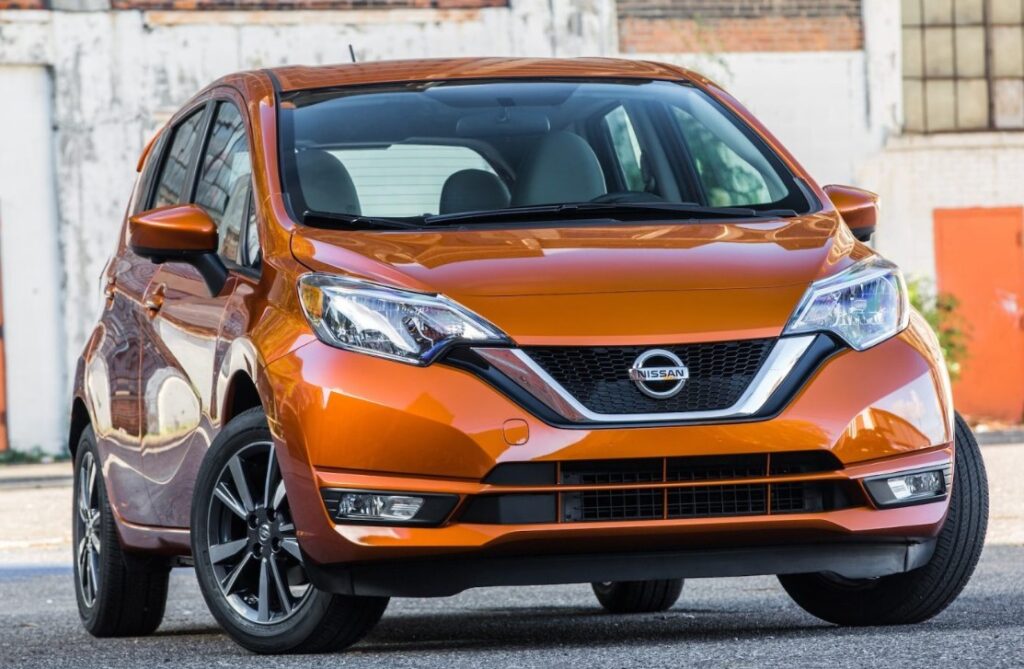
Choosing between the Nissan Note and Toyota Aqua can feel like comparing two talented athletes with completely different playing styles. Both are compact, economical, practical, and particularly popular in markets filled with Japanese used imports. Yet once we look beyond their similar dimensions and hybrid badges, they deliver noticeably different ownership experiences.
The Toyota Aqua—known as the Prius c in several international markets—follows Toyota’s familiar hybrid formula. Its petrol engine and electric motor work together through a continuously variable transmission to reduce fuel consumption. It is predictable, proven, and almost obsessively focused on efficiency.
The Nissan Note e-POWER takes another route. Its petrol engine generates electricity, but the electric motor alone drives the wheels. Nissan describes e-POWER as a fully motor-driven system that provides EV-like response without requiring external charging.
So, which one should we buy?
For many drivers, the Toyota Aqua is the safer choice for fuel economy, mechanical familiarity, and resale value. The Nissan Note is often the better choice for cabin space, acceleration, comfort, and overall driving enjoyment.
However, the right answer depends heavily on the model year, condition, trim level, battery health, and type of driving we do. Let us compare them properly.
Content in this publication
- Nissan Note vs Toyota Aqua at a Glance
- Understanding the Nissan Note
- Understanding the Toyota Aqua
- Nissan Note vs Toyota Aqua: Exterior Size
- Interior Space and Passenger Comfort
- Boot Space and Practicality
- Performance and Acceleration
- Nissan Note vs Toyota Aqua Fuel Economy
- Driving Experience
- Ride Comfort and Refinement
- Hybrid Battery Differences
- Reliability Comparison
- Maintenance and Repair Costs
- Safety Equipment
- Technology and Infotainment
- Nissan Note vs Toyota Aqua for City Driving
- Which Is Better on Long Journeys?
- Ownership Costs Beyond Fuel
- Resale Value
- Common Used-Car Buying Mistakes
- First-Generation vs Newer Models
- Who Should Buy the Nissan Note?
- Who Should Buy the Toyota Aqua?
- Nissan Note vs Toyota Aqua: Final Verdict
- Frequently Asked Questions
Nissan Note vs Toyota Aqua at a Glance
Before examining every detail, here is the broad difference between these two Japanese hatchbacks:
| Category | Nissan Note | Toyota Aqua |
|---|---|---|
| Hybrid design | Series-hybrid e-POWER on applicable models | Petrol-electric parallel hybrid |
| Driving character | Quick, smooth, EV-like | Calm, efficient, predictable |
| Interior space | Generally roomier | More compact |
| Seating position | Higher and easier to access | Lower and more car-like |
| Urban fuel economy | Excellent | Usually exceptional |
| Highway refinement | Comfortable, though engine noise varies | Efficient but sometimes noisy |
| Cargo practicality | Strong | Good for its size |
| Parts familiarity | Good, depending on market | Usually excellent |
| Resale demand | Strong in import markets | Often stronger |
| Best suited to | Families and comfort-focused drivers | Economy-focused commuters |
The comparison becomes more complicated because “Nissan Note” can refer to conventional petrol versions, first-generation e-POWER models, or newer second-generation e-POWER vehicles. Likewise, the Toyota Aqua spans two distinct generations with major differences in performance, comfort, safety, and technology.
We therefore need to compare equivalent vehicles whenever possible.
Understanding the Nissan Note
The Nissan Note is a small five-door hatchback designed to offer more interior space than its exterior dimensions suggest. It sits somewhere between a traditional supermini and a miniature people carrier.
Older Note models were available with regular petrol engines. However, the version most commonly compared with the Toyota Aqua is the Nissan Note e-POWER.
How Nissan e-POWER Works
Nissan e-POWER operates differently from a conventional Toyota hybrid.
In a Note e-POWER:
- The petrol engine produces electricity.
- Electricity is stored temporarily in a compact battery.
- The electric motor drives the wheels.
- Regenerative braking recovers energy during deceleration.
The petrol engine does not mechanically drive the wheels. This gives the Note the immediate torque and smooth acceleration associated with an electric vehicle, without requiring us to connect it to a charger.
Think of the petrol engine as a portable generator travelling under the bonnet. It wakes up when electricity is needed, supplies the motor and battery, and then rests when conditions allow.
Is the Nissan Note a True Electric Car?
No. Although the wheels are driven entirely by an electric motor on e-POWER models, petrol remains the vehicle’s primary energy source.
We still fill it at a petrol station, and the car cannot normally be plugged into an external charger. It behaves somewhat like an electric car from the driver’s seat, but it is technically a series hybrid.
Understanding the Toyota Aqua
The Toyota Aqua is a compact hybrid hatchback introduced as a smaller and more affordable companion to the Prius. In several markets, the first-generation Aqua was sold as the Toyota Prius c.
It uses Toyota’s established petrol-electric hybrid system. Depending on speed, battery charge, and driving demand, the car may use:
- Electric power alone
- Petrol power
- A combination of petrol and electric power
- Regenerative braking to recharge the battery
Unlike the Nissan’s e-POWER arrangement, the Aqua’s petrol engine can contribute directly to driving the wheels.
Why the Toyota Aqua Became So Popular
The Aqua built its reputation on three things: low fuel use, dependable hybrid technology, and manageable ownership costs.
It is small enough to thread through crowded city streets, easy to park, and remarkably economical in stop-start traffic. Toyota’s official information confirms that the Aqua uses a 1.5-litre hybrid powertrain, although exact specifications vary by generation and grade.
For delivery drivers, commuters, students, and households seeking an affordable second car, the Aqua can feel like a pocket calculator on wheels: modest, logical, and relentlessly efficient.
Nissan Note vs Toyota Aqua: Exterior Size
Both vehicles belong to the compact hatchback category, but their proportions create different impressions.
The Toyota Aqua is relatively low, narrow, and streamlined. Its shape prioritises aerodynamic efficiency, especially in the first generation. The Nissan Note is taller and more upright, giving it a roomier silhouette and a more substantial road presence.
A first-generation Note e-POWER measures roughly 4.1 metres in length, 1.695 metres in width, and approximately 1.52 metres in height, although measurements vary slightly by drivetrain and grade.
The Aqua is broadly similar in overall road footprint but generally sits lower.
Which Car Is Easier to Park?
Both are easy to park, but the Aqua may have a slight advantage in exceptionally tight spaces because it feels lower and more compact from behind the wheel.
The Note counters with:
- A more upright seating position
- Better outward visibility in many versions
- Squarer body corners
- Available parking cameras
- Available surround-view monitoring on selected grades
For nervous urban drivers, the Note can actually feel easier to place despite its taller body.
Interior Space and Passenger Comfort
This is one of the clearest victories for the Nissan Note.
The Note’s tall roof and upright cabin create more usable passenger room than we might expect from a compact hatchback. Adults generally enjoy better headroom, a more natural seating posture, and easier entry and exit.
The Aqua feels more enclosed. Front-seat accommodation is acceptable, but rear passengers may notice reduced headroom and legroom, particularly in first-generation models.
Front-Seat Experience
The Nissan Note places us in a relatively high driving position. It is easier to slide into, and the dashboard tends to feel open and accessible.
The Toyota Aqua places us lower. Some drivers enjoy that conventional hatchback posture, while others may find it less comfortable during repeated short journeys.
Drivers with mobility limitations, stiff knees, or back discomfort may prefer the Note simply because climbing in and out requires less effort.
Rear-Seat Accommodation
The Note is usually the stronger family car.
Its rear bench can accommodate adults more comfortably, and the taller doors make it easier to secure children into car seats. The Aqua can carry five people, but we would describe its rear seating as suitable rather than generous.
Three adults across the back of either car will feel tightly packed. Still, the Note makes the challenge less uncomfortable.
Which Is Better for Families?
The Nissan Note wins for most small families because it offers:
- Better rear headroom
- Easier child-seat access
- A taller cabin
- More comfortable passenger positioning
- Greater flexibility for mixed passenger and luggage use
The Aqua remains practical for couples, solo commuters, and small households that only occasionally use the rear seats.
Boot Space and Practicality
Neither vehicle is a cargo van wearing a hatchback costume, but both handle everyday errands well.
The Nissan Note’s boxier rear design generally provides a more useful luggage area. Its taller opening helps when loading pushchairs, grocery crates, small furniture, or suitcases.
The Toyota Aqua’s boot is wide enough for normal daily use, but the low roof and sloping rear shape can restrict bulky items.
Which One Is Better for Luggage?
Choose the Note when we regularly carry:
- Baby equipment
- Tall shopping bags
- Sports equipment
- Several small suitcases
- Pets in secured carriers
- Folding mobility equipment
Choose the Aqua when our luggage usually consists of shopping bags, work equipment, or one or two travel cases.
Some Note versions also offer clever rear-seat arrangements or adjustable cargo floors. Equipment differs considerably between trims, so we should inspect the individual car rather than assuming every example has the same features.
Performance and Acceleration
The Nissan Note e-POWER is the more entertaining car to accelerate.
Because an electric motor drives the wheels, torque arrives quickly. The Note moves away from traffic lights with surprising urgency and responds sharply when we press the accelerator.
It does not feel like a tiny sports car, but it can feel much faster than its modest engine size suggests.
The first-generation Aqua is calmer. It accelerates adequately for commuting, but sudden overtaking requires planning. Pressing the accelerator hard can cause the engine speed to rise dramatically, creating more noise than forward drama.
City Performance
In the city, the Note feels lively and effortless. Electric-motor response helps it dart into gaps and leave junctions smoothly.
The Aqua feels gentler. It rewards careful throttle inputs rather than aggressive acceleration.
If urban driving were music, the Note would play an upbeat electric rhythm, while the Aqua would hum a repetitive but economical tune.
Highway Performance
At highway speeds, the difference becomes less dramatic.
The Note still feels responsive, but heavy acceleration can cause its generator engine to become noticeable. Since engine speed does not always rise in direct proportion to road speed, the sound can initially seem disconnected from what the car is doing.
The Aqua can also become noisy during steep climbs or overtaking. Once cruising steadily, however, both vehicles settle down reasonably well.
Newer generations of both models are substantially more refined than their predecessors.
You may be interested in reading Nissan Note vs Honda Fit: Which Small Car Is Better?
Nissan Note vs Toyota Aqua Fuel Economy
Fuel economy is one of the main reasons people compare these cars, and the Toyota Aqua usually holds the advantage.
Its hybrid system was designed around efficiency from the beginning. In slow urban traffic, it can spend frequent periods using electric assistance or travelling briefly without the engine running.
The Note e-POWER is also highly economical, especially in town. However, its energy must pass through several stages: petrol powers the engine, the engine creates electricity, and the motor uses that electricity to drive the car. Energy is lost during each conversion.
Real-World Fuel Consumption
Actual consumption depends on:
- Vehicle generation
- Battery condition
- Tyre pressure
- Ambient temperature
- Traffic density
- Driving speed
- Passenger and luggage weight
- Air-conditioning use
- Road gradient
- Driver behaviour
The Aqua tends to shine in congested city traffic and on mixed commutes. The Note performs particularly well when regenerative braking and frequent speed changes allow the electric-drive system to work efficiently.
At sustained high speeds, both cars may consume more fuel than optimistic urban figures suggest.
Which Car Uses Less Fuel?
For buyers whose highest priority is using the least petrol possible, the Toyota Aqua is generally the safer choice.
The difference may be modest during normal mixed driving, but high-mileage drivers can turn a small efficiency advantage into meaningful savings over several years.
The Note remains impressively economical, though. We are not comparing an efficient car with a thirsty one; we are comparing two efficient cars, with the Aqua often squeezing a little more distance from every litre.
Driving Experience
Fuel consumption tells only part of the story.
The Note e-POWER feels smoother and more responsive because there is no conventional gear-changing sensation. It accelerates in one continuous sweep, like an electric train leaving a platform.
The Aqua also uses a smooth hybrid transmission, but its engine note can become strained when we ask for strong acceleration.
Steering and Handling
The Aqua usually feels light and agile. Its lower centre of gravity gives it a planted character through ordinary corners.
The Note sits taller and may lean a little more, but it remains easy to guide through urban streets. Its steering is generally light, making low-speed manoeuvres simple.
Neither car is built for enthusiastic mountain-road driving. Their job is to reduce effort, fuel consumption, and stress—not to chase lap records.
One-Pedal-Style Driving
Many Note e-POWER models provide strong regenerative deceleration through modes such as e-Pedal or e-Power Drive, depending on the generation and specification.
Lifting off the accelerator slows the vehicle more strongly than in a typical petrol hatchback. Once we learn to anticipate the response, urban driving becomes surprisingly fluid.
The Aqua also uses regenerative braking, but the effect generally feels more conventional.
Ride Comfort and Refinement
The Nissan Note usually offers the more comfortable overall cabin experience.
Its upright seats, extra space, and smooth electric-motor acceleration help it feel relaxed. Broken surfaces can still reveal the limitations of a small, lightweight car, especially when fitted with larger wheels.
The Aqua’s ride varies by generation. Early vehicles can feel firm and transmit more road noise into the cabin. Later examples are more polished.
Engine and Road Noise
At low speeds, both cars can be remarkably quiet when their petrol engines are not running.
Once the engines start, their personalities separate.
The Aqua’s engine sound usually follows accelerator demand in a familiar hybrid fashion. The Note’s generator may operate at unexpected moments, sometimes while the vehicle is moving slowly or stationary.
That behaviour is normal, but first-time e-POWER drivers may need time to understand it.
At motorway speeds, tyre quality has an enormous effect on refinement. Cheap or unevenly worn tyres can make either car sound far rougher than it should.
Hybrid Battery Differences
Both cars rely on high-voltage batteries, but their systems use those batteries differently.
The Aqua’s battery supports Toyota’s hybrid drivetrain and allows limited low-speed electric operation. The Note e-POWER battery acts as an energy buffer between the generator engine and electric drive motor.
Neither model needs the enormous battery found in a fully electric vehicle.
Toyota explains that automotive hybrid batteries operate at much higher voltage than conventional 12-volt batteries, which power accessories such as windows and audio equipment.
Does Battery Age Matter?
Absolutely.
Battery condition depends on more than mileage. Age, heat exposure, charging patterns, cooling-system maintenance, and long periods of inactivity can all influence performance.
A low-mileage car that has spent years sitting in extreme heat is not automatically better than a higher-mileage example driven and serviced regularly.
Signs of Possible Hybrid Battery Trouble
Warning signs may include:
- Hybrid-system warning lights
- Rapid changes in the battery-level display
- Noticeably reduced fuel economy
- Frequent engine operation
- Weak acceleration
- Cooling-fan noise
- Diagnostic trouble codes
- Inconsistent regenerative braking
These symptoms can also have other causes. A proper diagnostic scan is far more useful than guessing from dashboard behaviour.
Reliability Comparison
The Toyota Aqua has the stronger overall reputation for straightforward long-term dependability.
Toyota has produced hybrid vehicles on a massive scale for decades, and technicians in many markets are familiar with its systems. Parts availability is often excellent, especially where imported Aquas are common.
The Nissan Note can also be dependable, but its reliability picture is more dependent on generation, drivetrain, and maintenance history.
Toyota Aqua Reliability Strengths
The Aqua benefits from:
- A widely understood hybrid system
- Strong parts availability in many regions
- Large numbers of used vehicles
- Extensive independent workshop knowledge
- Generally durable petrol engines
- A conventional ownership experience for a hybrid
However, it is not indestructible. Older examples may need battery repairs, suspension work, wheel bearings, brakes, cooling-system maintenance, or electrical attention.
Nissan Note Reliability Strengths
The Note e-POWER avoids some traditional transmission components because the electric motor drives the wheels. There is no conventional stepped automatic gearbox changing through multiple ratios.
Its electric drive can feel mechanically simple from behind the wheel. Nevertheless, the complete system still contains a petrol engine, generator, inverter, battery, control electronics, cooling components, and electric motor.
Complexity has not vanished; it has simply been rearranged.
Which One Is More Reliable?
When comparing two equally well-maintained cars of similar age and mileage, we would usually give the Toyota Aqua a narrow reliability advantage.
That does not mean every Aqua is better than every Note. A neglected Aqua with accident damage and an exhausted battery can be a worse purchase than a carefully serviced Note in excellent condition.
Condition beats reputation.
Maintenance and Repair Costs
Routine servicing for both vehicles should be manageable. They still need regular inspections, engine oil changes, filters, brake-fluid checks, tyres, coolant maintenance, and attention to the 12-volt battery.
Hybrid regenerative braking may reduce wear on conventional brake pads, particularly for careful urban drivers.
Toyota Aqua Maintenance Advantages
The Aqua’s popularity creates a broad repair ecosystem. In markets with many Japanese imports, we can often find:
- Used replacement parts
- Reconditioned hybrid batteries
- Independent hybrid specialists
- Diagnostic knowledge
- Online owner communities
- Familiarity among general workshops
This competition can keep repair prices under control.
Nissan Note Maintenance Considerations
Note parts availability depends more heavily on the local market. Mechanical service items are usually easy to source, but specialised e-POWER components may require a workshop familiar with the system.
Before purchasing, we should identify at least one nearby technician capable of diagnosing e-POWER faults. Buying a sophisticated import without local support is like adopting an exotic pet before finding a suitable veterinarian.
Safety Equipment
Safety varies dramatically by year and trim.
Later versions may include technologies such as:
- Autonomous emergency braking
- Lane-departure warning
- Blind-spot monitoring
- Rear cross-traffic alert
- Adaptive cruise control
- Parking cameras
- Surround-view monitoring
- Electronic stability control
- Multiple airbags
Entry-level Japanese-market imports may lack equipment found in higher grades, even when the cars look almost identical.
Do Not Judge Safety by Appearance
Two Aquas of the same year may carry different driver-assistance systems. The same applies to Nissan Notes.
We should verify safety features physically and through the chassis or specification information. A steering-wheel button, dashboard symbol, camera housing, or sensor module can help identify equipment, but a professional inspection remains preferable.
Older imported cars may also have Japanese-language safety alerts that require familiarisation.
You may be interested in readingNissan Note vs Honda Fit: Which Small Car Is Better?You may be interested in reading
Nissan Note vs Nissan Kicks: Which One Should We Buy?Technology and Infotainment
Neither vehicle should automatically be expected to arrive with seamless local-market technology.
Japanese imports may have:
- Japanese-language head units
- Navigation that does not function locally
- Limited radio-frequency compatibility
- Missing smartphone integration
- Unfamiliar voice commands
- Electronic toll-card equipment
- Aftermarket audio installations
The Nissan Note often creates a more futuristic first impression, especially in higher grades with digital displays and electronic gear selectors.
The Aqua’s cabin is more utilitarian in early versions, although the second generation feels considerably more modern.
Which Interior Feels Better?
The Note often feels more spacious and visually interesting.
The Aqua tends to feel simpler and built around efficiency. Some buyers appreciate its no-nonsense layout; others find the hard plastics and centrally positioned displays of older models dated.
Interior condition matters more than showroom appearance. A clean steering wheel, firm driver’s seat, functioning air conditioning, and unmodified wiring are worth far more than decorative trim.
Nissan Note vs Toyota Aqua for City Driving
Both cars are excellent city companions.
The Aqua wins when fuel economy and compactness dominate the decision. It slips through traffic, fits into small spaces, and handles stop-start commuting without fuss.
The Note wins when we want the city journey to feel easier. Its higher seating position, immediate torque, stronger regenerative deceleration, and better cabin space reduce everyday effort.
Best Choice for Urban Delivery Work
For high-mileage delivery work, the Aqua’s fuel economy and established repair network make it extremely attractive.
However, drivers entering and leaving the car repeatedly may prefer the Note’s higher seating position. Over ten stops, that difference feels minor. Over one hundred stops, it can feel enormous.
Payload, insurance conditions, battery health, and commercial-use requirements should also be considered.
Which Is Better on Long Journeys?
The Note is often more comfortable for passengers because of its space and seating position.
The Aqua may return excellent fuel economy, but older examples can become tiring due to road noise, firm seating, and limited rear room.
For frequent highway travel, we should test both cars at realistic speeds. A ten-minute drive around a dealership cannot reveal motorway wind noise, stability, seat comfort, or engine behaviour on long inclines.
What About Overtaking?
The Note’s immediate motor torque gives it the more confident initial response.
The Aqua can overtake safely when we plan ahead, but early models may feel breathless with several passengers aboard or on steep roads.
No compact economy hybrid should be treated like a high-powered touring car. Leave adequate space, understand the vehicle’s limits, and avoid judging performance solely by accelerator response at low speeds.
Ownership Costs Beyond Fuel
A cheap purchase price does not guarantee cheap ownership.
We should calculate:
- Insurance
- Registration
- Routine servicing
- Tyres
- Battery assessment
- Expected repairs
- Finance interest
- Depreciation
- Fuel consumption
- Replacement keys
- Infotainment conversion
- Pre-purchase inspection costs
The Aqua may cost more to buy because of its reputation and demand. The Note may offer more equipment or newer age for similar money.
That value advantage can disappear if local workshops lack e-POWER knowledge, so market support matters.
Resale Value
The Toyota Aqua generally has the stronger and more predictable resale position.
Buyers recognise the Toyota badge, understand the hybrid concept, and often search specifically for an Aqua. Its popularity creates both a benefit and a drawback: selling may be easy, but buyers have many alternative cars to choose from.
The Nissan Note attracts drivers who prioritise space and performance. Well-specified e-POWER versions can sell strongly, particularly where the technology has become familiar.
Colour, condition, odometer history, battery health, safety specification, and number of previous local owners all influence resale value.
Common Used-Car Buying Mistakes
The largest mistake is choosing based only on model reputation.
A badge cannot tell us whether the car was crashed, flood-damaged, poorly repaired, or neglected.
Check These Items Before Buying Either Car
We should always:
- Verify the chassis and registration history.
- Arrange an independent mechanical inspection.
- Scan all control modules for stored fault codes.
- Assess hybrid battery condition.
- Test the 12-volt battery.
- Check for accident repairs and paint inconsistencies.
- Inspect tyres for age and uneven wear.
- Confirm that every warning light illuminates and then switches off normally.
- Test air conditioning, cameras, sensors, and infotainment.
- Drive the vehicle from cold.
- Listen for suspension and wheel-bearing noise.
- Confirm that recalls or service campaigns have been addressed.
Nissan provides an official chassis-based recall search for applicable Japanese vehicles, although imported-car owners may need assistance interpreting the information.
Why a Cold Start Matters
A seller may warm the car before we arrive to hide rattles, weak batteries, rough starting, smoke, or abnormal generator behaviour.
Ask for the vehicle to remain cold before the inspection. Touching the bonnet cautiously can help confirm whether it has already been running.
First-Generation vs Newer Models
Comparing generations is essential.
A first-generation Aqua and a second-generation Note e-POWER are not perfectly matched. Likewise, a newer Aqua can offer performance and safety improvements that make older comparisons irrelevant.
Older Nissan Note e-POWER
The older Note e-POWER is appealing because it often delivers:
- Strong acceleration
- Generous interior space
- Competitive used pricing
- Excellent urban drivability
- Good equipment in higher trims
Its main compromises include generator noise, variable import specifications, and the need for e-POWER diagnostic expertise.
Older Toyota Aqua
The first-generation Aqua offers:
- Excellent fuel economy
- Proven technology
- Wide market familiarity
- Strong resale demand
- Affordable replacement parts in many regions
Its compromises include modest acceleration, limited rear space, road noise, and basic interiors in lower grades.
Newer Generations
The latest generations bring better refinement, more advanced safety systems, improved powertrain control, and higher-quality interiors.
The newer Note uses Nissan’s second-generation e-POWER system, while the newer Aqua continues Toyota’s evolving 1.5-litre hybrid approach. Current Japanese-market specifications should be checked by grade because drivetrain, wheel size, fuel-consumption ratings, and assistance systems can differ.
Who Should Buy the Nissan Note?
The Nissan Note is likely the better choice when we value:
- Spacious seating
- Easy entry and exit
- Strong low-speed acceleration
- A higher driving position
- Flexible cargo space
- EV-like smoothness
- Family-friendly practicality
- More driving character
It is particularly compelling for urban families who need something small outside but surprisingly roomy inside.
We should choose an e-POWER model only after confirming that suitable servicing and diagnostic support exist locally.
Who Should Buy the Toyota Aqua?
The Toyota Aqua is likely the better choice when we value:
- Maximum fuel economy
- Proven hybrid engineering
- Strong resale value
- Easy parts sourcing
- Broad workshop familiarity
- Compact exterior dimensions
- Predictable ownership costs
- A simple commuting experience
It suits high-mileage commuters, cost-conscious households, rideshare drivers, and anyone who views a car primarily as reliable transport.
The Aqua may not make every journey exciting, but excitement is not always the goal. Sometimes we simply want a car that starts every morning, drinks fuel through a straw, and asks for very little attention.
Nissan Note vs Toyota Aqua: Final Verdict
The Nissan Note and Toyota Aqua solve the same problem in different ways.
The Aqua approaches efficiency like an accountant. Every movement feels calculated, every drop of petrol carefully managed, and every mechanical decision guided by proven logic. It is generally the better option for buyers who prioritise fuel economy, reliability history, resale demand, and straightforward maintenance.
The Note approaches efficiency like an engineer with a creative streak. By using the petrol engine as a generator and allowing the electric motor to drive the wheels, it delivers quicker response and a smoother, more EV-like character. It also provides the roomier and more comfortable cabin.
Our overall recommendations are simple:
- Choose the Toyota Aqua for maximum economy and lower ownership uncertainty.
- Choose the Nissan Note for space, comfort, and stronger performance.
- Choose the cleanest, best-maintained example when comparing individual used cars.
Would we take a well-inspected Note over a neglected Aqua? Absolutely.
Would we buy an Aqua purely because Toyota hybrids have a strong reputation? No. Reputation should begin the inspection—not replace it.
For most economy-focused commuters, the Toyota Aqua remains the sensible winner. For families and drivers who want a compact hybrid that feels energetic and spacious, the Nissan Note is arguably the more satisfying vehicle.
Frequently Asked Questions
Is the Nissan Note more fuel-efficient than the Toyota Aqua?
Usually, no. Both cars can deliver excellent economy, but the Toyota Aqua generally uses less fuel in typical urban and mixed driving. The result depends on the model year, battery condition, traffic, speed, weather, tyre pressure, and driving style.
Is Nissan e-POWER better than Toyota Hybrid Synergy Drive?
Neither system is universally better. Nissan e-POWER provides smoother, stronger electric-motor acceleration because the motor exclusively drives the wheels. Toyota’s hybrid system is usually more efficient and has a longer-established service network. The better system depends on whether we prioritise driving feel or minimum fuel consumption.
Which has more space, the Nissan Note or Toyota Aqua?
The Nissan Note generally offers more interior space. Its taller roof, upright seating, and boxier body provide better headroom, easier rear-seat access, and greater flexibility for passengers and luggage.
Which is cheaper to maintain?
The Toyota Aqua is often cheaper and easier to maintain in markets where Toyota hybrids are common. More mechanics understand the system, and new, used, or refurbished parts may be easier to obtain. A Nissan Note can still be affordable to own when local e-POWER expertise is available.
You may be interested in readingNissan Note vs Honda Fit: Which Small Car Is Better?You may be interested in reading
Nissan Note vs Nissan Kicks: Which One Should We Buy?You may be interested in reading
Nissan Note vs Note e-POWER: Which One Should We Buy?Should we buy a Nissan Note or Toyota Aqua as a used import?
Choose based on condition, history, specification, and local support rather than the badge alone. Arrange a hybrid-system scan, mechanical inspection, history check, cold-start test, and battery assessment. Between two equally good vehicles, choose the Aqua for economy and resale value or the Note for comfort, space, and acceleration.
If you want to know other articles similar to Nissan Note vs Toyota Aqua: Which Hybrid Hatchback Is Better? you can visit the category Models.
Kia Sorento Models: Complete Guide to Trims, Engines and Versions
BYD Shark 6 vs Ranger vs HiLux: Which Ute Makes the Most Sense in 2026?
BYD Shark 6 vs MG U9: Which Ute Makes More Sense in 2026?
BYD Shark 6 vs Ford Ranger Raptor: Which Performance Ute Is Better in 2026?
BYD Shark 6 vs Kia Tasman: Which Ute Is Better?
BYD Shark 6 vs 7: What We Know So Far
Leave a Reply
More content of your interest