

Vauxhall Adam vs Fiat 500: Which Stylish City Car Is Better?

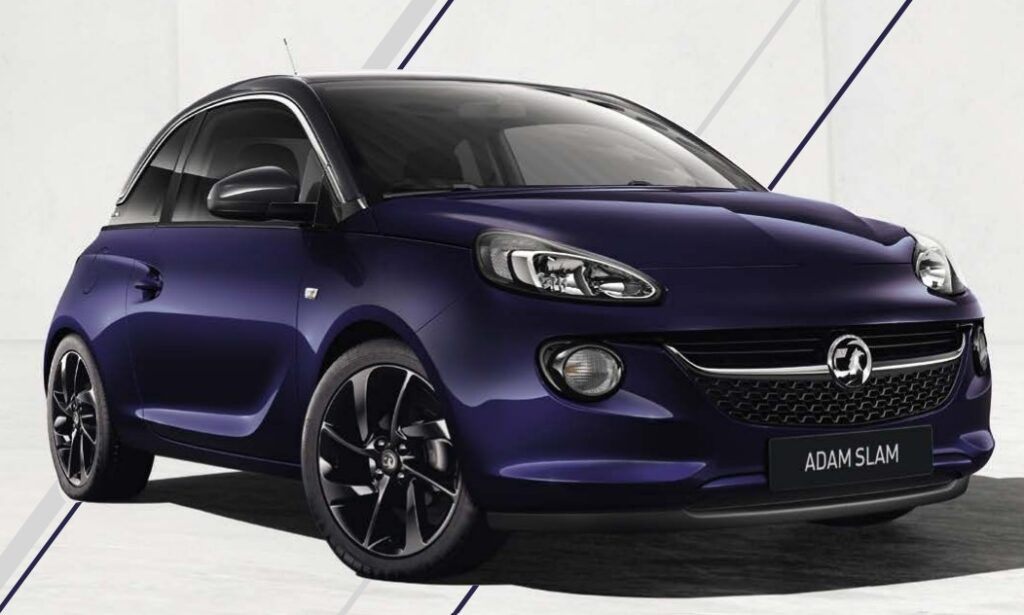
Choosing between the Vauxhall Adam and Fiat 500 is a bit like deciding between two fashionable jackets. Both look sharp, both bring personality to an otherwise sensible purchase, and both are small enough to slip through busy city streets without breaking a sweat. Yet once we look beyond the paint colours, alloy wheels, and retro-inspired details, these two compact cars reveal very different personalities.
The Fiat 500 leans heavily into nostalgia. It is cheerful, instantly recognisable, and closely linked to the shape of the original Italian icon. The Vauxhall Adam takes a different path. It feels more modern, more substantial, and more focused on personalisation than historical charm.
So, which one should we buy?
The answer depends on what matters most. The Fiat 500 is usually the better choice for drivers who want maximum character, compact dimensions, and strong city-car appeal. The Vauxhall Adam often feels more mature on the road, provides a broader-looking cabin, and may suit buyers who want something less common.
Let us put them side by side and find out where each car wins.
Content in this publication
- Vauxhall Adam vs Fiat 500 at a Glance
- Design: Retro Charm or Modern Personality?
- Exterior Personalisation Options
- Dimensions and City-Friendliness
- Interior Design and Cabin Atmosphere
- Front-Seat Comfort
- Rear Seats: Are Either of Them Practical?
- Boot Space and Everyday Practicality
- Engine Options
- Performance and Acceleration
- Driving Experience
- Motorway and Long-Distance Driving
- Fuel Economy and Running Costs
- Insurance Costs
- Reliability: Vauxhall Adam vs Fiat 500
- Infotainment and Technology
- Safety
- Build Quality and Refinement
- Trim Levels and Special Editions
- Used-Car Prices and Availability
- Depreciation and Resale Value
- Vauxhall Adam vs Fiat 500 for New Drivers
- Vauxhall Adam vs Fiat 500 for City Driving
- Vauxhall Adam vs Fiat 500 for Motorway Driving
- Which Car Has More Personality?
- Advantages of the Vauxhall Adam
- Disadvantages of the Vauxhall Adam
- Advantages of the Fiat 500
- Disadvantages of the Fiat 500
- What Should We Check Before Buying Either Car?
- Which One Is Better for Different Buyers?
- Vauxhall Adam vs Fiat 500: Final Verdict
- Frequently Asked Questions
Vauxhall Adam vs Fiat 500 at a Glance
Before diving into the details, here is the broad picture:
| Category | Vauxhall Adam | Fiat 500 |
|---|---|---|
| Overall character | Modern and customisable | Retro and iconic |
| City driving | Easy and stable | Extremely compact and nimble |
| Interior space | Better in the front | Cosy but narrow |
| Rear-seat usability | Limited | Very limited |
| Boot practicality | Small | Small but usable |
| Driving feel | More planted | Light and playful |
| Ride comfort | Can feel firm | Can also be bouncy |
| Engine choice | Several petrol options | Petrol, mild-hybrid and electric versions, depending on generation |
| Personalisation | Excellent | Excellent |
| Used-car availability | More limited | Much wider |
| Best suited to | Drivers wanting individuality | Drivers wanting charm and convenience |
Neither model is a miniature family car in disguise. These are style-led city cars with small boots, tight rear seats, and a clear preference for urban life. Still, their strengths are different enough to make the choice surprisingly interesting.
Design: Retro Charm or Modern Personality?
The Fiat 500 Is an Automotive Fashion Icon
Few small cars are as easy to recognise as the Fiat 500. Its rounded headlights, curved roofline, compact body, and bright interior details make it look as though it has rolled out of an Italian postcard.
The design is one of its biggest selling points. Even older examples still look fashionable because the basic shape has aged gracefully. Fiat has updated the bumpers, lights, technology, and trim choices over the years, but the essential personality remains intact.
We might call it predictable, but that would miss the point. Buyers do not choose a Fiat 500 because they want visual anonymity. They choose it because the shape feels friendly, familiar, and full of character.
The Vauxhall Adam Looks More Contemporary
The Vauxhall Adam is less nostalgic. It has a chunkier stance, sharper lines, a floating-roof effect, and a wider-looking body. It appears more planted than the Fiat, almost as though someone shrank a premium hatchback in the wash.
Its design may not carry the same historical weight as the Fiat 500, but it offers something valuable: individuality without imitation. The Adam does not try to recreate an old Vauxhall. It was designed as a fashionable modern city car from the beginning.
That approach gives it a slightly more serious presence. It looks confident rather than cute.
Which Car Looks Better?
This is entirely subjective, but the decision can be simplified:
- Choose the Fiat 500 if we love retro styling and instantly recognisable design.
- Choose the Vauxhall Adam if we prefer a wider, sportier, and more contemporary appearance.
- Choose either one if personalisation matters more than visual restraint.
The Fiat is the classic espresso cup. The Adam is the colourful reusable travel mug. Both stand out, but they speak different design languages.
Exterior Personalisation Options
Personalisation was central to both cars, although the Vauxhall Adam arguably pushed the idea further.
Depending on trim level and model year, Adam buyers could find contrasting roof colours, decorative interior panels, unusual alloy-wheel designs, colourful dashboard finishes, and themed trim packages. Some versions were intentionally bold, while others adopted a more sophisticated appearance.
The Fiat 500 also offered an enormous variety of colours, decals, wheel designs, upholstery choices, special editions, and roof configurations. Because it remained on sale for so long and was produced in large numbers, the used market contains almost every imaginable combination.
This creates an important practical difference. A particular Vauxhall Adam specification may be difficult to find, whereas Fiat 500 buyers typically have far more cars to choose from.
Dimensions and City-Friendliness
The Fiat 500 is wonderfully compact. It feels tailor-made for narrow streets, crowded supermarket car parks, and tight urban spaces. Its short length makes parallel parking easier, while its light steering reduces the effort required during low-speed manoeuvres.
The Vauxhall Adam is still a small car, but it feels broader and more substantial. That extra visual and physical width helps it feel stable, although it is not quite as effortless to squeeze into the smallest gaps.
Which Is Easier to Park?
The Fiat 500 generally has the advantage. Its tiny footprint is one of its strongest qualities. Some versions also came with useful parking sensors, although equipment varies widely across trims and years.
The Adam remains easy to park, especially compared with a conventional family hatchback. Visibility is reasonably good in most directions, but thick pillars and small rear windows can still create blind spots.
When parking convenience is the priority, we would place them in this order:
- Fiat 500
- Vauxhall Adam
The difference is not enormous, but drivers facing crowded city centres every day may appreciate the Fiat’s smaller dimensions.
Interior Design and Cabin Atmosphere
Inside the Vauxhall Adam
The Adam’s cabin tends to feel wider and more substantial than the Fiat’s. Its dashboard design is modern, with broad decorative panels and rounded controls that match the car’s exterior personality.
Depending on specification, the materials can look surprisingly upmarket for a city car. Glossy trim, coloured inserts, leather-style finishes, and attractive instruments help the interior feel special.
However, not every surface is premium. Lower sections of the dashboard and doors still use hard plastics, and heavily customised interiors may not appeal to every second-hand buyer.
The driving position is generally comfortable, although some drivers may need time to find the ideal relationship between the seat, pedals, and steering wheel.
Inside the Fiat 500
The Fiat’s cabin is more playful. A large body-coloured dashboard panel dominates the design, while circular instruments and rounded switches reinforce the retro theme.
It feels cheerful rather than luxurious. Some materials are clearly inexpensive, but clever styling distracts us from the harder plastics. That is the Fiat 500’s party trick: it makes simplicity feel intentional.
The cabin is narrower than the Adam’s, and taller drivers may feel closer to the door or passenger than they would prefer. The driving position can also feel slightly upright, with the steering wheel and pedals not perfectly aligned for everyone.
Cabin Winner
The Vauxhall Adam wins for perceived width, solidity, and a more modern layout.
The Fiat 500 wins for charm, simplicity, and visual character.
Drivers should sit in both before making a decision. A cabin can look fantastic in photographs yet feel awkward after half an hour behind the wheel.
Front-Seat Comfort
Both cars work best with one or two people aboard.
The Vauxhall Adam generally provides more generous front-seat accommodation. Its wider body gives occupants additional shoulder room, while supportive seats can make longer trips less tiring.
The Fiat 500 feels cosier. That can be charming on a short journey, but taller occupants may find the space restrictive. Headroom depends partly on the roof design, and versions with a sunroof or convertible-style fabric roof may feel tighter.
Seat comfort also varies by trim. Sportier models often use firmer seats and larger side bolsters, while entry-level versions may provide simpler cushioning.
For regular motorway trips, the Adam is likely to feel more grown-up. For short urban journeys, both are perfectly acceptable.
Rear Seats: Are Either of Them Practical?
Let us be honest: neither car is designed to carry adults in the back regularly.
The Vauxhall Adam’s rear seats are difficult to access because it has a three-door body. Once inside, legroom is tight, especially behind a tall driver. Headroom is also limited by the roofline.
The Fiat 500 faces the same basic problem. Rear access can be awkward, knee room is minimal, and adults may feel trapped on longer journeys.
Children will cope better, but fitting a child seat through a narrow door opening can test our patience. It is possible, yet hardly convenient.
Rear-Seat Verdict
The Adam may provide a fraction more usable room in certain seating positions, but the difference is not enough to transform it into a practical four-seater.
We should treat both cars as:
- Comfortable two-seaters
- Occasional four-seaters
- Poor choices for families needing regular rear-seat access
- Reasonable options for carrying children on short trips
Anyone who frequently carries passengers should consider a five-door alternative.
Boot Space and Everyday Practicality
Neither boot is large. A weekly supermarket shop is manageable, but bulky luggage quickly becomes a puzzle.
The Fiat 500’s boot has a useful shape for such a small car, although the opening and loading height can make larger items awkward. Folding the rear seats expands the available space, but the load floor may not be completely flat.
The Vauxhall Adam also has a modest boot. Its fashionable proportions and rear design limit luggage capacity, and the area can feel cramped when carrying suitcases or larger shopping bags.
Which Boot Is Better?
In real life, the Fiat 500 often feels slightly easier to use, even when the numerical difference is modest. Its enormous popularity also means many accessories, organisers, and model-specific luggage solutions are easy to find.
Still, neither vehicle should be chosen for cargo-carrying ability. If our weekends involve golf clubs, pushchairs, camping equipment, or several large suitcases, both cars will feel like trying to pack a wardrobe into a kitchen drawer.
Engine Options
Engine availability varies by model year, market, and generation, so buyers should verify the exact specification of any car they are considering.
Vauxhall Adam Engines
The Adam was mainly offered with small petrol engines. Depending on the version, buyers may encounter naturally aspirated units designed for economy or turbocharged engines offering stronger performance.
Smaller non-turbo engines are generally adequate for city use, but they may feel strained on faster roads, particularly with passengers aboard. More powerful turbocharged versions provide better overtaking ability and make the car feel less breathless.
The sporty Adam S sits at the top of the performance range. It offers considerably more power and a more aggressive character, although higher running costs, firmer suspension, and increased insurance premiums come with the package.
You may be interested in reading Vauxhall Adam vs Corsa: Which Small Car Is Better?
Fiat 500 Engines
The Fiat 500 has been offered with several petrol engines over its long production life, including simple naturally aspirated units, turbocharged two-cylinder options, and later mild-hybrid technology.
Older 1.2-litre petrol versions are common on the used market. They are not especially fast, but their straightforward character suits gentle urban driving.
The TwinAir engine provides more personality and distinctive sound, though real-world fuel economy may disappoint drivers who use its performance enthusiastically.
Later mild-hybrid models aim to improve efficiency, while the newer electric Fiat 500 belongs to a different generation and should not be confused with older petrol-based versions.
Best Engine for Typical Buyers
For uncomplicated urban use, a modest petrol engine is often enough. Buyers who frequently use motorways should prioritise a stronger turbocharged version.
The key is not simply choosing the most powerful engine. We should also examine:
- Service history
- Oil-change records
- Cold-start behaviour
- Clutch condition
- Warning lights
- Timing-system maintenance requirements
- Signs of overheating or oil leaks
A well-maintained smaller engine is usually a safer purchase than a neglected high-specification model.
Performance and Acceleration
Neither standard car is built for drag racing. Their mission is to move through town efficiently while looking good doing it.
Entry-level Fiat 500 models can feel slow when joining fast traffic or climbing steep hills. Around town, however, the light body and responsive low-speed controls make them feel lively enough.
The Vauxhall Adam’s base engines can also feel modest, but the car’s broader stance and more substantial driving position create the impression of greater maturity. Turbocharged Adam models deliver much stronger mid-range performance.
For most buyers, outright acceleration matters less than flexibility. A car that can move from 30 to 50 mph without frantic downshifting will feel more relaxed in everyday driving.
The Adam generally offers better performance potential, while the Fiat focuses more strongly on ease and charm.
Driving Experience
How the Vauxhall Adam Drives
The Adam feels planted for a city car. Its steering is relatively direct, and the wider stance helps it feel stable on faster roads.
Body control is generally good, particularly in sportier versions. Yet the downside is ride quality. Cars with large alloy wheels and low-profile tyres can feel firm over potholes, broken tarmac, and speed bumps.
On smooth roads, that firmness creates a composed character. On damaged urban streets, it can become tiring.
How the Fiat 500 Drives
The Fiat feels lighter and more playful. Its steering is easy at low speeds, especially when a city-assisted steering mode is available. This makes tight parking manoeuvres almost comically simple.
At higher speeds, the steering can feel less precise than the Adam’s, and the narrow body may react more noticeably to crosswinds or rough surfaces.
The ride is not always soft. Versions with large wheels can bounce or crash over sharp imperfections. Standard-wheel models are often more comfortable.
Which Is More Fun?
The answer depends on our definition of fun.
The Fiat is fun in the way a small scooter is fun: light, cheerful, and perfect for short urban journeys.
The Adam is fun in a more conventional hatchback sense: stronger road holding, a more substantial feel, and better performance in powerful versions.
Motorway and Long-Distance Driving
The Vauxhall Adam has the advantage here. It generally feels more stable, more planted, and less fragile at motorway speeds.
That does not make it a grand tourer. Wind noise, tyre noise, firm suspension, and small-car gearing can still make long journeys tiring. Nevertheless, the Adam often feels more confident when travelling beyond the city.
The Fiat 500 can handle motorways, but less powerful engines may require planning when overtaking or climbing hills. Its upright seating position and compact cabin may also become uncomfortable during longer drives.
Drivers who travel mainly within cities will not care much. Those covering significant motorway mileage should lean toward a stronger-engined Adam or consider a larger car altogether.
Fuel Economy and Running Costs
Fuel economy depends heavily on engine choice, transmission, tyre size, driving style, and journey type.
Small petrol versions of both cars can be economical when driven gently. However, real-world results may fall below official figures, particularly during short winter journeys or heavy stop-start traffic.
The Fiat 500 may have a slight advantage in some configurations because of its lower weight and economy-focused engines. Mild-hybrid versions can also reduce fuel use in suitable conditions, although the improvement may be modest during certain types of driving.
The Adam’s larger wheels and stronger turbocharged engines can increase consumption, especially when driven enthusiastically.
Other Costs to Consider
Fuel is only one part of the ownership equation. We should also budget for:
- Insurance
- Annual servicing
- Tyres
- Brake replacement
- Battery replacement
- Clutch wear
- Suspension repairs
- Air-conditioning maintenance
- MOT-related work
- Road tax, where applicable
A fashionable special edition may look attractive but could use unusual tyre sizes that cost more to replace.
Insurance Costs
Insurance groups vary according to engine, trim, performance, security equipment, driver profile, and location.
Basic Fiat 500 versions are often attractive to younger drivers because of their modest power outputs and widespread availability. However, popularity among new drivers can sometimes influence claims patterns and premiums.
Entry-level Vauxhall Adam models may also be affordable to insure, while high-powered versions such as the Adam S can cost considerably more.
Never assume the smaller engine automatically produces the cheapest quote. Insurers calculate risk using many factors, including repair costs and theft statistics.
We should compare quotes for the exact registration number before buying. A beautiful car loses some of its sparkle when the insurance premium lands like a brick through the letterbox.
Reliability: Vauxhall Adam vs Fiat 500
Reliability varies enormously between individual cars. Age, mileage, service history, previous ownership, and maintenance quality matter more than the badge alone.
Potential Vauxhall Adam Concerns
Depending on the engine and model year, buyers should watch for:
- Timing-chain noise on relevant engines
- Electrical warning messages
- Infotainment faults
- Air-conditioning problems
- Clutch wear
- Gear-selection difficulties
- Suspension noises
- Water leaks
- Battery-related starting issues
- Uneven tyre wear
A rattling sound during a cold start deserves investigation. Likewise, warning lights should never be dismissed as harmless without proper diagnosis.
Potential Fiat 500 Concerns
Common areas worth checking include:
- Electrical glitches
- Dashboard warning lights
- Door-handle failures
- Suspension wear
- Steering-system issues
- Clutch wear
- Gearbox behaviour
- Oil leaks
- Cooling-system problems
- Faulty window mechanisms
- Corrosion on older examples
- Convertible-roof operation on relevant models
Because Fiat 500s are so common, repair knowledge and replacement parts are widely available. That can make ownership easier even when faults arise.
Which Is More Reliable?
There is no simple universal winner.
The Fiat 500 benefits from a huge owner base, strong parts availability, and extensive independent-garage familiarity. The Vauxhall Adam uses many components connected to other Vauxhall models, which can also help with maintenance.
The best purchase is the car with:
- A complete service history
- Consistent annual mileage
- No unresolved warning lights
- Smooth cold-start behaviour
- Clean fluid levels
- Matching quality tyres
- Evidence of careful ownership
- A satisfactory independent inspection
Condition beats colour, trim, and badge every time.
Infotainment and Technology
Technology varies dramatically by age and specification.
Later Vauxhall Adam models may include touchscreen infotainment, smartphone integration, Bluetooth connectivity, digital radio, climate control, cruise control, and parking assistance.
Fiat 500 equipment ranges from basic radios in older entry-level cars to touchscreen systems, smartphone compatibility, digital displays, parking sensors, and upgraded audio in newer or higher-specification versions.
The Adam’s touchscreen can look more integrated and modern, while the Fiat’s dashboard often prioritises style over screen size.
Before buying, test every feature. Pair a phone, make a call, play music, adjust the heating, check the air conditioning, and press every switch. A shiny screen is useless if it freezes whenever we need directions.
Safety
Safety equipment depends on production year and trim level. Features may include multiple airbags, electronic stability control, tyre-pressure monitoring, hill-start assistance, and emergency-braking support on later or more advanced versions.
However, both cars were designed primarily as compact urban vehicles, and older examples may lack the driver-assistance systems found in newer models.
We should not compare safety ratings from different testing years as though they were directly equivalent. Assessment standards become tougher over time.
The most useful approach is to check the exact car’s equipment rather than relying on general model reputation.
Build Quality and Refinement
The Vauxhall Adam often feels more solid. Doors close with a reassuring weight, the dashboard appears substantial, and the car feels broader from the driver’s seat.
The Fiat 500 feels lighter and less substantial, but that does not automatically mean it is poorly built. Its interior design cleverly turns simple materials into a visual feature.
You may be interested in readingVauxhall Adam vs Corsa: Which Small Car Is Better?You may be interested in reading
 Is GMC Sierra Better Than Silverado? Full Comparison
At higher mileage, both can develop squeaks, rattles, or worn trim. Large alloy wheels may accelerate cabin vibration and suspension noise on rough roads.
The Adam wins for perceived solidity. The Fiat wins for making low-cost materials feel cheerful rather than disappointing.
Trim Levels and Special Editions
Both manufacturers used trim variations to keep their cars fresh.
The Adam range included versions focused on fashion, luxury, rugged styling, open-air driving, and performance. Names and specifications changed over time, so buyers should examine the actual equipment rather than relying on the badge alone.
The Fiat 500 has appeared in countless trims and special editions, ranging from simple entry-level models to highly decorated fashion collaborations and sporty derivatives.
This creates both opportunity and confusion. A limited edition may include attractive wheels and upholstery but lack practical equipment such as cruise control or parking sensors.
Always inspect the specification line by line.
Used-Car Prices and Availability
The Fiat 500 is far easier to find. Its long production run and huge sales volume mean buyers can choose between numerous ages, mileages, colours, engines, and trim levels.
That abundance creates strong competition among sellers. It also gives us the freedom to walk away from a poor example without wondering whether another one will appear.
The Vauxhall Adam is less common. That exclusivity may appeal to drivers who do not want to see an identical car at every junction. However, finding a specific engine, colour, roof combination, and trim may require patience.
Resale demand is often stronger and broader for the Fiat 500 because the model is so well known. The Adam may offer attractive value as a used purchase, especially when buyers prioritise equipment and road manners over badge recognition.
Depreciation and Resale Value
The Fiat 500’s iconic design and strong name recognition help support used demand. Attractive colours, desirable specifications, sensible mileage, and documented maintenance can make good examples easier to sell.
The Vauxhall Adam may depreciate more sharply in certain configurations because the model has a smaller audience. Yet that weakness becomes an advantage for used buyers. We may get more equipment and a more substantial-feeling car for the money.
Highly personalised cars can be unpredictable. A dramatic colour combination may attract one enthusiastic buyer while discouraging ten others.
Neutral does not always mean boring. Sometimes it simply means easier resale.
Vauxhall Adam vs Fiat 500 for New Drivers
The Fiat 500 is an obvious first-car candidate. It is compact, easy to park, widely available, and offered with modest engines. Its friendly appearance also makes it feel approachable.
The Adam is another strong option. It feels stable, modern, and relatively easy to drive. Some drivers may prefer its wider cabin and more conventional road manners.
New drivers should prioritise:
- Affordable insurance
- Good visibility
- Sensible tyre sizes
- A modest engine
- A clean maintenance record
- Parking sensors, if available
- A recent inspection
- Predictable clutch operation
The cheapest advertised car is rarely the cheapest car to own. A neglected bargain can swallow money faster than a parking meter.
Vauxhall Adam vs Fiat 500 for City Driving
The Fiat 500 takes the city crown by a narrow margin.
Its smaller footprint, light steering, cheerful cabin, and excellent manoeuvrability make short urban journeys feel easy. It slips through traffic like a coin through a slot.
The Adam remains highly capable in town. Its stronger road presence and wider-feeling cabin may appeal to drivers who find the Fiat too delicate or cramped.
Choose the Fiat for maximum urban convenience. Choose the Adam for a city car that feels closer to a conventional small hatchback.
Vauxhall Adam vs Fiat 500 for Motorway Driving
The Adam is usually the better motorway companion.
It feels broader, more planted, and more stable at speed. A turbocharged engine also reduces the effort required when joining traffic or overtaking.
The Fiat can complete long journeys, but entry-level engines may feel busy. The narrow cabin and upright driving position can also become tiring after several hours.
Neither is ideal for constant high-mileage travel. Still, if motorway ability decides the contest, the Adam wins.
Which Car Has More Personality?
This category may sound vague, but personality is central to both models.
The Fiat 500 has universal charm. Its styling connects with history, fashion, and Italian culture. It makes even an ordinary commute feel a little more theatrical.
The Vauxhall Adam’s personality comes from customisation and rarity. It feels less like a familiar icon and more like a personal design statement.
The Fiat says, “We love a classic.”
The Adam says, “We chose this exact combination.”
Neither approach is wrong.
Advantages of the Vauxhall Adam
The Adam’s main strengths include:
- More substantial road presence
- Wider-feeling front cabin
- Stable motorway behaviour
- Strong personalisation options
- Modern interior design
- Powerful versions available
- Greater rarity on the road
- Potentially strong used-car value
- More mature driving experience
It is particularly appealing to drivers who like the city-car concept but find the Fiat 500 too cute, too common, or too cramped.
Disadvantages of the Vauxhall Adam
Its weaknesses include:
- Limited rear-seat space
- Small boot
- Firm ride on larger wheels
- Three-door access only
- Reduced used-car availability
- Certain engine-specific maintenance concerns
- Potentially expensive tyres on high-spec models
- Less iconic brand appeal
- Discontinued status and fewer examples entering the market
The Adam is stylish, but practicality was clearly not invited to every design meeting.
Advantages of the Fiat 500
The Fiat’s strengths include:
- Iconic styling
- Excellent urban manoeuvrability
- Huge used-car selection
- Strong parts availability
- Familiarity among independent garages
- Broad range of trims and colours
- Good resale recognition
- Compact dimensions
- Cheerful interior design
- Strong appeal as a first car
It is one of the few vehicles capable of making a basic journey feel fashionable.
Disadvantages of the Fiat 500
Its limitations include:
- Tight rear seats
- Narrow front cabin
- Modest boot capacity
- Awkward driving position for some people
- Weak performance from certain engines
- Light motorway feel
- Variable ride comfort
- Electrical and suspension issues on some examples
- Enormous variation in used-car condition
Popularity also means many cars have passed through several owners. A careful inspection is essential.
What Should We Check Before Buying Either Car?
A thorough test drive should include urban roads, rough surfaces, hills, and a faster section where possible.
Check the following:
- Start the engine from cold.
- Listen for rattles, tapping, or timing-system noise.
- Confirm that all warning lights switch off.
- Test the clutch bite point.
- Check every gear, including reverse.
- Look for steering vibration.
- Drive over bumps and listen for suspension knocks.
- Test the air conditioning.
- Pair a phone with the infotainment system.
- Inspect all tyres for uneven wear.
- Check beneath the oil filler cap for contamination.
- Look for coolant leaks or signs of overheating.
- Examine the boot and carpets for moisture.
- Test every window, lock, and exterior light.
- Review the service invoices rather than trusting stamps alone.
- Confirm that both keys are present.
- Check the MOT history and any outstanding recalls.
- Arrange an independent inspection when possible.
A test drive should feel boringly normal. Strange noises, vague explanations, and glowing warning lights are not personality traits.
Which One Is Better for Different Buyers?
Choose the Vauxhall Adam If We Want:
- A less common city car
- More confident motorway behaviour
- A wider-feeling front cabin
- Modern rather than retro styling
- Strong customisation
- A sportier driving character
- Better performance options
Choose the Fiat 500 If We Want:
- Iconic design
- Easier parking
- A larger used-car selection
- Strong parts and repair support
- Classic city-car charm
- Better-known resale appeal
- A simple first car
Avoid Both If We Need:
- Regular rear-seat access
- A large boot
- Comfortable space for four adults
- Frequent long-distance family travel
- Maximum ride comfort
- Five-door practicality
In those cases, a slightly larger five-door hatchback will make daily life easier.
Vauxhall Adam vs Fiat 500: Final Verdict
The Fiat 500 is the better pure city car. It is smaller, easier to park, more recognisable, and available in far greater numbers. Its design has enduring appeal, and the wide used-car market makes it easier to find a model that fits our budget.
The Vauxhall Adam, however, is arguably the more complete small car. It feels broader, more planted, and more mature on faster roads. Its interior has a modern edge, and its rarity gives it a sense of individuality that the hugely popular Fiat cannot match.
So, which should we buy?
For tight city streets, low-speed convenience, and retro charm, choose the Fiat 500.
For stronger road manners, a more substantial cabin, and contemporary personalisation, choose the Vauxhall Adam.
The condition of the individual car remains the deciding factor. A well-maintained Fiat 500 is better than a neglected Adam, and a carefully owned Adam is better than a fashionable Fiat hiding years of deferred maintenance.
Style may start the conversation, but service history should have the final word.
Frequently Asked Questions
Is the Vauxhall Adam bigger than the Fiat 500?
The Vauxhall Adam generally feels wider and more substantial than the Fiat 500, particularly in the front seats. Both remain compact city cars, and neither offers generous rear-seat or boot space.
Which is more reliable, the Vauxhall Adam or Fiat 500?
Reliability depends heavily on the engine, model year, mileage, and maintenance history. The Fiat 500 benefits from widespread parts availability, while the Adam shares components with other Vauxhall models. A documented service history matters more than the badge.
Is the Vauxhall Adam better on the motorway?
Yes, the Adam usually feels more stable and planted at motorway speeds. Turbocharged versions also provide stronger acceleration. The Fiat 500 can manage motorway journeys but may feel lighter and busier.
Which is cheaper to insure?
Insurance costs vary by engine, trim, driver, postcode, and claims history. Entry-level versions of both cars can be affordable, while performance-oriented models cost more. Quotes should be checked using the exact registration before purchase.
You may be interested in readingVauxhall Adam vs Corsa: Which Small Car Is Better?You may be interested in reading
Is GMC Sierra Better Than Silverado? Full ComparisonYou may be interested in reading
 Chevrolet Silverado vs Toyota Tundra: Which Full-Size Truck Is Better?
Is the Fiat 500 or Vauxhall Adam better for a first car?
Both can work well as first cars. The Fiat 500 is especially easy to park and widely available, while the Adam may offer a more stable driving feel. The best choice is a modestly powered, well-maintained example with affordable insurance.
If you want to know other articles similar to Vauxhall Adam vs Fiat 500: Which Stylish City Car Is Better? you can visit the category Models.
Kia Sorento Models: Complete Guide to Trims, Engines and Versions
BYD Shark 6 vs Ranger vs HiLux: Which Ute Makes the Most Sense in 2026?
BYD Shark 6 vs MG U9: Which Ute Makes More Sense in 2026?
BYD Shark 6 vs Ford Ranger Raptor: Which Performance Ute Is Better in 2026?
BYD Shark 6 vs Kia Tasman: Which Ute Is Better?
BYD Shark 6 vs 7: What We Know So Far
Leave a Reply
More content of your interest