
Is Ford Ka a Good First Car? A Complete Beginner’s Guide

Buying a first car is exciting, slightly terrifying, and usually accompanied by a calculator, an insurance quote, and at least one relative saying, “You don’t need anything fancy.”
That is exactly where the Ford Ka enters the conversation.
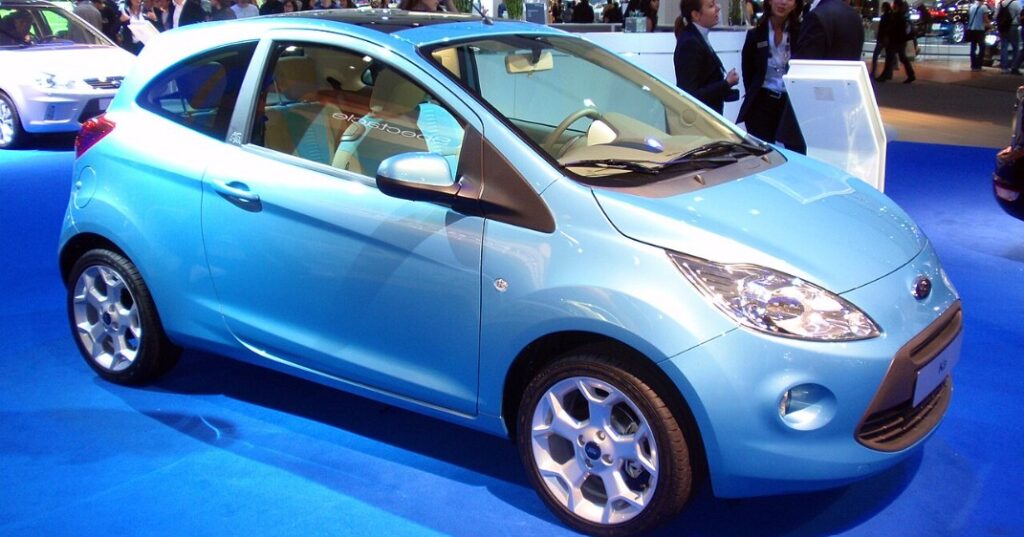
Small, simple, affordable, and easy to park, the Ford Ka has long been one of those cars that seems almost purpose-built for new drivers. You can squeeze it into tight spaces, it generally does not cost a fortune to run, and older examples can often be found for sensible money.
But is Ford Ka a good first car, or does its low price hide problems that could turn an exciting first purchase into a mechanical headache?
For many drivers, the answer is yes: a well-maintained Ford Ka can be an excellent beginner car. However, the generation, engine, condition, rust level, insurance cost, and maintenance history matter enormously.
We are going to break down the good, the bad, and the things we would absolutely inspect before handing over any money.
Content in this publication
- Is Ford Ka a Good First Car Overall?
- Why the Ford Ka Appeals to New Drivers
- Ford Ka Running Costs Are Usually Reasonable
- Is Ford Ka Insurance Cheap for First-Time Drivers?
- Which Ford Ka Generation Is Best for Beginners?
- Is the Ford Ka Easy to Drive?
- Does the Ford Ka Have Enough Power?
- Is a Ford Ka Good on Motorways?
- Ford Ka Safety for New Drivers
- Common Ford Ka Problems First-Time Buyers Should Check
- How Reliable Is a Ford Ka as a First Car?
- Is the Ford Ka Practical Enough?
- Ford Ka Versus Ford Fiesta as a First Car
- Ford Ka Versus Fiat 500 for New Drivers
- Ford Ka Versus Toyota Aygo
- How Much Should We Spend on a First Ford Ka?
- What Mileage Is Too High for a Ford Ka?
- What Should We Check Before Buying a Ford Ka?
- Questions to Ask the Seller
- Why a Pre-Purchase Inspection Can Be Worth It
- Is a Modified Ford Ka a Good First Car?
- Who Should Buy a Ford Ka as Their First Car?
- Who Should Probably Choose Something Else?
- Advantages of a Ford Ka as a First Car
- Disadvantages of a Ford Ka as a First Car
- Is Ford Ka a Good First Car for a Student?
- Is Ford Ka Good for Learning to Drive?
- How Long Can a Ford Ka Last?
- Should We Buy a Cheap Ford Ka?
- What Makes a Good Used Ford Ka?
- Our Verdict: Is Ford Ka a Good First Car?
- Frequently Asked Questions
Is Ford Ka a Good First Car Overall?
Yes, the Ford Ka can be a very good first car, particularly for drivers who want something compact, affordable, uncomplicated, and easy to drive around town.
Its strongest qualities for beginners are its manageable dimensions, relatively simple controls, inexpensive running costs, and generally modest engine outputs. That combination makes the Ka less intimidating than larger hatchbacks, SUVs, or performance-oriented cars.
There is also something refreshing about its simplicity.
Modern cars can feel like smartphones on wheels, filled with menus, sensors, driving modes, giant screens, and warning messages. Older Ford Ka models are far more straightforward. We turn the key, select a gear, and drive.
For someone learning the basics of real-world driving, that simplicity can be valuable.
However, buying blindly because the car is cheap is a mistake. Older Kas can suffer from rust, neglected servicing, suspension wear, and other age-related problems.
The right Ford Ka can be brilliant.
The wrong one can become a money pit wearing a friendly little smile.
Why the Ford Ka Appeals to New Drivers
Several characteristics make the Ka naturally attractive to first-time motorists.
Small Size Makes Driving Easier
One of the biggest advantages is simply its size.
A Ford Ka does not feel like we are steering a cargo ship through a supermarket car park. Its compact footprint makes narrow roads, parallel parking, multi-storey car parks, and crowded urban streets far less stressful.
For inexperienced drivers, that can make a noticeable difference.
Judging the corners of a small hatchback is easier than learning in a long saloon or bulky crossover.
Parking Is Usually Stress-Free
Parking often causes more anxiety for new drivers than actually driving.
The Ka helps here.
Its short body means we can fit into spaces that larger cars might have to ignore. Visibility varies slightly between generations, but the overall dimensions are beginner-friendly.
Even cars without parking sensors remain reasonably easy to position.
Once we have learned to park a Ka confidently, stepping into something larger later generally feels much easier.
Ford Ka Running Costs Are Usually Reasonable
First-car ownership involves far more than the purchase price.
Fuel, tyres, servicing, insurance, tax, repairs, brakes, batteries, and unexpected warning lights can all attack our bank balance.
Fortunately, the Ka was designed as an inexpensive small car rather than a luxury machine.
Fuel Economy Can Be Attractive
Most Ford Ka engines are relatively small, meaning fuel consumption can be sensible when the vehicle is driven normally.
A light car does not require enormous power to move around town.
For students, younger drivers, or anyone commuting short distances, that can translate into manageable petrol bills.
Driving style still matters.
Accelerating hard everywhere will make almost any car thirsty. But driven smoothly, a Ka can be reasonably economical.
Tyres Are Typically Affordable
Small wheels have another financial advantage: tyres are often cheaper than those fitted to larger cars.
Compare replacing four modest Ka tyres with buying four giant SUV tyres and the difference can feel dramatic.
That matters because first-car buyers sometimes focus entirely on fuel while forgetting consumables.
Tyres, brake pads, bulbs, filters, and batteries eventually need replacement regardless of how carefully we drive.
Is Ford Ka Insurance Cheap for First-Time Drivers?
Insurance is one of the most important things to investigate before buying any first car.
Never assume a cheap vehicle automatically means cheap insurance.
Insurers consider many factors, including driver age, postcode, occupation, driving experience, claims history, engine type, trim level, repair costs, theft statistics, and annual mileage.
That said, many Ford Ka variants have relatively modest power outputs, which can help make them attractive to new drivers.
Before buying one, we would always obtain an actual quote using the exact registration or specification.
A £1,500 car with a painful insurance premium may be worse value than a £3,000 car that is substantially cheaper to insure.
Which Ford Ka Generation Is Best for Beginners?
The Ford Ka name has covered several different cars over the years.
They should not all be judged in exactly the same way.
First-Generation Ford Ka
The original Ka has a distinctive rounded design that remains instantly recognisable.
It is tiny, light, simple, and charming in a slightly quirky way.
As a driving experience, it can be excellent for beginners. Steering feels direct, the dimensions are easy to judge, and there are relatively few complicated systems.
However, age is now its biggest enemy.
Rust Is the Major Concern
With older first-generation Kas, corrosion can be far more important than mileage.
A shiny body and freshly cleaned interior do not guarantee a healthy structure underneath.
Areas worth inspecting can include:
- Wheel arches
- Sills
- Floor areas
- Suspension mounting points
- Lower body sections
- Areas around the fuel filler
- Underbody seams
Serious structural rust can turn a cheap Ka into an uneconomical repair project.
For this generation, we would rather buy a solid, well-maintained example with slightly higher mileage than a suspiciously cheap low-mileage car suffering from corrosion.
Second-Generation Ford Ka
The later Ka introduced in Europe was substantially more modern.
It shared much of its underlying engineering with the Fiat 500, giving buyers a newer cabin, more contemporary safety equipment, and generally improved refinement.
For many first-time drivers, this generation represents a particularly sensible balance.
It still feels compact and easy to drive, but it offers more modern engineering than the earliest Ka.
Petrol Versions Often Make Sense for Beginners
For typical first-car duties, especially urban journeys and relatively low annual mileage, a small petrol engine often makes more sense than a diesel.
Diesels can be efficient over longer distances, but modern diesel emissions equipment may dislike repeated short trips.
A simple petrol Ka can therefore be easier to live with for someone mainly commuting around town.
Ford Ka+
The Ka+ moved away from the tiny three-door formula and became a more practical small hatchback.
It offers additional passenger room, easier rear-seat access, and greater everyday versatility.
For beginners who regularly carry friends, family, shopping, or luggage, the Ka+ may be the most practical Ka-branded option.
It feels less like a tiny city car and more like a conventional supermini.
Is the Ford Ka Easy to Drive?
Generally, yes.
That is one of the strongest arguments in its favour.
Controls are usually straightforward, engines are not excessively powerful, and the car's compact dimensions reduce intimidation.
Light Steering Helps Around Town
Low-speed manoeuvring is usually easy.
That is useful when navigating residential streets, making three-point turns, or parking in tight spaces.
Some experienced enthusiasts might prefer heavier steering, but first-time drivers generally benefit from something easy and predictable.
Manual Gearboxes Can Be Beginner-Friendly
Many Ford Kas use manual transmissions.
For new drivers who learned in a manual car, this provides a familiar experience.
Clutch condition matters, though.
A worn clutch can make an otherwise easy car frustrating to drive, particularly if the biting point is extremely high or the clutch slips under acceleration.
During a test drive, we would pay close attention to clutch feel.
Does the Ford Ka Have Enough Power?
For a first car, absolutely.
That does not mean it is fast.
In fact, limited performance can be an advantage.
A first car does not need to launch like a sports coupe. What matters more is predictable acceleration, manageable power, and enough performance to keep up with normal traffic.
Most Ka models provide exactly that.
Around town, they usually feel perfectly adequate.
Motorway driving may require more planning, particularly when overtaking or climbing hills with several passengers aboard.
But that can encourage smoother, more thoughtful driving rather than constant aggressive acceleration.
Is a Ford Ka Good on Motorways?
It can handle motorway journeys, but this is not where the Ka feels most impressive.
Small cars naturally provide less sound insulation, cabin space, and high-speed refinement than larger vehicles.
At motorway speeds, we may notice more road noise, engine noise, and wind noise.
That does not make the car unsafe or incapable.
It simply means the Ka is primarily at home in towns, suburbs, and shorter mixed journeys.
You may be interested in reading Which Ford Ka Is the Best? The Complete Used-Car Guide
If our daily commute involves hours of motorway driving, a Fiesta, Focus, Polo, or similar larger hatchback may feel more relaxed.
Ford Ka Safety for New Drivers
Safety should always be considered when purchasing a first car.
Older vehicles were designed under different safety standards than newer cars, meaning age can significantly affect the level of occupant protection and driver-assistance technology available.
Newer Versions Generally Offer More Safety Equipment
Later Ford Ka models may offer features such as anti-lock brakes, airbags, stability-related systems, and other modern safety equipment depending on specification and market.
Older examples can be much more basic.
If safety technology is a major priority, we would lean toward the newest Ka we can comfortably afford rather than buying the cheapest early car available.
Condition Still Matters
Safety is not only about crash-test scores.
A car with worn tyres, weak brakes, damaged suspension, or poor-quality repairs is not something we would want a new driver using every day.
Maintenance condition matters enormously.
A properly maintained modest car is usually preferable to a neglected vehicle with more advanced equipment.
Common Ford Ka Problems First-Time Buyers Should Check
No used car is perfect, especially when we are shopping at the inexpensive end of the market.
Before buying a Ka, several areas deserve attention.
Rust and Corrosion
As mentioned earlier, rust is particularly important on older examples.
Surface rust is one thing.
Structural corrosion is another.
If we are unsure what we are looking at, paying a mechanic for an inspection can save hundreds or even thousands later.
Suspension Wear
Knocking noises over bumps can indicate worn suspension components.
Listen carefully during the test drive.
The car should feel controlled rather than loose, bouncy, or noisy.
Clutch Wear
Watch for:
- Slipping under acceleration
- Difficulty selecting gears
- A very high biting point
- Judder when pulling away
- Unusual noises when pressing the clutch
A clutch is a normal wear item, but replacement costs should be considered when negotiating the purchase price.
Electrical Issues
Older small cars can develop minor electrical annoyances.
Check everything.
Do not simply assume that a non-working window, central locking problem, dashboard light, or blower motor will be inexpensive to repair.
Test switches individually.
Cooling System Problems
Watch the temperature gauge during the test drive.
Look for coolant leaks, unusual smells, steam, or evidence that the vehicle has previously overheated.
Engines do not appreciate overheating, and neither does our wallet.
How Reliable Is a Ford Ka as a First Car?
Reliability depends more on age, maintenance history, and individual condition than the badge alone.
That is especially true now that many Ford Kas on the used market are older vehicles.
A properly maintained car may continue to provide dependable transportation for years.
A neglected example can immediately demand tyres, brakes, suspension work, servicing, battery replacement, and body repairs.
This is why we should never buy purely on mileage.
Service History Matters More Than a Shiny Dashboard
A professionally cleaned interior tells us almost nothing about how the engine has been treated.
Service receipts are much more interesting.
We want evidence of regular maintenance, oil changes, brake work, tyre replacement, timing-related maintenance where applicable, and previous repairs.
A folder full of invoices can be strangely beautiful when buying an old car.
Is the Ford Ka Practical Enough?
That depends entirely on our lifestyle.
The smallest Ka models are brilliant for one or two people.
Add several passengers, luggage, sports equipment, or large weekly shopping trips and space can quickly disappear.
Front-Seat Space Is Usually Fine
Drivers and front passengers can generally get comfortable enough.
The cabin may feel narrow compared with larger hatchbacks, but it works well for daily commuting.
Rear Seats Are Better for Occasional Use
Earlier three-door versions are less convenient when carrying passengers.
Getting into the back requires folding a front seat forward.
For occasional journeys, that is fine.
For regularly transporting several adults, it becomes annoying very quickly.
Boot Space Is Limited
We should not expect estate-car practicality from a tiny city hatchback.
The boot handles basic shopping bags and everyday items reasonably well.
Large suitcases require more creativity.
Think of the Ka's boot like a small backpack rather than a wardrobe.
Ford Ka Versus Ford Fiesta as a First Car
This comparison comes up frequently because used prices can overlap.
The Ka is smaller, usually easier to park, and often cheaper to buy.
The Fiesta is larger, more practical, more comfortable on longer journeys, and offers a broader range of engines and specifications.
For mostly urban driving, the Ka makes a lot of sense.
For mixed driving and regular motorway journeys, we would often prefer the Fiesta.
Neither choice is universally better.
Our needs should decide.
Ford Ka Versus Fiat 500 for New Drivers
The second-generation Ka and Fiat 500 are closely related mechanically, so comparisons are natural.
The Fiat tends to sell partly on style and brand image.
The Ka can sometimes represent better value because buyers may not pay the same fashionable premium.
If two mechanically similar cars are sitting side by side and the Ka costs noticeably less, that can make it appealing.
Condition should still come first.
We would choose the healthier car rather than obsessing over the badge.
Ford Ka Versus Toyota Aygo
The Toyota Aygo is another popular beginner car.
Its reputation for simplicity and economy makes it a strong alternative.
The Ka can feel slightly different in character, while pricing varies according to age and local demand.
When buying cars in this category, individual condition becomes increasingly important.
A well-maintained Ka is better than an abused Aygo.
A well-maintained Aygo is better than a neglected Ka.
Simple, but easy to forget.
How Much Should We Spend on a First Ford Ka?
The cheapest advertised car is rarely automatically the best bargain.
Suppose one Ka costs dramatically less than the average market price.
Why?
Sometimes the seller wants a quick sale.
Sometimes the car needs a clutch, tyres, brakes, suspension repairs, and welding.
Suddenly the “bargain” is not a bargain.
We should budget for both the purchase and immediate maintenance.
A sensible first-car budget should include money for:
- Insurance
- Initial servicing
- Tyres if required
- Minor repairs
- Vehicle tax where applicable
- Breakdown cover
- Emergency maintenance
Spending every available penny on the purchase itself leaves no safety cushion.
What Mileage Is Too High for a Ford Ka?
There is no magic mileage where a Ford Ka instantly becomes unreliable.
Condition matters more.
A well-maintained car with 90,000 miles may be healthier than a neglected example showing only 50,000.
We should examine how the car has been used and maintained.
Signs of excessive wear include badly worn pedals, damaged seats, loose controls, clutch problems, noisy suspension, smoke, fluid leaks, and poor service history.
Mileage is one clue.
It is not the entire detective story.
What Should We Check Before Buying a Ford Ka?
A careful inspection should include mechanical condition, bodywork, documentation, and a proper test drive.
Exterior Inspection
Check the paint in daylight.
You may be interested in readingWhich Ford Ka Is the Best? The Complete Used-Car GuideYou may be interested in reading
Are Ford Ka Cheap to Insure? A Complete UK GuideDifferent colour shades between panels can indicate previous repairs.
Look along the body from several angles for dents or ripples.
Pay particular attention to rust-prone areas on older cars.
Tyre Inspection
All four tyres should have legal tread depth and no significant cracking, bulges, or damage.
Uneven tyre wear can sometimes indicate alignment or suspension issues.
Check the Spare or Inflation Kit Too
People often inspect four tyres and completely forget the emergency equipment.
If the car uses a spare wheel, inspect it.
If it uses an inflation kit, check whether it is present and still usable.
Engine Inspection
Ideally, view the car when the engine is cold.
A seller who has already warmed the engine before we arrive may have an innocent reason.
Still, a cold start tells us more.
Listen for rattles, excessive knocking, rough idle, or unusual smoke.
Test Every Electrical Feature
Try:
- Lights
- Indicators
- Wipers
- Heater
- Air conditioning if fitted
- Windows
- Central locking
- Radio
- Horn
- Dashboard displays
Small faults can add up surprisingly quickly.
Questions to Ask the Seller
We should never feel awkward asking questions.
We are buying a car, not borrowing a toaster.
Useful questions include:
- How long have you owned it?
- Why are you selling?
- When was it last serviced?
- Has it ever overheated?
- Has the clutch been replaced?
- Are there any warning lights?
- Does it use oil or coolant?
- Has it been involved in an accident?
- Are there any known faults?
- What repairs have been completed recently?
Pay attention not just to the answers but also to how confidently and consistently they are given.
Why a Pre-Purchase Inspection Can Be Worth It
Many first-time buyers hesitate to spend money inspecting a cheap car.
That is understandable.
But imagine paying for an inspection that reveals severe corrosion, clutch wear, coolant leaks, and unsafe tyres.
That inspection suddenly looks extremely inexpensive.
A competent mechanic can often identify issues a new driver would never notice.
When purchasing an older Ka, professional inspection can provide valuable peace of mind.
Is a Modified Ford Ka a Good First Car?
Usually, we would prefer an unmodified example.
Lowered suspension, oversized wheels, loud exhausts, engine tuning, body modifications, and aftermarket electronics may look exciting, but modifications introduce additional variables.
They can affect insurance, reliability, ride comfort, and resale value.
A standard car with documented maintenance tends to be the safer first purchase.
We can always personalise a car later after understanding ownership costs.
Who Should Buy a Ford Ka as Their First Car?
The Ka suits drivers who prioritise affordability and simplicity.
It makes particular sense for:
- City drivers
- Students
- New licence holders
- Short-distance commuters
- Drivers with limited parking space
- Households needing an inexpensive second car
- Buyers who value low running costs over luxury
If those priorities sound familiar, the Ka deserves serious consideration.
Who Should Probably Choose Something Else?
The Ka may not be ideal if we regularly travel long distances with several passengers.
Drivers who need a large boot, frequent motorway refinement, automatic transmission choices, advanced driver-assistance technology, or generous rear-seat space may prefer something larger or newer.
First cars do not need to be tiny.
They simply need to suit our actual lifestyle.
Advantages of a Ford Ka as a First Car
The Ka has several qualities that align nicely with beginner ownership.
Its main advantages include its compact size, easy parking, modest performance, generally affordable consumables, simple driving experience, and potentially low purchase price.
There is also a psychological advantage.
A small inexpensive car can feel less intimidating.
We can focus on learning, gaining confidence, and improving our driving instead of worrying constantly about scratching an expensive new vehicle.
Disadvantages of a Ford Ka as a First Car
The disadvantages mostly relate to age and size.
Older examples may require repairs.
Early models can suffer badly from rust.
Cabin and luggage space are limited.
Motorway refinement is modest.
Safety technology can be basic compared with modern vehicles.
And cheap examples may have been poorly maintained.
None of these points automatically make the Ka a bad car.
They simply mean we need to buy carefully.
Is Ford Ka a Good First Car for a Student?
For many students, yes.
A student car needs to accomplish something very unglamorous but extremely important: transport us reliably without swallowing all our money.
The Ka can fit that role nicely.
Fuel costs can be manageable, parking around university areas is easier than with a larger car, and maintenance components are generally straightforward.
The biggest consideration is insurance.
Students should obtain quotes before committing to any specific vehicle.
Is Ford Ka Good for Learning to Drive?
Although driving-school vehicles are often slightly larger hatchbacks, a Ka can be easy for learners or recently qualified drivers to handle.
Its modest dimensions help develop confidence.
The controls are generally intuitive and the car communicates its size well.
One downside is that moving from an extremely small car into something significantly larger later requires some adjustment.
Still, learning spatial awareness in any vehicle is part of becoming a competent driver.
How Long Can a Ford Ka Last?
There is no fixed lifespan.
A Ka's longevity depends on servicing, environment, corrosion, driving habits, and previous ownership.
Regular oil changes, proper coolant maintenance, healthy brakes, sensible driving, and early repair of emerging problems all help extend its usable life.
On older cars, structural body condition can sometimes determine lifespan more than the engine itself.
An engine may still run beautifully while rust makes the vehicle uneconomical to repair.
Should We Buy a Cheap Ford Ka?
Cheap is fine.
Suspiciously cheap deserves investigation.
A low asking price can make sense when the car has cosmetic damage, high mileage, or an owner who simply wants a quick sale.
But it can also hide serious issues.
We should calculate the real cost after necessary repairs.
A £1,000 Ka needing £1,500 of work is effectively a £2,500 car with extra inconvenience.
Sometimes spending slightly more upfront saves significantly more later.
What Makes a Good Used Ford Ka?
The ideal example is not necessarily the newest or lowest-mileage car.
We would look for a combination of:
- Strong service history
- Minimal rust
- Healthy clutch
- Smooth engine
- Quiet suspension
- Good tyres
- No warning lights
- Clean documentation
- Sensible previous ownership
- No obvious signs of neglected maintenance
When several of those boxes are ticked, the Ka starts looking much more attractive.
Our Verdict: Is Ford Ka a Good First Car?
Yes, a Ford Ka can be a good first car, provided we choose carefully.
Its compact size makes it easy to manoeuvre. Its engines are generally modest enough for inexperienced drivers. Running costs can remain manageable, and the purchase price of used examples can be appealing.
For city driving, short commutes, university trips, and general everyday use, it can be exactly what a first car needs to be: simple, practical, inexpensive, and unintimidating.
However, condition matters more than the Ford badge.
Older cars need thorough inspections, especially for rust, clutch wear, suspension problems, cooling-system faults, tyres, and neglected servicing.
We should not buy the cheapest Ford Ka simply because it fits our budget.
We should buy the best-maintained Ka our budget comfortably allows.
Think of a first car like a first pair of hiking boots. We do not need the fanciest pair in the shop. We need something dependable, comfortable, affordable, and capable of carrying us through the journey without falling apart halfway up the hill.
Choose the right Ford Ka, and it can do exactly that.
Frequently Asked Questions
Is a Ford Ka reliable for a first-time driver?
A well-maintained Ford Ka can be reliable, but age and previous maintenance are critical. Older examples should be checked carefully for rust, clutch wear, cooling-system issues, suspension noise, and neglected servicing.
Is Ford Ka cheap to insure for young drivers?
Many Ka versions have small engines and modest performance, which can help with insurance costs. However, premiums vary substantially according to the driver, location, vehicle specification, and insurer, so obtaining quotes before buying is essential.
Which Ford Ka is best for a first car?
Later petrol-powered versions often offer a strong balance between simplicity, running costs, modern equipment, and affordability. A well-maintained example is generally more important than choosing a specific year solely because of age.
You may be interested in readingWhich Ford Ka Is the Best? The Complete Used-Car GuideYou may be interested in reading
Are Ford Ka Cheap to Insure? A Complete UK GuideYou may be interested in reading
How Much Is a Ford Ka Worth? Complete Used Value GuideIs a Ford Ka good for motorway driving?
A Ford Ka can travel on motorways without difficulty, but its small size means it may feel noisier and less refined than larger hatchbacks. Drivers covering long motorway distances regularly may prefer something such as a Ford Fiesta.
What should I check before buying a used Ford Ka?
Check rust, tyres, brakes, suspension, clutch operation, engine condition, coolant level, service history, warning lights, electrical equipment, documentation, and previous inspection records. A professional pre-purchase inspection is worthwhile when buying an older example.
If you want to know other articles similar to Is Ford Ka a Good First Car? A Complete Beginner’s Guide you can visit the category Blog.
Is Vauxhall Agila a Good Car? Reliability, Problems and Buying Guide
Honda Passport Life Expectancy: How Many Miles Can It Last?
Honda Passport Depreciation: How Well Does It Hold Its Value?
Nissan Rogue Reliability Rating: How Reliable Is the Rogue?
Nissan Rogue Life Expectancy: How Long Does It Last?
Vauxhall Agila Reliability: Common Problems, Best Engines and What to Check
Leave a Reply
More content of your interest