

Nissan Frontier King Cab vs Crew Cab: Which One Should You Buy?

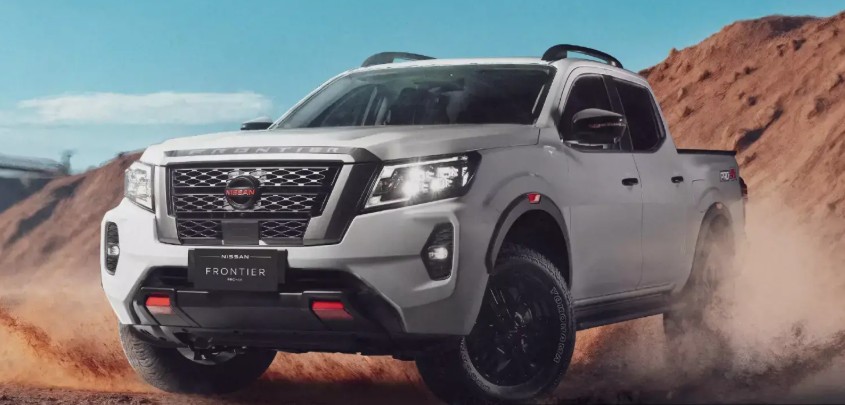
Choosing between the Nissan Frontier King Cab vs Crew Cab sounds simple until we actually start shopping. Both are Frontiers. Both can haul gear, tow trailers, tackle rough roads, and handle daily driving. Yet the way they use their space is dramatically different.
Think of the King Cab as the Frontier that puts the truck first. It gives us extra interior space beyond a traditional two-seat pickup without sacrificing as much cargo-bed utility. The Crew Cab flips that equation around. It behaves more like an SUV with a pickup bed attached, giving rear passengers proper doors, substantially more usable seating space, and easier everyday access.
That difference has existed through much of the Frontier's history. Nissan introduced the Frontier Crew Cab in 1999, describing it as the first compact pickup with four full-size doors. The second-generation midsize Frontier followed for 2005, and today's truck continues offering different cab configurations depending on trim and market.
So, which should we buy?
For most families and buyers who regularly carry passengers, the Crew Cab is the better choice. For contractors, solo drivers, couples, and buyers who prioritize the bed and rarely use the back seats, the King Cab can make more sense.
But there's quite a bit more to it.
Content in this publication
- Nissan Frontier King Cab vs Crew Cab at a Glance
- What Is a Nissan Frontier King Cab?
- What Is a Nissan Frontier Crew Cab?
- King Cab vs Crew Cab: The Biggest Difference Is Rear Space
- Nissan Frontier King Cab vs Crew Cab Bed Size
- King Cab vs Crew Cab Overall Size
- Interior Storage: King Cab Has a Hidden Advantage
- Crew Cab Is Better for Everyday Life
- First-Generation Frontier: King Cab vs Crew Cab
- Second-Generation Frontier: The Cab Difference Becomes Bigger
- Third-Generation Frontier: King Cab vs Crew Cab
- King Cab vs Crew Cab Towing Capacity
- King Cab vs Crew Cab Payload
- King Cab vs Crew Cab for Off-Road Driving
- King Cab vs Crew Cab Fuel Economy
- Which Cab Is Better for Contractors?
- Which Cab Is Better for Families?
- Which Frontier Cab Is Better for Dogs?
- King Cab vs Crew Cab Used Prices
- Why a Used King Cab Can Be a Smart Buy
- Why a Crew Cab Can Be Worth Paying More For
- Nissan Frontier King Cab vs Crew Cab: Pros and Cons
- Which Nissan Frontier Cab Should We Buy?
- The 10-Minute Dealership Test
- Verdict: Nissan Frontier King Cab vs Crew Cab
- Frequently Asked Questions
Nissan Frontier King Cab vs Crew Cab at a Glance
Before diving into every generation, here's the basic difference.
| Feature | King Cab | Crew Cab |
|---|---|---|
| Primary purpose | Work and cargo versatility | Passengers and everyday versatility |
| Rear-seat space | Limited | Much better |
| Rear doors | Smaller/rear-opening depending on generation | Four conventional full-size doors |
| Typical seating | Up to 4 | Up to 5 |
| Child-seat practicality | Limited | Much better |
| Bed-focused buyers | Excellent choice | Good choice |
| Family use | Acceptable occasionally | Strong choice |
| Rear passenger comfort | Limited | Better |
| Interior cargo flexibility | Good | Excellent |
| Best for | Work, tools, occasional passengers | Families, commuting, road trips |
The exact specifications vary enormously by model year, trim, drivetrain, and country, so we shouldn't treat one year's measurements as universal Frontier specifications.
That's particularly important when shopping used.
What Is a Nissan Frontier King Cab?
The Frontier King Cab is Nissan's extended-cab configuration.
Instead of giving us only one row of seating like a traditional regular-cab pickup, Nissan adds a compact rear area behind the driver and front passenger.
On the current 2026 Frontier, Nissan describes the King Cab as having rear-swinging, pillarless rear doors. The two rear seats face forward and can flip upward when we need additional interior cargo space.
That's a clever arrangement.
Imagine we're carrying power tools, camera equipment, groceries, or anything else we'd rather not leave exposed in the truck bed. We can fold those small rear seats up and turn the back of the cab into a protected storage area.
Who Is the King Cab Really Made For?
We'd consider it primarily for:
- Contractors and tradespeople
- Drivers who usually travel alone
- Couples without children
- Buyers carrying tools or equipment
- People who rarely have rear passengers
- Drivers who value pickup-bed utility
- Buyers wanting a simpler truck configuration
The King Cab isn't really trying to imitate an SUV.
That's part of its charm.
It feels more like what pickups traditionally were: a practical machine with just enough extra interior space to make life easier.
What Is a Nissan Frontier Crew Cab?
The Frontier Crew Cab gives us four conventional doors and a much more substantial rear passenger compartment.
Current Frontier Crew Cab models seat five, and Nissan uses a 60/40-split rear bench that can also contribute additional interior cargo versatility.
That makes the Crew Cab radically easier to live with if other people regularly ride with us.
Children climb in more easily. Adults don't have to fold themselves into a tiny rear compartment. Grocery bags can go through a conventional rear door. Installing or accessing child seats becomes far less awkward.
It's simply a more passenger-oriented truck.
Who Is the Crew Cab Designed For?
The Crew Cab makes particular sense for:
- Families
- Parents using child seats
- Drivers carrying coworkers
- Road-trip buyers
- People replacing an SUV with a pickup
- Anyone expecting adults to ride in the rear
- Buyers keeping the truck for many years
If our Frontier will serve as both the household vehicle and the weekend workhorse, Crew Cab usually wins.
King Cab vs Crew Cab: The Biggest Difference Is Rear Space
This is the heart of the comparison.
Don't choose between these trucks based only on photographs.
Sit in the back.
The difference becomes obvious immediately.
A King Cab's rear section is best viewed as occasional passenger space that doubles as valuable interior storage.
A Crew Cab's rear section is an actual passenger compartment.
Current Crew Cab specifications list 33.2 inches of rear legroom, while Nissan specifically emphasizes the King Cab's compact folding rear-seat arrangement rather than treating it like a conventional second-row cabin.
Adults in the King Cab
Can adults sit there?
Technically, yes, depending on the model and journey.
Would we choose it for a three-hour road trip with four adults?
Probably not.
Short trips across town are one thing. Regular interstate journeys are another.
If we're routinely carrying coworkers, friends, teenagers, or adult family members, Crew Cab is worth the extra emphasis on cabin space.
Kids in the Crew Cab
Parents should lean strongly toward Crew Cab.
A conventional rear door makes getting children in and out dramatically easier. There's also much more room to deal with boosters, bags, backpacks, and everything else that somehow follows children into a vehicle.
Even if a King Cab looks adequate today, think several years ahead.
Kids grow surprisingly quickly.
So does the amount of stuff they carry.
Nissan Frontier King Cab vs Crew Cab Bed Size
Historically, bed configuration has been one of the most important arguments for choosing the King Cab.
Extended-cab pickups traditionally let manufacturers devote more vehicle length to the cargo box rather than the passenger compartment.
That's useful when we're transporting:
- Building materials
- Ladders
- Camping equipment
- Motorcycles
- Landscaping tools
- Furniture
- Fishing gear
- Work equipment
However, modern Frontier buyers have more flexibility than they once did.
Nissan now offers certain Crew Cab Long Bed configurations as well. For 2026, Nissan lists a 73.3-inch long bed on relevant Crew Cab Long Bed models.
That changes the old equation.
We no longer necessarily have to choose between four proper doors and a longer cargo box.
The tradeoff is that a Crew Cab Long Bed creates a bigger overall truck.
Short Bed or Long Bed?
A shorter bed is easier around town.
A longer bed is better for actual truck work.
Simple, right?
Not quite.
Someone transporting mountain bikes may prefer the longer bed. Someone parallel parking downtown every day may gladly give those inches away.
The best bed is therefore not the biggest one.
It's the one we'll actually use.
King Cab vs Crew Cab Overall Size
Here's where many buyers make a mistake.
They think:
"The Crew Cab has more interior room, so it must always be dramatically longer."
That isn't necessarily true because bed length and wheelbase configurations vary.
Sometimes manufacturers redistribute the truck's existing footprint between cabin and cargo box. Other times a long-bed Crew Cab stretches the entire vehicle.
That's why we need to compare the exact VIN, model year, bed, trim, and drivetrain rather than relying only on the words King Cab and Crew Cab.
Which Is Easier to Park?
Generally, the more compact configuration wins.
A shorter Frontier feels easier in:
- Parking garages
- Urban streets
- Tight driveways
- Shopping-center parking
- Narrow trails
A longer truck may require an extra maneuver or two.
That doesn't sound important in a specification sheet.
You may be interested in reading Nissan Frontier S vs SV: Which Trim Should You Buy?
After doing it twice a day for five years, it becomes very important.
Here's one reason we really like the concept of the King Cab.
When those rear seats aren't carrying people, the rear of the cabin essentially becomes a secure equipment zone.
Nissan's current design allows its King Cab rear seats to flip upward, freeing additional usable space.
For a contractor, that's gold.
We can leave expensive equipment inside the locked cab rather than advertising it in the bed.
The Crew Cab can also provide flexible storage, of course. Its rear bench arrangement allows the passenger compartment to adapt when people aren't occupying it.
But conceptually, the King Cab feels more naturally suited to the "tools behind me, materials behind them" lifestyle.
Crew Cab Is Better for Everyday Life
For pure everyday convenience, Crew Cab wins.
Picture Monday morning.
One person climbs into the driver's seat. Someone else opens the passenger door. Two children open their own rear doors. Backpacks disappear onto the rear floor.
Nothing complicated.
Now imagine doing the same routine with smaller rear-access doors and tighter seating.
Suddenly, the pickup we've chosen because it looked more practical becomes less practical.
That's why we shouldn't judge cab configuration solely by cargo capacity.
Humans are cargo too.
And they complain when legroom is inadequate.
First-Generation Frontier: King Cab vs Crew Cab
The first-generation Frontier established much of this formula.
The Frontier name arrived in North America during the late 1990s, continuing Nissan's long compact-pickup tradition.
Then came an important moment.
Nissan introduced the Frontier Crew Cab in 1999 and promoted it as the first compact pickup with four full-size doors.
That was a big deal.
Pickup trucks were rapidly evolving from dedicated work vehicles into everyday transportation.
First-Generation King Cab
Early King Cab models remained closer to the traditional compact-truck formula.
They suited buyers who:
- Wanted an affordable pickup
- Needed extra covered storage
- Carried passengers only occasionally
- Wanted maximum practical utility from a compact footprint
First-Generation Crew Cab
The Crew Cab pointed toward the future.
Four proper doors transformed the Frontier into something that could realistically serve as a family vehicle.
That concept seems completely ordinary today.
At the end of the 1990s, it wasn't.
Second-Generation Frontier: The Cab Difference Becomes Bigger
The second-generation Frontier arrived for 2005 as a significantly more substantial midsize pickup. Nissan itself describes 2005 as the launch of an all-new midsize Frontier.
This generation ran for an unusually long time in the United States, which means the used market contains a huge range of configurations.
For buyers comparing older Frontiers today, this generation matters enormously.
2005-and-Later King Cab
The second-generation King Cab kept the work-oriented philosophy alive.
It offered an extended interior while preserving the practical feel that buyers expected from a midsize pickup.
Depending on year and configuration, it could make an excellent second vehicle, work truck, or outdoor-recreation pickup.
2005-and-Later Crew Cab
Crew Cab versions were far more family-friendly.
For reference, published specifications for a 2005 Crew Cab configuration list 33.6 inches of rear legroom and a 59.5-inch bed, illustrating how much more genuinely passenger-oriented the Crew Cab had become.
The generation also demonstrated that choosing Crew Cab didn't mean giving up serious truck capability. Some 2005 configurations were rated to tow as much as 6,300 pounds, although towing capacity varies substantially by configuration and equipment.
Third-Generation Frontier: King Cab vs Crew Cab
The current-generation Frontier modernized the truck considerably while preserving the two-cab philosophy.
We still get the same fundamental choice:
King Cab = prioritize utility.
Crew Cab = prioritize passengers.
The concept hasn't changed because it works.
Current King Cab
The modern King Cab's pillarless, rear-swinging secondary doors create a wide side opening, while its small forward-facing rear seats can fold upward.
It's almost like having a mobile equipment locker behind the front seats.
That's particularly appealing for buyers who don't actually need a five-passenger truck.
Current Crew Cab
Current Crew Cab models give us seating for five, conventional forward-hinged doors, and a split rear bench.
And importantly, Crew Cab no longer automatically means accepting only a shorter bed.
The current lineup includes Crew Cab Long Bed configurations, dramatically increasing its appeal to buyers who want both people space and serious cargo length.
King Cab vs Crew Cab Towing Capacity
Here's another myth worth clearing up.
Cab type alone doesn't determine towing capacity.
Engine, drivetrain, axle configuration, vehicle weight, trim, equipment, and model year all matter.
For the 2026 U.S. model, Nissan lists maximum towing ratings of up to 7,150 pounds for a King Cab 4x2, compared with up to 7,070 pounds for a Crew Cab 4x2. Crew Cab Long Bed and 4x4 configurations carry different ratings.
That's a useful example of why we shouldn't assume two Frontiers with the same engine tow exactly the same amount.
Does King Cab Tow More?
In some configurations, yes.
But the difference may be relatively modest.
More importantly, never buy a trailer based on an internet-wide "Frontier towing capacity" figure.
Check the rating for the exact truck.
Passengers, accessories, tongue weight, cargo, and payload limits matter just as much as the advertised maximum.
King Cab vs Crew Cab Payload
Payload is another area where the lighter, simpler configuration can have an advantage.
For example, Nissan lists payload of up to 1,590 pounds for the 2026 King Cab 4x2, although other cab and drivetrain configurations carry different ratings.
This makes sense.
Every extra pound devoted to cab structure, seats, doors, equipment, and passengers affects how much capacity remains within the truck's weight limits.
For actual work use, payload can matter more than horsepower.
A pickup bed full of gravel doesn't care how impressive the engine brochure looks.
King Cab vs Crew Cab for Off-Road Driving
Cab style matters less off-road than tires, suspension, drivetrain, ground clearance, wheelbase, and trim.
Still, dimensions influence maneuverability.
A shorter configuration can feel more agile on:
You may be interested in readingNissan Frontier S vs SV: Which Trim Should You Buy?You may be interested in reading
Nissan Frontier Years: Generations, Changes, and Best Eras Explained- Narrow trails
- Switchbacks
- Forest roads
- Rocky sections
- Tight obstacles
A longer-wheelbase truck can require more planning.
However, don't buy King Cab merely because we imagine ourselves conquering mountain trails every weekend if 95 percent of actual use involves children, groceries, and commuting.
Buy for reality.
Adventure fantasies don't make rear seats larger.
King Cab vs Crew Cab Fuel Economy
Don't expect the cab decision alone to transform fuel economy.
Vehicle weight and configuration can create differences, but drivetrain, tires, gearing, 4x2 versus 4x4 equipment, speed, terrain, and driving habits also matter.
That means we'd never choose King Cab solely because we expect massive savings at the pump.
The practical difference in how the vehicle fits our life is much more important.
Which Cab Is Better for Contractors?
King Cab has a strong argument here.
If we carry one or two people most of the time and fill the truck with tools, the rear cabin becomes useful secure storage rather than wasted passenger space.
A contractor may value:
- Easier tool storage
- Longer-bed availability
- Potential payload advantages
- Less unnecessary cabin volume
- Better work-oriented packaging
Crew Cab becomes better when a work crew actually travels in the truck.
Four employees squeezed into inadequate seating every day gets old quickly.
Which Cab Is Better for Families?
Crew Cab.
This one isn't particularly close.
A family pickup has to perform school runs, grocery trips, vacations, weekend activities, appointments, and daily commuting before it ever reaches a campsite or home-improvement store.
Four conventional doors alone make an enormous difference.
Add proper rear seating and the Crew Cab becomes a vehicle we can realistically use like an SUV.
What About a Family of Three?
Crew Cab still makes sense for most.
Even if there's only one child today, the extra room can be used for:
- Friends
- Grandparents
- Luggage
- Sports equipment
- Pets
- Shopping
- Future children
We rarely hear Crew Cab owners saying, "I wish these rear doors were smaller."
Which Frontier Cab Is Better for Dogs?
Crew Cab usually wins again.
Larger dogs benefit from the more substantial rear seating area.
Fold or protect the rear seat, add a proper restraint system, and the Crew Cab essentially gives the dog its own compartment.
A King Cab can work for smaller dogs or occasional trips, but its compact rear space places more limitations on what we can comfortably carry.
King Cab vs Crew Cab Used Prices
Used prices vary so much by age, mileage, condition, region, drivetrain, trim, accident history, and modifications that cab style shouldn't be considered in isolation.
Still, Crew Cab models often attract broader demand because they suit more buyers.
That's relevant when we're thinking about resale.
A five-seat, four-door pickup can appeal to:
- Families
- Contractors
- Recreational buyers
- Commuters
- Outdoor enthusiasts
A King Cab serves a narrower but very real audience.
That doesn't make it worse.
It makes it more specialized.
Why a Used King Cab Can Be a Smart Buy
Here's where contrarian shopping can pay off.
If we don't need rear seats, why compete with every family shopping for Crew Cabs?
A well-maintained King Cab may provide everything we actually need.
We're essentially avoiding paying for passenger space we'll never use.
That's good buying.
A feature that remains empty 99 percent of the time isn't really a feature.
It's unused steel and upholstery.
Why a Crew Cab Can Be Worth Paying More For
The opposite logic also applies.
Let's say we're tempted by a cheaper King Cab even though we regularly carry children.
Saving money today may produce years of annoyance.
Cab configuration isn't something we can easily upgrade afterward.
We can change wheels.
We can add a tonneau cover.
We can install better tires.
We cannot casually transform a King Cab into a Crew Cab.
Spend money on the fundamental architecture we'll need.
Nissan Frontier King Cab vs Crew Cab: Pros and Cons
King Cab Pros
- Excellent work-truck layout
- Useful secure interior cargo area
- Rear seats available for occasional use
- Can favor longer-bed utility
- Potentially stronger payload/towing figures in certain configurations
- Well suited to solo drivers and couples
- Less cabin than some buyers genuinely need
King Cab Cons
- Tight rear passenger accommodations
- Less convenient for families
- Rear access is less conventional
- Less suitable for regular adult passengers
- May appeal to fewer resale buyers
Crew Cab Pros
- Four conventional doors
- Seating for five
- Much better rear passenger usability
- Family-friendly
- Better for child-seat access
- Greater everyday versatility
- Long-bed versions now reduce the traditional cargo compromise
Crew Cab Cons
- Bigger configurations can be harder to maneuver
- More truck than a solo driver may need
- Payload/towing can differ from lighter configurations
- Used examples may command stronger demand
Which Nissan Frontier Cab Should We Buy?
Here's our simplest buying rule.
Buy the King Cab if:
We usually carry one or two people and need a truck primarily for tools, work, cargo, or hobbies.
Buy the Crew Cab if:
We regularly carry three or more people, have children, expect adult rear passengers, or want one vehicle capable of handling both family and truck duties.
Buy the Crew Cab Long Bed if:
We want passenger practicality but refuse to surrender longer-bed usefulness—and we're comfortable dealing with a larger truck.
The 10-Minute Dealership Test
Before buying either one, perform a simple experiment.
Don't just test-drive the truck.
Live with it for ten minutes.
- Sit in the driver's seat.
- Adjust it exactly where we'd normally drive.
- Move to the rear seat without changing the front seat position.
- Imagine sitting there for one hour.
- Open every door in a realistic parking space.
- Place a backpack or toolbox behind the front seats.
- Check the bed with the tailgate closed.
- Imagine installing a child seat if relevant.
- Check garage or parking-space dimensions.
- Ask whether we're buying for our real life or an imaginary one.
That little test may tell us more than fifty online reviews.
Verdict: Nissan Frontier King Cab vs Crew Cab
The Nissan Frontier King Cab vs Crew Cab debate isn't really about which truck is objectively better.
It's about where we want the Frontier to spend its space.
The King Cab spends more of its personality on being a pickup. Its compact second row works well as occasional seating and secure storage, making it particularly attractive to contractors, couples, and buyers who don't regularly carry passengers.
The Crew Cab spends more of its personality on being an everyday vehicle. Four conventional doors, seating for five, and genuinely usable rear space make it dramatically easier to live with. Current long-bed availability also weakens one of the strongest historical arguments against choosing Crew Cab.
If we had to recommend one configuration to a general buyer without knowing anything else about their lifestyle, we'd choose the Crew Cab.
It's simply harder to outgrow.
But if we're certain the back seats will spend their lives carrying toolboxes instead of people, the King Cab may be the smarter truck. Why drag around a miniature living room when what we really need is a pickup?
That's the beauty of having both options.
Choose the cab that matches the life the truck will actually live.
Frequently Asked Questions
1. Is the Nissan Frontier Crew Cab bigger than the King Cab?
The Crew Cab has a substantially more passenger-oriented rear cabin, but overall exterior length depends on the specific model year and bed configuration. A Crew Cab Long Bed, for example, can be considerably larger overall than a short-bed configuration. Always compare the specifications of the exact Frontier you're considering.
2. Does the Nissan Frontier King Cab have four seats?
Current King Cab models use two front seats plus two smaller forward-facing rear seats, with the rear seats able to flip upward for additional interior storage. Exact seating arrangements should be confirmed for older model years.
3. Is the Nissan Frontier Crew Cab good for families?
Yes. It's the more sensible Frontier configuration for most families because it provides four conventional doors, seating for five, and substantially easier rear-seat access. Nissan's current Crew Cab also uses a 60/40-split rear bench for additional versatility.
You may be interested in readingNissan Frontier S vs SV: Which Trim Should You Buy?You may be interested in reading
Nissan Frontier Years: Generations, Changes, and Best Eras ExplainedYou may be interested in reading
Nissan Frontier Reliability by Year: Best and Worst Years4. Which has better towing capacity, Frontier King Cab or Crew Cab?
It depends on the exact configuration. For example, Nissan rates the 2026 King Cab 4x2 at up to 7,150 pounds and the Crew Cab 4x2 at up to 7,070 pounds, while 4x4 and long-bed versions have different maximums. Never assume the maximum rating applies to every Frontier.
5. Is a King Cab or Crew Cab better to buy used?
Crew Cab is the safer all-around choice when passenger space matters or our needs may change. King Cab can be an excellent value for buyers who mainly want a work truck, don't carry rear passengers regularly, and would rather devote the vehicle's space to equipment and cargo.
If you want to know other articles similar to Nissan Frontier King Cab vs Crew Cab: Which One Should You Buy? you can visit the category Models.
Nissan Rogue Dark Armor vs Platinum: Which Trim Is Better?

Kia Sorento Models: Complete Guide to Trims, Engines and Versions
BYD Shark 6 vs Ranger vs HiLux: Which Ute Makes the Most Sense in 2026?
BYD Shark 6 vs MG U9: Which Ute Makes More Sense in 2026?
BYD Shark 6 vs Ford Ranger Raptor: Which Performance Ute Is Better in 2026?
BYD Shark 6 vs Kia Tasman: Which Ute Is Better?
Leave a Reply
More content of your interest