

Nissan Frontier SV vs PRO-4X: Which Truck Is Better?

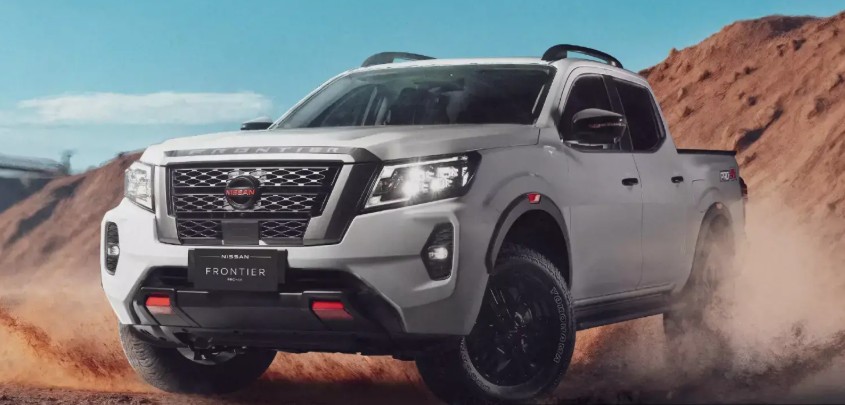
Choosing between the Nissan Frontier SV vs PRO-4X looks simple until we start digging into what each truck actually offers. They share much of the same Frontier DNA, yet they are designed for noticeably different owners.
The SV is essentially the sensible middle ground. It gives us the capability of a Frontier without making us pay for specialized hardware we may rarely use. The PRO-4X takes that same basic formula and puts on hiking boots. It adds equipment intended specifically for rough terrain, including upgraded suspension components, underbody protection, all-terrain tires, and a locking rear differential on modern versions.
So, which one should we buy?
For commuters, contractors, families, and occasional adventurers, the Frontier SV can be the smarter value. For buyers who regularly encounter rocks, mud, steep trails, loose surfaces, or simply want the most rugged factory Frontier, the PRO-4X makes a stronger argument.
There is one historical wrinkle, though. The two names haven't existed together throughout the Frontier's entire life. Early Frontiers used different trim structures, while the modern SV-versus-PRO-4X battle really became relevant during the long-running second generation.
Let's sort all of that out.
Content in this publication
- Nissan Frontier SV vs PRO-4X at a Glance
- Understanding the Frontier Generations
- Second-Generation Frontier: Where PRO-4X Arrived
- Second-Generation Nissan Frontier SV vs PRO-4X
- Third-Generation Frontier: SV vs PRO-4X Gets Serious
- Engine and Performance: SV vs PRO-4X
- 4x2 vs 4x4 Capability
- Rear Differential: The PRO-4X's Secret Weapon
- Suspension: Comfort vs Trail Control
- Skid Plates and Underbody Protection
- Wheels and Tires
- Exterior Design Differences
- Interior and Technology
- Infotainment and Connectivity
- Towing: Does PRO-4X Tow More?
- Payload and Everyday Work
- Frontier SV vs PRO-4X Fuel Economy
- Frontier SV vs PRO-4X Price
- Buying a Used SV vs PRO-4X
- Who Should Buy the Nissan Frontier SV?
- Who Should Buy the Nissan Frontier PRO-4X?
- Can We Turn an SV Into a PRO-4X?
- Reliability: SV vs PRO-4X
- Which Frontier Has Better Resale Appeal?
- Nissan Frontier SV vs PRO-4X by Generation
- Which Is Better for Daily Driving?
- Which Is Better Off-Road?
- Which Offers Better Value?
- Nissan Frontier SV vs PRO-4X: Final Verdict
- Frequently Asked Questions
Nissan Frontier SV vs PRO-4X at a Glance
Before digging through the generations, here is the easiest way to understand these trucks.
| Feature | Frontier SV | Frontier PRO-4X |
|---|---|---|
| Main purpose | Everyday versatility | Off-road capability |
| 4WD | Available depending on year/configuration | Standard on PRO-4X |
| Rear locker | Generally no | Yes |
| Off-road shocks | No | Bilstein on applicable models |
| Skid plates | Limited/model-dependent | Additional off-road protection |
| Tires | Road/all-season focused | All-terrain |
| Ride character | More road-oriented | More trail-oriented |
| Styling | Conventional | Aggressive off-road appearance |
| Price | Lower | Higher |
| Best for | Daily driving, work, towing | Trails and recreational off-roading |
The biggest mistake we can make is assuming the PRO-4X simply gives us more luxury.
It doesn't.
Its most important upgrades are mechanical.
That distinction matters because someone driving almost entirely on pavement could spend thousands more without taking advantage of what makes the PRO-4X special.
Understanding the Frontier Generations
To compare all generations correctly, we first need to clarify the Frontier timeline.
First-Generation Frontier: 1998–2004
The original U.S.-market Frontier arrived for the 1998 model year and used older trim names such as XE and SE rather than today's SV and PRO-4X terminology. By 2001, Nissan was offering XE, SE, and supercharged SC versions.
Consequently, there isn't really a first-generation Frontier SV vs PRO-4X comparison.
If we are shopping for one of these older trucks, we're comparing completely different grades.
Still, this generation matters because it established the Frontier formula: relatively compact dimensions, straightforward engineering, available four-wheel drive, and genuine truck capability without the bulk of a full-size pickup.
What First-Generation Buyers Should Know
Think of the first Frontier as the grandfather of both trims.
An upscale or well-equipped SE loosely filled some of the territory that an SV later occupied, while rugged configurations such as the Desert Runner foreshadowed Nissan's eventual focus on specialized adventure-oriented models.
But calling an early Frontier an "SV equivalent" or "PRO-4X equivalent" can be misleading.
They simply belonged to another trim era.
Second-Generation Frontier: Where PRO-4X Arrived
The second-generation Frontier debuted for 2005 with a much more substantial platform and an available 4.0-liter V6. Nissan initially offered an off-road-oriented NISMO Frontier, which included hardware such as an electronic locking rear differential.
Then things became more familiar.
PRO-4X Appears for 2009
For 2009, PRO-4X became part of the Frontier lineup. Nissan equipped the model with off-road-focused hardware including Bilstein high-pressure shocks, extra skid plates, and an electronic locking rear differential.
That basic recipe became the soul of the PRO-4X.
It wasn't merely a Frontier with stickers slapped along its bedside. Nissan gave it equipment capable of making a meaningful difference when traction disappears.
SV Becomes the Everyday Middle Ground
By the early 2010s, SV had become part of the Frontier grade structure alongside S, SL, and PRO-4X. Nissan's 2011 information lists SV and PRO-4X among the available models, and the basic positioning was already recognizable: SV as the versatile mainstream grade and PRO-4X as the off-road specialist.
From here, the comparison becomes much more useful.
Second-Generation Nissan Frontier SV vs PRO-4X
For used-truck shoppers, this might actually be the most important part of our comparison.
The second-generation Frontier had an extraordinarily long production run. That means the used market contains a huge mixture of SV and PRO-4X trucks with different ages, mileages, cab configurations, transmissions, and equipment packages.
Engine Differences
Many second-generation SV trucks could be found with Nissan's 4.0-liter V6, although some configurations and earlier model years also offered four-cylinder power.
PRO-4X models were centered around the V6.
For example, Nissan rated the 2017 Frontier's 4.0-liter V6 at 261 horsepower.
When comparing two V6-equipped trucks, therefore, we're not buying the PRO-4X because its engine suddenly produces dramatically more power.
We're paying for what surrounds the engine.
That is a recurring theme throughout Frontier history.
PRO-4X Off-Road Equipment
The second-generation PRO-4X typically brought equipment such as:
- Bilstein off-road shocks
- Electronic locking rear differential
- Additional skid plates
- Off-road-oriented tires and wheels
- Four-wheel drive
- Distinctive PRO-4X exterior details
- Specialized interior trim depending on model year
Nissan's 2012 description specifically identifies the PRO-4X as 4x4-only and lists Bilstein shocks, skid plates, and an electronic locking rear differential among its defining hardware.
This is where the difference becomes more than cosmetic.
Imagine getting one tire light enough that it starts spinning over loose rock. An open differential isn't always your friend there. The locking rear differential can dramatically change how effectively the truck puts its available traction to work.
SV Road Manners
The SV isn't somehow incapable off-road.
An SV 4x4 can handle snow, dirt roads, muddy access tracks, campsites, farms, and plenty of recreational situations.
In fact, that is precisely why we'd recommend thinking carefully before automatically choosing the PRO-4X.
If our "off-roading" amounts to a gravel road leading to a campsite four weekends per year, the SV 4x4 may already provide everything we realistically need.
Its more conventional setup can also make more sense for owners whose Frontier spends 95% of its life commuting, towing, hauling, or sitting in supermarket parking lots.
Third-Generation Frontier: SV vs PRO-4X Gets Serious
The redesigned 2022 Frontier transformed the comparison.
The truck finally received the modern cabin, exterior styling, technology, and safety equipment buyers had been waiting for.
Yet Nissan kept the core strategy familiar.
SV remained the versatile mainstream choice.
PRO-4X remained the factory off-roader.
For the 2022 model, Nissan explicitly equipped the PRO-4X with an electronic locking differential, Bilstein off-road shocks, and underbody skid plates.
That trio is the heart of the modern PRO-4X.
Engine and Performance: SV vs PRO-4X
Modern versions make the powertrain comparison wonderfully simple.
For the 2026 Frontier, Nissan uses its 3.8-liter V6 across the lineup, rated at 310 horsepower and 281 lb-ft of torque.
That means the PRO-4X isn't the faster trim simply because we're buying the expensive version.
Both trucks have serious V6 muscle.
This levels the playing field.
An SV owner isn't getting the economy-class engine while the PRO-4X buyer gets first class.
For everyday acceleration, highway merging, hauling, and normal towing, both trucks can provide essentially the same fundamental power source when similarly configured.
What our extra money buys in the PRO-4X is primarily terrain capability and equipment, not a horsepower badge.
That's good news for SV shoppers.
4x2 vs 4x4 Capability
Here's one of the biggest differences.
Depending on model year and configuration, the SV has historically been available in both rear-wheel-drive and four-wheel-drive forms.
PRO-4X is the true 4x4 member of Nissan's PRO family.
For modern buyers who like the PRO look but don't need four-wheel drive, Nissan has also offered the PRO-X, which should not be confused with the PRO-4X.
Should We Buy an SV 4x4 Instead?
This is arguably the smartest alternative to a PRO-4X.
An SV 4x4 gives us the traction advantage of four-wheel drive while keeping the price below the dedicated off-road trim.
For snow, boat ramps, dirt roads, wet fields, and moderate trails, that's a compelling package.
But there is still a gap.
When the road turns into an actual trail, the PRO-4X's rear locker, protection, tires, and suspension start earning their keep.
Rear Differential: The PRO-4X's Secret Weapon
Of all the differences between the Frontier SV and PRO-4X, the electronic locking rear differential may be the most important.
Nissan describes the current system as sending equal power to both rear wheels when engaged, helping the PRO-4X maintain traction in difficult conditions.
Why should we care?
You may be interested in reading Nissan Frontier King Cab vs Crew Cab: Which One Should You Buy?
Because four-wheel drive alone doesn't guarantee that every tire will always deliver useful torque.
A locking differential is like telling the two rear wheels, "You're working together now."
On uneven terrain, deep mud, sand, or situations where a wheel loses traction, that can make the difference between moving forward and digging two expensive holes.
Does the Average Driver Need a Locker?
Probably not.
And that's exactly why the SV exists.
If we're driving to work, pulling a utility trailer, visiting Home Depot, and occasionally traveling down a forest road, a locker can become one of those features we proudly mention yet almost never touch.
Serious trail users are another story.
For them, it's one of the strongest reasons to pick PRO-4X.
Suspension: Comfort vs Trail Control
Modern and earlier PRO-4X Frontiers use Bilstein off-road shocks as an important part of their hardware package. Nissan continues to list Bilstein off-road performance shocks on the current PRO-4X.
These components are intended to provide better control when the surface underneath us starts looking like the moon.
The SV uses a more conventional setup intended around general truck duties.
Which Rides Better on Pavement?
Don't automatically assume "more expensive" means "softer."
Off-road suspension tuning has different priorities.
The SV can feel entirely appropriate for highway and city driving because it isn't trying as hard to prepare us for the next rocky washboard trail.
Meanwhile, enthusiasts may prefer the controlled, rugged character of the PRO-4X.
Neither is universally better.
They're different tools.
Skid Plates and Underbody Protection
Rocks don't care what we paid for our truck.
That's why skid plates matter.
The PRO-4X has historically included additional protection around vulnerable components. Nissan still highlights skid plates as a core PRO-4X feature, alongside its locking rear differential and Bilstein suspension.
For pavement driving, skid plates are mostly invisible.
On a trail?
They can suddenly become some of the most valuable metal on the truck.
An SV can certainly be modified with aftermarket protection, but then we need to factor installation, fitment, warranty considerations, and total cost into the equation.
Wheels and Tires
The PRO-4X generally wears more aggressive tires designed to provide extra bite away from pavement.
Nissan describes the current PRO-4X as coming standard with all-terrain tires intended for varied surfaces.
That gives us another classic compromise.
All-terrain tires look great and perform better on loose surfaces, but road-oriented tires can be quieter and potentially more efficient for drivers living almost entirely on asphalt.
The SV therefore isn't necessarily "missing" something.
Its tire setup may simply be better aligned with its mission.
Exterior Design Differences
Now we get to the fun part.
Even owners who never leave pavement may want the PRO-4X because it simply looks tougher.
PRO-4X versions have traditionally received unique wheels, badges, color accents, and other styling changes. The third-generation truck pushes that character further with a more aggressive visual identity.
The SV is understated.
The PRO-4X walks into the room wearing hiking boots.
Which One Looks Better?
We'll give PRO-4X the victory here if rugged styling is the goal.
Still, appearance is subjective.
An SV can look cleaner, less flashy, and more work-oriented. Some buyers also prefer modifying an SV themselves instead of paying for the factory off-road aesthetic.
Interior and Technology
The difference inside has changed substantially over the years.
Older second-generation models can vary considerably depending on year and options, so used buyers should inspect actual equipment rather than assuming every SV or every PRO-4X has an identical cabin.
Modern Frontiers make the distinction easier.
PRO-4X models generally receive distinctive trim and can unlock premium equipment through packages, while the SV balances technology with price.
For 2025, Nissan expanded technology across the range, including a 12.3-inch touchscreen on SV grades and above.
This narrows the everyday usability gap.
We no longer need to jump straight to PRO-4X simply to make the Frontier feel modern inside.
Infotainment and Connectivity
Modern Frontier technology has become one of the truck's biggest improvements.
Current versions offer smartphone connectivity, and Nissan lists features such as Apple CarPlay, Android Auto, USB connectivity, available connected services, and Wi-Fi functionality depending on configuration.
The exact equipment changes by year and package, though.
That's especially important when buying used.
Don't buy the badge.
Check the actual truck.
Two SVs parked next to each other can have surprisingly different feature lists if one carries optional packages.
Towing: Does PRO-4X Tow More?
This is an area where bigger trim doesn't automatically mean bigger number.
The Frontier's maximum towing ability varies with cab, drivetrain, model year, and configuration rather than simply following the trim hierarchy.
For 2026, Nissan advertises a maximum Frontier towing capacity of up to 7,150 pounds, but that headline figure applies to specific configurations rather than every Frontier.
A PRO-4X's off-road hardware can also add weight.
So if maximum towing is our only priority, we shouldn't assume PRO-4X is the champion.
Check the exact truck's ratings.
Best Trim for Regular Towing
For someone towing primarily on pavement, the SV may offer particularly strong value.
We get the same basic engine performance in current models without automatically paying for trail hardware that does little while pulling a camper down the interstate.
If that camper frequently ends up miles down rough access roads, however, the calculation changes.
Payload and Everyday Work
The same logic applies to payload.
Nissan lists current Frontier payload capacity at up to 1,620 pounds, depending on configuration.
Again, the maximum figure is not automatically a PRO-4X number.
Specialized off-road components, additional features, and heavier equipment can reduce the payload available in a particular truck.
Contractors should therefore look beyond trim prestige.
A simpler SV may actually be the more logical workhorse.
Frontier SV vs PRO-4X Fuel Economy
Because modern SV and PRO-4X trucks share the 3.8-liter V6 but can differ in drivetrain, tires, weight, and configuration, fuel economy isn't identical across the board.
Four-wheel drive, all-terrain tires, and extra hardware rarely arrive free of physical consequences.
An SV 4x2 generally makes more sense if minimizing fuel use is the priority, while the PRO-4X is purchased for capability rather than winning an economy contest.
Nissan's 2026 brochure, for example, lists ratings that vary substantially between drivetrain configurations, reinforcing why shoppers should compare the exact version they intend to buy.
Frontier SV vs PRO-4X Price
Price is where the philosophical divide becomes obvious.
You may be interested in readingNissan Frontier King Cab vs Crew Cab: Which One Should You Buy?You may be interested in reading
Nissan Frontier S vs SV: Which Trim Should You Buy?For 2026, Nissan lists the Frontier PRO-4X at a starting MSRP of $42,370, while the Frontier range begins significantly lower.
That premium makes sense if we're going to use the equipment.
Otherwise, the SV can represent the sweet spot.
What Are We Really Paying For?
With PRO-4X, much of the extra money goes toward things such as:
- Specialized off-road suspension
- Electronic locking rear differential
- Skid plates
- All-terrain equipment
- Unique styling
- Additional standard or available comfort technology
- Stronger factory-built trail credibility
That's different from simply buying a luxury package.
The PRO-4X premium has a mechanical purpose.
Buying a Used SV vs PRO-4X
The equation changes dramatically on the used market.
A ten-year-old PRO-4X may look like a bargain compared with a newer SV, but history matters more than badges.
Off-road trucks can live harder lives.
Look underneath.
Check skid plates for heavy impacts. Inspect suspension components. Look for mismatched tires, modifications, damaged underbody components, fluid leaks, and evidence of repeated mud exposure.
An immaculate SV with complete service records can be a much smarter purchase than an abused PRO-4X wearing shiny new tires.
Used Second-Generation Sweet Spot
The long-lived second generation gives shoppers enormous choice.
Later SV V6 models can deliver a straightforward combination of performance and utility, while a well-maintained PRO-4X gives enthusiasts much of the hardware we still associate with the modern trim.
Nissan continued offering both grades deep into the generation; for example, the 2018 lineup still included SV and 4x4-only PRO-4X grades.
Condition should break the tie.
Who Should Buy the Nissan Frontier SV?
Choose the Frontier SV if most of these sound familiar:
- We drive primarily on paved roads.
- We want strong Frontier capability without the highest trim price.
- We tow or haul more often than we tackle technical trails.
- We want the option of 4x4 without needing hardcore off-road hardware.
- Fuel economy and running costs matter.
- We're comfortable adding specific accessories later.
- We want a truck for work and daily driving.
The SV is the rational choice.
And rational doesn't mean boring.
A V6-powered SV 4x4 can still be an extremely capable truck.
Who Should Buy the Nissan Frontier PRO-4X?
Choose the Frontier PRO-4X if:
- We genuinely go off-road.
- Trails include rocks, deep mud, sand, or uneven terrain.
- A locking rear differential matters.
- We want factory skid plates.
- We value Bilstein off-road suspension.
- We prefer all-terrain tires from the factory.
- We love the PRO-4X appearance.
- We'd otherwise spend money modifying an SV.
For those buyers, purchasing the correct hardware from Nissan can be easier than building an SV piece by piece.
Can We Turn an SV Into a PRO-4X?
Sort of.
We can add aftermarket shocks, skid plates, wheels, tires, lighting, suspension upgrades, and countless other accessories to an SV.
But reproducing a PRO-4X isn't as simple as ordering a decal.
The factory electronic locker is particularly significant, and modifications can quickly erase whatever money we saved by purchasing the SV.
If we already know we'll add $5,000 worth of off-road equipment, starting with a PRO-4X deserves serious consideration.
If all we want is chunkier tires and a slightly tougher stance, however, an SV can become a great personalized build.
Reliability: SV vs PRO-4X
Because equivalent-year SV and PRO-4X models often share major powertrain components, there isn't a simple rule saying one trim is inherently more reliable.
How the truck was used matters enormously.
A PRO-4X that has crawled across rocks every weekend has experienced a very different life from an SV that spent 100,000 miles cruising highways.
That's especially important on older second-generation trucks.
Service records, inspection results, rust, modifications, drivetrain operation, and overall condition matter more than the emblem on the tailgate.
Which Frontier Has Better Resale Appeal?
PRO-4X models tend to be desirable because they're distinctive and carry equipment enthusiasts specifically seek.
But resale isn't magic.
We pay more upfront too.
An SV's lower purchase cost can make its overall value proposition just as attractive, particularly for buyers who keep vehicles for many years.
Rather than asking which trim loses fewer dollars, we should ask which one gives us more useful equipment for the money we actually spend.
That's a much better question.
Nissan Frontier SV vs PRO-4X by Generation
Here's the simplest historical summary.
| Frontier Era | SV | PRO-4X | Comparison |
| 1998–2004 first generation | Not the modern SV structure | Not offered | No direct comparison |
| 2005–2008 early second generation | Different grade structure | NISMO filled off-road role | Not a true SV vs PRO-4X matchup |
| 2009–2010 | Trim structure evolving | PRO-4X introduced | PRO-4X becomes off-road flagship |
| 2011–2021 | Mainstream mid-level choice | Dedicated 4x4 off-roader | Classic SV vs PRO-4X comparison |
| 2022–present third generation | Value-focused everyday trim | Modern off-road specialist | Clearest modern comparison |
The historical takeaway is straightforward: SV versus PRO-4X is primarily a second- and third-generation Frontier question.
Which Is Better for Daily Driving?
SV wins.
Not because the PRO-4X is unpleasant, but because daily driving doesn't demand most of its specialized hardware.
An SV handles commuting, errands, highway trips, occasional towing, and normal truck duties without forcing us to buy capability we may never exercise.
It's like choosing running shoes instead of hiking boots for a walk through downtown.
Both work.
One simply makes more sense.
Which Is Better Off-Road?
PRO-4X wins easily.
The combination of four-wheel drive, electronic locking rear differential, skid plates, all-terrain tires, and Bilstein off-road shocks gives it advantages an ordinary SV cannot completely duplicate from the factory. Nissan still identifies those features as central elements of the current PRO-4X package.
Drivers tackling genuinely challenging terrain will appreciate them.
Which Offers Better Value?
This one depends entirely on our definition of value.
For the average owner?
SV.
For an off-road enthusiast?
PRO-4X.
Buying equipment we never use isn't value.
Neither is buying a cheaper truck and immediately spending thousands modifying it to perform the job of the trim we originally avoided.
The best deal is the truck that already matches our lifestyle.
Nissan Frontier SV vs PRO-4X: Final Verdict
So, after comparing the Nissan Frontier SV vs PRO-4X across the Frontier's history, which would we choose?
For most drivers, we'd start with the SV, particularly an SV 4x4.
It captures much of what makes the Frontier appealing: strong truck fundamentals, useful towing and hauling capability, available four-wheel drive, modern technology in newer generations, and a lower entry price.
The PRO-4X, however, is unquestionably the better factory off-road truck.
Its electronic locking rear differential alone creates a meaningful mechanical distinction. Add Bilstein shocks, skid plates, all-terrain tires, distinctive styling, and other trail-focused equipment, and the extra money becomes much easier to justify for adventurous owners.
Our decision therefore shouldn't be based on which badge looks more impressive.
Ask one question instead:
Where will the truck actually spend its life?
If the answer is pavement, job sites, highways, and occasional dirt roads, take a hard look at the SV.
If weekends involve searching for the trail after the pavement disappears, the PRO-4X is speaking our language.
Frequently Asked Questions
1. Is the Nissan Frontier PRO-4X better than the SV?
The PRO-4X is better for serious off-road use because it adds specialized hardware such as an electronic locking rear differential, Bilstein off-road shocks, skid plates, and all-terrain equipment. The SV can be the better choice for commuting, towing, hauling, light off-road driving, and buyers who prioritize value.
2. Does the Frontier SV have the same engine as the PRO-4X?
On current U.S.-market Frontiers, yes. For 2026 Nissan lists a 3.8-liter V6 producing 310 horsepower and 281 lb-ft of torque across the Frontier lineup. Older generations require model-year-specific comparison because engine availability and configurations varied.
3. Does the Nissan Frontier SV have a locking differential?
The electronic locking rear differential is one of the defining features of the PRO-4X rather than the regular SV. Buyers who need maximum low-speed traction on difficult terrain should consider this one of the PRO-4X's most meaningful advantages.
4. Is the Frontier SV good for off-roading?
Yes, particularly when equipped with four-wheel drive. An SV 4x4 can comfortably handle dirt roads, snow, loose surfaces, campsites, and moderate trails. The PRO-4X becomes more valuable as terrain grows more technical because its suspension, locker, tires, and underbody protection are purpose-built for that environment.
You may be interested in readingNissan Frontier King Cab vs Crew Cab: Which One Should You Buy?You may be interested in reading
Nissan Frontier S vs SV: Which Trim Should You Buy?You may be interested in reading
Nissan Frontier Years: Generations, Changes, and Best Eras Explained5. Is the Frontier PRO-4X worth the extra money?
It is worth the premium when we'll genuinely use its off-road equipment or when we would otherwise modify an SV with similar upgrades. If virtually all our driving happens on pavement, the SV generally provides better value while retaining the core performance and usefulness of the Frontier.
If you want to know other articles similar to Nissan Frontier SV vs PRO-4X: Which Truck Is Better? you can visit the category Models.
Honda Passport vs Toyota 4Runner: Which SUV Is Better?
Honda Passport vs Ford Bronco: Which SUV Is Better?
Honda Passport vs Ford Explorer: Which SUV Is Better?
Honda Passport or Pilot: Which SUV Is Better?
Honda Passport vs Jeep Grand Cherokee: Which SUV Is Better?
Honda Passport vs Nissan Pathfinder: Which SUV Is Better?
Leave a Reply
More content of your interest