

Mazda 6 Years to Avoid: Which Models Should You Think Twice About?

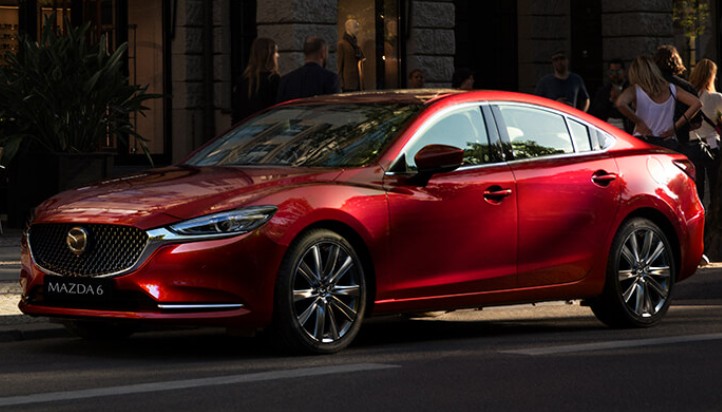
The Mazda 6 has always stood slightly apart from the typical midsize sedan. While many family cars focus almost entirely on comfort and practicality, the Mazda 6 adds something enthusiasts appreciate: personality. Its responsive steering, attractive styling, comfortable cabin, and generally solid engines have helped it remain an interesting option on the used-car market.
Still, not every Mazda 6 is equally desirable.
When we're shopping secondhand, understanding the Mazda 6 years to avoid can help us identify models that deserve additional scrutiny. Some older cars have been affected by safety recalls, certain generations can suffer from corrosion, and diesel versions bring their own maintenance considerations.
That doesn't mean every Mazda 6 from a supposedly problematic year is a bad purchase. Far from it. A meticulously maintained older Mazda 6 can easily be a better investment than a newer example that has spent its life skipping oil changes.
So rather than blindly labeling certain years as terrible, let's identify where the risks are, why they matter, and what we should inspect before handing over our money.
Content in this publication
- Are Mazda 6 Cars Generally Reliable?
- Mazda 6 Years to Avoid at a Glance
- 2003-2008 Mazda 6: Age and Recall History Matter
- 2009 Mazda 6: A Year That Deserves Extra Scrutiny
- 2010 Mazda 6: Another Model Year to Inspect Carefully
- 2011-2012 Mazda 6: Not Necessarily Years to Avoid
- Mazda 6 Diesel Models to Approach Carefully
- 2014 Mazda 6: Should We Avoid the First Third-Generation Model?
- Is the 2015 Mazda 6 Better Than the 2014?
- 2016-2017 Mazda 6: A Potential Used-Car Sweet Spot
- 2018-2021 Mazda 6: Generally the Models We'd Prefer
- What Is the Worst Mazda 6 Year?
- Which Mazda 6 Years Would We Buy?
- How Long Can a Mazda 6 Last?
- How to Inspect a Used Mazda 6 Before Buying
- Warning Signs That Should Make Us Walk Away
- Should We Buy a Mazda 6 With Over 100,000 Miles?
- Why a Pre-Purchase Inspection Is Worth It
- Should We Avoid the Mazda 6 Completely?
- Final Verdict: Which Mazda 6 Years Should We Avoid?
- Frequently Asked Questions About Mazda 6 Years to Avoid
Are Mazda 6 Cars Generally Reliable?
Overall, the Mazda 6 has earned a reasonably good reputation for reliability.
One of its biggest advantages, particularly among later gasoline models, is relatively straightforward engineering. Mazda relied heavily on naturally aspirated engines and conventional automatic transmissions instead of chasing every complicated drivetrain trend.
That simplicity can become valuable as a car ages.
But reliability involves much more than whether an engine starts every morning.
An older Mazda 6 can have a perfectly healthy engine while simultaneously needing suspension bushings, wheel bearings, brakes, engine mounts, air-conditioning repairs, or electrical work. Once a vehicle reaches ten or fifteen years old, maintenance history often becomes more important than its original reputation.
That's why we should treat lists of bad model years as a starting point rather than a verdict.
Mazda 6 Years to Avoid at a Glance
If we want a quick overview, several periods deserve additional attention.
The 2003-2008 Mazda 6 should have its recall history carefully checked, particularly regarding Takata airbags.
The 2009-2010 Mazda 6 deserves an especially thorough corrosion inspection because certain vehicles were involved in a front crossmember corrosion recall.
The 2010-2012 period should also be checked carefully for completed recalls and the usual problems associated with an aging vehicle.
The 2014 Mazda 6, meanwhile, represents an early third-generation model in several markets. It isn't necessarily unreliable, but we'd inspect an early-production car more thoroughly than a later example.
Diesel-powered Mazda 6 models deserve their own level of scrutiny because DPF operation, oil dilution, injector condition, and previous driving patterns can significantly influence long-term reliability.
Most importantly, we shouldn't reject a car based exclusively on its model year.
A rust-free, fully serviced 2010 Mazda 6 could be dramatically better than a neglected 2018 example.
2003-2008 Mazda 6: Age and Recall History Matter
The original Mazda 6 was an important car for Mazda.
It delivered sharper handling than many competing family sedans while remaining practical enough for daily use. Even today, a well-preserved first-generation Mazda 6 can be surprisingly enjoyable.
Unfortunately, these vehicles are now old enough that age itself has become one of their greatest weaknesses.
Rubber components deteriorate. Suspension parts wear. Electrical connections corrode. Cooling hoses become brittle. Engine mounts weaken.
Then we have recall history.
Certain Mazda 6 vehicles from this era were included in Takata airbag recalls. Defective Takata inflators became a major industry-wide safety issue because affected inflators could rupture during deployment.
For anyone considering an early Mazda 6, VIN-specific recall verification should therefore be part of the buying process.
Never Assume a Recall Was Completed
A vehicle being fifteen or twenty years old doesn't guarantee its previous owners completed every recall.
Cars change hands.
Paperwork disappears.
Owners move.
Vehicles get exported.
That's why we'd check the VIN using Mazda's recall system or the relevant government vehicle-safety database before purchasing.
If an outstanding safety recall exists, find out what is required to resolve it.
Suppose we find a 2006 Mazda 6 at an irresistible price.
Great.
But then it needs tires, front suspension components, engine mounts, brakes, a battery, and air-conditioning work.
Suddenly, our bargain begins eating money like a hungry teenager standing in front of an open refrigerator.
On first-generation models, we'd pay particular attention to suspension bushings, ball joints, wheel bearings, cooling-system components, engine mounts, brake lines, exhaust corrosion, fluid leaks, electrical equipment, and transmission behavior.
2009 Mazda 6: A Year That Deserves Extra Scrutiny
The second-generation Mazda 6 arrived with more space, more refinement, and a larger overall footprint.
Today, however, the 2009 model year deserves careful examination because of corrosion concerns affecting certain vehicles.
Front Crossmember Corrosion Is the Main Concern
Certain 2009-2010 Mazda 6 vehicles were subject to a safety recall involving corrosion of the front crossmember.
This matters because structural corrosion is very different from cosmetic rust.
A rusty stone chip on the hood is annoying.
Serious corrosion around structural or suspension-related components can become a safety problem.
Cars operated in regions where road salt is heavily used deserve particularly close attention.
Climate Can Change the Entire Story
Two identical 2009 Mazda 6 sedans can age completely differently.
Imagine one spending its entire life somewhere dry and warm.
Now imagine another surviving winter after winter on salted roads.
Their odometers might display similar mileage, yet underneath they could look like completely different cars.
That's why we shouldn't evaluate an older Mazda solely from its shiny exterior.
Get underneath it.
Inspect the crossmembers, subframes, suspension mounting points, rocker areas, brake lines, wheel arches, exhaust components, and surrounding structure.
If the underside looks like it's slowly returning to the earth, there are probably better cars available.
2010 Mazda 6: Another Model Year to Inspect Carefully
Much of the advice surrounding the 2009 Mazda 6 also applies to the 2010 model.
Again, corrosion should be near the top of our inspection checklist.
A low-mileage car isn't automatically safer.
In fact, mileage sometimes distracts buyers from more important clues.
A 140,000-mile Mazda 6 that spent its life traveling long distances through a dry climate may be healthier than a 75,000-mile example exposed to salty winter roads and short urban trips.
Mileage tells us distance.
It doesn't tell us the difficulty of the journey.
Recall History Matters Here Too
Certain Mazda 6 models from this broader period were involved in an unusual evaporative-emissions-related recall concerning possible restrictions in the evaporative canister vent line.
The memorable part?
Spiders were involved.
Automotive ownership occasionally gets stranger than fiction.
For us as used-car buyers, however, the lesson remains simple: always run the VIN through the appropriate recall database rather than relying on generic model-year information.
2011-2012 Mazda 6: Not Necessarily Years to Avoid
We wouldn't automatically reject a 2011 or 2012 Mazda 6.
These cars can provide inexpensive transportation and decent driving dynamics when properly maintained.
Their biggest enemy today is simply age.
Even a relatively dependable vehicle will eventually need components replaced.
What Should We Inspect?
Listen for knocking or clunking from the suspension.
Check whether the automatic transmission engages smoothly.
Test the air conditioning.
Look for uneven tire wear.
Inspect underneath for corrosion.
Look around the engine and transmission for fluid leaks.
Check whether warning lights illuminate normally when the ignition is switched on and disappear after the engine starts.
And, once again, verify outstanding recalls by VIN.
Don't Forget Market Differences
Another important point is that Mazda 6 specifications vary considerably by country.
North American buyers primarily encounter gasoline-powered models.
Buyers in the UK, Europe, Australia, New Zealand, and other regions may encounter a much larger selection of diesel Mazda 6 cars.
That difference matters because diesel engines introduce additional considerations.
Mazda 6 Diesel Models to Approach Carefully
A diesel Mazda 6 isn't inherently unreliable.
In the right circumstances, diesel engines can provide strong torque and excellent fuel economy.
But they require the right maintenance and driving environment.
You may be interested in reading Mazda 6 Trim Levels: Complete Guide to Choosing the Right Version
A poorly maintained diesel that's spent years making tiny urban journeys can become considerably less appealing.
Watch the Engine Oil Level
Some older diesel Mazda 6 models have been associated with concerns involving fuel dilution of the engine oil.
That means checking the dipstick isn't merely about making sure there's enough oil.
An oil level that appears suspiciously high can also deserve investigation.
Fuel contamination reduces the oil's ability to protect internal engine components effectively.
Oil is the bloodstream of an engine. If its properties change significantly, expensive components can suffer.
DPF Problems Shouldn't Be Ignored
Diesel particulate filters need suitable operating conditions to regenerate properly.
Longer journeys where the engine reaches normal operating temperature generally suit a diesel better than constant short-distance driving.
Imagine this routine:
Drive three miles.
Park.
Engine cools.
Drive another three miles.
Park again.
Repeat for years.
That's not an ideal lifestyle for many modern diesel emissions systems.
A diesel Mazda 6 with a history of DPF warning lights, interrupted regeneration cycles, oil-level problems, or repeated emissions-system repairs deserves careful investigation.
Who Should Avoid an Older Diesel Mazda 6?
If almost all our driving involves short trips through congested streets, we'd think carefully before purchasing an older diesel.
A gasoline Mazda 6 may prove simpler and less stressful.
On the other hand, drivers regularly covering substantial highway mileage may find the diesel's fuel economy and torque attractive.
The correct engine depends on how we actually drive.
2014 Mazda 6: Should We Avoid the First Third-Generation Model?
The third-generation Mazda 6 transformed the car's image.
Its sweeping bodywork and SKYACTIV engineering made it feel much more modern, and even today the design has aged remarkably well.
The 2014 model is frequently mentioned when buyers research Mazda 6 reliability.
Should we avoid it?
Not automatically.
Why Early-Generation Cars Deserve More Attention
Whenever manufacturers introduce a substantially redesigned vehicle, early production models can experience teething issues that later versions gradually resolve.
Software receives updates.
Suppliers change.
Parts get revised.
Production processes mature.
It's a little like making pancakes. The first one isn't necessarily terrible, but the next few often emerge from the pan more cleanly.
That's why we'd inspect a 2014 Mazda 6 particularly carefully rather than immediately rejecting it.
Areas Worth Checking on a 2014 Mazda 6
We'd pay attention to infotainment operation, battery health, electrical warnings, brake condition, suspension noises, wheel bearings, climate control, transmission behavior, oil leaks, accident repairs, and recall completion.
We'd also scan the vehicle with an OBD-II diagnostic tool.
A dashboard without warning lights doesn't necessarily mean there aren't stored diagnostic codes.
Maintenance History Beats Internet Reputation
A well-maintained 2014 Mazda 6 can still be an excellent used car.
What we'd really like to see is documentation.
Regular oil changes?
Excellent.
Brake maintenance?
Good.
Cooling system inspected?
Even better.
Transmission serviced appropriately?
That's reassuring.
Receipts and invoices transform vague promises into evidence.
When the seller says, “I'm pretty sure the previous owner maintained it,” we should hear alarm bells quietly ringing in the background.
Is the 2015 Mazda 6 Better Than the 2014?
If two cars were identical in condition, mileage, specification, and price, we'd generally lean toward the later model.
But used cars are almost never identical.
A beautifully maintained 2014 can easily beat an abused 2015.
The transition from one model year to another isn't a magical reliability barrier.
Production dates, regional specifications, previous ownership, maintenance habits, climate, and mileage all affect the outcome.
2016-2017 Mazda 6: A Potential Used-Car Sweet Spot
For many buyers, mid-generation models provide the most attractive compromise.
By 2016 and 2017, the third-generation platform had matured, while depreciation had made these vehicles considerably more affordable than when new.
They also remain modern enough to avoid some of the age-related concerns associated with early Mazda 6 generations.
That's why we'd happily put clean 2016 and 2017 gasoline models on our shopping list.
Don't Skip the Inspection Because It's a “Good Year”
This is where used-car buyers sometimes make a mistake.
They research the internet, discover that a particular year has a good reputation, and suddenly stop inspecting the actual car.
Don't.
Even the world's most reliable model can become problematic after years of neglect.
Check the brakes, tires, suspension, battery, transmission, air conditioning, electronics, underbody, fluids, service records, and accident history.
Reputation helps us select candidates.
Inspection chooses the winner.
2018-2021 Mazda 6: Generally the Models We'd Prefer
If our budget stretches far enough, later third-generation Mazda 6 models would generally sit near the top of our list.
By this point, the platform was mature, the cabin had improved, equipment levels were competitive, and Mazda continued refining the car.
Certain markets also received turbocharged engine options.
Naturally Aspirated or Turbo?
For buyers prioritizing long-term simplicity, the naturally aspirated gasoline engine has a strong argument.
Turbocharged versions deliver significantly stronger torque and acceleration, making the Mazda 6 feel considerably more powerful.
But additional performance brings additional mechanical complexity.
That doesn't make the turbo unreliable.
It simply means maintenance history becomes particularly important.
What Should We Check on a Turbo Mazda 6?
Look for consistent oil changes, signs of oil consumption, exhaust smoke, abnormal turbocharger noises, coolant problems, previous overheating, modifications, and incomplete service history.
We'd generally prefer a completely stock vehicle over one that has been heavily modified.
Someone else's unfinished performance project rarely makes the ideal family sedan.
What Is the Worst Mazda 6 Year?
Picking one universally terrible Mazda 6 year would oversimplify the situation.
However, if we're identifying the period requiring the most caution, 2009 and 2010 deserve particular attention because of documented front crossmember corrosion concerns affecting certain vehicles.
The key word is certain.
A rust-free example with completed recall work can still be a perfectly reasonable purchase.
Climate dramatically influences corrosion.
That's why we wouldn't automatically reject every 2009 Mazda 6 we encountered.
We'd inspect it more aggressively.
There's an important difference.
Which Mazda 6 Years Would We Buy?
If reliability, comfort, efficiency, and reasonable ownership costs were our priorities, we'd begin with later third-generation gasoline models.
You may be interested in readingMazda 6 Trim Levels: Complete Guide to Choosing the Right VersionYou may be interested in reading
 Ram 1500 Generations: Complete Guide From 1981 to Today
Well-maintained examples from roughly 2016 through 2021 would generally attract our attention first, depending on local availability.
We'd then compare service history, mileage, condition, engine specification, accident records, and price.
A model year should help narrow the search.
It shouldn't make the final decision for us.
How Long Can a Mazda 6 Last?
A Mazda 6 doesn't suddenly expire when its odometer reaches 100,000 miles.
With consistent maintenance, a gasoline Mazda 6 can travel well beyond that figure, and 150,000 miles or more isn't unrealistic for a properly cared-for example.
Some will go considerably farther.
But longevity depends heavily on how the car has been treated.
Regular oil changes matter.
Cooling-system maintenance matters.
Transmission health matters.
Preventing overheating matters.
Addressing warning lights promptly matters.
And climate matters enormously where corrosion is concerned.
High Mileage Isn't Automatically Bad
Highway mileage can sometimes be surprisingly gentle on a vehicle.
Long trips mean fewer cold starts per mile, less braking, fewer steering movements, and sustained operating temperatures.
City driving can involve constant braking, potholes, cold starts, short journeys, and stop-and-go traffic.
So when we see 120,000 miles on the dashboard, don't panic.
Ask how those miles accumulated.
How to Inspect a Used Mazda 6 Before Buying
A thorough inspection can reveal far more than an online reliability score.
Start with the vehicle completely cold whenever possible.
Why?
Cold engines reveal noises that sometimes disappear as the engine warms.
Listen for rattling, excessive ticking, squealing belts, rough idle, unusual vibration, or abnormal exhaust smoke.
Check the Fluids
Look at the engine oil.
Inspect the coolant.
Check for contamination.
Look underneath for fresh leaks.
On diesel models, pay particular attention to an unexpectedly rising oil level or maintenance history suggesting DPF-related issues.
Test Every Electrical Feature
Electrical problems often seem insignificant individually.
Together, they can become irritating and expensive.
Test the windows, locks, mirrors, infotainment system, Bluetooth, navigation, heated seats, climate control, reversing camera, parking sensors, steering-wheel controls, lights, and power seats where fitted.
Don't assume you'll repair everything later.
Sometimes “later” arrives with a surprisingly large invoice.
Take a Proper Test Drive
A five-minute drive around the dealership isn't enough.
Drive the car slowly.
Accelerate firmly.
Cruise at highway speed.
Brake progressively.
Drive over uneven pavement.
Turn tightly at low speeds.
Listen for humming wheel bearings, suspension knocks, transmission hesitation, steering noises, vibration, brake pulsation, or wind noise suggesting previous accident repairs.
Cars frequently whisper about problems long before they start shouting.
Warning Signs That Should Make Us Walk Away
Not every used Mazda 6 deserves another chance.
Sometimes the smartest purchase is the car we don't buy.
Be suspicious if the seller refuses an independent inspection or cannot provide reasonable answers about the vehicle's maintenance.
Major warning signs include serious structural corrosion, persistent overheating, unexplained coolant loss, transmission slipping, excessive exhaust smoke, contaminated fluids, active warning lights, poorly repaired collision damage, or significant oil leaks.
We'd also become cautious if all four tires are different bargain brands.
Tires tell stories.
If previous owners refused to spend money where the car meets the road, we have to wonder where else they cut corners.
Should We Buy a Mazda 6 With Over 100,000 Miles?
Yes, potentially.
A Mazda 6 with more than 100,000 miles can still offer years of useful service.
At this mileage, though, documentation becomes increasingly valuable.
We'd want to understand what's already been replaced and what might be approaching the end of its service life.
Spark plugs, brakes, suspension components, batteries, belts, fluids, cooling-system parts, tires, and engine mounts don't last forever.
A higher-mileage vehicle with many of these items recently replaced can actually be more appealing than a lower-mileage example still running entirely on aging original components.
Why a Pre-Purchase Inspection Is Worth It
If we could give only one piece of advice to somebody buying a used Mazda 6, we'd recommend paying for an independent pre-purchase inspection.
It's difficult to overstate its value.
A mechanic can lift the vehicle and inspect areas we simply can't evaluate properly while kneeling beside someone's driveway.
They can identify leaks, corrosion, worn suspension components, damaged underbody parts, brake problems, and evidence of previous repairs.
Spending a little before buying can save thousands afterward.
That's an excellent trade.
Should We Avoid the Mazda 6 Completely?
No.
The Mazda 6 remains an appealing used midsize sedan.
It offers comfortable seating, engaging handling, attractive styling, useful practicality, and generally respectable reliability when maintained properly.
The secret is choosing the right individual car.
Instead of obsessing over finding a supposedly flawless model year, combine model-year research with maintenance records, VIN recall checks, diagnostic scanning, a comprehensive test drive, and an independent mechanical inspection.
That's how we reduce risk.
Final Verdict: Which Mazda 6 Years Should We Avoid?
When identifying the Mazda 6 years to avoid, we'd place older cars with unresolved safety recalls near the top of the caution list.
The 2003-2008 Mazda 6 deserves careful recall verification, particularly regarding Takata airbags.
The 2009-2010 Mazda 6 deserves particularly close inspection because certain vehicles were affected by front crossmember corrosion concerns.
Older diesel Mazda 6 models should be investigated for DPF history, oil dilution, maintenance quality, and the type of driving they've experienced.
The 2014 Mazda 6 isn't automatically a year to avoid, but we'd inspect it carefully because it represents an early third-generation model in several markets.
If budget allows, we'd generally begin our search among later third-generation gasoline-powered Mazda 6 models, especially well-maintained examples from the middle and later years of production.
But there's one principle worth remembering above everything else:
Buy the condition, not just the model year.
A carefully maintained Mazda 6 from a supposedly questionable year can be a far better vehicle than a neglected example from a year praised across the internet.
The badge tells us what Mazda built.
The maintenance history tells us what previous owners left behind.
Frequently Asked Questions About Mazda 6 Years to Avoid
1. What Mazda 6 years should I avoid?
The years we'd approach with the most caution include 2003-2008 cars with unresolved safety recalls and 2009-2010 models that require careful corrosion inspection. Older diesel versions with incomplete maintenance records also deserve scrutiny. The 2014 model isn't necessarily bad, but early third-generation examples should receive a thorough inspection before purchase.
2. What is the most reliable Mazda 6 year?
There isn't one universally perfect model year. However, later third-generation gasoline models are generally attractive because the platform had matured while the cars remained relatively modern. Well-maintained examples from around 2016 onward would typically be where we'd begin our search, depending on the market.
3. Is the 2014 Mazda 6 a bad car?
No. A properly maintained 2014 Mazda 6 can be an excellent used sedan. Because it's an early third-generation model, we'd pay close attention to electronics, brakes, suspension, transmission operation, air conditioning, service history, accident repairs, and outstanding recalls before buying.
4. How many miles will a Mazda 6 last?
A properly maintained Mazda 6 can exceed 150,000 miles, and some examples can travel considerably farther. Maintenance history, engine type, driving conditions, corrosion exposure, overheating history, and previous ownership matter more than an arbitrary mileage limit.
5. Is an older Mazda 6 worth buying?
Yes, if its condition and price make sense. Older Mazda 6 models can provide excellent value, but they should be inspected for corrosion, worn suspension parts, leaks, cooling-system problems, electrical faults, transmission issues, and incomplete recalls. With an older vehicle, condition usually matters more than the model year alone.
You may be interested in readingMazda 6 Trim Levels: Complete Guide to Choosing the Right VersionYou may be interested in reading
Ram 1500 Generations: Complete Guide From 1981 to TodayYou may be interested in reading
Ram 1500 Trims: Complete Guide to Every Trim LevelIf you want to know other articles similar to Mazda 6 Years to Avoid: Which Models Should You Think Twice About? you can visit the category Models.
Kia Sorento Models: Complete Guide to Trims, Engines and Versions
BYD Shark 6 vs Ranger vs HiLux: Which Ute Makes the Most Sense in 2026?
BYD Shark 6 vs MG U9: Which Ute Makes More Sense in 2026?
BYD Shark 6 vs Ford Ranger Raptor: Which Performance Ute Is Better in 2026?
BYD Shark 6 vs Kia Tasman: Which Ute Is Better?
BYD Shark 6 vs 7: What We Know So Far
Leave a Reply
More content of your interest