
Is Mazda 6 a Good Car? A Complete Owner-Focused Guide

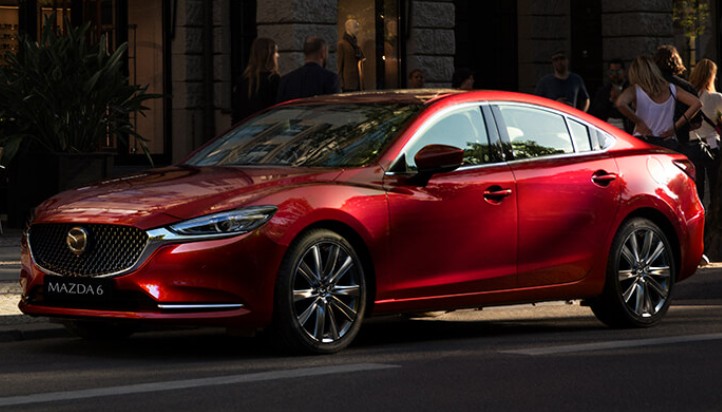
If you're asking "is Mazda 6 a good car?", the short answer is yes—for many drivers, the Mazda 6 is a very good car indeed. It blends sharp styling, enjoyable handling, respectable reliability, a surprisingly premium-feeling cabin, and sensible running costs in a package that often feels more expensive than it actually is.
But that doesn't mean every Mazda 6 is automatically a smart purchase.
Age matters. Engine choice matters. Maintenance history matters even more. Some Mazda 6 models have proved extremely dependable, while particular diesel versions and poorly maintained examples can bring considerably more risk. That's why we shouldn't judge the Mazda 6 by the badge alone.
Think of it as the sensible family sedan that secretly enjoys driving. It can handle school runs and motorway commuting during the week, then entertain us on a winding road without feeling like an appliance on wheels.
So, is a Mazda 6 worth buying today? Let's dig into reliability, engines, comfort, fuel economy, maintenance, common problems, and used-car value to find out.
Content in this publication
- Is Mazda 6 a Good Car Overall?
- Why Does the Mazda 6 Have Such a Good Reputation?
- Is the Mazda 6 Reliable?
- What Are the Main Mazda 6 Problems?
- Is the Mazda 6 Expensive to Maintain?
- How Long Does a Mazda 6 Last?
- Is the Mazda 6 Comfortable?
- Is the Mazda 6 Good for Long Trips?
- Is the Mazda 6 Fuel Efficient?
- Is the Mazda 6 Fast?
- Is the Mazda 6 Automatic Transmission Good?
- Is the Mazda 6 Manual Good?
- How Practical Is the Mazda 6?
- Is the Mazda 6 Interior Good?
- Is the Mazda 6 Safe?
- Is a Used Mazda 6 a Good Buy?
- Which Mazda 6 Engine Is Best?
- How Does the Mazda 6 Compare With Toyota Camry?
- Mazda 6 vs Honda Accord: Which Is Better?
- Mazda 6 vs Toyota Corolla: Which Should We Buy?
- What Are the Biggest Advantages of the Mazda 6?
- What Are the Disadvantages of the Mazda 6?
- Should We Buy a High-Mileage Mazda 6?
- Is the Mazda 6 a Good First Car?
- Is the Mazda 6 Good for Families?
- Who Should Avoid the Mazda 6?
- Is Mazda 6 a Good Car in the Long Run?
- Conclusion: Is Mazda 6 a Good Car to Buy?
- Frequently Asked Questions
Is Mazda 6 a Good Car Overall?
Yes, the Mazda 6 is generally a strong all-rounder, especially for buyers who want something more engaging than the average midsize sedan without stepping into premium-brand ownership costs.
Its biggest strengths are balance.
Some cars concentrate heavily on comfort but feel lifeless through corners. Others chase sporty handling and punish us with stiff suspension. The Mazda 6 generally lands somewhere in the middle. It's composed, comfortable enough for long journeys, and considerably more entertaining to drive than many family-oriented rivals.
Depending on the model year and market, we can also find generous equipment, strong petrol engines, attractive interiors, and relatively straightforward mechanical layouts.
That combination is why used examples remain interesting even as buyers increasingly move toward SUVs.
Who Is the Mazda 6 Best Suited To?
The Mazda 6 makes particular sense for drivers who want:
- A spacious family car without buying an SUV
- Good motorway manners
- Responsive steering and enjoyable handling
- An upscale-looking cabin at a mainstream price
- Reasonable fuel economy
- A naturally aspirated petrol engine in many versions
- Strong used-car value
- Comfortable seating for adults
- A practical sedan or wagon, depending on the market
If outright rear-seat space, maximum cargo capacity, hybrid efficiency, or cutting-edge infotainment matter more than driving enjoyment, some competitors may suit us better.
Why Does the Mazda 6 Have Such a Good Reputation?
The Mazda 6 earned its reputation by doing the ordinary things well while adding enough personality to avoid feeling ordinary.
That's harder than it sounds.
A midsize family car needs to be reliable, practical, easy to drive, comfortable, economical, and reasonably affordable. Yet focusing exclusively on those traits often creates a vehicle with all the excitement of office furniture.
Mazda approached things differently.
The company placed more emphasis on steering feel, chassis balance, driving position, exterior design, and interior presentation. As a result, the Mazda 6 frequently feels more polished than we'd expect from a mainstream sedan.
A More Driver-Focused Personality
The steering tends to feel direct without becoming nervous. Body movement is controlled, and the car usually changes direction confidently.
We don't need to drive aggressively to notice it.
Even at normal speeds, the Mazda 6 tends to feel connected and predictable. On a winding road, it responds cleanly. On a motorway, it settles down. Around town, its controls generally feel natural.
That's where much of the Mazda 6's charm lives.
Is the Mazda 6 Reliable?
Overall, Mazda 6 reliability is generally considered good, particularly among petrol-powered models with proper maintenance.
Many examples can accumulate substantial mileage without major mechanical trouble when owners keep up with servicing, use appropriate oil, replace wear items on time, and respond quickly to warning lights.
However, reliability isn't identical across every engine and generation.
A well-maintained petrol Mazda 6 can be a relatively straightforward long-term ownership proposition. Some diesel models deserve considerably more caution because their emissions equipment, oil dilution concerns, turbocharging systems, and short-trip sensitivity can make ownership more complicated.
Petrol Mazda 6 Reliability
For many used buyers, petrol Mazda 6 models are the safer choice.
Mazda's naturally aspirated Skyactiv-G engines found in many versions avoid some of the complexity associated with heavily downsized turbo engines.
That doesn't make them indestructible, but fewer high-stress components can mean fewer expensive surprises.
Routine servicing still matters enormously. An engine that has missed oil changes can become troublesome regardless of how solid the original design was.
Diesel Mazda 6 Reliability
Diesel Mazda 6 models require more careful evaluation.
They can offer excellent torque and impressive fuel economy on long journeys, but diesel emissions systems are less forgiving of repeated short trips. Problems involving diesel particulate filter regeneration, carbon buildup, oil contamination, injectors, sensors, or related components can turn an apparently economical car into an expensive one.
If we regularly drive long motorway distances, a diesel may still make sense.
If most journeys are five or ten minutes around town, we'd lean toward petrol.
What Are the Main Mazda 6 Problems?
No car is problem-free, and the Mazda 6 has several areas worth checking before buying.
The severity varies dramatically by model year, engine, climate, and maintenance history, so we shouldn't assume every Mazda 6 suffers from these issues.
Common areas worth inspecting include:
- Infotainment glitches
- Battery weakness
- Diesel DPF problems
- Oil dilution on certain diesel models
- Carbon buildup
- Suspension wear on older cars
- Brake wear
- Paint that may chip relatively easily
- Electrical sensors
- Interior rattles as mileage increases
None of these automatically make the Mazda 6 a bad car. They simply remind us why a pre-purchase inspection is more useful than staring at a shiny bodywork finish.
Infotainment Problems
Older Mazda infotainment systems aren't usually the strongest part of the car.
Some owners encounter slow responses, random reboots, Bluetooth connection issues, touchscreen problems, or outdated navigation interfaces.
These faults are irritating more often than catastrophic, but checking every screen, button, camera, USB port, and audio function during a test drive is worthwhile.
Battery and Electrical Issues
A weak battery can produce surprisingly dramatic symptoms in modern cars.
We may see warning lights, stop-start problems, slow starting, electronic errors, or accessories behaving strangely.
Before assuming something major has failed, checking battery condition and charging voltage is a smart first step.
Is the Mazda 6 Expensive to Maintain?
Compared with premium sedans, the Mazda 6 is generally affordable to maintain.
Parts availability is usually decent, servicing is relatively conventional, and petrol versions don't normally require exotic maintenance procedures.
Costs rise as the car ages, naturally. Suspension bushes, brake components, bearings, batteries, tyres, belts, sensors, and air-conditioning components eventually wear out.
The important distinction is between maintenance and repair.
Replacing brake pads after years of use isn't evidence of poor reliability. It's simply part of owning a car.
Routine Mazda 6 Maintenance
A healthy maintenance schedule normally includes attention to:
- Engine oil and filter
- Air filter
- Cabin filter
- Brake fluid
- Spark plugs on petrol engines
- Transmission fluid where appropriate
- Coolant
- Brake pads and discs
- Tyres
- Battery condition
- Suspension components
- Drive belts
- Diesel emissions systems where fitted
A documented service history is worth paying more for.
I'd rather buy a slightly higher-mileage Mazda 6 with a thick stack of maintenance receipts than a suspiciously cheap low-mileage example with almost no history.
How Long Does a Mazda 6 Last?
A properly maintained Mazda 6 can potentially remain useful for well beyond 100,000 miles, and many examples can continue significantly further.
Mileage alone shouldn't scare us.
Condition tells a much better story.
A motorway-driven car with 120,000 miles and meticulous servicing may be healthier than an 80,000-mile car that spent years making cold five-minute journeys while skipping oil changes.
What Determines Mazda 6 Longevity?
The biggest factors include maintenance frequency, engine choice, driving environment, accident history, rust exposure, oil quality, cooling-system health, and how aggressively the previous owner treated the vehicle.
We should think of maintenance as compound interest for machinery. Small investments made consistently can prevent large bills later.
Is the Mazda 6 Comfortable?
Yes, generally.
The Mazda 6 balances its sportier character with a reasonably compliant ride. It feels settled at higher speeds and makes a good long-distance cruiser.
Front seats tend to offer good support, and the driving position is one of the car's stronger features.
Some versions with large wheels and low-profile tyres can feel firmer over potholes or broken urban roads, though.
Rear-Seat Comfort
Rear accommodation is perfectly usable for families and adult passengers, although some rival midsize sedans prioritize rear legroom more aggressively.
You may be interested in reading How Long Do Mazda 6 Engines Last? A Complete Lifespan Guide
The sloping roofline also means taller passengers should try the rear seats themselves rather than trusting dimensions on paper.
If the back seat will routinely carry three adults, we'd compare it directly with competing cars before buying.
Is the Mazda 6 Good for Long Trips?
Absolutely.
In fact, long-distance driving is one of the Mazda 6's strongest use cases.
At cruising speeds, the chassis feels stable, the seats are supportive, and stronger engines provide enough power for overtaking without constant drama.
Later models often include useful driver-assistance technology such as adaptive cruise control, lane-related safety systems, blind-spot monitoring, and autonomous emergency braking, depending on trim and market.
Add a decent-sized boot, and the Mazda 6 becomes a capable road-trip machine.
Is the Mazda 6 Fuel Efficient?
Fuel economy is generally competitive, although the exact figures vary by engine, transmission, driving conditions, and model year.
Petrol Skyactiv engines are designed to deliver respectable efficiency without relying exclusively on tiny turbocharged engines.
Diesel versions can be more economical on long-distance journeys, but their increased mechanical complexity changes the ownership equation.
Real-World Fuel Economy Matters More Than Brochure Figures
A driver's routine can completely transform consumption.
Stop-start city traffic, short journeys, heavy acceleration, roof racks, underinflated tyres, cold weather, and steep terrain all reduce fuel efficiency.
Meanwhile, gentle motorway cruising can make the Mazda 6 surprisingly frugal.
The smartest question isn't simply, "Which engine uses the least fuel?"
It's, "Which engine suits the journeys we actually make?"
Is the Mazda 6 Fast?
Most Mazda 6 models are better described as responsive than genuinely fast.
That's not criticism.
The car's appeal comes from how everything works together rather than enormous horsepower figures. Petrol engines generally respond smoothly, and the chassis helps the car feel lively.
Higher-output turbocharged versions offered in certain markets deliver noticeably stronger acceleration and transform the Mazda 6 into a much quicker machine.
Does the Mazda 6 Feel Underpowered?
Some lower-output engines can feel modest when the car is heavily loaded or climbing steep hills.
Naturally aspirated engines also develop power differently from small turbo engines. We may need more revs to access stronger acceleration.
Drivers accustomed to diesel torque or turbocharged punch might initially interpret that as weakness.
Once we learn the engine's character, it often makes more sense.
Is the Mazda 6 Automatic Transmission Good?
Generally, yes.
Mazda has frequently used conventional automatic transmissions rather than relying heavily on continuously variable transmissions.
That gives the car a more traditional driving feel.
Shifts tend to be predictable, and the transmission works well with the engines in everyday driving.
Proper servicing remains important, especially as mileage rises.
What Should We Check During a Test Drive?
Pay attention to:
- Delayed engagement into Drive or Reverse
- Harsh gear changes
- Unusual flaring between shifts
- Hesitation
- Transmission warning lights
- Vibration under acceleration
- Fluid leaks
- Strange noises
A gearbox should behave smoothly both when cold and after the vehicle reaches operating temperature.
Is the Mazda 6 Manual Good?
Where manual versions are available, they can be particularly enjoyable for drivers who still appreciate changing gears themselves.
Mazda has traditionally put more thought into shift feel than many mainstream manufacturers.
A good manual Mazda 6 feels mechanical without being heavy.
On used cars, however, we should inspect clutch engagement carefully. A slipping clutch, noisy release bearing, or problematic dual-mass flywheel on applicable versions could create a meaningful repair bill.
How Practical Is the Mazda 6?
Pretty practical—especially considering its sleek styling.
The sedan offers a useful boot, while wagon versions available in various markets provide substantially greater versatility.
Families can handle groceries, luggage, pushchairs, sports equipment, and everyday clutter without too much trouble.
Mazda 6 Sedan vs Wagon
The sedan is often the better-looking choice for drivers who prefer a traditional three-box shape.
The wagon is the practical hero.
It retains much of the Mazda 6's driving character while giving us easier cargo access and a more flexible load area.
For anyone tempted by an SUV purely because of luggage space, a Mazda 6 wagon may deserve serious consideration.
Is the Mazda 6 Interior Good?
One of the Mazda 6's strongest qualities is that its interior often feels more expensive than the badge suggests.
Later-generation models in particular moved Mazda noticeably upmarket.
Materials are generally pleasant, major controls feel thoughtfully positioned, and the dashboard avoids the visual chaos found in some competitors.
Not quite in the same sense as a BMW, Audi, or Mercedes-Benz.
But it can get surprisingly close in areas that matter every day.
The seating position, steering wheel, switchgear, trim design, and overall cabin layout can create an upscale atmosphere without upscale-brand servicing costs.
Think of it as a good restaurant that doesn't insist on white tablecloths. The quality is there; it just isn't shouting about it.
Is the Mazda 6 Safe?
Safety equipment depends heavily on model year and trim level, so used-car buyers should check the specification of the exact vehicle they're considering.
Later Mazda 6 models may include technologies such as automatic emergency braking, blind-spot monitoring, rear cross-traffic alert, adaptive cruise control, lane-departure warning, and lane-keeping assistance.
Those features can make newer examples particularly attractive as family cars.
Don't Assume Every Trim Has Everything
Safety-option packages vary between countries and production years.
When buying used, verify equipment physically or through the vehicle's specification rather than assuming all Mazda 6 models share the same technology.
Is a Used Mazda 6 a Good Buy?
This is where the Mazda 6 becomes particularly interesting.
Sedans have lost popularity to crossovers, which means used examples can sometimes offer a lot of car for the money.
We're essentially getting midsize-car comfort, attractive styling, decent equipment, and strong road manners without paying the SUV premium.
What Should We Check Before Buying a Used Mazda 6?
A proper inspection should include:
- Full service history
- Cold engine start
- Oil level and condition
- Coolant condition
- Warning lights
- Transmission behaviour
- Suspension noises
- Brake condition
- Uneven tyre wear
- Air-conditioning performance
- Infotainment system
- Electrical accessories
- Signs of accident repairs
- Rust underneath older examples
- Diesel DPF condition where applicable
A diagnostic scan can also reveal stored fault codes that haven't yet triggered an obvious dashboard warning.
Which Mazda 6 Engine Is Best?
For most private used-car buyers, a well-maintained petrol engine is probably the easiest Mazda 6 to recommend.
Naturally aspirated petrol versions offer a useful blend of simplicity, drivability, economy, and long-term ownership confidence.
Diesels can still be excellent for drivers covering large annual motorway mileage.
Turbo petrol versions provide more performance but may consume more fuel and introduce additional mechanical complexity.
You may be interested in readingHow Long Do Mazda 6 Engines Last? A Complete Lifespan GuideYou may be interested in reading
Are Mazda 6 Easy to Steal? A Practical Look at Mazda 6 Theft RiskPetrol vs Diesel Mazda 6
If we're mostly driving around town, petrol usually makes more sense.
If we're commuting hundreds of motorway miles every week, diesel efficiency may become attractive.
Usage pattern matters more than theoretical fuel economy.
Buying the wrong diesel simply because its brochure consumption looks impressive can be like buying hiking boots for an office job: technically capable, but mismatched to the task.
How Does the Mazda 6 Compare With Toyota Camry?
The Toyota Camry often prioritizes comfort, efficiency, and long-term ownership simplicity.
The Mazda 6 generally feels sportier and more intimate from behind the wheel.
If reliability confidence and hybrid availability are priorities, the Camry may have an advantage depending on the market.
If styling, steering feel, and driver involvement matter more, many of us would find the Mazda 6 more interesting.
Mazda 6 vs Honda Accord: Which Is Better?
The Honda Accord is one of the Mazda 6's strongest traditional rivals.
The Accord commonly provides excellent passenger room, strong engines, and impressive everyday usability.
The Mazda 6 often counters with a more premium-looking interior and sharper visual design.
Choosing between them can come down to personality.
The Accord feels like the accomplished all-rounder.
The Mazda 6 feels like the accomplished all-rounder that occasionally loosens its tie.
Mazda 6 vs Toyota Corolla: Which Should We Buy?
These cars occupy slightly different spaces.
The Corolla is generally smaller, cheaper to run, and easier to maneuver in tight cities.
The Mazda 6 gives us more cabin space, greater long-distance comfort, and a more substantial driving experience.
For solo commuting, the Corolla may make more financial sense.
For family trips and motorway driving, the Mazda 6 can feel like a significant upgrade.
What Are the Biggest Advantages of the Mazda 6?
The Mazda 6's appeal becomes clearer when we put its strengths together.
Its key advantages include stylish design, engaging handling, good petrol-engine reliability, comfortable long-distance manners, respectable practicality, premium-feeling interiors, and relatively sensible ownership costs.
It also has something many modern cars struggle to deliver: character without inconvenience.
We don't need to sacrifice reliability just to enjoy the drive.
What Are the Disadvantages of the Mazda 6?
There are drawbacks.
Diesel versions can be problematic if poorly maintained or used mainly for short journeys. Some infotainment systems feel dated. Rear passenger space isn't always class-leading. Large-wheel models may ride firmly, and certain engines can sound busy when pushed hard.
Another disadvantage is simply changing market preference.
Sedans and wagons aren't fashionable everywhere anymore, so resale demand may differ significantly between regions.
On the other hand, that same lack of fashion can make used examples excellent value.
Should We Buy a High-Mileage Mazda 6?
Potentially, yes.
High mileage isn't automatically a reason to walk away.
We'd focus on evidence.
Does it have consistent servicing? Does the engine start cleanly? Does the transmission shift correctly? Are suspension components tight? Has the cooling system been maintained? Are warning lights absent?
A neglected 60,000-mile car can be a worse purchase than a carefully maintained 130,000-mile example.
Condition beats odometer psychology.
Is the Mazda 6 a Good First Car?
For a new driver who wants a midsize vehicle, it can be.
Visibility is reasonable, controls are intuitive, and the car generally feels predictable.
However, it's larger than typical beginner-focused hatchbacks, and insurance or fuel costs may be higher depending on the engine and region.
If our priority is simply the cheapest possible first car to own, smaller alternatives may make more sense.
If we want something comfortable enough to keep for years, the Mazda 6 is far more compelling.
Is the Mazda 6 Good for Families?
Yes.
It offers enough passenger space for most families, a useful boot, good long-distance comfort, and strong safety equipment on many later models.
The wagon adds even more flexibility.
Parents should still test rear-facing child seats and pushchairs before buying, because specifications on a website rarely tell us how comfortably our actual equipment fits.
Who Should Avoid the Mazda 6?
The Mazda 6 won't suit everyone.
We might look elsewhere if we need high ground clearance, regular seven-seat capacity, serious off-road ability, maximum hybrid efficiency, enormous rear-seat space, or the latest giant-screen infotainment technology.
Drivers making constant short journeys should also approach diesel versions carefully.
And anyone buying purely because a used Mazda 6 looks cheap should remember that purchase price is only the first chapter of ownership.
Is Mazda 6 a Good Car in the Long Run?
For the right owner, yes.
The Mazda 6's strongest quality isn't that it dominates one category. It's that it rarely feels seriously compromised.
It's comfortable without floating, sporty without becoming harsh, practical without looking dull, and relatively premium without dragging us into premium-brand ownership costs.
That's an appealing formula.
A properly maintained petrol example can make especially good sense for buyers planning to keep the car for several years.
Conclusion: Is Mazda 6 a Good Car to Buy?
So, is Mazda 6 a good car? Yes, in most cases it is—and a carefully chosen used example can be an excellent purchase.
The Mazda 6 gives us something increasingly difficult to find: a conventional family car with genuine personality.
It looks sharp, drives well, feels nicely put together, and can deliver respectable reliability when properly maintained. Petrol versions are particularly attractive for buyers who want relatively straightforward ownership, while diesel models can still work well for high-mileage drivers who understand their servicing requirements.
Its disadvantages aren't deal-breakers, but they shouldn't be ignored. Older infotainment can feel dated, diesel issues deserve careful investigation, and some competitors provide more rear-seat space or better hybrid fuel economy.
The smartest strategy is simple: buy on condition, history, and engine suitability rather than age or mileage alone.
Find a clean Mazda 6 with documented servicing and the right engine for your driving habits, and we could end up with one of the most satisfying used midsize cars for the money.
Frequently Asked Questions
1. Is Mazda 6 a reliable car?
Yes, the Mazda 6 is generally considered reliable, particularly when equipped with a well-maintained petrol engine. Regular servicing is essential, and diesel versions deserve extra attention because DPF, emissions-system, and oil-related issues can make ownership more complicated.
2. Is a used Mazda 6 worth buying?
A used Mazda 6 can offer excellent value. It combines good driving dynamics, attractive styling, a quality interior, and reasonable maintenance costs. We recommend prioritizing full service history and mechanical condition over simply finding the lowest-mileage car.
3. How many miles can a Mazda 6 last?
A properly maintained Mazda 6 can comfortably exceed 100,000 miles, and many examples can travel considerably farther. Longevity depends heavily on maintenance, engine type, driving conditions, and how the previous owner treated the car.
4. What is the biggest problem with the Mazda 6?
There isn't one universal problem affecting every Mazda 6. However, diesel-related DPF and oil issues deserve attention on certain models, while older cars may develop infotainment glitches, battery problems, suspension wear, or normal age-related faults.
You may be interested in readingHow Long Do Mazda 6 Engines Last? A Complete Lifespan GuideYou may be interested in reading
Are Mazda 6 Easy to Steal? A Practical Look at Mazda 6 Theft RiskYou may be interested in reading
 Ram 1500 Insurance Cost: What Should We Expect to Pay?
5. Is Mazda 6 better than Toyota Camry?
It depends on what we value. The Mazda 6 typically provides sharper handling and a more driver-focused feel, while the Camry often emphasizes comfort, efficiency, and relaxed ownership. Drivers who enjoy driving may prefer the Mazda 6, while buyers prioritizing maximum simplicity may lean toward the Camry.
If you want to know other articles similar to Is Mazda 6 a Good Car? A Complete Owner-Focused Guide you can visit the category Blog.
Is Nissan Rogue a Good Car? Reliability, Pros, Cons & What to Know
Nissan Rogue Not Starting? Common Causes and How to Fix It
Is Vauxhall Agila a Good Car? Reliability, Problems and Buying Guide

Honda Passport Life Expectancy: How Many Miles Can It Last?
Honda Passport Depreciation: How Well Does It Hold Its Value?
Nissan Rogue Reliability Rating: How Reliable Is the Rogue?
Leave a Reply
More content of your interest