

Ram 1500 12V Outlet Not Working: Causes, Diagnosis, and Fixes

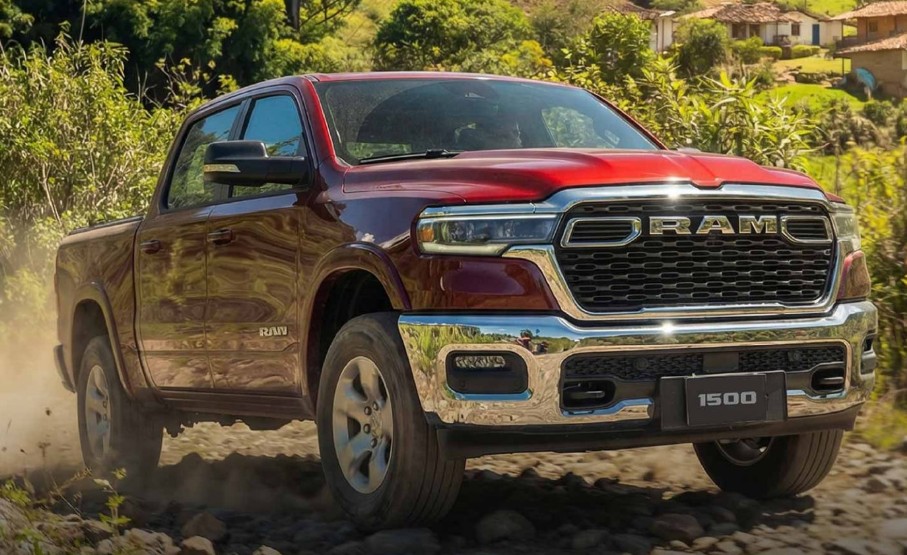
A Ram 1500 12V outlet not working can turn a small convenience into a surprisingly annoying problem. One minute we're charging a phone, powering a GPS, running a dash camera, or plugging in a portable compressor. The next minute? Nothing. No power, no charging symbol, no obvious explanation.
Fortunately, a dead 12-volt outlet usually doesn't mean our Ram has developed a serious electrical problem. In many cases, the cause is something fairly ordinary: a blown fuse, a poorly seated accessory plug, dirt inside the socket, an overloaded circuit, or an outlet that's only energized under certain ignition conditions.
The tricky part is that Ram 1500 outlet layouts and fuse assignments vary by generation and model year. A 2016 Ram 1500 Classic doesn't necessarily use the same fuse locations or outlet behavior as a 2024 or 2025 fifth-generation Ram 1500. Ram's official documentation confirms these differences, so blindly replacing a fuse based on a random diagram from another year isn't a great strategy.
Let's work through the problem logically and figure out why that stubborn outlet has gone silent.
Content in this publication
- How the Ram 1500 12V Power Outlet Works
- Why Is My Ram 1500 12V Outlet Not Working?
- Start With the Device You're Plugging In
- Check Whether the Outlet Requires the Ignition
- Check the Ram 1500 Power Outlet Fuse
- Where Is the Ram 1500 12V Outlet Fuse?
- How to Check a Blown Fuse
- Replace the Fuse With the Correct Amperage
- Inspect the 12V Socket Itself
- Clean a Dirty Ram 1500 Power Outlet
- Check for a Loose Accessory Plug
- Test the Outlet With a Multimeter
- What If the Outlet Has Power but Won't Run a Device?
- Could a Bad Ground Cause the 12V Outlet to Stop Working?
- Front Outlet Works but Rear Outlet Doesn't
- Rear Outlet Works but Front 12V Outlet Is Dead
- USB Ports Work but the Ram 1500 12V Outlet Doesn't
- 12V Outlet Works Intermittently While Driving
- Can a Power Inverter Blow the Ram 1500 12V Fuse?
- Why the Fuse Keeps Blowing When You Plug Something In
- The Ram 1500 Outlet May Have a Damaged Connector
- Could Aftermarket Accessories Cause the Problem?
- Ram 1500 Classic vs Newer Ram 1500 Outlet Differences
- A Simple Ram 1500 12V Outlet Diagnostic Order
- When Should We Replace the 12V Outlet?
- How Much Does a Ram 1500 12V Outlet Repair Cost?
- Can We Keep Driving With a Broken 12V Outlet?
- How to Prevent Future 12V Outlet Problems
- When It's Time to Call a Technician
- Final Thoughts on a Ram 1500 12V Outlet Not Working
- Frequently Asked Questions
How the Ram 1500 12V Power Outlet Works
A 12V accessory outlet is basically a controlled connection to the truck's electrical system. Power travels from the battery through wiring and circuit protection before reaching the outlet.
Think of it like water traveling through a pipe. The battery supplies the pressure, the wires are the pipe, and the fuse acts like a safety valve. If something pulls too much electrical current, the fuse sacrifices itself before the wiring overheats.
On some newer Ram 1500 configurations, the 12V outlet is rated for 13 amps, according to Ram's official owner documentation.
That means the outlet is designed primarily for smaller accessories rather than high-demand equipment.
Typical devices include:
- Phone chargers
- GPS units
- Dash cameras
- Radar detectors
- Small portable coolers
- Tire inflators within the outlet's rating
- USB adapters
- Low-power accessories
Problems tend to appear when we ask the circuit to do more than it was designed to handle.
Why Is My Ram 1500 12V Outlet Not Working?
There isn't one universal culprit. However, most cases fall into a relatively small group of problems.
The most common causes are:
- A blown outlet fuse
- The ignition being in the wrong position
- A defective accessory or charger
- Poor contact between the plug and socket
- Debris or corrosion inside the outlet
- A damaged 12V socket
- Loose electrical connections
- Damaged wiring
- Excessive accessory power consumption
- An electrical module or circuit fault
Rather than pulling the dashboard apart immediately, we should start with the simplest possibilities.
Start With the Device You're Plugging In
Before blaming the Ram, test the accessory.
This sounds almost too obvious, yet phone chargers and inexpensive 12V adapters fail constantly. A charger can look perfectly normal while its internal electronics have already given up.
Plug the same accessory into another known-working vehicle outlet.
If it doesn't work there either, congratulations—we've probably solved the mystery without touching a single fuse.
Alternatively, plug a different known-working device into the Ram's outlet.
If the replacement device works normally, the truck's outlet is probably fine.
Don't Forget the Accessory's Own Fuse
Some 12V plugs contain a tiny fuse inside the plug itself.
Usually, the threaded tip unscrews and reveals a small glass or ceramic fuse. If that fuse fails, the accessory will appear completely dead even though the truck's outlet is supplying power.
This is especially common with:
- Portable air compressors
- Automotive refrigerators
- Power inverters
- Older GPS units
- Heated accessories
Testing another device is therefore our quickest diagnostic shortcut.
Check Whether the Outlet Requires the Ignition
Another common misunderstanding involves switched versus constant power.
Some outlets receive battery power continuously. Others operate only when the ignition is in ACC or RUN. Certain Ram circuits can also be configured differently depending on the model year and fuse arrangement.
For example, Ram documentation for some previous-generation trucks identifies separate or configurable battery-fed and ignition-fed power outlet positions.
So if an outlet isn't working with the engine off, turn the ignition to ACC or RUN and test it again.
Try These Three Conditions
Test the outlet with:
- The truck completely off.
- The ignition in accessory mode.
- The engine running.
If the outlet suddenly works in one of those states, nothing may actually be broken.
That's simply how that particular circuit is configured.
Check the Ram 1500 Power Outlet Fuse
If none of the connected devices work, the fuse becomes our prime suspect.
A fuse is designed to fail when current exceeds a safe level. Instead of letting wiring turn into a toaster element behind the dashboard, the tiny fuse breaks the circuit.
That's a trade we'd happily make.
Why 12V Outlet Fuses Blow
Common reasons include:
- A faulty charger
- A shorted plug
- Metal objects entering the socket
- Using an oversized power inverter
- A compressor drawing too much current
- Multiple devices connected through a splitter
- Damaged outlet wiring
Sometimes the failure happens instantly.
We plug something in, hear nothing, see nothing—and suddenly the outlet stops working.
That's classic blown-fuse behavior.
Where Is the Ram 1500 12V Outlet Fuse?
This is where we need to be careful.
There is no single fuse number that applies to every Ram 1500.
Ram has changed fuse layouts across generations and model years.
For example, official Ram documentation for a 2016 truck lists several power outlet circuits including F90/F91, F104, and F93 depending on outlet location and configuration.
By contrast, the 2020 Ram 1500 documentation identifies different power-outlet fuse assignments, including F54 and F48 depending on the circuit.
That's why searching for "Ram 1500 cigarette lighter fuse" and replacing whatever fuse number appears first on the internet can send us down the wrong rabbit hole.
Use the Fuse Diagram for Your Exact Year
The safest approach is:
- Confirm the model year.
- Determine whether the truck is a Ram 1500 Classic/DS or newer-generation DT where applicable.
- Locate the fuse panel.
- Read the fuse legend or owner's manual.
- Find the circuit labeled power outlet, accessory outlet, cigar lighter, or similar wording.
- Remove and inspect the specified fuse.
Never assume another year's diagram is identical.
How to Check a Blown Fuse
Once we've identified the correct fuse, remove it with a fuse puller or suitable plastic tool.
Look through the transparent housing.
Inside, we should see a small metal strip connecting both terminals.
If that strip is broken or melted, the fuse has blown.
However, visual inspection isn't perfect.
A fuse can sometimes fail in a way that's difficult to see.
Use a Multimeter for a Better Test
Set a multimeter to continuity mode.
Touch one probe to each fuse terminal.
A healthy fuse should show continuity.
A blown fuse won't.
A test light can also be useful when checking whether voltage reaches both sides of a fuse while the circuit is energized.
Replace the Fuse With the Correct Amperage
Never install a higher-amperage fuse simply because the correct one keeps blowing.
That's like replacing a smoke detector because it keeps warning us about smoke.
The fuse isn't the real problem.
It's reporting the problem.
If the circuit requires a 20-amp fuse, use the specified 20-amp fuse. If the owner's manual specifies another rating, use exactly that rating.
What If the New Fuse Blows Immediately?
Stop replacing fuses.
Repeated failures typically indicate:
- A short circuit
- A damaged accessory
- A damaged socket
- Pinched wiring
- Moisture intrusion
- Another electrical fault
Disconnect every accessory from the outlet and install the correct fuse once more.
If it still blows with nothing plugged in, the truck's circuit needs further diagnosis.
Inspect the 12V Socket Itself
The outlet may look like an empty metal cylinder, but several important electrical contacts sit inside it.
The center contact supplies positive voltage while the surrounding metal shell provides ground.
A charger needs solid contact with both.
Anything that interferes with those connections can make the outlet appear dead.
Look Inside With a Flashlight
Check for:
- Coins
- Dirt
- Food debris
- Broken charger pieces
- Corrosion
- Bent contacts
- Burn marks
- Melted plastic
- Foreign metal objects
We've seen outlets become tiny junk drawers without anyone noticing.
A penny or metallic fragment inside the socket is especially problematic because it can short positive voltage directly to ground.
Disconnect Power Before Removing Metal Objects
Don't casually poke metal tweezers or a screwdriver into a powered outlet.
That's practically an invitation to blow another fuse.
Remove the appropriate fuse or disconnect power according to proper service procedures before extracting conductive debris.
Clean a Dirty Ram 1500 Power Outlet
Light dust can usually be removed carefully with compressed air.
If corrosion is present, electrical contact cleaner may help when used appropriately and allowed to dry completely.
Avoid filling the socket with household cleaning chemicals.
We're dealing with an electrical connection, not cleaning a coffee mug.
Heavy green or white corrosion may indicate moisture exposure, in which case replacing the outlet can make more sense than endlessly cleaning it.
Check for a Loose Accessory Plug
Sometimes the outlet technically works but doesn't hold certain plugs tightly enough.
That produces symptoms such as:
- Phone charging intermittently
- Accessory cutting out over bumps
- Charger working only when twisted
- Power disappearing unless the plug is pushed sideways
- Device repeatedly connecting and disconnecting
Try another plug.
If several plugs all feel unusually loose, the outlet's internal contacts may have worn or bent.
A Worn Socket Can Mimic an Electrical Failure
Push the accessory plug in firmly without forcing it.
Rotate it slightly.
If power flickers on and off, we've found an important clue.
The problem is probably mechanical contact rather than a fuse.
Replacing the socket may be the permanent solution.
Test the Outlet With a Multimeter
When the fuse is good but the outlet remains dead, voltage testing becomes extremely useful.
Set the multimeter to DC voltage.
A healthy automotive electrical system will generally place roughly battery voltage at the outlet when the circuit is active.
Place the positive probe carefully on the outlet's center contact and the negative probe against the outer ground surface.
What the Results Tell Us
If we measure voltage but the accessory doesn't work, investigate:
- Poor plug fit
- Corroded contacts
- Accessory failure
- Weak connection that collapses under load
If we measure no voltage, investigate:
- Fuse
- Ignition state
- Wiring
- Connector
- Control circuit
- Power distribution issue
A multimeter turns guesswork into evidence.
What If the Outlet Has Power but Won't Run a Device?
Here's an interesting scenario.
Suppose the multimeter shows approximately 12 volts, but the compressor or cooler refuses to operate.
That doesn't necessarily mean everything is okay.
A damaged or corroded connection can show full voltage with no load but fail the moment a device demands meaningful current.
Think of a garden hose with a severe kink. With the nozzle closed, pressure looks fine. Open it, and suddenly there's barely any flow.
The electrical equivalent is voltage drop.
Perform a Loaded Voltage Test
Connect the accessory and monitor voltage.
If the voltage collapses dramatically when the device attempts to operate, investigate resistance in:
- Fuse terminals
- Connectors
- Ground points
- Outlet contacts
- Wiring
This is where professional electrical diagnosis can save considerable time.
Could a Bad Ground Cause the 12V Outlet to Stop Working?
Absolutely.
Electrical current needs a complete path.
If the positive side is perfect but the ground connection is loose or corroded, the circuit can't function properly.
Possible symptoms include:
- Completely dead outlet
- Intermittent operation
- Device resets
- Low measured voltage under load
- Excessive heat at a connector
A technician may perform voltage-drop testing between the socket ground and battery negative to determine whether resistance exists in the ground path.
Front Outlet Works but Rear Outlet Doesn't
If one Ram 1500 outlet works while another doesn't, that's actually helpful information.
It tells us the truck's broader charging system and battery are probably not the immediate problem.
Individual outlets may use separate circuits or fuses depending on generation and equipment.
Older Ram documentation explicitly shows multiple fuse positions for different power outlets.
Therefore, don't assume every cabin outlet lives on the same fuse.
Check the documentation for the specific outlet that failed.
Rear Outlet Works but Front 12V Outlet Is Dead
The same logic applies in reverse.
A working rear outlet indicates that at least part of the accessory-power system is functioning.
Focus diagnosis on the front circuit.
Check:
- Front outlet fuse
- Socket condition
- Wiring connector
- Ignition-feed configuration
- Ground
- Center contact
This is faster than treating the entire truck as electrically defective.
USB Ports Work but the Ram 1500 12V Outlet Doesn't
USB ports and 12V outlets shouldn't automatically be treated as one circuit.
They're different electrical systems even if they're physically located next to each other.
So yes, the USB port may charge your phone perfectly while the adjacent 12V socket sits there doing its best impression of a decorative cup holder.
A functioning USB port doesn't prove the 12V outlet fuse is good.
Test the outlet independently.
12V Outlet Works Intermittently While Driving
Intermittent failures are often harder to diagnose than completely dead circuits.
Look for patterns.
Does it stop working when:
- Driving over bumps?
- Moving the charger?
- Turning the plug?
- Using another electrical accessory?
- Starting the engine?
- Opening or closing the console?
Movement-related failures strongly suggest a loose connection.
Heat-related failures can suggest poor contacts or overloaded accessories.
Watch for Heat
Touch the plastic portion of the plug after it has operated for a while.
Warm is one thing.
Painfully hot is another.
Excessive heat can indicate resistance or excessive current.
Stop using the accessory until the cause is identified.
Can a Power Inverter Blow the Ram 1500 12V Fuse?
Yes—and this deserves attention.
A plug-in inverter converts 12V DC into household-style AC power.
But energy doesn't magically appear during that conversion.
A 150-watt inverter operating near capacity can demand substantial current from a 12V circuit.
Push beyond the outlet's rating and the fuse may open.
Ram's 2024 documentation, for example, describes its 12V outlet as a 13-amp circuit.
That doesn't mean every Ram 1500 year has that exact specification, but it illustrates why checking the manual before powering high-demand accessories matters.
High-Power Equipment Needs the Right Power Source
Avoid using a standard 12V outlet for equipment that exceeds its circuit rating.
For higher loads, appropriately installed battery connections or factory power systems may be required.
Some newer Ram configurations offer factory AC inverter systems, which are separate from the ordinary 12V accessory socket. Current Ram 1500 models can also offer 120V power solutions depending on equipment.
Don't confuse the ratings of those AC inverter outlets with the rating of the 12V socket.
Why the Fuse Keeps Blowing When You Plug Something In
If the outlet works until one particular device is connected, the accessory becomes the leading suspect.
Try this diagnostic sequence:
- Remove all accessories.
- Replace the fuse with the correct rating.
- Confirm that the outlet works.
- Connect accessories one at a time.
- Watch which device causes the failure.
If plugging in one compressor immediately blows the fuse, we've probably found the offender.
The compressor could be defective or simply demand more current than the circuit permits.
The Ram 1500 Outlet May Have a Damaged Connector
Behind the socket sits an electrical connector.
Repeated plugging, vibration, interior repairs, spilled drinks, or previous accessory installations can contribute to connector problems.
A loose connector may create intermittent contact.
A partially melted connector is more serious.
Signs of Connector Damage
Watch for:
- Brown or black plastic
- Melted terminals
- Burning smell
- Loose socket
- Outlet becoming extremely hot
- Discoloration
- Intermittent power
Heat damage deserves prompt attention because electrical resistance generates additional heat, creating a nasty feedback loop.
Could Aftermarket Accessories Cause the Problem?
Absolutely.
Aftermarket electrical modifications can create headaches months or even years after installation.
Examples include:
- Dash cams
- Remote starters
- Trailer electronics
- Stereos
- Auxiliary lighting
- Phone charging systems
- Radar detectors
- GPS trackers
A poorly executed installation may tap into an accessory circuit or ground point.
If your 12V outlet stopped working shortly after aftermarket electrical work, that's worth investigating.
Correlation isn't always causation—but it's a pretty loud clue.
Ram 1500 Classic vs Newer Ram 1500 Outlet Differences
Ram's model naming can make online troubleshooting confusing.
The previous-generation truck continued for several years as the Ram 1500 Classic, while newer fifth-generation Ram 1500 models use a different electrical architecture.
This matters when searching fuse diagrams.
A fuse diagram labeled simply "2020 Ram 1500," for example, isn't useful unless we know which truck configuration it actually applies to.
Always Identify the Truck First
Before electrical troubleshooting, note:
- Model year
- Ram 1500 or Ram 1500 Classic
- Engine
- Trim
- Cab configuration
- Outlet location
Then use the owner's manual or proper service information for that exact vehicle.
It saves us from chasing ghosts.
A Simple Ram 1500 12V Outlet Diagnostic Order
We don't need to test everything randomly.
Use this order:
- Test another accessory.
- Try the outlet with the ignition on.
- Check the correct fuse.
- Inspect the outlet for debris or damage.
- Check plug fit.
- Measure voltage at the outlet.
- Test voltage under load if necessary.
- Inspect wiring and connectors.
- Check the ground circuit.
- Escalate to professional diagnosis if the fault remains.
That progression goes from easy and inexpensive to more technical.
It's the automotive version of checking whether the TV is plugged in before dismantling the television.
When Should We Replace the 12V Outlet?
Replacement makes sense when the socket itself has failed mechanically or electrically.
Common reasons include:
- Corrosion
- Burned contacts
- Loose center terminal
- Damaged housing
- Melted connector
- Plug no longer fits securely
- Outlet receives proper wiring power but doesn't transfer it reliably
Replacing the socket is often relatively straightforward, but dashboard or console disassembly varies considerably by generation.
If trim removal is required, use appropriate trim tools and service instructions to avoid breaking clips or scratching panels.
How Much Does a Ram 1500 12V Outlet Repair Cost?
Cost depends heavily on the cause.
A blown fuse is obviously inexpensive.
A replacement socket is also generally a modest repair compared with major vehicle electrical components.
Labor becomes the bigger factor when technicians must remove interior trim or trace a wiring fault through the harness.
In other words, the difference between "bad fuse" and "damaged wire hidden behind the dashboard" is the difference between a puddle and a swimming pool.
Proper diagnosis matters before buying parts.
Can We Keep Driving With a Broken 12V Outlet?
If the outlet simply doesn't work and there are no other symptoms, the truck itself will usually remain driveable.
However, investigate sooner if you notice:
- Burning smell
- Smoke
- Melted plastic
- Repeated blown fuses
- Other electrical equipment failing
- Battery draining overnight
- Hot wiring or outlet
- Dashboard electrical warnings
Those symptoms point toward a wider electrical concern.
A dead charger outlet is inconvenient.
An overheating electrical circuit is something else entirely.
How to Prevent Future 12V Outlet Problems
A little restraint goes a long way.
Avoid pushing questionable accessories into the socket just because the plug physically fits.
Good Habits Include
- Check accessory power requirements before connecting them.
- Avoid cheap damaged chargers.
- Don't exceed the outlet's specified current rating.
- Keep coins and metal objects away from the socket.
- Remove defective plugs immediately.
- Avoid loose multi-outlet splitters.
- Keep liquids away from console outlets.
- Investigate plugs that become unusually hot.
- Replace fuses only with the specified rating.
Electrical systems reward boring behavior.
That's a compliment.
When It's Time to Call a Technician
Most simple outlet failures can be diagnosed fairly quickly.
But professional help makes sense when:
- The correct fuse repeatedly blows.
- There is no voltage at the fuse.
- Wiring is damaged.
- The connector is melted.
- Multiple unrelated electrical systems fail.
- The battery drains unexpectedly.
- The outlet overheats.
- A control module issue is suspected.
- Previous aftermarket wiring complicates the circuit.
A technician with a wiring diagram and multimeter can follow the circuit instead of throwing parts at the truck.
That's usually cheaper than electrical roulette.
Final Thoughts on a Ram 1500 12V Outlet Not Working
When we find a Ram 1500 12V outlet not working, our first instinct might be to assume something complicated has gone wrong.
Usually, we shouldn't.
Start small.
Test the charger. Turn the ignition on. Inspect the socket. Find the correct fuse for the exact model year. Then move toward voltage testing, connectors, grounds, and wiring only if the simple checks don't solve the problem.
The biggest mistake is assuming every Ram 1500 uses the same fuse number. It doesn't. Official Ram manuals show different outlet fuse arrangements across generations, so year-specific documentation should always win over generic internet diagrams.
In many cases, the problem turns out to be something mundane—a five-minute fuse replacement or a charger that quietly died.
And that's good news.
Electrical troubleshooting doesn't always have to feel like chasing lightning through a maze.
Frequently Asked Questions
1. What fuse controls the Ram 1500 12V outlet?
The fuse number depends on the model year, generation, and outlet location. For example, official Ram documentation shows different fuse assignments for 2016 and 2020 models. Check the owner's manual or fuse legend for your exact truck rather than relying on a universal fuse number.
2. Why does my Ram 1500 cigarette lighter have no power?
The most common causes include a blown fuse, ignition-switched outlet configuration, defective charger, dirty socket, damaged contacts, loose wiring, or a poor ground. Start by testing another accessory and then inspect the correct fuse.
3. Why does my Ram 1500 12V outlet work only when the engine is on?
Some power outlets operate through an ignition-fed circuit rather than receiving constant battery power. Depending on the model year and configuration, this may be normal rather than a malfunction. Older Ram documentation even identifies battery-fed and ignition-fed outlet configurations.
4. Why does my Ram 1500 power outlet fuse keep blowing?
A repeatedly blown fuse usually indicates excessive current draw or a short circuit. Possible causes include a defective accessory, overloaded inverter, metal object inside the socket, damaged outlet, or wiring fault. Never solve the problem by installing a higher-rated fuse.
5. Can I plug a power inverter into my Ram 1500 12V outlet?
A small inverter may work if its current demand remains within the outlet's specified rating. Larger inverters can overload the circuit and blow the fuse. Check the owner's manual for the outlet rating before connecting high-demand devices. Newer Ram models may also offer separate factory AC inverter outlets that should not be confused with the standard 12V accessory socket.
If you want to know other articles similar to Ram 1500 12V Outlet Not Working: Causes, Diagnosis, and Fixes you can visit the category Common Problems.
Volvo XC40 Sound Not Working? Complete Troubleshooting Guide

Mazda Diesel Engine Problems: Common Faults and Fixes
Volkswagen Key Not Detected or No Key Error: Causes and Fixes

Volvo S90 Common Problems: Reliability & Repair Guide
Volvo S90 No Sound: Causes, Fixes and Solutions

Nissan Rogue Smells Like Gas: Causes and Fixes
Leave a Reply
More content of your interest