

Problems With Hyundai Veloster: Common Issues, Warning Signs, and What Owners Should Know

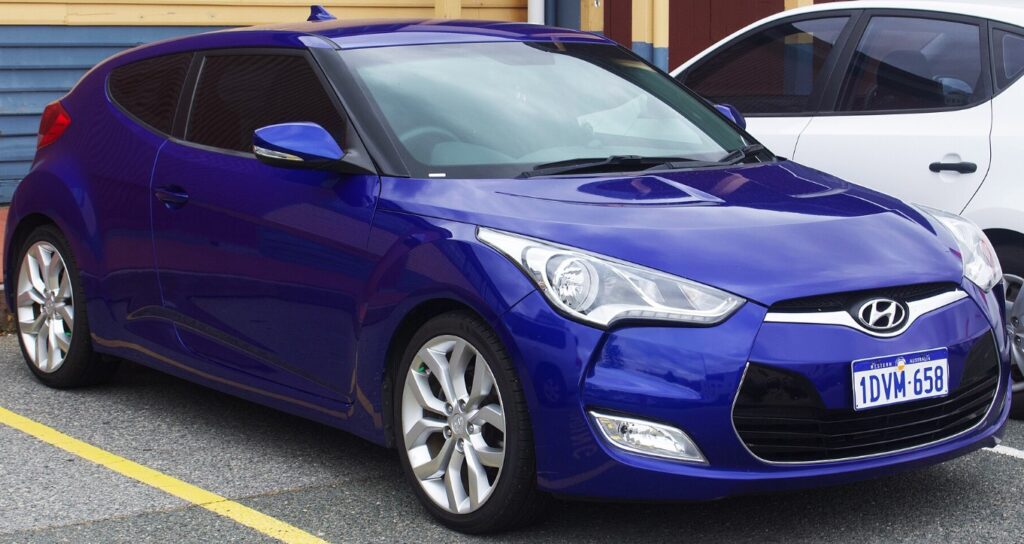
The Hyundai Veloster has never been an ordinary hatchback. With its unusual three-door layout, coupe-like roofline, affordable performance, and available turbocharged engines, it has always had a little rebel energy. It looks as though Hyundai took a practical hatchback, handed it an espresso, and told the designers to have some fun.
But distinctive styling doesn't automatically mean trouble-free ownership.
When we're researching problems with Hyundai Veloster models, we'll quickly discover that reliability depends heavily on the model year, engine, transmission, maintenance history, and how the previous owner treated the car. A carefully maintained Veloster can be an entertaining daily driver. A neglected turbo model, however, can turn into a considerably more expensive adventure.
Owner-complaint data has historically placed engine problems among the most significant Veloster trouble areas, particularly in some earlier first-generation cars. The 2013 model attracts notably more complaints than many later years.
So, what should we actually worry about?
In this guide, we'll examine the most commonly discussed Hyundai Veloster problems, their warning signs, which model years deserve extra inspection, and how we can reduce the risk when buying one used.
Content in this publication
- Are Hyundai Velosters Problematic Cars?
- 1. Hyundai Veloster Engine Problems
- 2. Problems With the 2013 Hyundai Veloster Turbo
- 3. Oil Consumption Problems
- 4. Hyundai Veloster Loss of Power
- 5. Limp Mode Issues
- 6. Hyundai Veloster Transmission Problems
- 7. Veloster Turbocharger Problems
- 8. Fuel-System Problems and High-Pressure Fuel Pumps
- 9. Electrical Problems
- 10. Infotainment and Speaker Problems
- 11. ABS Module Fire Recall
- 12. Steering and Suspension Problems
- 13. Brake Problems
- 14. Exhaust and Catalytic Converter Concerns
- 15. Hyundai Veloster Starting Problems
- 16. Check Engine Light Problems
- 17. Excessive Vibration or Rough Idle
- 18. Carbon Buildup in Direct-Injection Engines
- 19. Door, Hatch, and Interior Wear
- 20. Which Hyundai Veloster Years Have the Most Problems?
- 21. Warning Signs We Should Never Ignore
- 22. How to Avoid Buying a Problematic Veloster
- 23. How to Make a Hyundai Veloster Last Longer
- 24. Is the Hyundai Veloster Expensive to Repair?
- 25. Is a Used Hyundai Veloster Worth Buying?
- Conclusion: Should Problems With Hyundai Veloster Models Worry Us?
- Frequently Asked Questions
Are Hyundai Velosters Problematic Cars?
Not necessarily.
That's an important distinction because online reliability research can make almost any vehicle sound terrifying. Search for a model followed by the word "problems," and within five minutes we'll probably wonder how any example managed to leave the factory.
The Veloster's reliability record is mixed rather than universally poor.
Later vehicles generally benefit from improvements made during the model's production run, while several earlier examples have generated more complaints involving engines, drivetrain behavior, electronics, and other components.
Independent complaint data identifies the 2013 Hyundai Veloster as the model year with the greatest number of reported problems, with engine-related complaints standing out as an important category.
That doesn't mean every 2013 Veloster will fail. It simply gives used-car buyers a reason to inspect those examples more carefully.
The Biggest Factor Is Which Veloster We're Buying
There isn't really one universal Veloster ownership experience.
A naturally aspirated first-generation Veloster driven gently for 70,000 miles is a very different proposition from a modified Veloster Turbo that has spent its weekends bouncing off the rev limiter.
Likewise, second-generation cars differ considerably from early first-generation models.
When evaluating one, we should therefore look beyond the badge and consider the exact engine, transmission, year, mileage, modifications, service records, and recall history.
1. Hyundai Veloster Engine Problems
Engine trouble is probably the issue that deserves the most attention when researching a used Veloster.
Owner complaint databases have historically identified the engine as the model's most problematic overall category, with 2012, 2013, and 2016 appearing prominently among years associated with engine complaints.
Problems reported by owners can include knocking noises, hesitation, power loss, oil consumption, rough running, and, in severe situations, internal engine damage.
Engine Knocking and Unusual Noises
A healthy Veloster engine shouldn't sound like someone shaking loose bolts inside a coffee tin.
Knocking, tapping, or metallic sounds deserve immediate attention.
Some noises can come from relatively minor causes, but persistent knocking—especially when combined with low oil pressure, reduced power, excessive oil consumption, or warning lights—may indicate a much more serious internal problem.
For used-car shoppers, the smartest strategy is simple: listen to the engine when it is completely cold.
A seller who has warmed the car before we arrive may unintentionally—or intentionally—hide startup noises.
Don't Ignore Changes in Engine Sound
A Veloster that suddenly sounds different is communicating with us.
Check the oil level first. Then investigate rather than assuming the noise is just part of the car's personality.
Engine problems rarely become cheaper because we waited.
2. Problems With the 2013 Hyundai Veloster Turbo
The 2013 Veloster Turbo deserves a section of its own.
Hyundai issued a U.S. safety recall affecting certain 2013 Veloster models equipped with the 1.6-liter turbocharged engine. According to NHTSA documentation, engine-management software could allow premature ignition of the air-fuel mixture. Excessive cylinder pressure could eventually cause engine damage, potentially resulting in stalling or, in limited circumstances, fire.
Hyundai's remedy involved updating the engine control software on affected vehicles.
This doesn't mean we should automatically reject every 2013 Turbo. It does mean checking the VIN and verifying completed recall work should be near the top of our inspection checklist.
What Is Pre-Ignition?
Think of normal combustion like dancers following music. Everything happens at precisely the right moment.
Pre-ignition is more like someone jumping onto the dance floor before the song begins.
The air-fuel mixture ignites too early, creating unusually high cylinder pressure. Repeated severe pre-ignition can damage engine components.
That's one reason unexplained knocking should never be dismissed.
3. Oil Consumption Problems
Oil consumption is another issue worth watching closely.
All internal-combustion engines consume some oil, but there's a difference between normal consumption and constantly needing to top off the crankcase.
Certain later Velosters also became subject to an engine-related recall. NHTSA documentation for some 2019-2021 Velosters equipped with the 2.0-liter Nu MPI engine described improperly treated piston oil rings that could chip, damage cylinder walls, increase oil consumption, produce knocking, reduce power, and potentially contribute to engine failure.
That provides us with a useful lesson: don't assume that newer automatically means immune from engine concerns.
How We Can Spot Excessive Oil Consumption
Before buying a used Veloster, check the oil level and condition.
Ask the owner whether oil needs to be added between scheduled changes. Look for maintenance records and inspect the exhaust after startup and acceleration.
A consistently dropping oil level deserves investigation.
Running Low on Oil Can Create Bigger Problems
The oil itself isn't particularly expensive.
The components depending on it certainly are.
Driving repeatedly with insufficient oil can accelerate engine wear and potentially turn a manageable consumption issue into serious internal damage.
4. Hyundai Veloster Loss of Power
Another complaint some Veloster drivers describe is hesitation or unexpected loss of power.
CarComplaints, for example, lists power loss among significant owner-reported issues for certain earlier model years and shows acceleration hesitation among complaints associated with the 2016 model.
Possible causes can range widely.
Airflow sensors, ignition components, fuel-delivery problems, turbocharger-related faults, transmission behavior, electronic controls, and internal engine issues can all produce similar symptoms.
That's why guessing by symptom alone can become expensive.
Hesitation During Acceleration
During a test drive, accelerate gradually from low speeds and then perform a stronger acceleration test when conditions safely allow.
The engine should respond consistently.
If we press the accelerator and get a dramatic pause before anything happens, something deserves closer examination.
Turbocharged cars naturally have some differences in power delivery, but persistent stumbling, surging, or hesitation isn't something we'd accept as "normal turbo lag."
5. Limp Mode Issues
Some Veloster owners report situations where the vehicle enters reduced-power or "limp" mode.
Limp mode is essentially the vehicle protecting itself.
When the engine or transmission computer detects a potentially serious abnormal condition, it can restrict performance so we can avoid making the problem worse.
It's frustrating, but think of it as the car waving a giant mechanical white flag.
If limp mode occurs, reading stored diagnostic codes is much more useful than repeatedly restarting the car and hoping the problem disappears.
6. Hyundai Veloster Transmission Problems
Transmission behavior is another area buyers should evaluate carefully.
The Veloster has been sold with several transmission configurations depending on year and powertrain, including manual and dual-clutch transmissions.
Dual-clutch transmissions deserve special consideration because they don't always behave like conventional torque-converter automatics.
Dual-Clutch Transmission Hesitation
A DCT uses computer-controlled clutches.
At very low speeds, especially while creeping through traffic or maneuvering into parking spaces, some clutch engagement sensation can be normal. However, severe shuddering, slipping, delayed engagement, repeated jerking, or failure to select a gear isn't something we should simply explain away as "that's how DCTs work."
The difference between characteristic behavior and an actual defect can sometimes be subtle, which makes an experienced Hyundai technician particularly useful during a pre-purchase inspection.
Manual Transmission Concerns
Manual Velosters are mechanically simpler in some respects, but the clutch becomes an important wear item.
A performance-oriented car may have experienced aggressive launches or poor shifting technique.
Watch for a high clutch engagement point, slipping under hard acceleration, difficulty selecting gears, grinding, or unusual noises.
A beautiful steering wheel and polished paint won't compensate for a clutch that's already waving goodbye.
7. Veloster Turbocharger Problems
The turbocharger is one of the reasons the Veloster Turbo is so much fun.
It is also another component that deserves attention.
Turbocharger longevity depends heavily on lubrication, oil quality, operating temperatures, maintenance habits, and whether the vehicle has been modified.
A neglected turbo engine may exhibit reduced boost, unusual whining, smoke, oil leaks, or inconsistent acceleration.
Modified Velosters Need Extra Inspection
There is nothing inherently wrong with modifying a Veloster.
The problem is that we don't always know who performed the modifications or how the car was driven afterward.
Aftermarket tunes, intake systems, exhaust changes, boost modifications, or other performance parts can alter engine stress and calibration.
If we're shopping for maximum reliability, a mechanically stock vehicle with complete service records is usually the safer bet.
8. Fuel-System Problems and High-Pressure Fuel Pumps
Fuel-delivery problems can produce hesitation, hard starting, poor acceleration, warning lights, or reduced power.
The high-performance Veloster N deserves particular attention here.
A U.S. safety recall announced for certain 2019-2022 Veloster N vehicles addressed high-pressure fuel-pump assemblies. Hyundai documentation stated that wear involving the fuel-control valve could affect fuel delivery, and the remedy included an ECU update and inspection or repair procedures where applicable.
If we're considering a used Veloster N from those years, checking the VIN for recall completion is essential.
9. Electrical Problems
Modern cars depend on networks of sensors, modules, switches, and wiring.
The Veloster is no exception.
Electrical complaints can involve seemingly unrelated systems: warning lights, infotainment behavior, starting problems, switches, lighting, sensors, or intermittent faults.
These issues can be annoying because intermittent electrical failures have a habit of disappearing the moment a mechanic looks at them.
Then they reappear Tuesday morning when we're already late for work.
Battery and Charging-System Symptoms
A weak battery can imitate more complicated electrical problems.
Before assuming an expensive module has failed, technicians usually want to verify battery condition, charging voltage, grounds, connections, and stored fault codes.
A declining battery can cause sluggish starting, warning messages, electronic glitches, and unpredictable behavior.
10. Infotainment and Speaker Problems
Not every Veloster issue threatens the engine.
Some are simply irritating.
Owners of earlier models have reported audio and speaker-related complaints, with CarComplaints identifying poor speakers as a frequently reported complaint for the 2013 model year.
Distorted speakers aren't exactly catastrophic, but they matter when evaluating an older used vehicle because replacing several interior electronics or audio components can gradually inflate ownership costs.
Test everything before purchasing: touchscreen, Bluetooth, speakers, USB inputs, steering-wheel controls, backup camera, and climate controls.
11. ABS Module Fire Recall
One particularly important safety issue involves the anti-lock braking system.
In 2023, Hyundai recalled numerous vehicles, including certain 2012-2015 Hyundai Velosters, because the ABS module could internally leak brake fluid and create an electrical short. NHTSA stated that this condition could increase the risk of an engine-compartment fire while the vehicle was parked or being driven.
This is not the sort of recall we'd file under "I'll eventually get around to it."
Recall work should be checked by VIN because recall applicability depends on the individual vehicle.
NHTSA specifically recommends using the VIN to determine whether a vehicle has outstanding safety recalls.
12. Steering and Suspension Problems
The Veloster's sporty setup is part of its appeal, but worn suspension components can make an older example feel dramatically less polished.
Clunks, rattles, uneven tire wear, loose steering, vibration, or wandering can point toward worn suspension or steering components.
Road conditions matter too.
A Veloster that has spent years navigating pothole-filled streets may age differently from one driven primarily on smooth highways.
Listen During Low-Speed Driving
Turn off the stereo during the test drive.
Drive slowly over uneven pavement and listen.
Small knocks from the suspension are much easier to hear at neighborhood speeds than with music playing and the engine singing at 4,000 rpm.
Also make several low-speed steering maneuvers and listen for clicking, grinding, or knocking.
13. Brake Problems
Brake problems shouldn't automatically be considered a Veloster design flaw.
Pads and rotors are wear items on every vehicle.
However, driving style matters enormously. Sporty hatchbacks tend to invite enthusiastic driving, and enthusiastic driving consumes brakes faster than calm highway commuting.
Check for steering-wheel vibration while braking, grinding noises, excessive pedal travel, uneven braking, and severely worn rotors.
Remember, too, that ABS warning lights are different from ordinary brake-pad wear and should be diagnosed properly.
14. Exhaust and Catalytic Converter Concerns
As Velosters age, exhaust components can become another maintenance consideration.
A rattling exhaust, check-engine light, unusual smell, loud exhaust note, or poor performance may indicate problems somewhere in the exhaust or emissions system.
Turbocharged models deserve inspection around exhaust connections and turbo-related hardware because heat cycling is substantial.
If the car has an aftermarket exhaust, determine whether the modification was done professionally.
Cheap exhaust work often looks fine from ten feet away and rather more creative once we're underneath the car.
15. Hyundai Veloster Starting Problems
When a Veloster won't start, the battery is the obvious suspect—but not the only one.
Possible causes include the starter, charging system, key or immobilizer issues, fuel delivery, ignition components, sensors, wiring, or electronic controls.
We can learn a lot from the way the vehicle fails.
A car that doesn't crank presents a different diagnostic path from one that cranks strongly but refuses to fire.
Rather than repeatedly replacing parts, start with proper battery testing and diagnostic-code scanning.
16. Check Engine Light Problems
The check-engine light isn't a diagnosis.
It's an invitation to investigate.
A loose or emissions-related issue may trigger the same dashboard light that appears during a much more significant engine or fuel-system problem.
So we shouldn't judge severity based purely on whether the car appears to drive normally.
A diagnostic scanner can identify stored trouble codes, but the code still needs interpretation.
Replacing whichever component is mentioned in the code description without further testing is the automotive equivalent of prescribing medicine based only on a headache.
17. Excessive Vibration or Rough Idle
Some Veloster owners may experience rough idling or vibration as mileage accumulates.
Potential causes include ignition problems, worn engine mounts, intake leaks, fuel-system issues, carbon buildup, or internal engine problems.
Turbocharged direct-injection engines can also develop maintenance concerns different from older naturally aspirated engines.
The important point is consistency.
A slight vibration we have experienced since buying the car may not indicate immediate disaster. A new vibration that suddenly appears, especially alongside warning lights or poor performance, deserves diagnosis.
18. Carbon Buildup in Direct-Injection Engines
Some Veloster engines use gasoline direct injection.
Direct injection allows precise fuel delivery, but it also changes how fuel interacts with intake valves.
In traditional port-injected engines, gasoline passing over the intake valves can provide a cleaning effect. Direct-injection engines inject fuel directly into the combustion chamber, meaning intake deposits can sometimes accumulate over time.
Symptoms of significant buildup may include rough idle, hesitation, reduced efficiency, or weakened performance.
Not every Veloster will experience severe buildup, but it's another reason maintenance history matters.
19. Door, Hatch, and Interior Wear
The Veloster's unusual door configuration makes it wonderfully distinctive.
It can also make body hardware worth checking carefully on an older car.
Test every exterior handle, lock, window, hatch release, interior switch, and seat adjustment.
Inspect the hatch struts as well. A heavy hatch that refuses to stay raised is both irritating and surprisingly effective at reminding us about gravity.
Interior rattles may also develop as the vehicle ages, especially in cars driven over rough roads or fitted with stiff suspension modifications.
20. Which Hyundai Veloster Years Have the Most Problems?
Based on owner-complaint patterns rather than a blanket declaration that any particular year is "bad," the earlier first-generation cars warrant closer scrutiny.
CarComplaints currently identifies the 2013 Veloster as its worst model year overall and highlights engine issues as the model's worst overall problem category. Its engine-specific data also identifies 2013, 2016, and 2012 among the years with comparatively notable engine complaints.
That should guide our inspection—not replace it.
A meticulously maintained older Veloster can easily be a better purchase than a newer example with missing oil-change history, questionable modifications, crash damage, and three warning lights covered with electrical tape.
Is the Second-Generation Veloster Better?
Second-generation models generally have fewer years of accumulated age and benefited from a substantial redesign.
However, they aren't completely issue-free.
For example, the recall affecting certain 2019-2021 2.0-liter cars concerned piston oil rings, while certain 2019-2022 Veloster N models were included in the high-pressure fuel-pump recall discussed earlier.
The lesson is simple: judge the individual vehicle and check its VIN.
21. Warning Signs We Should Never Ignore
When we own or inspect a Veloster, several symptoms deserve prompt attention:
- Persistent engine knocking, tapping, or metallic noises
- Rapidly falling engine-oil level
- Blue or excessive exhaust smoke
- Oil-pressure warning illumination
- Check-engine light combined with poor running
- Sudden power loss or repeated limp mode
- Severe hesitation when accelerating
- Transmission slipping, grinding, or refusing gears
- Burning smells or visible oil leakage
- Smoke from the engine compartment
- ABS or brake warning lights
- Unexplained overheating
- Hard starting or repeated stalling
- Strong vibration that suddenly appears
- Open manufacturer safety recalls
One isolated symptom doesn't tell us exactly which component has failed. It simply tells us the vehicle deserves diagnosis before we continue driving it normally.
22. How to Avoid Buying a Problematic Veloster
The best repair bill is often the one we never inherit from someone else.
When shopping used, service history matters more than polished wheels or a freshly detailed engine bay.
Ask for maintenance receipts. Verify oil-change intervals. Check the VIN for recalls. Inspect for modifications. Start the engine cold. Scan for diagnostic codes. Test every electronic feature. Drive the car at city and highway speeds.
Then have an independent mechanic inspect it.
Yes, that costs money.
But spending a modest amount before buying can prevent us from discovering a four-figure surprise three days afterward.
Pay Extra Attention to Modified Turbo Cars
A modified Veloster Turbo or Veloster N can be fantastic.
But modification introduces unknown variables.
Who installed the parts? What tune was used? Was premium fuel required? Was the engine repeatedly launched? Were maintenance intervals shortened appropriately?
Sometimes the owner has meticulous records and knows the car better than a dealership technician.
Other times, the maintenance history is essentially, "My friend knows cars."
We'd rather buy the first one.
23. How to Make a Hyundai Veloster Last Longer
Reliability isn't determined entirely at the factory.
Owners play a huge role.
Keep the engine oil at the correct level, use the proper specification recommended for the vehicle, follow appropriate service intervals, investigate warning lights promptly, maintain the cooling system, and don't ignore new noises.
Turbo models especially reward good lubrication practices.
If the car begins consuming oil, checking the dipstick periodically becomes far more important than simply waiting for the next scheduled service.
And perhaps most importantly, avoid treating every unusual sound as something that will magically repair itself.
Cars are remarkably bad at self-healing.
24. Is the Hyundai Veloster Expensive to Repair?
Routine maintenance isn't necessarily unusually expensive compared with other compact cars.
Costs change dramatically when we're discussing serious engine, turbocharger, transmission, or electronic failures.
That's why a cheap Veloster isn't always a bargain.
Suppose one car costs $2,000 less but needs tires, brakes, suspension work, and has questionable engine noise. The more expensive, well-maintained vehicle may actually be dramatically cheaper to own over the next few years.
Purchase price is only the opening scene of the movie.
25. Is a Used Hyundai Veloster Worth Buying?
Absolutely—for the right buyer and the right car.
The Veloster remains appealing because there really isn't much else like it. It's sporty without being absurdly impractical, distinctive without carrying exotic-car costs, and available in everything from economical everyday configurations to the genuinely entertaining Veloster N.
But we'd shop carefully.
Earlier cars, particularly certain first-generation examples, deserve thorough engine inspection and recall verification. Turbocharged models deserve additional attention to maintenance and modification history. Later vehicles aren't automatically problem-free either, so VIN-specific recall checking remains important.
Ultimately, we aren't trying to find a used car that has never experienced a problem.
We're trying to find one whose previous life doesn't become our next repair bill.
Conclusion: Should Problems With Hyundai Veloster Models Worry Us?
The problems with Hyundai Veloster vehicles shouldn't automatically scare us away from owning one, but they should make us informed buyers.
Engine concerns are the biggest reason to research carefully, especially when we're considering earlier cars. Certain 2013 Turbo models were subject to an engine-management recall addressing pre-ignition, certain 2019-2021 2.0-liter cars were affected by a piston-oil-ring engine recall, and certain 2019-2022 Veloster N vehicles were included in a high-pressure fuel-pump recall. Earlier Velosters were also among vehicles covered by an ABS-module fire-risk recall.
That's a lot to digest, but the takeaway is wonderfully simple.
Check the exact vehicle.
A VIN lookup, documented maintenance history, cold start, long test drive, diagnostic scan, and professional pre-purchase inspection tell us far more than internet horror stories ever will.
Find a clean Veloster that has been maintained properly, and its quirky three-door shape can still deliver something many modern compact cars struggle to provide: personality.
And frankly, cars could use a little more of that.
Frequently Asked Questions
1. What is the most common problem with the Hyundai Veloster?
Engine-related problems are among the most significant concerns reported for the Veloster, particularly among some earlier model years. Symptoms can include knocking, hesitation, loss of power, oil consumption, or serious internal engine trouble. Complaint data places engine problems as the Veloster's most notable overall category.
2. What year Hyundai Veloster has the most problems?
Based on CarComplaints' aggregated owner-report data, the 2013 Hyundai Veloster currently stands out as the worst model year overall. That doesn't mean every 2013 car is unreliable, but we'd inspect one particularly carefully and verify that applicable recalls were completed.
3. Do Hyundai Velosters have engine problems?
Some do. Hyundai has issued safety recalls covering specific Veloster engines and model years, including certain 2013 Turbo models and certain 2019-2021 cars equipped with the 2.0-liter Nu MPI engine. Because recall eligibility is VIN-specific, prospective buyers should check the individual vehicle rather than assuming every Veloster is affected.
4. Is the Hyundai Veloster Turbo reliable?
A well-maintained Veloster Turbo can provide enjoyable ownership, but maintenance history becomes especially important with turbocharged vehicles. We would prioritize stock or professionally modified examples with comprehensive records, verify recall completion, check oil levels carefully, and have the engine and turbo system inspected before purchase.
5. Should I buy a used Hyundai Veloster?
Yes, provided the individual vehicle passes a thorough inspection. Focus on maintenance records, engine condition, oil consumption, transmission operation, modifications, accident history, warning lights, and outstanding recalls. NHTSA recommends checking recalls using the vehicle's VIN, which is especially worthwhile before purchasing any used Veloster.
If you want to know other articles similar to Problems With Hyundai Veloster: Common Issues, Warning Signs, and What Owners Should Know you can visit the category Common Problems.
Volvo XC40 Sound Not Working? Complete Troubleshooting Guide

Mazda Diesel Engine Problems: Common Faults and Fixes

Volkswagen Key Not Detected or No Key Error: Causes and Fixes

Volvo S90 Common Problems: Reliability & Repair Guide
Volvo S90 No Sound: Causes, Fixes and Solutions

Nissan Rogue Smells Like Gas: Causes and Fixes
Leave a Reply
More content of your interest