

Ford Edge Transmission Issues: Problems, Symptoms, Causes, and Fixes

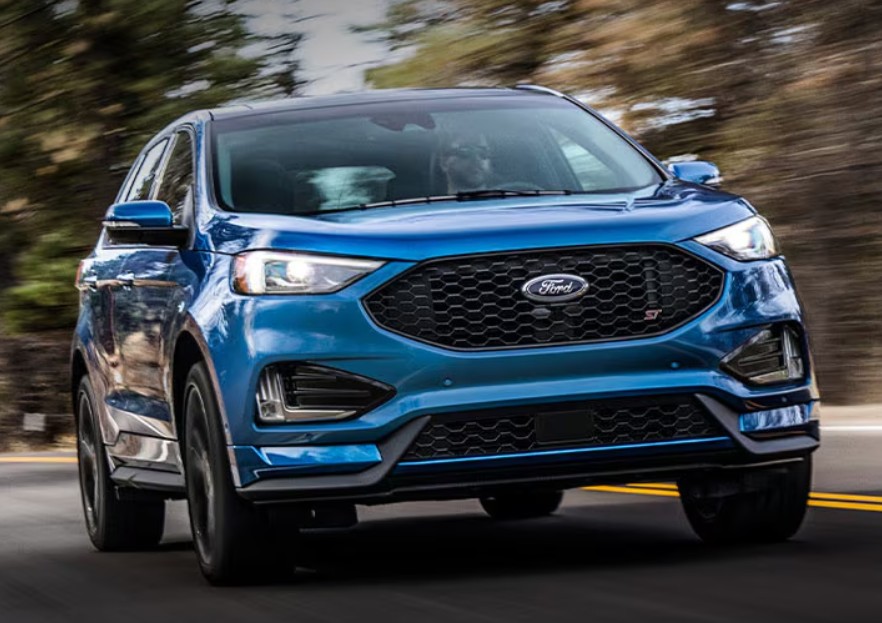
The Ford Edge has built a solid reputation as a comfortable two-row crossover, but transmission behavior is one area that deserves attention when we're shopping for a used example or trying to diagnose one already sitting in the driveway. Search for Ford Edge transmission issues, and we'll quickly encounter stories about jerking, delayed engagement, hard shifts, slipping, shuddering, and transmissions that simply do not feel as smooth as they should.
Here's the important part: not every Ford Edge uses the same transmission, and not every unusual shift means the gearbox is dying.
Ford sold the Edge across multiple generations, engines, drivetrains, and transmission designs. Consequently, a symptom that points toward mechanical wear on one Edge might simply require updated control software on another.
Ford itself issued a technical service bulletin for certain 2019–2021 Ford Edge models equipped with the 8F35 eight-speed automatic transmission. The bulletin addressed shuddering, bucking, or jerking at speeds up to 35 mph and instructed technicians to update powertrain software and transmission strategy.
So before we start mentally pricing a replacement transmission, let's investigate what actually goes wrong, which Ford Edge years deserve additional attention, and what symptoms we shouldn't ignore.
Content in this publication
- Are Ford Edge Transmission Issues Common?
- Ford Edge Transmission Types Explained
- Most Common Ford Edge Transmission Issues
- Ford Edge Jerking When Accelerating
- Hard Shifting in a Ford Edge
- Ford Edge Transmission Shudder
- Delayed Engagement Into Drive or Reverse
- Ford Edge Transmission Slipping
- Ford Edge Hesitation From a Stop
- Ford Edge Transmission Problems by Model Year
- 2007–2014 Ford Edge Transmission Concerns
- 2015–2018 Ford Edge Transmission Issues
- 2019–2021 Ford Edge Transmission Issues
- 2022 Ford Edge Transmission Concerns
- What Causes Ford Edge Transmission Problems?
- Can Low Transmission Fluid Cause Ford Edge Shifting Problems?
- Transmission Warning Lights and Error Messages
- How to Diagnose Ford Edge Transmission Issues
- How Much Does Ford Edge Transmission Repair Cost?
- Can a Ford Edge Transmission Be Repaired Without Replacement?
- Should We Flush a Ford Edge Transmission That's Shifting Badly?
- How to Prevent Ford Edge Transmission Problems
- Should You Buy a Used Ford Edge With Transmission Issues?
- When Should We Stop Driving the Vehicle?
- Ford Edge Transmission Issues: The Bottom Line
- Frequently Asked Questions About Ford Edge Transmission Issues
- 1. What are the most common Ford Edge transmission problems?
- 2. Which Ford Edge years have eight-speed transmission problems?
- 3. Why does my Ford Edge jerk at low speeds?
- 4. Does rough shifting mean my Ford Edge needs a new transmission?
- 5. Is it safe to drive a Ford Edge with transmission problems?
- Conclusion
Are Ford Edge Transmission Issues Common?
Transmission complaints exist across several Ford Edge model years, although the type of complaint changes depending on the generation.
Earlier Edge models generally used six-speed automatic transmissions. Later models eventually moved toward eight-speed units, bringing different driving characteristics and different potential problems.
That distinction matters.
A transmission is not one giant mechanical box operating independently beneath the vehicle. Modern transmissions depend on hydraulic pressure, electronic solenoids, sensors, software, adaptive learning, fluid condition, engine inputs, and dozens of smaller components working together.
When one piece falls out of rhythm, the vehicle may shift like someone learning to drive a manual transmission for the first time.
Some Ford Edge owners encounter nothing more serious than occasional harsh shifting. Others may experience persistent slipping, delayed engagement, transmission warning messages, or internal failures requiring substantial repairs.
We therefore shouldn't label every Edge transmission unreliable. Instead, we should evaluate the specific year, transmission, mileage, symptoms, maintenance history, and diagnostic codes.
Ford Edge Transmission Types Explained
Understanding Ford Edge transmission issues starts with understanding what's underneath the vehicle.
Earlier versions of the Edge commonly used six-speed automatic transmissions paired with naturally aspirated V6 engines and, later, turbocharged EcoBoost engines.
By the 2019 model year, Ford introduced significant drivetrain changes. Many Edge models received the 8F35 eight-speed automatic transmission, while performance-oriented versions used different drivetrain configurations.
Those newer transmissions attempt to keep the engine in a highly efficient operating range. More gears mean smaller jumps between ratios, potentially improving acceleration and fuel economy.
But more gears also mean the transmission shifts frequently.
That can make certain behaviors more noticeable.
Drivers moving from an older four-, five-, or six-speed transmission may initially interpret normal eight-speed operation as excessive shifting. Nevertheless, violent jerking, repeated hesitation, or strong shuddering should never simply be dismissed as "normal."
Six-Speed Ford Edge Transmissions
Six-speed Edge transmissions tend to deliver relatively conventional shift behavior. As mileage climbs, however, issues can develop from aging fluid, valve-body wear, solenoid problems, torque-converter trouble, or internal clutch wear.
A well-maintained six-speed can provide many miles of service. A neglected one may behave very differently.
This is why maintenance records matter tremendously when buying a used Ford Edge.
Eight-Speed Ford Edge Transmissions
The eight-speed automatic found in later Edge models represents a different chapter.
Its closely spaced ratios are designed to make efficient use of the engine's torque, particularly with Ford's turbocharged EcoBoost engines. When everything is operating correctly, shifts can be quick and unobtrusive.
However, some vehicles have exhibited low-speed shuddering, bucking, or jerking.
Ford's TSB 21-2389 specifically covered certain 2019–2021 Edge vehicles with the 8F35 transmission built on or before March 11, 2021. Ford indicated that PCM software could contribute to shudder, buck, or jerk symptoms below approximately 35 mph. The prescribed procedure involved reprogramming the PCM and updating the transmission solenoid strategy.
That's an excellent reminder that transmission symptoms aren't always evidence of destroyed internal components.
Most Common Ford Edge Transmission Issues
Transmission complaints can feel frustratingly vague. One driver says the Edge "kicks." Another says it "hesitates." Someone else describes the vehicle as "jumping between gears."
Different words can describe surprisingly similar mechanical behavior.
The most frequently discussed Ford Edge transmission symptoms include:
- Harsh or abrupt gear changes, particularly at lower speeds
- Delayed engagement when shifting from Park into Drive or Reverse
- Hesitation before acceleration
- Shuddering or vibration during light acceleration
- Bucking or jerking while driving slowly
- Transmission slipping or an unexpected rise in engine rpm
- Clunking when changing gears
- Rough downshifts when approaching a stop
- Warning lights or powertrain messages
- Transmission fluid leaks
- Reduced-power or fail-safe operation
The real challenge is determining what sits behind the symptom.
Let's dig deeper.
Ford Edge Jerking When Accelerating
Jerking is probably one of the most unsettling transmission-related symptoms.
Imagine gently pressing the accelerator in traffic. Instead of smoothly gaining speed, the Edge hesitates and suddenly lunges forward. It's like someone briefly tugged the vehicle backward with a rope before letting go.
Several factors can create that sensation.
On applicable 2019–2021 Edge models with the 8F35 transmission, Ford recognized a shudder, buck, or jerk concern at lower speeds and connected it with powertrain software strategy.
Software isn't the only possibility, though.
A technician may also investigate transmission fluid condition, adaptive transmission values, solenoid operation, engine misfires, ignition issues, drivetrain mounts, and internal transmission components.
Why Low-Speed Driving Can Reveal Problems
Low-speed operation places modern transmissions in an awkward environment.
The transmission may move quickly between several gears while simultaneously responding to small throttle changes. Stop-and-go traffic makes this even more demanding.
When calibration isn't perfectly matched to real-world operating conditions, drivers can feel those decisions through the seat.
That's why a transmission that feels perfectly acceptable on the highway might suddenly seem confused around 20–30 mph.
Hard Shifting in a Ford Edge
Hard shifting feels different from ordinary gear engagement.
Instead of the next gear slipping quietly into place, we feel a noticeable bump or bang.
Occasional firmness during extremely cold operation doesn't automatically signal catastrophe. Repeated violent shifts after the vehicle reaches operating temperature deserve investigation.
Possible causes range from electronic controls to internal hydraulic issues.
Transmission control modules rely on information from numerous sensors to determine when and how firmly the transmission should shift. Incorrect data, faulty solenoids, inappropriate learned values, or pressure-control problems can dramatically change shift quality.
The longer severe harsh shifting continues, the less comfortable we should be ignoring it.
Hard Shifting After Battery Disconnection
There's another interesting wrinkle: adaptive learning.
Modern automatic transmissions can adjust operating parameters based on wear, manufacturing tolerances, and driving behavior. After certain repairs, software updates, or electrical interruptions, the vehicle may need time or a specific relearn procedure before shift quality stabilizes.
That doesn't mean every rough transmission merely needs to "learn."
If the Edge bangs into gear repeatedly, proper diagnosis remains the sensible approach.
Ford Edge Transmission Shudder
A transmission shudder often feels like we're briefly driving across rumble strips even though the road is smooth.
Sometimes the vibration appears only under light throttle. Sometimes it happens at a repeatable speed. And sometimes drivers struggle to determine whether the sensation originates from the transmission, engine, tires, or driveline.
That's why describing exactly when it happens can help a technician enormously.
Does the vibration occur at 20 mph?
Only during acceleration?
Only after the vehicle warms up?
Does it disappear when the throttle is released?
Those details turn a vague complaint into useful diagnostic information.
For specific 8F35-equipped 2019–2021 vehicles, Ford's own documentation confirms that low-speed shuddering was a recognized condition for certain production dates.
Delayed Engagement Into Drive or Reverse
We shift into Drive.
Nothing happens.
A second passes.
Then—thump—the vehicle engages.
That delay isn't something we should automatically ignore.
Automatic transmissions need sufficient hydraulic pressure and correctly functioning internal components to engage the requested gear. Delayed engagement can involve fluid level or condition, valve-body operation, solenoids, pressure problems, or internal wear.
Temperature can also influence symptoms.
If the Edge engages slowly only after sitting overnight but behaves normally when warm, tell the technician. Likewise, mention whether the problem affects Drive, Reverse, or both.
Patterns matter.
Ford Edge Transmission Slipping
Transmission slipping is more serious than slightly awkward shifting.
The classic symptom is engine speed increasing without a matching increase in vehicle speed. We step on the accelerator, the tachometer jumps, but the Edge doesn't accelerate as expected.
It's similar to pedaling a bicycle while the chain skips.
Potential explanations range from inadequate hydraulic pressure to worn internal friction components. Electronic issues can sometimes imitate slipping, which is why diagnosis should come before replacement.
If slipping becomes obvious, aggressive driving is a bad experiment.
More throttle can create additional heat, and heat is no friend of automatic transmission components.
Ford Edge Hesitation From a Stop
Hesitation can be tricky because the transmission isn't always responsible.
Turbocharged engines, electronic throttle control, traction-control intervention, engine-management problems, and transmission operation can all influence the way a vehicle responds from a stop.
We therefore shouldn't walk into a repair shop announcing, "My transmission is bad."
A better description is something like: "The vehicle hesitates for about one second when accelerating from 10 mph, then jerks forward."
That tells the technician what the vehicle actually does without prematurely diagnosing the cause.
Transmission Problem or Engine Problem?
Engine and transmission problems frequently disguise themselves as one another.
An engine misfire can cause shaking that feels like transmission shudder.
A faulty engine sensor may alter torque delivery and make shifts feel strange.
Worn engine or transmission mounts can exaggerate an otherwise ordinary shift.
Even driveline components can create clunks that owners assume come from inside the gearbox.
Diagnosis beats guessing every time.
Ford Edge Transmission Problems by Model Year
This is where we need some caution.
Online discussions often declare one model year "terrible" based on a collection of individual owner experiences. That's useful information, but anecdotal complaints don't automatically mean every vehicle from that year will develop the same failure.
Production dates, engines, transmissions, maintenance, software versions, and previous repairs all matter.
Still, some periods deserve special attention.
2007–2014 Ford Edge Transmission Concerns
First-generation Ford Edge models are now old enough that mileage and maintenance history often matter more than model-year reputation.
We're dealing with vehicles that may have spent well over a decade commuting, towing, sitting in traffic, and experiencing thousands of heating and cooling cycles.
At this age, transmission behavior should be evaluated individually.
During a test drive, pay special attention to engagement into Drive and Reverse, acceleration through every gear, downshifts, highway operation, fluid leaks, and behavior after the drivetrain reaches operating temperature.
A vehicle that shifts beautifully cold and poorly when hot tells us something.
So does the opposite.
High Mileage Changes the Equation
At 150,000 miles or beyond, maintenance history becomes incredibly valuable.
Two identical Ford Edges can age like completely different vehicles.
One may have been serviced carefully and driven gently on highways. Another may have spent years crawling through city traffic with minimal maintenance.
Mileage tells us how far the vehicle traveled.
It doesn't tell us how hard those miles were.
2015–2018 Ford Edge Transmission Issues
The second-generation Edge arrived with updated engines, technology, and styling.
Transmission-related complaints during this period can include harsh shifting, delayed shifts, hesitation, and occasional slipping or vibration. But these symptoms shouldn't automatically be grouped into one universal defect.
The 2015–2018 period also includes different engines and drivetrains, further complicating blanket conclusions.
When shopping for one, we'd prioritize service history and actual test-drive behavior over internet reputation alone.
A smooth, well-documented Edge with 90,000 miles may be a safer purchase than a neglected example with 55,000.
2019–2021 Ford Edge Transmission Issues
This period deserves particular attention because Ford documented a specific low-speed behavior involving the 8F35 transmission.
TSB 21-2389 applies to certain 2019–2021 Ford Edge vehicles built on or before March 11, 2021. The documented symptom is shuddering, bucking, or jerking while driving at speeds up to 35 mph. Ford's repair procedure involves powertrain control module reprogramming and updating transmission solenoid strategy information.
That's valuable information for owners because it changes the conversation.
Instead of assuming that jerking automatically means a $5,000 transmission replacement, we can ask whether the vehicle meets the bulletin criteria and whether the relevant software procedure has been performed.
Why Software Can Change Shift Quality
Today's transmissions are controlled almost as much by code as by gears.
The transmission controller decides which gear to select, how much pressure to apply, how quickly clutches engage, and how the transmission responds to engine torque.
Think of the mechanical transmission as an orchestra and the control software as the conductor.
Even excellent musicians can sound terrible if the timing is wrong.
Updating calibration can therefore produce meaningful improvements without changing the physical transmission.
2022 Ford Edge Transmission Concerns
Not every concern involves thousands of vehicles.
A Ford field service action documented through NHTSA covered a small group of 2022 Edge vehicles manufactured during specific dates. Ford stated that an improperly seated snap ring associated with the 8F35 transmission could leave the C clutch partially engaged, potentially causing rough shifts and a long-term durability concern. For the affected vehicles, Ford instructed dealers to replace the transmission. The documented population across several affected Ford/Lincoln models was only 29 vehicles, so this should not be interpreted as a widespread 2022 Edge failure.
That distinction is important.
A manufacturing campaign involving a tiny VIN-specific population is very different from saying "all 2022 Ford Edge transmissions are bad."
What Causes Ford Edge Transmission Problems?
There isn't one universal villain hiding inside every problematic Edge.
A rough-shifting transmission can result from something relatively simple or something painfully expensive.
Software calibration is one possibility, particularly on applicable 8F35 models.
Transmission fluid problems are another.
Solenoids can malfunction. Valve bodies can develop hydraulic control issues. Sensors can send inaccurate information. Electrical faults can interfere with control modules. Internal friction material can wear. Torque converters can develop problems. Mechanical components can fail.
Sometimes several smaller issues overlap.
That's what makes transmission diagnosis so different from replacing a visibly flat tire.
Transmission Fluid Condition
Automatic transmission fluid works incredibly hard.
It lubricates components, carries heat away, transmits hydraulic pressure, and helps internal friction elements operate correctly.
Over time, heat and contamination can degrade its effectiveness.
Dark fluid or a burnt odor can provide useful clues, although fluid appearance alone doesn't prove that a transmission needs replacement.
We should also avoid assuming that adding fluid is automatically safe. Modern transmissions often require specific fluids and specific checking procedures.
The owner's manual or appropriate Ford service information should be the reference point rather than generic advice.
Can Low Transmission Fluid Cause Ford Edge Shifting Problems?
Yes, insufficient fluid can interfere with hydraulic operation and produce serious symptoms.
But the bigger question is: why is the fluid low?
Unlike engine oil, transmission fluid shouldn't simply vanish rapidly during normal operation.
If the level is genuinely low, a leak may exist.
Possible leak locations vary by transmission design and vehicle configuration, so inspection is better than blindly topping it off.
Driving with insufficient transmission fluid can accelerate wear and increase operating temperatures.
Transmission Warning Lights and Error Messages
A modern Ford Edge doesn't need smoke pouring from underneath it to tell us something is wrong.
The powertrain control system continuously watches sensors and operating parameters. When values move outside expected ranges, diagnostic trouble codes may be stored.
Those codes are extremely useful.
However, a code doesn't always name the failed part.
It identifies the system or condition that the computer detected.
That's why replacing components solely because a scan tool mentions them can become an expensive guessing game.
Professional diagnosis combines trouble codes with live data, service information, physical inspection, and test-driving.
How to Diagnose Ford Edge Transmission Issues
Good diagnosis starts before the scan tool is connected.
We should first document the symptom.
Record the vehicle speed, engine temperature, gear, throttle position, outside temperature, and whether the issue happens consistently.
Then a technician can scan the vehicle for diagnostic trouble codes and review applicable service information.
Software updates and technical service bulletins should also be checked when appropriate.
For 2019–2021 8F35-equipped Edge models exhibiting the relevant low-speed shudder/buck/jerk condition, checking applicability of Ford TSB 21-2389 makes particular sense.
Don't Diagnose From One Test Drive Around the Block
Transmission problems can be temperature-dependent.
A cold transmission may behave differently from one that has operated for 30 minutes.
That matters when buying a used Edge.
A five-minute dealer test drive might reveal nothing.
If possible, we'd drive the vehicle long enough to experience low-speed traffic, moderate acceleration, highway cruising, deceleration, parking maneuvers, Reverse engagement, and repeated starts from rest.
That's when personality emerges.
How Much Does Ford Edge Transmission Repair Cost?
Transmission repair costs vary enormously because "transmission problem" describes a symptom category rather than a specific repair.
A software update isn't comparable with a valve-body repair.
A sensor replacement isn't comparable with rebuilding an entire transmission.
And a complete replacement transmission is in another financial league altogether.
Labor rates also vary significantly between dealerships, independent transmission specialists, cities, and countries.
Instead of chasing one generic repair-cost number online, we'd obtain a diagnosis first and ask for an itemized estimate.
The expensive question isn't "How much does a Ford Edge transmission cost?"
It's "Which component is actually failing in this particular Edge?"
Can a Ford Edge Transmission Be Repaired Without Replacement?
Absolutely, depending on the problem.
This is one reason panic is premature when a vehicle shifts poorly.
Some issues may involve calibration updates, electrical repairs, sensors, solenoids, valve-body work, fluid leaks, or related drivetrain components.
Ford's 2019–2021 8F35 bulletin is a perfect example: the documented procedure for the specified shudder/buck/jerk condition centers on software and transmission strategy updates rather than automatic transmission replacement.
On the other hand, severely damaged internal components may make rebuilding or replacement more practical.
We won't know which situation we're facing until somebody competent diagnoses it.
Should We Flush a Ford Edge Transmission That's Shifting Badly?
This question generates plenty of debate.
The safest answer is that transmission service shouldn't be used as a blind cure for an undiagnosed mechanical problem.
If a transmission is slipping badly because internal friction components are worn, changing fluid doesn't magically rebuild those components.
Likewise, using incorrect fluid or an inappropriate service procedure can create additional problems.
Follow the maintenance requirements for the exact Ford Edge model year and drivetrain, and if abnormal shifting has already appeared, diagnose the cause before treating a fluid service as medicine for everything.
How to Prevent Ford Edge Transmission Problems
We can't prevent every component failure, but sensible ownership improves the odds.
Use the correct transmission fluid specification and follow appropriate service guidance for the exact model. Address leaks rather than repeatedly adding fluid. Don't ignore warning messages. Investigate persistent shuddering or harsh shifting early. Keep the engine running properly because engine-management problems can influence transmission behavior. And when buying used, search the VIN for recalls or service campaigns and review available maintenance records.
The transmission doesn't operate in isolation.
Treating the whole drivetrain well gives it the best chance of aging gracefully.
Should You Buy a Used Ford Edge With Transmission Issues?
Usually, we'd want the problem diagnosed before buying.
A seller saying, "It probably just needs a sensor," should be treated as speculation unless there is documentation to prove it.
Why didn't they replace the inexpensive sensor themselves?
That's the question we'd ask.
On the other hand, a 2019–2021 Edge with a low-speed jerk that clearly falls under the conditions described by the applicable Ford technical bulletin may deserve further investigation rather than immediate rejection.
The deciding factor is evidence.
A pre-purchase inspection and diagnostic scan can cost a little today and potentially save thousands tomorrow.
What to Look for During a Used Ford Edge Test Drive
Drive it cold if possible.
Then drive it warm.
Listen for clunks when selecting Reverse. Check how quickly Drive engages. Accelerate gently and aggressively. Cruise between 20 and 40 mph. Coast toward traffic lights and pay attention to downshifts. Drive at highway speeds. Stop, restart, and repeat.
We're trying to make the transmission show us how it behaves outside the carefully controlled environment of a dealership parking lot.
A healthy automatic transmission should largely disappear from our attention.
When every shift becomes an event, something deserves investigation.
When Should We Stop Driving the Vehicle?
Minor shift-quality concerns and severe transmission failure aren't the same thing.
If the Edge suddenly loses forward movement, repeatedly slips under acceleration, enters reduced-power mode, displays serious powertrain warnings, leaks significant fluid, produces grinding noises, or violently engages gears, continuing to drive could make the situation worse.
At that point, towing the vehicle for diagnosis may be cheaper than turning a repairable problem into a catastrophic one.
Mechanical sympathy costs nothing.
Transmission replacement doesn't.
Ford Edge Transmission Issues: The Bottom Line
Ford Edge transmission issues aren't one single defect spanning every model year.
Earlier Edge models and later eight-speed versions have different transmissions, different electronics, and different potential failure points. That's why statements such as "Ford Edge transmissions are bad" aren't particularly useful.
What matters is the symptom and the vehicle.
Harsh shifts, delayed engagement, slipping, shuddering, bucking, and hesitation should all be investigated when they become persistent.
Owners of certain 2019–2021 8F35-equipped Ford Edge models have especially useful manufacturer guidance available because Ford issued a technical service bulletin addressing low-speed shudder, buck, and jerk symptoms through updated PCM calibration and transmission strategy procedures.
Meanwhile, a very small VIN-specific population of 2022 Edge vehicles was involved in a Ford program concerning an improperly seated transmission snap ring and potential clutch durability concerns.
The lesson isn't to fear every Ford Edge.
It's to diagnose instead of guessing.
If we're buying used, a thorough test drive and inspection matter more than a dozen dramatic forum posts. If we already own one and it starts behaving differently, addressing the symptom early usually gives us more options.
Transmissions rarely become healthier by being ignored.
Frequently Asked Questions About Ford Edge Transmission Issues
1. What are the most common Ford Edge transmission problems?
Commonly reported symptoms include hard shifting, jerking, delayed engagement, hesitation, shuddering, slipping, and rough downshifts. The actual cause varies by model year and transmission. Some symptoms may involve software or electronic controls, while others can result from hydraulic or mechanical wear.
2. Which Ford Edge years have eight-speed transmission problems?
Certain 2019–2021 Ford Edge vehicles equipped with the 8F35 eight-speed transmission were covered by Ford TSB 21-2389 for shuddering, bucking, or jerking at speeds up to about 35 mph. The bulletin applies only to vehicles meeting specific transmission and build-date criteria, so VIN and production information should be verified rather than assuming every Edge from those years is affected.
3. Why does my Ford Edge jerk at low speeds?
Low-speed jerking can have several causes, including transmission calibration, adaptive strategy, hydraulic control problems, solenoid issues, or even engine-related faults. On applicable 2019–2021 models with the 8F35 transmission, Ford identified PCM software as a possible contributor to a specific low-speed shudder/buck/jerk condition.
4. Does rough shifting mean my Ford Edge needs a new transmission?
No. Rough shifting alone doesn't prove that the transmission needs replacement. Software calibration, electrical issues, solenoids, sensors, valve-body operation, fluid-related problems, drivetrain mounts, and other components can affect shift quality. A diagnostic scan and road test should come before discussing complete replacement.
5. Is it safe to drive a Ford Edge with transmission problems?
It depends on the severity. Mild occasional shift irregularities should still be investigated, but severe slipping, loss of drive, significant fluid leakage, violent engagement, grinding noises, or powertrain warnings justify stopping and having the vehicle inspected. Continuing to drive a transmission with a serious fault can potentially increase damage.
Conclusion
Ford Edge transmission issues can range from relatively manageable software-related shift behavior to genuine internal transmission damage.
That's a huge range, and it explains why diagnosis matters so much.
We shouldn't assume every jerk means failure, but we shouldn't normalize a vehicle that constantly bangs, slips, hesitates, or shudders either.
When something feels wrong, document exactly when it happens, check whether technical service information applies to the specific model year and transmission, scan for fault codes, and let the evidence determine the repair.
The Ford Edge can still be a practical and comfortable crossover, particularly when we understand what we're buying and maintain it properly.
A transmission should work quietly in the background.
If yours keeps demanding attention, it's probably trying to tell you something.
If you want to know other articles similar to Ford Edge Transmission Issues: Problems, Symptoms, Causes, and Fixes you can visit the category Common Problems.
Volvo XC40 Sound Not Working? Complete Troubleshooting Guide

Mazda Diesel Engine Problems: Common Faults and Fixes
Volkswagen Key Not Detected or No Key Error: Causes and Fixes

Volvo S90 Common Problems: Reliability & Repair Guide
Volvo S90 No Sound: Causes, Fixes and Solutions

Nissan Rogue Smells Like Gas: Causes and Fixes
Leave a Reply
More content of your interest