

Subaru Impreza Tire Pressure: The Complete PSI Guide

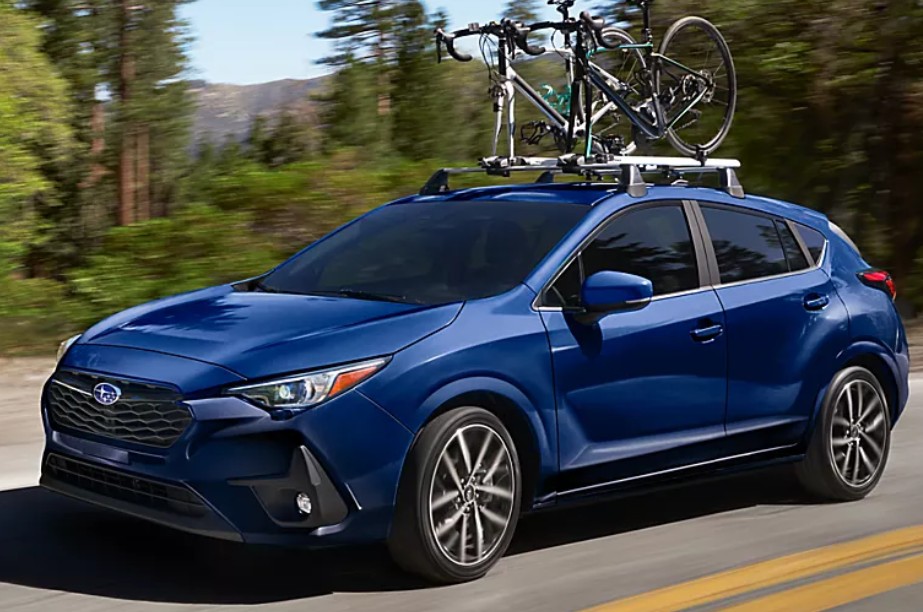
Getting the Subaru Impreza tire pressure right may seem like one of those tiny maintenance details we can safely ignore until a warning light appears. In reality, tire pressure affects almost everything happening between our Impreza and the pavement: steering response, braking, fuel economy, ride comfort, tire wear, and even how confidently the Symmetrical All-Wheel Drive system can do its job.
There is one important point to establish immediately: there is no single PSI figure that applies to every Subaru Impreza ever produced. Recommended pressures can vary by model year, tire size, wheel package, trim, and market. Subaru itself directs owners to the tire-information placard on the driver's-side door pillar for the correct specification for an individual vehicle.
That little sticker beats whatever number we find stamped into the tire sidewall, copied from a forum, or remembered from another Impreza.
So, what pressure should we use? How do cold weather and highway driving affect it? What happens when the TPMS light refuses to disappear? And should the front and rear tires always have identical pressures?
Let's break it all down without turning tire inflation into rocket science.
Content in this publication
- What Is the Correct Subaru Impreza Tire Pressure?
- Where Is the Subaru Impreza Tire Pressure Sticker?
- What Does “Cold Tire Pressure” Mean?
- Subaru Impreza Front vs Rear Tire Pressure
- Subaru Impreza Tire Pressure by Tire Size
- Why Correct Subaru Impreza Tire Pressure Matters
- What Happens If Subaru Impreza Tire Pressure Is Too Low?
- What Happens If Tire Pressure Is Too High?
- Subaru Impreza Tire Pressure in Winter
- Subaru Impreza Tire Pressure in Summer
- Understanding the Subaru Impreza TPMS Light
- Why Is the TPMS Light Still On After Adding Air?
- How to Check Subaru Impreza Tire Pressure
- How Often Should We Check Subaru Impreza Tire Pressure?
- Does Subaru Impreza Tire Pressure Change With Passengers or Cargo?
- Subaru Impreza Tire Pressure and Fuel Economy
- Can We Use Nitrogen in Subaru Impreza Tires?
- What If One Subaru Impreza Tire Keeps Losing Pressure?
- Tire Pressure After Replacing Subaru Impreza Tires
- Subaru Impreza Tire Pressure Mistakes to Avoid
- A Simple Monthly Subaru Impreza Tire Routine
- Subaru Impreza Tire Pressure: PSI vs kPa
- How Tire Pressure Affects Subaru Impreza Ride Quality
- Is the Spare Tire Included in Tire Pressure Checks?
- When Should We Seek Professional Tire Help?
- Final Thoughts on Subaru Impreza Tire Pressure
- Frequently Asked Questions
What Is the Correct Subaru Impreza Tire Pressure?
For many passenger cars, recommended cold pressures tend to live somewhere in the low-to-mid-30 PSI range, and many Impreza configurations fall within that general neighborhood. However, we should not assume that 32, 33, 35, or any other figure automatically applies to our particular car.
The definitive pressure is printed on the vehicle's tire-pressure label.
Subaru states that the pressure specification is found on the tire information or tire specification placard located on the driver's-side door pillar.
The label normally gives us:
- The original front tire size
- The original rear tire size
- Recommended front cold tire pressure
- Recommended rear cold tire pressure
- Spare-tire information where applicable
- Vehicle load information
Think of the door-jamb sticker as the recipe written by the engineers who developed the car. The tire sidewall is merely telling us what the tire itself can tolerate.
Why Subaru Impreza PSI Can Vary by Model Year
The Impreza has evolved significantly across generations.
Wheel diameters have changed. Tire profiles have changed. Suspension tuning has changed. Vehicle weight has changed. Even body styles have changed.
A pressure appropriate for an older Impreza sedan running relatively tall-sidewall tires isn't automatically appropriate for a newer hatchback wearing lower-profile rubber.
That's why a table from a random website covering "all Subaru Imprezas" should be treated cautiously.
The Safest Rule to Remember
Whenever specifications online disagree, follow this order:
- Driver-side tire-information placard
- Owner's manual
- Subaru technical information
- Authorized Subaru retailer
We should treat generic online PSI charts as reference material—not as the final authority.
Where Is the Subaru Impreza Tire Pressure Sticker?
Open the driver's door and inspect the pillar or door-jamb area.
The tire-information label should be visible around the driver's-side door opening. Subaru documentation specifically points owners to the driver's-side door pillar for the manufacturer's recommended inflation pressure.
It may look unimportant among the other labels, but this is the number we want.
Suppose our gauge reads 31 PSI but an online discussion says 36 PSI. If our vehicle placard specifies something else, we use the placard specification.
Simple.
What Does “Cold Tire Pressure” Mean?
Here's where many drivers accidentally overthink things.
Recommended tire pressure is normally a cold-tire pressure.
A cold tire isn't necessarily freezing cold. It simply means the tire hasn't accumulated significant heat from driving.
Subaru instructs owners to check pressure when the tires are cold and adjust them to the values shown on the tire placard. Subaru also recommends checking pressures at least monthly and before long journeys.
When Should We Check Subaru Impreza Tire Pressure?
The ideal moment is usually:
- In the morning before driving
- After the car has been parked for several hours
- Before a long road trip
- After a major temperature change
- Whenever the TPMS warning appears
If we've just driven 25 miles on the highway, the tires aren't cold anymore.
Why Pressure Increases While Driving
As the tires roll, their rubber flexes and creates heat. The air inside warms and expands.
So we might start with a tire at 34 PSI cold and see several additional PSI after extended driving.
That doesn't necessarily indicate overinflation.
Should We Release Air From Hot Tires?
Normally, no.
If the tires were correctly adjusted while cold, releasing air because their hot pressure appears higher may leave them underinflated once they cool down.
We want to compare cold pressure with the manufacturer's cold-pressure recommendation.
Subaru Impreza Front vs Rear Tire Pressure
Another common assumption is that all four tires always require exactly the same PSI.
Not necessarily.
Some vehicles specify different front and rear pressures because the two axles carry different loads.
If the Impreza's door placard lists separate figures, follow them exactly.
There's no advantage in "simplifying" everything to one number just because it looks neater on the gauge.
Why Front and Rear PSI May Differ
Vehicle engineers consider factors including:
- Weight distribution
- Steering characteristics
- Tire construction
- Suspension geometry
- Wheel size
- Load capacity
- Handling balance
Those few pounds of pressure can subtly influence how the car turns, brakes, and rides.
Subaru Impreza Tire Pressure by Tire Size
Drivers frequently search for combinations such as:
"Subaru Impreza 16-inch tire pressure."
"Subaru Impreza 17-inch tire pressure."
"Subaru Impreza RS tire pressure."
That's understandable, but tire diameter alone isn't enough information.
Two Imprezas using the same wheel diameter could still have different tires, model-year specifications, axle loads, or recommended pressures.
Does a Larger Wheel Require More PSI?
Not automatically.
A larger wheel typically means a lower-profile tire when overall tire diameter stays similar, but that doesn't mean we simply add air.
The manufacturer's specification remains our baseline.
What If We Install Aftermarket Wheels?
Now things become more complicated.
The original door sticker was developed around the factory tire and wheel setup. After changing:
- Tire width
- Aspect ratio
- Load rating
- Wheel diameter
- Tire construction
…the original pressure may not always produce the ideal behavior.
For minor OEM-equivalent changes, the factory recommendation remains a sensible starting point. For significant changes in tire size or load rating, consulting a qualified tire professional is wiser than guessing.
Why Correct Subaru Impreza Tire Pressure Matters
Air pressure is effectively part of the suspension.
Too little pressure makes the tire softer. Too much makes it stiffer.
Either extreme changes how the contact patch interacts with the road.
Subaru notes that maintaining appropriate inflation is important for fuel economy, tire longevity, driving performance, and safety.
1. Handling and Steering
An underinflated tire can feel vague and heavy.
We turn the steering wheel, but instead of responding crisply, the tire sidewall flexes first. It can feel a bit like running in shoes with loose laces.
Correct inflation keeps the Impreza feeling predictable.
2. Braking Performance
Tires provide the grip that ultimately stops the vehicle.
Even excellent brakes depend on those four small contact patches.
Incorrect pressure may alter how the tire meets the pavement, particularly during emergency maneuvers.
3. Tire Life
Too little pressure tends to overload the shoulders of the tread.
Too much pressure can concentrate more load toward the center.
Neither scenario is friendly to expensive tires.
Subaru recommends regular tire-pressure checks as one method of reducing tread wear and helping extend tire life.
4. Fuel Economy
Low pressure creates additional rolling resistance.
The engine then has to work a little harder simply to keep the car moving.
We probably won't watch the fuel gauge collapse overnight, but small inefficiencies accumulate across thousands of miles.
5. AWD Performance
The Impreza's standard Symmetrical All-Wheel Drive is one of its defining characteristics.
Properly matched and maintained tires matter considerably on an AWD vehicle.
Inflation pressure doesn't change physical tread depth the same way tire wear does, but substantially mismatched pressures can change effective tire behavior and rolling characteristics.
Keeping all four tires properly maintained is simply good practice.
What Happens If Subaru Impreza Tire Pressure Is Too Low?
Underinflation is probably the problem drivers encounter most frequently.
Possible symptoms include:
- TPMS warning light
- Softer steering response
- Increased rolling resistance
- Uneven shoulder wear
- Reduced fuel economy
- Additional tire heat
- A visibly low tire in severe cases
The danger isn't merely cosmetic.
Subaru warns that driving at high speeds with excessively low tire pressure can cause severe tire deformation and rapid heating, potentially contributing to tread separation and tire failure.
Is 28 PSI Too Low for a Subaru Impreza?
If the door sticker calls for something in the mid-30s and we're seeing 28 PSI cold, yes, the tire is meaningfully underinflated.
But whether any specific number is "too low" should always be judged against the vehicle's actual placard pressure.
What Happens If Tire Pressure Is Too High?
More air isn't automatically better.
Overinflation can:
- Make the ride harsher
- Reduce compliance over rough surfaces
- Affect handling
- Change tread wear patterns
- Make impacts from potholes feel sharper
There is also a persistent misconception we need to kill.
Do Not Inflate Tires to the Sidewall Maximum
Look at the tire sidewall and we may see something like a maximum load at a certain PSI.
That number is not the Subaru Impreza's recommended everyday inflation pressure.
It describes a tire limitation or load relationship, not the pressure Subaru engineers selected for normal operation.
Our target remains the vehicle placard.
Subaru Impreza Tire Pressure in Winter
Winter is when TPMS lights seem to appear out of nowhere.
We park the Impreza with no warning. A cold front arrives overnight. The next morning, the dashboard suddenly complains.
The tire probably hasn't developed four simultaneous punctures.
Why Cold Weather Lowers Tire Pressure
Temperature affects air pressure.
As outside temperatures fall, tire pressure normally falls as well. A commonly used rule of thumb is roughly 1 PSI for every 10°F change in temperature, though actual behavior varies.
That's why autumn and winter are perfect times to check pressure more frequently.
Should We Add Extra Air in Winter?
We should inflate the cold tires to the vehicle's specified cold pressure.
We shouldn't arbitrarily add five or ten extra PSI "for winter."
The goal isn't to compensate with a random buffer. The goal is simply to restore the manufacturer's recommended cold pressure.
Subaru Impreza Tire Pressure in Summer
Hot weather creates the opposite situation.
Our tires may show substantially higher pressures after sitting in the sun or driving at highway speed.
Again, that's why cold measurements matter.
Should We Lower PSI During Summer?
We generally shouldn't intentionally lower cold pressure below Subaru's recommendation simply because the weather is hot.
If the tires are inflated correctly when cold, normal pressure growth as they heat up has already been anticipated in tire and vehicle design.
Understanding the Subaru Impreza TPMS Light
Modern Impreza models use a Tire Pressure Monitoring System (TPMS) to warn us when tire pressure becomes low.
Subaru explains that vehicles equipped with TPMS indicate when the tires are low on air, although system features can differ by model and trim.
Some Impreza versions can also show individual tire-pressure readings in the combination-meter display. Subaru documentation identifies individual pressure displays on equipped models, while noting that specifications remain on the door-pillar placard.
What Should We Do When the TPMS Light Comes On?
Don't immediately assume the sensor is broken.
Instead:
- Park somewhere safe.
- Inspect all four tires.
- Measure their pressure with a reliable gauge.
- Compare the readings with the driver's-door placard.
- Inflate any low tire to specification while cold.
- Look for punctures if one tire is significantly lower than the others.
A tire repeatedly losing pressure deserves inspection.
Air doesn't disappear because the tire has developed a bad attitude.
Why Is the TPMS Light Still On After Adding Air?
This can happen even after we've corrected the pressure.
Some systems need the vehicle to move before they update.
Subaru states that if MySubaru still shows dashes after a tire-pressure adjustment, the vehicle may need to be driven at least 60 seconds at 25 mph before the new pressure registers.
Behavior can vary by model year, so the owner's manual remains the best reference.
Can Subaru Impreza TPMS Display PSI?
On certain Impreza configurations, yes.
Subaru's guidance says selected 2017-and-newer Impreza models equipped with a CVT can change the TPMS pressure display between kPa and PSI using the vehicle interface, although equipment varies by trim and year.
That's handy if our display somehow ends up speaking kilopascals when our brain thinks in PSI.
How to Check Subaru Impreza Tire Pressure
We don't need dealership equipment.
A decent handheld pressure gauge and an air source are enough.
Step 1: Check the Tires Cold
Park the Impreza for several hours if possible.
Early morning works well.
Step 2: Find the Factory Pressure
Open the driver's door.
Read the tire-information placard.
Write down the front and rear figures if they're different.
Step 3: Remove the Valve Cap
Unscrew the small cap from the tire's valve stem.
Try not to drop it into the world's apparently bottomless collection of missing valve caps.
Step 4: Attach the Pressure Gauge
Push the gauge firmly onto the valve.
A brief hiss is normal, but constant leaking means the gauge isn't seated properly.
Step 5: Compare the Reading
Suppose the placard requires 35 PSI and the gauge shows 31 PSI.
Add air gradually.
Step 6: Recheck
Don't trust the first blast from the compressor.
Measure again.
Step 7: Replace the Valve Cap
The cap helps keep dirt and moisture away from the valve core.
Then repeat the process on every tire.
How Often Should We Check Subaru Impreza Tire Pressure?
TPMS isn't a replacement for routine inspections.
Subaru recommends checking and adjusting tire pressure at least once a month and before long journeys.
That's a sensible baseline.
We should also check whenever:
- Temperatures change dramatically
- One tire appears low
- Steering feels different
- Fuel economy suddenly worsens
- A tire has recently been repaired
- We hit a severe pothole
- We're preparing for a road trip
It takes a few minutes and can save us from replacing tires prematurely.
Does Subaru Impreza Tire Pressure Change With Passengers or Cargo?
Load matters because tires support the vehicle.
However, we shouldn't automatically add several PSI just because we're carrying four passengers instead of two.
Some vehicles provide separate loaded-pressure guidance, while others use one principal specification.
Follow whatever the Impreza's placard and owner's manual specify.
What About Long Highway Trips?
We should check the tires before the journey while they're cold.
Don't stop after two hours of highway driving and bleed pressure because the gauge now reads higher.
That rise is expected.
Subaru Impreza Tire Pressure and Fuel Economy
Can a few PSI really change fuel consumption?
Yes, particularly when pressure is significantly below specification.
An underinflated tire squishes more as it rolls. That deformation consumes energy.
Imagine pushing a shopping cart with four properly inflated wheels versus dragging one partially flat wheel.
The difference isn't enormous at first, but the car deals with it during every mile.
Maintaining correct inflation is one of the easiest fuel-efficiency habits we can adopt because it costs virtually nothing.
Can We Use Nitrogen in Subaru Impreza Tires?
Yes, assuming the tire and service circumstances are appropriate.
Nitrogen is often marketed as a magical solution to pressure fluctuation, but let's keep expectations reasonable.
Regular air already contains mostly nitrogen.
Is Nitrogen Necessary?
For ordinary Impreza ownership?
No.
Proper pressure matters dramatically more than whether the tire contains shop-supplied nitrogen or ordinary compressed air.
If a nitrogen-filled tire is low and only normal air is available, maintaining safe pressure is more important than preserving nitrogen purity.
What If One Subaru Impreza Tire Keeps Losing Pressure?
A recurring loss isn't something we should solve by permanently carrying an air compressor and pretending everything is fine.
Possible causes include:
- Nail or screw puncture
- Damaged valve core
- Leaking valve stem
- Wheel-bead leak
- Bent or damaged wheel
- Tire sidewall damage
- Temperature-related pressure changes
How Much Pressure Loss Is Normal?
Tires can gradually lose pressure naturally over time.
But one tire dropping much faster than the other three suggests a leak.
If three tires remain at specification while one loses several PSI repeatedly, have it inspected.
Tire Pressure After Replacing Subaru Impreza Tires
When replacing tires, Subaru recommends using the same tires as originally equipped where possible. If another tire brand is chosen, Subaru strongly recommends retaining the same size and style and consulting the owner's manual.
Should Replacement Tires Use the Same PSI?
If we're installing the correct original-equipment-size replacement tire with an appropriate load rating, the vehicle placard normally remains our starting point.
Remember, recommended vehicle pressure isn't determined simply by the brand printed on the sidewall.
If we've significantly changed tire specification, though, professional guidance is wise.
Subaru Impreza Tire Pressure Mistakes to Avoid
Most pressure problems come from a handful of repeated mistakes.
Using the Maximum Sidewall PSI
Maximum isn't the target.
Use the vehicle label.
Checking Immediately After Driving
Hot readings make it difficult to compare accurately with the cold recommendation.
Ignoring Rear Tires
Check all four tires, even if only one appears suspicious.
Trusting TPMS Alone
TPMS is a warning system, not our entire tire-maintenance program.
Assuming All Imprezas Use the Same PSI
Different generations, tire sizes, and configurations may carry different specifications.
A Simple Monthly Subaru Impreza Tire Routine
We don't need an elaborate maintenance ritual.
Once a month, preferably while the car is cold:
- Read the door-jamb specification.
- Check all four tire pressures.
- Adjust them as necessary.
- Inspect tread for unusual wear.
- Look for cuts, bulges, nails, or damage.
- Confirm valve caps are present.
- Pay attention to any repeated pressure loss.
That entire routine can take less time than choosing what to watch on Netflix.
Subaru Impreza Tire Pressure: PSI vs kPa
Depending on the market or instrument settings, tire pressure may appear in PSI or kPa.
A few useful approximate conversions are:
- 30 PSI ≈ 207 kPa
- 32 PSI ≈ 221 kPa
- 33 PSI ≈ 228 kPa
- 34 PSI ≈ 234 kPa
- 35 PSI ≈ 241 kPa
- 36 PSI ≈ 248 kPa
These conversions don't tell us what pressure the Impreza requires. They simply help translate units.
On supported Subaru models, TPMS display units may be changed through the vehicle settings.
How Tire Pressure Affects Subaru Impreza Ride Quality
The difference between correctly inflated tires and badly inflated ones isn't always dramatic enough to slap us in the face.
Often, it's subtle.
Low pressure may make steering feel sluggish.
High pressure may make expansion joints and potholes feel harsher.
Correct pressure gives us the balance Subaru intended.
Can We Alter PSI for a Softer Ride?
We shouldn't deliberately run below the manufacturer's specification just to soften the ride.
If comfort is poor, factors such as tire model, tire age, wheel diameter, suspension condition, and road surface deserve consideration.
Air pressure isn't a free suspension adjustment knob.
Is the Spare Tire Included in Tire Pressure Checks?
If our Impreza has a physical spare tire, we should remember it exists.
A spare can sit untouched for years while slowly losing air.
Then one rainy evening, when we actually need it, we discover we've been carrying around a decorative rubber doughnut.
Check the spare according to the pressure shown on its relevant label or in the owner's manual.
Its pressure may be substantially different from the four road tires.
When Should We Seek Professional Tire Help?
Inflation is easy to handle ourselves, but some conditions deserve professional inspection.
Have the tire inspected when:
- Pressure drops repeatedly
- A sidewall has a bulge
- The tire has visible cracking
- The wheel has suffered a hard impact
- TPMS continues malfunctioning
- Uneven tread wear develops
- The vehicle suddenly pulls to one side
- A puncture is near the sidewall
- We aren't sure whether a tire is structurally safe
Air can restore pressure.
It cannot repair structural damage.
Final Thoughts on Subaru Impreza Tire Pressure
Correct Subaru Impreza tire pressure isn't about hunting for one magical PSI figure on the internet. It's about using the specification Subaru assigned to our exact vehicle.
The fastest answer is sitting a few inches from the driver's seat: open the door and read the tire-pressure placard.
Subaru explicitly recommends checking pressure while the tires are cold, following the placard values, inspecting pressures at least monthly, and checking again before long trips.
Once we build that habit, tire pressure becomes almost boring—and that's exactly what we want.
Correctly inflated tires quietly deliver better tread life, predictable handling, improved efficiency, and one less warning light demanding our attention.
The Impreza may have sophisticated AWD, electronic driver aids, and increasingly clever technology, but four patches of rubber still connect the whole machine to the road.
Keeping those four tires properly inflated is one of the simplest ways we can help the car perform as intended.
Frequently Asked Questions
1. What PSI should a Subaru Impreza have?
The correct PSI depends on the model year, tire configuration, and vehicle specification. Check the tire-information placard on the driver's-side door pillar for your exact recommended cold tire pressure. Subaru identifies this placard as the official location for the specification.
2. Is 30 PSI too low for a Subaru Impreza?
It may be. Compare 30 PSI with the cold pressure shown on your driver's-door placard. If your Impreza calls for a meaningfully higher pressure, inflate the tire to specification and inspect it for leaks if the pressure repeatedly falls.
3. Why does my Subaru Impreza tire-pressure light come on when it gets cold?
Air pressure falls as temperatures decrease, so a tire that was marginally above the TPMS threshold during warmer weather may trigger the warning after a cold night. Check all four tires cold rather than simply assuming the warning is temperature-related.
4. Should all four Subaru Impreza tires have the same pressure?
Not always. Some vehicles specify different front and rear pressures. Follow the front and rear values printed on your specific Impreza's tire-information label instead of assuming all four tires require identical PSI.
5. How often should I check Subaru Impreza tire pressure?
Subaru recommends checking tire pressures at least once a month and before long journeys, with the tires cold. Even with TPMS, routine manual checks remain worthwhile.
If you want to know other articles similar to Subaru Impreza Tire Pressure: The Complete PSI Guide you can visit the category Service and Parts.
Vauxhall Mokka Tyre Pressure Reset: Complete Guide

How to Reset the Tire Pressure System on Your Hyundai Tucson

Hyundai Kona Tire Pressure: Complete PSI Guide

Vauxhall Corsa Timing Belt Replacement Cost UK 2026

Mazda CX-5 Tire Size Chart: 2013–2026 Guide

How to Reset a Honda Civic: Complete Step-by-Step Guide
Leave a Reply
More content of your interest