

Subaru XV Maintenance Cost: A Complete Ownership Guide

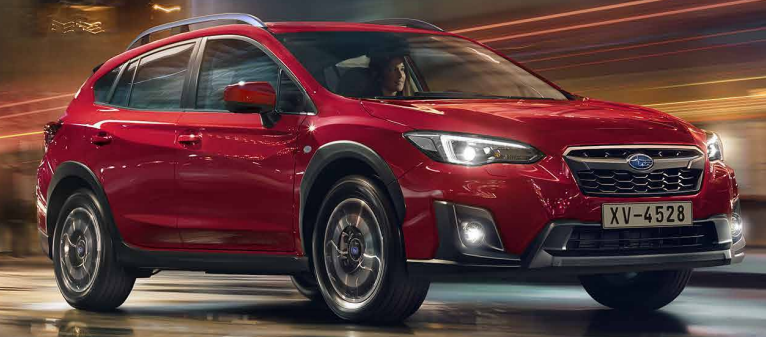
The Subaru XV has built a reputation as one of those compact crossovers that feels equally comfortable crawling through city traffic and heading down a muddy country road. With standard or widely available all-wheel drive, generous ground clearance, and Subaru's familiar boxer-engine layout, it offers something slightly different from the typical small SUV.
But before buying one, there is a practical question we should answer: how much does a Subaru XV cost to maintain?
For most owners, Subaru XV maintenance cost is moderate rather than exceptionally cheap. Routine servicing itself is normally manageable, but expenses can climb as the vehicle ages because the XV uses an all-wheel-drive system, a continuously variable transmission on many versions, and certain Subaru-specific components.
As a broad estimate, we might spend roughly $400 to $900 per year on routine maintenance during relatively trouble-free ownership. Once tires, brakes, batteries, fluid changes, and unexpected repairs enter the equation, annual ownership expenses can occasionally exceed $1,000 or even $2,000.
That does not necessarily make the XV expensive to own. Think of it more like maintaining a good pair of hiking boots rather than cheap sneakers: there are a few additional things worth looking after, but doing so can reward us with many years of dependable service.
Let's break down what we are actually paying for.
Content in this publication
- How Much Does Subaru XV Maintenance Cost Per Year?
- Why Subaru XV Maintenance Can Cost More Than Expected
- Subaru XV Scheduled Service Costs
- Subaru XV Oil Change Cost
- Subaru XV CVT Maintenance Cost
- Differential Fluid Replacement Cost
- Subaru XV Brake Maintenance Cost
- Subaru XV Tire Replacement Cost
- Subaru XV Spark Plug Replacement Cost
- Subaru XV Battery Replacement Cost
- Air Filter and Cabin Filter Costs
- Suspension and Wheel Bearing Costs
- Is a Subaru XV Expensive to Maintain?
- Dealer vs Independent Subaru Specialist
- What Makes Subaru XV Maintenance More Expensive?
- Subaru XV Maintenance Cost by Vehicle Age
- How Reliable Is the Subaru XV?
- How to Lower Subaru XV Maintenance Costs
- Can a Subaru XV Last 200,000 Miles?
- How Much Should We Budget for Subaru XV Ownership?
- Subaru XV Maintenance Cost vs Buying a New Car
- Is a Used Subaru XV Worth Buying?
- Conclusion: Is Subaru XV Maintenance Affordable?
- Frequently Asked Questions
How Much Does Subaru XV Maintenance Cost Per Year?
The average yearly expense depends heavily on mileage and vehicle age.
A newer Subaru XV that only requires an oil change, filters, inspections, and perhaps tire rotation might cost around $300 to $600 during a quiet year.
An older XV approaching a major service interval could cost significantly more.
A realistic long-term budget might look something like this:
| Maintenance Item | Typical Estimated Cost |
|---|---|
| Oil and filter change | $70–$150 |
| Standard scheduled service | $200–$450 |
| Major scheduled service | $500–$1,000+ |
| Engine air filter | $40–$100 |
| Cabin air filter | $30–$80 |
| Brake fluid service | $100–$180 |
| CVT fluid service | $200–$400 |
| Differential fluid service | $120–$250 |
| Battery replacement | $150–$300 |
| Brake pads per axle | $200–$450 |
| Pads and rotors per axle | $400–$800 |
| Four quality tires | $600–$1,000+ |
| Spark plug replacement | $250–$600 |
These figures are broad estimates rather than fixed Subaru pricing. Labor rates, taxes, parts prices, engine configuration, and regional servicing requirements can change the final bill dramatically.
Still, they give us a useful picture: regular maintenance is not usually frightening, but several larger jobs arriving together can make one year considerably more expensive than another.
Why Subaru XV Maintenance Can Cost More Than Expected
At first glance, an XV is simply a compact crossover. Underneath, however, it contains more mechanical hardware than many front-wheel-drive rivals.
The All-Wheel-Drive System Adds Maintenance
Subaru's symmetrical all-wheel-drive system is one of the XV's strongest selling points.
It is also another system that needs looking after.
We have front and rear driveline components that rely on properly maintained lubricants. Differential fluids may therefore become another scheduled expense that owners of simple front-wheel-drive cars never need to consider.
The system is not inherently troublesome. It simply means maintenance should not be ignored.
Tire Condition Matters More on an AWD Subaru
Here's an especially important detail.
All-wheel-drive vehicles generally benefit from having four tires with closely matched tread depth, circumference, and construction.
Installing one substantially different tire can potentially create unnecessary strain within the drivetrain.
That means a damaged tire can occasionally turn into a surprisingly expensive event. Instead of replacing only one tire, we may decide that replacing multiple tires is the safer option.
Rotating the tires regularly helps them wear evenly and can extend the life of the complete set.
Boxer Engines Have Their Own Characteristics
Most Subaru XV models use horizontally opposed boxer engines.
Instead of having cylinders arranged vertically or in a V shape, the cylinders lie opposite one another. The design helps Subaru keep the engine's center of gravity relatively low.
Routine maintenance remains straightforward, but certain repairs can require more labor because of packaging.
Spark plugs provide a good example. Their location at the sides of the engine can make replacement less convenient than on a conventional inline four-cylinder motor.
Consequently, spark plug replacement can sometimes cost more than we expect for a four-cylinder vehicle.
Subaru XV Scheduled Service Costs
Scheduled servicing is the backbone of affordable ownership.
Skipping a $300 service because the vehicle appears to be running perfectly can eventually create a $3,000 problem. Maintenance is essentially cheap insurance against mechanical neglect.
Exact intervals vary depending on model year, country, engine, driving conditions, and Subaru's regional service schedule. Owners should therefore follow the maintenance information specified for their particular vehicle.
Minor Subaru XV Services
A routine service commonly includes an engine-oil and filter replacement along with inspections of important components.
Technicians may inspect areas such as brakes, tires, suspension, steering, lights, drive belts, fluid levels, leaks, and drivetrain components.
A typical minor service can cost approximately $200 to $450, depending on the workshop.
Independent Subaru specialists are frequently cheaper than dealerships while still providing brand-specific experience.
Major Subaru XV Services
Eventually, inspections turn into replacements.
A larger scheduled service may include additional fluids, filters, spark plugs, brake fluid, transmission-related servicing, or other age- and mileage-dependent items.
The price might therefore rise to $500–$1,000 or more.
This is why looking only at the price of an oil change gives us a distorted picture of Subaru XV ownership. Maintenance behaves more like a staircase than a straight line. Several inexpensive services may be followed by one noticeably larger bill.
Subaru XV Oil Change Cost
Engine oil is the lifeblood of any Subaru boxer engine.
Depending on location and oil specification, a professional Subaru XV oil change can typically cost about $70 to $150.
Dealership pricing may run higher.
Synthetic oil is commonly specified or recommended for modern Subaru engines, and using the correct viscosity and specification is far more important than saving a few dollars with questionable oil.
Can We Change Subaru XV Oil Ourselves?
Owners with basic mechanical skills can reduce maintenance expenses considerably by performing simple jobs themselves.
Oil changes, engine filters, cabin filters, wiper blades, and some battery replacements are realistic DIY tasks.
But there is an important rule: saving money only makes sense if we perform the work correctly.
An improperly installed oil filter, incorrect oil level, damaged drain plug, or unsuitable lubricant can quickly erase every dollar saved.
Subaru XV CVT Maintenance Cost
Many XV models use Subaru's Lineartronic continuously variable transmission.
CVTs operate differently from conventional automatic transmissions, but they still depend on correct fluid condition and temperature control.
Transmission fluid recommendations can vary considerably by model and market, so owners should not rely on random universal service intervals found online.
How Much Does Subaru XV CVT Fluid Service Cost?
A simple drain-and-fill service might cost around $200 to $400, although dealership procedures and regional labor rates can move the figure higher.
Correct Subaru-compatible fluid is particularly important.
Using an unsuitable transmission fluid to save $40 is like filling an expensive coffee machine with muddy water. The short-term savings make very little sense if they compromise an extremely expensive component.
CVT Replacement Is Why Preventive Maintenance Matters
A complete transmission failure is one of the larger potential expenses on almost any modern vehicle.
CVT replacement or substantial internal repair can run into several thousand dollars.
Fortunately, that does not mean every XV will suffer transmission problems. Plenty cover high mileage without major CVT trouble.
Regular inspection, proper fluid servicing where specified, and responding quickly to abnormal noises or behavior give us the best chance of avoiding a painful repair bill.
Differential Fluid Replacement Cost
Because the Subaru XV uses an all-wheel-drive drivetrain, differential lubrication deserves attention.
Replacing differential fluid is relatively inexpensive compared with repairing worn drivetrain components.
Depending on the exact service performed, expect roughly $120 to $250.
Some workshops may combine front and rear differential service into a larger scheduled-maintenance package.
Subaru XV Brake Maintenance Cost
Brake costs vary dramatically because driving environment plays such a large role.
An owner covering long motorway distances might get considerably more life from brake pads than someone crawling through stop-and-go urban traffic every day.
Brake Pad Replacement
Replacing brake pads on one axle commonly costs approximately $200 to $450.
Prices depend on pad quality and labor charges.
Brake Pads and Rotors
Once the rotors require replacement too, the bill can rise to approximately $400 to $800 per axle.
Performance-oriented or premium components can cost more.
How to Make XV Brakes Last Longer
Smooth driving matters.
Constantly accelerating toward traffic lights and then braking hard burns fuel and brake material at the same time.
Leaving more space and anticipating traffic allows us to coast naturally. It is easier on the car and usually makes the drive more relaxing too.
Subaru XV Tire Replacement Cost
Tires can become one of the most significant regular expenses.
Depending on wheel size, tire brand, speed rating, and country, a set of four suitable tires might cost approximately $600 to $1,000 or more.
Premium all-season or all-terrain products can push the total higher.
Why Cheap Tires Can Be False Economy
Four-wheel drive helps us accelerate.
It does not magically improve tire grip.
The tires still determine how effectively we stop, turn, and cope with standing water. Buying extremely cheap tires to save money can compromise one of the most important safety systems on the vehicle.
For an XV used on rough roads or in difficult weather, tire quality becomes even more important.
Subaru XV Spark Plug Replacement Cost
Spark plugs are inexpensive components hidden inside a relatively labor-intensive job.
Because of the boxer-engine layout, access can require more effort than we see with certain inline engines.
Professional spark plug replacement may therefore cost roughly $250 to $600.
Fortunately, spark plugs are not something we replace every few months. Their service life can be relatively long depending on the specification used.
Subaru XV Battery Replacement Cost
Most conventional XV models use a regular 12-volt automotive battery.
A replacement might cost approximately $150 to $300 installed, although premium batteries and start-stop applications can cost more.
Hybrid Models Are Different
If we own an XV Hybrid, maintenance calculations become slightly more complicated because the vehicle contains additional hybrid-system components.
That does not automatically mean dramatically higher routine maintenance. However, eventual repair or replacement of hybrid-specific hardware can be considerably more expensive than changing a conventional 12-volt battery.
When buying a used XV Hybrid, battery condition and hybrid-system diagnostics deserve attention.
Air Filter and Cabin Filter Costs
Some of the easiest opportunities to reduce Subaru XV maintenance expenses involve filters.
An engine air filter might cost approximately $40 to $100 installed, while a cabin filter might run around $30 to $80.
Buying quality filters and installing them ourselves can cut these amounts substantially.
In many XV generations, changing these filters requires little more than basic tools and a few minutes.
Suspension and Wheel Bearing Costs
An XV that spends its life traveling along smooth roads may need relatively little suspension work.
One regularly driven through potholes, gravel roads, construction areas, or damaged urban streets could age differently.
Wheel bearings, bushings, control arms, shocks, and related hardware eventually wear.
Wheel Bearing Replacement
A single wheel-bearing job may cost somewhere around $300 to $700, depending on labor and parts.
Humming noises that rise with road speed should therefore be investigated rather than ignored.
Shock and Strut Replacement
Replacing worn shocks or struts can easily become a four-figure repair if several components are renewed at once.
We should not automatically treat this as a reliability defect. Suspension is consumable hardware, especially after high mileage or years of harsh-road use.
Is a Subaru XV Expensive to Maintain?
Compared with basic economy hatchbacks, yes, an XV may cost somewhat more.
Compared with premium European SUVs or larger luxury AWD vehicles, it is generally quite reasonable.
The most useful comparison is with similarly capable compact crossovers.
An XV provides all-wheel drive, substantial ground clearance, and a relatively complex drivetrain while remaining positioned as a mainstream vehicle.
That additional capability brings additional maintenance responsibilities.
Subaru XV vs Front-Wheel-Drive Crossovers
A basic front-wheel-drive crossover generally has fewer drivetrain components to service.
It might therefore have a slight maintenance advantage.
But comparing purely by servicing cost ignores what we are buying.
If someone never leaves paved city streets and lives in a mild climate, the XV's AWD system may provide limited practical value.
If we regularly drive on slippery roads, snow, gravel, rural routes, or badly maintained surfaces, that same system can be one of the primary reasons to choose the Subaru.
Dealer vs Independent Subaru Specialist
Where we service the car makes a substantial difference.
Dealerships provide factory-trained technicians, manufacturer systems, genuine components, service campaigns, and brand-specific diagnostic equipment.
Those advantages come at a price.
Independent Subaru specialists often provide a useful middle ground.
We might receive technicians who understand boxer engines and Subaru drivetrains without paying full dealership labor rates.
For straightforward maintenance outside warranty coverage, this can represent excellent value.
Should We Always Use Genuine Subaru Parts?
Not necessarily.
Some aftermarket components from respected manufacturers can meet or exceed original-equipment quality.
The key word is respected.
Random ultra-cheap filters, brake components, sensors, or suspension parts are rarely where we want to gamble.
For sensitive fluids, electronics, drivetrain components, and certain engine parts, genuine or proven OEM-equivalent products are usually worth the investment.
What Makes Subaru XV Maintenance More Expensive?
Our driving habits influence ownership cost nearly as much as the car itself.
Factors that can increase maintenance expense include:
- Frequent short trips that prevent the engine reaching full operating temperature
- Severe stop-and-go traffic
- Aggressive acceleration and braking
- Towing where permitted
- Dusty or muddy driving conditions
- Long periods on gravel roads
- Extreme heat or cold
- Irregular oil changes
- Mismatched tire replacement
- Ignoring warning lights
- Using incorrect transmission or differential fluids
A well-maintained XV driven sympathetically can therefore cost considerably less over ten years than an identical example that has been treated like a disposable appliance.
Subaru XV Maintenance Cost by Vehicle Age
Age changes the ownership equation.
0–3 Years Old
During the first few years, expenses should generally revolve around servicing, filters, tire rotation, and perhaps a battery or tires depending on mileage.
This is usually the easiest stage financially.
Warranty coverage can also protect us from qualifying manufacturing-related failures.
4–7 Years Old
At this point, several maintenance cycles begin overlapping.
We might encounter brakes, replacement tires, fluid services, spark plugs, a battery, and occasional suspension components.
Annual costs therefore become less predictable.
One year might cost only $400.
The next could suddenly cost $1,500.
8–12 Years Old
Once mileage increases substantially, normal aging becomes more important.
Rubber components deteriorate. Bearings wear. Suspension develops play. Sensors fail. Seals can begin leaking.
None of this automatically means the vehicle is unreliable.
Machines wear.
A twelve-year-old crossover with 150,000 miles simply cannot be expected to need the same maintenance as a two-year-old example with 20,000 miles.
High-Mileage Subaru XV Ownership
Past roughly 100,000 miles or 160,000 kilometers, we should keep a larger repair reserve.
A sensible strategy might be setting aside $100–$150 per month for maintenance and repairs.
Some months we spend nothing.
When tires, suspension, or another large service eventually arrives, the money is already waiting.
That transforms a $1,200 repair from a financial emergency into ordinary vehicle ownership.
How Reliable Is the Subaru XV?
Maintenance cost and reliability are related but not identical.
A reliable car can still be expensive to service, while a cheap-to-service vehicle can develop repeated failures.
The Subaru XV can offer strong long-term durability when maintained correctly, particularly when we buy a well-cared-for example rather than one with an uncertain history.
The challenge with used vehicles is that the badge tells us less than the previous owner.
A beautifully maintained higher-mileage XV can be a better purchase than a lower-mileage example that has gone years between oil changes.
How to Lower Subaru XV Maintenance Costs
Smart maintenance is usually cheaper than cheap maintenance.
Buying the lowest-priced oil, delaying fluid services, ignoring small noises, and fitting bargain tires may reduce today's invoice while increasing tomorrow's.
Instead, we should think long term.
Keep accurate service records. Follow the appropriate maintenance schedule. Rotate the tires regularly. Maintain correct tire pressures. Fix fluid leaks early. Use suitable engine oil. Investigate dashboard warnings. Find a trustworthy Subaru specialist. And before buying a used XV, pay for a professional pre-purchase inspection.
That last step can be worth hundreds of dollars.
A technician may identify worn brakes, uneven tires, leaking suspension components, accident repairs, overdue fluids, wheel-bearing noise, or transmission concerns before we hand over the money.
Negotiating those issues before buying is far easier than discovering them afterward.
Can a Subaru XV Last 200,000 Miles?
It certainly can, although no mileage target is guaranteed.
Reaching 200,000 miles is less about luck than accumulated care.
Think of vehicle maintenance like dental hygiene. One missed brushing is unlikely to cause disaster. Ignoring everything for years is a different story.
Regular engine-oil changes, proper cooling-system care, sensible CVT maintenance, matched tires, fresh drivetrain fluids, and quick attention to emerging problems all improve the probability of long vehicle life.
Maintenance History Matters More Than Mileage Alone
Suppose we find two used XVs.
The first has 70,000 miles but virtually no maintenance records.
The second has 100,000 miles supported by invoices showing consistent oil changes, transmission servicing, differential-fluid replacement, brakes, spark plugs, and recent tires.
Which one would we rather own?
In many cases, the second vehicle is the safer bet.
Mileage tells us how far a car has traveled. Maintenance history tells us how it traveled.
How Much Should We Budget for Subaru XV Ownership?
For planning purposes, we can divide expenses into three levels.
Routine annual servicing might require approximately $400–$900.
Including tires, brakes, batteries, and other wear items, a long-term average closer to $700–$1,200 annually may provide a safer budget for many owners.
Older high-mileage XVs deserve a larger reserve because occasional years may exceed $1,500–$2,000 when major wear items coincide.
These are not guaranteed figures. Some owners will spend much less, while others may encounter expensive repairs.
The crucial point is avoiding the assumption that fuel and insurance are the only expenses attached to the car.
Subaru XV Maintenance Cost vs Buying a New Car
An interesting trap appears when an older vehicle needs repairs.
Imagine our XV needs $1,500 worth of maintenance.
It is tempting to think, "This car is getting expensive. Maybe we should buy something new."
But a $1,500 repair does not automatically make replacing the vehicle financially sensible.
A new car might involve depreciation, higher insurance, financing costs, registration expenses, and thousands of dollars in upfront expenditure.
Sometimes spending $1,500 maintaining a paid-off vehicle saves substantially more money than replacing it.
The right question is not simply, "How large is this repair bill?"
We should ask, "What will this repair give us, and what would replacing the vehicle really cost?"
Is a Used Subaru XV Worth Buying?
For buyers who genuinely benefit from all-wheel drive, compact dimensions, decent ground clearance, and Subaru's crossover character, the XV can make plenty of sense.
We simply need to buy carefully.
Service history is essential.
Check whether the engine oil has been changed consistently. Examine tire tread depth across all four wheels. Ask about CVT and differential servicing. Listen for wheel-bearing noises. Check the suspension. Scan the vehicle for stored fault codes where appropriate.
A pre-purchase inspection is especially valuable.
The cheapest XV advertised online is not necessarily the cheapest XV to own.
A slightly more expensive example with new tires, fresh brakes, a healthy battery, documented servicing, and no deferred repairs can actually save us thousands.
Conclusion: Is Subaru XV Maintenance Affordable?
The Subaru XV maintenance cost is generally reasonable for an all-wheel-drive compact crossover, but we should not expect economy-hatchback running expenses.
Routine oil changes and basic servicing are relatively affordable. Costs become more noticeable when we add four AWD-compatible tires, CVT servicing, differential fluids, spark plugs, brakes, suspension components, and age-related repairs.
For a healthy XV, budgeting around $400–$900 per year for routine maintenance is a sensible starting point. A broader long-term budget of approximately $700–$1,200 per year gives us more room for normal wear items, while older vehicles may occasionally require considerably more.
The good news is that many expensive problems can be reduced through sensible preventive maintenance.
Treat the XV well, keep four suitable tires underneath it, use the right fluids, pay attention to small problems before they become large ones, and the vehicle can remain a practical companion for a very long time.
Owning a Subaru does not have to drain our wallet.
Neglecting one might.
Frequently Asked Questions
1. How much does a Subaru XV cost to service?
A routine Subaru XV service may cost roughly $200 to $450, while larger scheduled services can cost $500 to $1,000 or more depending on required fluids, spark plugs, filters, labor rates, and vehicle age. Dealer servicing is generally more expensive than using an independent Subaru specialist.
2. Is the Subaru XV expensive to maintain?
The Subaru XV is moderately expensive to maintain rather than exceptionally costly. It can require slightly more maintenance than a simple front-wheel-drive crossover because of its all-wheel-drive system, differential servicing, boxer-engine layout, and CVT on many models. However, maintenance costs are generally well below those of many premium SUVs.
3. How much should I budget annually for Subaru XV maintenance?
For routine servicing, around $400 to $900 per year is a reasonable planning estimate. When we average in tires, brakes, batteries, suspension wear, and occasional repairs, budgeting approximately $700 to $1,200 annually over long-term ownership can provide additional financial protection.
4. What is the most expensive Subaru XV maintenance item?
Normal wear items such as a complete tire set, brake replacement, major scheduled servicing, or suspension work can each create large bills. Transmission failure would be considerably more expensive, which is why correct CVT maintenance and early diagnosis of abnormal behavior are important.
5. Is a high-mileage Subaru XV worth maintaining?
It can be. A properly maintained XV with a healthy engine, transmission, body, and drivetrain can remain financially sensible at high mileage. We should compare the cost of required repairs against the actual cost of replacing the vehicle rather than assuming an older car should be discarded simply because it needs maintenance.
If you want to know other articles similar to Subaru XV Maintenance Cost: A Complete Ownership Guide you can visit the category Maintenance.
Kia Sorento Service Schedule: Complete Maintenance Guide
Haval Jolion Service Cost: Australia Maintenance Guide

Nissan Rogue Maintenance Schedule: Complete Service Guide

Honda Passport Maintenance Codes: Complete Maintenance Minder Guide
Honda Passport Maintenance Schedule: Complete Service Guide
Nissan Rogue Maintenance Schedule: Complete Service Guide
Leave a Reply
More content of your interest