
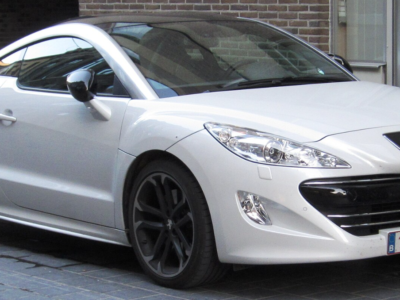
Peugeot RCZ Reliability: How Dependable Is This Stylish Coupé?

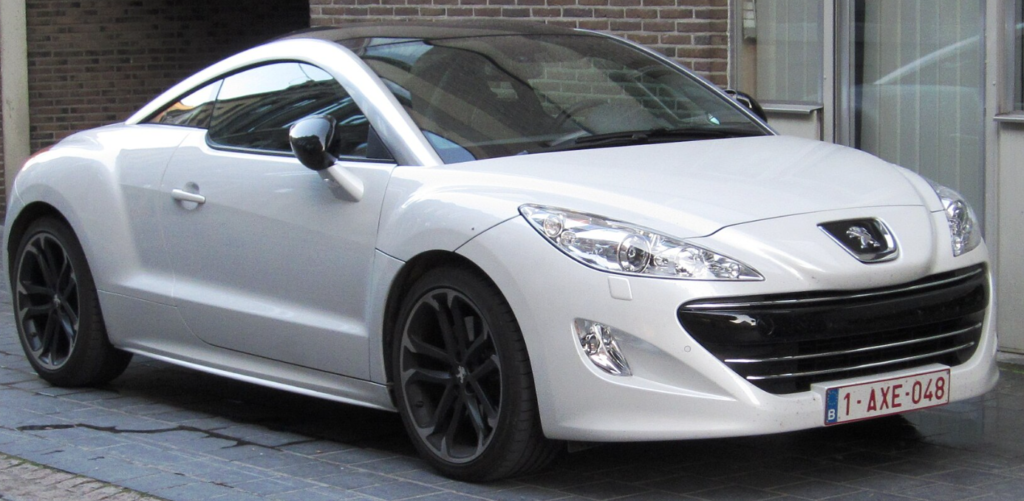
Few cars age quite like the Peugeot RCZ. Even today, it looks as though someone sketched a concept car, forgot to tone it down for production, and simply sent it to the factory. The double-bubble roof, wide rear haunches, aluminum roof arches, and low coupé stance still turn heads.
But looks are only half the story.
Anyone considering a used example eventually asks the same question: what is Peugeot RCZ reliability really like?
The answer is more complicated than simply calling the RCZ reliable or unreliable. Peugeot sold the RCZ between 2010 and 2015, with a facelift arriving in 2013. Depending on market and year, buyers could choose versions including the 1.6 THP petrol engines, the 2.0 HDi diesel, and eventually the high-performance RCZ R.
Some engines have developed a noticeably worse reputation than others. Maintenance history matters enormously too.
A carefully maintained RCZ can still make an enjoyable daily driver or weekend coupé. A neglected example, however, can turn into a surprisingly expensive lesson in why a cheap performance car is not necessarily a cheap car to own.
So, let’s dig beneath that beautiful roofline.
Content in this publication
- Peugeot RCZ Reliability at a Glance
- Which Engines Were Available in the Peugeot RCZ?
- Why Does the Peugeot RCZ Have a Mixed Reliability Reputation?
- Peugeot RCZ 1.6 THP Reliability
- Carbon Buildup on the 1.6 THP Engine
- High-Pressure Fuel Pump Problems
- Oil Consumption on the Peugeot RCZ
- Cooling-System and Thermostat Problems
- Ignition Coils and Spark Plugs
- Peugeot RCZ 2.0 HDi Reliability
- Is the Peugeot RCZ R Reliable?
- Peugeot RCZ Gearbox Reliability
- Electrical Problems and Interior Equipment
- Active Rear Spoiler Problems
- Suspension, Wheels and Tyres
- Brakes and General Wear
- Are Later Peugeot RCZ Models More Reliable?
- What Mileage Is Too High for a Peugeot RCZ?
- Peugeot RCZ Reliability Buying Checklist
- How to Make a Peugeot RCZ More Reliable
- How Expensive Is Peugeot RCZ Ownership?
- Is a Peugeot RCZ Reliable Enough for Daily Driving?
- Is Peugeot RCZ Reliability Really as Bad as the Internet Says?
- Peugeot RCZ Reliability: The Importance of Service History
- Would We Buy a Peugeot RCZ?
- Closing Thoughts on Peugeot RCZ Reliability
- Frequently Asked Questions
Peugeot RCZ Reliability at a Glance
The RCZ itself is not fundamentally a fragile car. Many of its mechanical components were related to Peugeot's mainstream models, while the car's biggest reliability concerns tend to revolve around particular engines and their associated components.
The 1.6 THP petrol engine deserves the most attention.
Commonly discussed trouble areas include timing-chain and tensioner wear, carbon deposits on intake valves, high-pressure fuel-pump problems, oil consumption, ignition-related faults, and coolant-system issues. These concerns are particularly well documented across earlier versions of the BMW-PSA Prince engine family.
The 2.0 HDi diesel has a different set of worries. It avoids many of the notorious THP petrol problems, but buyers still need to think about the diesel particulate filter, EGR system, turbocharger condition, clutch, and dual-mass flywheel—especially where previous owners mainly used the car for short urban journeys.
In other words, Peugeot RCZ reliability depends heavily on which RCZ we are talking about.
Which Engines Were Available in the Peugeot RCZ?
Understanding the engine lineup makes the reliability discussion much easier.
Peugeot's facelift-era specifications included the 1.6 THP 156, 1.6 THP 200, and 2.0 HDi 163, while the later RCZ R used a substantially more powerful version of the 1.6-liter turbocharged petrol engine. Official specifications for the 2014 model listed outputs of 156, 200, 270 and 163 bhp respectively in the UK market.
| RCZ version | Engine | General character |
|---|---|---|
| RCZ THP 156 | 1.6 turbo petrol | Common, quick and relatively affordable |
| RCZ THP 200 | 1.6 turbo petrol | Faster, more performance focused |
| RCZ R | 1.6 turbo petrol | High-output flagship |
| RCZ HDi 163 | 2.0 turbo diesel | Torquey, economical long-distance choice |
Those engines might live under the same dramatic body, but they create very different ownership experiences.
Why Does the Peugeot RCZ Have a Mixed Reliability Reputation?
The RCZ arrived at an awkward point in automotive engineering.
Manufacturers were squeezing increasingly impressive power from smaller turbocharged engines while adding direct fuel injection, variable valve timing, sophisticated emissions equipment, and increasingly complex engine-management systems.
That delivered impressive performance and efficiency.
It also meant there were more things capable of going wrong.
This is particularly important with the 1.6 THP. The engine belongs to the Prince family originally developed through cooperation between PSA and BMW. Variants were used in numerous Peugeot, Citroën and MINI models, which means RCZ problems are not isolated curiosities unique to one niche French coupé.
The upside? Specialists know these engines well.
The downside? Their weaknesses are equally well known.
Peugeot RCZ 1.6 THP Reliability
If we had to choose one area deserving the closest inspection when buying an RCZ, this would be it.
The THP can feel terrific when healthy. It is responsive, punchy and suits the RCZ's sporty personality extremely well.
But maintenance neglect is its enemy.
An RCZ with a thick folder of invoices, regular oil changes, documented timing work and evidence of preventative maintenance is a completely different proposition from an apparently identical car with three stamps and a seller saying, “It has never needed anything.”
That last sentence should make our wallet nervous.
Timing Chain and Tensioner Problems
Timing-chain wear is probably the single most famous Peugeot RCZ reliability issue.
Unlike a conventional timing belt that gets replaced according to a defined schedule, a chain is generally designed to last considerably longer. Unfortunately, earlier Prince-engine applications developed a reputation for problems involving the chain, tensioner and associated components.
Information relating to Prince engines manufactured before late 2011 identifies timing-chain tensioner concerns and revised tensioner designs. Owner communities have likewise repeatedly reported cold-start rattling and stretched chains on RCZ petrol models.
What Does a Bad RCZ Timing Chain Sound Like?
Listen carefully when the engine is completely cold.
A worn chain or tensioner may produce a metallic rattle or clattering sound immediately after startup. People sometimes describe it as making the petrol engine briefly sound like a diesel.
A faint momentary noise does not automatically prove the engine is doomed, but persistent rattling deserves investigation before purchase.
More advanced timing problems may be accompanied by engine-management warnings, rough running, hesitation, reduced performance, or camshaft/crankshaft correlation fault codes.
Ignore it long enough and the repair can become far more serious than simply installing a new chain kit.
Does a Later RCZ Have a Better Timing Chain?
Generally, later components benefited from revisions, and earlier Prince engines are particularly associated with tensioner problems.
That does not mean every facelift RCZ is automatically safe.
Remember that even the newest RCZ is now an aging performance car. Service history, oil level, oil quality, driving habits, previous repairs and mileage can matter more than whether the registration plate is one or two years newer.
We would rather own a meticulously maintained 2011 car with documented timing-chain work than a neglected 2014 example whose owner cannot remember when the oil was changed.
History beats assumptions.
Carbon Buildup on the 1.6 THP Engine
Another recurring issue is intake-valve carbon buildup.
The THP uses direct fuel injection. Unlike older port-injected engines, fuel is delivered directly into the combustion chamber rather than being sprayed over the rear surfaces of the intake valves.
Consequently, fuel does not continually wash those valve surfaces.
Over time, oil vapors and deposits can accumulate.
Specialist descriptions of RCZ and Prince-engine problems specifically identify intake-valve carbon accumulation as a cause of rough running and misfires.
Symptoms of Carbon Buildup
A carbon-heavy THP may idle unevenly, hesitate, misfire, feel less responsive or lose some of the sharpness it had when new.
The tricky part is that those symptoms overlap with several other problems.
A failing coil pack can cause misfires.
So can a fuel-delivery problem.
So can incorrect valve timing.
That makes proper diagnosis more important than firing the parts cannon at the engine and hoping something works.
Can Carbon Deposits Be Cleaned?
Yes.
Specialists can clean intake valves mechanically, and walnut-shell blasting is commonly used on direct-injection engines.
The important point is that cleaning carbon deposits deals with the deposits themselves. We still want the technician to investigate whether excessive oil vapor, crankcase ventilation problems or another underlying condition is accelerating their return.
High-Pressure Fuel Pump Problems
Direct injection requires extremely high fuel pressure, so the THP uses a high-pressure fuel pump.
That component is another item worth investigating.
Reports relating to the RCZ and Prince-engine family identify HPFP wear or failure among recurring THP concerns.
A struggling pump may produce hard starting, hesitation, poor acceleration, engine-warning lights, misfires or sudden loss of power under load.
Those symptoms can easily be mistaken for ignition trouble.
If the car drives perfectly around town but stumbles badly when we accelerate hard onto a motorway, fuel pressure should be among the possibilities considered during diagnosis.
Oil Consumption on the Peugeot RCZ
Checking the dipstick on a used RCZ is not a ceremonial exercise. It matters.
Some THP engines develop increased oil consumption as mileage accumulates. Potential causes can range from crankcase ventilation problems and external leaks to turbocharger seals or internal engine wear.
Specialist material dealing with the Prince engine also identifies PCV-related issues and piston-ring or turbo-seal wear as potential contributors to oil consumption.
Low oil is particularly undesirable in an engine already sensitive to timing-chain lubrication.
The chain tensioner depends on proper oil pressure.
The turbocharger depends on proper lubrication.
Variable valve timing depends on clean oil.
Running one of these engines low on oil is a little like asking a dehydrated marathon runner to sprint uphill. Nothing improves.
Cooling-System and Thermostat Problems
We also want to examine the RCZ's cooling system carefully.
Owners have reported thermostat-housing leaks and related coolant issues, while water-pump and cooling-system repairs appear among the recurring maintenance themes surrounding the THP engine family.
Look around the engine bay for dried coolant residue, staining and obvious leaks.
Watch the temperature gauge during the test drive.
Check whether the cooling fans operate normally.
And never accept unexplained coolant loss as “just something these cars do.”
Engines do not consume coolant for entertainment.
Coolant that repeatedly disappears has gone somewhere.
Ignition Coils and Spark Plugs
Turbocharged petrol engines place significant demands on their ignition systems.
On an RCZ, failing coils or worn plugs can produce hesitation, rough running and misfire warnings.
Fortunately, ignition components are far less frightening than catastrophic engine damage.
The real danger is misdiagnosis.
If a seller tells us, “It only needs a coil pack,” but the engine also rattles on startup, burns oil and has several stored fault codes, we should not automatically believe the cheapest possible explanation.
A proper diagnostic scan and mechanical inspection are worth every penny.
Peugeot RCZ 2.0 HDi Reliability
Now we reach what many secondhand buyers consider the more conventional RCZ powertrain.
You may be interested in reading Peugeot RCZ Insurance Group: Complete UK Guide
The 2.0 HDi avoids the THP petrol engine's timing-chain and direct-injection intake-carbon narrative.
That does not make the diesel maintenance-free.
Its problems simply live in a different neighborhood.
DPF Problems
The diesel particulate filter captures soot from the exhaust and periodically burns it away through regeneration.
This system works best when the engine regularly reaches normal operating temperature and spends enough time under suitable driving conditions.
An HDi RCZ that has spent its life cruising long distances may therefore be a very different proposition from one used almost exclusively for five-minute city journeys.
Short-trip operation can prevent successful DPF regeneration, allowing soot accumulation to become excessive. Reports concerning the RCZ specifically flag DPF blockage as a diesel-related concern.
EGR Valve Problems
The exhaust-gas recirculation system can also accumulate soot.
A malfunctioning or clogged EGR valve may contribute to hesitation, warning lights and emissions-related problems.
Again, usage matters.
Diesels love long, properly warmed journeys far more than endless cold starts and crawling around town.
If our intended commute is three kilometers through heavy traffic, buying an older diesel simply because it gets excellent motorway fuel economy may be solving the wrong problem.
Clutch and Dual-Mass Flywheel
Manual diesel cars also deserve careful clutch and flywheel inspection.
Listen for abnormal rattling around idle.
Pay attention to vibration while engaging the clutch.
Accelerate firmly in a high gear at low-to-medium revs and check for clutch slip.
A tired dual-mass flywheel and clutch can turn what looked like an attractively priced RCZ into a considerably more expensive purchase.
Is the Peugeot RCZ R Reliable?
The RCZ R is the exciting one.
Peugeot increased the output of the 1.6-liter turbo engine to around 270 bhp in relevant markets, turning the already striking RCZ into a considerably more serious performance car. Peugeot's official 2014 specifications listed the RCZ R's 1,598 cc engine at 270 bhp and 330 Nm.
But we should approach one with the mindset we would apply to any older high-output performance vehicle.
Maintenance becomes even more important.
Has it been modified?
Has it been repeatedly driven hard from cold?
Was the correct oil used?
Were services performed on time?
Are there reputable invoices?
Has it been remapped?
Does the engine consume oil?
Does it start quietly?
An RCZ R with excellent history could be a fascinating enthusiast car. An abused one is not something we would buy simply because the paint shines beautifully.
Performance magnifies neglect.
Peugeot RCZ Gearbox Reliability
Manual gearboxes are relatively straightforward to evaluate during a test drive.
Changes should feel clean rather than obstructive.
The clutch should engage progressively.
There should be no grinding when selecting gears rapidly.
Listen for bearing noise and investigate excessive transmission whine rather than assuming every noise is “normal for a sports car.”
Some lower-powered RCZ versions were also sold with an automatic transmission. Official model specifications confirm both manual and automatic versions of the THP 156 were available in relevant markets.
With any older automatic, smooth operation and evidence of sensible maintenance are important. Check engagement from park into drive and reverse, test low-speed behavior, and make sure shifts remain clean once everything reaches operating temperature.
Electrical Problems and Interior Equipment
Compared with engine problems, smaller electrical faults might sound trivial.
They are still annoying.
Window regulators and associated electrical problems have been reported by RCZ owners, along with occasional infotainment, sensor and convenience-equipment faults.
The frameless windows deserve particular attention because they form part of the RCZ's everyday coupé experience.
Open both doors repeatedly.
Operate both windows fully.
Test mirrors.
Check central locking.
Try the climate control.
Operate the infotainment system.
Inspect every warning light during startup.
The RCZ's cabin is a pleasant place to be, but a collection of minor electrical failures can nibble away at the ownership experience like ducks attacking a sandwich.
Active Rear Spoiler Problems
One of the RCZ's signature features is its deployable rear spoiler.
It contributes to the car's visual drama and automatically changes position according to vehicle speed.
Naturally, anything motorized deserves testing on an older car.
Inspect the mechanism and make sure there are no warning messages associated with it.
If possible, use the manual control where fitted or verify correct operation during the vehicle inspection.
A malfunctioning spoiler will not usually frighten us like a rattling timing chain, but specialty parts and diagnostics can still add cost.
Suspension, Wheels and Tyres
The RCZ rides on relatively large wheels with low-profile tyres, especially on higher-specification models.
That helps the styling enormously.
Potholes remain unimpressed.
Check the wheels carefully for cracks, repairs, buckling and curb damage. Uneven tyre wear may point toward alignment problems or worn suspension components.
Drive across rough surfaces with the radio switched off.
Knocks and rattles from the suspension deserve investigation.
A healthy RCZ should feel tight rather than loose and exhausted.
The condition of the tyres can also tell us something about the previous owner. Four matching premium tyres suggest a different maintenance philosophy from four unrelated bargain tyres with uneven tread depths.
Sometimes the tyres are a résumé.
Brakes and General Wear
A sports coupé may have lived a harder life than its mileage suggests.
Inspect brake discs for heavy lips, scoring and corrosion.
Check whether the steering wheel vibrates under braking.
Make several controlled stops and confirm the car remains stable.
The RCZ R in particular deserves attention because consumables suitable for a higher-performance variant can cost more than ordinary Peugeot hatchback components.
Low purchase price should never make us forget that we are still maintaining a performance-oriented coupé.
Are Later Peugeot RCZ Models More Reliable?
There is some logic behind choosing a later car.
The facelift arrived in 2013, and later cars were built after earlier Prince-engine timing-system revisions had already appeared. Peugeot continued selling the RCZ until 2015.
But we would not choose by year alone.
A later vehicle with neglected servicing can easily be less attractive than an earlier example where a knowledgeable owner has already addressed common trouble spots.
When shopping today, documentation is almost part of the drivetrain.
Look for evidence, not promises.
What Mileage Is Too High for a Peugeot RCZ?
There is no magic mileage where an RCZ suddenly becomes unreliable.
A 60,000-mile car with infrequent oil changes could worry us more than a 100,000-mile car maintained meticulously by an enthusiast.
Instead of obsessing over the odometer, we would examine what has happened during those miles.
Has the THP timing system been inspected or replaced?
Does the engine burn oil?
Has the cooling system received attention?
You may be interested in readingPeugeot RCZ Insurance Group: Complete UK GuideYou may be interested in reading
Peugeot RCZ Weight: A Complete Guide to Kerb Weight and SpecsOn the diesel, has the car regularly completed longer journeys?
Has the clutch been replaced?
Have suspension components been renewed?
Old performance cars often become better purchases after expensive age-related work has already been completed.
Mileage tells us how far the car travelled.
Invoices tell us how it survived the journey.
Peugeot RCZ Reliability Buying Checklist
Before purchasing any RCZ, we would perform the following checks:
- Start the engine completely cold and listen carefully for timing-chain rattle.
- Check the engine-oil level and ask how much oil the owner adds between services.
- Look for coolant leaks, dried coolant residue and unexplained low coolant.
- Scan the ECU for stored and pending fault codes rather than relying solely on dashboard lights.
- Test hard acceleration for hesitation, misfires or fuel-pressure problems.
- Check for blue exhaust smoke and unusual turbocharger noises.
- Verify smooth clutch and gearbox operation.
- On HDi models, investigate DPF, EGR and dual-mass flywheel condition.
- Test windows, mirrors, central locking, air conditioning, infotainment and rear-spoiler operation.
- Inspect tyres for uneven wear and wheels for impact damage.
- Examine service invoices carefully, paying special attention to oil-change frequency and major engine repairs.
- Check the vehicle's VIN for outstanding manufacturer recall campaigns before purchase. Peugeot provides an official VIN-based recall checker, while UK vehicles can also be checked through the government's recall service.
A professional pre-purchase inspection is particularly worthwhile on an RCZ THP.
Spending money before buying feels unpleasant.
Spending ten times as much immediately after buying feels considerably worse.
How to Make a Peugeot RCZ More Reliable
Preventative maintenance changes the equation dramatically.
With a THP petrol car, we would be conservative about oil servicing rather than pushing intervals to their absolute limit. Correct oil specification, regular level checks and prompt investigation of unusual noises are especially important.
Let the engine warm properly before demanding full boost.
Do not ignore coolant loss.
Do not keep driving for months with a check-engine light.
Do not assume an intermittent misfire will magically develop a sense of responsibility and repair itself.
For diesel owners, regular longer journeys can help the emissions system operate as intended.
Across every RCZ version, the philosophy is basically the same: fix small problems while they are still small.
How Expensive Is Peugeot RCZ Ownership?
Normal servicing need not be outrageous because the RCZ shares a considerable amount of mechanical DNA with mainstream Peugeot products.
The financial danger comes from purchasing the wrong example.
A car requiring tyres, suspension work, a clutch, cooling-system repairs and major engine attention can swallow the difference between a cheap RCZ and an expensive one remarkably quickly.
This is why the lowest advertised price is rarely the most interesting number.
We care about the total cost of reaching a properly sorted car.
Imagine two examples.
Car A costs slightly more but includes extensive service history, four quality tyres, evidence of recent timing work and no warning lights.
Car B is cheaper, has mismatched tyres, questionable oil history and a mysterious metallic rattle the seller insists “all RCZs make.”
Car B is not necessarily the bargain.
It may simply be Car A's price with the repair bills hidden.
Is a Peugeot RCZ Reliable Enough for Daily Driving?
Yes, a well-maintained one can be used regularly.
However, buying one as daily transport means we should prioritize condition over specification.
The gorgeous color combination can wait.
So can the biggest wheels.
So can the upgraded stereo.
First we want a healthy engine, clean diagnostic report, functioning cooling system, good tyres, strong service history and evidence that somebody actually cared for the car.
For heavy motorway mileage, a healthy 2.0 HDi can make considerable sense.
For lower annual mileage or frequent short journeys, a petrol model may fit the usage pattern better—but the THP needs a particularly careful inspection.
Our driving habits should choose the engine, not just our emotions.
Is Peugeot RCZ Reliability Really as Bad as the Internet Says?
Internet forums naturally magnify problems.
Nobody usually creates a thread titled, “My car started normally again today.”
Owners seek help when something breaks.
That means forum discussions are valuable for identifying patterns but poor tools for estimating exactly what percentage of every RCZ will experience a specific failure.
Still, recurring patterns should not be dismissed.
Timing-chain concerns, high-pressure fuel-system problems and intake carbon deposits on Prince-family THP engines are documented across specialist material as well as owner communities.
The sensible position lies between panic and denial.
Not every THP will fail spectacularly.
Not every RCZ is unreliable.
But pretending the known weaknesses do not exist would be equally foolish.
Peugeot RCZ Reliability: The Importance of Service History
Service history is the thread tying everything together.
We want receipts rather than vague memories.
Oil-change invoices.
Timing-chain work.
Cooling-system repairs.
Spark plugs.
Coils.
Fuel-pump replacements.
Clutch work.
DPF maintenance.
Suspension repairs.
The more we know, the less we gamble.
A specialist who understands the THP engine is also valuable. Familiarity matters because several common symptoms overlap, and an experienced technician may identify the difference between ignition trouble, carbon buildup, fuel-pressure problems and incorrect cam timing far faster than a general parts-swapping approach.
Would We Buy a Peugeot RCZ?
We would not dismiss the RCZ because of reliability concerns.
We would simply buy one differently from the way we might buy a simple naturally aspirated economy car.
With the RCZ, condition and maintenance history matter enormously.
The attractive proposition is not “the cheapest RCZ available.”
It is the cleanest, most thoroughly documented example within budget.
For THP cars, timing-chain condition, oil consumption, fuel pressure, coolant leaks and intake deposits deserve special attention.
For HDi models, we shift our attention toward DPF use, EGR condition, clutch and flywheel wear.
And with an RCZ R, we would place even more emphasis on previous ownership, modifications and maintenance.
Buy the history.
The spectacular bodywork comes attached for free.
Closing Thoughts on Peugeot RCZ Reliability
The Peugeot RCZ is one of those cars whose personality makes its imperfections easier to understand but not cheaper to repair.
Its styling has aged beautifully. Its chassis remains enjoyable. The cabin feels special enough to remind us that we bought something more interesting than an ordinary hatchback.
Yet the wrong 1.6 THP can become expensive, particularly when previous owners ignored timing-chain noise, oil consumption, cooling problems or warning lights.
The 2.0 HDi escapes some of those petrol-engine worries but introduces the familiar complications of an aging emissions-equipped diesel.
So the final lesson on Peugeot RCZ reliability is refreshingly simple.
Do not buy the badge.
Do not buy the mileage.
Do not even buy the year.
Buy the condition, documentation and evidence of intelligent maintenance.
Find a properly cared-for example, and the RCZ can still deliver exactly what its shape promises: something unusual, engaging and genuinely special.
Frequently Asked Questions
Is the Peugeot RCZ a reliable car?
The RCZ can be dependable when correctly maintained, but reliability varies significantly between engines and individual cars. The 1.6 THP requires particular attention because of known timing-chain, carbon-deposit, fuel-system and oil-consumption concerns, while the 2.0 HDi has more conventional diesel-related issues.
What is the most common Peugeot RCZ problem?
On petrol models, timing-chain and tensioner trouble is one of the most frequently documented concerns, particularly in earlier Prince-engine applications. A metallic rattle during cold startup deserves immediate investigation.
Is the Peugeot RCZ 2.0 HDi reliable?
The 2.0 HDi avoids several of the famous THP petrol-engine weaknesses and can suit high-mileage drivers well. However, DPF blockage, EGR problems, clutch wear and dual-mass flywheel condition still need checking, especially on vehicles used mainly for short trips.
You may be interested in readingPeugeot RCZ Insurance Group: Complete UK GuideYou may be interested in reading
Peugeot RCZ Weight: A Complete Guide to Kerb Weight and SpecsYou may be interested in reading
 Toyota Corolla AE86 Engine Swap – The Ultimate Guide
Are later Peugeot RCZ models more reliable?
Later cars benefited from running production revisions and were built after some early Prince-engine timing-system concerns became known. Nevertheless, service history remains more important than model year alone. Peugeot introduced the facelift for 2013 and continued RCZ production through 2015.
What should we check before buying a Peugeot RCZ?
Start it cold, listen for timing-chain noise, inspect oil and coolant levels, scan for stored fault codes, test the car under load, verify every electrical accessory and study the maintenance invoices. Diesel buyers should additionally investigate DPF, EGR, clutch and flywheel condition.
If you want to know other articles similar to Peugeot RCZ Reliability: How Dependable Is This Stylish Coupé? you can visit the category Blog.
Peugeot RCZ Insurance Group: Complete UK Guide

Mazda CX-8 Reliability: How Dependable Is This 7-Seat SUV?

Is Infiniti QX60 a Good Car? A Complete Buyer’s Guide

Are Toyota Hilux Any Good? The Real-World Answer
Which Toyota Hilux Is the Most Reliable? The Best Years and Engines
Why Are Toyota Hilux So Tough? The Engineering Behind the Legend
Leave a Reply
More content of your interest