

Vauxhall Agila Problems: Common Faults & Fixes

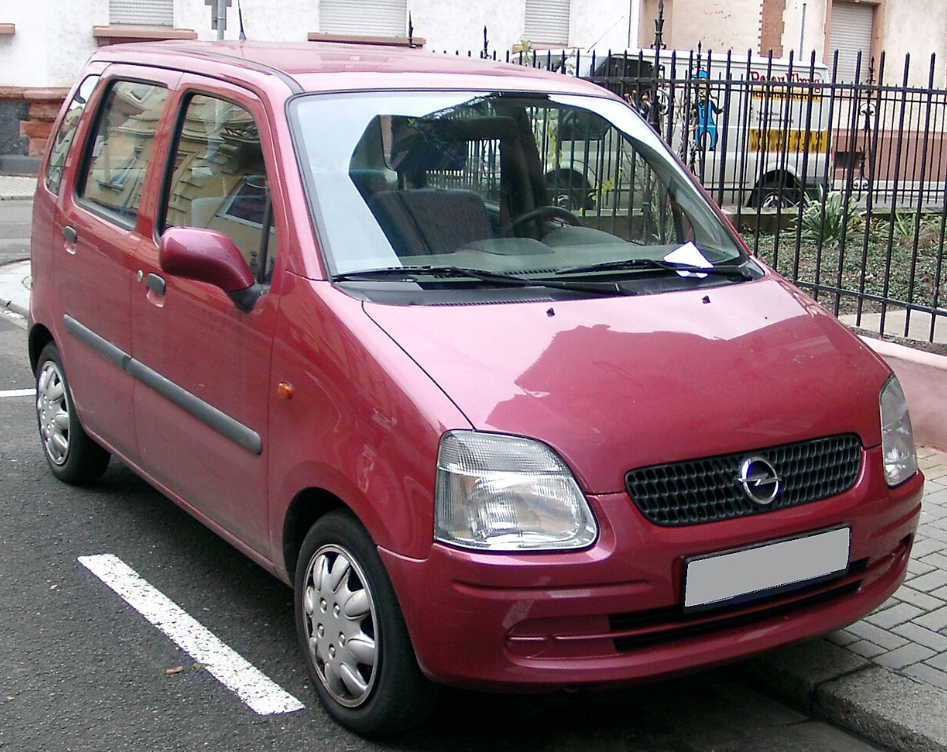
The Vauxhall Agila is a compact, economical city car that has gained popularity among drivers looking for affordable and practical transportation. Its small dimensions, efficient engines, and relatively straightforward mechanical design make it an attractive option on the used car market.
However, like any vehicle, the Agila is not completely free from mechanical issues. As these cars age, owners may encounter problems involving the engine, clutch, gearbox, suspension, electrical systems, and brakes.
Understanding the most common Vauxhall Agila problems is essential whether we're planning to purchase a second-hand model or already own one.
Some faults are relatively inexpensive to repair, while others can become costly, particularly when the vehicle has accumulated significant mileage or has been poorly maintained.
In this comprehensive guide, we'll explore the most common Vauxhall Agila faults, their symptoms, potential causes, repair options, and preventive maintenance tips.
We'll also examine the differences between the first-generation Agila A and the second-generation Agila B to help us determine which version offers better long-term reliability.
Content in this publication
- Is the Vauxhall Agila Reliable?
- Most Common Vauxhall Agila Problems
- 1. Vauxhall Agila Suspension Problems
- 2. Vauxhall Agila Clutch Problems
- 3. Vauxhall Agila Gearbox Problems
- 4. Vauxhall Agila Timing Chain Problems
- 5. Vauxhall Agila ABS Problems
- 6. Vauxhall Agila Power Steering Problems
- 7. Vauxhall Agila Engine Misfire Problems
- 8. Vauxhall Agila Cooling System Problems
- 9. Vauxhall Agila Brake Problems
- 10. Vauxhall Agila Diesel Problems
- 11. Vauxhall Agila Electrical Problems
- 12. Vauxhall Agila Rust Problems
- 13. Vauxhall Agila Wheel Bearing Problems
- 14. Vauxhall Agila Starting Problems
- Vauxhall Agila A Problems (2000–2008)
- Vauxhall Agila B Problems (2008–2014)
- Which Vauxhall Agila Engine Is Most Reliable?
- Vauxhall Agila Repair Costs in the UK
- Vauxhall Agila Problems by Mileage
- What to Check Before Buying a Used Vauxhall Agila
- How to Prevent Common Vauxhall Agila Problems
- Is the Vauxhall Agila Expensive to Maintain?
- Vauxhall Agila vs Suzuki Splash Reliability
- Should You Buy a High-Mileage Vauxhall Agila?
- Five Frequently Asked Questions
- Final Verdict: Is the Vauxhall Agila Worth Buying?
Is the Vauxhall Agila Reliable?
Overall, the Vauxhall Agila can be a dependable small car when properly maintained.
Its relatively simple construction and economical petrol engines contribute to manageable servicing costs. Additionally, its compact size makes it particularly well suited to urban environments.
However, reliability varies depending on the engine, generation, maintenance history, and previous driving conditions.
There are two main generations of the Vauxhall Agila.
| Generation | Production Years | Characteristics |
|---|---|---|
| Vauxhall Agila A | 2000–2008 | Boxy body design, based on the Suzuki Wagon R+ |
| Vauxhall Agila B | 2008–2014 | More modern design, closely related to the Suzuki Splash |
The second-generation Agila generally offers improved refinement, better driving characteristics, and a more modern interior.
Nevertheless, both generations can develop mechanical problems, particularly as they become older.
When evaluating reliability, we should pay more attention to the vehicle's condition and servicing history than to mileage alone.
Most Common Vauxhall Agila Problems
Before examining individual faults, let's look at the problems worth investigating.
| Common Problem | Typical Symptoms | Severity |
|---|---|---|
| Suspension wear | Knocking, uneven tyre wear | Moderate |
| Clutch problems | Stiff pedal, slipping clutch | Moderate to high |
| Gearbox faults | Grinding, whining, difficult gear changes | High |
| ABS system faults | ABS warning light | High |
| Timing chain wear | Rattling engine noise | High |
| Power steering problems | Heavy or inconsistent steering | High |
| Engine misfires | Rough idle, hesitation | Moderate |
| Cooling system faults | Overheating, coolant leaks | High |
| Brake problems | Grinding, poor braking performance | High |
| Electrical faults | Warning lights, central locking issues | Low to moderate |
| Corrosion | Rust on structural components | Moderate to high |
| Diesel engine faults | Reduced power, increased emissions | Moderate to high |
Not every Vauxhall Agila will experience these problems. Some are recognised concerns associated with particular versions, while others are general age-related faults common to many older vehicles.
1. Vauxhall Agila Suspension Problems
Suspension wear is one of the most important issues to investigate when buying a used Vauxhall Agila.
Both generations have relatively simple suspension systems designed to deliver acceptable comfort and predictable handling.
However, years of driving over potholes, uneven roads, and speed bumps can accelerate component deterioration.
Common Suspension Components That Fail
Several suspension components may eventually require replacement:
- Front coil springs
- Anti-roll bar links
- Suspension arm bushes
- Ball joints
- Shock absorbers
- Strut top mounts
The risk of deterioration generally increases with age, mileage, and exposure to poor road conditions.
Symptoms of Suspension Problems
We may notice the following warning signs:
- Knocking noises when driving over bumps
- Rattling from the front suspension
- Uneven tyre wear
- Excessive bouncing
- Poor steering stability
- The car pulling towards one side
- Unusual vibrations over rough roads
A broken suspension spring can be particularly dangerous because it may affect vehicle stability or interfere with the tyre.
How to Fix Suspension Problems
The correct repair depends on the defective component.
Worn anti-roll bar links and bushes can often be replaced relatively inexpensively.
However, replacing suspension arms, coil springs, or shock absorbers may be more expensive.
A qualified mechanic should inspect the complete suspension system before recommending repairs.
2. Vauxhall Agila Clutch Problems
Clutch problems are another important consideration, especially on manual models that have been used primarily for city driving.
Frequent stopping, starting, and gear changes place additional stress on the clutch assembly.
Over time, the friction material and operating components can deteriorate.
Symptoms of a Failing Clutch
Common symptoms include:
- Difficulty engaging first or reverse gear
- A stiff clutch pedal
- A high clutch biting point
- Juddering when pulling away
- Engine revs increasing without matching acceleration
- Unusual noises when pressing the clutch pedal
These symptoms can indicate different faults, so diagnosis is important.
Why Does the Vauxhall Agila Clutch Become Stiff?
A stiff clutch pedal may result from a worn operating mechanism, problems with the clutch cable where fitted, or deterioration within the clutch assembly.
The exact arrangement depends on the generation and specification.
A stiff pedal does not automatically mean the entire clutch needs replacing.
Sometimes, a relatively minor repair may restore normal operation.
Vauxhall Agila Clutch Replacement Cost
Clutch replacement costs vary depending on the engine, workshop, and components required.
As a broad UK budgeting estimate, a complete clutch replacement may cost approximately £350–£750, although individual quotations can fall outside this range.
Because gearbox removal is generally necessary, labour represents a substantial proportion of the repair bill.
Before replacing the clutch, we should confirm that the problem isn't caused by another part of the operating system.
3. Vauxhall Agila Gearbox Problems
The manual gearbox is another component that deserves attention when inspecting a used Agila.
Although many examples operate reliably for years, gearbox wear and mechanical failures can occur.
Common Gearbox Symptoms
Potential warning signs include:
- Grinding when changing gears
- Difficulty selecting reverse
- Whining noises while driving
- Gears jumping out unexpectedly
- Transmission oil leaks
- Excessive vibration
- A loose or imprecise gear lever
Some symptoms may result from worn bearings, synchronisers, or internal transmission damage.
However, clutch problems and gear linkage faults can produce similar symptoms.
Why Does the Agila Gearbox Make Noise?
A whining noise that changes with road speed may indicate bearing wear, although wheel bearings and other rotating components can produce similar sounds.
Grinding during gear changes can result from worn synchronisers or a clutch that doesn't disengage correctly.
Low transmission oil may also contribute to premature wear.
Can the Gearbox Be Repaired?
In many situations, yes.
Depending on the extent of the damage, a specialist may be able to replace bearings, seals, or other internal components.
Another possibility is fitting a reconditioned gearbox.
For older vehicles, we should compare the repair cost with the market value of the car before making a decision.
4. Vauxhall Agila Timing Chain Problems
Timing chain wear is another issue worth investigating, particularly on older or poorly serviced engines.
The timing chain synchronises the crankshaft and camshaft, ensuring that the engine valves operate at the correct time.
Although timing chains are generally designed for long service life, they can still deteriorate.
Symptoms of Timing Chain Problems
Possible warning signs include:
- Metallic rattling during startup
- Persistent engine rattling
- Reduced engine performance
- Difficulty starting
- Engine management warning light
- Timing-related diagnostic fault codes
A rattling noise is not always caused by the timing chain, but it should be investigated.
Which Vauxhall Agila Engines Have Timing Chains?
The main petrol engines fitted to the Agila use timing chains.
The 1.3 CDTi diesel also has a chain-driven timing system.
However, the engines used across both generations differ mechanically, so timing chain concerns should not be treated as identical across every version.
How to Prevent Timing Chain Wear
Regular servicing is important.
We should use the correct engine oil, maintain the appropriate oil level, and follow the manufacturer's recommended servicing requirements.
Oil quality and lubrication are especially important for chain tensioners and associated components.
If persistent rattling develops, early diagnosis may prevent more serious engine damage.
5. Vauxhall Agila ABS Problems
ABS faults are among the more significant issues reported on certain second-generation Agila models.
The anti-lock braking system helps prevent wheel lock-up during heavy braking.
Some vehicles have experienced problems associated with ABS hydraulic units, electronic modules, or brake pressure sensors.
Symptoms of ABS Failure
Common warning signs include:
- ABS warning light remaining illuminated
- ESP warning light
- Diagnostic fault codes
- Anti-lock braking functionality becoming unavailable
The conventional braking system may continue operating, but the loss of ABS or stability assistance can affect safety.
What Causes Vauxhall Agila ABS Problems?
Possible causes include:
- ABS control module failure
- Defective internal pressure sensors
- Hydraulic unit problems
- Faulty wheel speed sensors
- Damaged wiring or electrical connections
A dashboard warning light alone cannot identify which component has failed.
How to Repair ABS Problems
The first step should be a diagnostic scan capable of reading the ABS control module.
Depending on the results, the repair may involve replacing a wheel speed sensor, repairing wiring, rebuilding an electronic module, or replacing a defective hydraulic unit.
Because ABS repairs can be expensive, we should avoid replacing major components without confirming the fault.
6. Vauxhall Agila Power Steering Problems
Electric power steering problems can occur on ageing Vauxhall Agilas.
The steering assistance system is designed to reduce the effort needed when parking and manoeuvring at low speeds.
When a fault develops, the steering may become heavier or assistance may operate inconsistently.
Symptoms of Power Steering Failure
We may experience:
- Heavy steering
- Intermittent steering assistance
- A steering warning light
- Unusual noises during steering
- Increased effort when parking
What Causes Electric Steering Faults?
Several components may be responsible.
Possible causes include electrical connection problems, low battery voltage, charging faults, defective sensors, or failure of the steering assistance components.
How to Fix the Problem
A mechanic should initially check the electrical supply, battery condition, charging system, and relevant diagnostic codes.
If the steering unit itself is defective, specialist repair or replacement may be required.
Because steering problems directly affect vehicle control, serious faults should be addressed promptly.
7. Vauxhall Agila Engine Misfire Problems
Engine misfires can affect petrol-powered Agilas, particularly when ignition components become worn.
A misfire occurs when combustion doesn't take place correctly in one or more cylinders.
This can cause reduced engine performance and increased fuel consumption.
Symptoms of an Engine Misfire
Typical signs include:
- Rough idling
- Hesitation when accelerating
- Engine vibrations
- Reduced power
- Increased fuel consumption
- Difficulty starting
- An illuminated engine warning light
What Causes an Agila Engine to Misfire?
Potential causes include:
- Worn spark plugs
- Faulty ignition coils
- Air intake leaks
- Fuel system problems
- Sensor faults
- Low engine compression
The correct diagnosis depends on the engine and the conditions under which the fault occurs.
How to Fix Engine Misfires
Reading the diagnostic fault codes is a useful starting point.
A mechanic may then inspect the ignition system, fuel delivery, and intake components.
If the cause is a worn spark plug or ignition coil, the repair may be relatively inexpensive.
However, internal mechanical problems can result in much higher costs.
A flashing engine management light can indicate a severe misfire that may damage the catalytic converter. In that situation, we should stop safely and arrange assistance.
8. Vauxhall Agila Cooling System Problems
Cooling system deterioration is another concern on older Agila models.
The cooling system regulates engine temperature and helps prevent overheating.
When components fail, the engine may become excessively hot.
Common Causes of Overheating
Possible causes include:
- Coolant leaks
- Water pump problems
- Thermostat failure
- Radiator deterioration
- Cooling fan faults
- Damaged hoses
- Low coolant levels
Signs of Cooling System Problems
Warning symptoms include:
- Abnormally high engine temperature
- Coolant disappearing from the reservoir
- Steam from the engine compartment
- Sweet-smelling coolant leaks
- Poor cabin heating
- Repeated overheating
Can Overheating Damage the Engine?
Yes.
Severe overheating may damage the cylinder head, head gasket, and other internal components.
Repeatedly driving an overheating car can turn a minor cooling system problem into a major engine repair.
If the temperature rises abnormally, we should stop safely and allow the engine to cool.
Never open the cooling system while it is hot and pressurised.
9. Vauxhall Agila Brake Problems
Brake deterioration is particularly relevant on older vehicles that have experienced frequent urban use.
Repeated braking, moisture exposure, and corrosion can affect the braking system.
Common Brake Faults
Components worth inspecting include:
- Front brake discs
- Brake pads
- Rear braking components
- Brake pipes
- Flexible hoses
- Handbrake mechanisms
- Brake calipers
Symptoms of Brake Problems
Potential symptoms include:
- Grinding or squealing
- Vibration when braking
- Reduced braking performance
- A weak parking brake
- The car pulling towards one side
- A soft brake pedal
- Brake fluid leakage
Are Brake Problems Expensive to Fix?
Routine brake pad or disc replacement is generally manageable.
However, replacing corroded brake pipes, seized calipers, or multiple braking components can increase the cost considerably.
Since braking performance is essential for safety, defects should be repaired before the vehicle is driven further if they compromise stopping ability.
10. Vauxhall Agila Diesel Problems
The 1.3 CDTi diesel engine offers economical fuel consumption, especially on longer journeys.
However, diesel engines generally have additional components that can become expensive to maintain as they age.
EGR Valve Problems
The exhaust gas recirculation system can accumulate carbon deposits.
Possible symptoms include rough idling, hesitation, reduced power, and engine warning lights.
Short journeys may contribute to deposit formation.
Depending on the condition of the system, cleaning or replacement may be required.
Diesel Particulate Filter Problems
Some diesel versions are equipped with a diesel particulate filter.
Where fitted, repeated short trips may interfere with regeneration.
This can eventually contribute to restricted exhaust flow, warning lights, and reduced performance.
The exact emissions equipment should be confirmed for the specific vehicle.
Turbocharger Problems
Turbocharger wear may occur on older or poorly maintained diesel engines.
Potential signs include:
- Reduced acceleration
- Unusual whistling noises
- Excessive exhaust smoke
- Increased oil consumption
- Reduced boost pressure
Not every loss of power indicates turbocharger failure. Air leaks, sensor faults, and fuel system problems may produce similar symptoms.
Is the Vauxhall Agila Diesel Reliable?
A properly maintained 1.3 CDTi can provide economical transport.
However, for frequent short journeys, we'd generally prefer a petrol Agila because it avoids some of the additional complexity associated with diesel emissions and turbocharging systems.
11. Vauxhall Agila Electrical Problems
Electrical problems can become increasingly common as vehicles age.
Although many are relatively minor, some can be inconvenient or expensive to diagnose.
Common Electrical Issues
Potential problems include:
- Central locking faults
- Electric window problems, where fitted
- Dashboard warning lights
- Interior lighting faults
- Battery drainage
- Faulty switches
- Damaged wiring
- Charging system problems
Why Does the Vauxhall Agila Battery Keep Going Flat?
A battery that repeatedly becomes discharged may indicate an ageing battery, charging system problems, poor electrical connections, or excessive current consumption when the car is parked.
Frequent short journeys can also prevent the battery from recharging adequately.
A battery and alternator test can help determine the cause.
12. Vauxhall Agila Rust Problems
Corrosion is a particularly important concern on first-generation Agila models.
Because these cars are now considerably older, rust may have developed in areas exposed to moisture and road salt.
Where Does the Vauxhall Agila Rust?
Areas worth inspecting include:
- Wheel arches
- Door bottoms
- Sills
- Underbody panels
- Suspension mounting points
- Brake pipes
- Exhaust mounting brackets
Is Rust a Serious Problem?
The severity depends on the affected area.
Minor surface rust may be relatively straightforward to treat.
However, corrosion affecting structural components or suspension mounting points can compromise safety.
Major welding repairs may also exceed the value of an older Agila.
Before buying, we should inspect the underside carefully, preferably with the vehicle on a lift.
13. Vauxhall Agila Wheel Bearing Problems
Wheel bearing deterioration can occur as mileage increases.
Wheel bearings allow the wheels to rotate smoothly while supporting vehicle loads.
When they become worn, they may produce unusual noises or vibrations.
Symptoms of Worn Wheel Bearings
Typical signs include:
- Humming noises while driving
- Rumbling that increases with speed
- Vibration from a wheel
- Excessive wheel play
- Noise that changes when cornering
However, uneven tyre wear and road surface conditions can produce similar sounds.
A mechanic should identify the source before replacing components.
14. Vauxhall Agila Starting Problems
Starting difficulties are another issue that owners may encounter.
The cause depends on whether the engine turns over normally or fails to crank.
Engine Cranks but Won't Start
Possible causes include fuel delivery faults, ignition system problems, faulty sensors, immobiliser issues, or mechanical timing problems.
A diagnostic scan may help identify electronic faults.
Engine Does Not Crank
If the starter motor doesn't turn the engine, possible causes include:
- Weak battery
- Faulty starter motor
- Corroded electrical connections
- Starter circuit problems
- Relevant fuse or wiring faults
Intermittent Starting Problems
Intermittent faults can be particularly frustrating.
Recording whether the problem occurs with a cold or warm engine can help identify the cause.
Rather than replacing parts randomly, we'd recommend systematic diagnosis.
Vauxhall Agila A Problems (2000–2008)
The first-generation Vauxhall Agila features a distinctive tall and boxy design.
It shares engineering with the Suzuki Wagon R+ and was developed to provide practical interior space within a compact footprint.
Despite its simplicity, age-related deterioration is now a major consideration.
Common First-Generation Problems
The main areas we'd inspect include:
- Timing chain noise
- Clutch wear
- Ignition system faults
- Cooling system deterioration
- Worn suspension components
- Brake pipe corrosion
- Body rust
- Ageing rubber bushes and hoses
Is the Agila A Reliable?
A properly maintained example can still provide affordable transportation.
However, the age of these vehicles means that even low-mileage examples may suffer from deteriorated seals, hoses, and other components.
For us, structural condition and maintenance history would be more important than a particularly low purchase price.
Vauxhall Agila B Problems (2008–2014)
The second-generation Vauxhall Agila introduced a more modern appearance and improved refinement.
Closely related to the Suzuki Splash, it offers practical packaging and a selection of economical engines.
Common Second-Generation Problems
Important areas to investigate include:
- Suspension wear
- Clutch problems
- Manual gearbox faults
- ABS warning lights
- Brake deterioration
- Power steering problems
- Electrical faults
- General corrosion
Is the Agila B Better Than the Agila A?
In many respects, yes.
The newer model offers improved comfort, a more modern cabin, and generally better everyday usability.
However, its overall reliability still depends on maintenance and the condition of individual components.
A neglected Agila B may be a worse purchase than a carefully maintained first-generation car.
Which Vauxhall Agila Engine Is Most Reliable?
The best engine depends on our driving habits and maintenance expectations.
| Engine | Advantages | Potential Concerns |
|---|---|---|
| 1.0 petrol Agila A | Economical and simple | Limited performance, age-related wear |
| 1.2 petrol Agila A | Better flexibility | Timing chain condition, maintenance history |
| 1.0 petrol Agila B | Good urban economy | Modest acceleration |
| 1.2 petrol Agila B | Good all-round performance | Clutch and gearbox condition |
| 1.3 CDTi diesel | Economical on longer journeys | EGR, turbo and emissions-related issues |
Best Engine for City Driving
The 1.0 petrol is a sensible choice for motorists who primarily travel around town.
It provides adequate performance for short journeys and generally straightforward maintenance.
However, its limited power may become noticeable on motorways or when carrying several passengers.
Best Engine for Everyday Use
The second-generation 1.2 petrol offers a better balance between performance and economy.
For mixed driving, we'd generally favour this version, provided it has been properly maintained.
Best Engine for Motorway Driving
The 1.3 CDTi diesel may appeal to drivers covering longer distances regularly.
However, we should consider the additional maintenance risks of an ageing diesel engine before purchasing.
Vauxhall Agila Repair Costs in the UK
One of the Agila's main attractions is its relatively inexpensive maintenance.
Nevertheless, major repairs can still be costly compared with the vehicle's current market value.
The following figures are approximate UK budgeting estimates, not fixed quotations.
| Repair | Estimated Cost |
|---|---|
| Anti-roll bar link replacement | £70–£160 |
| Front suspension spring replacement | £140–£300 |
| Suspension arm replacement | £150–£350 |
| Wheel bearing replacement | £150–£350 |
| Clutch replacement | £350–£750 |
| ABS module repair | £200–£500 |
| Timing chain replacement | £450–£1,100+ |
| Reconditioned gearbox installation | £600–£1,400+ |
| Minor electrical repairs | £70–£250 |
Repair prices vary considerably depending on the workshop, specific model, replacement parts, and extent of the damage.
We should obtain a written quotation before approving major work.
Vauxhall Agila Problems by Mileage
Mileage can help identify components that deserve particular attention, although it doesn't determine exactly when a part will fail.
| Mileage | Areas Worth Checking |
|---|---|
| Under 40,000 miles | Battery, servicing history, age-related wear |
| 40,000–60,000 miles | Clutch, brakes, suspension components |
| 60,000–80,000 miles | Wheel bearings, gearbox, cooling system |
| 80,000–100,000 miles | Timing chain noise, leaks, corrosion |
| Over 100,000 miles | Complete mechanical and structural condition |
These figures are inspection guidelines, not guaranteed failure intervals.
A car with 110,000 miles and excellent maintenance may be more reliable than one with 45,000 miles and a neglected servicing history.
What to Check Before Buying a Used Vauxhall Agila
Buying an older city car requires careful consideration.
Because used Agilas can be relatively inexpensive, even a moderate repair bill may represent a significant percentage of the purchase price.
Check the Service History
Look for evidence of regular oil changes, brake maintenance, coolant servicing, and previous repairs.
A documented maintenance history can provide valuable insight into how the vehicle has been treated.
Start the Engine from Cold
A cold start may reveal unusual engine rattles, starting difficulties, or rough idling.
Listen carefully for persistent metallic noises and observe whether the engine runs smoothly.
Test the Clutch and Gearbox
Make sure all gears engage smoothly.
Check for clutch slipping, grinding, vibration, and unusual transmission noises.
Inspect the Suspension
Drive over ordinary road imperfections and listen for knocking sounds.
Check the tyres for uneven wear and observe whether the car maintains a straight path.
Examine the Brakes
Check for vibration, grinding, reduced braking performance, and poor handbrake operation.
Any significant braking problem should be investigated before purchase.
Check the MOT History
The UK MOT history can reveal previous defects and recurring advisories.
Pay particular attention to suspension failures, brake pipe corrosion, structural rust, and repeated mechanical concerns.
Inspect the Vehicle for Rust
Examine the sills, wheel arches, underbody, and suspension mounting areas.
Serious corrosion can turn an inexpensive vehicle into a costly project.
Check for Outstanding Recalls
Use the vehicle identification number to confirm whether any manufacturer safety recall work remains outstanding.
Recall eligibility depends on the specific vehicle and its production details.
How to Prevent Common Vauxhall Agila Problems
Regular maintenance can help reduce the likelihood of expensive mechanical failures.
Although no maintenance programme can prevent every fault, taking care of essential components can extend vehicle life.
Change the Engine Oil Regularly
Use the manufacturer-recommended engine oil and follow the correct servicing schedule.
Proper lubrication is especially important for components such as timing chains and tensioners.
Monitor Coolant Levels
Check the cooling system regularly and investigate unexplained coolant loss.
Avoid continuing to drive if the engine repeatedly overheats.
Inspect Suspension Components
Don't ignore suspension knocking, steering instability, or abnormal tyre wear.
Addressing minor problems early can help prevent additional damage.
Maintain the Braking System
Inspect discs, pads, fluid, brake pipes, and handbrake operation.
Brake system deterioration should never be ignored.
Investigate Warning Lights
Dashboard warning lights can indicate problems affecting the engine, brakes, or steering.
Diagnosing the underlying fault is more effective than simply clearing the warning.
Avoid Neglecting Small Problems
Minor fluid leaks, unusual noises, or intermittent starting problems can eventually develop into more significant faults.
Prompt diagnosis may reduce the total repair cost.
Is the Vauxhall Agila Expensive to Maintain?
Generally, the Vauxhall Agila can be relatively inexpensive to maintain compared with larger or more mechanically complicated vehicles.
Its compact engines, modest tyres, and conventional mechanical components help keep routine servicing manageable.
However, the cost of ownership depends heavily on condition.
An older Agila requiring a complete clutch, gearbox, suspension overhaul, and corrosion repairs may not represent good value.
We should consider both the purchase price and anticipated maintenance expenses before deciding whether to buy one.
Vauxhall Agila vs Suzuki Splash Reliability
The second-generation Agila and Suzuki Splash share much of their engineering.
As a result, both offer similar advantages in terms of compact dimensions and economical petrol engines.
| Feature | Vauxhall Agila B | Suzuki Splash |
|---|---|---|
| Platform | Shared | Shared |
| Main petrol engines | 1.0 and 1.2 | Similar options |
| City driving | Very good | Very good |
| Maintenance complexity | Relatively low | Relatively low |
| Main inspection areas | Suspension, brakes, clutch | Suspension, brakes, clutch |
| Mechanical parts | Many shared components | Many shared components |
Neither model is automatically the better purchase.
We'd choose based on vehicle condition, documented maintenance, mileage, and overall price.
It's also important to confirm parts compatibility before ordering components, because not every electrical, body, or interior part is interchangeable.
Should You Buy a High-Mileage Vauxhall Agila?
A high-mileage Agila isn't necessarily a bad purchase.
Many mechanical components can remain serviceable well beyond 100,000 miles when maintained properly.
However, older vehicles require more careful inspection.
We should pay particular attention to the engine, gearbox, clutch, suspension, cooling system, and structural corrosion.
An Agila with extensive servicing documentation and no major faults may be a sensible purchase.
On the other hand, a vehicle showing multiple expensive problems may not be economical to repair.
The key is assessing the complete condition of the car rather than judging it solely by the odometer.
Five Frequently Asked Questions
1. What Are the Most Common Vauxhall Agila Problems?
Common concerns include suspension wear, clutch problems, gearbox faults, ABS system issues, brake deterioration, and corrosion. Timing chain noise and electrical faults are also worth investigating, particularly on older or poorly maintained examples.
2. Is the Vauxhall Agila 1.2 Engine Reliable?
The 1.2 petrol can be a dependable engine when properly serviced. It generally offers better performance than the 1.0 and is suitable for both city and mixed driving. However, regular oil maintenance and attention to unusual mechanical noises remain important.
3. Does the Vauxhall Agila Have a Timing Belt or Chain?
The principal petrol engines used in the Vauxhall Agila have timing chains. The 1.3 CDTi diesel also uses a timing chain. Nevertheless, we should confirm the exact engine specification before arranging timing system repairs.
4. How Long Does a Vauxhall Agila Last?
There is no fixed lifespan. A well-maintained Agila may exceed 100,000 miles, and some vehicles can cover considerably greater distances. Longevity depends on maintenance, driving conditions, engine condition, and corrosion.
5. Which Vauxhall Agila Is Best to Buy?
For most drivers, the second-generation 1.2 petrol manual is a good all-round option. It offers useful performance, economical running costs, and relatively straightforward maintenance. A full service history and good mechanical condition are essential.
Final Verdict: Is the Vauxhall Agila Worth Buying?
The Vauxhall Agila remains an attractive choice for drivers searching for inexpensive, practical, and economical transportation.
Its compact dimensions make it easy to manoeuvre, while its efficient engines and straightforward engineering contribute to manageable running costs.
However, understanding Vauxhall Agila problems is essential before buying a used example.
Suspension deterioration, clutch wear, gearbox problems, ABS faults, and age-related corrosion are among the issues we should investigate carefully.
First-generation examples require particular attention because of their age, while the second-generation Agila offers improved refinement and more modern engineering.
For everyday driving, we'd generally recommend a properly maintained second-generation 1.2 petrol manual.
Ultimately, the most important factor is not simply choosing the right engine or model year. It's finding a vehicle with a sound maintenance history, good mechanical condition, and no serious outstanding problems.
With regular servicing and prompt attention to developing faults, the Vauxhall Agila can continue to provide economical and practical motoring for years to come.
If you want to know other articles similar to Vauxhall Agila Problems: Common Faults & Fixes you can visit the category Common Problems.
Kia Sorento Jerking When Accelerating: Causes & Fixes

Jaguar F-Pace Low Battery: Causes, Warning Signs, and How to Fix It
Haval Jolion Problems: Common Issues, Reliability and What Owners Should Know
Kia Sorento Transmission Problems: Causes, Symptoms, and Fixes
Kia Sorento Engine Light: Causes, Problems, and How to Fix It
Kia Sorento Diesel Problems: Common Issues, Reliability, and Repair Guide
Leave a Reply
More content of your interest