

Haval Jolion Problems: Common Issues, Reliability and What Owners Should Know

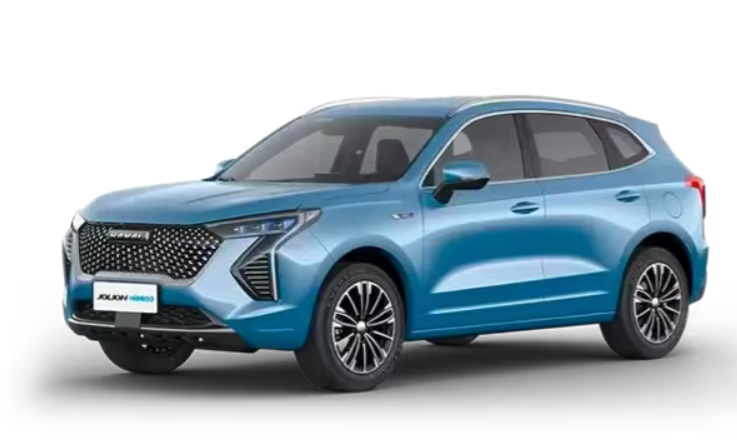
The Haval Jolion has become an increasingly popular compact SUV thanks to its competitive pricing, modern styling, spacious interior, and generous standard equipment. However, before buying one, many drivers want to understand the most common Haval Jolion problems and whether this affordable SUV can deliver dependable long-term ownership.
Although the Jolion offers impressive value for money, some owners have reported issues involving its dual-clutch transmission, driver-assistance technology, infotainment system, and general driving refinement. There have also been individual complaints involving engine warning lights, hybrid-system behaviour, and build quality.
Does this mean the Haval Jolion is unreliable? Not necessarily.
In this guide, we'll explore the problems worth investigating, explain their possible causes, discuss how to identify warning signs, and determine whether the Haval Jolion is a sensible purchase.
Content in this publication
- What Are the Most Common Haval Jolion Problems?
- Is the Haval Jolion a Reliable SUV?
- 1. Haval Jolion Transmission Problems
- 2. Haval Jolion Acceleration and Throttle Response Problems
- 3. Haval Jolion Driver-Assistance System Problems
- 4. Haval Jolion Infotainment Problems
- 5. Haval Jolion Engine Problems
- 6. Haval Jolion Fuel Consumption Problems
- 7. Haval Jolion Hybrid Problems
- 8. Haval Jolion Brake Problems
- 9. Haval Jolion Air-Conditioning Problems
- 10. Haval Jolion Electrical Problems
- 11. Haval Jolion Interior and Build Quality Problems
- 12. Haval Jolion Problems by Model Year
- 13. Does the Haval Jolion Have Any Recalls?
- 14. Haval Jolion Warranty and Servicing
- 15. Haval Jolion Spare Parts and After-Sales Support
- 16. How to Check a Used Haval Jolion Before Buying
- 17. Haval Jolion vs Competitors: Which Is More Reliable?
- 18. Are Haval Jolion Problems Expensive to Fix?
- 19. Is the Haval Jolion Worth Buying Despite Its Problems?
- 20. How to Prevent Common Haval Jolion Problems
- Frequently Asked Questions About Haval Jolion Problems
- Final Thoughts: Should Haval Jolion Problems Worry Buyers?
What Are the Most Common Haval Jolion Problems?
When researching Haval Jolion reliability, we need to distinguish between genuine mechanical failures, software-related issues, and characteristics that some drivers simply find frustrating.
The most frequently discussed concerns include:
- Dual-clutch transmission hesitation: Some petrol models feel jerky or slow to respond in stop-start traffic.
- Sensitive driver-assistance systems: Lane-keeping assistance and emergency braking can feel overly intrusive.
- Infotainment glitches: Occasional touchscreen freezing, slow responses, or connectivity problems.
- Throttle response delays: Some drivers report hesitation when accelerating from a standstill.
- Higher-than-expected fuel consumption: Real-world efficiency can differ noticeably from official figures.
- Engine warning lights: Individual owners have reported warning messages requiring diagnosis.
- Hybrid-system concerns: Occasionally reported issues involving power delivery, warning messages, or battery operation.
- Camera and sensor faults: Problems involving parking cameras, lane-support systems, or driver-monitoring functions.
- Minor build-quality complaints: Occasional rattles, water leaks, and interior trim concerns.
- After-sales support: Some owners have reported delays obtaining repairs or replacement components.
These are areas to investigate rather than a verified ranking of defect frequency. There is not enough comprehensive public failure-rate data to establish how often each problem occurs across the entire Jolion range.
Is the Haval Jolion a Reliable SUV?
The Haval Jolion is still establishing its long-term reliability record compared with models such as the Toyota Corolla Cross, Hyundai Kona, and Honda HR-V.
The vehicle arrived in Australia in 2021, meaning the oldest local examples are only beginning to provide meaningful evidence about durability beyond their first several years.
Some owners report trouble-free driving and excellent satisfaction. Others describe repeated visits to dealerships for electrical faults, transmission behaviour, or software concerns.
What Makes the Haval Jolion Attractive?
Despite these complaints, the Jolion has several strengths:
- A spacious cabin for a compact SUV.
- Competitive purchase prices.
- Generous safety and convenience features.
- Petrol and hybrid powertrain options.
- A comfortable ride during everyday driving.
- A substantial manufacturer's warranty in Australia.
We should also remember that affordability does not automatically indicate poor engineering.
The more important question is whether a particular vehicle has been maintained correctly and whether any faults have been properly addressed.
1. Haval Jolion Transmission Problems
Transmission behaviour is one of the most discussed concerns surrounding petrol-powered Haval Jolion models.
Many petrol variants use a seven-speed dual-clutch transmission, commonly called a DCT.
Unlike a conventional torque-converter automatic, a dual-clutch gearbox uses electronically controlled clutches to manage power delivery.
This design can provide efficient gear changes, but it sometimes behaves differently during slow-speed manoeuvres.
Symptoms of Transmission Problems
Drivers may notice:
- Jerky acceleration when leaving a standstill.
- Delayed response after pressing the accelerator.
- Hesitation during parking manoeuvres.
- Unexpectedly abrupt gear engagement.
- Shuddering in heavy traffic.
- Difficulty maintaining smooth progress at low speeds.
- Engine revs increasing without corresponding acceleration.
Occasional low-speed hesitation can be a characteristic of some dual-clutch transmissions. However, severe shuddering, persistent slipping, or an inability to select gears should never be considered normal.
Why Does the Haval Jolion Transmission Hesitate?
Possible explanations include:
Transmission calibration: Software determines how the gearbox engages its clutches and responds to driver inputs.
Clutch engagement characteristics: Dual-clutch systems can feel less smooth than conventional automatic transmissions when repeatedly creeping forward.
Throttle mapping: The relationship between accelerator movement and engine response can influence how quickly the vehicle accelerates.
Mechanical or electronic faults: Worn components, sensor faults, and gearbox control problems can also cause abnormal behaviour.
How Can We Fix Haval Jolion Gearbox Problems?
The first step should be a professional diagnostic inspection.
A qualified technician can check for stored fault codes, assess transmission operation, inspect relevant service requirements, and determine whether applicable software updates are available.
We should avoid installing aftermarket throttle controllers or modifying transmission settings before consulting the manufacturer, particularly while the vehicle remains under warranty.
Persistent slipping, pronounced shuddering, or loss of drive requires prompt attention.
2. Haval Jolion Acceleration and Throttle Response Problems
Closely related to transmission behaviour is the occasional complaint that the Haval Jolion feels slow to react when the accelerator is pressed.
This is particularly relevant to petrol models equipped with electronic throttle control and a dual-clutch gearbox.
Common Acceleration Complaints
Drivers sometimes describe:
- A noticeable pause before moving.
- Uneven acceleration in congested traffic.
- Delayed response when entering a roundabout.
- Sudden acceleration after an initial hesitation.
- Difficulty accelerating smoothly during low-speed manoeuvres.
Although some hesitation can result from normal drivetrain calibration, an unusually long delay could become a safety concern.
What Should Owners Do?
We recommend recording the circumstances surrounding the problem.
For example, does the hesitation happen when the engine is cold, when selecting Drive, when turning into traffic, or after prolonged stop-start driving?
This information helps the dealership reproduce the issue.
A technician should examine throttle inputs, transmission control data, stored fault codes, and any applicable manufacturer service guidance.
3. Haval Jolion Driver-Assistance System Problems
One of the Jolion's main selling points is its extensive safety technology.
Depending on the model and market, equipment can include autonomous emergency braking, adaptive cruise control, lane-keeping assistance, traffic-sign recognition, and driver-monitoring systems.
However, some drivers consider these systems too sensitive.
Lane-Keeping Assistance Feels Too Aggressive
Lane-keeping assistance is designed to help prevent unintentional departures from a marked lane.
Nevertheless, owners and reviewers have criticised steering interventions that feel stronger or more frequent than expected.
Potential complaints include:
- Unwanted steering corrections.
- Frequent lane-departure warnings.
- Steering assistance activating near unclear road markings.
- Alerts appearing during ordinary driving.
These experiences may be particularly noticeable on narrow roads, roads with faded lane markings, or during roadworks.
Unexpected Automatic Emergency Braking
Another concern involves emergency-braking systems reacting when drivers cannot identify an immediate collision hazard.
This behaviour is sometimes described as phantom braking.
Potential contributing factors include confusing road geometry, poorly detected obstacles, sensor contamination, or calibration problems.
Unexpected braking should be investigated rather than dismissed as a normal feature.
How to Address Driver-Assistance Problems
We suggest checking whether the sensors and cameras are clean and unobstructed.
Owners should also consult the manual to understand which settings can be adjusted and whether any system warnings indicate a fault.
If the car repeatedly brakes unexpectedly or makes unsafe steering interventions, it needs a professional inspection.
Disabling safety equipment should not be treated as a permanent solution to a defective system.
4. Haval Jolion Infotainment Problems
The Haval Jolion uses a touchscreen-based infotainment system to control many entertainment, connectivity, and vehicle functions.
While the interior looks modern, the heavy reliance on digital controls can become frustrating when the system does not respond correctly.
Common Touchscreen Complaints
Some owners report:
- Slow touchscreen responses.
- Frozen menus.
- Delayed system startup.
- Smartphone connection interruptions.
- Difficulty navigating vehicle settings.
- Problems accessing climate controls quickly.
- Reversing-camera displays failing to appear correctly.
Not every complaint represents an electronic failure. Some involve the layout or usability of the interface itself.
Nevertheless, persistent freezing and unavailable vehicle functions deserve investigation.
What Causes Infotainment Glitches?
Possible causes include software bugs, corrupted settings, communication problems between electronic modules, or hardware faults.
A weak 12-volt battery can also contribute to unusual electronic behaviour in modern vehicles.
However, battery condition should be tested rather than automatically assumed to be responsible.
How to Fix the Problem
We recommend checking for official software updates and asking the dealership to investigate recurring faults.
Document the problem with photographs or a video where safe to do so.
This is particularly useful when a malfunction disappears before the technician can inspect it.
5. Haval Jolion Engine Problems
The petrol-powered Jolion uses a turbocharged engine, with specifications differing by model year and market.
Turbocharged engines can deliver strong performance from relatively small displacements, but proper servicing remains essential.
There is insufficient evidence to describe widespread catastrophic engine failure as a defining Haval Jolion problem.
Nevertheless, owners should remain alert to the warning signs associated with any modern turbocharged engine.
Engine Warning Light Problems
A check-engine light can appear for numerous reasons.
Possible causes include:
- Faulty engine-management sensors.
- Ignition-system problems.
- Fuel-delivery irregularities.
- Emissions-control faults.
- Intake or boost-pressure problems.
- Electrical communication errors.
The warning light alone cannot identify the defective component.
A proper diagnostic scan is necessary before repairs are authorised.
Oil Consumption Concerns
Some Jolion owners have asked about engine oil levels dropping between services.
A small amount of oil consumption can occur in normal engine operation, but repeated top-ups or rapid oil loss require investigation.
We should watch for:
- Oil levels declining unusually quickly.
- Oil warning messages.
- Blue smoke from the exhaust.
- Visible oil leaks.
- Unusual mechanical noises.
Only use engine oil meeting the specification in the owner's manual for the exact engine and model year.
Turbocharger Maintenance
The turbocharger depends on correct lubrication and cooling.
To protect it, we should follow the manufacturer’s servicing schedule, use approved lubricants, and investigate oil leaks promptly.
There is no justification for assuming that every Jolion turbocharger will fail prematurely.
6. Haval Jolion Fuel Consumption Problems
Fuel economy is another concern for buyers comparing the Jolion with competing compact SUVs.
Some petrol versions can consume more fuel than owners expect, particularly in heavy urban traffic.
The hybrid generally offers better fuel-saving potential, but official laboratory figures are not guaranteed in everyday driving.
Why Can Real-World Fuel Economy Be Higher?
Factors include:
- Frequent acceleration and braking.
- Heavy traffic.
- Short trips with a cold engine.
- High motorway speeds.
- Air-conditioning use.
- Tyre pressure and wheel alignment.
- Vehicle load.
- Driving style.
An independent Australian Automobile Association test of a 2025 Haval Jolion Lux Hybrid recorded 6.5 L/100 km, compared with its official laboratory figure of 5.1 L/100 km.
That represents approximately 27% higher fuel use in the test conditions. This was a test of one vehicle, not a measured average for every Jolion Hybrid.
How to Improve Haval Jolion Fuel Economy
We can improve efficiency by maintaining correct tyre pressures, avoiding unnecessary weight, accelerating progressively, and ensuring the engine is correctly serviced.
Hybrid drivers may benefit particularly from smoother acceleration and regenerative braking during urban journeys.
If consumption suddenly increases without any change in driving conditions, a mechanical inspection is advisable.
7. Haval Jolion Hybrid Problems
The Haval Jolion Hybrid combines a petrol engine with an electric motor and dedicated hybrid transmission.
Because this powertrain differs from the petrol model's dual-clutch arrangement, we should not apply every petrol transmission complaint to the hybrid.
Hybrid Power Delivery Complaints
Some drivers notice changes in engine speed or noise as the car switches between electrical assistance and petrol-engine operation.
These transitions are not necessarily faults.
However, unusual vibrations, severe hesitation, persistent warning lights, or loss of power may indicate a problem requiring diagnosis.
Haval Jolion Hybrid Battery Problems
Individual reports of hybrid battery faults exist, but they do not establish a widespread battery reliability defect across the Jolion range.
Signs requiring professional investigation may include:
- Hybrid-system warning messages.
- Noticeably reduced power.
- Failure to enter an expected operating mode.
- Unusual battery-related diagnostic messages.
- Reduced efficiency accompanied by other symptoms.
We must also recognise that hybrid control systems automatically decide when the electric motor operates.
A lack of obvious electric-only driving does not prove the battery has failed.
Is the Haval Jolion Hybrid More Reliable Than the Petrol?
There is currently insufficient long-term comparative failure data to make a definitive claim.
The hybrid eliminates the petrol variant's conventional dual-clutch gearbox, potentially avoiding some associated driving-refinement complaints.
However, it introduces additional electrical components, battery management equipment, and hybrid-specific cooling and control systems.
Both powertrains have advantages and considerations.
8. Haval Jolion Brake Problems
The Jolion combines conventional braking equipment with electronic safety systems.
Hybrid models also use regenerative braking to recover energy during deceleration.
Drivers may notice different braking characteristics compared with older petrol vehicles.
Reported Braking Concerns
Complaints may involve:
- Unexpected emergency-braking interventions.
- Braking that feels overly sensitive.
- Changes in pedal feel.
- Brake squealing or vibration.
- Uneven brake response during parking.
Importantly, unexpected automatic braking is not the same issue as worn brake pads or a hydraulic brake fault.
These conditions require different diagnostic procedures.
When Should We Be Concerned?
Immediate inspection is necessary if the brake pedal becomes unusually soft, the car struggles to stop, a red brake warning appears, or braking becomes unpredictable.
We should never continue driving a vehicle with suspected serious braking defects.
9. Haval Jolion Air-Conditioning Problems
Air-conditioning performance is another area worth checking when buying a used Jolion.
There have been individual complaints involving refrigerant leaks or climate-control operation, although these reports do not demonstrate a widespread model-specific defect.
Symptoms Worth Investigating
Potential warning signs include:
- Weak cooling performance.
- Air-conditioning switching off unexpectedly.
- Unusual compressor noises.
- Inconsistent cabin temperature.
- Failure to respond to climate-control settings.
Possible causes range from refrigerant leaks and electrical faults to defective sensors or control components.
A proper inspection should identify the cause before any refrigerant is added.
Because the Jolion relies heavily on its touchscreen for vehicle controls, infotainment faults can also make normal climate adjustments difficult.
10. Haval Jolion Electrical Problems
Modern SUVs depend heavily on electronic control modules, sensors, cameras, and communication networks.
The Jolion is no exception.
Although occasional electronic problems are not unique to Haval, owners should investigate recurring warning messages.
Common Electrical Symptoms
Examples include:
- Intermittent dashboard warnings.
- Parking-sensor errors.
- Camera malfunctions.
- Driver-assistance system fault messages.
- Unresponsive electronic controls.
- Unexpected system restarts.
One reported issue involves an LSS fault warning, usually associated with the vehicle's lane-support system.
Possible causes include obstructed cameras, sensor calibration problems, or faults within the relevant electronic system.
Can a Weak Battery Cause Electrical Problems?
Yes. A deteriorating 12-volt battery can cause unusual electrical symptoms in many modern vehicles.
However, the correct diagnosis requires testing battery condition, charging-system performance, and any relevant electronic fault codes.
Replacing components without testing can become expensive and may fail to solve the underlying problem.
11. Haval Jolion Interior and Build Quality Problems
The Jolion's cabin is attractive for its price category, although some owners have raised concerns about fit, finish, and materials.
Potential complaints include:
- Interior rattles.
- Noises from dashboard panels.
- Squeaking trim.
- Inconsistent panel alignment.
- Loose interior fittings.
- Premature wear in frequently touched areas.
These problems are generally less serious than engine or transmission faults, but they can affect everyday satisfaction.
Water Leaks in the Boot
There has also been an individual owner complaint involving water entering the luggage compartment of a 2021 Jolion.
Possible entry points in this type of situation include the tailgate weather seal, tail-light seals, and nearby body openings.
We should inspect the boot floor, spare-wheel compartment, and surrounding trim for moisture.
A leak can potentially damage interior materials or nearby electrical equipment if left untreated.
However, an individual report is not proof of a widespread water-ingress defect.
12. Haval Jolion Problems by Model Year
When buying a used Haval Jolion, the model year matters because equipment, drivetrain calibrations, and vehicle specifications have changed over time.
We should avoid declaring any specific year universally unreliable without representative failure statistics.
2021 Haval Jolion Problems
The 2021 model represents the beginning of the Jolion's Australian-market history.
When inspecting an early example, pay particular attention to transmission smoothness, infotainment behaviour, electrical warnings, interior condition, and complete servicing records.
Because these vehicles are older, normal wear and previous-owner maintenance become increasingly important.
2022 Haval Jolion Problems
For a 2022 model, investigate low-speed gearbox behaviour, driver-assistance calibration, parking sensors, and dashboard warning messages.
Hybrid variants also require checks appropriate to their separate powertrain.
A well-maintained 2022 Jolion with documented inspections may be preferable to a newer vehicle with unresolved faults.
2023 Haval Jolion Problems
Some reported concerns involving 2023 vehicles relate to transmission engagement and hybrid-system operation.
We should check whether the car accelerates normally, shifts smoothly, and displays any active diagnostic warnings.
A specialist inspection is particularly valuable when the previous owner describes recurring drivetrain complaints.
2024 Haval Jolion Problems
The 2024 range continued to attract attention for its competitive value and extensive equipment.
Potential inspection areas include touchscreen usability, driving-assistance sensitivity, and powertrain refinement.
There have also been individual reports of unusual smells in hybrid models.
A persistent burning smell should always be investigated promptly rather than assumed to be harmless.
2025 Haval Jolion Problems
Updated 2025 variants brought specification and styling changes, depending on the market.
Nevertheless, road tests continued to criticise certain driver-assistance functions and aspects of the infotainment interface.
Some owners have also reported petrol-model acceleration hesitation and camera-related faults.
We recommend testing the exact variant rather than assuming all 2025 petrol and hybrid models behave identically.
2026 Haval Jolion Problems
The newest vehicles may benefit from ongoing product development, but their long-term reliability cannot yet be established.
Buyers should focus on the most recent applicable software updates, warranty conditions, individual vehicle condition, and any manufacturer service campaigns.
A newer model year does not automatically guarantee that every complaint has been eliminated.
13. Does the Haval Jolion Have Any Recalls?
Vehicle recalls should always be checked using an official government recall database or through the manufacturer.
A recall is different from an ordinary owner complaint.
Recalls usually address identified safety-related defects, while service campaigns and software updates may target other issues.
We should not assume that a recall involving a different GWM model also affects the Jolion.
How to Check Haval Jolion Recalls
For Australian vehicles, we recommend checking the government vehicle-recall register and contacting an authorised GWM dealership.
Have the vehicle identification number (VIN) ready.
The VIN allows the dealer to confirm whether any recalls or relevant service actions apply to that particular vehicle.
Any outstanding safety-related repairs should be completed according to the manufacturer's instructions.
14. Haval Jolion Warranty and Servicing
One of the strongest ownership advantages of the Jolion in Australia is its factory warranty.
GWM offers a seven-year, unlimited-kilometre new-vehicle warranty for eligible vehicles under its Australian warranty conditions.
The Jolion Hybrid's high-voltage traction battery also has separate warranty coverage, generally eight years with conditions depending on vehicle use.
Commercial applications, including certain passenger-carrying services, can have kilometre limits.
Buyers should confirm the coverage remaining on the exact vehicle.
Why Regular Servicing Matters
Maintenance is particularly important for turbocharged engines, automatic transmissions, cooling systems, and hybrid vehicles.
We recommend:
- Following the correct schedule for the specific model.
- Using manufacturer-approved fluids.
- Keeping complete servicing invoices.
- Investigating warning lights promptly.
- Checking for software updates.
- Inspecting brakes and tyres regularly.
- Addressing small leaks before they cause further damage.
The servicing interval and price can differ between powertrains and production years.
Always follow the correct owner's manual and warranty documentation.
What About Repair Costs?
Repair expenses vary significantly depending on the failed component, labour rates, parts availability, and warranty eligibility.
Routine servicing should be relatively predictable where an applicable capped-price program is available.
However, major repairs involving electronic modules, transmissions, or hybrid components could become expensive outside warranty.
Getting a written estimate before authorising non-warranty repairs is particularly important.
15. Haval Jolion Spare Parts and After-Sales Support
Reliability is not only about how frequently a vehicle breaks down.
It also depends on how easily the owner can obtain repairs.
Some Australian owners have expressed frustration with dealership communication, service delays, or obtaining replacement parts.
These experiences can vary considerably between locations and dealerships.
How Can We Reduce Ownership Frustration?
Before purchasing, we suggest researching the nearest authorised service centre.
It is worth asking about service appointment availability, diagnostic capabilities, and typical parts-ordering procedures.
When reporting a recurring problem, keep written records of the fault, the inspection date, the dealer's findings, and any repairs attempted.
This creates a useful history if the problem continues.
16. How to Check a Used Haval Jolion Before Buying
A careful pre-purchase inspection can substantially reduce the risk of buying a vehicle with unresolved problems.
Rather than focusing exclusively on the model's reputation, we should examine its actual condition.
Mechanical Inspection Checklist
- Check for engine oil or coolant leaks.
- Listen for unusual noises during startup.
- Verify the engine operates smoothly.
- Test acceleration from a complete stop.
- Check transmission behaviour in slow traffic.
- Confirm there are no persistent dashboard warnings.
- Inspect tyre condition and brake performance.
- Review the servicing history.
Electronic and Safety Inspection Checklist
- Test every touchscreen function.
- Confirm the reversing camera works correctly.
- Check parking sensors.
- Examine lane-support warning messages.
- Test climate-control operation.
- Confirm smartphone connectivity.
- Check windows, locks, and other electronic features.
- Ask whether applicable software updates have been completed.
Hybrid-Specific Inspection Checklist
For a hybrid model, we should also verify that the vehicle operates normally in its different power modes.
Look for hybrid-system warnings, unexpected loss of power, unusual cooling-system behaviour, and evidence of specialist servicing.
A qualified technician should assess suspected high-voltage faults. Owners should never attempt to open or repair high-voltage battery components themselves.
17. Haval Jolion vs Competitors: Which Is More Reliable?
The Haval Jolion competes with several established compact SUVs.
| SUV | Main attraction | Main consideration |
|---|---|---|
| Haval Jolion | Generous equipment and value | Long-term reliability record still developing |
| Toyota Corolla Cross | Established hybrid technology | Can cost more to purchase |
| Hyundai Kona | Broad model range and modern equipment | Price and specifications vary considerably |
| Honda HR-V | Practicality and established brand reputation | May offer less equipment for the price |
| MG ZS | Competitive pricing and features | Long-term reliability varies by generation and drivetrain |
| Mazda CX-30 | Refined driving experience | Rear-seat and cargo practicality may be more limited |
We should not interpret this comparison as a statistical ranking of mechanical reliability.
To determine which model is likely to be cheaper to own, we need to consider insurance, depreciation, servicing, tyres, fuel consumption, and potential repair costs.
Is the Haval Jolion Better Value Than Its Rivals?
For buyers prioritising equipment, interior space, and purchase price, the Jolion can be very competitive.
However, those seeking a proven long-term ownership history may prefer a vehicle with more extensive reliability data.
The best decision depends on budget, intended ownership duration, and willingness to deal with potentially unfamiliar technology.
18. Are Haval Jolion Problems Expensive to Fix?
Not every complaint leads to an expensive repair.
Some issues may be corrected through software updates, adjustments, or minor component replacement.
Others can require more substantial diagnostic work.
For example, a touchscreen software issue may be easier to resolve than a mechanically damaged transmission.
The same principle applies to hybrid systems: a sensor fault is very different from a damaged high-voltage battery.
Problems That Deserve Immediate Attention
The following symptoms should be treated seriously:
- Repeated loss of acceleration or drive.
- Unpredictable braking.
- Persistent burning smells.
- Overheating warnings.
- Severe gearbox slipping.
- Major fluid leaks.
- Brake-system warning lights.
- High-voltage system warnings.
We recommend stopping safely and obtaining professional assistance where continued operation could create a safety risk.
19. Is the Haval Jolion Worth Buying Despite Its Problems?
The Haval Jolion remains an attractive option for buyers seeking an affordable, spacious, and well-equipped SUV.
Its biggest strengths are its value proposition, modern features, and available hybrid powertrain.
However, buyers should be realistic about the complaints surrounding transmission smoothness, driver-assistance calibration, and electronic usability.
Reasons to Consider the Haval Jolion
The Jolion may suit drivers who want:
- A compact family SUV with generous cabin space.
- Modern convenience and safety equipment.
- A competitive purchase price.
- Hybrid availability.
- A substantial factory warranty.
- Comfortable everyday transportation.
Reasons to Consider an Alternative
Another vehicle may be preferable if we prioritise:
- A longer-established reliability history.
- More natural low-speed automatic transmission behaviour.
- Less intrusive electronic driver assistance.
- Simpler physical controls.
- Stronger confidence in future resale value.
- A service network with more convenient local coverage.
Ultimately, test-driving the exact model and checking its history are more useful than relying on negative owner reviews alone.
20. How to Prevent Common Haval Jolion Problems
Preventive maintenance cannot eliminate every manufacturing or electronic fault, but it can reduce avoidable problems.
We recommend establishing a straightforward ownership routine.
Follow the service schedule. Use the approved oil, fluids, and replacement components specified for the vehicle.
Monitor warning lights. Do not ignore messages simply because the car continues to drive normally.
Check for software updates. Ask the dealership about applicable improvements during scheduled servicing.
Maintain the tyres. Correct pressures and good wheel alignment improve safety, comfort, and efficiency.
Keep the sensors clean. Dirty camera lenses and sensor surfaces can interfere with driver-assistance functions.
Document recurring faults. Record symptoms and the circumstances in which they occur.
Understand the warranty. Read the coverage terms, exclusions, and requirements for the particular vehicle.
With these habits, we can improve the likelihood of a more satisfactory ownership experience.
Frequently Asked Questions About Haval Jolion Problems
1. What Is the Most Common Problem With the Haval Jolion?
The most frequently discussed complaints involve low-speed dual-clutch transmission hesitation in petrol models and overly sensitive driver-assistance systems. Infotainment glitches and occasional electronic warning messages are also reported. However, public complaint data does not establish an exact mechanical failure ranking.
2. Is the Haval Jolion a Reliable Car?
The Haval Jolion can provide satisfactory everyday reliability, and many owners report positive experiences. Nevertheless, its long-term reliability history is less established than that of some competitors. Regular maintenance, service history, and the condition of the individual vehicle are important considerations.
3. Does the Haval Jolion Have Transmission Problems?
Some petrol-powered Haval Jolion models have been criticised for hesitation, jerky low-speed operation, and inconsistent throttle response. These symptoms can involve dual-clutch transmission characteristics or calibration, but persistent slipping, severe shuddering, and loss of drive require professional diagnosis. Hybrid models use a different transmission system.
4. Does the Haval Jolion Hybrid Have Battery Problems?
Individual hybrid battery-related complaints have been reported, but there is insufficient evidence to conclude that widespread battery failure affects the entire model range. Owners experiencing hybrid warnings, unusual power loss, or suspected battery faults should obtain diagnosis from a qualified technician and check their warranty coverage.
5. Should I Buy a Used Haval Jolion?
A used Haval Jolion may be worth considering if it has a complete service history, operates smoothly, has no unresolved warning lights, and retains useful warranty coverage. We recommend an independent mechanical inspection, an extended test drive, and confirmation of any outstanding recalls or service actions before purchasing.
Final Thoughts: Should Haval Jolion Problems Worry Buyers?
The Haval Jolion problems most worth investigating relate to transmission refinement, driver-assistance behaviour, infotainment performance, and occasional electronic faults.
These concerns deserve attention, but they do not establish that every Jolion is mechanically unreliable.
The petrol and hybrid models also have important differences, so a problem associated with one powertrain should not automatically be attributed to the other.
For buyers seeking an affordable SUV with generous equipment and a spacious interior, the Jolion can still represent good value.
Our recommendation is to prioritise a well-maintained example, verify the remaining warranty, complete a thorough test drive, and investigate any unusual behaviour before committing to a purchase.
The Haval Jolion is not necessarily a car to avoid, but it is a vehicle worth inspecting carefully.
If you want to know other articles similar to Haval Jolion Problems: Common Issues, Reliability and What Owners Should Know you can visit the category Common Problems.
Jaguar F-Pace Low Battery: Causes, Warning Signs, and How to Fix It

Kia Sorento Transmission Problems: Causes, Symptoms, and Fixes
Kia Sorento Engine Light: Causes, Problems, and How to Fix It
Kia Sorento Diesel Problems: Common Issues, Reliability, and Repair Guide
Haval Jolion Wireless Charging Not Working: Causes and Fixes

Nissan Rogue AC Not Working? Causes, Diagnosis, and Fixes
Leave a Reply
More content of your interest