
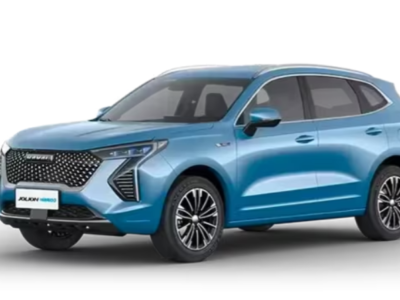
Haval Jolion vs Toyota Corolla Cross: Which SUV Is Better?

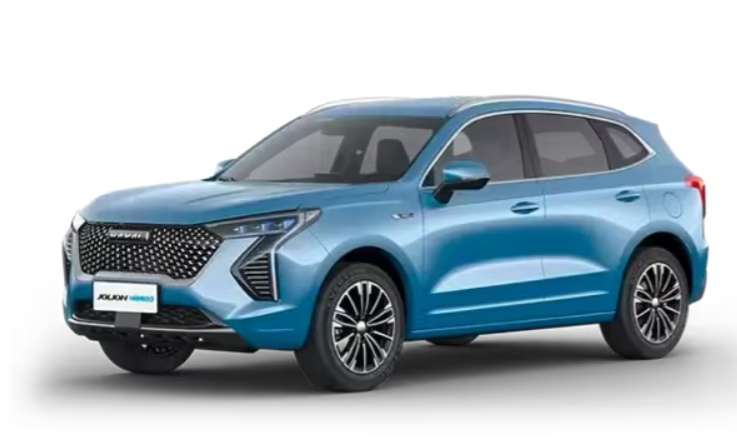
Choosing between the Haval Jolion and Toyota Corolla Cross is not as straightforward as it might initially appear. Both are compact SUVs designed for everyday driving, family practicality and comfortable commuting. However, they approach these priorities in noticeably different ways.
The Haval Jolion attracts buyers with its competitive pricing, modern styling, generous equipment and available hybrid technology. Meanwhile, the Toyota Corolla Cross builds on Toyota's established reputation for reliability, efficient hybrid powertrains and strong resale value.
But does the Toyota's reputation justify its higher price? Or does the Haval Jolion offer better value for money?
In this detailed Haval Jolion vs Toyota Corolla Cross comparison, we'll examine their engines, fuel consumption, interior comfort, boot space, safety equipment, running costs and long-term ownership prospects.
We'll focus primarily on the Australian-market 2026 models, although we'll also explain where specifications may differ internationally.
Content in this publication
- Haval Jolion vs Toyota Corolla Cross: Quick Comparison
- 2026 Haval Jolion vs Toyota Corolla Cross Price
- Exterior Design: Modern Styling vs Practical Elegance
- Dimensions and Exterior Size
- Interior Quality and Cabin Comfort
- Haval Jolion vs Toyota Corolla Cross Boot Space
- Engine Options and Performance
- Haval Jolion Hybrid vs Corolla Cross Hybrid
- Haval Jolion vs Toyota Corolla Cross Fuel Consumption
- Annual Fuel Costs: Which SUV Saves More?
- Driving Experience and Ride Comfort
- Technology and Infotainment Comparison
- Safety: Haval Jolion vs Toyota Corolla Cross
- Reliability: Is Toyota Better Than Haval?
- Warranty and Servicing Costs
- Resale Value and Depreciation
- Which SUV Is Better for Families?
- AWD and Light Off-Road Driving
- Towing Capacity Comparison
- Haval Jolion Pros and Cons
- Toyota Corolla Cross Pros and Cons
- Which Haval Jolion Variant Should You Buy?
- Which Toyota Corolla Cross Variant Should You Buy?
- Haval Jolion vs Toyota Corolla Cross: Which Should You Buy?
- Frequently Asked Questions
- Conclusion: Haval Jolion vs Toyota Corolla Cross
Haval Jolion vs Toyota Corolla Cross: Quick Comparison
Before exploring each SUV in detail, let's compare their main specifications.
| Specification | Haval Jolion | Toyota Corolla Cross |
|---|---|---|
| Vehicle category | Small SUV | Small SUV |
| Seating capacity | 5 | 5 |
| Petrol engine | 1.5L turbocharged | Hybrid-only in Australia |
| Hybrid engine | 1.5L petrol-electric | 2.0L petrol-electric |
| Hybrid system power | 140 kW | 146 kW |
| Transmission | 7-speed DCT or hybrid DHT | Hybrid e-CVT |
| Hybrid fuel consumption | 5.1 L/100 km | 4.2–4.5 L/100 km |
| Petrol fuel consumption | 7.5–8.1 L/100 km | Not applicable |
| Drivetrain | Front-wheel drive | FWD or AWD |
| Length | 4,470–4,472 mm | 4,460 mm |
| Wheelbase | 2,700 mm | 2,640 mm |
| Boot space | 255–337 L | 380–425 L |
| ANCAP safety rating | 5 stars | 5 stars* |
| Australian vehicle warranty | 7 years, unlimited km | 5 years, unlimited km |
| Main advantage | Price and equipment | Efficiency and practicality |
The Corolla Cross five-star ANCAP rating applies to the assessed variants; the GR Sport is excluded from that rating.
Specifications depend on the variant, and boot capacities are manufacturer figures that may use different measurement methods.
Our initial verdict: The Haval Jolion is the stronger choice for buyers seeking an affordable, generously equipped SUV. The Toyota Corolla Cross is more appealing if fuel efficiency, luggage capacity and long-term ownership confidence are higher priorities.
2026 Haval Jolion vs Toyota Corolla Cross Price
Price is one of the biggest differences between these two vehicles.
GWM has positioned the Haval Jolion as a particularly affordable alternative to established compact SUVs. Toyota, on the other hand, charges a premium for the Corolla Cross.
Haval Jolion Price in Australia
As of October 2026, advertised Victorian private-buyer drive-away prices include:
| Haval Jolion Variant | Starting Price (AUD) |
|---|---|
| Premium Petrol | $23,990 |
| Lux Petrol | $26,990 |
| Vanta Petrol | $31,990 |
| Premium Hybrid | $32,990 |
| Lux Hybrid | $35,990 |
| Vanta Hybrid | $39,990 |
These prices reflect advertised offers and may change by location, eligibility or promotion. The October offer is scheduled to end on 31 October 2026.
Toyota Corolla Cross Price in Australia
Published 2026 Australian prices before on-road costs are:
| Toyota Corolla Cross Variant | Price (AUD) |
|---|---|
| GX Hybrid FWD | $37,440 |
| GXL Hybrid FWD | $41,190 |
| GXL Hybrid AWD | $44,190 |
| Atmos Hybrid FWD | $47,990 |
| Atmos Hybrid AWD | $50,990 |
| GR Sport Hybrid AWD | $50,990 |
The pricing advantage of the Haval Jolion is significant.
Even its hybrid versions can be considerably less expensive than comparable Corolla Cross models.
However, we must distinguish between GWM's advertised drive-away offers and Toyota's prices before registration, taxes and other on-road costs.
Which SUV Offers Better Value?
The Haval Jolion wins when we consider initial affordability.
It provides a modern-looking SUV with extensive equipment at a price that undercuts many established competitors.
The Corolla Cross costs more, but its value proposition depends on factors beyond the purchase price, including fuel efficiency, servicing, potential resale value and long-term ownership.
For buyers intending to keep their vehicle for ten years or longer, the most affordable purchase is not automatically the cheapest vehicle to own.
Winner for purchase price: Haval Jolion.
Exterior Design: Modern Styling vs Practical Elegance
The Haval Jolion and Toyota Corolla Cross have distinct personalities.
Haval Jolion Exterior
The Jolion features contemporary SUV styling, with a prominent grille, sharp lighting details and a relatively wide stance.
Its appearance varies between variants.
The updated hybrid models and Vanta versions feature a more distinctive design than the conventional Premium and Lux petrol versions.
Higher trims can include larger alloy wheels, contrasting exterior details and a panoramic roof.
We think the Jolion looks more expensive than its price suggests, particularly in its higher specifications.
Toyota Corolla Cross Exterior
The Corolla Cross takes a more conventional approach.
Its exterior design prioritises a balanced SUV profile, raised driving position and family-friendly proportions.
The updated 2026 model introduces refreshed styling, while the GR Sport version offers a sportier appearance with distinctive wheels and exterior details.
Although it may not look as adventurous as some competitors, the Corolla Cross has a design that should appeal to a broad range of buyers.
Which Looks Better?
The Jolion is likely to attract buyers who prefer a bold, technology-focused design.
The Corolla Cross is better suited to those seeking an understated SUV with a more traditional appearance.
Exterior styling is subjective, so neither vehicle has a clear objective advantage.
Dimensions and Exterior Size
Both SUVs occupy similar amounts of road space.
| Dimension | Haval Jolion | Corolla Cross |
|---|---|---|
| Length | Approx. 4,470 mm | 4,460 mm |
| Width | Approx. 1,874–1,898 mm | 1,825 mm |
| Wheelbase | 2,700 mm | 2,640 mm |
| Seating capacity | 5 | 5 |
The Haval Jolion has a longer wheelbase, which can help create a spacious passenger compartment.
It is also wider than the Toyota.
However, a longer wheelbase does not automatically guarantee superior passenger comfort.
Seat positioning, interior packaging and cabin ergonomics also play important roles.
Which SUV Is Easier to Park?
The Corolla Cross has a narrower body, making it potentially easier to manoeuvre through tight urban streets and parking spaces.
Both vehicles offer parking assistance technology, with camera systems available depending on the trim.
For regular city driving, we would give the Toyota a slight advantage in manoeuvrability.
Interior Quality and Cabin Comfort
Interior design represents another important difference between the Haval Jolion and Toyota Corolla Cross.
Haval Jolion Interior
The Jolion adopts a technology-focused cabin design.
Depending on the specification, available equipment includes:
- A 10.25-inch or 12.3-inch touchscreen.
- Digital driver information displays.
- Wireless Apple CarPlay and Android Auto.
- Heated front seats.
- Dual-zone climate control.
- A panoramic sunroof.
- Wireless smartphone charging.
- A head-up display.
Not every feature is standard, but the Jolion offers impressive equipment for its price.
Higher variants also introduce more premium-looking upholstery and additional convenience features.
One potential disadvantage is the reliance on touchscreen controls for certain vehicle functions.
Some drivers may prefer a more traditional layout with dedicated physical buttons.
Toyota Corolla Cross Interior
The Corolla Cross emphasises functionality and ease of use.
Its cabin offers a straightforward layout, comfortable driving position and sensible storage compartments.
Depending on the variant, equipment includes:
- An 8-inch or 10.5-inch multimedia display.
- Wireless Apple CarPlay and Android Auto.
- Digital instrumentation.
- Dual-zone climate control on selected grades.
- Wireless smartphone charging on selected grades.
- Heated and ventilated seating features on higher variants.
- A panoramic roof on selected models.
The Corolla Cross does not always provide the same impression of luxury for the money.
However, its controls and general cabin arrangement are designed to be relatively intuitive.
Which Has the Better Interior?
We would choose the Haval Jolion for equipment value and a more striking cabin presentation.
The Corolla Cross is particularly appealing for drivers who prioritise straightforward ergonomics over visual sophistication.
Neither SUV can be described as uniformly luxurious, and material quality varies between trim levels.
Winner for interior technology value: Haval Jolion.
Haval Jolion vs Toyota Corolla Cross Boot Space
Boot capacity is one of the most important considerations when choosing a family SUV.
Interestingly, the Corolla Cross offers a clear advantage despite having a slightly shorter body.
Haval Jolion Boot Capacity
Australian-market boot capacities vary considerably:
| Haval Jolion Version | Boot Capacity |
|---|---|
| Premium/Lux Petrol | 337 L |
| Vanta Petrol | 291 L |
| Hybrid variants | 255 L |
The hybrid's boot is substantially smaller than that of the conventional petrol model.
This is an important consideration for families who frequently transport pushchairs, suitcases or sports equipment.
The Jolion offers useful rear-passenger space, but its hybrid luggage compartment is relatively limited for an SUV of this size.
Toyota Corolla Cross Boot Capacity
The Corolla Cross offers approximately:
| Corolla Cross Variant | Boot Capacity |
|---|---|
| GX/GXL FWD | 425 L |
| Atmos FWD | 414 L |
| GXL AWD | 390 L |
| Atmos/GR Sport AWD | 380 L |
These are Australian-market figures.
Even the smaller AWD luggage compartments provide more quoted space than the Jolion Hybrid.
Which SUV Has More Luggage Space?
The Toyota Corolla Cross wins this category.
Its larger boot is especially useful for family holidays, airport transfers and weekly shopping.
For families who regularly travel with several large bags, this difference could be more significant than the equipment advantages offered by the Jolion.
Winner for boot space: Toyota Corolla Cross.
Engine Options and Performance
The two SUVs use different engine strategies.
GWM offers conventional turbocharged petrol engines alongside hybrid powertrains.
Toyota Australia has moved to an exclusively hybrid Corolla Cross range.
Haval Jolion Petrol Engine
The standard Jolion petrol models use a 1.5-litre turbocharged four-cylinder engine.
For the Australian 2026 range:
- Premium and Lux produce 105 kW and 210 Nm.
- Vanta Petrol produces 130 kW and 270 Nm.
- Petrol versions use a seven-speed dual-clutch automatic transmission.
The turbocharged engine provides useful acceleration for everyday driving.
However, dual-clutch transmissions can feel different from traditional torque-converter automatics, particularly during slow-speed manoeuvres.
We recommend testing the vehicle in stop-start traffic before purchasing.
Haval Jolion Hybrid Engine
The Haval Jolion Hybrid combines a 1.5-litre naturally aspirated petrol engine with an electric motor.
Its Australian specification delivers a combined system output of approximately 140 kW.
Unlike the petrol models, the hybrid uses a dedicated hybrid transmission.
The electric motor provides immediate assistance during acceleration, helping make the SUV feel responsive in urban conditions.
Toyota Corolla Cross Hybrid Engine
The Australian Corolla Cross uses a 2.0-litre four-cylinder petrol engine combined with Toyota's hybrid electric system.
Total system output is approximately 146 kW.
The drivetrain uses an electronically controlled continuously variable transmission, commonly called an e-CVT.
Front-wheel-drive and all-wheel-drive configurations are available.
Toyota's system prioritises smooth operation, low fuel consumption and consistent everyday performance.
Which SUV Is More Powerful?
When comparing hybrid versions, the Toyota Corolla Cross has a small advantage in combined power output.
| Hybrid Specification | Haval Jolion | Toyota Corolla Cross |
|---|---|---|
| Petrol engine | 1.5L | 2.0L |
| Combined system power | 140 kW | 146 kW |
| Transmission | Dedicated hybrid | e-CVT |
| Drivetrain | FWD | FWD/AWD |
However, peak power does not tell us everything about acceleration.
Vehicle weight, torque delivery, transmission calibration and traction all influence real-world performance.
Both SUVs offer sufficient performance for daily commuting and highway driving.
Haval Jolion Hybrid vs Corolla Cross Hybrid
For many buyers, the most relevant comparison is between the two hybrid models.
Both are self-charging hybrids, meaning they recover energy through braking and use the petrol engine to help maintain battery charge.
Neither requires external charging.
Haval Jolion Hybrid Advantages
The Jolion Hybrid offers several appealing qualities.
Its electric motor provides responsive low-speed acceleration, while the cabin offers modern technology and generous passenger accommodation.
Its biggest advantage is affordability.
Buyers can access hybrid technology without spending as much as they would on a comparable Corolla Cross.
Toyota Corolla Cross Hybrid Advantages
Toyota's hybrid system has an established track record across multiple generations of vehicles.
The Corolla Cross also delivers excellent official fuel economy and provides a larger luggage compartment.
Additionally, the availability of AWD variants gives it a capability that the Australian Jolion range does not offer.
Which Hybrid Is Better?
We would choose the Corolla Cross Hybrid for overall efficiency, practicality and established drivetrain history.
However, buyers prioritising purchase price and equipment may find the Jolion Hybrid more attractive.
Haval Jolion vs Toyota Corolla Cross Fuel Consumption
Fuel consumption is an essential factor in determining long-term ownership costs.
Official Fuel Economy Comparison
| Model | Combined Fuel Consumption |
|---|---|
| Haval Jolion Premium/Lux Petrol | 8.1 L/100 km |
| Haval Jolion Vanta Petrol | 7.5 L/100 km |
| Haval Jolion Hybrid | 5.1 L/100 km |
| Corolla Cross Hybrid FWD | 4.2 L/100 km |
| Corolla Cross Hybrid AWD | 4.4–4.5 L/100 km |
These figures are based on Australian combined-cycle laboratory ratings.
The Corolla Cross Hybrid clearly leads.
Compared with the Jolion Hybrid, the front-wheel-drive Corolla Cross uses approximately 0.9 litres less petrol per 100 kilometres under the official test conditions.
That difference becomes more noticeable when comparing the Toyota against the standard petrol Jolion.
Real-World Fuel Consumption
Official consumption figures are useful for comparing vehicles, but they are not guaranteed in everyday driving.
Traffic congestion, temperature, tyre pressure, driving style and road conditions affect fuel economy.
Independent testing has recorded a Corolla Cross GXL FWD consuming around 4.3 L/100 km on a mixed driving loop, while longer testing returned approximately 5.2 L/100 km.
A 2025 Jolion Lux Hybrid tested by the Australian Automobile Association consumed 6.5 L/100 km, compared with its official 5.1 L/100 km rating.
Different testing procedures and conditions mean these individual results should not be treated as a perfectly controlled head-to-head comparison.
Nevertheless, they demonstrate why buyers should consider both laboratory figures and real-world driving.
Winner for fuel economy: Toyota Corolla Cross Hybrid.
Annual Fuel Costs: Which SUV Saves More?
Let's estimate fuel expenses using a typical Australian driving scenario.
We'll assume:
- Annual distance: 15,000 kilometres.
- Petrol price: AUD $2.00 per litre.
- Fuel consumption: Official combined-cycle figures.
| Vehicle | Annual Fuel Used | Estimated Annual Cost |
|---|---|---|
| Jolion Petrol, 8.1 L/100 km | 1,215 L | $2,430 |
| Jolion Hybrid, 5.1 L/100 km | 765 L | $1,530 |
| Corolla Cross Hybrid FWD, 4.2 L/100 km | 630 L | $1,260 |
Under these assumptions, the Corolla Cross Hybrid saves approximately $270 annually compared with the Jolion Hybrid.
Compared with the standard petrol Jolion, the Toyota could save approximately $1,170 per year.
Over five years, those differences become:
| Comparison | Estimated Five-Year Saving |
|---|---|
| Corolla Cross Hybrid vs Jolion Hybrid | $1,350 |
| Corolla Cross Hybrid vs Jolion Petrol | $5,850 |
These estimates exclude servicing, insurance, finance, depreciation and changes in fuel prices.
The important takeaway is that the Toyota's superior fuel economy does not necessarily compensate for its higher purchase price over a relatively short ownership period.
Driving Experience and Ride Comfort
Both SUVs are designed primarily for everyday road use rather than serious off-road adventures.
However, their driving characteristics differ.
Haval Jolion Driving Experience
The Jolion offers a comfortable, family-oriented driving experience with light steering and a relatively spacious cabin.
Its hybrid powertrain can feel responsive at lower speeds because of electric assistance.
However, some drivers may find certain advanced driver-assistance warnings intrusive.
The effectiveness and usability of its infotainment controls can also require adjustment.
On rough roads, ride comfort will depend on the wheel size, tyres and specific variant.
Toyota Corolla Cross Driving Experience
The Corolla Cross focuses on predictable handling, smooth acceleration and easy urban driving.
Its hybrid powertrain is particularly well suited to commuting.
The e-CVT works without conventional stepped gear changes, contributing to smooth low-speed operation.
Under heavy acceleration, engine noise may become more noticeable as the system increases engine speed.
At normal cruising speeds, the Corolla Cross generally feels composed and easy to manage.
City Driving
We would favour the Toyota for buyers who frequently encounter heavy traffic and want a straightforward driving experience.
The Jolion Hybrid remains a capable urban vehicle, especially considering its purchase price.
Highway Driving
Both SUVs are suitable for motorway journeys.
The Toyota offers strong efficiency and composed everyday performance.
The Jolion provides generous rear-passenger accommodation, which can be beneficial on longer trips.
Ultimately, a test drive over the same roads is the best way to determine which vehicle feels more comfortable.
Technology and Infotainment Comparison
Modern buyers expect compact SUVs to offer more than basic transportation.
Both manufacturers provide smartphone integration, digital displays and driver assistance features.
Haval Jolion Technology
Depending on the trim, available features include a 12.3-inch touchscreen, wireless smartphone connectivity, a 360-degree camera system, panoramic sunroof, head-up display and ventilated driver's seat.
GWM has made technology one of the Jolion's strongest selling points.
A relatively affordable model can include equipment that costs considerably more in some competitors.
Toyota Corolla Cross Technology
The Corolla Cross features wireless smartphone connectivity, Toyota Connected Services and a modern multimedia interface.
Higher variants introduce larger displays, upgraded instruments, additional parking technology and premium comfort features.
Toyota's advantage lies less in offering the greatest number of features per dollar and more in its overall integration and usability.
Winner for technology value: Haval Jolion.
Safety: Haval Jolion vs Toyota Corolla Cross
Safety is particularly important when purchasing a family SUV.
Both vehicles have achieved five-star ANCAP ratings under the 2022 assessment criteria, although the Corolla Cross GR Sport is excluded from its published ANCAP rating.
ANCAP Safety Results
| Safety Category | Haval Jolion | Corolla Cross |
|---|---|---|
| Adult occupant protection | 90% | 85% |
| Child occupant protection | 84% | 88% |
| Vulnerable road user protection | 64% | 87% |
| Safety assist | 92% | 83% |
The Jolion scores higher for adult occupant protection and safety assistance.
The Corolla Cross achieves stronger scores for child occupant protection and vulnerable road users.
These results demonstrate why a five-star rating should not be interpreted as identical crash performance across every category.
Standard Safety Equipment
Depending on market and specification, both SUVs offer systems such as autonomous emergency braking, adaptive cruise control, lane-keeping assistance, blind-spot monitoring and rear cross-traffic alerts.
Toyota includes its Toyota Safety Sense technology, while GWM provides a comprehensive suite of active safety systems.
Buyers should confirm the specific safety equipment included in their preferred variant.
Which SUV Is Safer?
Both offer strong safety credentials.
We would not declare an absolute winner based solely on their overall star ratings.
Families may place particular importance on the Corolla Cross's child-occupant and vulnerable-road-user results, while the Jolion performs well in other assessment areas.
Reliability: Is Toyota Better Than Haval?
Reliability is one of the main reasons buyers might prefer the Toyota Corolla Cross.
Toyota has extensive experience manufacturing conventional petrol vehicles and hybrid powertrains.
Its hybrid systems have been used across multiple model generations worldwide.
This history provides greater confidence in long-term ownership.
Haval Jolion Reliability
GWM has expanded considerably in Australia and other international markets.
The Jolion offers competitive specifications and a substantial manufacturer warranty.
However, it does not yet have the same extensive long-term ownership history as Toyota's established hybrid platform.
This does not mean the Jolion is unreliable.
It means there is less long-term historical evidence available to assess how its components perform after very high mileage.
Potential buyers should investigate local servicing support, parts availability and owner experiences.
Toyota Corolla Cross Reliability
The Corolla Cross benefits from Toyota's experience with hybrid technology.
Its powertrain architecture is derived from a well-established family of Toyota hybrid systems.
Although no vehicle is immune to mechanical problems, Toyota's track record is a meaningful advantage.
We would expect the Corolla Cross to appeal particularly to buyers who intend to keep their vehicle for many years.
Winner for established reliability record: Toyota Corolla Cross.
Warranty and Servicing Costs
A vehicle's warranty and maintenance schedule can influence ownership expenses.
Haval Jolion Warranty
In Australia, GWM provides a seven-year, unlimited-kilometre new-vehicle warranty for eligible vehicles.
The hybrid traction battery is covered by a separate eight-year warranty, subject to its terms.
The Jolion also benefits from a capped-price servicing program and roadside assistance.
The first scheduled service is generally due at 12 months or 10,000 km, followed by subsequent intervals of 12 months or 15,000 km.
Published five-year capped-price servicing totals are approximately:
| Jolion Variant | Five-Year Servicing |
|---|---|
| Premium/Lux Petrol | $1,840 |
| Vanta Petrol | $1,700 |
| Hybrid | $2,020 |
Toyota Corolla Cross Warranty
Toyota Australia offers a five-year, unlimited-kilometre vehicle warranty.
Eligible engine and driveline components can receive additional coverage when servicing conditions are met.
Toyota also offers conditional extended hybrid battery coverage.
The Corolla Cross requires scheduled servicing every 12 months or 15,000 km.
For the 2026 Australian model, the first five capped-price services are listed at approximately $275 each, giving a total of $1,375.
Which SUV Is Cheaper to Maintain?
Based on these published capped-price servicing figures, the Corolla Cross has an advantage in routine scheduled maintenance costs.
The Jolion compensates with longer standard vehicle warranty coverage.
Neither figure includes every possible ownership expense, such as tyres, brake repairs or additional maintenance.
Resale Value and Depreciation
Depreciation can represent one of the largest costs of vehicle ownership.
Toyota has traditionally benefited from strong brand recognition and substantial demand in Australia's used-car market.
The Corolla Cross also benefits from its practical design and established hybrid technology.
Industry residual-value forecasts have placed the Corolla Cross among models expected to retain a relatively high proportion of their original value.
The Haval Jolion starts from a much lower purchase price, but future resale value is less predictable.
This distinction matters.
A vehicle with a higher resale percentage does not necessarily lose fewer dollars than a cheaper vehicle.
We recommend comparing expected resale prices against the actual negotiated purchase price.
For buyers changing vehicles every three to five years, resale value deserves particular attention.
For drivers keeping their SUV much longer, initial price, maintenance and reliability may become more important.
Winner for resale-value confidence: Toyota Corolla Cross.
Which SUV Is Better for Families?
Both vehicles can serve as practical family transport.
The Haval Jolion offers generous rear-passenger accommodation and an appealing range of comfort features.
Its longer wheelbase may be particularly attractive for families carrying taller passengers.
However, the hybrid version's smaller boot is a significant limitation.
The Toyota Corolla Cross offers a more useful luggage compartment, efficient hybrid operation and strong child-occupant safety performance.
For families with babies, pushchairs and multiple suitcases, we would generally recommend the Corolla Cross.
For families prioritising rear-seat space and affordability, the Jolion remains worth considering.
AWD and Light Off-Road Driving
Another important difference is drivetrain availability.
Australian-market Haval Jolion models are front-wheel drive.
The Toyota Corolla Cross offers both front-wheel-drive and all-wheel-drive hybrid variants.
Toyota's AWD system can improve traction under certain slippery conditions, although it does not transform the Corolla Cross into a dedicated off-road vehicle.
Neither SUV is designed for demanding rock crawling or serious off-road expeditions.
For buyers regularly driving on wet rural roads or seeking additional traction, the Corolla Cross AWD is the more suitable choice.
For ordinary urban driving, front-wheel drive is generally sufficient.
Winner for drivetrain versatility: Toyota Corolla Cross.
Towing Capacity Comparison
Buyers who occasionally tow a small trailer should also consider towing limits.
Australian specifications indicate:
| Vehicle | Maximum Braked Towing Capacity |
|---|---|
| Haval Jolion Petrol | 1,500 kg |
| Haval Jolion Hybrid | 1,300 kg |
| Toyota Corolla Cross Hybrid | 750 kg |
The Jolion has a significant advantage in rated towing capacity.
However, the maximum permitted trailer weight is not the only consideration.
Towball download, vehicle payload, combined mass restrictions and local towing regulations must also be respected.
For regular towing duties, buyers should verify the complete towing specifications of their intended variant.
Winner for towing capacity: Haval Jolion.
Haval Jolion Pros and Cons
| Advantages | Disadvantages |
|---|---|
| Very competitive starting price | Less established long-term reliability record |
| Extensive equipment for the money | Hybrid boot is relatively small |
| Seven-year Australian vehicle warranty | No AWD option in Australia |
| Spacious rear passenger compartment | Petrol versions consume more fuel |
| Available efficient hybrid drivetrain | Some touchscreen controls may be inconvenient |
| Strong towing ratings | Resale values may be less predictable |
Toyota Corolla Cross Pros and Cons
| Advantages | Disadvantages |
|---|---|
| Excellent hybrid fuel consumption | Higher purchase price |
| Established hybrid technology | Less equipment for the money in lower grades |
| Larger luggage compartment | Styling may feel conservative |
| Strong resale-value prospects | Limited towing capacity |
| Available AWD hybrid versions | Top variants become expensive |
| Competitive scheduled servicing costs | Five-year standard vehicle warranty |
Which Haval Jolion Variant Should You Buy?
The ideal Jolion depends on budget and driving habits.
The Premium Petrol is attractive for buyers who want an affordable compact SUV with modern safety and infotainment features.
Its main drawback is higher fuel consumption.
Best Everyday Choice: Jolion Lux Hybrid
We consider the Lux Hybrid one of the most appealing configurations.
It combines improved fuel efficiency with useful comfort and technology upgrades.
For buyers spending substantial time in traffic, the hybrid's efficiency advantage over the conventional petrol engine is especially valuable.
Best Equipment Choice: Jolion Vanta Hybrid
The Vanta Hybrid adds a more premium appearance and extra convenience equipment.
However, its higher price moves it closer to some established-brand competitors.
At this level, comparing total ownership costs becomes particularly important.
Which Toyota Corolla Cross Variant Should You Buy?
Toyota offers several Corolla Cross configurations.
Best Value: Corolla Cross GX Hybrid
The GX provides access to Toyota's 2.0-litre hybrid powertrain and comprehensive safety features at the lowest entry price.
It is a sensible option for buyers who prioritise efficiency over premium equipment.
Best Balance: Corolla Cross GXL Hybrid
For many buyers, the GXL provides a better combination of features and price.
It introduces useful convenience upgrades without reaching the higher cost of the Atmos.
We would consider the GXL FWD a particularly sensible everyday family SUV.
The Atmos adds comfort-oriented equipment and premium features.
However, its higher price means buyers should also compare larger SUVs before making a decision.
Haval Jolion vs Toyota Corolla Cross: Which Should You Buy?
The right decision depends on your priorities.
| Your Priority | Better Choice |
|---|---|
| Lowest purchase price | Haval Jolion |
| Best hybrid fuel economy | Toyota Corolla Cross |
| More standard equipment for the money | Haval Jolion |
| Larger boot | Toyota Corolla Cross |
| Established reliability record | Toyota Corolla Cross |
| Longer standard vehicle warranty | Haval Jolion |
| AWD availability | Toyota Corolla Cross |
| Higher towing capacity | Haval Jolion |
| Resale-value confidence | Toyota Corolla Cross |
| Family luggage practicality | Toyota Corolla Cross |
Buy the Haval Jolion If...
You want an affordable compact SUV with generous equipment, modern styling and available hybrid technology.
The Jolion is particularly attractive if your budget is limited and you prefer to avoid spending significantly more on an established brand.
Buy the Toyota Corolla Cross If...
You value fuel efficiency, luggage space, established hybrid engineering and strong long-term ownership credentials.
The Corolla Cross is likely to be especially appealing if you drive frequently, plan to keep your vehicle for many years or regularly transport family luggage.
Frequently Asked Questions
1. Is the Haval Jolion better than the Toyota Corolla Cross?
The Haval Jolion offers better initial affordability and generous equipment for its price. The Toyota Corolla Cross has advantages in hybrid fuel economy, boot capacity, established reliability and AWD availability. Overall, we prefer the Corolla Cross as a well-rounded long-term family SUV, while the Jolion is the better budget-focused choice.
2. Which is more fuel-efficient, the Haval Jolion or Corolla Cross?
The Toyota Corolla Cross Hybrid is more fuel-efficient according to Australian official combined-cycle figures. Front-wheel-drive models achieve approximately 4.2 L/100 km, compared with 5.1 L/100 km for the Haval Jolion Hybrid. Actual consumption varies with driving conditions.
3. Is the Haval Jolion Hybrid reliable?
The Haval Jolion Hybrid benefits from manufacturer warranty coverage and modern hybrid technology. However, it has a shorter long-term ownership history than Toyota's established hybrid systems. Buyers should consider local servicing support, warranty terms and documented ownership experiences.
4. Which SUV has a bigger boot?
The Toyota Corolla Cross has the larger quoted luggage compartment. Australian models offer approximately 380–425 litres depending on the variant, while the Jolion provides approximately 255–337 litres. The Corolla Cross is consequently more suitable for buyers who regularly transport substantial luggage.
5. Is the Toyota Corolla Cross worth the extra money?
The Toyota Corolla Cross can justify its higher price for buyers who prioritise excellent fuel economy, luggage space, established hybrid reliability and potential resale value. However, the Haval Jolion may offer better overall value for drivers with a smaller budget or shorter ownership horizon.
Conclusion: Haval Jolion vs Toyota Corolla Cross
After comparing the Haval Jolion vs Toyota Corolla Cross, we believe both SUVs have clear strengths, but they serve somewhat different buyers.
The Haval Jolion is an attractive option for anyone seeking modern styling, extensive technology and practical family transport without paying a premium price. Its hybrid variants also provide a useful improvement in fuel efficiency compared with the conventional petrol versions.
The Toyota Corolla Cross is the stronger all-rounder for buyers who prioritise long-term ownership. Its efficient 2.0-litre hybrid system, larger boot, available AWD and established reliability credentials make it particularly appealing for everyday family use.
The Corolla Cross is not automatically the better financial decision, however. Its higher purchase price may outweigh fuel and servicing savings for some owners.
Our final verdict: The Toyota Corolla Cross is our overall winner for efficiency, practicality and long-term ownership confidence. The Haval Jolion wins for affordability and equipment value.
Before buying either vehicle, we recommend comparing equivalent trims, checking current drive-away prices and arranging a test drive. Specifications and ownership benefits vary between countries, so buyers outside Australia should confirm the equipment, engines and warranty terms offered in their local market.
If you want to know other articles similar to Haval Jolion vs Toyota Corolla Cross: Which SUV Is Better? you can visit the category Models.
Haval Jolion vs Omoda C5: Which SUV Is Better?
Haval Jolion vs Chery Tiggo 4 Pro: Full Comparison
Haval Jolion vs H6: Which SUV Is Better in 2026?
Haval Jolion vs Jaecoo J5: Which SUV Is Better?
Volkswagen T-Cross vs Volkswagen T-Roc: Which Is Better?
Hyundai Tucson Weight: Complete Guide to Curb, Gross, and Payload Specs
Leave a Reply
More content of your interest