

EPC Light in the Volkswagen Polo: Causes and Fixes

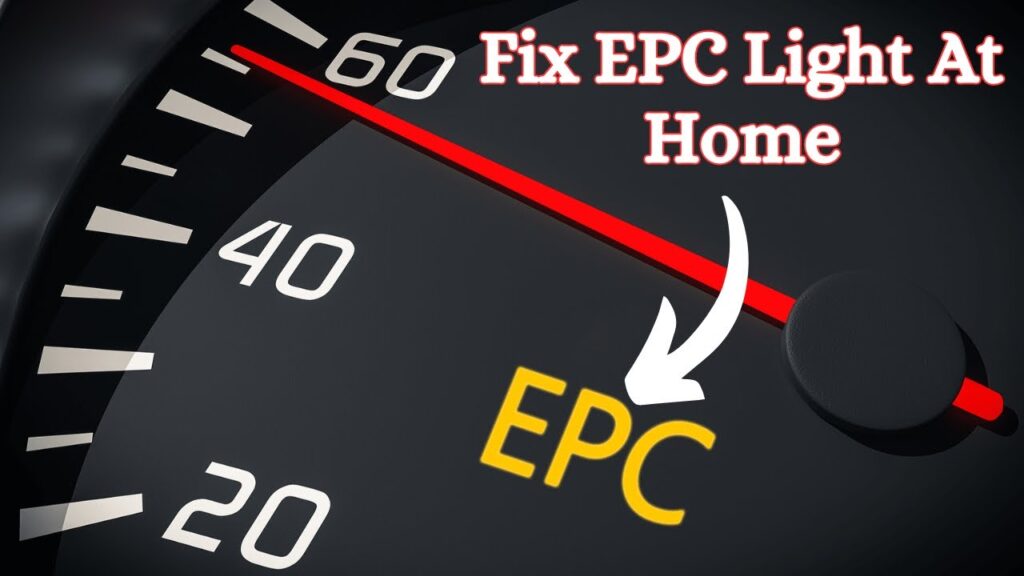
Seeing the EPC light in your Volkswagen Polo can be worrying, especially when it appears unexpectedly while driving. Sometimes the warning comes on without noticeable changes in performance. Other times, your Polo may suddenly lose power, hesitate when accelerating, or enter limp mode.
The EPC warning is associated with the vehicle's electronic engine management system. Although it can indicate something relatively straightforward, such as a faulty brake light switch, it may also point to problems with the throttle body, accelerator pedal sensor, ignition system, or other engine components.
Fortunately, an illuminated EPC light doesn't automatically mean your Volkswagen Polo needs expensive repairs.
In this guide, we'll explain what the EPC light means on a VW Polo, why it appears, whether you can continue driving, how to diagnose the fault, and how much repairs may cost.
Content in this publication
- What Does the EPC Light Mean on a Volkswagen Polo?
- How Does the EPC System Work?
- Common Causes of the Volkswagen Polo EPC Light
- 1. Faulty Throttle Body
- 2. Faulty Brake Light Switch
- 3. Accelerator Pedal Position Sensor Problems
- 4. Ignition Coil or Spark Plug Problems
- 5. Damaged Wiring or Electrical Connections
- 6. Engine Sensor Malfunctions
- 7. Turbocharger or Boost Control Problems
- 8. Battery Voltage or Charging System Problems
- Volkswagen Polo EPC Light Symptoms
- Can You Drive With the EPC Light On?
- What to Do When the EPC Light Comes On
- How to Diagnose the Volkswagen Polo EPC Light
- How to Fix the EPC Light on a Volkswagen Polo
- How Much Does It Cost to Fix the EPC Light?
- EPC Light on Different Volkswagen Polo Engines
- EPC Light on Older vs Newer Volkswagen Polo Models
- Why Does the EPC Light Come On Intermittently?
- Can a Weak Battery Cause the EPC Light?
- EPC Light and Check Engine Light Together
- Can You Reset the Volkswagen Polo EPC Light?
- How to Prevent EPC Light Problems
- Is the Volkswagen Polo EPC Light a Serious Problem?
- Frequently Asked Questions
- Conclusion: Fixing the Volkswagen Polo EPC Light
What Does the EPC Light Mean on a Volkswagen Polo?
EPC stands for Electronic Power Control.
In petrol-powered Volkswagen Polo models, this warning indicates that the engine management system has detected a problem involving electronic engine control.
The system monitors several components responsible for regulating engine performance, including:
- Electronic throttle body
- Accelerator pedal position sensor
- Brake pedal switch
- Engine management sensors
- Ignition system
- Relevant electrical connections
- Engine control unit (ECU)
When the ECU detects an unexpected signal or a malfunction, it may illuminate the EPC warning light.
Depending on the fault, the vehicle can also reduce available engine power as a protective measure.
What Does the EPC Symbol Look Like?
The Volkswagen Polo EPC warning appears as the letters EPC illuminated in yellow or amber on the instrument cluster.
Unlike the check engine light, which usually looks like a small engine, the EPC warning uses three letters.
The light normally appears briefly when the ignition is switched on as part of the dashboard's warning-light check.
However, if it remains illuminated after the engine starts or appears while driving, the vehicle needs attention.
How Does the EPC System Work?
Modern Volkswagen Polo petrol engines use an electronic throttle control system.
Older vehicles commonly relied on a mechanical cable connecting the accelerator pedal to the throttle valve. Electronic throttle systems instead use sensors and an electric actuator.
When we press the accelerator pedal, sensors measure the requested acceleration and send information to the ECU.
The ECU then determines the appropriate throttle opening based on factors such as:
- Accelerator pedal position
- Engine speed
- Engine load
- Brake pedal input
- Operating temperature
- Traction and stability control requests
If the ECU receives conflicting information, it may restrict engine power and activate the EPC warning.
This explains why a small electronic malfunction can sometimes make a Volkswagen Polo feel unusually slow.
Common Causes of the Volkswagen Polo EPC Light
Several faults can trigger this warning. The exact cause depends on the Polo's model year, engine, mileage, and stored diagnostic trouble codes.
Let's examine the main possibilities.
1. Faulty Throttle Body
A malfunctioning throttle body is one possible cause of an EPC warning.
The throttle body regulates the amount of air entering the engine. It contains an electronically controlled throttle valve and position sensors.
Over time, deposits may accumulate around the throttle plate. Alternatively, the actuator, sensors, or electrical connections may develop faults.
Possible symptoms include:
- EPC light illuminated
- Delayed acceleration
- Unstable engine idle
- Engine stalling
- Reduced power
- Poor throttle response
How to fix it: A mechanic should inspect the throttle body and its wiring, compare commanded and actual throttle positions, and check for relevant fault codes.
Cleaning may help when deposits are responsible. However, defective electronic components generally require repair or replacement.
Some Volkswagen Polo models also require a throttle adaptation procedure after throttle-body work.
2. Faulty Brake Light Switch
A defective brake light switch is another possible explanation, particularly on certain older Volkswagen models.
The brake switch does more than activate the rear brake lights.
It also provides information to the engine management system.
If the switch sends an incorrect or inconsistent signal, the ECU may detect a conflict between braking and acceleration inputs.
Typical symptoms include:
- EPC warning light
- Brake lights not working correctly
- Brake lights remaining illuminated
- Cruise control problems, where fitted
- Intermittent warning messages
How to fix it: Check whether the brake lights operate normally, then have the switch signal and related wiring tested.
A faulty switch may need replacement, but brake light bulbs, fuses, and wiring should also be considered during diagnosis.
Because this component is generally inexpensive compared with a throttle body, it is worth checking before authorising more substantial repairs.
3. Accelerator Pedal Position Sensor Problems
The accelerator pedal position sensor measures how far we press the accelerator.
Modern electronic accelerator assemblies typically use multiple signals so the ECU can check that the information is consistent.
If these signals disagree, the ECU may limit throttle response.
Common symptoms include:
- EPC light appearing during acceleration
- Poor throttle response
- Engine power limitation
- Delayed acceleration
- Intermittent hesitation
In some situations, pressing the accelerator may produce very little response.
How to fix it: A technician can inspect live accelerator sensor readings and check the wiring.
Depending on the model, a defective sensor may require replacement of the complete accelerator pedal assembly.
4. Ignition Coil or Spark Plug Problems
Ignition system problems can also produce engine management warnings and may be associated with an EPC fault.
Petrol-powered Volkswagen Polo engines use ignition coils and spark plugs to ignite the air-fuel mixture.
When a coil or spark plug stops working properly, the engine may misfire.
Possible symptoms include:
- Rough engine operation
- Vibrations while idling
- Hesitation when accelerating
- Poor fuel economy
- Check engine warning
- EPC light in some circumstances
A misfiring engine can feel particularly rough when accelerating uphill or under load.
How to fix it: Read the diagnostic fault codes, identify the affected cylinder, and inspect the relevant ignition components.
A technician may test or interchange ignition coils to confirm a suspected failure.
Spark plugs should also be inspected for wear, damage, and incorrect gaps where applicable.
Importantly, a flashing check engine light can indicate a misfire severe enough to damage the catalytic converter. If the vehicle is shaking or misfiring badly, stop safely and arrange assistance.
5. Damaged Wiring or Electrical Connections
Electrical problems are another possible cause of an EPC warning.
The engine management system depends on reliable communication between sensors, actuators, and the ECU.
Damaged wiring can interrupt these signals.
Potential problems include:
- Corroded electrical connectors
- Loose wiring connections
- Damaged cables
- Poor ground connections
- Moisture entering electrical components
- Intermittent sensor circuits
One clue is an EPC light that appears occasionally and disappears after restarting the vehicle.
However, intermittent warnings can also result from failing sensors or mechanical problems.
How to fix it: An automotive electrician or qualified mechanic can inspect the affected circuit, check voltage and ground connections, and test wiring continuity.
Replacing sensors without checking their electrical circuits can lead to unnecessary expenses.
6. Engine Sensor Malfunctions
Various sensors help the ECU calculate engine operating conditions.
Depending on the Polo's engine configuration, problems involving these sensors may contribute to engine management faults.
Examples include:
- Manifold absolute pressure sensor
- Throttle position sensor
- Crankshaft position sensor
- Camshaft position sensor
- Intake air temperature sensor
Not every sensor failure will illuminate the EPC light. Some faults activate only the check engine light.
Nevertheless, an EPC warning accompanied by hesitation, stalling, or power loss warrants a thorough sensor and engine management diagnosis.
How to fix it: Retrieve the relevant trouble codes and compare live sensor readings with expected values.
A stored sensor-related code does not automatically prove that the sensor itself is defective. Problems involving wiring, air leaks, or other components can create similar readings.
7. Turbocharger or Boost Control Problems
Some Volkswagen Polo TSI engines use turbochargers to improve power and efficiency.
If a fault affects turbocharger boost control, the vehicle may display an EPC warning, a check engine light, or both.
Possible issues include:
- Faulty boost pressure control actuator
- Damaged boost pressure sensor
- Air leaks in the intake system
- Boost control electrical faults
- Turbocharger mechanical problems
Symptoms may include weak acceleration, inconsistent power delivery, or reduced engine performance.
How to fix it: Have the boost pressure system tested before replacing expensive components.
You may be interested in reading Volkswagen Polo Reliability Review: An In-Depth 2025 Owner Insight
The mechanic may compare requested and actual boost pressures, inspect hoses, and test the turbocharger actuator.
Not every boost control problem requires turbocharger replacement.
8. Battery Voltage or Charging System Problems
Electronic engine control components require a stable electrical supply.
A weak battery, charging system malfunction, or poor electrical connection can sometimes cause abnormal sensor readings or multiple electronic warnings.
Possible signs include:
- Difficulty starting
- Several dashboard warnings
- Intermittent electrical problems
- Engine management fault codes
- Unusual behaviour after a battery problem
However, an EPC warning alone does not establish that the battery is defective.
How to fix it: Test the battery, alternator output, and electrical connections if the symptoms or stored codes suggest a voltage-related issue.
Volkswagen Polo EPC Light Symptoms
The behaviour of your vehicle can help narrow down the likely problem.
| Symptom | Possible explanation |
|---|---|
| EPC light with loss of power | Throttle, sensor, or engine control fault |
| EPC light with rough idle | Throttle or ignition problem |
| EPC light and brake lights not working | Brake switch or brake-light circuit fault |
| EPC light during acceleration | Throttle, accelerator sensor, ignition, or boost issue |
| EPC light after restarting | Intermittent or persistent engine management fault |
| EPC and check engine lights together | Multiple warnings related to engine management |
| EPC light and severe shaking | Possible misfire or other significant engine problem |
These symptoms are useful diagnostic clues, but they are not enough to identify the failed component without further testing.
Can You Drive With the EPC Light On?
It depends on how the Volkswagen Polo is behaving.
If the EPC warning is illuminated but the engine runs normally, Volkswagen advises driving slowly and carefully to a qualified repairer without delay.
Avoid unnecessary journeys, hard acceleration, and motorway driving if the car is showing abnormal behaviour.
However, you should not continue driving if the vehicle:
- Experiences severe power loss
- Shakes or misfires heavily
- Repeatedly stalls
- Responds unpredictably to the accelerator
- Displays a flashing check engine light with rough running
- Shows additional serious warnings, particularly red oil-pressure or coolant-temperature warnings
In these situations, stop in a safe location and arrange professional assistance.
Can the EPC Light Cause Limp Mode?
Yes.
Some Volkswagen Polo faults cause the ECU to activate a reduced-power operating mode, commonly called limp mode.
The purpose is to restrict vehicle performance when the engine control system cannot operate normally.
Symptoms can include reduced acceleration, a limited engine speed range, or difficulty maintaining normal road speeds.
Limp mode does not mean the engine has necessarily suffered major damage.
However, it is not a reason to continue driving indefinitely. The underlying problem still needs diagnosis.
What to Do When the EPC Light Comes On
If the EPC warning appears while driving, we recommend following these steps.
Step 1: Assess How the Car Is Running
Pay attention to the engine's behaviour.
Is the Polo accelerating normally? Does it hesitate, shake, or lose power?
Also look for additional warning lights.
Severe symptoms or red warnings require immediate attention rather than continued driving.
Step 2: Find a Safe Place to Stop
Reduce speed gradually and pull over somewhere safe.
Avoid sudden acceleration or unnecessary engine load.
If the car is running abnormally, switching the engine off may be the safest option while arranging assistance.
Step 3: Restart the Engine if Appropriate
If the vehicle stopped normally and there are no signs of a serious fault, you can switch the ignition off and restart the engine.
Sometimes the EPC warning disappears after a restart.
However, this does not prove that the problem is resolved.
An intermittent fault may return, and diagnostic information may remain stored in the ECU.
Step 4: Check the Brake Lights
With the vehicle parked safely, ask someone to check whether the brake lights illuminate when you press the pedal.
A reflection against a wall may also help.
If the brake lights are malfunctioning, avoid driving until the problem is addressed.
Remember that working brake lights do not completely rule out a faulty brake pedal signal.
Step 5: Arrange a Diagnostic Inspection
If the EPC light stays illuminated or reappears, the next step is to retrieve the stored diagnostic codes.
A Volkswagen-compatible diagnostic tool can help identify the system that requires testing.
How to Diagnose the Volkswagen Polo EPC Light
Diagnosing an EPC warning properly is essential because multiple unrelated faults can activate the same dashboard indicator.
Use an OBD2 Diagnostic Scanner
Many modern Volkswagen Polo models support OBD2 diagnostics.
The diagnostic port is generally located beneath the dashboard on the driver's side, although its exact position depends on the generation.
To begin diagnosis:
- Park the vehicle safely and follow the scanner's instructions.
- Connect the diagnostic tool.
- Read the engine ECU's stored and pending trouble codes.
- Record the codes before clearing anything.
- Review available freeze-frame and live sensor data.
- Test the components indicated by the results.
A generic OBD2 scanner may provide useful engine-related codes.
However, Volkswagen-compatible systems such as VCDS or ODIS may offer more detailed manufacturer-specific data, depending on the vehicle.
These are examples of codes that may appear during an engine management diagnosis.
| Fault code | Description |
|---|---|
| P0121 | Throttle position sensor range/performance |
| P0221 | Throttle/pedal position sensor range/performance |
| P0571 | Brake switch circuit malfunction |
| P2138 | Accelerator pedal position sensor correlation |
| P0300 | Random or multiple cylinder misfire |
| P0301 | Cylinder 1 misfire |
| P0302 | Cylinder 2 misfire |
| P0299 | Turbocharger underboost condition |
Important: These are diagnostic possibilities, not a definitive list of Volkswagen Polo EPC codes.
The exact description and relevance can vary by engine and vehicle configuration.
A fault code identifies an affected system or abnormal condition. It does not always identify the part that must be replaced.
How to Fix the EPC Light on a Volkswagen Polo
The correct repair depends entirely on the diagnosis.
Here is a practical overview of possible solutions.
| Identified problem | Possible repair |
|---|---|
| Faulty brake light switch | Replace the switch or repair the circuit |
| Dirty throttle body | Clean and perform adaptation if required |
| Defective throttle body | Replace the assembly |
| Accelerator sensor failure | Repair wiring or replace the relevant component |
| Ignition coil malfunction | Replace the confirmed faulty coil |
| Worn spark plugs | Install the correct replacement plugs |
| Damaged electrical wiring | Repair connections or cables |
| Boost control malfunction | Repair the identified actuator, sensor, or air leak |
| Voltage problem | Repair battery, charging, or electrical supply fault |
A professional repair should include a final check to confirm that the original fault has been resolved.
The mechanic may also clear stored fault codes after completing the repair and verifying that no additional problems remain.
How Much Does It Cost to Fix the EPC Light?
The cost of fixing an EPC light on a Volkswagen Polo varies considerably.
A relatively simple electrical repair may be inexpensive, while an electronic throttle assembly or complicated wiring fault can cost significantly more.
For UK owners, the following figures provide broad planning estimates rather than guaranteed quotations.
| Repair or service | Approximate UK cost |
|---|---|
| Initial diagnostic inspection | £50–£150 |
| Brake light switch replacement | £40–£120 |
| Throttle body cleaning | £60–£150 |
| Throttle body replacement | £250–£600 |
| Ignition coil replacement | £70–£200 per coil |
| Accelerator pedal assembly replacement | £150–£450 |
| Electrical wiring repair | £80–£350+ |
| Turbo or boost system repair | Depends on the specific fault |
Actual prices depend on the Polo's engine, model year, parts availability, labour rates, and whether the repair is carried out by an independent specialist or a Volkswagen dealership.
For example, replacing a throttle body is significantly more expensive than replacing a brake pedal switch.
We recommend requesting a written quotation that separates diagnostic labour, replacement parts, VAT, and any additional work.
EPC Light on Different Volkswagen Polo Engines
The underlying causes can vary across the Volkswagen Polo range.
Volkswagen Polo 1.0 MPI EPC Light
The naturally aspirated 1.0 MPI engine has a relatively straightforward petrol engine configuration compared with turbocharged versions.
Possible EPC-related issues include:
- Electronic throttle faults
- Accelerator pedal signal problems
- Ignition system faults
- Brake switch problems
- Wiring or sensor issues
If the car develops a rough idle alongside the EPC light, ignition and throttle-related faults are among the possibilities worth investigating.
Volkswagen Polo 1.0 TSI EPC Light
The turbocharged 1.0 TSI engine introduces additional boost pressure control components.
Potential causes include:
- Throttle body malfunction
- Accelerator sensor issues
- Ignition misfires
- Boost pressure control faults
- Intake system leaks
- Electrical connection problems
If the EPC light appears under acceleration, a technician may need to examine both the throttle control system and turbocharger boost data.
Volkswagen Polo 1.2 TSI EPC Light
Owners of older 1.2 TSI-powered Polos may encounter engine control warnings associated with various ignition, throttle, boost, or electrical faults.
The exact engine code and model year matter.
Rather than assuming that every 1.2 TSI shares the same problem, we should use the stored fault codes and symptoms to identify the relevant system.
Volkswagen Polo 1.4 TSI EPC Light
The 1.4 TSI was offered in certain performance-oriented Polo versions.
Depending on the particular engine, faults affecting electronic throttle control, ignition, sensors, and boost management may trigger engine management warnings.
Because mechanical configurations differ between 1.4 TSI variants, obtaining the correct engine-specific diagnosis is particularly important.
EPC Light on Older vs Newer Volkswagen Polo Models
Volkswagen has used several generations of the Polo, and their electronics have evolved.
You may be interested in readingVolkswagen Polo Reliability Review: An In-Depth 2025 Owner InsightYou may be interested in reading
 Are Volkswagen Polos Cheap to Insure? A Complete 2025 Guide
Older Polo 9N and 9N3 Models
Older petrol Polo models may develop faults involving brake switches, throttle components, or electrical connections.
Age-related wiring deterioration and worn electronic components are also worth considering.
However, no single fault should be assumed to affect every older Polo.
Volkswagen Polo 6R and 6C
These generations were sold with several petrol engines, including naturally aspirated and turbocharged configurations.
An EPC warning may require investigation of engine sensors, ignition components, electronic throttle control, or other systems depending on the engine.
Volkswagen Polo AW
Later Polo models use increasingly sophisticated engine control and electronic monitoring systems.
For these vehicles, a diagnostic tool capable of reading manufacturer-specific information can be particularly helpful.
The warning light itself still indicates a problem, not a specific failed part.
Why Does the EPC Light Come On Intermittently?
An intermittent EPC warning can be frustrating because the vehicle may appear to operate perfectly normally between incidents.
Possible explanations include:
- Loose electrical connections
- Intermittent sensor failures
- Temperature-related electrical faults
- Wiring vibration
- Throttle actuator irregularities
- Temporary voltage disturbances
For example, a damaged connector may intermittently interrupt a sensor signal when the engine moves or the vehicle passes over uneven roads.
A warning that disappears after restarting should not be ignored.
If the ECU has stored a fault code, it may help identify what happened even when the dashboard light is no longer illuminated.
Can a Weak Battery Cause the EPC Light?
A weak battery can contribute to electronic problems, but it is not among the first explanations we should assume from an EPC warning alone.
Low system voltage may disrupt normal operation of electronic control modules, especially during starting.
If the EPC light appears alongside slow cranking, multiple electrical warnings, or recent battery problems, checking the charging and electrical supply system is reasonable.
A technician can measure:
- Battery condition
- Voltage during starting
- Charging voltage
- Ground connection quality
Replacing the battery without confirming a voltage problem is unlikely to be a cost-effective repair strategy.
EPC Light and Check Engine Light Together
Sometimes the Volkswagen Polo displays both the EPC light and the check engine light.
These warnings are related but not identical.
The EPC light is associated with electronic engine management, particularly the petrol engine's power control functions.
The check engine light can indicate a wider range of engine and emissions-related faults.
Both lights may illuminate when a malfunction affects engine operation and its electronic control system.
Possible examples include serious ignition problems, throttle-related faults, or other engine management issues.
If both lights are illuminated, diagnostic testing should be prioritised.
A flashing check engine light, especially with misfiring or shaking, calls for greater caution than a steady warning with otherwise normal engine performance.
Can You Reset the Volkswagen Polo EPC Light?
An EPC warning may disappear when the engine is switched off and restarted.
However, resetting the light is not the same as fixing the problem.
If the ECU continues to detect the malfunction, the warning can return.
An OBD diagnostic tool may also be capable of clearing certain fault codes.
Nevertheless, clearing codes before diagnosing the problem can remove useful information.
We recommend recording the codes, investigating the underlying fault, and only then clearing codes as part of a completed repair procedure.
Avoid disconnecting the battery simply to erase the warning. This does not repair the underlying fault and can reset other vehicle settings.
How to Prevent EPC Light Problems
Not every EPC-related fault is preventable, but proper maintenance can reduce the risk of some engine and electrical problems.
Maintain the Ignition System
Replace spark plugs according to the correct service schedule for your Polo engine.
If the engine begins to misfire, investigate promptly rather than continuing to drive with poor combustion.
Follow the Manufacturer's Service Schedule
Routine servicing helps maintain engine reliability.
Use fluids, filters, and replacement components that meet Volkswagen's specifications for your engine.
Address Electrical Problems Early
Unexpected dashboard warnings, starting problems, or intermittent electronic faults should be investigated before they become more disruptive.
Use Suitable Fuel
Use petrol that meets the minimum octane and fuel quality specifications stated in your Polo's owner manual.
Poor-quality or contaminated fuel can contribute to engine running problems.
Avoid Ignoring Small Symptoms
Occasional hesitation, an unstable idle, or unusual throttle response can be early signs that an engine component needs attention.
Investigating these symptoms early may help prevent a roadside breakdown.
Is the Volkswagen Polo EPC Light a Serious Problem?
An EPC warning should be taken seriously, but it does not automatically indicate catastrophic engine damage.
The seriousness depends on the underlying fault.
For example, a defective brake light switch may be relatively inexpensive to replace, although malfunctioning brake lights create an important safety concern.
A severe ignition misfire or unpredictable throttle response requires a more urgent response.
The key is to distinguish between a vehicle that is running normally but needs prompt inspection and one that is unsafe to continue driving.
In either case, we should avoid treating the EPC light as an ordinary maintenance reminder.
Frequently Asked Questions
1. Why Is the EPC Light On in My Volkswagen Polo?
The EPC light comes on when the petrol engine management system detects a malfunction involving electronic engine control.
Possible causes include a faulty throttle body, brake light switch, accelerator pedal sensor, ignition component, or electrical connection.
A diagnostic scan is generally required to identify the specific problem.
2. Can I Drive My VW Polo With the EPC Light On?
If your Volkswagen Polo is operating normally and only the amber EPC warning is illuminated, you may be able to drive slowly and carefully to a nearby qualified repairer.
However, you should stop safely and seek assistance if the vehicle loses substantial power, misfires severely, stalls, or displays additional serious warnings.
Avoid long journeys until the fault is diagnosed.
3. Why Does the EPC Light Disappear After Restarting?
Restarting the engine can temporarily clear an active warning condition.
This may happen with intermittent sensor faults, electrical connections, or other engine management problems.
However, the underlying malfunction may still exist.
If the warning returns, arrange a diagnostic inspection and have any stored trouble codes examined.
4. How Much Does It Cost to Repair the EPC Light on a Polo?
Repair costs vary depending on the failed component.
In the UK, an initial diagnostic inspection may cost approximately £50–£150, while a throttle body replacement can cost around £250–£600.
A simple brake switch repair may be considerably cheaper.
The most reliable way to estimate the total is to diagnose the fault before replacing parts.
5. Can the EPC Light Turn On Because of Spark Plugs?
Yes, ignition-related problems can contribute to engine management faults.
Worn spark plugs may cause misfires, rough engine operation, and reduced performance.
Depending on the vehicle and fault, an EPC light may appear alongside the check engine light.
However, spark plugs are only one possible cause, so they should not be replaced solely because the EPC warning is illuminated.
Conclusion: Fixing the Volkswagen Polo EPC Light
The EPC light in a Volkswagen Polo indicates that the electronic engine management system has detected a fault that requires attention.
Common possibilities include throttle control problems, faulty brake switches, accelerator pedal sensor issues, ignition faults, and damaged electrical connections.
Fortunately, not every EPC warning involves an expensive repair.
The most effective approach is to assess the vehicle's symptoms, avoid driving when performance is seriously affected, and obtain a proper diagnostic inspection.
Rather than replacing components at random, we recommend identifying the stored fault codes and confirming the underlying problem.
You may be interested in readingVolkswagen Polo Reliability Review: An In-Depth 2025 Owner InsightYou may be interested in reading
Are Volkswagen Polos Cheap to Insure? A Complete 2025 GuideYou may be interested in reading
 SEAT Ibiza vs Volkswagen Polo: The Ultimate 2025 Comparison Guide
With an accurate diagnosis and the appropriate repair, many Volkswagen Polo EPC faults can be resolved without unnecessary expense.
If you want to know other articles similar to EPC Light in the Volkswagen Polo: Causes and Fixes you can visit the category Blog.
Toyota RAV4 Dashboard Warning Lights and Symbols Explained

Toyota RAV4 LE vs XLE: Which Trim Level Is Better?

Kia Sportage Boot Space: Size, Litres and Dimensions
Top 10 Toyota Yaris Cross Alternatives: Best Small SUVs to Consider in 2026

Toyota RAV4 Reliability: Is the RAV4 a Dependable SUV? Common Problems, Best Years, and Lifespan

Does Mercedes A-Class Have a Renault Engine?
Leave a Reply
More content of your interest