

Volkswagen Polo Tyre Pressure: Complete PSI Guide

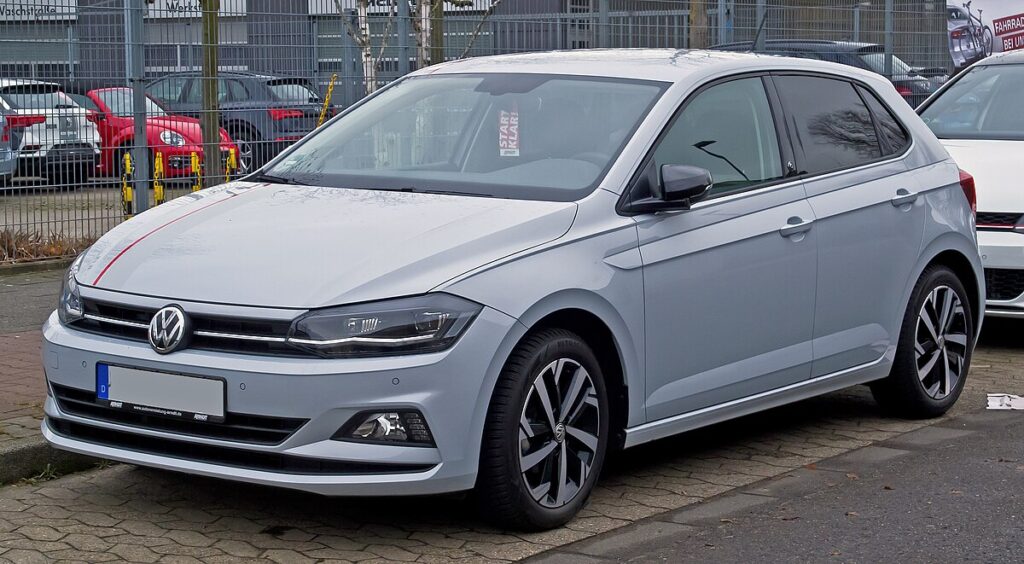
Maintaining the correct Volkswagen Polo tyre pressure is essential for safe driving, fuel efficiency, tyre longevity, and overall vehicle performance. Whether we own an older Polo, a modern 1.0 TSI, an R-Line, or the sporty Polo GTI, properly inflated tyres make a noticeable difference to how the vehicle handles.
However, finding the correct tyre pressure is not always straightforward. Volkswagen has produced several generations of the Polo, each available with different engines, wheel sizes, tyre specifications, and equipment levels.
As a result, the recommended tyre pressure can vary depending on the model year, tyre size, and number of passengers travelling in the vehicle.
In this comprehensive guide, we'll explain everything we need to know about Volkswagen Polo tyre pressure, including recommended PSI and bar values, tyre pressure charts, front and rear inflation settings, warning lights, and how to reset the tyre pressure monitoring system.
Content in this publication
- What Is the Correct Volkswagen Polo Tyre Pressure?
- Volkswagen Polo Tyre Pressure Chart
- Volkswagen Polo Tyre Pressure by Model Year
- Where to Find the Volkswagen Polo Tyre Pressure Sticker
- Volkswagen Polo Tyre Pressure in PSI and Bar
- Volkswagen Polo Front and Rear Tyre Pressure
- How to Check Volkswagen Polo Tyre Pressure
- Volkswagen Polo Tyre Pressure Warning Light
- How to Reset Volkswagen Polo Tyre Pressure
- Does the Volkswagen Polo Have TPMS Sensors?
- How Often Should We Check Volkswagen Polo Tyre Pressure?
- Volkswagen Polo Tyre Pressure in Winter
- Volkswagen Polo Tyre Pressure for Motorway Driving
- Volkswagen Polo Tyre Pressure and Fuel Economy
- What Happens if Volkswagen Polo Tyre Pressure Is Too Low?
- What Happens if Volkswagen Polo Tyre Pressure Is Too High?
- Volkswagen Polo Spare Tyre Pressure
- Common Volkswagen Polo Tyre Pressure Problems
- How to Make Volkswagen Polo Tyres Last Longer
- Frequently Asked Questions About Volkswagen Polo Tyre Pressure
- 1. What PSI Should Volkswagen Polo Tyres Be?
- 2. Where Is the Tyre Pressure Sticker on a Volkswagen Polo?
- 3. How Do We Reset the Volkswagen Polo Tyre Pressure Light?
- 4. Should Volkswagen Polo Front and Rear Tyres Have the Same Pressure?
- 5. Why Does My Volkswagen Polo Tyre Pressure Warning Keep Coming On?
- Conclusion
What Is the Correct Volkswagen Polo Tyre Pressure?
The correct Volkswagen Polo tyre pressure depends on the specific model and tyre configuration.
Many Polo versions use cold tyre pressures in the region of 30–36 PSI (approximately 2.1–2.5 bar) under normal driving conditions. However, other versions, including certain larger-wheel configurations, require higher inflation pressures.
These numbers are general examples rather than universal recommendations.
The most reliable way to determine the correct pressure is to check the manufacturer's tyre pressure sticker, usually located inside the fuel filler flap or on the driver's door pillar.
This label provides the recommended inflation pressures for the vehicle's approved tyres, taking into account different loading conditions.
We should always follow the vehicle-specific values rather than relying exclusively on general online charts.
Volkswagen Polo Tyre Pressure Chart
Volkswagen Polo tyre pressure requirements can vary considerably between configurations.
The following chart provides examples published for selected sixth-generation Polo specifications. These values are not applicable to every model using the listed tyre size.
| Tyre Size | Front Pressure | Rear Pressure |
|---|---|---|
| 175/70 R14 | 33 PSI / 2.3 bar | 30 PSI / 2.1 bar |
| 185/65 R15 | 36 PSI / 2.5 bar | 36 PSI / 2.5 bar |
| 195/55 R16 | 36 PSI / 2.5 bar | 33 PSI / 2.3 bar |
| 215/45 R17 | 38 PSI / 2.6 bar | 35 PSI / 2.4 bar |
| 215/40 R18 | 41 PSI / 2.8 bar | 38 PSI / 2.6 bar |
Important: These are reference examples for particular regional vehicle specifications, not pressure recommendations based solely on tyre size. Our Polo's tyre pressure label takes priority.
Volkswagen Polo Tyre Pressure When Fully Loaded
Tyre pressures may need to be increased when the vehicle carries several passengers or additional luggage.
A fully loaded car places more weight on the tyres, particularly those fitted to the rear axle.
For the same selected regional configurations, example full-load pressure values include:
| Tyre Size | Front Pressure | Rear Pressure |
|---|---|---|
| 175/70 R14 | 33 PSI / 2.3 bar | 36 PSI / 2.5 bar |
| 185/65 R15 | 36 PSI / 2.5 bar | 39 PSI / 2.7 bar |
| 195/55 R16 | 36 PSI / 2.5 bar | 39 PSI / 2.7 bar |
| 215/45 R17 | 41 PSI / 2.8 bar | 44 PSI / 3.0 bar |
| 215/40 R18 | 44 PSI / 3.0 bar | 46 PSI / 3.2 bar |
These values illustrate why the correct inflation pressure depends on vehicle loading.
We should consult the Volkswagen pressure label before carrying a heavier load, since the correct full-load values may differ from those shown here.
Volkswagen Polo Tyre Pressure by Model Year
Volkswagen has manufactured multiple Polo generations, each with different wheel and tyre combinations.
Understanding these differences helps us identify the most appropriate information for our particular vehicle.
Volkswagen Polo Tyre Pressure 2005–2009
Older Volkswagen Polo models frequently use smaller wheels than newer generations.
Common tyre dimensions include 165/70 R14 and other sizes depending on the version.
Certain older configurations have published normal-load pressures around 28–32 PSI.
However, these figures are not applicable to every vehicle produced during this period.
Different engines, tyre types, and vehicle specifications can require different front and rear pressures.
Volkswagen Polo Tyre Pressure 2010–2017
The fifth-generation Volkswagen Polo was available with several wheel sizes and a wide variety of engines.
Common tyre sizes include:
- 175/70 R14
- 185/60 R15
- 195/55 R15
- 215/45 R16
Recommended pressures vary between these configurations.
Some versions use pressures around 30–33 PSI, while others may require different settings.
We recommend checking the tyre pressure label rather than choosing a value based only on the year of manufacture.
Volkswagen Polo Tyre Pressure 2018–2021
The sixth-generation Polo introduced updated chassis technology, modern safety equipment, and a selection of larger wheels.
Popular tyre sizes include 185/65 R15, 195/55 R16, and 215/45 R17.
The recommended tyre pressure depends on the engine, wheel configuration, market, and load.
For this reason, two Polo vehicles manufactured during the same year might require different tyre pressures.
Volkswagen Polo Tyre Pressure 2022–2024
The facelifted Volkswagen Polo continued to offer several wheel and tyre configurations.
Examples include:
| Volkswagen Polo Version | Common Tyre Size |
|---|---|
| Polo / Life | 185/65 R15 |
| Style | 185/65 R15 |
| R-Line | 195/55 R16 |
| R-Line with optional 17-inch wheels | 215/45 R17 |
These are examples from particular markets, and equipment specifications may vary.
Although tyre dimensions help us identify the correct information, the vehicle's pressure label remains essential.
Volkswagen Polo Tyre Pressure 2025–2026
Recent Volkswagen Polo models continue to use different tyre sizes according to the trim level and market.
Modern versions may also feature an indirect tyre pressure monitoring system designed to detect changes in tyre rolling characteristics.
Regardless of the technology installed, manually checking tyre pressure remains important.
For 2025 and 2026 models, we should follow the cold inflation pressure specifications provided with the particular vehicle.
Where to Find the Volkswagen Polo Tyre Pressure Sticker
Finding the correct pressure is usually easy once we know where Volkswagen places the information.
On many Polo models, the manufacturer's tyre pressure sticker is located inside the fuel filler flap.
On other versions, the information may be displayed on the driver's door pillar.
The sticker typically includes recommended pressures for the front and rear tyres and may show different values for normal and fully loaded driving conditions.
How to Read the Tyre Pressure Sticker
The label may contain several symbols and pressure measurements.
| Information | Meaning |
|---|---|
| Front axle | Recommended pressure for the front tyres |
| Rear axle | Recommended pressure for the rear tyres |
| Partial-load symbol | Inflation settings for lighter vehicle loads |
| Full-load symbol | Inflation settings when carrying more weight |
| PSI | Pounds per square inch |
| Bar | Metric pressure measurement |
| kPa | Kilopascals |
| Spare tyre symbol | Inflation pressure for the spare wheel, if fitted |
Some versions may also show alternative settings for comfort or efficiency.
We should choose the correct values for the current driving and loading conditions.
Volkswagen Polo Tyre Pressure in PSI and Bar
Tyre inflation pressure is commonly measured in PSI, bar, or kilopascals.
Understanding these units is useful when using a petrol station tyre inflator, especially if the machine displays a different measurement from our vehicle's pressure label.
Volkswagen Polo PSI to Bar Conversion Chart
| Bar | PSI (Approx.) | kPa |
|---|---|---|
| 1.9 | 28 | 190 |
| 2.0 | 29 | 200 |
| 2.1 | 30 | 210 |
| 2.2 | 32 | 220 |
| 2.3 | 33 | 230 |
| 2.4 | 35 | 240 |
| 2.5 | 36 | 250 |
| 2.6 | 38 | 260 |
| 2.7 | 39 | 270 |
| 2.8 | 41 | 280 |
| 3.0 | 44 | 300 |
For conversion purposes:
- 1 bar equals approximately 14.5 PSI.
- 1 PSI equals approximately 0.069 bar.
- 1 bar equals 100 kPa.
These conversions are rounded to make them easier to understand.
Whenever possible, we should use the pressure values shown on the vehicle's own label.
Volkswagen Polo Front and Rear Tyre Pressure
One common question is whether Volkswagen Polo front and rear tyres require identical inflation pressures.
The answer is that it depends on the vehicle's configuration.
Some models use the same pressure at both axles, while others have different requirements.
The difference is related to vehicle weight distribution, tyre characteristics, suspension design, and loading conditions.
Why Front Tyre Pressure Can Be Higher
Most conventional Volkswagen Polo models feature a front-mounted engine and front-wheel drive.
The front tyres must handle steering forces, engine power, and a significant proportion of the vehicle's braking forces.
These characteristics influence the recommended inflation settings.
However, we should not automatically assume that the front tyres always require more pressure.
The manufacturer determines the appropriate balance for each configuration.
Why Rear Tyre Pressure May Increase
When we load the boot or carry several passengers, the rear axle supports additional weight.
For this reason, Volkswagen may specify higher rear tyre pressures when the vehicle is fully loaded.
Using the appropriate full-load settings helps the tyres carry the extra weight safely while maintaining stable handling.
How to Check Volkswagen Polo Tyre Pressure
Checking tyre pressure is one of the simplest maintenance tasks we can perform ourselves.
We only need a reliable tyre pressure gauge or an air compressor equipped with a pressure display.
Step 1: Check the Tyres When Cold
Tyre pressure should ideally be checked before driving or after the tyres have cooled sufficiently.
Driving generates heat, causing tyre pressure to increase temporarily.
If we release air from warm tyres to match a cold inflation specification, the tyres may become underinflated once they cool.
Step 2: Locate the Recommended Pressure
Find the manufacturer's tyre pressure sticker.
Identify the correct pressure for the fitted tyres and the current vehicle load.
Step 3: Remove the Valve Cap
Unscrew the valve cap from the tyre and place it somewhere safe.
Step 4: Measure the Pressure
Attach the pressure gauge securely to the tyre valve.
Compare the reading with the manufacturer's recommended value.
Step 5: Adjust the Pressure
If the pressure is too low, add air until the correct value is reached.
If the pressure is too high and the tyre is cold, release a small quantity of air and measure again.
Step 6: Repeat for Every Tyre
Check all four tyres separately.
Tyres can lose pressure at different rates, even when they appear to be in similar condition.
Step 7: Replace the Valve Caps
Reinstall the valve caps securely.
If the vehicle has a tyre pressure monitoring system that requires recalibration, follow the appropriate reset procedure after adjusting the pressures.
Volkswagen Polo Tyre Pressure Warning Light
The Volkswagen Polo tyre pressure warning light typically appears as a yellow or amber symbol resembling a horseshoe with an exclamation mark in the centre.
This warning indicates that the vehicle has detected a possible tyre pressure problem.
Depending on the system, the warning may appear when a tyre loses pressure or when the monitoring system identifies another abnormal condition.
We should never ignore the warning, especially when it appears unexpectedly while driving.
What to Do When the Warning Light Appears
If the tyre pressure warning light illuminates, we should:
- Reduce speed and stop in a safe location.
- Inspect the tyres for visible damage.
- Check whether any tyre appears significantly underinflated.
- Measure the tyre pressures when safe to do so.
- Inflate the tyres to their correct specifications.
- Investigate any tyre that continues losing air.
- Reset the monitoring system if appropriate.
If a tyre is visibly flat or damaged, we should avoid continuing the journey until the problem has been addressed.
How to Reset Volkswagen Polo Tyre Pressure
After correcting the tyre pressures, we may need to reset or recalibrate the tyre pressure monitoring system.
The procedure depends on the model year and the equipment fitted to the vehicle.
Volkswagen Polo Tyre Pressure Reset: Newer Models
Many newer Polo models allow the system to be recalibrated using the infotainment display.
A typical procedure is:
- Switch on the ignition.
- Open the Vehicle or Car menu.
- Select Settings, where available.
- Locate Tyres or Tyre Pressure Monitoring.
- Choose SET.
- Confirm that all four tyres have been adjusted correctly.
- Follow the on-screen instructions.
The system may then require some driving time to learn the new reference values.
Menu names and steps vary depending on the Polo's equipment.
Volkswagen Polo Tyre Pressure Reset: Older Models
Some older Polo models have a physical SET button for the tyre pressure monitoring system.
After inflating all tyres to the recommended pressures, we can generally recalibrate the system by switching on the ignition and holding the appropriate button until confirmation appears.
The exact method and button location depend on the vehicle.
We should follow the instructions in the owner's manual to avoid incorrect calibration.
Why the Warning Light Stays On
If the tyre pressure warning remains illuminated, possible reasons include:
- One or more tyres are still underinflated.
- A tyre has a slow puncture.
- The monitoring system has not been recalibrated correctly.
- A wheel or tyre has been damaged.
- The system has detected an electrical or sensor-related fault.
If the warning light flashes before remaining illuminated, this can indicate a monitoring-system malfunction.
A professional inspection is recommended if the warning continues after the tyres have been checked.
Does the Volkswagen Polo Have TPMS Sensors?
Many Volkswagen Polo models use an indirect tyre pressure monitoring system.
Unlike a direct TPMS, which measures the inflation pressure through dedicated sensors, an indirect system uses information from wheel-speed sensors and the vehicle's electronic systems.
When a tyre loses air, its rolling characteristics can change.
The system analyses these changes to identify a potential tyre pressure problem.
Direct vs Indirect TPMS
| Feature | Direct TPMS | Indirect TPMS |
|---|---|---|
| Measures pressure directly | Yes | No |
| Uses pressure sensors inside wheels | Yes | No |
| Uses wheel-speed information | Not as the primary pressure measurement | Yes |
| May require recalibration | Yes, depending on system | Yes |
| Displays individual pressure values | Depending on equipment | Generally not |
An indirect system does not normally tell us the exact PSI inside each tyre.
Therefore, we still need a pressure gauge to confirm that the tyres have been inflated correctly.
How Often Should We Check Volkswagen Polo Tyre Pressure?
We should check tyre pressure at least once a month and before any long journey.
Regular inspections allow us to identify gradual pressure loss before it creates a serious problem.
Additional checks are advisable when:
- Outside temperatures change significantly.
- The vehicle has been parked for several weeks.
- We notice unusual steering behaviour.
- The tyre pressure warning light appears.
- We plan to carry a heavier load.
- A tyre has recently been repaired or replaced.
We should also inspect the tyre tread and sidewalls during these checks.
Cracks, bulges, embedded objects, or unusual wear patterns may indicate that a tyre needs professional attention.
Volkswagen Polo Tyre Pressure in Winter
Cold temperatures can affect tyre pressure.
As the ambient temperature falls, the pressure of the air inside the tyres also tends to decrease.
A temperature drop of approximately 5.6°C can produce a pressure decrease of around 1 PSI, although the exact change depends on conditions.
This explains why tyre pressure warnings sometimes appear during colder weather.
Should We Increase Tyre Pressure in Winter?
We should maintain the manufacturer's recommended cold inflation pressure unless Volkswagen provides different instructions for the tyre configuration.
The correct approach is to measure the pressure when the tyres are cold and adjust it according to the vehicle's label.
We should not automatically add extra pressure simply because the weather is colder.
If winter tyres are fitted, it is important to check the owner's manual for any applicable inflation requirements.
Volkswagen Polo Tyre Pressure for Motorway Driving
Motorway journeys place continuous demands on tyres.
At higher speeds, tyres experience sustained rotation, heat generation, and mechanical stress.
Maintaining correct inflation pressure helps support predictable handling and reduces the risk of problems associated with underinflation.
Before motorway driving, we should check the tyre pressures and inspect their condition.
If we plan to travel with several passengers and a fully loaded boot, we should use the manufacturer's appropriate loaded-vehicle pressure settings.
Increasing pressure beyond the specified values is not recommended.
Volkswagen Polo Tyre Pressure and Fuel Economy
Tyre pressure can influence how much fuel our Volkswagen Polo consumes.
Underinflated tyres generally have greater rolling resistance because they deform more while moving.
The engine must use additional energy to overcome this resistance.
Over time, incorrect inflation can contribute to unnecessary fuel consumption.
Maintaining the recommended pressure helps support efficient driving.
However, tyre pressure is only one factor affecting fuel economy.
Other important factors include driving habits, traffic conditions, vehicle maintenance, road gradient, and vehicle load.
What Happens if Volkswagen Polo Tyre Pressure Is Too Low?
Driving with underinflated tyres can cause several problems.
Increased Fuel Consumption
Underinflated tyres create additional rolling resistance.
This can increase fuel consumption, particularly during frequent or extended journeys.
Faster Tyre Wear
Incorrect inflation can cause the tyre tread to wear unevenly.
Underinflation often increases wear around the outer shoulders of the tread.
As a result, tyres may need replacing earlier than expected.
Reduced Handling Stability
Tyres with insufficient pressure can respond less accurately to steering inputs.
The vehicle may feel less stable when cornering or changing direction.
Increased Risk of Overheating
Underinflated tyres flex more than properly inflated tyres.
This movement generates additional heat.
In severe cases, excessive heat can contribute to internal tyre damage or failure.
What Happens if Volkswagen Polo Tyre Pressure Is Too High?
Overinflation can also negatively affect vehicle performance.
When tyre pressure exceeds the recommended value, the tyre may behave differently from what the manufacturer intended.
Possible consequences include:
- Reduced ride comfort.
- Uneven tread wear.
- Less predictable traction under certain conditions.
- Increased sensitivity to road imperfections.
- Greater vulnerability to impact-related damage.
Higher pressure does not automatically mean better fuel efficiency or safer driving.
The correct pressure is the one specified by Volkswagen for the particular vehicle and loading conditions.
Volkswagen Polo Spare Tyre Pressure
Some Volkswagen Polo models include a temporary spare wheel, while others are equipped with a tyre repair kit.
A temporary spare tyre may require a significantly higher pressure than the regular road tyres.
Depending on the spare wheel specification, pressures may be around 3.5–4.2 bar.
However, these values must not be applied universally.
We should always check the spare wheel's markings, the vehicle's pressure label, or the owner's manual.
Temporary spare wheels can also have specific speed and distance restrictions.
These restrictions must be respected to maintain safe driving conditions.
Common Volkswagen Polo Tyre Pressure Problems
Volkswagen Polo owners may occasionally experience tyre pressure problems even when maintaining the car regularly.
The following table summarises some common symptoms and their possible causes.
| Problem | Possible Cause | Recommended Solution |
|---|---|---|
| Tyre pressure warning stays on | Low pressure or system fault | Check pressures and recalibrate |
| One tyre loses air repeatedly | Puncture or faulty valve | Professional tyre inspection |
| Uneven tyre wear | Incorrect pressure or alignment | Check inflation and wheel alignment |
| Harsh ride | Excessive pressure or suspension issue | Verify tyre pressure |
| Higher fuel consumption | Underinflated tyres, among other causes | Check cold inflation pressures |
| Warning after tyre replacement | TPMS requires recalibration | Follow reset instructions |
Volkswagen Polo Tyre Keeps Losing Air
If the same tyre loses pressure repeatedly, there may be a slow puncture, leaking valve, or damaged wheel rim.
Regularly adding air without identifying the cause is not a permanent solution.
We should have the tyre inspected and repaired or replaced as appropriate.
Tyre Pressure Warning After Changing Tyres
After fitting new tyres, the monitoring system may need recalibration.
Before resetting the system, we should verify that the new tyres are compatible with the vehicle and inflated correctly.
Tyre Pressure Warning After Cold Weather
A sudden drop in temperature can reduce tyre pressure enough to trigger the monitoring system.
We should measure the pressures and adjust them if necessary before recalibrating.
How to Make Volkswagen Polo Tyres Last Longer
Correct tyre pressure is important, but it is only one part of proper tyre maintenance.
We can help extend tyre life by following several simple habits:
- Check tyre pressures regularly.
- Inspect the tread for uneven wear.
- Avoid driving over potholes whenever safely possible.
- Have wheel alignment checked if uneven wear develops.
- Avoid carrying unnecessary weight.
- Replace damaged tyres promptly.
- Maintain the vehicle's suspension components.
- Choose tyres with the correct size, load rating, and speed rating.
- Check the condition of tyre valves.
- Follow the manufacturer's tyre maintenance recommendations.
Driving style also affects tyre lifespan.
Aggressive acceleration, harsh braking, and fast cornering can accelerate wear, even when the tyres are inflated correctly.
Frequently Asked Questions About Volkswagen Polo Tyre Pressure
1. What PSI Should Volkswagen Polo Tyres Be?
The correct Volkswagen Polo tyre pressure varies depending on the model, tyre size, and vehicle load.
Some configurations use approximately 30–36 PSI under normal conditions, while other versions require higher pressures.
We should always use the manufacturer's tyre pressure sticker to find the correct values.
2. Where Is the Tyre Pressure Sticker on a Volkswagen Polo?
On many Volkswagen Polo models, the tyre pressure sticker is located inside the fuel filler flap.
It may also be positioned on the driver's door pillar.
The sticker displays the recommended inflation pressures for the approved tyres and different loading conditions.
3. How Do We Reset the Volkswagen Polo Tyre Pressure Light?
After checking and adjusting the tyre pressures, we can usually reset the monitoring system through the Vehicle or Car settings on newer Polo models.
Some older versions use a physical SET button.
The exact reset procedure depends on the model year and equipment.
4. Should Volkswagen Polo Front and Rear Tyres Have the Same Pressure?
Not necessarily.
Some Polo configurations require identical pressures at both axles, while others specify different values.
Rear tyre pressure may also need to increase when the vehicle is fully loaded.
The vehicle's pressure label provides the correct information.
5. Why Does My Volkswagen Polo Tyre Pressure Warning Keep Coming On?
Repeated tyre pressure warnings may be caused by a slow puncture, incorrect inflation, temperature changes, improper system recalibration, or a monitoring-system fault.
We should inspect the tyres, check their pressures, and seek professional assistance if the warning continues.
Conclusion
Maintaining the correct Volkswagen Polo tyre pressure is one of the most important routine maintenance tasks we can perform.
Proper inflation helps improve driving safety, maintain stable handling, reduce unnecessary tyre wear, and support efficient fuel consumption.
Although pressure charts provide useful reference information, they cannot account for every model year, engine, tyre specification, and loading condition.
For this reason, we should always prioritise the manufacturer's tyre pressure label rather than relying on a general PSI figure.
By checking our Volkswagen Polo tyres at least once a month, maintaining the correct cold inflation pressures, and responding promptly to tyre pressure warnings, we can help keep the vehicle safe, comfortable, and efficient throughout everyday journeys.
¿Te ha resultado útil esta conversación hasta ahora?
If you want to know other articles similar to Volkswagen Polo Tyre Pressure: Complete PSI Guide you can visit the category Service and Parts.
MG HS Tyre Pressure Guide: Correct PSI and TPMS
Toyota Yaris Cross Dashboard Symbols

BMW 3 Series Warning Lights: The Complete Guide to Understanding Every Dashboard Symbol
Nissan Qashqai Fuel Tank Capacity: Complete Guide

Suzuki Swift Fuel Tank Capacity: Complete Guide
Mazda CX-5 Weight (2013–2026): Complete Guide in Pounds and KG
Leave a Reply
More content of your interest