
Volkswagen Polo Not Starting? Causes and Fixes

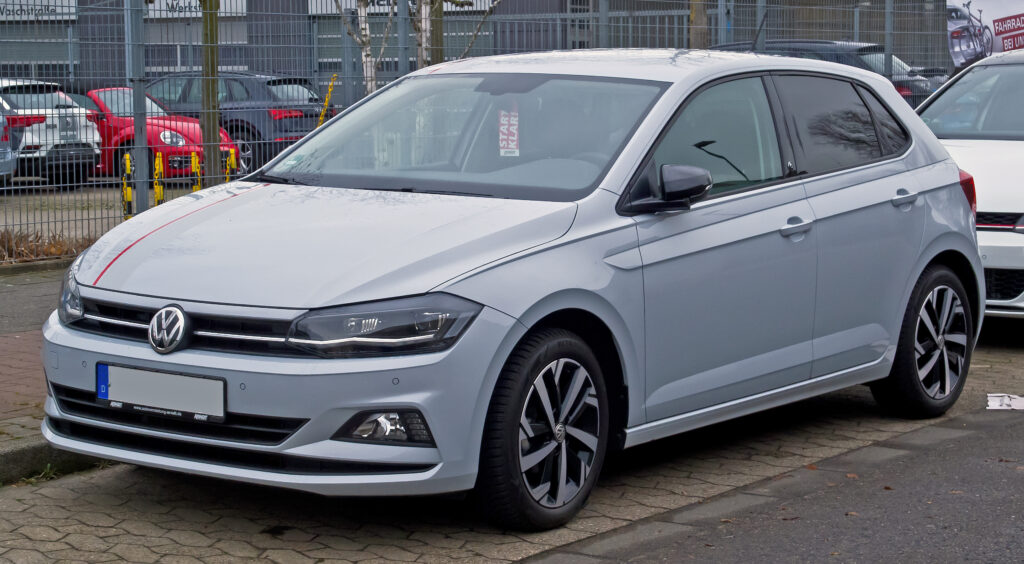
Is your Volkswagen Polo not starting, even though it was working perfectly the day before? Few things are more frustrating than getting into your car, turning the key or pressing the start button, and discovering that the engine refuses to start.
Fortunately, many Volkswagen Polo starting problems have relatively straightforward explanations. A weak battery, faulty starter motor, poor electrical connections, or an immobiliser issue can all prevent the engine from starting.
However, some problems are more complicated and may involve the fuel system, ignition components, engine sensors, or electrical control modules.
Before replacing expensive parts, we need to identify exactly what happens when we try to start the vehicle.
In this guide, we'll explore the most common reasons a VW Polo won't start, explain how to recognise different symptoms, discuss repair costs, and provide practical troubleshooting steps.
Content in this publication
- Why Is My Volkswagen Polo Not Starting?
- Volkswagen Polo Not Starting: Common Symptoms
- 1. Weak or Dead Volkswagen Polo Battery
- 2. Volkswagen Polo Clicking But Not Starting
- 3. Faulty Volkswagen Polo Starter Motor
- 4. Volkswagen Polo Cranks But Won't Start
- 5. Volkswagen Polo Immobiliser Problems
- 6. Volkswagen Polo Fuel Pump Problems
- 7. Faulty Crankshaft Position Sensor
- 8. Ignition Coil and Spark Plug Problems
- 9. Volkswagen Polo Not Starting in Cold Weather
- 10. Volkswagen Polo Not Starting After Sitting Overnight
- 11. Volkswagen Polo Alternator Problems
- 12. Volkswagen Polo Fuse or Relay Problems
- 13. Volkswagen Polo Not Starting With a New Battery
- 14. Volkswagen Polo Automatic Not Starting
- 15. Volkswagen Polo Manual Not Starting
- 16. Volkswagen Polo EPC Light and Starting Problems
- 17. How to Troubleshoot a Volkswagen Polo That Won't Start
- Step 1: Check the Battery
- Step 2: Listen to the Starter
- Step 3: Check Dashboard Warning Lights
- Step 4: Verify the Fuel Level
- Step 5: Try the Spare Key
- Step 6: Check Starting Interlocks
- Step 7: Inspect Relevant Fuses
- Step 8: Read Diagnostic Trouble Codes
- Step 9: Arrange Professional Testing
- When Should We Stop Trying to Start the Engine?
- 18. Can You Jump-Start a Volkswagen Polo?
- 19. Volkswagen Polo Not Starting: Repair Costs
- 20. Volkswagen Polo Starting Problems by Generation
- 21. How to Prevent Volkswagen Polo Starting Problems
- Frequently Asked Questions
- Conclusion: What to Do When Your Volkswagen Polo Won't Start
Why Is My Volkswagen Polo Not Starting?
A Volkswagen Polo relies on several systems working together to start successfully.
The battery must supply enough electrical energy, the starter motor must rotate the engine, and the engine management system must control fuel delivery and combustion.
If one of these systems fails, the vehicle may refuse to start.
The most common causes include:
- Weak or completely discharged battery.
- Loose or corroded battery terminals.
- Faulty starter motor or solenoid.
- Immobiliser or key recognition problems.
- Fuel pump or fuel pressure faults.
- Defective spark plugs or ignition coils.
- Crankshaft or camshaft position sensor problems.
- Blown fuses or faulty electrical connections.
- Starter relay or wiring problems.
- Clutch, brake, or transmission selector faults.
- Mechanical engine problems.
The symptoms we experience can help us determine which component deserves attention first.
Volkswagen Polo Not Starting: Common Symptoms
Understanding the difference between various starting symptoms can save time and money.
| Symptom | Possible Cause | What to Check |
|---|---|---|
| No lights or sound | Flat battery or main electrical fault | Battery and terminals |
| Rapid clicking | Weak battery or poor connection | Battery voltage |
| Single clicking noise | Starter motor or solenoid | Starter circuit |
| Engine cranks slowly | Battery or starter problem | Battery load test |
| Engine cranks but won't start | Fuel, ignition, or sensor problem | Diagnostic codes |
| Starts and immediately stalls | Immobiliser or fuel delivery | Dashboard warnings |
| Key not recognised | Immobiliser or key problem | Spare key |
| Starts intermittently | Electrical or fuel system fault | Connections and sensors |
| Won't start when hot | Starter or sensor problem | Temperature-related faults |
| Won't start in cold weather | Battery, ignition, or preheating | Battery and engine components |
One of the most important distinctions is whether the engine cranks.
If the engine does not crank, we should initially focus on the battery, starter motor, electrical supply, and starting interlocks.
If it cranks normally but refuses to start, the problem may involve fuel delivery, ignition, engine sensors, or mechanical timing.
1. Weak or Dead Volkswagen Polo Battery
A weak battery is one of the first things we should investigate when a Volkswagen Polo refuses to start.
The 12-volt battery provides the electrical power required to operate the starter motor and essential electronic systems.
Over time, batteries lose their ability to hold a charge.
Cold weather, frequent short journeys, extended periods of inactivity, and electrical accessories can accelerate battery deterioration.
Signs of a Weak Battery
A failing battery may produce several symptoms:
- Engine cranking becomes slower than usual.
- Dashboard lights flicker during starting.
- The starter makes a rapid clicking sound.
- Headlights appear dim.
- Central locking becomes unreliable.
- The vehicle starts after a jump-start but later fails again.
A battery can sometimes operate the radio and dashboard while lacking sufficient power to start the engine.
How to Test the Battery
We can perform a basic voltage check using a digital multimeter.
With the engine switched off and the battery rested, typical readings are:
| Battery Voltage | Approximate Condition |
|---|---|
| 12.6–12.8V | Fully or nearly fully charged |
| 12.4V | Partially charged |
| 12.2V | Significantly discharged |
| Below 12.0V | Very low charge |
These readings are approximate and can vary depending on battery technology, temperature, and recent charging activity.
A battery showing normal voltage can still fail under load.
For this reason, a professional battery load test provides a more reliable assessment.
How to Fix the Problem
If the battery is simply discharged, charging it with an appropriate charger may solve the issue.
If the battery repeatedly loses charge or fails a load test, replacement may be necessary.
Volkswagen Polo models equipped with start-stop technology may require specific EFB or AGM batteries.
Some versions may also require battery adaptation after replacement.
2. Volkswagen Polo Clicking But Not Starting
If your Volkswagen Polo makes a clicking sound but refuses to start, the noise can provide useful diagnostic information.
Rapid Clicking Noise
Rapid clicking generally suggests insufficient electrical power reaching the starter motor.
Possible causes include:
- Weak battery.
- Poor battery terminal connections.
- Corroded earth cables.
- Excessive electrical resistance.
When battery voltage drops during starting, the starter solenoid may repeatedly engage and disengage, producing a clicking sound.
Single Clicking Noise
A single loud click may indicate that the starter solenoid activates but the engine does not turn.
Possible explanations include a faulty starter motor, poor electrical connections, an inadequate battery supply, or an engine mechanical problem.
What Should We Do?
Before replacing the starter motor, we should verify the battery's condition and inspect its electrical connections.
A mechanic can then perform voltage-drop testing to determine whether the starter is receiving adequate power.
3. Faulty Volkswagen Polo Starter Motor
The starter motor rotates the engine during the starting process.
When this component fails, the engine may not turn over.
Starter motors can deteriorate through normal wear, electrical problems, or internal mechanical damage.
Symptoms of a Bad Starter Motor
Common warning signs include:
- A single click without engine cranking.
- Intermittent starting failures.
- Grinding noises when starting.
- No starter response despite a healthy battery.
- Slow engine cranking.
- Starting problems after the engine becomes hot.
Sometimes, an ageing starter motor operates normally when cold but becomes unreliable after the engine compartment heats up.
How to Diagnose a Starter Problem
We should confirm that the battery is fully charged and that the electrical connections are secure.
If these checks reveal no problem, a mechanic can inspect the starter circuit, solenoid operation, and current consumption.
Replacing the starter motor without confirming the fault can lead to unnecessary expenses.
4. Volkswagen Polo Cranks But Won't Start
When a Volkswagen Polo cranks but won't start, the starter motor is already rotating the engine.
This suggests that the problem lies elsewhere.
For an engine to run, it needs the correct fuel delivery, air supply, combustion conditions, compression, and timing.
Common Causes
Potential explanations include:
- Faulty fuel pump.
- Insufficient fuel pressure.
- Worn spark plugs.
- Defective ignition coils.
- Failed crankshaft position sensor.
- Engine management problems.
- Incorrect mechanical timing.
- Low engine compression.
Diesel versions can also experience problems involving high-pressure fuel injection or glow plugs.
How to Identify the Problem
First, check the fuel level.
Next, observe whether warning lights appear on the dashboard.
Listen carefully to the engine while cranking.
If it rotates at a normal speed but never attempts to fire, fuel delivery or ignition control may be involved.
An OBD diagnostic scanner can provide valuable information about sensor and engine management faults.
However, diagnostic codes should guide further testing rather than automatically determine which parts need replacement.
5. Volkswagen Polo Immobiliser Problems
The Volkswagen Polo uses an electronic immobiliser system designed to prevent unauthorised engine starting.
The system must recognise a valid key before allowing the engine to operate normally.
When key authorisation fails, the car may refuse to start or, on certain older systems, start briefly before stopping.
Signs of Immobiliser Problems
Common symptoms include:
- Immobiliser warning light.
- Key recognition message.
- Engine starts and immediately stops.
- One key works while another does not.
- Keyless-start system fails to recognise the key.
How to Fix It
Start by trying the spare key.
If the spare key works normally, the original key may require attention.
For keyless versions, a depleted remote battery can interfere with normal wireless detection.
The emergency starting procedure varies depending on the model and should be checked in the owner's manual.
On many older Polo models, the immobiliser transponder operates separately from the remote locking battery.
Therefore, replacing the remote battery will not necessarily resolve an immobiliser fault.
If neither key works, specialist diagnostic equipment may be required.
6. Volkswagen Polo Fuel Pump Problems
A faulty fuel pump can prevent the engine from receiving the fuel pressure necessary for starting.
The Volkswagen Polo uses different fuel delivery arrangements depending on its engine.
For example, modern TSI petrol engines use direct injection, while TDI diesel engines rely on high-pressure fuel injection systems.
Symptoms of Fuel Pump Failure
Possible symptoms include:
- Extended cranking before starting.
- Engine hesitation under acceleration.
- Sudden stalling.
- Loss of engine power.
- Intermittent starting problems.
- Engine cranks without starting.
Some vehicles produce a brief humming sound when the fuel pump primes.
However, the absence of this sound does not automatically indicate a defective pump.
How to Diagnose Fuel Delivery Problems
A mechanic can inspect the fuel pump's electrical supply and measure fuel pressure using appropriate equipment.
Depending on the engine, the problem may involve a pump, relay, control module, pressure sensor, or other fuel-system component.
Never loosen high-pressure fuel lines to investigate starting problems.
Modern fuel injection systems operate at pressures capable of causing serious injury.
7. Faulty Crankshaft Position Sensor
The crankshaft position sensor monitors engine rotation and provides important information to the engine control unit.
This information helps the ECU coordinate fuel injection and ignition timing.
If the sensor fails, the engine may crank without starting.
Symptoms of a Bad Crankshaft Sensor
Common symptoms include:
- Sudden engine stalling.
- Starting problems when hot.
- Intermittent failure to start.
- Check-engine warning.
- Normal cranking without successful ignition.
A Polo may sometimes start normally when cold but refuse to restart after a journey.
Although this can occur with a failing crankshaft sensor, other temperature-sensitive electrical faults can produce similar symptoms.
How to Fix It
A diagnostic scanner can help identify relevant faults.
Code P0335, for example, relates to the crankshaft position sensor circuit.
However, wiring problems can also trigger this code.
The sensor and its circuit should be tested before replacement.
8. Ignition Coil and Spark Plug Problems
Petrol Volkswagen Polo engines depend on ignition coils and spark plugs to ignite the air-fuel mixture.
If these components fail, starting performance and engine operation can deteriorate.
Common Symptoms
Potential warning signs include:
- Difficult starting.
- Rough engine idle.
- Misfiring.
- Hesitation during acceleration.
- Increased fuel consumption.
- Flashing engine warning light.
A single defective ignition coil generally causes a misfire rather than a complete starting failure.
However, multiple ignition faults or a shared electrical problem may prevent the engine from running.
How to Fix Ignition Problems
We should begin with a diagnostic scan.
Misfire codes such as P0300, P0301, P0302, or P0303 can help identify the affected cylinders.
A mechanic can inspect spark plugs, ignition coils, wiring, and related components.
Replacing every ignition coil without testing is not always necessary.
9. Volkswagen Polo Not Starting in Cold Weather
Cold weather can make existing battery, starter, and engine problems more noticeable.
This is particularly relevant for drivers who experience starting difficulties during winter.
Petrol Volkswagen Polo Cold Starting Problems
Possible causes include:
- Reduced battery performance.
- Worn spark plugs.
- Weak ignition coils.
- Incorrect temperature sensor readings.
- Fuel delivery problems.
Cold temperatures increase the resistance of engine oil to flow and reduce the electrical power available from the battery.
Consequently, an ageing battery may struggle to start the engine on cold mornings.
Diesel Volkswagen Polo Cold Starting Problems
Diesel models can experience additional starting difficulties involving glow plugs and preheating controls.
Glow plugs help diesel engines achieve suitable combustion conditions during cold starts.
When they fail, the engine may crank for longer than normal, start roughly, or refuse to start in low temperatures.
We should inspect the battery, preheating system, and relevant engine sensors when persistent cold-start problems occur.
10. Volkswagen Polo Not Starting After Sitting Overnight
If your Polo starts normally during the day but refuses to start the following morning, battery discharge may be involved.
However, the cause is not always the battery itself.
Parasitic Battery Drain
A parasitic drain occurs when an electrical component consumes excessive power after the engine has been switched off.
Potential causes include:
- Aftermarket alarm systems.
- Faulty electronic modules.
- Incorrectly installed accessories.
- Defective relays.
- Interior lights remaining illuminated.
Modern vehicles normally consume a small amount of electricity while parked.
A professional parasitic draw test can determine whether that consumption is excessive.
Charging-System Problems
The battery may also become discharged because the alternator failed to recharge it during the previous journey.
If charging the battery restores normal starting temporarily, we should test both the battery and the charging system.
11. Volkswagen Polo Alternator Problems
The alternator generates electrical energy while the engine runs and helps maintain battery charge.
Although it does not directly turn the engine during starting, alternator failure can leave the battery too weak to operate the starter.
Common Alternator Failure Symptoms
Possible signs include:
- Battery warning light while driving.
- Repeated battery discharge.
- Dimming headlights.
- Electrical accessories behaving unpredictably.
- Engine stopping after the battery becomes severely discharged.
How to Check the Alternator
On many conventional charging systems, voltage at the battery terminals with the engine running commonly measures approximately 13.5 to 14.8 volts.
However, modern electronically controlled charging systems can vary their output depending on operating conditions.
Therefore, voltage alone is not always enough to confirm alternator failure.
A technician may need to inspect charging current, voltage regulation, belt condition, electrical connections, and diagnostic information.
12. Volkswagen Polo Fuse or Relay Problems
Blown fuses, defective relays, and electrical wiring faults can interrupt important circuits.
Depending on the affected component, the engine may fail to crank or crank without starting.
Possible affected systems include:
- Starter circuit.
- Fuel pump controls.
- Engine control unit.
- Ignition system.
- Engine management sensors.
How to Check the Fuses
The fuse layout varies depending on the Polo generation, engine, and equipment.
We should consult the correct fuse diagram for the vehicle.
If a fuse is blown, replace it only with one of the specified amperage.
Never install a higher-rated fuse to prevent repeated failures.
If a replacement fuse blows again, the underlying electrical fault needs investigation.
13. Volkswagen Polo Not Starting With a New Battery
Replacing the battery does not guarantee that a starting problem will disappear.
If your Volkswagen Polo has a new battery but still refuses to start, other issues may be responsible.
Incorrect Battery Specification
Some Polo models require batteries with specific capacities and technology.
An incorrect replacement battery can create electrical or start-stop problems.
Loose Battery Connections
Poor electrical connections may prevent sufficient current from reaching the starter.
Faulty Starter Motor
A healthy battery cannot start the engine if the starter motor or its electrical circuit has failed.
Alternator Problems
The new battery may become discharged if the charging system is defective.
Battery Management Issues
Some Volkswagen models use battery monitoring systems that may require adaptation after battery replacement.
The exact requirements depend on the model and equipment.
The best approach is to test the starting and charging systems instead of repeatedly replacing batteries.
14. Volkswagen Polo Automatic Not Starting
Automatic Volkswagen Polo models, including DSG versions, have starting interlock systems.
These systems prevent the engine from starting when certain safety conditions have not been satisfied.
Check the Gear Selector
Depending on the vehicle, the selector generally needs to be in Park or Neutral.
The brake pedal may also need to be pressed.
If the dashboard does not correctly recognise the selected gear, a selector-position sensor or related electrical problem may be responsible.
Brake Pedal Switch Problems
On versions that require brake pedal confirmation, a faulty switch or related circuit may prevent starting.
A professional diagnosis can determine whether the interlock system is functioning correctly.
We should never bypass these safety systems.
15. Volkswagen Polo Manual Not Starting
Manual Volkswagen Polo models may require the clutch pedal to be fully depressed before the engine can start.
This depends on the specific model and year.
If the vehicle has electrical power but the starter does not respond, confirm that the clutch is fully pressed.
A defective clutch-pedal switch or wiring fault can sometimes prevent the start command from being authorised.
The correct starting procedure should always follow the vehicle handbook.
16. Volkswagen Polo EPC Light and Starting Problems
The Electronic Power Control warning light is associated with electronic engine control on many Volkswagen petrol models.
An EPC warning accompanied by starting problems may indicate a fault involving the throttle system, engine sensors, electronic controls, or related wiring.
Does an EPC Light Mean the Engine Is Faulty?
Not necessarily.
Many warning lights illuminate briefly when the ignition is switched on as part of the normal dashboard self-check.
However, if the EPC light remains illuminated or appears while the engine is running, diagnostic investigation is advisable.
How to Fix It
A compatible diagnostic scanner can identify relevant trouble codes.
We should avoid replacing the throttle body, accelerator pedal sensor, or engine control unit without confirming the actual fault.
17. How to Troubleshoot a Volkswagen Polo That Won't Start
Now that we've examined the most common causes, let's follow a practical diagnostic process.
The goal is to identify simple problems before considering expensive repairs.
Step 1: Check the Battery
Inspect the battery terminals and measure the voltage if possible.
If the battery is discharged, recharge it using appropriate equipment.
Step 2: Listen to the Starter
Pay attention to what happens when attempting to start the vehicle.
Rapid clicking suggests a possible power supply issue.
A single click may indicate a starter circuit problem.
Normal engine cranking suggests that we should investigate fuel delivery, ignition, sensors, or mechanical condition.
Step 3: Check Dashboard Warning Lights
Look for immobiliser, EPC, engine management, and charging-system warnings.
Remember that some lights normally illuminate before the engine starts.
Step 4: Verify the Fuel Level
Confirm that the vehicle contains sufficient fuel.
Do not rely entirely on a potentially inaccurate fuel gauge when investigating a suspected fuel problem.
Step 5: Try the Spare Key
If a key recognition warning appears, use a correctly programmed spare key.
This can help determine whether the original key is involved.
Step 6: Check Starting Interlocks
On manual versions, follow the specified clutch-pedal procedure.
On automatic versions, verify the gear selector position and brake-pedal requirements.
Step 7: Inspect Relevant Fuses
Use the correct fuse diagram for your vehicle.
Replace blown fuses only with the specified rating.
Step 8: Read Diagnostic Trouble Codes
An OBD scanner can identify stored fault codes.
These may help narrow down problems involving engine sensors, ignition systems, fuel delivery, or electronic controls.
Step 9: Arrange Professional Testing
If basic checks do not identify the cause, a qualified mechanic can perform electrical, fuel pressure, and mechanical tests.
When Should We Stop Trying to Start the Engine?
Repeated cranking can discharge the battery and overheat the starter motor.
Stop attempting to start the vehicle if you notice unusual grinding noises, smoke, burning smells, severe electrical overheating, or evidence of mechanical damage.
An engine that suddenly cranks much faster or more unevenly than normal may have a serious compression or timing problem.
18. Can You Jump-Start a Volkswagen Polo?
Many Volkswagen Polo models can be jump-started when the 12V battery is discharged.
However, the procedure must match the vehicle's specifications.
Use suitable 12V equipment and follow the instructions in the owner's manual.
Never attempt to jump-start a battery that is damaged, leaking, or frozen.
Incorrect cable connections can damage electrical components or cause injury.
If the engine starts after a jump-start, we should test the battery and charging system.
A successful jump-start suggests an electrical power problem but does not prove that the battery itself is defective.
We should also avoid using push-starting as a general solution, particularly on automatic or DSG models.
19. Volkswagen Polo Not Starting: Repair Costs
Repair costs depend on the engine, model generation, location, parts availability, and labour charges.
For Volkswagen Polo owners in the United Kingdom, the following figures provide broad estimates.
| Repair | Estimated UK Cost |
|---|---|
| Battery replacement | £140–£350 |
| Starter motor replacement | £250–£600 |
| Alternator replacement | £250–£800 |
| Initial diagnostic investigation | From around £99 |
These are approximate figures rather than guaranteed quotations.
Prices may be higher or lower depending on the exact vehicle and required repairs.
Fuel injection faults, immobiliser programming, extensive wiring repairs, and mechanical engine problems can involve additional expenses.
Before authorising major repairs, we should request a clear explanation of the diagnosis and an itemised quotation.
20. Volkswagen Polo Starting Problems by Generation
Starting problems can vary between Volkswagen Polo generations because the engines and electronic systems have changed considerably.
Volkswagen Polo 9N (2002–2009)
Older Polo 9N models may experience age-related electrical and mechanical problems.
Potential causes include worn starter motors, corroded connections, deteriorated wiring, and faulty engine sensors.
Battery condition and maintenance history are particularly important.
Volkswagen Polo 6R and 6C (2009–2017)
These generations include several petrol and diesel engines.
Starting problems may involve batteries, ignition coils, fuel delivery, crankshaft sensors, or engine management faults.
Some versions also include start-stop technology and more sophisticated electrical systems.
Volkswagen Polo AW (2017 Onwards)
Newer Polo models have more integrated electronic systems.
Depending on the model and equipment, starting problems may involve battery monitoring, electronic key recognition, engine sensors, starter controls, or transmission interlocks.
Volkswagen-compatible diagnostic equipment can be especially useful when basic troubleshooting does not identify the cause.
It is important to remember that no single starting fault affects every Polo generation.
The actual symptoms and diagnostic test results matter more than the model year alone.
21. How to Prevent Volkswagen Polo Starting Problems
Although we cannot prevent every mechanical or electrical failure, regular maintenance can reduce the likelihood of unexpected starting difficulties.
Maintain the Battery
Have the battery tested periodically, especially as it becomes older.
If the car is rarely driven, a compatible maintenance charger can help preserve its charge.
Investigate Slow Cranking
An engine that takes longer than usual to crank may indicate a battery, starter, or electrical connection problem.
Addressing this symptom early can prevent an unexpected breakdown.
Follow the Recommended Service Schedule
Regular servicing helps maintain ignition components, filters, engine oil, and other systems essential for reliable operation.
Avoid Ignoring Warning Lights
Dashboard warnings can provide early indications of charging, engine management, or other electrical problems.
Persistent warnings should be investigated.
Check Electrical Connections
Battery terminals and engine earth connections should remain secure and free from significant corrosion.
Investigate Repeated Battery Discharge
If the battery repeatedly becomes flat, check for alternator problems or excessive electrical consumption.
Replacing the battery without identifying the underlying cause may not provide a lasting solution.
Use Correct Replacement Components
Choose batteries, sensors, ignition components, and other replacement parts that meet the specifications for your particular Volkswagen Polo.
Frequently Asked Questions
1. Why Is My Volkswagen Polo Not Starting but the Lights Work?
The battery may contain enough electrical energy to power the dashboard and headlights but insufficient current to operate the starter motor.
Other possibilities include a faulty starter motor, poor electrical connections, or a starting interlock problem.
A battery load test is a sensible first step.
2. Why Does My VW Polo Turn Over but Not Start?
If the engine cranks normally but refuses to start, possible causes include inadequate fuel pressure, faulty ignition components, crankshaft sensor problems, immobiliser issues, or mechanical engine faults.
Diagnostic testing can help narrow down the cause.
3. Can a Bad Key Stop a Volkswagen Polo From Starting?
Yes. A faulty or unrecognised key can prevent the immobiliser from authorising engine operation.
Trying a correctly programmed spare key can help determine whether the original key is responsible.
On some older Polo models, the immobiliser transponder operates independently of the remote locking battery.
4. Why Does My Volkswagen Polo Start Sometimes but Not Others?
Intermittent starting problems can result from loose electrical connections, a deteriorating starter motor, weak battery, fuel delivery faults, or temperature-sensitive engine sensors.
Pay attention to whether the problem occurs when the engine is hot, cold, or after the vehicle has been parked overnight.
These observations can help a mechanic identify the fault.
5. Is It Expensive to Fix a Volkswagen Polo That Won't Start?
Not always.
A discharged battery, loose terminal, or minor electrical fault may be relatively inexpensive to resolve.
However, replacing a starter motor, alternator, fuel system component, or repairing mechanical engine damage can be considerably more expensive.
Correct diagnosis is the best way to avoid unnecessary repairs.
Conclusion: What to Do When Your Volkswagen Polo Won't Start
When a Volkswagen Polo is not starting, the most effective approach is to identify the symptoms before replacing components.
If the dashboard lights are weak or the starter makes a rapid clicking noise, the battery and electrical connections deserve immediate attention.
If the battery is healthy but the engine does not turn over, the starter motor, electrical circuit, and starting interlocks should be investigated.
If the engine cranks normally but refuses to start, fuel delivery, ignition components, engine sensors, immobiliser authorisation, and mechanical condition become more important.
Intermittent starting problems can be particularly difficult to diagnose, but observing when they occur and checking stored fault codes can make the investigation easier.
Ultimately, a Volkswagen Polo that won't start does not automatically require an expensive repair. By following a systematic troubleshooting process, we can identify the most likely cause, avoid replacing unnecessary parts, and restore reliable engine starting.
If you want to know other articles similar to Volkswagen Polo Not Starting? Causes and Fixes you can visit the category Common Problems.
Volvo S90 Common Problems: Reliability & Repair Guide
Volvo S90 No Sound: Causes, Fixes and Solutions
Nissan Rogue Smells Like Gas: Causes and Fixes
Vauxhall Agila Problems: Common Faults & Fixes
Kia Sorento Jerking When Accelerating: Causes & Fixes

Jaguar F-Pace Low Battery: Causes, Warning Signs, and How to Fix It
Leave a Reply
More content of your interest