

Toyota Yaris Cross MPG: Real Efficiency Explained

Content in this publication
- Introduction: What Makes the Toyota Yaris Cross So Economical?
- Understanding Toyota Yaris Cross MPG
- Toyota Yaris Cross MPG Figures
- Real-World Toyota Yaris Cross MPG
- The Secret Behind Toyota’s Hybrid Efficiency
- Comparing Yaris Cross MPG with Competitors
- MPG by Trim and Transmission
- Driving Modes and Their Effect on MPG
- How to Maximize Your Yaris Cross MPG
- The Environmental Benefits of High MPG
- The Yaris Cross and Long-Distance Efficiency
- The Role of Weight and Aerodynamics
- Comparing Yaris Cross Hybrid with Plug-in Hybrids
- Is the Toyota Yaris Cross Good Value for Money?
- Owner Impressions: Living with a High-MPG Hybrid
- Future Outlook: The Evolution of Toyota Efficiency
- Toyota Yaris Cross MPG — Small SUV, Big Efficiency
- FAQs
Introduction: What Makes the Toyota Yaris Cross So Economical?
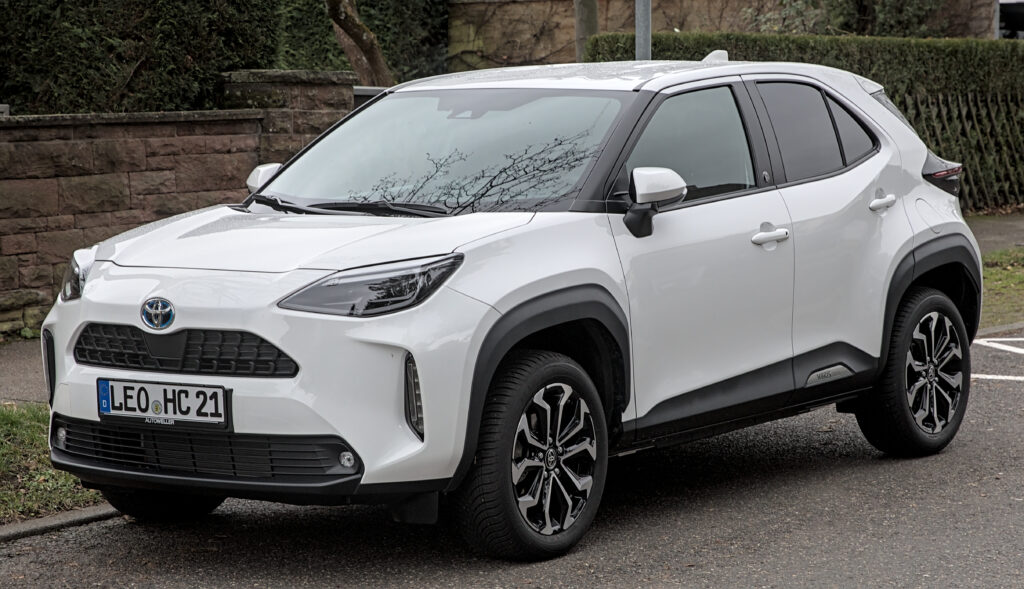
Fuel economy has become the heart of modern car buying, and the Toyota Yaris Cross sits confidently among the most efficient compact SUVs today. When we talk about MPG (miles per gallon), this hybrid crossover truly delivers — blending Toyota’s reliable engineering with hybrid innovation that stretches every drop of fuel.
In this comprehensive guide, we’ll explore every layer of the Toyota Yaris Cross MPG story — from real-world efficiency to hybrid technology, driving modes, comparisons, and tips for maximizing mileage. Whether you’re a city driver or a highway cruiser, this article will help you understand exactly what kind of fuel performance you can expect.
Understanding Toyota Yaris Cross MPG
What Does MPG Actually Mean?
MPG stands for miles per gallon — a universal measure of fuel efficiency. Simply put, it tells you how far your car can travel on one gallon of petrol. The higher the MPG, the more economical the vehicle.
The Toyota Yaris Cross, being a self-charging hybrid, cleverly switches between petrol and electric power, helping you achieve remarkable MPG without ever plugging in.
Toyota Yaris Cross MPG Figures
Official Fuel Economy Ratings
Toyota’s official figures (based on WLTP standards) show impressive results:
| Model Variant | Combined MPG (UK) | CO₂ Emissions (g/km) |
|---|---|---|
| Icon 1.5 Hybrid FWD | 58.9 – 64.0 MPG | 100 – 109 |
| Design 1.5 Hybrid FWD | 56.5 – 61.4 MPG | 103 – 110 |
| Excel 1.5 Hybrid AWD-i | 53.2 – 57.6 MPG | 112 – 120 |
| GR Sport Hybrid | 55.0 – 60.1 MPG | 104 – 110 |
As you can see, the front-wheel-drive hybrid versions deliver the best economy, reaching up to 64 MPG, while the all-wheel-drive models sacrifice a little efficiency for traction.
Real-World Toyota Yaris Cross MPG
Official tests can be idealized, but what about real-world driving?
Owners report average fuel consumption between 55 and 60 MPG under mixed conditions — a testament to the car’s hybrid efficiency and light weight.
Urban Driving
In cities, where stop-start conditions dominate, the Yaris Cross shines. Its electric motor takes over in low-speed traffic, allowing for 60–65 MPG, sometimes even higher.
Highway Driving
On motorways, efficiency slightly drops, averaging around 52–58 MPG. The petrol engine works harder at higher speeds, but the hybrid system still ensures a balanced performance.
The Secret Behind Toyota’s Hybrid Efficiency
The Self-Charging Hybrid System
Toyota’s self-charging hybrid technology uses a 1.5-litre three-cylinder petrol engine paired with an electric motor and small lithium-ion battery. The system captures energy during braking and deceleration to recharge itself — meaning no need for cables or charging stations.
Regenerative Braking
Every time you slow down, kinetic energy is converted into electricity. This constant recovery system boosts fuel efficiency and prolongs the battery’s lifespan.
Comparing Yaris Cross MPG with Competitors
How does the Toyota Yaris Cross stack up against its rivals? Let’s see how it compares in terms of fuel efficiency.
| Model | Engine Type | Combined MPG |
|---|---|---|
| Toyota Yaris Cross Hybrid | Petrol-Hybrid | 58–64 MPG |
| Nissan Juke 1.0 DIG-T | Petrol | 44 MPG |
| Renault Captur E-Tech | Plug-in Hybrid | 55–60 MPG |
| Hyundai Kona Hybrid | Petrol-Hybrid | 56–62 MPG |
| VW T-Cross 1.0 TSI | Petrol | 46 MPG |
Clearly, the Yaris Cross stands among the top fuel performers in its segment, especially when compared to non-hybrid competitors.
MPG by Trim and Transmission
Not all Yaris Cross models are equal when it comes to MPG. Variations in wheels, drivetrain, and trim equipment slightly affect the outcome.
FWD vs AWD-i
- FWD (Front-Wheel Drive) delivers the best economy, ideal for urban use.
- AWD-i (All-Wheel Drive Intelligent) provides more grip but slightly reduces efficiency due to added weight and power distribution.
Wheel Size Impact
Larger wheels (17–18 inches) increase rolling resistance, lowering MPG by 1–2 units compared to the standard 16-inch wheels.
Driving Modes and Their Effect on MPG
The Yaris Cross offers three distinct driving modes, each altering the fuel economy profile:
- ECO Mode: Prioritizes efficiency and soft throttle response — perfect for city traffic.
- Normal Mode: Balances performance and economy for daily driving.
- Power Mode: Enhances throttle sensitivity — fun for overtaking, but uses more fuel.
Switching between these modes allows you to tailor your fuel use to your driving situation.
How to Maximize Your Yaris Cross MPG
You don’t have to be an engineer to squeeze extra miles from your tank. Here are some proven tips:
Practical Fuel-Saving Tips
- Maintain steady speeds and avoid rapid acceleration.
- Use ECO mode during city drives.
- Keep tyres properly inflated.
- Avoid unnecessary idling.
- Use regenerative braking effectively — coast gently into stops.
- Reduce cargo weight and roof rack usage.
Seasonal Adjustments
Cold weather reduces hybrid efficiency. Use pre-conditioning to warm up the cabin while plugged in and minimize use of high-energy systems like heating or defrosting.
The Environmental Benefits of High MPG
A car that consumes less fuel emits less CO₂. With CO₂ emissions as low as 100 g/km, the Yaris Cross is not only wallet-friendly but also environmentally conscious.
Toyota’s hybrid system helps cities reduce overall pollution, contributing to cleaner air and sustainability goals.
The Yaris Cross and Long-Distance Efficiency
Though designed primarily for urban use, the Yaris Cross also performs respectably on long journeys. Its hybrid system allows the petrol engine to take the lead, supported by electric assistance during coasting or downhill stretches — improving overall travel economy.
The Role of Weight and Aerodynamics
Toyota engineers designed the Yaris Cross with a lightweight platform and aerodynamic lines to minimize drag. Less resistance means the car requires less power to move, directly improving MPG performance — especially at higher speeds.
Comparing Yaris Cross Hybrid with Plug-in Hybrids
Unlike plug-in hybrids, the Yaris Cross doesn’t rely on external charging. While plug-ins can achieve higher short-distance MPG figures (sometimes exceeding 100 MPG equivalent), they require daily charging to maintain that advantage.
The Yaris Cross self-charging hybrid remains a hassle-free option for those seeking consistent efficiency without changing their habits.
Is the Toyota Yaris Cross Good Value for Money?
Yes — when you balance MPG, reliability, and resale value, the Yaris Cross emerges as a smart buy. It saves fuel daily, reduces maintenance costs, and holds its value better than many competitors due to Toyota’s strong hybrid reputation.
Owner Impressions: Living with a High-MPG Hybrid
Drivers appreciate how the Yaris Cross rarely needs refuelling. Many owners report over 500 miles per tank, especially in urban use. The hybrid system’s smooth transitions between electric and petrol modes make every journey calm, efficient, and quiet — a rare blend in this segment.
Future Outlook: The Evolution of Toyota Efficiency
Toyota continues refining its hybrid technology, aiming for even higher MPG in future models. The next iterations of the Yaris Cross are expected to include stronger electric motors and lighter materials, pushing efficiency closer to 70 MPG combined.
Toyota Yaris Cross MPG — Small SUV, Big Efficiency
The Toyota Yaris Cross proves that compact doesn’t mean compromise. With its refined hybrid system, it balances performance, comfort, and fuel economy beautifully. Whether you’re navigating busy city streets or cruising on the motorway, its impressive MPG figures ensure you travel farther, cleaner, and smarter.
If you’re looking for a hybrid that offers real-world efficiency without the charging hassle, the Yaris Cross might be your perfect fit.
FAQs
1. What is the highest MPG for the Toyota Yaris Cross?
The front-wheel-drive Icon trim achieves up to 64 MPG (UK) under optimal conditions.
2. Does driving in ECO mode improve fuel economy?
Yes. ECO mode adjusts throttle response and air conditioning settings to prioritize fuel savings.
3. How large is the Yaris Cross fuel tank?
The Yaris Cross comes with a 36-litre tank, capable of delivering around 500–550 miles per fill.
4. Is the hybrid battery covered under warranty?
Toyota provides up to 10 years or 100,000 miles of hybrid battery warranty, depending on regional terms.
5. How does the Yaris Cross compare to plug-in hybrids in efficiency?
While plug-ins can reach higher short-term MPG, the Yaris Cross offers consistent long-term efficiency without charging.
If you want to know other articles similar to Toyota Yaris Cross MPG: Real Efficiency Explained you can visit the category Driving.
Can Nissan Rogue Pull a Boat? Complete Towing Guide
Can Nissan Rogue Be Flat Towed? Complete Towing Guide
Are Nissan Rogue Good on Gas? MPG, Fuel Economy, and Real-World Costs
Can Nissan Rogue Drive in Snow? Complete Winter Driving Guide

Kia Sorento Diesel Fuel Consumption: MPG, Efficiency and Real-World Range
Haval Jolion Hybrid Fuel Consumption: How Efficient Is It Really?
Leave a Reply
More content of your interest