

Toyota Yaris Cross vs Renault Captur: Which Urban SUV Wins the Battle?

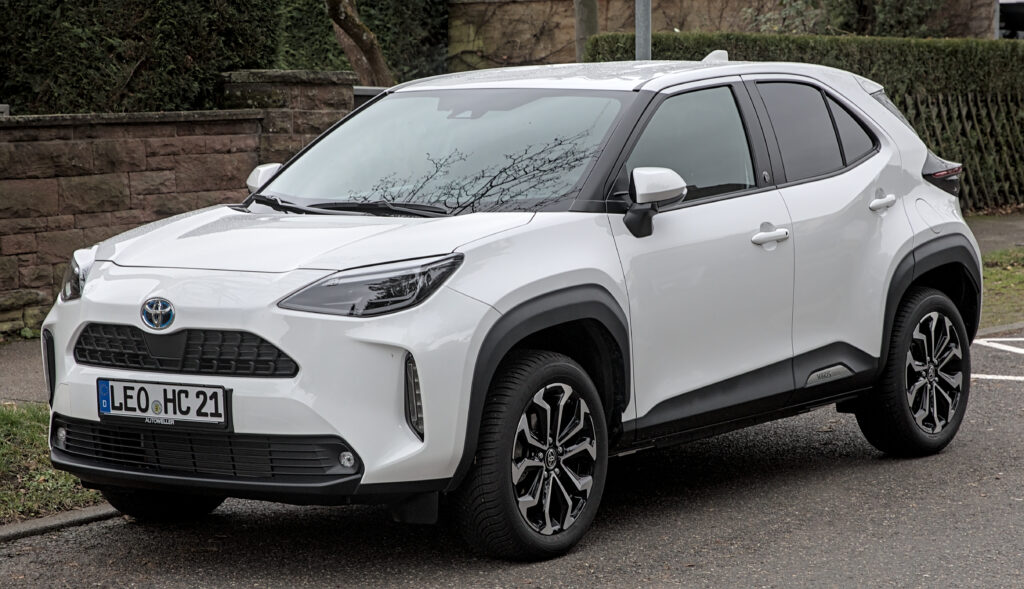
When it comes to compact SUVs that balance efficiency, flair, and everyday usability, two names dominate conversations: Toyota Yaris Cross and Renault Captur. Both represent their brands’ finest blend of city-smart driving and crossover practicality. But when we place them side by side, which one truly shines? Buckle up — we’re about to break down this face-off in exhaustive detail.
Content in this publication
- A Quick Overview
- Exterior Design – Personality on Wheels
- Interior Comfort – Practical vs Plush
- Performance & Handling – Efficiency vs Agility
- Hybrid Technology Showdown
- Safety & Driver Assistance
- Practicality – Everyday Usability Matters
- Infotainment and Connectivity
- Build Quality & Reliability
- Ownership Costs
- Price & Value
- Environmental Impact
- Ride Comfort and Noise Levels
- Verdict – Which One Should You Buy?
- Final Thoughts
- FAQs
A Quick Overview
Before diving into the specifics, let’s take a bird’s-eye view of what each contender brings to the ring.
Toyota Yaris Cross – The Hybrid Hero
- Engine: 1.5-litre hybrid petrol (three-cylinder)
- Power: 114 bhp
- Transmission: CVT automatic
- Drivetrain: Front-wheel drive or optional AWD
- Fuel Economy: Up to 64 mpg (combined WLTP)
- Boot Space: 397 litres
Renault Captur – The French Charmer
- Engine: 1.0 TCe, 1.3 mild-hybrid, or plug-in hybrid
- Power: Up to 158 bhp (PHEV variant)
- Transmission: Manual or EDC automatic
- Fuel Economy: Up to 56 mpg (for mild-hybrid)
- Boot Space: 422 litres (adjustable floor)
Both SUVs deliver style and substance, but their core personalities differ — Toyota focuses on reliability and efficiency, while Renault leans into comfort and continental flair.
Exterior Design – Personality on Wheels
Toyota Yaris Cross – Rugged Sophistication
The Yaris Cross embodies a robust, almost adventurous vibe. Its angular lines, chunky wheel arches, and high ground clearance give it a mini-RAV4 presence. It’s ideal for those who like their urban vehicle to whisper capable without shouting off-roader.
Renault Captur – Sleek and Chic
Renault’s design language exudes European elegance. The Captur’s fluid lines, C-shaped LED lights, and floating roof create a sporty yet polished appearance. It looks more at home in a fashionable city street than on a muddy trail — and that’s perfectly fine.
Interior Comfort – Practical vs Plush
Yaris Cross – Efficiency First
Inside, Toyota’s layout is all about functionality. Hard plastics are offset by solid build quality and a high seating position that enhances visibility. It feels dependable, if not luxurious.
- 7-inch touchscreen standard (9-inch on higher trims)
- Intuitive infotainment with Android Auto/Apple CarPlay
- Space adequate for four adults
- 60/40 split rear seats
Captur – French Refinement
The Captur’s interior feels upscale for the segment. Soft-touch materials, ambient lighting, and a more driver-focused dashboard add a premium touch. Renault’s Smart Cockpit places the portrait-oriented touchscreen right where your hand naturally lands.
- 9.3-inch infotainment (on upper trims)
- Digital driver’s display
- Sliding rear bench for flexible cargo
- Generous storage and legroom
If comfort and ambience matter most, the Captur has the edge.
Performance & Handling – Efficiency vs Agility
Yaris Cross – Calm and Collected
The hybrid system in the Yaris Cross prioritises smoothness and fuel efficiency. It switches effortlessly between electric and petrol power, making city commutes whisper-quiet.
Driving Highlights:
- Light steering for urban agility
- Predictable handling
- Relaxed motorway manners
- CVT can feel noisy under heavy throttle
It’s not a racer, but it rewards you with superb fuel economy and peace of mind.
Captur – Spirited Performer
The Captur, particularly in the 1.3 TCe engine, offers a zestier drive. It’s punchier, quicker off the line, and handles corners with a bit more enthusiasm.
Driving Highlights:
- Responsive turbo engines
- Well-tuned suspension for comfort
- PHEV version offers electric-only range (~30 miles)
- Manual and dual-clutch options available
The Captur feels more playful, while the Yaris Cross feels more composed.
You may be interested in reading Toyota Yaris Cross vs Yaris: The Ultimate Comparison for 2025
Hybrid Technology Showdown
Toyota’s Full Hybrid Magic
Toyota’s self-charging hybrid system is legendary for reliability and simplicity. It requires no plug-in, yet delivers excellent efficiency through regenerative braking and smart energy management.
Benefits:
- No need to charge
- Low CO₂ emissions
- Proven durability
- Seamless power delivery
Renault’s Plug-In Advantage
The Captur’s plug-in hybrid (E-Tech) version can drive short distances purely on electricity — ideal for short commutes.
Benefits:
- Up to 30 miles EV range
- Lower running costs (if regularly charged)
- Higher power output
- More flexibility for urban and highway use
However, plug-in models require regular charging to realise their full efficiency potential — something the Toyota avoids altogether.
Safety & Driver Assistance
Both brands take safety seriously, offering cutting-edge driver assistance systems.
Toyota Yaris Cross Safety Sense
- Adaptive Cruise Control
- Lane Keep Assist
- Pre-Collision System with pedestrian detection
- Road Sign Assist
- Automatic High Beam
Toyota’s suite is standard across most trims, giving peace of mind even at entry level.
Renault Captur Safety Features
- Lane Departure Warning
- Traffic Sign Recognition
- Blind Spot Monitoring
- Adaptive Cruise Control (on higher trims)
- 360° camera system
The Captur offers more features at the top trims, but Toyota’s standard inclusion makes it more consistent across the range.
Practicality – Everyday Usability Matters
Boot Space Comparison
| Model | Boot Space | Rear Bench Type |
|---|---|---|
| Toyota Yaris Cross | 397 L | Fixed |
| Renault Captur | 422 L | Sliding |
That sliding bench in the Captur adds significant versatility — perfect for families juggling prams, groceries, and sports gear.
Storage and Cabin Flexibility
- Yaris Cross: Better underfloor storage, simple layout
- Captur: Modular design, adaptable rear seats, more cubbies
Renault wins this round for everyday flexibility.
Infotainment and Connectivity
Yaris Cross Technology
Toyota’s infotainment feels simpler and less flashy but delivers what matters: reliability and ease of use.
Features:
- Android Auto / Apple CarPlay
- Toyota Smart Connect (on newer models)
- Voice assistance
Captur Infotainment
Renault’s Easy Link system feels more advanced, offering high-definition graphics and configurable menus.
Features:
You may be interested in readingToyota Yaris Cross vs Yaris: The Ultimate Comparison for 2025You may be interested in reading
 Toyota Yaris Cross and Corolla Cross: A Tale of Two Hybrids
- Up to 9.3-inch portrait touchscreen
- Navigation with traffic updates
- Smartphone mirroring
- Premium Bose sound system (optional)
Build Quality & Reliability
Toyota’s Proven Durability
Toyota’s global reputation for longevity is unmatched. The Yaris Cross inherits this DNA, with hybrid components that have been tested across millions of miles.
Renault’s Recent Improvements
Renault has made significant strides in build quality over the past decade. While earlier models had reliability concerns, the Captur’s newer generations have proven much more dependable — though Toyota still leads this category.
Ownership Costs
Fuel Economy
- Yaris Cross: 58–64 mpg
- Captur (mild hybrid): 48–56 mpg
- Captur (PHEV): Equivalent to 188 mpg (officially) if regularly charged
The Yaris Cross provides real-world efficiency even without plugging in.
Maintenance and Warranty
- Toyota: 5-year/100,000-mile warranty (extendable with service plan)
- Renault: 3-year/60,000-mile warranty
Toyota offers stronger peace of mind and lower servicing costs over time.
Price & Value
| Trim | Toyota Yaris Cross | Renault Captur |
|---|---|---|
| Base | ~£25,000 | ~£22,500 |
| Mid | ~£28,000 | ~£25,500 |
| Top | ~£33,000 | ~£30,000 |
The Captur is more affordable upfront, but Toyota’s hybrid efficiency could make up the difference long-term.
Environmental Impact
The Yaris Cross’ hybrid system emits as little as 100 g/km CO₂, while the Captur’s mild hybrid hovers around 120 g/km. The plug-in Captur can drop emissions further — but only if charged daily.
Toyota remains the greener out-of-the-box choice.
Ride Comfort and Noise Levels
- Yaris Cross: Slightly firmer ride due to its rugged setup, excellent sound insulation.
- Captur: Softer suspension and quieter cabin at low speeds, especially with the PHEV.
Choose Toyota for durability; Renault for smoothness.
Verdict – Which One Should You Buy?
Choose the Toyota Yaris Cross if you want:
- A reliable self-charging hybrid
- Lower running costs
- Proven long-term durability
- Standard safety features
- An easygoing urban SUV
Choose the Renault Captur if you prefer:
- A more stylish, comfortable interior
- Greater boot space and flexibility
- Plug-in hybrid option
- Lower initial purchase price
Both vehicles excel in different areas — Toyota wins for efficiency and dependability, Renault for comfort and customization.
In short: Yaris Cross for the pragmatic driver, Captur for the expressive one.
Final Thoughts
The Toyota Yaris Cross vs Renault Captur comparison highlights two distinct philosophies. Toyota’s engineering-first approach guarantees efficiency, while Renault’s design flair makes daily driving feel more human. Your choice ultimately depends on lifestyle — are you the practical thinker or the free-spirited commuter?
Whichever side you lean toward, both SUVs deliver more than just transportation — they embody personality, efficiency, and the modern city driver’s evolving needs.
FAQs
1. Which SUV has better fuel economy?
The Toyota Yaris Cross offers superior real-world economy thanks to its self-charging hybrid setup.
2. Is the Renault Captur’s plug-in hybrid worth it?
Yes, if you can charge it daily. Otherwise, the extra cost might not pay off compared to Toyota’s simpler hybrid.
3. Which has more interior space?
The Renault Captur edges ahead with its larger boot and sliding rear seats.
You may be interested in readingToyota Yaris Cross vs Yaris: The Ultimate Comparison for 2025You may be interested in reading
Toyota Yaris Cross and Corolla Cross: A Tale of Two HybridsYou may be interested in reading
 What Is the Most Similar Car to the Ford Puma in the USA Market?
4. Which is better for city driving?
The Yaris Cross is more efficient and easier to maneuver, making it ideal for urban environments.
5. Which offers better long-term reliability?
Toyota’s Yaris Cross, thanks to its proven hybrid technology and stronger warranty.
If you want to know other articles similar to Toyota Yaris Cross vs Renault Captur: Which Urban SUV Wins the Battle? you can visit the category Blog.
Is Vauxhall Meriva a Good Car? An Honest Used-Car Guide
Are Vauxhall Meriva Reliable? A Complete Used-Car Guide
Vauxhall Meriva Insurance Group UK: Costs, Ratings and Savings
Is Hyundai i40 a Good Car? An Honest Used-Car Review
Hyundai i40 Years to Avoid: The Complete Used-Car Guide
Hyundai i40 Reliability: Common Problems, Lifespan, and Buying Advice
Leave a Reply
More content of your interest