

Hyundai i20: Complete Guide to Key Features, Common Problems, and Essential Ownership Insights

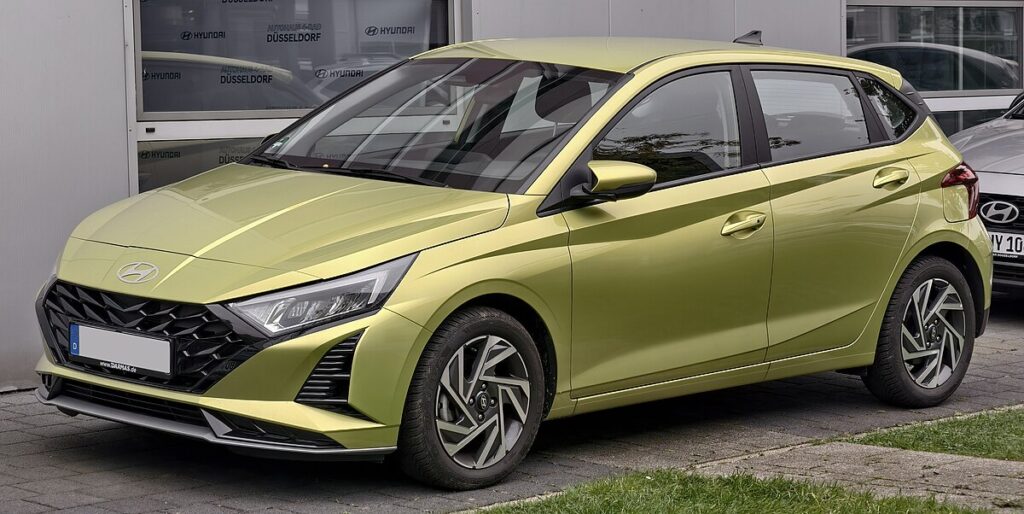
Content in this publication
- Overview of the Hyundai i20
- Key Highlights Every Hyundai i20 Owner Should Know
- Most Common Hyundai i20 Problems
- Generational Improvements and What They Mean for Owners
- Maintenance Priorities That Benefit Every i20
- Driving Experience and Everyday Usability
- Safety and Technology Breakdown
- Hyundai i20 vs Competitors
- Ownership Costs and Value Retention
- Buyer Tips for a Used Hyundai i20
- Final Thoughts
- FAQs
Overview of the Hyundai i20
The Hyundai i20 stands as one of the most versatile and dependable superminis on today’s market, combining sharp design, competitive efficiency, and impressive long-term value. As we explore its key characteristics, frequent issues, maintenance priorities, and ownership recommendations, we aim to provide a detailed, authoritative resource that empowers drivers with exceptional clarity.
Key Highlights Every Hyundai i20 Owner Should Know
The i20 appeals to a broad range of drivers, and several core attributes consistently define the model across its generations.
Strong Efficiency Across Engines
The i20 lineup offers petrol, diesel (in earlier generations), and mild-hybrid options. These deliver balanced performance with commendable fuel efficiency, making it a top choice for city commuters and long-distance drivers seeking low running costs.
Reputation for Long-Term Reliability
A robust build, dependable engineering, and low incidence of severe mechanical faults give the i20 a strong reliability score among supermini rivals.
Compact Exterior, Surprisingly Spacious Cabin
One of the vehicle’s key advantages lies in its interior volume: rear passenger space and boot capacity outperform many competitors in the segment.
Advanced Technology and Driver Assistance
Across generations, the i20 introduced progressive safety and infotainment features including:
- Lane Keeping Assist
- Autonomous Emergency Braking
- Large touchscreen infotainment
- Wireless Apple CarPlay & Android Auto (availability varies by year)
Most Common Hyundai i20 Problems
While the i20 is widely regarded as reliable, a small number of recurring issues appear more frequently across owner reports and workshop data.
Steering Column Noise or Stiffness
Some units develop a clicking or knocking sensation during steering input. The cause often relates to worn steering coupler components or column bushings.
Electrical System Glitches
A handful of models experience intermittent electrical issues such as:
- Infotainment freezing
- Dashboard warning lights triggering without a corresponding fault
- Sensor irregularities (ABS, TPMS, or airbag light)
These often result from loose wiring connections, degraded earth points, or outdated software.
Clutch Wear on Manual Versions
Drivers occasionally report premature clutch wear, especially on early-generation petrol engines. This may present as:
- Slipping under acceleration
- Harder gear selection
- Burning smell during uphill driving
Fuel System Irregularities
Some engines may show inconsistent idling, poor throttle response, or hard starting. These typically trace back to fuel injectors or, in older diesels, EGR accumulation.
Air Conditioning Underperformance
Reduced cooling, compressor cycling, or weak airflow may occur due to:
- Low refrigerant
- Failing compressor
- Blocked cabin filters
This issue is more common in warm climates or vehicles without routine AC servicing.
Generational Improvements and What They Mean for Owners
The progression of the i20 demonstrates noticeable enhancements in refinement, efficiency, and safety.
First Generation (2008–2014)
- Solid reliability
- Simple mechanical design
- Some clutch and electrical quirks noted
Second Generation (2015–2020)
- Major improvements in cabin quality
- Better engine refinement
- More robust electronics
- Expanded driver-assistance technology
Third Generation (2020–Present)
- Sportier styling
- Hybrid options
- Highly advanced infotainment
- Significantly improved noise insulation
Maintenance Priorities That Benefit Every i20
Proactive maintenance dramatically boosts life expectancy and performance.
Essential Service Intervals
We recommend:
- Oil and filter change every 10,000–15,000 km
- Cabin and air filter replacement every 12 months
- Brake inspection every 20,000 km
- Coolant flush every 3–4 years
Watch Points for High-Mileage Models
High-mileage i20s may require closer attention to:
- Timing chain tension (for specific engines)
- Suspension bushings
- Alternator condition
- Engine mounts
Software Updates Are Crucial
The i20’s electronics rely on periodic updates to fix glitches, optimise performance, and improve system stability.
Driving Experience and Everyday Usability
The Hyundai i20 consistently delivers a comfortable, predictable, and enjoyable drive.
City Driving Strengths
- Light steering
- Efficient engines
- Compact size ideal for narrow streets
Highway Performance
- Stable at speed
- Acceptable cabin noise
- Smooth gearbox options (manual and automatic)
Family-Friendly Design
Rear seating comfort and boot capacity exceed expectations, making the i20 practical for daily errands and small trips.
Safety and Technology Breakdown
Safety performance is a major selling point in modern models thanks to Hyundai’s SmartSense suite.
Key Assistance Features
- Forward Collision-Avoidance Assist
- Driver Attention Warning
- High Beam Assist
- Rear Parking Sensors and Rear Camera
Infotainment Evolution
From small monochrome screens to 10.25-inch full-colour digital clusters, the i20’s tech has matured into one of the most intuitive systems in the segment.
Hyundai i20 vs Competitors
When compared with supermini rivals such as the Ford Fiesta, VW Polo, Toyota Yaris, or Peugeot 208, the i20 often stands out because of:
Advantages
- More interior space
- Better base-level equipment
- Strong value for money
- Simple and dependable engine options
Minor Drawbacks
- Some trims feel firm over rough roads
- Infotainment responsiveness may vary by model year
Ownership Costs and Value Retention
The Hyundai i20 is consistently praised for its affordability—not only at purchase but throughout ownership.
Insurance and Tax
Most i20 variants fall into low insurance groups and remain economical in annual taxes.
Fuel Economy Performance
Owners often achieve:
- Petrol engines: 45–55 mpg
- Diesel engines: 55–70 mpg
- Mild hybrid engines: 50–60 mpg (depending on driving style)
Resale Value
Its reputation for reliability and practicality ensures strong value retention.
Buyer Tips for a Used Hyundai i20
Before purchasing a used unit, we recommend checking:
Must-Inspect Items
- Service record consistency
- Condition of clutch and gearbox
- Steering system noise
- AC cooling performance
- Software update history
Indicators of a Well-Maintained Vehicle
- Smooth idle
- Responsive steering
- No warning lights on startup
- Even tyre wear
Final Thoughts
The Hyundai i20 proves itself as a dependable, efficient, and well-rounded vehicle across all its generations. With minimal severe faults, manageable maintenance, competitive equipment levels, and strong all-around performance, it remains one of the smartest choices in the supermini category. Owners benefit from low running costs, excellent reliability, and long-term value—making the i20 a compelling option whether purchased new or used.
FAQs
1. Is the Hyundai i20 reliable in the long term?
Yes, the i20 has a strong record of reliability with relatively few major mechanical failures reported.
2. What are the most common Hyundai i20 problems?
Steering noise, electrical glitches, clutch wear, fuel system irregularities, and AC underperformance rank among the top recurring issues.
3. Does the Hyundai i20 have good fuel economy?
Most petrol engines return 45–55 mpg, while diesels and hybrids offer even better efficiency depending on driving style.
4. Is the Hyundai i20 spacious for a small car?
Yes, it offers above-average rear space and a generous boot compared with similar superminis.
5. Should I buy a used Hyundai i20?
A used i20 is an excellent purchase if it has service history, updated electronics, and no major steering or clutch issues.
If you want to know other articles similar to Hyundai i20: Complete Guide to Key Features, Common Problems, and Essential Ownership Insights you can visit the category Common Problems.
Volvo XC40 Sound Not Working? Complete Troubleshooting Guide

Mazda Diesel Engine Problems: Common Faults and Fixes

Volkswagen Key Not Detected or No Key Error: Causes and Fixes

Volvo S90 Common Problems: Reliability & Repair Guide
Volvo S90 No Sound: Causes, Fixes and Solutions

Nissan Rogue Smells Like Gas: Causes and Fixes
Leave a Reply
More content of your interest