
Jeep Wrangler Engine Swap: The Ultimate Guide to Power, Performance, and Personality

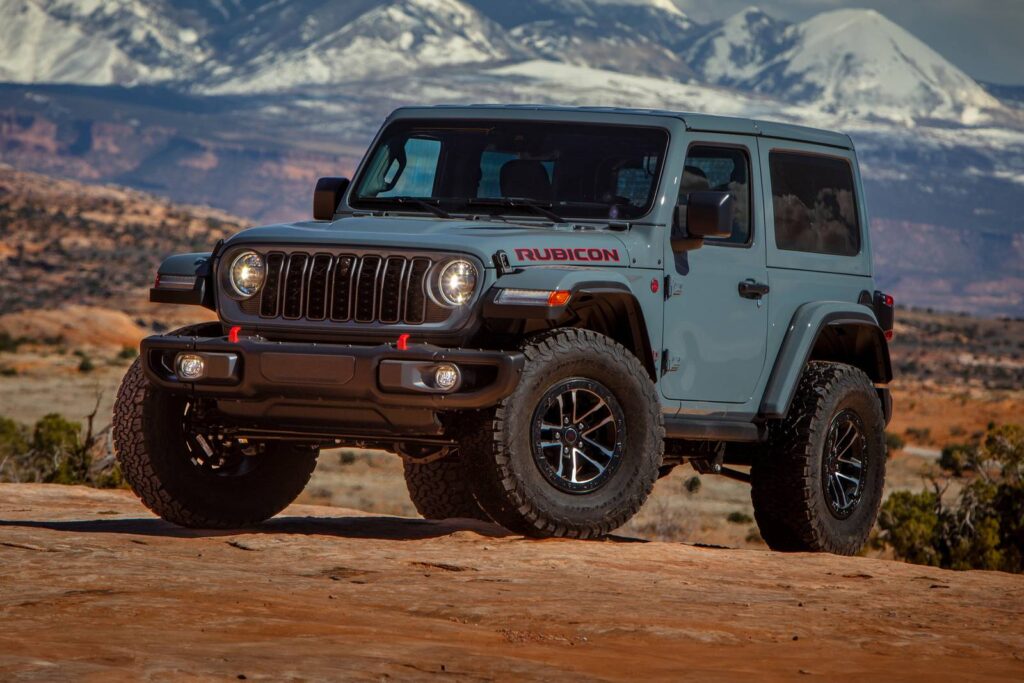
Swapping the engine in a Jeep Wrangler isn’t just a mechanical upgrade—it’s a declaration. It’s us saying, “This Jeep is mine, and I want it to feel different.” Whether we’re chasing more horsepower, better reliability, improved fuel efficiency, or just the thrill of building something unique, a Jeep Wrangler engine swap is where passion meets engineering.
In this guide, we’re diving deep. Not surface-level forum chatter—real-world considerations, popular swap options, hidden costs, legal pitfalls, and the emotional highs and lows of tearing out a heart and installing a new one. Buckle up. This is the long road, but it’s worth every mile.
Content in this publication
- Why a Jeep Wrangler Engine Swap Is So Popular
- Understanding Wrangler Generations Before Swapping
- Most Common Jeep Wrangler Engine Swap Options
- LS V8 Engine Swap: The Gold Standard
- Hemi V8 Swap: Keeping It Mopar
- Diesel Engine Swaps: Torque for Days
- EcoDiesel & Modern Diesel Swaps
- Budget-Friendly Engine Swap Options
- Transmission Compatibility: The Hidden Puzzle
- Drivetrain and Axle Considerations
- Cooling Systems: Where Swaps Often Fail
- Wiring and Electronics: The Mental Battle
- Emissions and Legal Considerations
- Engine Swap Costs: The Honest Breakdown
- DIY vs Professional Engine Swap
- How an Engine Swap Changes the Driving Experience
- Reliability After an Engine Swap
- Resale Value: Does an Engine Swap Hurt or Help?
- Is a Jeep Wrangler Engine Swap Worth It?
- Final Thoughts: Building a Wrangler That Tells a Story
- FAQs About Jeep Wrangler Engine Swap
Why a Jeep Wrangler Engine Swap Is So Popular
The Wrangler has always been a canvas. Jeep built it tough, modular, and forgiving—perfect for modification.
The Real Reasons People Swap Engines
We usually hear one of these:
- The original engine is tired or dead
- We want way more power
- Fuel economy matters more now
- We’re building an off-road monster
- The swap itself is the dream
An engine swap isn’t about necessity alone. It’s about identity.
Understanding Wrangler Generations Before Swapping
Not all Wranglers are created equal, and engine swaps aren’t one-size-fits-all.
YJ (1987–1995): The Old-School Favorite
- Simple electronics
- Massive engine bay flexibility
- Ideal for V8 swaps
TJ (1997–2006): The Balanced Platform
- Coil suspension upgrade
- Moderate electronics
- Still swap-friendly
JK (2007–2018): The Modern Muscle
- CAN bus electronics
- Tighter emissions rules
- More expensive swaps
JL (2018–Present): The Tech-Heavy Challenge
- Advanced electronics
- Security modules
- Best left to experienced builders
Most Common Jeep Wrangler Engine Swap Options
This is where the fun really starts.
LS V8 Engine Swap: The Gold Standard
Why We Love the LS
The GM LS family is the king of swaps for a reason:
- Massive aftermarket support
- Reliable
- Compact for a V8
- Affordable power
Popular variants include:
- LS1
- LS3
- LQ4/LQ9 truck engines
Pros
- 350–450+ horsepower
- Bulletproof reliability
- Endless tuning options
Cons
- Expensive overall
- Drivetrain upgrades required
- Emissions compliance can be tricky
Hemi V8 Swap: Keeping It Mopar
Some of us just can’t betray the brand.
Why the Hemi Still Matters
- Factory-like feel
- Incredible torque
- Jeep heritage alignment
Popular Choices
- 5.7L Hemi
- 6.4L Hemi (SRT)
What to Watch Out For
- Higher cost than LS
- Fewer donor vehicles
- Heat management challenges
Diesel Engine Swaps: Torque for Days
If crawling rocks and sipping fuel is the goal, diesel makes sense.
Cummins R2.8 Turbo Diesel
A favorite among serious builders.
Why It Works
- Massive low-end torque
- Excellent fuel economy
- Long service intervals
Trade-Offs
- Lower top-end power
- Higher upfront cost
- Noise and vibration
EcoDiesel & Modern Diesel Swaps
Some builders opt for:
You may be interested in reading Jeep Wrangler Quality: Built Tough or Built to Test You?
- 3.0L EcoDiesel
- Mercedes OM617/OM642
These offer refinement but come with electronics and emissions headaches.
Budget-Friendly Engine Swap Options
Not every build needs to break the bank.
GM 5.3 Vortec
- Junkyard-friendly
- Cheap parts
- Surprisingly powerful
Ford 5.0 Coyote (Advanced Builds)
- Incredible performance
- Complex wiring
- Premium price tag
An engine swap rarely ends with just the engine.
Common Transmission Decisions
- Keep the stock transmission
- Swap to a matching donor transmission
- Upgrade transfer case
Popular Pairings
- LS + 4L60E / 6L80
- Hemi + 545RFE
- Diesel + manual transmissions
Drivetrain and Axle Considerations
Power is useless if the rest of the Jeep can’t handle it.
Upgrades We Often Need
- Stronger axles (Dana 44 or 60)
- Reinforced driveshafts
- Heavy-duty motor mounts
- Upgraded cooling systems
Cooling Systems: Where Swaps Often Fail
More power equals more heat.
Essential Cooling Upgrades
- Aluminum radiator
- Electric fans
- High-flow water pump
- Hood venting (optional but effective)
Skipping this step is a fast track to regret.
Wiring and Electronics: The Mental Battle
This is where many builds stall.
Key Challenges
- ECU compatibility
- CAN bus integration (JK/JL)
- Gauge cluster functionality
- Security modules
Our Advice
- Buy standalone harnesses
- Use professional tuning services
- Label everything
Emissions and Legal Considerations
This isn’t glamorous—but it matters.
What We Must Check
- Local emissions laws
- Engine year vs chassis year
- OBD readiness
- CARB compliance (in some regions)
Ignoring this can turn a dream build into a driveway ornament.
Engine Swap Costs: The Honest Breakdown
Let’s talk numbers—real ones.
Typical Cost Ranges
- Budget swap: $8,000–$12,000
- Mid-range build: $15,000–$25,000
- High-end build: $30,000+
Where the Money Goes
- Engine & transmission
- Mounts & adapters
- Wiring & tuning
- Cooling & exhaust
- Labor (if outsourced)
DIY vs Professional Engine Swap
DIY Builds
- Cheaper
- More satisfying
- Time-intensive
- Requires tools and patience
Professional Shops
- Faster
- Cleaner
- More expensive
- Warranty options
There’s no wrong answer—only what fits our skills and sanity.
How an Engine Swap Changes the Driving Experience
This is the payoff.
What We Feel Immediately
- Throttle response
- Torque delivery
- Confidence on trails
- Highway comfort
A swapped Wrangler doesn’t just drive—it moves with purpose.
You may be interested in readingJeep Wrangler Quality: Built Tough or Built to Test You?You may be interested in reading
 Are Jeep Wrangler Safe? A Real-World Look at Protection, Performance, and Peace of Mind
Reliability After an Engine Swap
Done right, swaps can be more reliable than stock.
Keys to Long-Term Reliability
- Quality parts
- Conservative tuning
- Regular maintenance
- Proper cooling
Shortcuts show themselves quickly.
Resale Value: Does an Engine Swap Hurt or Help?
It depends.
Factors That Influence Value
- Brand of engine
- Quality of work
- Documentation
- Emissions legality
A well-documented LS or Hemi swap can actually increase value to the right buyer.
Is a Jeep Wrangler Engine Swap Worth It?
Let’s be honest.
If we’re looking for cheap horsepower, this isn’t it.
If we want bolt-on simplicity, look elsewhere.
But if we want a Wrangler that feels alive—tailored, personal, and unforgettable—then yes. A thousand times yes.
Final Thoughts: Building a Wrangler That Tells a Story
An engine swap is more than metal and wires. It’s late nights, scraped knuckles, second guesses, and first starts that make your heart race. It’s turning a factory Jeep into your Jeep.
And when it fires up for the first time? That sound isn’t just an engine—it’s a statement.
FAQs About Jeep Wrangler Engine Swap
1. What is the easiest engine swap for a Jeep Wrangler?
The GM 5.3L LS-based swap is widely considered the easiest due to aftermarket support and parts availability.
2. Can I engine swap a Jeep Wrangler at home?
Yes, if we have mechanical experience, tools, space, and patience. Wiring is usually the hardest part.
3. How long does a Jeep engine swap take?
DIY swaps can take weeks or months. Professional shops typically need 4–8 weeks.
4. Does an engine swap affect insurance?
Yes. We should notify our insurer to ensure proper coverage and avoid claim issues.
You may be interested in readingJeep Wrangler Quality: Built Tough or Built to Test You?You may be interested in reading
Are Jeep Wrangler Safe? A Real-World Look at Protection, Performance, and Peace of MindYou may be interested in reading
 Are Jeep Wrangler Good Cars? An Honest, Real-World Look
5. Will my Jeep still pass emissions after a swap?
Only if the engine and setup comply with local emissions regulations. This must be planned early.
If you want to know other articles similar to Jeep Wrangler Engine Swap: The Ultimate Guide to Power, Performance, and Personality you can visit the category Blog.
Vauxhall Meriva Insurance Group UK: Costs, Ratings and Savings

Is Hyundai i40 a Good Car? An Honest Used-Car Review
Hyundai i40 Years to Avoid: The Complete Used-Car Guide
Hyundai i40 Reliability: Common Problems, Lifespan, and Buying Advice

Which Kia Rio Engine Is Best? A Smart Buyer’s Guide
Kia Rio Reliability: A Real-World Guide for Smart Buyers
Leave a Reply
More content of your interest