
Volkswagen Passat Insurance Group: What Every Driver Needs to Know

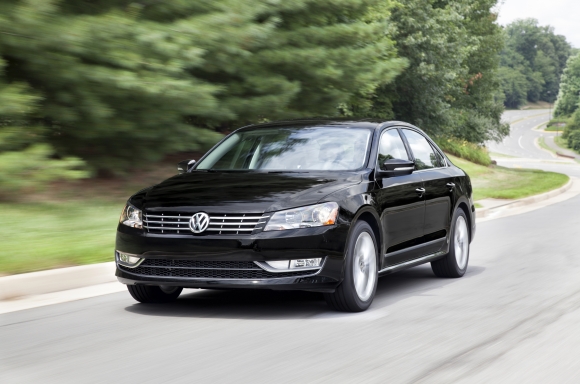
When we start talking about the Volkswagen Passat insurance group, we’re really opening the door to a bigger conversation about how insurers see this iconic saloon. The Passat has long been the sensible suit of the Volkswagen family—reliable, comfortable, and just a little bit stylish. But how does that translate when it comes to insurance costs? Is it a bargain to cover, or does it sit in the pricier lane?
Let’s walk through this together in plain, human language—no confusing jargon, no smoke and mirrors. Imagine we’re chatting over coffee, keys on the table, figuring out whether the Passat fits not only our lifestyle but also our monthly budget.
Content in this publication
- Understanding Insurance Groups in Simple Terms
- Where Does the Volkswagen Passat Sit?
- What Pushes the Passat Up or Down the Scale?
- Comparing Passat With Rival Models
- Older vs Newer Passats
- Real-World Example Groups
- How Age and Driver Profile Interact
- Trims That Influence Insurance
- Does Body Style Matter?
- Safety Ratings and Their Impact
- Common Myths About Passat Insurance
- Tips to Lower Your Passat Insurance
- The Role of Hybrid and Electric Passats
- Modifications: The Silent Premium Killer
- Regional Differences
- How to Check Your Exact Group
- Is the Passat Worth It Overall?
- Future Trends
- Closing Thoughts
- FAQs
Understanding Insurance Groups in Simple Terms
What Exactly Is an Insurance Group?
Insurance groups are like report cards for cars. In the UK system, vehicles are placed into groups from 1 to 50. The lower the number, the cheaper the car is usually to insure. Higher numbers mean insurers consider the vehicle riskier or more expensive to repair.
Why Groups Matter More Than We Think
When we buy a car, we often focus on fuel economy or boot space, forgetting that insurance can quietly drain our wallets year after year. The group acts like a compass—it points us toward likely premiums before we even request a quote.
Where Does the Volkswagen Passat Sit?
Typical Passat Insurance Groups
Most Volkswagen Passat models fall between group 12 and group 28, depending on:
- Engine size
- Trim level
- Year of manufacture
- Safety equipment
- Performance output
Think of it like choosing shoes: a basic pair of trainers costs less than high-end running sneakers. The same Passat with a bigger engine wears a more expensive “insurance shoe.”
Diesel vs Petrol: Does It Change the Group?
Absolutely. Diesel Passats—popular for their torque and economy—often sit slightly higher than equivalent petrol versions. Insurers expect diesel cars to cover more miles, and more miles can mean more risk.
What Pushes the Passat Up or Down the Scale?
Engine Power: The Main Ingredient
A 1.5 TSI Passat behaves very differently from a 2.0 BiTDI beast. Insurers look at horsepower the way a parent looks at a teenager with a sports bike—exciting, but a little worrying.
Repair Costs and Parts Availability
Volkswagen parts are generally easy to source, which helps keep groups sensible. However, advanced tech—like adaptive cruise sensors or LED matrix lights—can increase repair bills after minor bumps.
Security Features
Modern Passats come with:
- Immobilizers
- Alarm systems
- Keyless entry
- Tracking compatibility
These act like digital bodyguards and can gently nudge the insurance group downward.
Comparing Passat With Rival Models
Against the Ford Mondeo
The Passat usually sits neck and neck with the Mondeo. Neither is a wild sports car; both are family workhorses. Insurance groups often mirror each other like twins wearing different outfits.
You may be interested in reading Volkswagen Passat Quality: A Deep Drive Into What Makes This Sedan Stand Tall
Against the BMW 3 Series
Here the Passat often wins. The BMW badge can push groups higher, while the VW keeps a more modest profile.
Against the Skoda Superb
Interestingly, the Superb—sharing many components—sometimes sneaks into slightly lower groups due to positioning and trim pricing.
Older vs Newer Passats
Pre-2015 Models
Older B7 generation cars tend to live in lower groups. Fewer gadgets mean fewer expensive things to break.
Post-2015 B8 Generation
These feel like smartphones on wheels—clever but costlier to repair. Insurance groups crept upward accordingly.
Real-World Example Groups
- Passat 1.6 TDI SE: around group 13–15
- Passat 2.0 TDI DSG: around group 18–22
- Passat 2.0 TSI high trim: group 24–28
Numbers vary, but the pattern is clear: more power + more tech = higher group.
How Age and Driver Profile Interact
Young Drivers and the Passat
For new drivers, even a modest Passat can feel expensive to insure. Insurers see inexperience first, car second.
Experienced Motorists
Over 30 with clean records? The Passat becomes a friendly companion with reasonable premiums.
Trims That Influence Insurance
SE and Business Trims
These are the sensible shoes—lower groups, practical equipment, affordable cover.
R-Line and GTE
Sporty styling or plug-in hybrid tech can push groups up. The GTE’s battery alone is like carrying a small treasure chest in the boot.
Does Body Style Matter?
Saloon vs Estate
Estates sometimes cost a touch more to insure. Insurers imagine family road trips, heavy loads, and extra annual mileage.
Safety Ratings and Their Impact
The Passat’s strong crash test scores work in our favor. Airbags, stability control, and autonomous braking whisper reassuring words to insurers.
Common Myths About Passat Insurance
“All Volkswagens Are Expensive to Insure”
Not true. The Passat is often one of the calmer members of the VW family, unlike the hot-headed Golf GTI.
You may be interested in readingVolkswagen Passat Quality: A Deep Drive Into What Makes This Sedan Stand TallYou may be interested in reading
 Volkswagen Passat Years to Buy
“Diesel Is Always Pricier”
Generally yes, but a low-powered diesel can beat a punchy petrol model.
Tips to Lower Your Passat Insurance
- Choose smaller engines
- Avoid oversized alloys
- Park off-street
- Consider telematics policies
- Increase voluntary excess
- Limit annual mileage
Think of insurance like seasoning soup—small adjustments can change the flavor of the price.
The Role of Hybrid and Electric Passats
Passat GTE Considerations
Hybrid models can confuse insurers. Fuel savings are great, but battery repair costs are eye-watering, nudging groups higher.
A remap or aftermarket wheels might look cool, but insurers hear alarm bells. Even cosmetic tweaks can shift the group or void discounts.
Regional Differences
Living in a busy city versus a quiet village can change premiums dramatically, even within the same insurance group.
How to Check Your Exact Group
- Use insurer databases
- Check registration lookup tools
- Consult VW brochures
- Ask brokers directly
Never assume—always verify before buying.
Is the Passat Worth It Overall?
When we balance comfort, reliability, and sensible insurance groups, the Passat often feels like a well-tailored jacket—smart without shouting for attention.
Future Trends
As cars become more digital, insurance groups may climb. The next Passat generations could feel more like computers with wheels.
Closing Thoughts
The Volkswagen Passat insurance group isn’t something to fear. It’s more like a weather forecast—helpful guidance before setting out on the road of ownership. With the right model and a bit of planning, we can enjoy German comfort without breaking the bank.
FAQs
1. Is the Volkswagen Passat cheap to insure?
Generally yes, especially lower-powered trims sitting around groups 12–16.
2. Which Passat has the lowest insurance group?
Typically the 1.4 or 1.5 petrol models in SE trim.
3. Does DSG gearbox affect insurance?
Automatic gearboxes can add slightly to premiums due to repair costs.
Volkswagen Passat Quality: A Deep Drive Into What Makes This Sedan Stand TallYou may be interested in reading
Volkswagen Passat Years to BuyYou may be interested in reading
 Volkswagen Passat Years to Avoid
4. Are estates more expensive than saloons?
Often a little, but differences are usually small.
5. Is the Passat good for young drivers?
Possible, but new drivers may still face high premiums regardless of group.
If you want to know other articles similar to Volkswagen Passat Insurance Group: What Every Driver Needs to Know you can visit the category Blog.
How to Reset the Oil Light on a Kia Sportage
Volvo S90 Reliability: Problems, Costs & Best Years
Is Haval Jolion a Good Car? Honest Review, Reliability, Pros and Cons
How to Start Haval Jolion With Spare Key: Complete Guide
How to Calculate Per Diem on an Auto Loan

How to Calculate the Residual Value of a Car
Leave a Reply
More content of your interest