
Hyundai i30 Tyre Size: The Ultimate Guide to Choosing the Right Fit

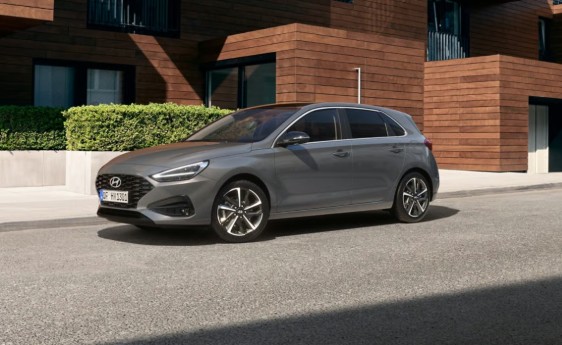
When it comes to your Hyundai i30, tyre size isn’t just a technical detail—it’s the silent architect behind your driving experience. It shapes how your car grips the road, how smooth the ride feels, and even how much fuel you burn.
So, let’s roll up our sleeves and dive deep into everything you need to know about Hyundai i30 tyre sizes—without the jargon overload.
Content in this publication
- Why Tyre Size Matters More Than You Think
- Understanding Tyre Size Numbers (The Simple Way)
- Common Hyundai i30 Tyre Sizes by Generation
- Hyundai i30 N Tyre Sizes (Performance Variant)
- How to Find Your Exact Tyre Size
- Can You Change Hyundai i30 Tyre Size?
- Best Tyre Size for Comfort vs Performance
- Seasonal Tyres: Does Size Change?
- Tyre Width: Grip vs Efficiency Trade-Off
- Rim Size and Its Impact
- What Happens If You Use the Wrong Tyre Size?
- Tyre Pressure and Size Relationship
- Best Tyre Brands for Hyundai i30
- Cost of Hyundai i30 Tyres by Size
- How Often Should You Replace Tyres?
- Tips to Extend Tyre Life
- Choosing the Right Tyre Size: A Quick Checklist
- Hyundai i30 Tyre Size Comparison Table
- Closing Thoughts: The Perfect Fit Makes All the Difference
- FAQs About Hyundai i30 Tyre Size
Why Tyre Size Matters More Than You Think
We often treat tyres like background characters. But in reality, they’re the only part of your car that actually touches the road.
Choosing the correct tyre size means:
- Better fuel efficiency
- Improved handling and stability
- Safer braking distances
- Reduced wear and tear
Think of tyres as shoes—wear the wrong size, and everything feels off.
Understanding Tyre Size Numbers (The Simple Way)
Let’s decode something like 225/45 R17—a common Hyundai i30 tyre size.
Breaking It Down
- 225 → Width in millimeters
- 45 → Aspect ratio (height as % of width)
- R → Radial construction
- 17 → Wheel diameter in inches
Why This Matters
Each number impacts performance:
- Wider tyres = better grip, more fuel consumption
- Lower profile = sportier feel, harsher ride
- Larger rims = sharper handling, higher cost
Common Hyundai i30 Tyre Sizes by Generation
Different versions of the Hyundai i30 come with different tyre setups.
1. First Generation (2007–2012)
- 195/65 R15
- 205/55 R16
👉 Comfortable and budget-friendly setup.
2. Second Generation (2012–2017)
- 205/55 R16
- 225/45 R17
👉 Balanced between comfort and performance.
3. Third Generation (2017–Present)
- 205/55 R16
- 225/45 R17
- 225/40 R18
👉 Sportier feel, especially in N-Line trims.
Hyundai i30 N Tyre Sizes (Performance Variant)
The high-performance i30 N is a different beast.
- 235/35 R19 (standard performance setup)
This setup delivers:
- Maximum grip
- Sharp cornering
- Aggressive stance
But let’s be honest—it’s not the softest ride.
How to Find Your Exact Tyre Size
You don’t need to guess.
Check These Places
- Driver’s door frame sticker
- Owner’s manual
- Sidewall of your current tyres
Pro Tip
Always match or stay close to manufacturer specs—going rogue can affect speedometer accuracy and safety.
Can You Change Hyundai i30 Tyre Size?
Short answer: Yes—but carefully.
Safe Adjustments
- Slightly wider tyres for better grip
- Bigger rims for aesthetics
Risks of Going Too Far
- Speedometer errors
- Reduced fuel efficiency
- Suspension stress
Think of it like upgrading your phone battery—bigger isn’t always better if it doesn’t fit properly.
Best Tyre Size for Comfort vs Performance
Let’s compare:
For Comfort
- 195/65 R15
- 205/55 R16
✔ Softer ride
✔ Better fuel economy
✔ Cheaper tyres
For Performance
- 225/45 R17
- 225/40 R18
✔ Better grip
✔ Sharper handling
✔ Sportier look
Seasonal Tyres: Does Size Change?
Good question—and the answer is: sometimes.
Winter Tyres
- Often slightly narrower
- Better traction in snow
Summer Tyres
- Wider for maximum grip
All-Season Tyres
- Balanced compromise
Tyre Width: Grip vs Efficiency Trade-Off
Wider tyres look great—but they come with trade-offs.
Wider Tyres
- Better cornering
- More road noise
- Higher fuel consumption
Narrower Tyres
- Better efficiency
- Less grip
- Quieter ride
Rim Size and Its Impact
Rim size plays a huge role in how your i30 behaves.
Smaller Rims (15–16 inch)
- Comfortable
- Affordable
- Ideal for daily driving
Larger Rims (17–19 inch)
- Sporty look
- Better handling
- More expensive tyres
What Happens If You Use the Wrong Tyre Size?
Let’s not sugarcoat it—it can cause problems.
Potential Issues
- Incorrect speed readings
- Reduced braking efficiency
- Uneven tyre wear
- Insurance complications
So yes, size matters—a lot.
Tyre Pressure and Size Relationship
Bigger tyres don’t always mean higher pressure.
Each tyre size has a recommended PSI, which ensures:
- Proper contact with the road
- Even wear
- Optimal fuel economy
Always follow manufacturer recommendations.
Best Tyre Brands for Hyundai i30
Let’s talk quality.
Top Picks
- Michelin
- Bridgestone
- Continental
- Goodyear
Budget-Friendly Options
- Hankook
- Kumho
Interestingly, many Hyundai models come with Hankook tyres from the factory.
Cost of Hyundai i30 Tyres by Size
Prices vary depending on size and brand.
Average Price Range
- 15-inch → $60–$100
- 16-inch → $80–$130
- 17-inch → $100–$180
- 18–19 inch → $150–$300
Performance always comes at a price—literally.
How Often Should You Replace Tyres?
Tyres don’t last forever.
General Rule
- Every 40,000–60,000 km
But Also Check
- Tread depth (minimum 1.6 mm)
- Cracks or bulges
- Uneven wear
Tips to Extend Tyre Life
Want to squeeze more life out of your tyres?
Do This Regularly
- Rotate tyres every 10,000 km
- Maintain proper pressure
- Align wheels properly
- Avoid aggressive driving
Treat your tyres well, and they’ll return the favor.
Choosing the Right Tyre Size: A Quick Checklist
Before buying, ask yourself:
- Do I prioritize comfort or performance?
- What’s my driving style?
- Do I drive mostly in the city or highway?
- What’s my budget?
This simple checklist can save you money—and headaches.
Hyundai i30 Tyre Size Comparison Table
| Trim Level | Tyre Size | Focus |
|---|---|---|
| Base Model | 195/65 R15 | Comfort |
| Mid Trim | 205/55 R16 | Balance |
| Sport Trim | 225/45 R17 | Performance |
| N Line | 225/40 R18 | Sporty |
| i30 N | 235/35 R19 | High Performance |
Closing Thoughts: The Perfect Fit Makes All the Difference
Choosing the right tyre size for your Hyundai i30 isn’t just about numbers—it’s about how you want your car to feel.
Do you want a smooth, quiet ride?
Or a sharp, sporty edge that hugs every corner?
The beauty is—you get to choose.
At the end of the day, tyres are like the handshake between your car and the road. Make sure it’s a firm one.
FAQs About Hyundai i30 Tyre Size
1. What is the standard tyre size for a Hyundai i30?
Most models use 205/55 R16 or 225/45 R17, depending on trim and year.
2. Can I put bigger tyres on my Hyundai i30?
Yes, but only within safe limits. Going too large can affect performance and safety.
3. Does tyre size affect fuel economy?
Absolutely. Wider tyres usually increase fuel consumption.
4. Are all Hyundai i30 tyres the same?
No, they vary by generation, trim level, and engine type.
5. What’s the best tyre size for daily driving?
205/55 R16 is often the best balance between comfort, cost, and efficiency.
If you want to know other articles similar to Hyundai i30 Tyre Size: The Ultimate Guide to Choosing the Right Fit you can visit the category Service and Parts.
Nissan Rogue Oil Change Cost: Prices, Service Options, and What to Expect
Nissan Rogue Key Battery Replacement: Easy Step-by-Step Guide
Nissan Rogue Oil Change Interval: Complete Guide by Model Year
Nissan Rogue Brake Pads and Rotors Cost: Complete 2026 Guide

Kia Sorento Service Reset: How to Reset the Service Light
Kia Sorento Fuel Tank Capacity: Gallons, Litres and Model Differences
Leave a Reply
More content of your interest