
Suzuki Vitara Insurance Group: The Real Cost of Covering This Compact SUV

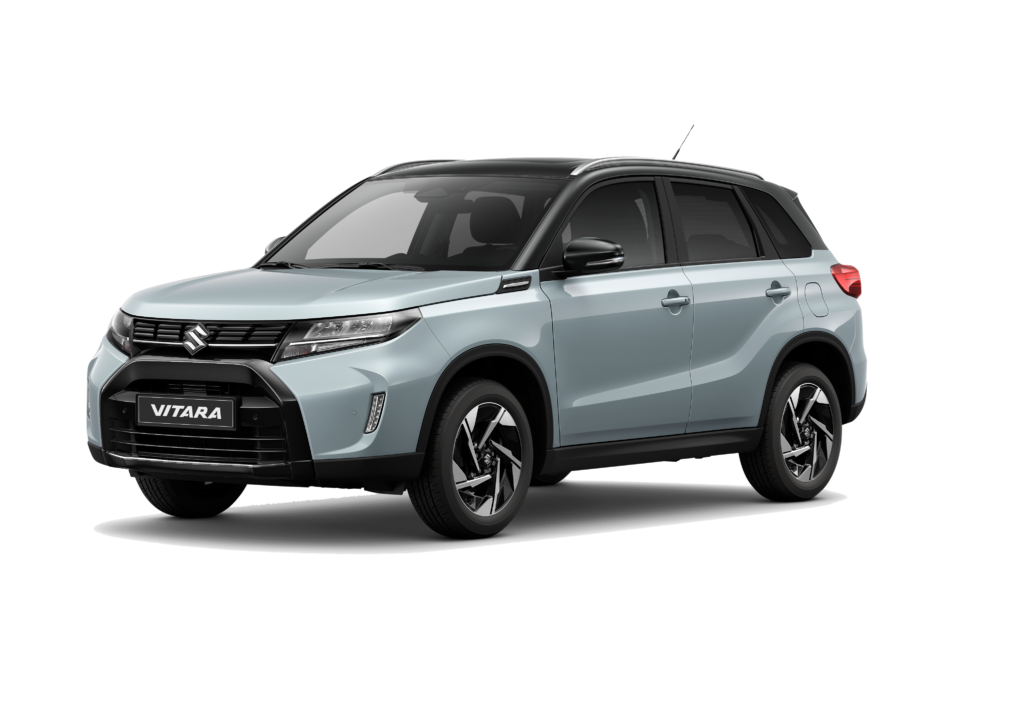
When we talk about owning a compact SUV like the Suzuki Vitara, we usually obsess over fuel economy, boot space, or reliability. But here’s the silent player in your ownership costs: insurance group.
It’s the number most people skim past—until the quote lands in their inbox and their eyebrows hit the ceiling.
So let’s slow down, lift the bonnet (figuratively), and unpack what the Suzuki Vitara insurance group really means, how it affects your premiums, and how we can use that knowledge to save money.
Content in this publication
- What Is an Insurance Group, Really?
- Suzuki Vitara Insurance Groups by Model & Trim
- Why the Vitara Stays Relatively Affordable to Insure
- How Engine Choice Affects Insurance Group
- Manual vs Automatic: Does It Matter?
- Trim Levels & Their Impact on Insurance
- How the Vitara Compares to Its Rivals
- Is the Suzuki Vitara Cheap for Young Drivers?
- Insurance Costs in Real Terms
- Does Hybrid Technology Increase Insurance?
- Security Features & Insurance Discounts
- How to Lower Your Suzuki Vitara Insurance Premium
- Does Modifying a Vitara Affect Insurance?
- Are Older Suzuki Vitaras Cheaper to Insure?
- Is the Vitara in a High Insurance Group?
- Who Should Choose a Vitara Based on Insurance Group?
- Ownership Costs Beyond Insurance
- Final Verdict: Is the Suzuki Vitara Insurance Group Good or Bad?
- Conclusion
- FAQs
What Is an Insurance Group, Really?
In the UK, cars are assigned to insurance groups ranging from 1 to 50.
- Group 1 = cheapest to insure
- Group 50 = most expensive
The higher the number, the higher the potential insurance premium.
Insurance groups are determined by the Association of British Insurers in collaboration with Thatcham Research. They assess vehicles based on:
- Repair costs
- Performance (acceleration & top speed)
- Safety features
- Security systems
- Parts pricing
Think of it like a risk scoreboard. The Vitara’s position on that board depends on trim, engine, and year.
Suzuki Vitara Insurance Groups by Model & Trim
Here’s where it gets interesting.
Most Suzuki Vitara models sit between Insurance Group 11 and 23, depending on:
- Engine size (1.4 Boosterjet vs 1.5 Hybrid)
- Manual vs automatic
- Trim level (SZ4, SZ-T, SZ5)
- Mild-hybrid vs full-hybrid variants
Typical UK Insurance Groups
| Model Variant | Approx Insurance Group |
|---|---|
| 1.4 Boosterjet SZ4 | 11–13 |
| 1.4 Boosterjet SZ-T | 13–17 |
| 1.4 Boosterjet SZ5 | 17–19 |
| 1.5 Full Hybrid SZ-T | 16–20 |
| 1.5 Full Hybrid SZ5 | 18–23 |
That places the Vitara comfortably in the affordable-to-midrange bracket.
Not bargain-basement. Not painful. Just… sensible.
Why the Vitara Stays Relatively Affordable to Insure
Let’s ask a better question:
Why isn’t it in a higher group?
1. Sensible Power Outputs
Most versions produce between:
- 129–140 hp (1.4 Boosterjet)
- Around 114 hp (1.5 Hybrid)
That’s enough for motorway merging—but not enough to scream “boy racer”.
2. Strong Safety Equipment
Modern Vitaras include:
- Autonomous emergency braking
- Lane departure warning
- Adaptive cruise control (higher trims)
- Multiple airbags
Insurers love safety tech. It reduces claim likelihood.
3. Reasonable Repair Costs
Suzuki parts aren’t exotic. You’re not paying Porsche prices for a wing mirror.
And because the Vitara shares components with other Suzuki models, parts availability helps keep repair costs manageable.
How Engine Choice Affects Insurance Group
Here’s where nuance kicks in.
1.4 Boosterjet (Turbo Petrol)
- More torque
- Faster acceleration
- Slightly higher insurance group
Why? Insurers view turbocharged engines as slightly higher risk.
1.5 Full Hybrid
- Lower performance output
- Better efficiency
- Sometimes similar or slightly higher group due to hybrid complexity
Hybrid components can increase repair costs, which insurers consider.
So it’s not just speed—it’s repair economics.
Manual vs Automatic: Does It Matter?
Short answer? Yes.
Automatic models can:
- Cost more to repair
- Have more complex gearboxes
That can push them 1–2 insurance groups higher than manual equivalents.
If we’re hunting for the cheapest Vitara to insure, manual wins.
You may be interested in reading Suzuki Vitara Tyre Pressure Reset: The Complete TPMS Guide for Every Driver
Trim Levels & Their Impact on Insurance
Suzuki trims can quietly affect insurance.
SZ4
- Entry-level
- Smaller wheels
- Fewer tech features
- Lowest insurance group
SZ-T
- Larger alloys
- More infotainment
- Slight group increase
SZ5
- Panoramic roof
- Advanced safety tech
- Larger wheels
- Highest group in the range
Larger alloy wheels often increase insurance due to replacement cost. Something most buyers don’t consider.
How the Vitara Compares to Its Rivals
Let’s place it in context.
Ford Puma
Insurance groups: 11–22
Similar range, sometimes slightly higher for performance trims.
Nissan Juke
Insurance groups: 8–21
Cheaper entry-level variants.
Toyota Yaris Cross
Insurance groups: 12–20
Hybrid-only lineup keeps it moderate.
The Vitara sits right in the middle—like a dependable middle child that never causes drama.
Is the Suzuki Vitara Cheap for Young Drivers?
This is the million-pound question.
Because insurance groups start around 11, the Vitara is:
- Not ideal for 17–19-year-olds
- More suitable for drivers 21+
- Reasonable for experienced drivers with clean records
Young drivers might find smaller hatchbacks cheaper, but among compact SUVs, the Vitara is competitive.
Insurance Costs in Real Terms
Insurance group is one thing.
Actual premium depends on:
- Age
- Location
- Driving history
- Annual mileage
- No-claims bonus
- Job title
For a 30-year-old driver with clean record:
- Expect roughly £500–£900 annually (varies widely by region)
For a 45-year-old with full no-claims:
- Often £350–£600
These aren’t guarantees—just general ranges.
Does Hybrid Technology Increase Insurance?
Surprisingly? Not dramatically.
While hybrid batteries can be expensive:
- The Vitara hybrid system is mild and relatively simple
- Repair network is established
- Suzuki’s reliability reputation helps
So premiums remain controlled.
Security Features & Insurance Discounts
The Vitara includes:
- Factory-fitted immobiliser
- Alarm system (most trims)
- Remote central locking
- Keyless entry (higher trims)
Security ratings directly impact insurance group.
Insurers reward vehicles that are harder to steal.
We can’t change the insurance group—but we can change our cost.
Practical Ways to Save
- Increase voluntary excess (carefully)
- Add a named experienced driver
- Install a dashcam
- Avoid performance modifications
- Choose lower trim
- Opt for manual gearbox
- Limit annual mileage
Small adjustments can shave hundreds off your premium.
Does Modifying a Vitara Affect Insurance?
Absolutely.
Common modifications that increase premiums:
- Larger aftermarket alloys
- ECU remapping
- Suspension lowering
- Body kits
Insurers see modifications as added risk—even cosmetic ones.
Keep it factory-spec if low insurance is your goal.
You may be interested in readingSuzuki Vitara Tyre Pressure Reset: The Complete TPMS Guide for Every DriverYou may be interested in reading
 Suzuki Vitara Best Years: The Most Reliable Models to Buy
Are Older Suzuki Vitaras Cheaper to Insure?
Generally yes.
Earlier generations often sit in:
- Group 8–15 depending on engine
However:
- Older safety ratings may affect cost
- Higher theft risk for older models can increase premiums
Age lowers value—but not always risk.
Is the Vitara in a High Insurance Group?
No.
In fact, it’s positioned well for a compact SUV.
It avoids:
- High-performance brackets
- Luxury-tier repair costs
- Premium brand pricing
It’s practical without being penalised.
Who Should Choose a Vitara Based on Insurance Group?
The Vitara makes sense for:
- Small families
- Commuters
- Drivers moving up from hatchbacks
- SUV buyers wanting lower running costs
It’s not a high-risk car. It’s not flashy. It’s not aggressively tuned.
And that works in its favour.
Ownership Costs Beyond Insurance
Insurance is one piece of the puzzle.
The Vitara also benefits from:
- Good fuel economy
- Affordable servicing
- Strong reliability
- Reasonable parts pricing
When we combine all these factors, it becomes a cost-conscious SUV choice.
Final Verdict: Is the Suzuki Vitara Insurance Group Good or Bad?
If we’re honest?
It’s good.
Not groundbreaking. Not ultra-cheap. But comfortably reasonable.
Insurance groups 11–23 place it squarely in the sensible zone.
For most drivers, especially 25+, the Vitara offers:
- Balanced performance
- Predictable premiums
- No nasty surprises
And in the world of rising motoring costs, that predictability is gold.
Conclusion
The Suzuki Vitara insurance group reflects exactly what the car represents: practical, steady, and well-balanced. It’s not built to intimidate insurers, and it’s not priced like a premium SUV.
If we choose the right trim, avoid unnecessary modifications, and maintain a clean driving record, the Vitara becomes one of the more financially sensible compact SUVs on UK roads.
Insurance doesn’t have to be scary. Sometimes it just requires understanding the number behind the name.
FAQs
1. What insurance group is the Suzuki Vitara in?
Most models fall between Group 11 and Group 23 in the UK.
2. Is the Suzuki Vitara expensive to insure for young drivers?
It’s moderate. Not the cheapest, but competitive compared to other compact SUVs.
3. Does the hybrid Vitara cost more to insure?
Usually slightly higher than base petrol models, but differences are minimal.
4. Is manual or automatic cheaper to insure?
Manual models typically cost less to insure.
You may be interested in readingSuzuki Vitara Tyre Pressure Reset: The Complete TPMS Guide for Every DriverYou may be interested in reading
Suzuki Vitara Best Years: The Most Reliable Models to BuyYou may be interested in reading
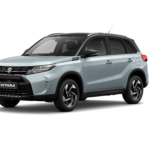 Suzuki Vitara Wading Depth: How Deep Water Can This SUV Handle?
5. Which Vitara trim is cheapest to insure?
Entry-level SZ4 trims with manual gearboxes tend to have the lowest insurance groups.
If you want to know other articles similar to Suzuki Vitara Insurance Group: The Real Cost of Covering This Compact SUV you can visit the category Blog.
Ford Edge Reliability: How Dependable Is This SUV?
Audi A4 Reliability: How Dependable Is It Really?
Hyundai Palisade Reliability: Is This Three-Row SUV Built to Last?

BMW M5 Reliability: What Owners Need to Know Before Buying
Audi A4 Insurance Group: Complete UK Guide to Ratings, Costs, and Cheaper Cover
Is Ram 1500 a Half Ton Truck? What the Half-Ton Rating Really Means
Leave a Reply
More content of your interest