
Dacia Duster Years to Avoid: Common Problems and the Best Alternatives

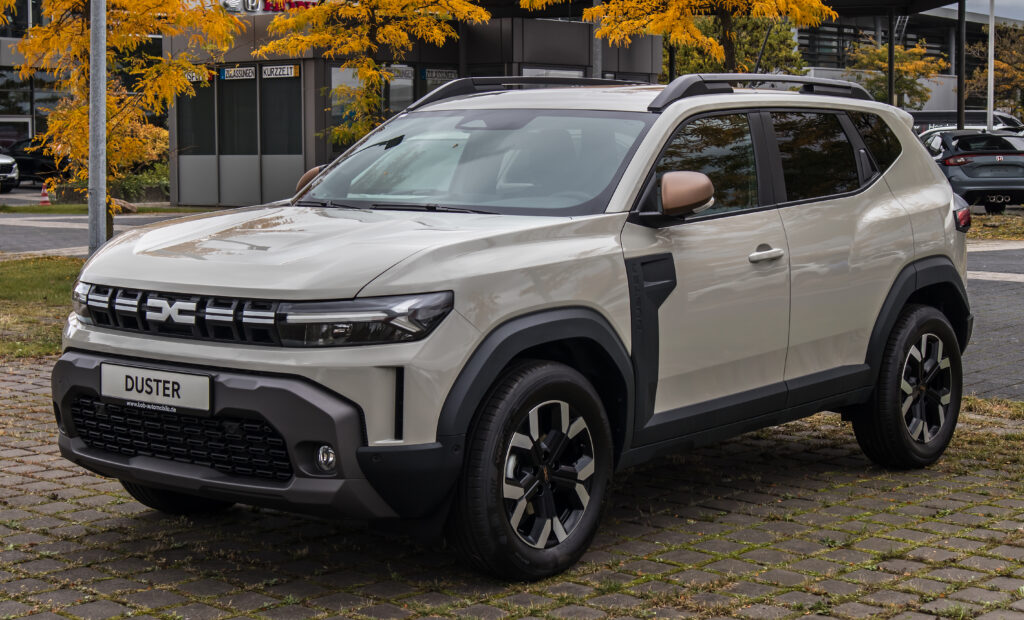
The Dacia Duster has built a reputation as one of the most affordable and capable SUVs in Europe. It’s rugged, practical, and surprisingly competent off-road—qualities that helped it become a favorite among drivers who want SUV versatility without the premium price tag.
But here’s the reality: not every Duster model year delivers the same reliability. Some years experienced design flaws, mechanical issues, or early-generation problems that can make ownership more frustrating than it should be.
If you’re planning to buy a used Duster, knowing which Dacia Duster years to avoid can save you thousands in repairs and a lot of unnecessary headaches. In this comprehensive guide, we’ll explore the most problematic years, the reasons behind their issues, and which models are actually worth buying.
Content in this publication
- Understanding the Dacia Duster Generations
- Quick Overview: Dacia Duster Years to Avoid
- 2010 Dacia Duster: First-Year Growing Pains
- 2011 Dacia Duster: Improvements but Still Problematic
- 2012 Dacia Duster: Electrical Faults Become Common
- 2016 Dacia Duster: Transmission and Emissions Issues
- Early 2018 Dacia Duster: Second Generation Launch Issues
- Most Common Dacia Duster Problems Across Model Years
- Best Dacia Duster Years to Buy
- What to Inspect Before Buying a Used Dacia Duster
- How the Dacia Duster Compares to Other Budget SUVs
- Final Thoughts on Dacia Duster Years to Avoid
- Frequently Asked Questions
Understanding the Dacia Duster Generations
Before identifying the problematic years, it helps to understand the two main generations of the Dacia Duster. Each generation introduced major improvements, but early models in both eras experienced some reliability concerns.
First Generation Dacia Duster (2010–2017)
The first-generation Duster launched in 2010 and quickly became popular because it offered something few SUVs could match: serious capability at a very low price.
Key characteristics included:
- Simple mechanical design
- Affordable engines and maintenance
- Strong off-road capability
- Basic interior materials
However, early production years also showed several weaknesses, especially regarding electronics, interior durability, and some diesel components.
Second Generation Dacia Duster (2018–Present)
In 2018, Dacia released the second-generation Duster. This version addressed many complaints about the original model.
Major improvements included:
- Higher-quality interior materials
- Updated infotainment systems
- Better ride comfort
- Improved safety features
Despite these upgrades, early production models still experienced a few minor issues typical of new-generation vehicles.
Quick Overview: Dacia Duster Years to Avoid
For buyers who want the quick answer, here are the model years that deserve extra caution.
Most commonly reported problematic Duster years:
- 2010
- 2011
- 2012
- 2016 (specific engine variants)
- Early 2018 models
These years saw the highest number of owner complaints related to reliability, mechanical problems, or electrical faults.
Now let’s examine each one in more detail.
2010 Dacia Duster: First-Year Growing Pains
The 2010 Duster marked the very first release of the model, and like many first-generation vehicles, it suffered from early production issues.
Common Problems
Owners frequently reported:
- Electrical glitches in dashboard systems
- Weak interior materials and loose trim
- Turbocharger problems on some diesel engines
- Premature clutch wear
These problems were not universal, but they appeared often enough to make the 2010 model a year buyers should approach cautiously.
Interior Quality Issues
Early Dusters were built to be inexpensive, but the 2010 model sometimes felt overly basic.
Drivers reported:
- Dashboard rattles
- Easily scratched plastics
- Poorly fitting panels
Later models improved these areas significantly.
Diesel Engine Concerns
Many early Dusters used the 1.5 dCi diesel engine, which occasionally experienced issues such as:
- Turbocharger failure
- Injector problems
- Rough engine idle
These issues were addressed in later engine revisions.
2011 Dacia Duster: Improvements but Still Problematic
The 2011 model year introduced several small updates, but many early reliability concerns remained.
Mechanical Issues
Common owner complaints included:
- Steering alignment problems
- EGR valve failures
- Hesitation during acceleration
These problems could increase maintenance costs if ignored.
Suspension Wear
The Duster’s off-road capability encouraged adventurous driving, but some components weren’t always ready for heavy use.
You may be interested in reading BMW X1 Life Expectancy: How Long Does a BMW X1 Really Last?
Symptoms included:
- Noisy suspension
- Worn bushings
- Premature shock absorber wear
Drivers who frequently used the Duster on rough roads noticed these issues more often.
2012 Dacia Duster: Electrical Faults Become Common
By 2012, most major mechanical problems had improved. However, the model year became known for persistent electrical issues.
Typical Electrical Problems
Some drivers experienced:
- Dashboard warning lights activating randomly
- Central locking malfunctions
- Faulty window controls
While these issues were rarely serious, they were frustrating for owners.
Fuel System Issues in Diesel Models
A number of diesel Dusters reported:
- Injector leaks
- Hard cold starts
- Reduced fuel efficiency
Regular servicing usually prevented these problems from becoming severe.
2016 Dacia Duster: Transmission and Emissions Issues
The 2016 model introduced several engine and transmission updates, but certain configurations experienced reliability concerns.
Gearbox Problems
Some owners reported:
- Gear shifting hesitation
- Clutch wear
- Difficulty engaging gears
These issues were more noticeable in vehicles used heavily in urban traffic.
Diesel Particulate Filter (DPF) Issues
Many modern diesel vehicles face DPF clogging, and the Duster was no exception.
Signs included:
- Warning lights on the dashboard
- Reduced engine performance
- Increased fuel consumption
Frequent highway driving usually prevents these problems.
Early 2018 Dacia Duster: Second Generation Launch Issues
The second-generation Duster launched in 2018 with major improvements, but early models still experienced minor issues typical of newly redesigned vehicles.
Technology Glitches
Common complaints included:
- Infotainment system freezing
- Reverse camera malfunctions
- Parking sensor errors
Most of these problems were solved with software updates.
Early Build Quality Adjustments
As production ramped up, some early units experienced small assembly issues, though these were usually resolved during warranty servicing.
Most Common Dacia Duster Problems Across Model Years
Even outside specific years, some issues appear regularly in Duster ownership reports.
Electrical System Faults
Electrical gremlins are among the most commonly reported issues.
Typical symptoms include:
- Random dashboard warning lights
- Infotainment malfunctions
- Window switch failures
Often these are sensor problems rather than serious mechanical failures.
Premature Clutch Wear
Some drivers experience clutch replacements earlier than expected.
Possible causes include:
- Frequent stop-and-go driving
- Off-road usage
- Heavy towing
Turbocharger Failures
The 1.5 dCi diesel engine, particularly in early models, sometimes experienced turbo issues.
Signs include:
- Whining noises
- Power loss
- Increased exhaust smoke
Later versions improved significantly.
You may be interested in readingBMW X1 Life Expectancy: How Long Does a BMW X1 Really Last?You may be interested in reading
 Are BMW X1 Expensive to Maintain? A Real Owner’s Cost Breakdown
Interior Durability Issues
Budget materials helped keep the Duster affordable but sometimes resulted in:
- Rapid seat wear
- Plastic trim deterioration
- Loose panels
While cosmetic, these issues can affect resale value.
Best Dacia Duster Years to Buy
Not every Duster year is problematic. In fact, several model years offer excellent reliability and value.
2014–2015 Models
These years represent a strong point in the first generation.
Advantages include:
- Improved engine reliability
- Better build quality
- Fewer reported electrical problems
2019–2022 Models
Second-generation Dusters from these years deliver significant improvements.
Key benefits:
- Modern infotainment systems
- Better comfort and interior quality
- Improved fuel efficiency
These models are often considered the most balanced Dusters available on the used market.
2023 and Newer Models
Recent versions offer:
- Updated hybrid technology
- Enhanced driver assistance systems
- Improved cabin materials
They represent the most refined version of the Duster to date.
What to Inspect Before Buying a Used Dacia Duster
If you’re considering a used Duster, a careful inspection can prevent costly surprises.
Check the Service History
Always verify that the vehicle has:
- Regular oil changes
- Timing belt replacement if required
- Documented servicing
Maintenance history often matters more than model year.
Inspect the Clutch
During a test drive:
- Look for slipping during acceleration
- Check for rough gear changes
- Listen for unusual noises
Test All Electronics
Electrical problems can hide easily, so test every system:
- Infotainment screen
- Power windows
- Parking sensors
- Air conditioning
Look for Warning Lights
Any warning light could indicate hidden issues, especially with emissions systems or sensors.
How the Dacia Duster Compares to Other Budget SUVs
Despite its flaws, the Duster still competes well with other affordable SUVs.
Advantages
- Extremely competitive pricing
- Real off-road capability
- Simple and durable mechanics
Disadvantages
- Basic interior design in older models
- Limited technology in early generations
- Some reliability concerns in early years
Overall, the Duster remains one of the best-value SUVs in its class.
Final Thoughts on Dacia Duster Years to Avoid
The Dacia Duster has earned its place as one of the most practical budget SUVs available. It offers strong off-road performance, simple engineering, and impressive affordability.
However, buyers should approach certain model years carefully. The 2010–2012 models and early 2018 vehicles experienced the most reliability complaints and early design issues.
Fortunately, later versions improved significantly. If you choose the right model year and verify proper maintenance, the Duster can provide years of dependable service.
Think of it like a reliable adventure companion: simple, tough, and always ready to tackle the road ahead.
Frequently Asked Questions
1. What are the worst Dacia Duster years to avoid?
The most commonly cited problematic years are 2010, 2011, 2012, 2016, and early 2018 models due to reliability complaints and mechanical issues.
2. Are Dacia Dusters reliable SUVs?
Yes. Overall, the Duster has a reputation for low running costs and solid durability, especially in newer models.
3. Which Dacia Duster engine is the most reliable?
The 1.3 TCe petrol engine and later revisions of the 1.5 dCi diesel engine are widely considered the most reliable.
4. Is the Dacia Duster expensive to maintain?
No. One of the biggest advantages of the Duster is low maintenance costs and affordable spare parts.
You may be interested in readingBMW X1 Life Expectancy: How Long Does a BMW X1 Really Last?You may be interested in reading
Are BMW X1 Expensive to Maintain? A Real Owner’s Cost BreakdownYou may be interested in reading
 Is BMW X1 Bigger Than X2? A Complete Size Comparison Guide
5. Should I buy a used Dacia Duster?
Yes—provided you avoid problematic years and ensure the vehicle has a complete service history.
If you want to know other articles similar to Dacia Duster Years to Avoid: Common Problems and the Best Alternatives you can visit the category Blog.
Vauxhall Meriva Insurance Group UK: Costs, Ratings and Savings

Is Hyundai i40 a Good Car? An Honest Used-Car Review
Hyundai i40 Years to Avoid: The Complete Used-Car Guide
Hyundai i40 Reliability: Common Problems, Lifespan, and Buying Advice
Which Kia Rio Engine Is Best? A Smart Buyer’s Guide
Kia Rio Reliability: A Real-World Guide for Smart Buyers
Leave a Reply
More content of your interest