

BMW X3 vs iX3: Petrol Power vs Electric Precision – Which One Truly Wins?

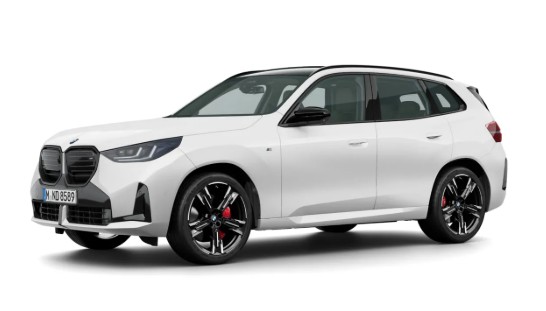
When we stand at the crossroads of traditional combustion and electrification, few comparisons feel as relevant—and as exciting—as the BMW X3 vs iX3. On one side, we have the well-rounded, versatile X3—an SUV that’s been refined like a fine instrument over decades. On the other, the iX3—the same DNA, but electrified, silent, and forward-looking.
So, which one actually makes more sense? Which one fits your lifestyle? Let’s break it down together, layer by layer.
Content in this publication
- Understanding the Core Difference
- Exterior Design: Subtle Differences That Matter
- Interior Experience: Familiar Yet Different
- Performance: Power vs Instant Torque
- Acceleration and Speed
- Driving Dynamics: Which Feels Better on the Road?
- Range and Fuel Economy: The Big Divide
- Charging Infrastructure vs Fuel Convenience
- Running Costs: Which Saves You More?
- Practicality and Boot Space
- Towing Capability: A Clear Winner
- Technology and Infotainment
- Reliability and Maintenance
- Environmental Impact
- Price Comparison
- Pros and Cons Breakdown
- Which One Should You Choose?
- Final Thoughts: Tradition vs Transformation
- FAQs
Understanding the Core Difference
At first glance, the BMW X3 and iX3 look like twins separated at birth. But beneath the surface, they are fundamentally different machines.
BMW X3: The Traditional All-Rounder
- Petrol and diesel engine options
- Available with xDrive (all-wheel drive)
- Broad trim range (SE, M Sport, etc.)
- Strong towing capability
BMW iX3: The Electric Evolution
- Fully electric drivetrain
- Rear-wheel drive only
- Single powertrain configuration
- Focused on efficiency and smoothness
In simple terms?
The X3 is like a Swiss Army knife—versatile, adaptable.
The iX3 is like a precision scalpel—clean, focused, future-ready.
Exterior Design: Subtle Differences That Matter
At a glance, you might struggle to tell them apart—but look closer, and the details reveal their personalities.
BMW X3 Styling Highlights
- Larger kidney grille (depending on trim)
- Traditional alloy wheels
- More aggressive stance in M Sport trims
BMW iX3 Design Tweaks
- Blue accents (signature BMW i styling)
- Closed grille for aerodynamics
- Unique aerodynamic wheels
- Subtle EV badges
Our take: The iX3 whispers sophistication, while the X3 can shout sportiness—especially in M Sport guise.
Interior Experience: Familiar Yet Different
Step inside, and you’ll notice something interesting: familiarity.
- Premium materials throughout
- BMW iDrive infotainment system
- Digital driver display
- Comfortable seating position
Where the iX3 Stands Out
- Blue accents in stitching and trims
- EV-specific displays (range, regen, energy flow)
- Quieter cabin (no engine noise)
Think of it like this:
The X3 feels like a luxury lounge with background music.
The iX3? Like a silent, high-end library—calm, focused, serene.
Performance: Power vs Instant Torque
Here’s where things get spicy.
BMW X3 Engine Options
Depending on your market, you’ll find:
You may be interested in reading BMW X3 vs Discovery Sport: Which Premium SUV Truly Fits Your Lifestyle?
- 2.0L petrol/diesel engines
- 3.0L inline-six (M40i)
- Plug-in hybrid variant (xDrive30e)
BMW iX3 Electric Motor
- Single motor, rear-wheel drive
- ~286 hp
- Instant torque delivery
Driving Feel Comparison
- X3: Balanced, dynamic, especially with xDrive
- iX3: Smooth, linear acceleration with zero lag
Real-world feel?
- X3 = controlled power surge
- iX3 = effortless glide
Acceleration and Speed
Let’s get straight to the numbers.
BMW X3
- 0–60 mph: ~4.8s (M40i)
- Top speed: ~155 mph
BMW iX3
- 0–60 mph: ~6.8s
- Top speed: ~112 mph
Conclusion:
The X3 wins on outright performance—but the iX3 wins on how it delivers power.
Driving Dynamics: Which Feels Better on the Road?
This is where personal preference takes center stage.
BMW X3 Driving Traits
- Sharper cornering
- More driver engagement
- AWD confidence in poor conditions
BMW iX3 Driving Traits
- Ultra-smooth ride
- Low center of gravity (battery placement)
- Regenerative braking options
Our insight:
If you love driving, the X3 feels alive.
If you love comfort, the iX3 feels effortless.
Range and Fuel Economy: The Big Divide
BMW X3 Efficiency
- Petrol: ~30–40 mpg
- Diesel: ~45–55 mpg
- PHEV: ~30–40 miles electric-only
BMW iX3 Range
- ~285 miles (WLTP)
- Real-world: ~230–260 miles
Charging vs Refueling
- X3: 5-minute fuel stops
- iX3: 30–40 min fast charge (10–80%)
Question to ask yourself:
Do you value convenience—or long-term savings?
Charging Infrastructure vs Fuel Convenience
iX3 Charging Options
- Home wallbox (ideal)
- Public fast chargers
- Regenerative braking
X3 Fueling Advantages
- Ubiquitous petrol stations
- No planning required
Reality check:
If you can charge at home, the iX3 becomes incredibly convenient. Without it? The X3 might still win.
Running Costs: Which Saves You More?
BMW X3 Costs
- Higher fuel costs
- More maintenance (oil, filters, etc.)
- Insurance varies by engine
BMW iX3 Costs
- Lower energy cost per mile
- Fewer moving parts
- Potential tax incentives
Long-term thinking:
The iX3 often wins financially—especially over 3–5 years.
Practicality and Boot Space
BMW X3
- Boot: ~550 litres
- Flexible seating
BMW iX3
- Boot: ~510 litres
- Slightly reduced due to battery
Verdict:
The difference is minor—you’ll hardly notice it in daily life.
Towing Capability: A Clear Winner
BMW X3
- Up to ~2,400 kg towing capacity
BMW iX3
- Not officially rated for towing
If towing matters, the choice is simple: X3 wins.
You may be interested in readingBMW X3 vs Discovery Sport: Which Premium SUV Truly Fits Your Lifestyle?You may be interested in reading
BMW X3 vs Lexus RX 350: Which Luxury SUV Truly Wins Our Hearts?Technology and Infotainment
Both models share BMW’s impressive tech suite.
Key Features
- iDrive system
- Apple CarPlay & Android Auto
- Voice control
- Navigation with live updates
iX3 Bonus Features
- Energy usage display
- Charging station integration
Reliability and Maintenance
BMW X3
- Proven engines
- Regular servicing required
BMW iX3
- Simpler drivetrain
- Less wear and tear
Trend: EVs like the iX3 generally require less maintenance.
Environmental Impact
BMW X3
- CO₂ emissions present
- Hybrid option reduces impact
BMW iX3
- Zero tailpipe emissions
- Cleaner urban driving
If sustainability matters, the iX3 takes the lead.
Price Comparison
BMW X3
- Wider price range
- Entry-level more affordable
BMW iX3
- Higher upfront cost
- Better long-term savings
Pros and Cons Breakdown
BMW X3 Pros
- More powerful options
- AWD availability
- Better for towing
- Faster refueling
BMW X3 Cons
- Higher running costs
- Emissions
BMW iX3 Pros
- Smooth, silent drive
- Lower running costs
- Eco-friendly
- Instant torque
BMW iX3 Cons
- Limited range vs fuel
- Charging dependency
- No towing
Which One Should You Choose?
Let’s simplify it.
Choose the BMW X3 if:
- You drive long distances frequently
- You need towing capability
- You enjoy sporty driving
- You want flexibility in engine choices
Choose the BMW iX3 if:
- You want to go electric
- You have home charging
- You value smooth, quiet driving
- You want lower running costs
Final Thoughts: Tradition vs Transformation
This isn’t just a car comparison—it’s a glimpse into the future.
The BMW X3 represents everything we’ve perfected about driving over the years.
The BMW iX3 represents everything we’re becoming.
And honestly? There’s no wrong answer—only what fits your life best.
FAQs
1. Is the BMW iX3 faster than the X3?
No, the X3 (especially M40i) is significantly faster, but the iX3 feels smoother.
2. Does the iX3 support fast charging?
Yes, it can charge from 10–80% in around 30–40 minutes using DC fast chargers.
3. Can the BMW iX3 tow a trailer?
No, it is not designed for towing like the X3.
You may be interested in readingBMW X3 vs Discovery Sport: Which Premium SUV Truly Fits Your Lifestyle?You may be interested in reading
BMW X3 vs Lexus RX 350: Which Luxury SUV Truly Wins Our Hearts?You may be interested in reading
BMW X3 Similar Size: The Ultimate Guide to Mid-Size SUV Alternatives4. Is the BMW X3 available as a hybrid?
Yes, the X3 xDrive30e is a plug-in hybrid option.
5. Which is cheaper to run long-term?
The iX3 typically has lower running costs due to cheaper electricity and less maintenance.
If you want to know other articles similar to BMW X3 vs iX3: Petrol Power vs Electric Precision – Which One Truly Wins? you can visit the category Models.
Kia Sorento Models: Complete Guide to Trims, Engines and Versions
BYD Shark 6 vs Ranger vs HiLux: Which Ute Makes the Most Sense in 2026?
BYD Shark 6 vs MG U9: Which Ute Makes More Sense in 2026?
BYD Shark 6 vs Ford Ranger Raptor: Which Performance Ute Is Better in 2026?
BYD Shark 6 vs Kia Tasman: Which Ute Is Better?
BYD Shark 6 vs 7: What We Know So Far
Leave a Reply
More content of your interest