

Toyota Prius 3rd Generation Problems: The Complete Owner’s Guide

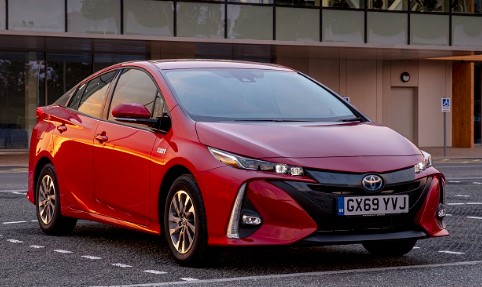
Let’s be honest—owning a hybrid like the Toyota Prius 3rd Generation feels like stepping into the future… until something goes wrong.
And when it does? It can feel like your quiet, fuel-sipping companion suddenly starts whispering expensive secrets.
In this deep dive, we’re going to unpack the real-world problems of the third-gen Prius. Not just a dry list—but the why, the how, and most importantly, the what now?
Content in this publication
- Why the 3rd Gen Prius Became So Popular
- Overview of Common Toyota Prius 3rd Generation Problems
- EGR System Clogging: The Silent Engine Killer
- Head Gasket Failure: The Costly Consequence
- Hybrid Battery Degradation: The Inevitable Decline
- Brake Actuator Failure: When Safety Systems Falter
- Oil Consumption Issues: The Hidden Drain
- Inverter Failure: The Hybrid Brain Glitch
- Water Pump Failure: Overheating Risks
- Suspension and Steering Wear
- 12V Battery Problems: Small Battery, Big Headaches
- HVAC System Issues
- Software Glitches and Electrical Quirks
- Preventive Maintenance: The Real Game-Changer
- Which Model Years Are Most Problematic?
- Should You Still Buy a 3rd Gen Prius?
- Ownership Experience: What It Really Feels Like
- Cost of Ownership: The Bigger Picture
- Expert Tips to Extend Your Prius Life
- Closing Thoughts: A Brilliant Car with Known Weak Spots
- FAQs About Toyota Prius 3rd Generation Problems
Why the 3rd Gen Prius Became So Popular
Before we talk problems, let’s appreciate why this car is everywhere.
A Perfect Storm of Efficiency and Reliability
- Exceptional fuel economy (50+ MPG)
- Proven hybrid tech
- Low emissions
- Affordable maintenance (initially)
It was the sweet spot. But like any machine, time reveals its weak spots.
Overview of Common Toyota Prius 3rd Generation Problems
Here’s the quick snapshot before we go deeper:
- EGR system clogging
- Head gasket failure
- Hybrid battery degradation
- Brake actuator failure
- Oil consumption issues
- Inverter problems
- Water pump failure
Think of it like a chain—ignore one weak link, and the whole system starts to feel it.
EGR System Clogging: The Silent Engine Killer
What Is the EGR System?
The Exhaust Gas Recirculation (EGR) system reduces emissions by recirculating exhaust gases.
Why It Fails in the Prius
Over time, carbon builds up like cholesterol in arteries.
Symptoms You’ll Notice
- Rough cold starts
- Engine knocking
- Reduced performance
- Check engine light
Why It’s Dangerous
A clogged EGR increases engine temperatures… and that’s where bigger problems begin.
Head Gasket Failure: The Costly Consequence
How It Connects to the EGR Problem
When the EGR clogs, combustion temperatures rise. That heat stresses the head gasket.
Common Signs of Failure
- White smoke from exhaust
- Coolant loss
- Misfires
- Overheating
Repair Costs Reality Check
- $1,500 – $3,000 depending on labor
- Engine replacement in worst cases
It’s like ignoring a small leak in a dam—eventually, it bursts.
Hybrid Battery Degradation: The Inevitable Decline
How Long Does It Last?
Typically:
- 8–12 years
- 150,000–200,000 miles
Warning Signs
- Reduced MPG
- Battery warning light
- Rapid charge/discharge cycles
Replacement Options
- New OEM battery
- Refurbished battery
- DIY module replacement
Cost Breakdown
- $1,000 (used/refurbished)
- $2,000+ (new OEM)
Brake Actuator Failure: When Safety Systems Falter
What Is the Brake Actuator?
It controls brake pressure electronically—critical in hybrid braking systems.
Symptoms of Failure
- ABS warning lights
- Buzzing noise
- Reduced braking efficiency
Why It’s Expensive
- Complex system
- Dealer-only repairs in many cases
- Costs: $1,200–$2,500
Why It Happens
- Worn piston rings
- Engine design quirks
Signs to Watch
- Frequent oil top-ups
- Blue exhaust smoke
- Engine knocking
Prevention Tips
- Use high-quality oil
- Regular oil changes
- Monitor levels religiously
Inverter Failure: The Hybrid Brain Glitch
What Does the Inverter Do?
It converts DC to AC power for the electric motor.
Common Symptoms
- Sudden loss of power
- Warning lights
- Vehicle shutdown
Good News
Toyota issued recalls for some models.
Water Pump Failure: Overheating Risks
Electric Water Pump Weakness
Unlike traditional pumps, this one relies on electronics.
Symptoms
- Engine overheating
- Coolant leaks
- Warning lights
Replacement Cost
- $300–$800
Suspension and Steering Wear
Common Issues
- Worn bushings
- Noisy suspension
- Loose steering feel
Why It Happens
Urban driving + aging components = gradual wear.
12V Battery Problems: Small Battery, Big Headaches
Symptoms
- Car won’t start
- Electrical glitches
- Warning lights
Lifespan
- 4–6 years
Cheap fix—but often overlooked.
HVAC System Issues
Air Conditioning Weakness
- Compressor failures
- Reduced cooling efficiency
Why It Matters
Hybrid systems rely on proper cooling—especially for the battery.
Software Glitches and Electrical Quirks
Common Complaints
- Dashboard warning lights
- Infotainment issues
- Sensor malfunctions
Sometimes, it’s not hardware—it’s just confused software.
Preventive Maintenance: The Real Game-Changer
Let’s flip the script—what if we prevented most of these issues?
Essential Maintenance Checklist
- Clean EGR system every 50k–80k miles
- Replace coolant regularly
- Monitor oil consumption
- Check hybrid battery health
- Inspect brake actuator early
Golden Rule
Maintenance isn’t a cost—it’s insurance.
Which Model Years Are Most Problematic?
2009–2011 Models
- Higher head gasket failure rates
- More EGR clogging issues
2012–2015 Models
- Improved reliability
- Still not immune
Should You Still Buy a 3rd Gen Prius?
Let’s be real—it depends.
Buy It If:
- It has full service history
- EGR system cleaned
- Battery recently replaced
Avoid It If:
- Unknown maintenance history
- High mileage with no repairs
- Signs of overheating
Ownership Experience: What It Really Feels Like
Driving a Prius is like having a calm, efficient partner. But neglect it, and it turns into a high-maintenance relationship.
Treat it right—and it rewards you.
Ignore it—and it reminds you.
Cost of Ownership: The Bigger Picture
Annual Maintenance Estimate
- $300–$800 (basic upkeep)
Major Repairs (Over Time)
- Hybrid battery
- Head gasket
- Brake actuator
Total lifetime costs can still be reasonable—if managed well.
Expert Tips to Extend Your Prius Life
- Warm up the engine before hard driving
- Avoid short trips constantly
- Use quality fuel and oil
- Keep cooling systems clean
- Drive regularly (don’t let it sit too long)
Closing Thoughts: A Brilliant Car with Known Weak Spots
The Toyota Prius 3rd generation isn’t a bad car—it’s a misunderstood one.
Its problems aren’t random—they’re predictable.
And predictability? That’s power.
If we stay proactive, this hybrid can still deliver hundreds of thousands of miles.
FAQs About Toyota Prius 3rd Generation Problems
1. How long does a 3rd gen Prius engine last?
With proper maintenance, it can exceed 200,000 miles, sometimes reaching 300,000.
2. Is head gasket failure common?
Yes, especially in high-mileage models with clogged EGR systems.
3. How much does it cost to replace a hybrid battery?
Between $1,000 and $2,500 depending on whether it’s refurbished or new.
4. Can I prevent EGR clogging?
Absolutely—regular cleaning significantly reduces risk.
5. Is it worth buying in 2026?
Yes, if it’s well-maintained. Otherwise, repairs can outweigh savings.
If you want to know other articles similar to Toyota Prius 3rd Generation Problems: The Complete Owner’s Guide you can visit the category Common Problems.
Kia Sorento Issues: Common Problems, Reliability and What to Watch For

Honda Passport Not Starting: Causes, Symptoms, and How to Fix It
Honda Passport Keyless Remote Battery Low: What It Means and How to Fix It

Nissan Rogue Apple CarPlay Not Working: Causes and Fixes
Nissan Rogue No Key Detected: Causes, Fixes, and What to Do
Nissan Rogue Engine Problems: Common Issues, Symptoms, Years and Solutions
Leave a Reply
More content of your interest