

Vauxhall Crossland Engine Fault Repair Needed: The Complete Owner’s Guide

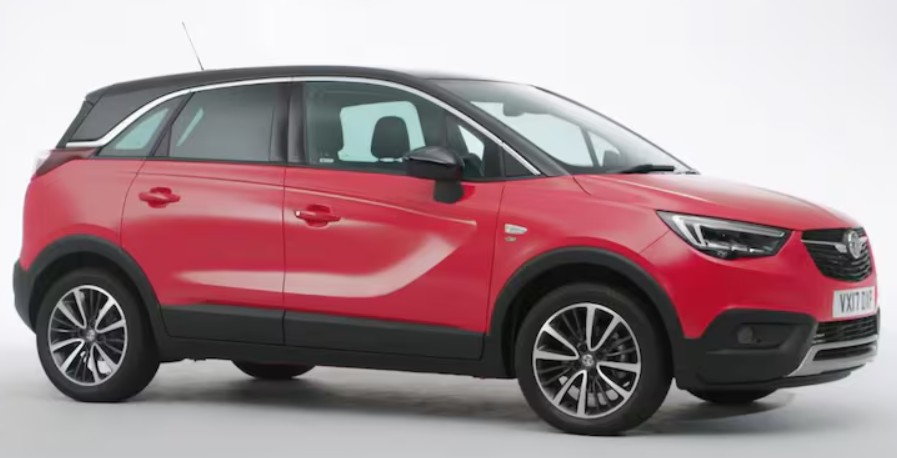
When your Vauxhall Crossland flashes that dreaded “engine fault repair needed” message, it feels like your car just whispered, “Something’s not right.” And suddenly, every noise sounds suspicious, every vibration feels amplified, and your peace of mind disappears faster than fuel on a long motorway drive.
But here’s the good news—we’re going to break this down together. No jargon-heavy nonsense. No confusing technical rabbit holes. Just a clear, practical, and human guide to understanding what’s happening, why it happens, and what you should do next.
Content in this publication
- Understanding the “Engine Fault Repair Needed” Warning
- Common Causes of Engine Faults in the Crossland
- Symptoms You Should Never Ignore
- Diagnosing the Problem: Where to Start
- Can You Still Drive With This Warning?
- Repair Costs: What Should You Expect?
- DIY Fixes vs Professional Repairs
- Preventing Engine Faults in the Future
- The Wet Belt Problem: A Hidden Risk
- How Long Does Repair Take?
- Should You Repair or Sell the Car?
- Real Owner Experiences: What People Report
- Closing Thoughts: Don’t Ignore the Warning
- FAQs About Vauxhall Crossland Engine Faults
Understanding the “Engine Fault Repair Needed” Warning
What Does This Warning Actually Mean?
This message is your car’s way of saying:
"Hey, something in the engine system isn’t behaving as expected."
It’s triggered by the car’s onboard diagnostics (OBD system), which constantly monitors engine performance, emissions, and electrical components.
Is It Serious or Just a Glitch?
That’s the million-dollar question—and the answer is: it depends.
- Minor issue: Loose sensor, temporary glitch
- Moderate issue: Faulty component affecting performance
- Serious issue: Engine damage risk if ignored
Think of it like a fever. Sometimes it’s just a cold. Other times… it’s something you shouldn’t ignore.
Common Causes of Engine Faults in the Crossland
1. Faulty Oxygen (O2) Sensor
The oxygen sensor monitors air-fuel mixture.
- Causes poor fuel economy
- Triggers warning light
- Increases emissions
A failing sensor is like cooking blind—you don’t know how much fuel (or spice) you’re adding.
2. EGR Valve Issues (Exhaust Gas Recirculation)
The EGR system reduces emissions by recycling exhaust gases.
Symptoms of EGR Problems
- Rough idling
- Loss of power
- Black smoke
When it clogs, your engine struggles to “breathe properly.”
3. Turbocharger Problems
Many Crossland engines are turbocharged.
Signs of Turbo Failure
- Whistling noise
- Reduced acceleration
- Excess smoke
A failing turbo is like trying to sprint with a blocked nose—it just doesn’t work well.
4. Fuel Injector Malfunctions
Fuel injectors deliver precise amounts of fuel.
- Misfires
- Poor acceleration
- Engine hesitation
Even a tiny blockage can disrupt performance significantly.
5. Timing Belt (Wet Belt) Wear
This is a big one for Crossland models.
Why It Matters
- Controls engine timing
- Runs inside engine oil (wet belt)
- Can degrade prematurely
If it fails? That’s catastrophic engine damage.
6. Ignition Coil or Spark Plug Failure
These components ignite the fuel-air mixture.
Common Symptoms
- Engine misfire
- Rough running
- Difficulty starting
It’s like trying to light a fire with a damp match.
7. Sensor or Electrical Faults
Modern engines rely heavily on electronics.
- Mass airflow sensor (MAF)
- Crankshaft position sensor
- Throttle position sensor
Sometimes, the problem isn’t mechanical—it’s digital confusion.
Symptoms You Should Never Ignore
Warning Signs That Demand Immediate Attention
Let’s be real—cars rarely whisper before they scream.
Watch out for:
- ⚠️ Engine warning light stays on
- 🚗 Loss of power while driving
- 🔊 Knocking or unusual noises
- 🌫️ Excessive smoke from exhaust
- ⛽ Increased fuel consumption
- 🛑 Engine stalling
If your Crossland shows multiple symptoms, don’t wait.
Diagnosing the Problem: Where to Start
Step 1: Read the Error Code
Use an OBD2 scanner.
- Plug into diagnostic port
- Retrieve fault codes
- Identify issue
Think of it as reading your car’s “medical report.”
Step 2: Visual Inspection
Check for:
- Loose hoses
- Oil leaks
- Damaged wiring
Sometimes, the problem is hiding in plain sight.
Step 3: Professional Diagnostic
If you’re unsure:
- Visit a mechanic
- Request full engine scan
- Get a detailed report
Can You Still Drive With This Warning?
Short Answer: Sometimes… But Be Careful
Safe to Drive (Short Term)
- No loss of power
- No unusual noise
- Warning appears intermittently
Do NOT Drive
- Engine shaking
- Loud knocking
- Smoke or burning smell
Driving with a serious fault is like ignoring a cracked bone—you’ll regret it later.
Repair Costs: What Should You Expect?
Typical Price Ranges
Here’s a realistic breakdown:
- Oxygen sensor: $100–$300
- EGR valve cleaning/replacement: $150–$500
- Turbo repair: $500–$1,500+
- Fuel injectors: $200–$800
- Timing belt replacement: $600–$1,200
- Ignition coils/spark plugs: $100–$400
Costs vary depending on labor, location, and severity.
DIY Fixes vs Professional Repairs
When You Can Fix It Yourself
- Replacing spark plugs
- Cleaning EGR valve
- Resetting error codes
When You Need a Mechanic
- Turbo issues
- Timing belt problems
- Electrical faults
Let’s be honest—some repairs are not YouTube-friendly.
Preventing Engine Faults in the Future
Regular Maintenance Is Key
Think of maintenance like brushing your teeth—you skip it, you pay later.
Essential Maintenance Tips
- Change oil regularly
- Use high-quality fuel
- Replace filters on time
- Inspect timing belt periodically
Driving Habits Matter More Than You Think
- Avoid aggressive acceleration
- Let engine warm up
- Don’t ignore warning lights
Your driving style can either extend or shorten your engine’s life.
Why Crossland Owners Should Pay Attention
Some engines in the Crossland use a wet timing belt.
Potential Issues
- Belt degradation in oil
- Blocked oil passages
- Engine failure
When Should You Replace It?
- Around 60,000–100,000 miles
- Or sooner if symptoms appear
This is one area where prevention saves thousands.
How Long Does Repair Take?
Time Estimates
- Minor fixes: 1–2 hours
- Moderate repairs: Half a day
- Major repairs: 1–3 days
It depends on complexity and parts availability.
Should You Repair or Sell the Car?
Ask Yourself These Questions
- Is the repair cost reasonable?
- Is the car otherwise reliable?
- How old is the vehicle?
Sometimes repairing is smart. Sometimes it’s time to move on.
Real Owner Experiences: What People Report
Many Crossland owners mention:
- Intermittent warning lights
- Sensor-related faults
- EGR and turbo issues
The takeaway? Most problems are fixable—but early action matters.
Closing Thoughts: Don’t Ignore the Warning
An engine fault message isn’t just an annoyance—it’s a conversation starter between you and your car.
Ignore it, and the problem grows.
Address it early, and you stay in control.
We like to think of it this way: your car is a storyteller. That warning is just the first chapter. What happens next depends on how you respond.
FAQs About Vauxhall Crossland Engine Faults
1. Can I reset the engine fault warning myself?
Yes, using an OBD2 scanner—but if the issue isn’t fixed, it will return.
2. Is the engine fault warning always serious?
Not always. It can be minor, but it should never be ignored.
3. How much does a full diagnostic cost?
Typically between $50 and $150 depending on the workshop.
4. What is the most common issue in Crossland engines?
EGR valve problems and timing belt concerns are frequently reported.
5. Can bad fuel trigger this warning?
Yes, low-quality or contaminated fuel can cause engine faults.
If you want to know other articles similar to Vauxhall Crossland Engine Fault Repair Needed: The Complete Owner’s Guide you can visit the category Common Problems.
Kia Sorento Issues: Common Problems, Reliability and What to Watch For

Honda Passport Not Starting: Causes, Symptoms, and How to Fix It
Honda Passport Keyless Remote Battery Low: What It Means and How to Fix It

Nissan Rogue Apple CarPlay Not Working: Causes and Fixes
Nissan Rogue No Key Detected: Causes, Fixes, and What to Do
Nissan Rogue Engine Problems: Common Issues, Symptoms, Years and Solutions
Leave a Reply
More content of your interest