
Citroën C4 Engine Size: The Complete Guide to Power, Efficiency, and Performance

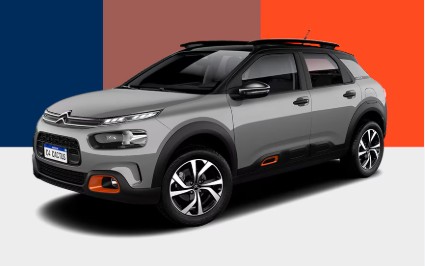
When we talk about the Citroën C4, we’re not just talking about a car—we’re diving into a carefully engineered balance between efficiency, performance, and everyday usability. And at the heart of that balance? Engine size.
So, what does “engine size” really mean for the Citroën C4? Is bigger always better? Or is the magic hidden in smaller, turbocharged units?
Let’s unpack everything—generation by generation, engine by engine—so we can truly understand what powers this iconic compact car.
Content in this publication
- Understanding Engine Size: Why It Matters
- Citroën C4 Engine Sizes Across Generations
- Breaking Down the Most Popular Citroën C4 Engine Sizes
- Petrol vs Diesel: Which Engine Size Feels Right?
- Does Bigger Engine Size Mean Better Performance?
- Turbocharging: The Game-Changer
- Hybrid and Electric Alternatives
- Fuel Economy vs Engine Size
- Engine Size and Insurance Costs
- Maintenance: Does Engine Size Matter?
- Choosing the Right Citroën C4 Engine Size
- Real-World Driving Experience
- Common Misconceptions About Engine Size
- Future Trends in Citroën C4 Engines
- Closing Thoughts: Finding Your Perfect Balance
- FAQs About Citroën C4 Engine Size
Understanding Engine Size: Why It Matters
What Is Engine Size, Really?
Engine size, often measured in liters (L) or cubic centimeters (cc), refers to the total volume of all cylinders inside the engine.
- 1.2L = 1,200cc
- 1.6L = 1,600cc
- 2.0L = 2,000cc
Think of it like lung capacity—the bigger the engine, the more air (and fuel) it can process, potentially generating more power.
But Here’s the Twist…
Modern engines—especially in cars like the Citroën C4—don’t rely solely on size anymore. Turbocharging, hybrid tech, and smart engineering mean smaller engines can punch well above their weight.
Citroën C4 Engine Sizes Across Generations
First Generation (2004–2010): The Classic Era
The early Citroën C4 came with a wide range of engine sizes, offering something for everyone.
Petrol Engines
- 1.4L (75 hp)
- 1.6L (90–110 hp)
- 2.0L (138–177 hp)
Diesel Engines
- 1.6L HDi (90–110 hp)
- 2.0L HDi (136 hp)
👉 These engines were simple, reliable, and focused on durability rather than cutting-edge efficiency.
Second Generation (2010–2018): Downsizing Begins
Here’s where things get interesting. Citroën started embracing smaller engines with turbocharging.
Petrol Engines
- 1.2L PureTech (110–130 hp)
- 1.6L VTi / THP (120–165 hp)
Diesel Engines
- 1.6L BlueHDi (100–120 hp)
- 2.0L BlueHDi (150 hp)
👉 Notice the shift? Smaller engines, more power. Efficiency became the star of the show.
Third Generation (2020–Present): Modern Efficiency Meets Innovation
The latest Citroën C4 is a perfect example of modern engine philosophy.
Petrol Engines
- 1.2L PureTech (100, 130 hp)
Diesel Engines
- 1.5L BlueHDi (110–130 hp)
Electric Version
- ë-C4 (no engine size, fully electric motor)
👉 The lineup is lean, efficient, and tailored for real-world driving—not just specs on paper.
Breaking Down the Most Popular Citroën C4 Engine Sizes
1.2L PureTech Engine: The Small Giant
This engine might sound tiny—but don’t underestimate it.
Why It Works
- Turbocharged for extra power
- Lightweight, improving fuel economy
- Surprisingly responsive in city driving
Best For
- Urban drivers
- Fuel-conscious users
- Daily commuting
1.5L BlueHDi Diesel: The Long-Distance Champion
If you’re someone who eats miles for breakfast, this is your engine.
Key Strengths
- Excellent fuel efficiency
- Strong torque for highway driving
- Long lifespan
Perfect For
- Long-distance drivers
- Highway commuters
- Taxi or fleet use
2.0L Engines: The Old-School Powerhouses
Found mostly in older models, these engines deliver raw power.
Pros
- Strong acceleration
- High top-end performance
Cons
- Higher fuel consumption
- More expensive to maintain
👉 Think of them as the “muscle cars” of the C4 lineup.
Petrol vs Diesel: Which Engine Size Feels Right?
Petrol Engines (1.2L – 1.6L)
- Smoother and quieter
- Better for short trips
- Lower upfront cost
Diesel Engines (1.5L – 2.0L)
- More torque
- Better fuel economy on long trips
- Ideal for heavy usage
👉 If your driving is mostly city-based, smaller petrol engines win.
👉 If you’re clocking serious miles, diesel becomes your best friend.
Does Bigger Engine Size Mean Better Performance?
Let’s be honest—it used to.
But today? Not necessarily.
Modern Reality Check
- A 1.2L turbo can outperform an older 1.6L naturally aspirated engine
- Efficiency matters more than raw size
- Weight reduction improves handling
👉 It’s like comparing a modern smartphone to an old computer—smaller, but smarter.
Turbocharging: The Game-Changer
What Does a Turbo Do?
A turbocharger forces more air into the engine, increasing power without increasing size.
Why It Matters for the C4
- Smaller engines feel bigger
- Better fuel economy
- Reduced emissions
👉 This is why the 1.2L PureTech feels so lively despite its size.
Hybrid and Electric Alternatives
ë-C4: The Electric Revolution
The fully electric Citroën ë-C4 skips engine size altogether.
- Instant torque
- Zero emissions
- Silent driving experience
👉 It’s not about size anymore—it’s about energy efficiency.
Fuel Economy vs Engine Size
Here’s a quick breakdown:
| Engine Size | Typical MPG | Best Use |
|---|---|---|
| 1.2L | 45–60 MPG | City driving |
| 1.5L Diesel | 55–70 MPG | Long distances |
| 2.0L | 30–45 MPG | Performance |
👉 Smaller engines generally win the fuel economy battle.
Engine Size and Insurance Costs
Insurance companies love smaller engines.
Why?
- Lower risk
- Less power = fewer accidents
- Cheaper repairs
👉 A 1.2L engine will almost always cost less to insure than a 2.0L.
Maintenance: Does Engine Size Matter?
Absolutely.
Smaller Engines
- Lower oil capacity
- Cheaper parts
- Easier servicing
Larger Engines
- Higher maintenance costs
- More complex systems
👉 Bigger engines don’t just drink more fuel—they also eat more money over time.
Choosing the Right Citroën C4 Engine Size
Let’s simplify it.
Go for 1.2L if:
- You drive mostly in the city
- You want low running costs
- You value efficiency
Go for 1.5L Diesel if:
- You drive long distances
- You want maximum fuel economy
- You need torque
Go for 2.0L if:
- You want performance
- You don’t mind higher costs
Real-World Driving Experience
Here’s where things get personal.
- The 1.2L feels light and agile
- The 1.5L diesel feels steady and strong
- The 2.0L feels powerful but thirsty
👉 It’s like choosing between a bicycle, a train, and a sports car—each serves a purpose.
Common Misconceptions About Engine Size
Myth #1: Bigger Is Always Better
Not anymore.
Myth #2: Small Engines Are Weak
Turbocharging changed that forever.
Myth #3: Diesel Is Always Cheaper
Only if you drive enough to justify it.
Future Trends in Citroën C4 Engines
The future is clear:
- Smaller engines
- Hybrid systems
- Full electrification
👉 Engine size is becoming less important, while efficiency and sustainability take center stage.
Closing Thoughts: Finding Your Perfect Balance
Choosing the right Citroën C4 engine size isn’t about chasing numbers—it’s about understanding your lifestyle.
- City driver? Go small.
- Road warrior? Go diesel.
- Performance lover? Go big (or electric).
In the end, the best engine is the one that fits your life like a glove.
FAQs About Citroën C4 Engine Size
1. What is the most common engine size in the Citroën C4?
The 1.2L PureTech petrol engine is the most common in modern models.
2. Is the 1.2L engine powerful enough?
Yes, thanks to turbocharging, it delivers excellent performance for everyday driving.
3. Which engine size is best for fuel economy?
The 1.5L BlueHDi diesel offers the best fuel efficiency, especially on long journeys.
4. Are larger engines more reliable?
Not necessarily—modern smaller engines are highly reliable when properly maintained.
5. Is the electric ë-C4 better than petrol or diesel?
It depends on your needs—electric is ideal for urban driving and lower running costs.
If you want to know other articles similar to Citroën C4 Engine Size: The Complete Guide to Power, Efficiency, and Performance you can visit the category Service and Parts.
Nissan Qashqai Fuel Tank Capacity: Complete Guide

Suzuki Swift Fuel Tank Capacity: Complete Guide
Mazda CX-5 Weight (2013–2026): Complete Guide in Pounds and KG
Kia Sportage Dashboard Symbols and Warning Lights

MINI Cooper Weight (2002–2027): Complete Weight Chart & Guide
Toyota RAV4 Engine Sizes: Complete Guide (1994–2026)
Leave a Reply
More content of your interest